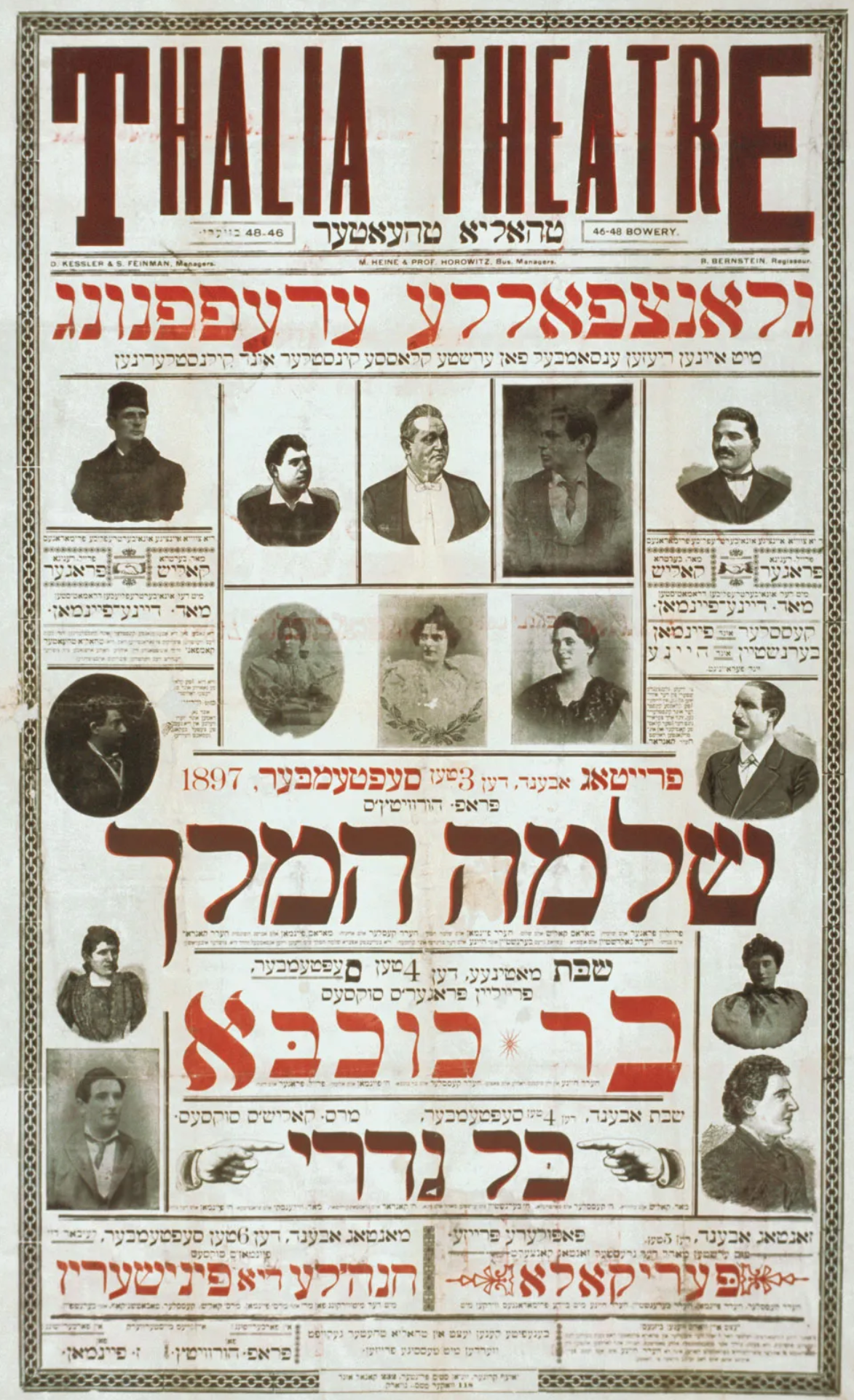
This dimension covers the embodied behaviors through which Judaism is lived. Rituals mark sacred time, guide moral and communal life, and sustain the covenantal relationship between the Jewish people and God. They are patterned, symbolic, and often collective—anchoring faith in daily life and historical memory.
1. Daily Devotion
Core Practices:
Daily Jewish devotion revolves around tefillah (prayer), Torah study, and mindful observance of commandments. These acts sanctify ordinary life, transforming routine into worship. Prayer replaces the ancient Temple sacrifices, maintaining a rhythm of gratitude, confession, and petition throughout the day.
Prayer and Meditation:
Three fixed prayer services—Shacharit (morning), Mincha (afternoon), and Ma’ariv (evening)—form the structure of devotion, echoing both patriarchal precedent and the Temple’s sacrificial schedule. Each service includes the Shema (affirmation of God’s unity) and the Amidah (standing prayer). Meditation in Jewish tradition often takes the form of kavanah—inner intention that aligns mind and heart with divine purpose during prayer and study.
Offerings and Symbolic Acts:
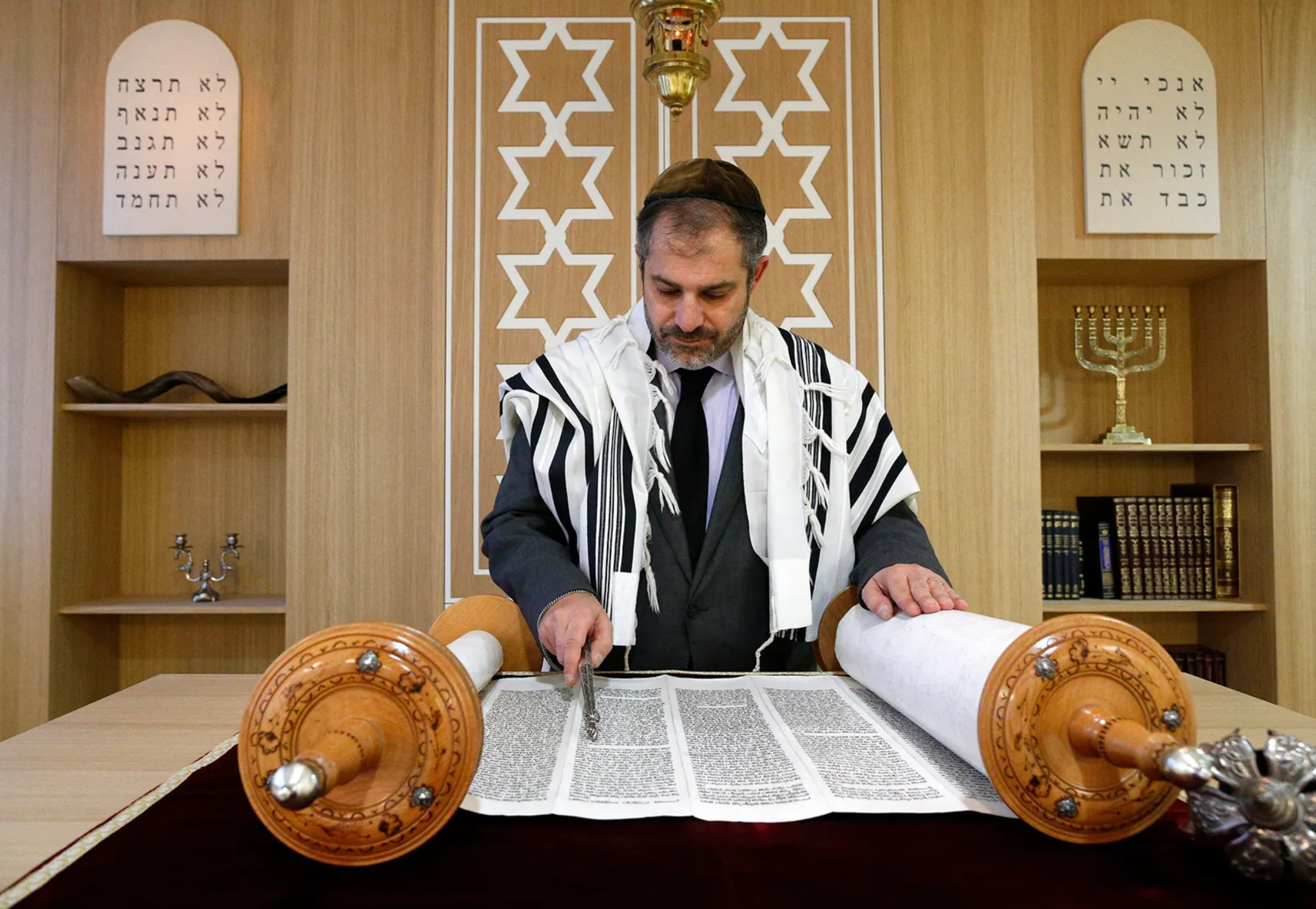
Since the Temple’s destruction, physical offerings have been replaced by symbolic and ethical ones—acts of charity (tzedakah), blessings before food, and words of thanksgiving. Lighting candles, donning tefillin, and wearing the tallit serve as embodied prayers—visible expressions of covenantal obedience.
Dietary Rules and Purity:
Observance of kashrut (dietary law) regulates daily eating habits, fostering discipline and awareness of holiness. Washing hands before meals and upon waking, avoiding forbidden foods, and separating meat and dairy all reflect a continual mindfulness of purity and divine distinction.
Frequency and Obligation:
Daily prayer is both fixed and personal. The three canonical services are obligatory for observant Jews, while spontaneous supplications are voluntary. Study of Torah—considered equal to all other commandments—is a constant duty, ideally performed morning and night. Together, these rhythms form a daily covenantal cycle: structured devotion balanced with individual encounter, sanctifying time itself as an offering to God.

2. Sacrifice and Offering
Forms of Offering:
In ancient Judaism, worship centered on korbanot (offerings), performed in the Jerusalem Temple as tangible expressions of devotion and covenant. These included:
- Animal sacrifices (olah, chatat, asham): representing atonement, purification, and total dedication.
- Grain and food offerings (minchah): gifts of daily sustenance acknowledging God as provider.
- Libations (nesakhim): poured wine offerings accompanying major rituals, symbolizing joy and abundance.
- Incense offerings (ketoret): fragrant smoke rising from the altar, representing prayer ascending to heaven.
Symbolic Gifts:
Even after the Temple’s destruction, symbolic offerings continued through blessings, charity, and prayer. Acts of tzedakah (righteous giving), table rituals (such as bread and wine on the Sabbath), and verbal thanksgiving became the spiritual counterparts to material sacrifice. The home table came to symbolize the altar, with daily acts of generosity and gratitude replacing burnt offerings.
Purpose and Meaning:
The purpose of sacrifice was not appeasement in a pagan sense but covenantal relationship—renewing unity between God and Israel.
- Atonement: restoring spiritual balance and forgiveness.
- Thanksgiving: expressing gratitude for divine providence.
- Covenant renewal: reaffirming loyalty and dependence on God.
- Reciprocity: returning a portion of blessing to its source.
Theological Transformation:
Prophetic voices like Isaiah and Hosea redefined sacrifice as ethical rather than ritual: “I desire mercy, not sacrifice; knowledge of God more than burnt offerings.” After 70 CE, prayer (avodah shebalev, “service of the heart”) replaced the altar. The essence of offering remained—devotion, humility, and acknowledgment of God—but shifted from blood and fire to word and deed. In Judaism today, every sincere prayer, act of kindness, and study of Torah continues that ancient impulse: to give back to the Giver.
3. Festivals and Sacred Time
Nature and Rhythm:
Jewish festivals structure the year as a cycle of remembrance and renewal, binding natural seasons to sacred history. Each festival transforms time into ritual space—reconnecting creation, covenant, and redemption. The rhythm follows both agricultural and historical patterns, turning the year into a reenactment of divine encounter.
Agricultural and Cosmic Roots:
The earliest feasts—Pesach (Passover), Shavuot (Weeks), and Sukkot (Tabernacles)—emerged from the land itself. They marked spring’s first barley harvest, the summer wheat harvest, and the autumn ingathering. Each celebration honors God as sustainer of life and master of creation’s cycles.
Mythic and Historical Memory:
Over time, these agricultural feasts were joined with formative events in Israel’s story:
- Passover (Pesach): commemorates the Exodus from Egypt, freedom from bondage, and divine deliverance.
- Shavuot: celebrates the giving of the Torah at Sinai—the covenant’s revelation and moral foundation.
- Sukkot: recalls the wilderness journey, divine protection, and the fragility of human dwelling.
Sacred Cycles of Renewal:
Other holy days expand this temporal web:
- Rosh Hashanah (New Year) inaugurates reflection and divine judgment.
- Yom Kippur (Day of Atonement) purifies and renews the soul.
- Hanukkah celebrates rededication and divine light amid oppression.
- Purim transforms historical survival into communal joy.
Each observance is both cyclical and transformative—renewing creation, covenant, and human purpose.
Meaning:
Jewish sacred time is not linear repetition but spiral ascent. Each return deepens awareness, binding past salvation to present faith. Through festivals, time itself becomes liturgy—where nature and history, work and rest, body and spirit all converge in the ongoing act of creation.
4. Rites of Passage
Purpose and Structure:
Jewish rites of passage mark the movement of an individual through life’s stages within the framework of covenantal belonging. Each ceremony joins personal transformation to divine order, affirming that every milestone—birth, maturity, union, death—unfolds within the sacred rhythm of community and law.
Birth and Naming:
At eight days, a male child enters the covenant through Brit Milah (circumcision), echoing God’s command to Abraham. It signifies both physical belonging and spiritual inheritance. Naming accompanies this moment or, for girls, occurs in synagogue during Simchat Bat (“joy of a daughter”). A child’s Hebrew name links them to biblical ancestry and communal memory, anchoring identity in faith.
Initiation and Maturity:
At adolescence, the Bar Mitzvah (for boys) or Bat Mitzvah (for girls) marks moral and religious accountability—the transition from parental responsibility to personal observance of the commandments. Public Torah reading and blessing symbolize the acceptance of covenantal duty and participation in the life of the congregation.
Marriage:
The Chuppah (wedding canopy) represents both the home to be built and the divine presence that sanctifies it. Rings, blessings, and the breaking of glass recall the fragility of joy and the enduring memory of Jerusalem’s destruction. Marriage is not merely a contract but a covenantal partnership reflecting divine unity—“two becoming one flesh.”
Ordination and Vocation:
For those entering spiritual leadership, Semikhah (rabbinic ordination) transmits the authority to interpret law and guide the people. It continues an unbroken chain of learning and stewardship dating back to Moses. Each ordination affirms continuity of wisdom through time—Torah as living inheritance.
Death and Mourning:
Death is met with dignity and simplicity. Burial replaces display with equality: a plain shroud, no ornament, no delay. The Kaddish prayer magnifies God’s name rather than lamenting loss, directing grief toward faith. Shivah, the seven-day mourning period, integrates sorrow into community care. Through remembrance, the dead remain part of Israel’s eternal covenant—life sanctified even in its passing.
Meaning:
Each rite binds the individual to the collective story of Israel, affirming that private life is inseparable from sacred order. In Judaism, to live and to die are both covenantal acts—passages not only through time, but toward holiness.
5. Healing and Divination
Purpose and Orientation:
Judaism approaches healing and uncertainty through faith, law, and moral responsibility rather than magical manipulation. Illness is seen not as divine punishment but as part of the human condition within creation’s balance. Healing rituals aim to restore shalom—wholeness between body, soul, and God. Divination, in contrast, is largely prohibited, reflecting the belief that revelation belongs to God alone and cannot be forced or foretold through human artifice.
Healing Practices:
Traditional Jewish healing combines prayer, charity, and medical care—reflecting the Talmudic principle that “permission has been given to the physician to heal.” Remedies are both spiritual and practical: recitation of Tehillim (Psalms), blessings for the sick (Mi Shebeirach), and community intercession accompany professional medicine. Visiting the ill (bikur cholim) is a commandment, affirming solidarity and compassion as healing forces.
Ritual and Symbolic Acts:
- Prayer: The Amidah includes a blessing for health and restoration, aligning physical healing with divine compassion.
- Charity: Acts of tzedakah are often given on behalf of the sick, linking personal recovery with communal good.
- Fasting or repentance: In moments of crisis, fasting or confession (vidui) expresses humility before divine will.
- Amulets and sacred words: In folk practice, verses of Scripture or divine names were inscribed as protective charms—cultural echoes of older traditions reinterpreted through monotheism.
Divination and Forbidden Arts:
Scripture explicitly forbids soothsaying, necromancy, and astrology (Deut. 18:10–12), contrasting them with prophecy, which depends on divine initiative. Nevertheless, Jewish mysticism occasionally engaged cosmic symbolism—astrological imagery, angelology, and numerical correspondences (gematria)—not as fortune-telling but as contemplation of divine order. Kabbalistic meditation sought revelation through purified awareness, not possession or trance.
Prophecy and Insight:
Legitimate spiritual knowledge in Judaism comes through nevu’ah (prophecy) or ruach ha-kodesh (holy inspiration)—states of receptivity rather than control. The prophet listens, does not summon; the seer discerns meaning within law and covenant, not apart from them.
Meaning:
Healing rituals express trust in divine mercy, while the rejection of divination upholds moral autonomy and faith in providence. Judaism thus transforms ancient impulses toward magic and oracle into prayer, wisdom, and ethical responsibility—anchoring uncertainty within the certainty of covenant.
6. Pilgrimage and Sacred Journeys
Purpose and Nature:
Pilgrimage in Judaism unites physical movement with spiritual ascent—an outward journey mirroring inward return. It transforms travel into worship, linking geography to covenant and time to eternity. Each pilgrimage expresses gratitude, renewal, and the desire to stand before God in purity.
Biblical Foundations:
The Torah commands three annual pilgrimages to Jerusalem:
- Passover (Pesach): celebrating liberation from Egypt.
- Shavuot (Weeks): honoring the giving of the Torah.
- Sukkot (Tabernacles): commemorating divine protection in the wilderness.
During these shalosh regalim (“three foot festivals”), Israelites traveled to the Temple to offer sacrifices and appear before God (Deut. 16:16). The journey itself was an act of faith—leaving one’s fields and home under divine care while fulfilling sacred duty.
Temple and Pilgrim Experience:
The destination was the Beit HaMikdash (Temple), seen as the axis of heaven and earth. Pilgrims ascended Mount Zion singing the Psalms of Ascent (Psalms 120–134), carrying offerings of first fruits (bikkurim). The act symbolized both gratitude for harvest and reaffirmation of covenant. Purification through mikveh (ritual immersion) preceded entry, signifying moral and bodily readiness for encounter with the Holy.
Exile and Transformation:
After the Temple’s destruction, physical pilgrimage gave way to spiritual journeys. Visiting Jerusalem remained a deep aspiration—captured in the daily prayer “Next year in Jerusalem.” Pilgrimage reemerged as devotion through study, prayer, and charity. The synagogue became a miniature Temple (mikdash me’at), enabling worship from anywhere.
Later and Modern Pilgrimages:
Jews continued to visit graves of prophets, sages, and righteous figures (tzaddikim), seeking blessing and inspiration rather than intercession. Sites like the Western Wall, the Tomb of Rachel, and the Cave of Machpelah embody continuity with ancestral faith. In mystic tradition, pilgrimage represents aliyah—“ascent”—a soul’s movement toward divine closeness.
Meaning:
Whether to Jerusalem, a holy grave, or through daily prayer, every Jewish journey is pilgrimage—a movement from dispersion toward unity, from distance toward God. It fulfills vows of faith, renews the bond of covenant, and affirms that holiness is not only found in a place but carried within the heart that seeks it.
7. Discipline and Asceticism
Purpose and Ethos:
Judaism recognizes discipline as a means to sanctify life, but not to reject it. The body and the world are divine creations, meant to be ordered—not denied. Ascetic practices exist, yet always under restraint, aiming to refine intention (kavanah) and restore balance rather than glorify deprivation. Holiness is achieved through moderation, not renunciation.
Fasting:
Fasting is the most widespread ascetic act. The Torah commands one obligatory fast—Yom Kippur, the Day of Atonement—when eating, drinking, and physical comfort are set aside to focus wholly on repentance and renewal. Later tradition added other fasts—such as Tisha B’Av (mourning the Temple’s destruction) and Ta’anit Esther (commemorating deliverance in the Purim story). Voluntary fasts are also permitted, undertaken for penitence or intercession. The purpose is purification of heart and clarity of spirit, not punishment of flesh.
Celibacy and Sexual Restraint:
Judaism rejects permanent celibacy as a religious ideal. Marriage and family are commandments (mitzvot), central to fulfilling the divine plan. Yet temporary abstinence occurs in moments of mourning, ritual impurity, or spiritual preparation—symbolizing focus and reverence. The marital union itself is sanctified, not suppressed; passion, when governed by law, becomes an expression of holiness.
Poverty and Simplicity:
While poverty is not idealized, voluntary simplicity—living without excess—is valued as humility and trust in divine provision. The prophets and sages often warned against luxury and greed, calling instead for justice and compassion. True wealth, they taught, lies in contentment (sameach b’chelko, “rejoicing in one’s portion”).
Seclusion and Retreat:
Moments of solitude (hitbodedut) are found in mystical practice, particularly within Hasidic tradition. The seeker withdraws from distraction to commune directly with God through spontaneous prayer and reflection. Unlike monasticism, this solitude is temporary—a recalibration before reentering the world with renewed spiritual strength.
Self-Denial as Training:
Jewish asceticism is always functional, never absolute. Self-denial disciplines desire, teaching gratitude and restraint. The Talmud warns against needless deprivation: “A person will one day be judged for every pleasure he saw and did not partake of.” Thus, discipline serves life rather than negates it—training the will toward holiness while affirming creation’s inherent goodness.
Meaning:
Asceticism in Judaism refines rather than rejects. Through fasting, simplicity, and restraint, one learns mastery over impulse and attunement to the divine. The goal is not escape from the world but transformation within it—living freely and consciously before God, where even denial becomes affirmation of life’s sacred order.
8. Performance and Aesthetics
Purpose and Character:
Jewish worship transforms art into devotion. Music, movement, and beauty serve as instruments of holiness—not spectacle but expression of the soul’s alignment with God. Aesthetic forms embody emotion, memory, and law, turning ritual into lived theology. Every sound, gesture, or garment functions symbolically, integrating sensory experience with sacred meaning.
Music and Chanting:
Music is central to Jewish prayer. The cantor (chazzan) leads through melody and rhythm, using nusach—traditional modal systems that distinguish each service and season. Torah reading employs ta’amim (cantillation marks), encoding tone and emotion directly into the sacred text. Psalms and hymns (piyyutim) expand this musical language, linking joy, lament, and hope to liturgical time. Song is both art and theology: the breath of humanity answering the speech of God.
Drumming and Instrumentation:
In ancient Israel, worship involved instruments—harps, lyres, cymbals, and drums—especially in Temple processions and festivals. After the Temple’s destruction, instrumental music was largely suspended in mourning, yet the voice remained the primary instrument of praise. In modern and mystical settings, percussion and melody reappear in niggunim (wordless Hasidic melodies), where rhythm and repetition induce devotion and ecstatic unity.
Dance:
Dance functions as embodied joy. King David’s dance before the Ark symbolizes worship unrestrained by pride. In Hasidic tradition, circle dances express equality and divine harmony—each participant a link in creation’s rhythm. Movement thus becomes theology enacted: the body praising as the heart prays.
Dramatic Reenactments:
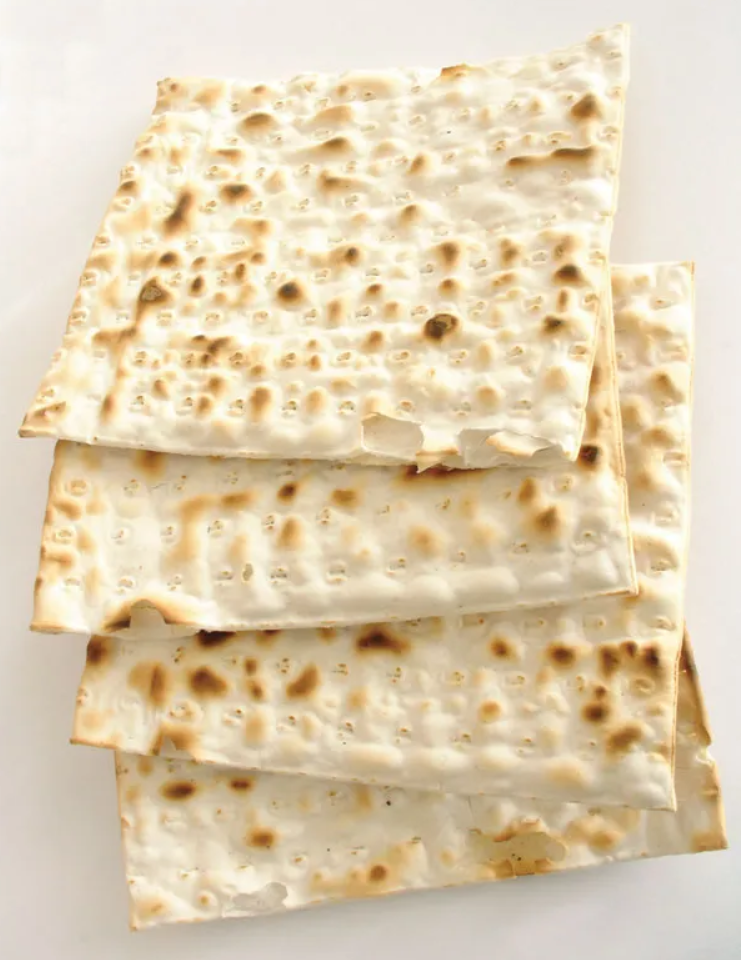
Certain rituals incorporate performative storytelling. During Purim, the Megillah (Book of Esther) is read aloud with crowd participation—cheers, noise, laughter—transforming narrative into communal theater. Passover’s Seder likewise reenacts the Exodus, using food, speech, and gesture to merge memory with present experience. In these acts, history is not remembered but relived.
Symbolic Dress and Objects:
Ritual garments—tallit (prayer shawl), tefillin (phylacteries), kippah (head covering)—mark the body as sacred vessel. Priestly vestments once bore gold, linen, and gems to reflect divine glory; later, modest simplicity replaced splendor with humility. Even so, fabric and form still signify covenant. The visual language of Judaism avoids masks and icons yet invests meaning in texture, motion, and repetition—the visible echo of invisible faith.
Meaning:
Performance in Judaism is revelation through form: the convergence of sound, movement, and matter into awareness of the divine. Art serves not self-expression but consecration. To sing, dance, or act within sacred order is to participate in creation’s ongoing harmony—where beauty itself becomes prayer.
9. Social Cohesion
Purpose and Function:
Ritual in Judaism sustains the unity of the people (Am Yisrael) across geography and time. Shared worship, law, and memory bind individuals into a moral community under covenant. Through collective observance, the Jewish people affirm that identity is not merely inherited but enacted—renewed daily through practice, speech, and participation in sacred life.
Collective Worship:
The minyan—a quorum of ten adults—symbolizes that holiness is realized in community. Public prayer, Torah reading, and blessings require this minimum, making the presence of others essential to divine encounter. The synagogue functions as both house of prayer and center of social order, where language, ritual, and shared time preserve continuity. Festivals, Sabbaths, and fasts gather dispersed individuals into a single rhythm of remembrance, reinforcing the sense of belonging to one body.
Ritual and Social Order:
Law and ritual intertwine to maintain moral discipline. Oaths, blessings, and curses serve as mechanisms of accountability—binding word to action before God. Ancient covenants often included verbal sanctions: blessings for obedience and curses for violation (Deut. 27–28). In communal life, these rituals sanctified contracts, marriages, and judgments, transforming legal acts into sacred commitments. Swearing falsely or breaking vows was both social transgression and sin.
Blessing and Responsibility:
Public blessings (berakhot) affirm that divine favor depends on ethical conduct. The priestly blessing (Birkat Kohanim)—“May the Lord bless you and keep you”—extends spiritual protection through the community’s representatives, reminding all that order flows from mutual duty. Collective fasting, charity, and mourning similarly reinforce solidarity: one person’s suffering or repentance belongs to all.
Curses and Oaths:
In biblical and rabbinic tradition, curses carried social and theological weight. They were deterrents against betrayal, perjury, or injustice—invoking divine witness to human honesty. Such acts served the same role as modern law enforcement: securing trust through shared reverence for divine judgment. The sanctity of speech created a moral framework where community could function without coercion.
Identity and Continuity:
Through these mechanisms, Judaism transforms religion into civilization. Ritual law produces cohesion, worship generates solidarity, and the covenant itself acts as a constitution of collective purpose. To pray together, to bless, to swear truthfully—each is a reaffirmation that Israel exists not merely as a people but as a living moral order under God.