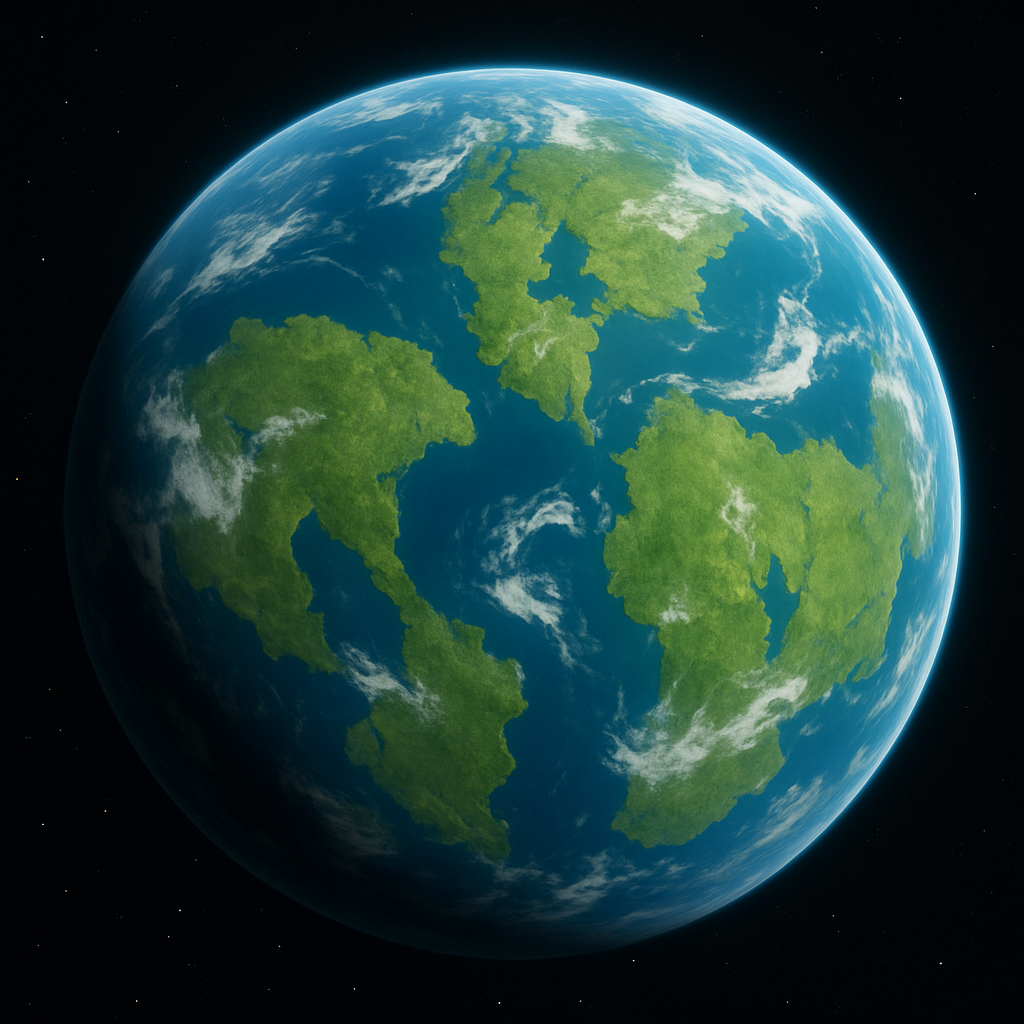
Cosmic Time refers to the universal clock that measures the age of the universe from the instant of the Big Bang onward. It represents time as experienced by an observer at rest relative to the overall expansion of space — not by any specific galaxy, planet, or object moving through it. In cosmology, this is the standard temporal framework used to describe the evolution of the universe as a single, coherent system.
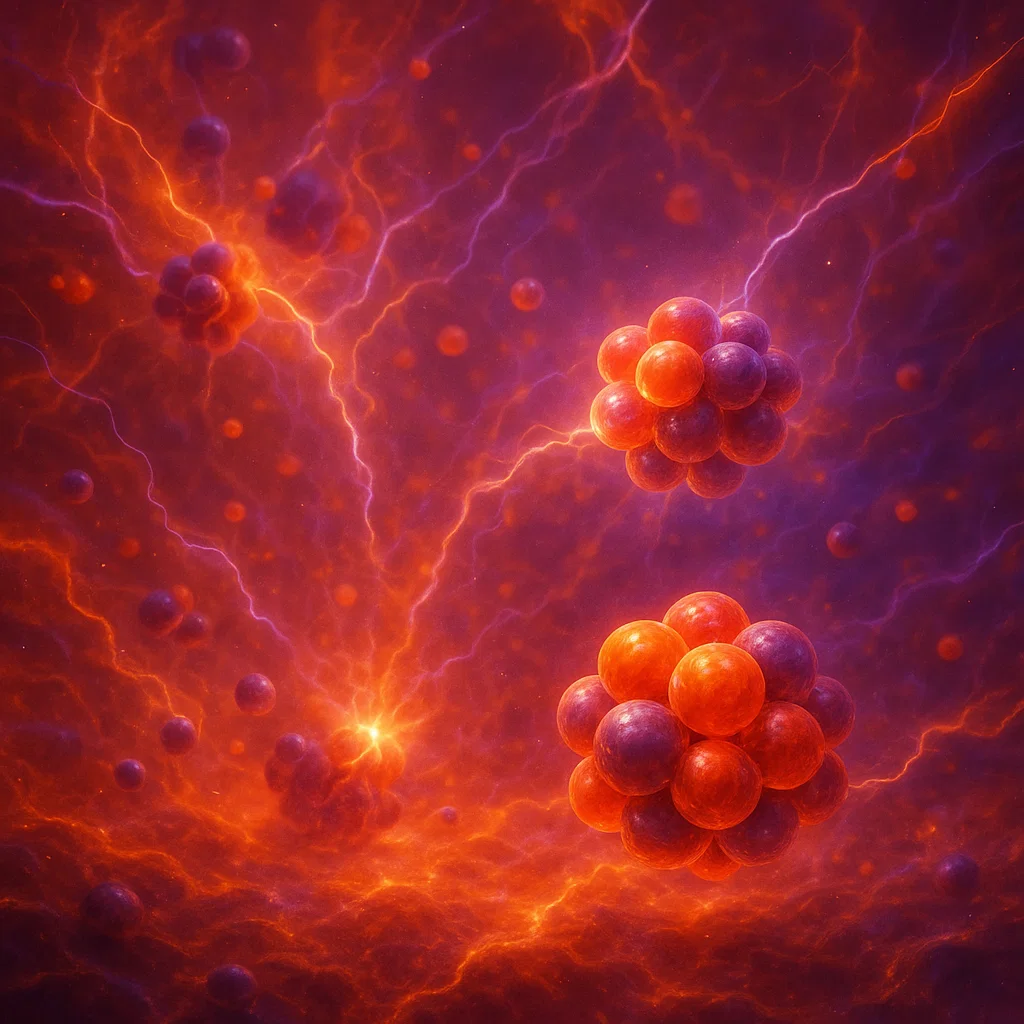
Cosmic time differs from local or relativistic time: it is not about when something happened somewhere, but when it occurred in the universal sequence of expansion. Every event — from the first quantum fluctuations to the formation of galaxies — can be located on this shared temporal axis. The further back one looks, the denser, hotter, and more uniform the universe becomes.
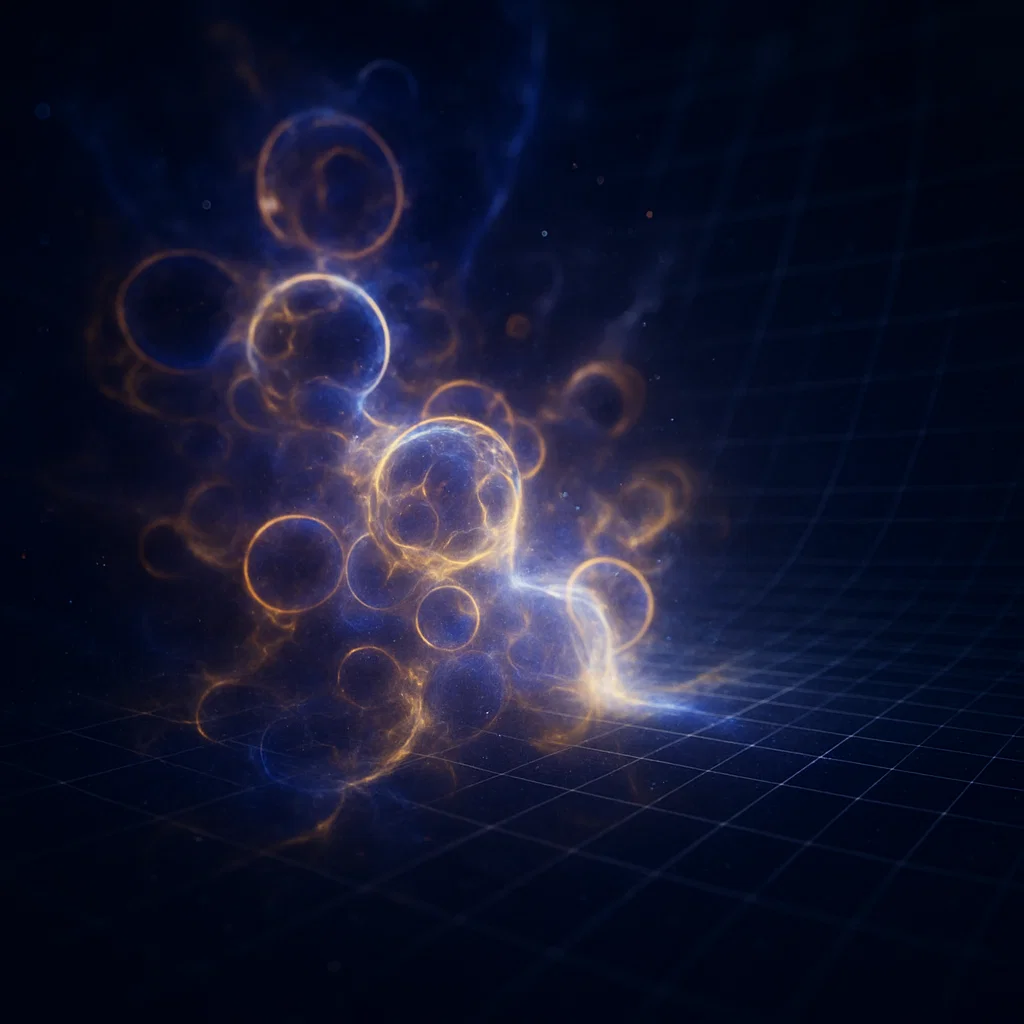
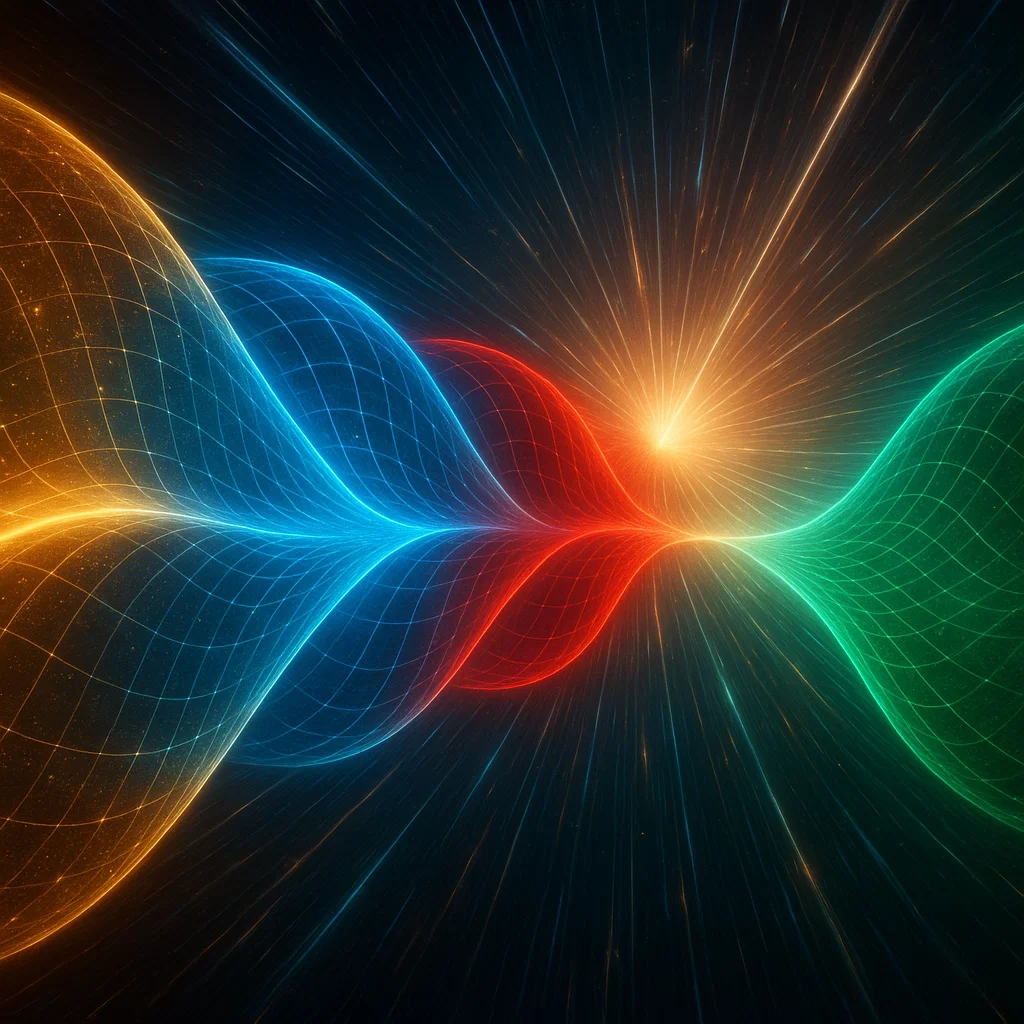
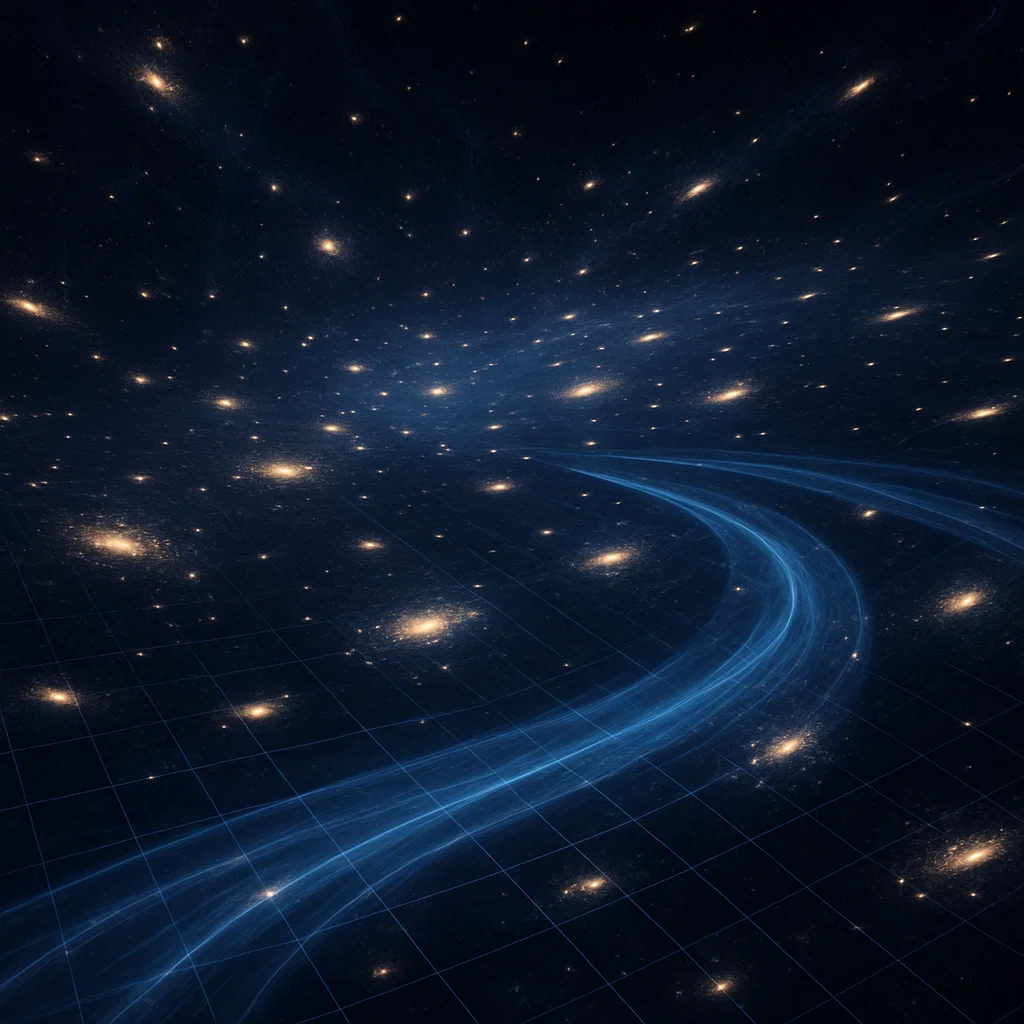
Scientists divide cosmic history into a series of eras, each defined by the dominant form of energy or matter controlling the universe’s behavior. In the earliest instants, high-energy fields and fundamental forces governed everything. As the universe expanded and cooled, the balance shifted — first to radiation, then matter, and finally to dark energy. Each transition marks a profound change in the physical laws that shaped cosmic structure.
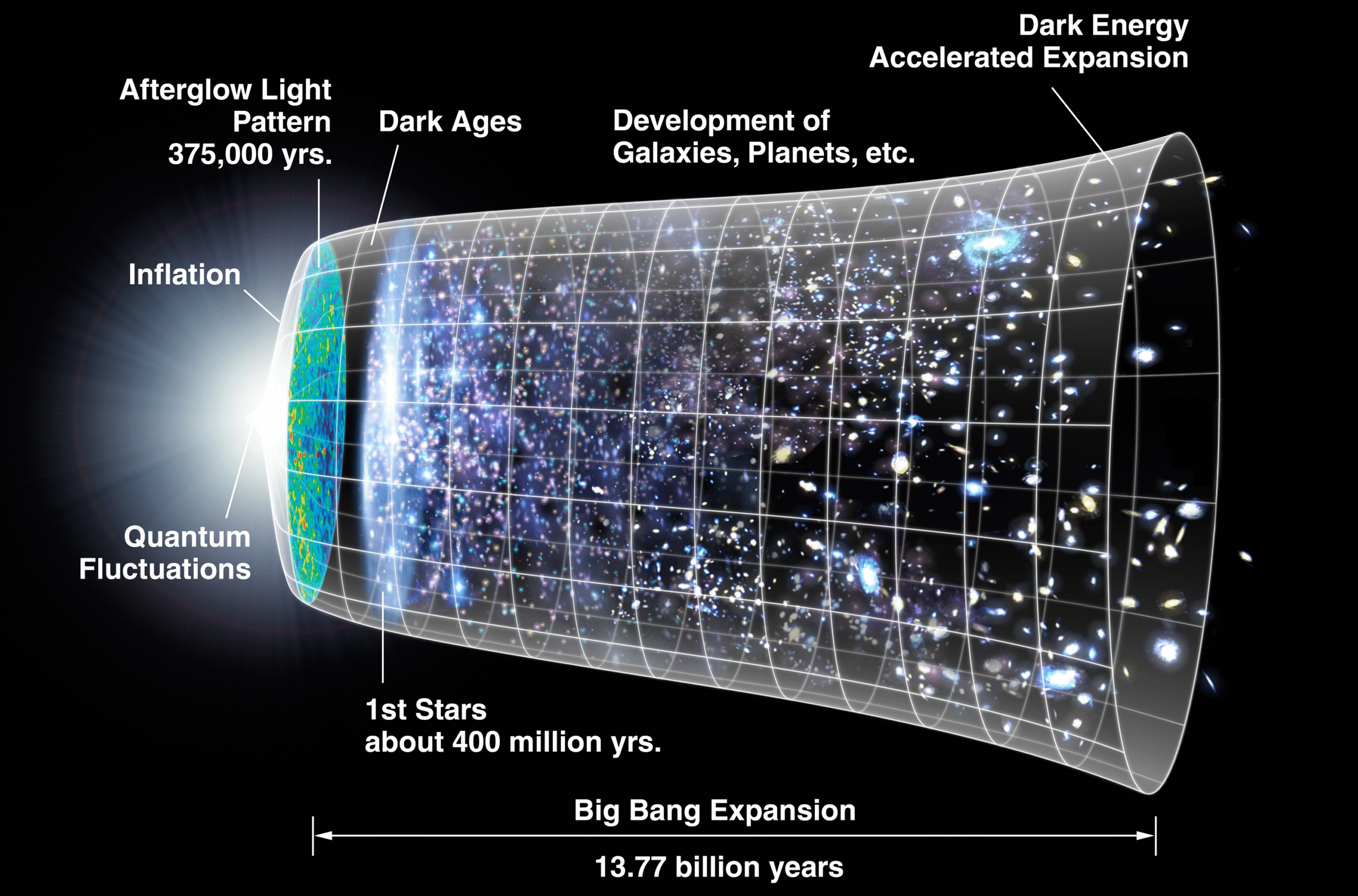
Below is the standard framework used to describe those eras in chronological order, from the birth of spacetime to the present accelerating epoch.
CHRONOS — Cosmic Time Eras
| Era | Approximate Range (Years After Big Bang) | Scale of Time (Duration) | Defining Event / Dominant Process | Example Phenomena |
|---|---|---|---|---|
| Planck Era | 0 – 10⁻⁴³ seconds | Instantaneous (beyond measurable physics) | All forces unified; spacetime quantum | Primordial quantum foam |
| Grand Unification Era | 10⁻⁴³ – 10⁻³⁶ seconds | Tiny fraction of a second (~one-trillion-trillion-trillionth) | Gravity separates from other forces | Symmetry breaking of fundamental forces |
| Inflationary Era | 10⁻³⁶ – 10⁻³² seconds | Extremely brief burst (~one-ten-millionth of a second) | Universe expands exponentially | Inflation, smoothing of space |
| Electroweak Era | 10⁻³² – 10⁻¹² seconds | About a trillionth of a second long | Weak and electromagnetic forces separate | Higgs field activates, particles gain mass |
| Quark Era | 10⁻¹² – 10⁻⁶ seconds | A millionth of a second | Quarks and gluons dominate | Quark–gluon plasma forms |
| Hadron Era | 10⁻⁶ – 1 second | About one second | Quarks bind into protons and neutrons | Formation of hadrons |
| Lepton Era | 1 – 10 seconds | Several seconds | Leptons dominate; neutrinos decouple | Electron–positron annihilation |
| Photon / Radiation Era | 10 seconds – 380 000 years | Hundreds of thousands of years | Radiation dominates; plasma universe | Recombination, cosmic microwave background |
| Matter Era | 380 000 years – 9 billion years | Roughly 9 billion years | Matter overtakes radiation; structure forms | Stars, galaxies, galaxy clusters |
| Dark Energy Era | 9 billion years – 13.8 billion years (present) | About 5 billion years so far | Dark energy drives accelerated expansion | Ongoing cosmic acceleration |

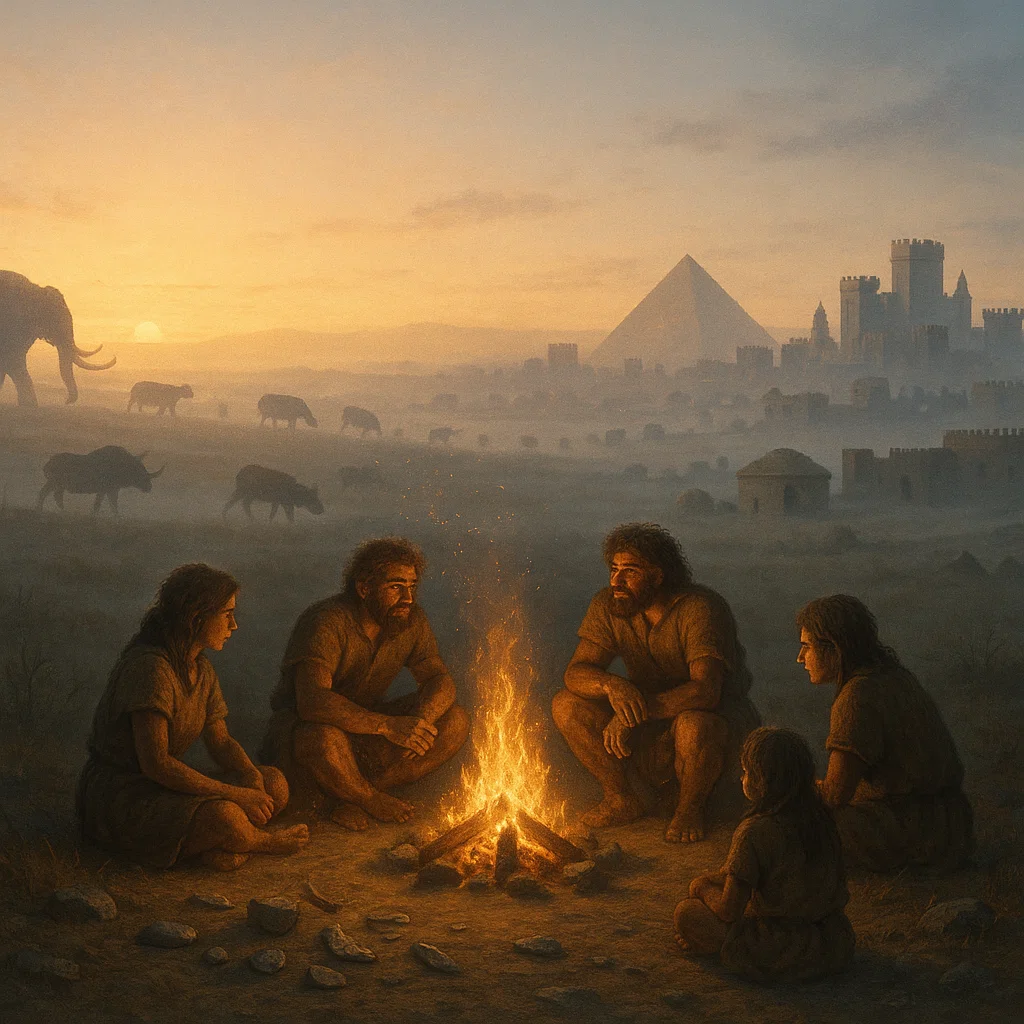
– outside the bonds of this perspective