Long 19th Century
Philosophers of Long 19th Century
Showing 21 of 21 philosophers.
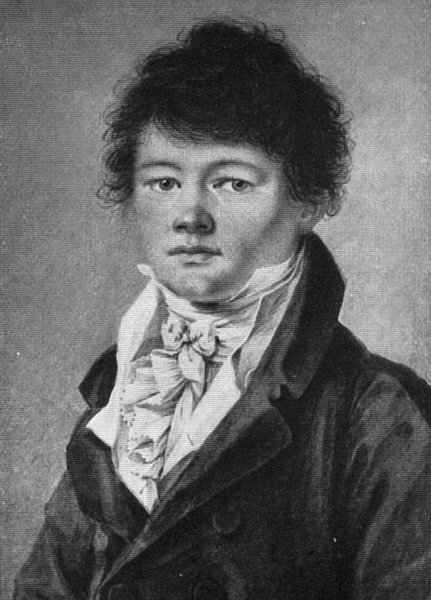
Arthur Schopenhauer
1788 CE – 1860 CE
Danzig (now Gdansk)
German philosopher from Danzig whose account of representation, blind will, pessimistic metaphysics, compassion ethics, aesthetics, and music reshaped nineteenth-century and modern philosophy.
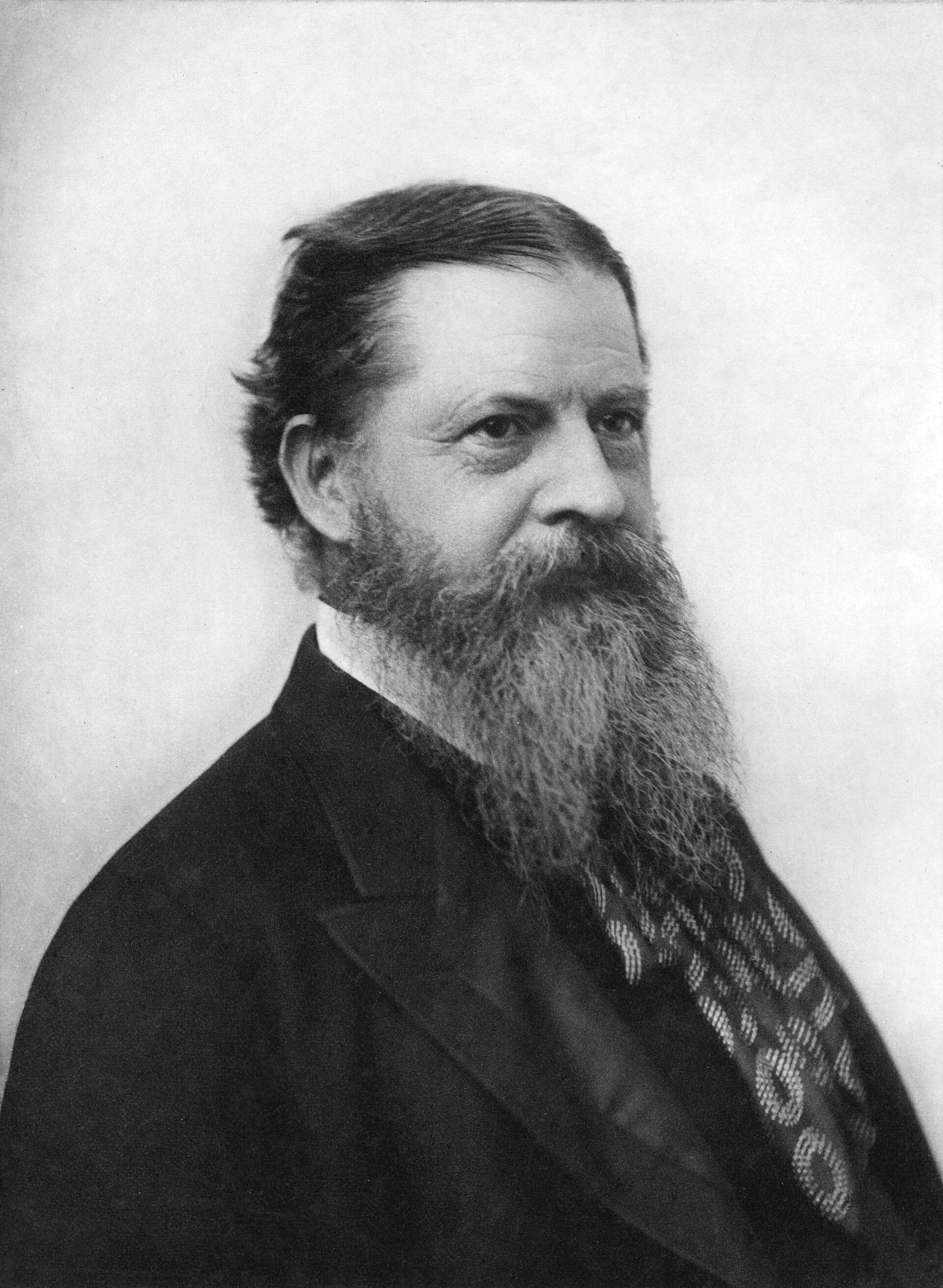
Charles Sanders Peirce
1839 CE – 1914 CE
Cambridge, Massachusetts
American logician, scientist, and founder of pragmaticism whose work joined the pragmatic maxim, semiotic theory, fallibilism, abduction, probability, categories, scientific method, and evolutionary metaphysics.
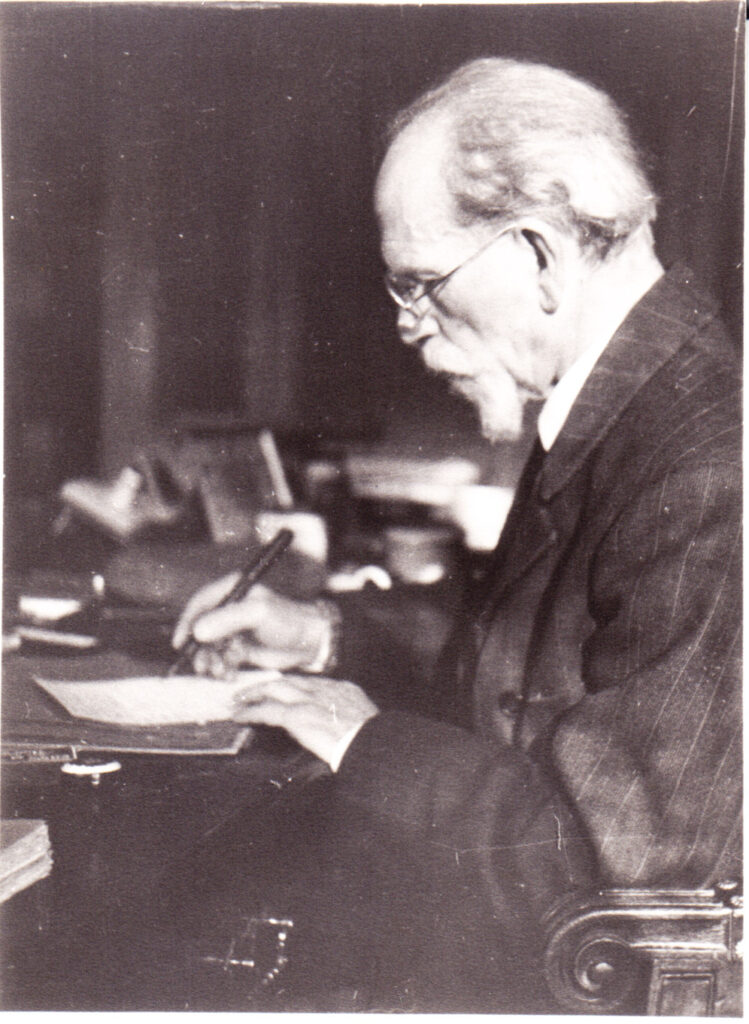
Edmund Husserl
1859 CE – 1938 CE
Prostějov (Prossnitz), Moravia
Founder of phenomenology, trained in mathematics and logic, whose work on intentionality, epoché, consciousness, meaning, evidence, and the lifeworld reshaped twentieth-century philosophy.
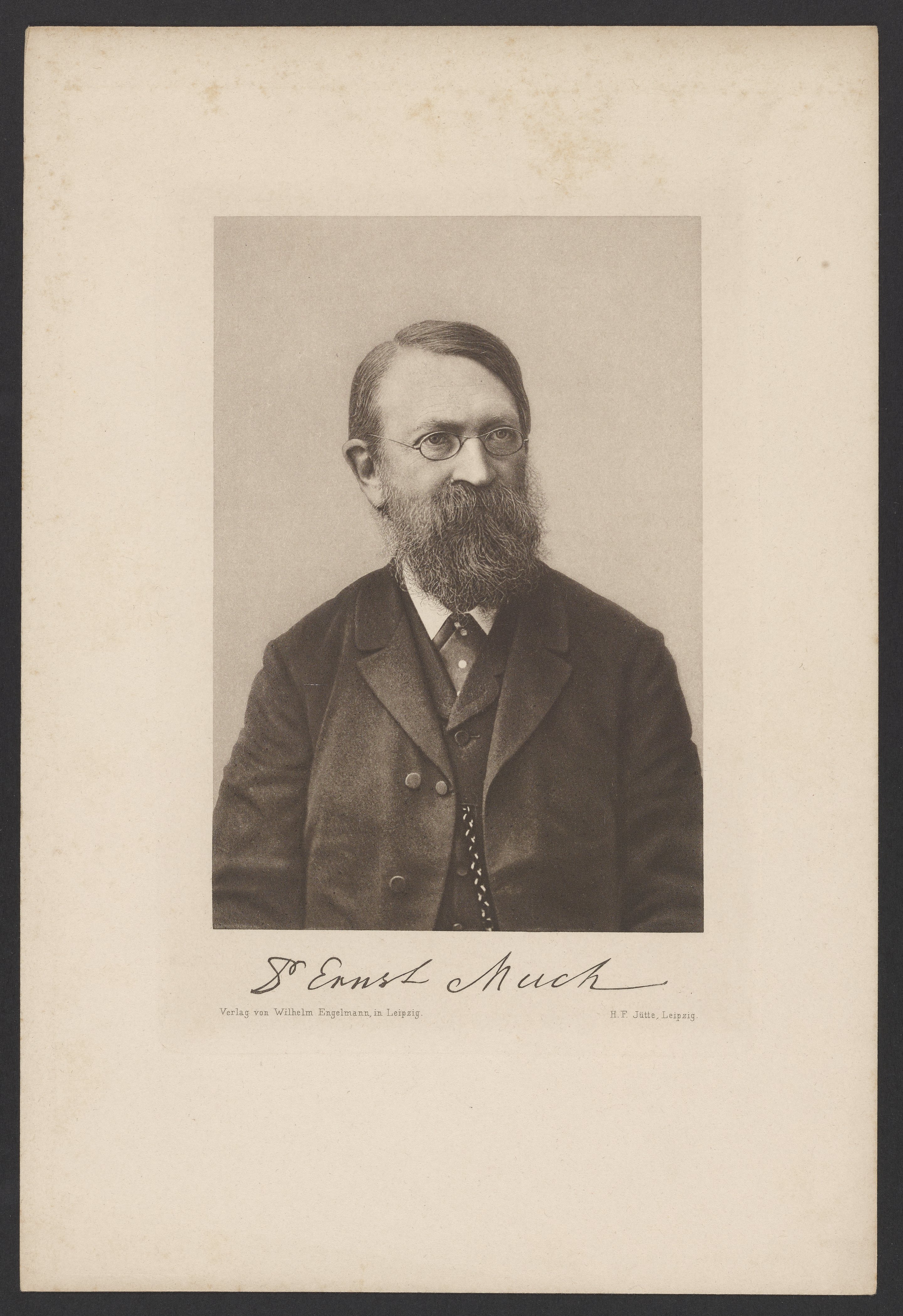
Ernst Mach
1838 CE – 1916 CE
Chrlice / Chirlitz, near Brno
Austrian physicist and philosopher from Moravia whose anti-metaphysical empiricism, analysis of sensations, historical criticism of mechanics, and economy of thought shaped modern philosophy of science.
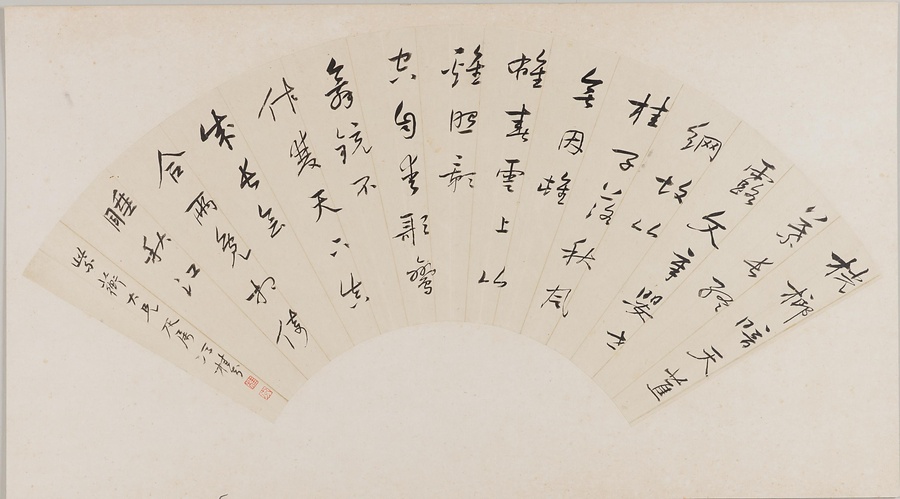
Feng Guifen
1809 CE – 1874 CE
Wuxian / Mudu, Suzhou, Jiangsu
Late Qing scholar-official from Suzhou whose statecraft reform program joined Confucian moral order with selective adoption of Western learning, manufacturing, military technology, public institutions, and practical science.
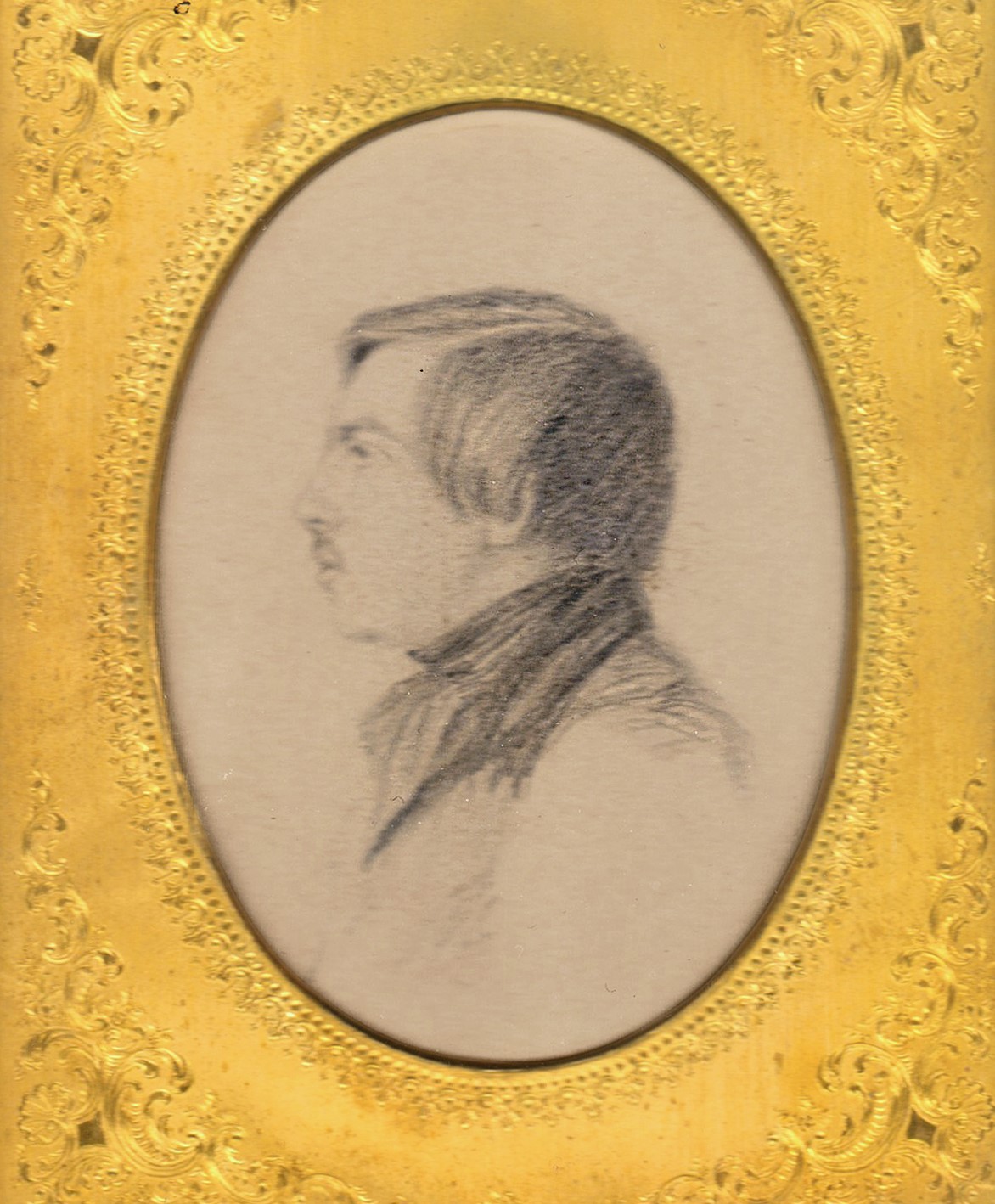
Friedrich Engels
1820 CE – 1895 CE
Barmen, Rhine Province, Prussia
German socialist philosopher, political economist, and cofounder of Marxism whose historical materialism, capitalism critique, dialectics, class analysis, and later editorial work shaped modern socialist theory.
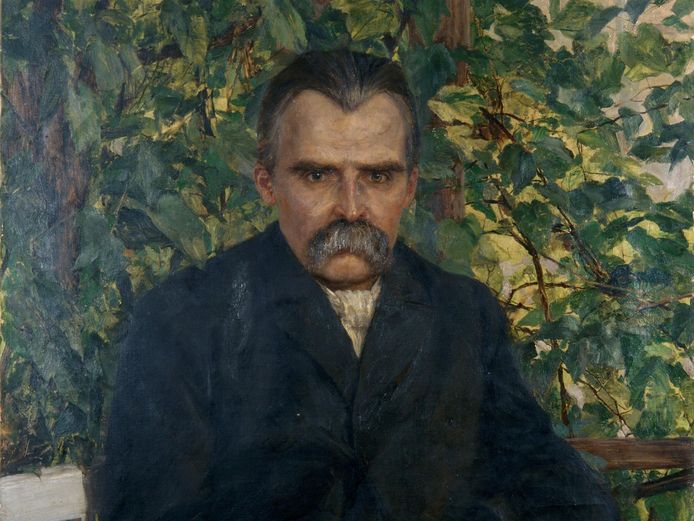
Friedrich Nietzsche
1844 CE – 1900 CE
Röcken, Saxony, Prussia
German philosopher of genealogy, perspectivism, tragedy, value creation, nihilism, and the critique of Christianity whose work reshaped modern ethics, aesthetics, psychology, and continental philosophy.
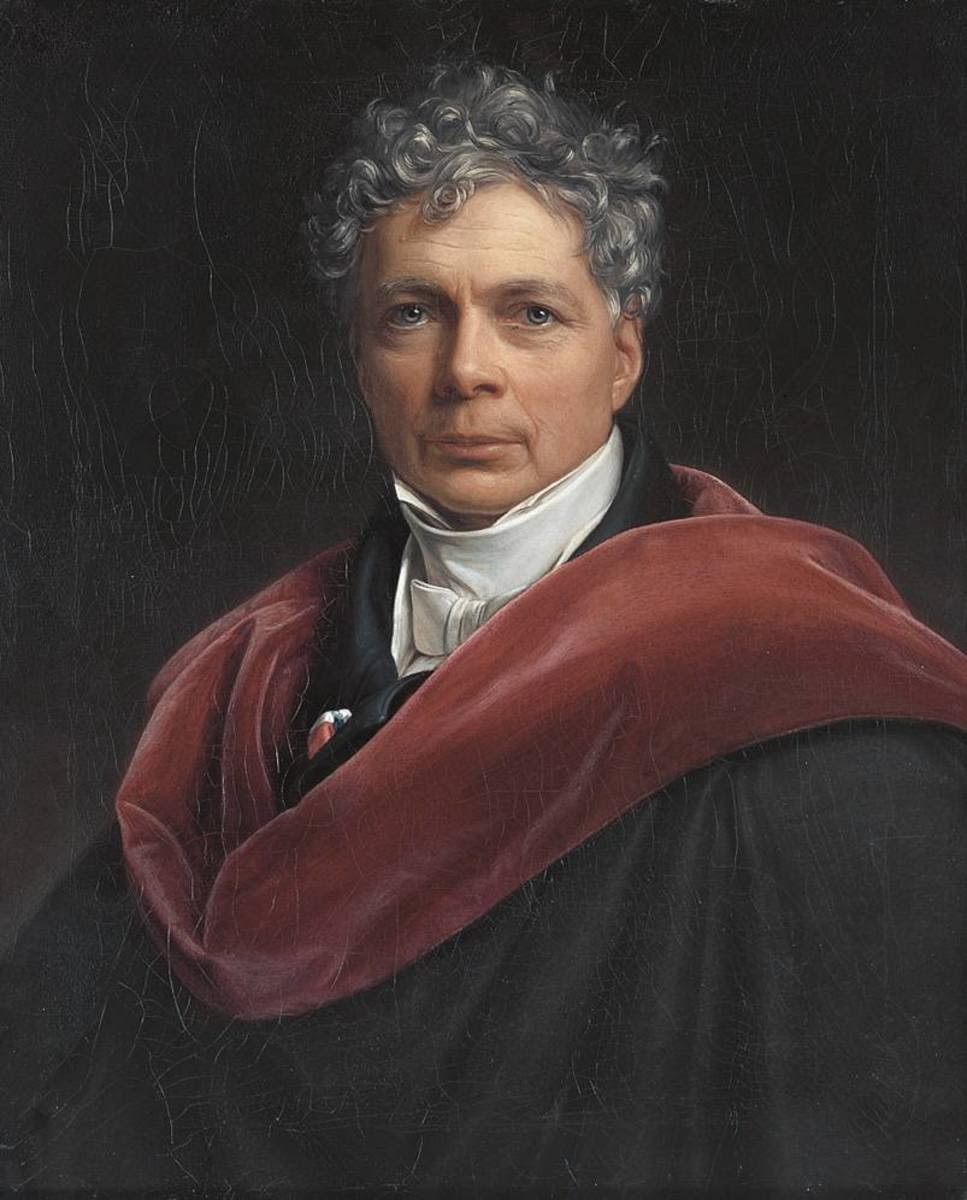
Friedrich Wilhelm Joseph Schelling
1775 CE – 1854 CE
Leonberg, Wuerttemberg
German Idealist philosopher of nature, freedom, identity, art, mythology, and revelation whose work links post-Kantian idealism with Romantic science, philosophical theology, and later existential and continental reception.
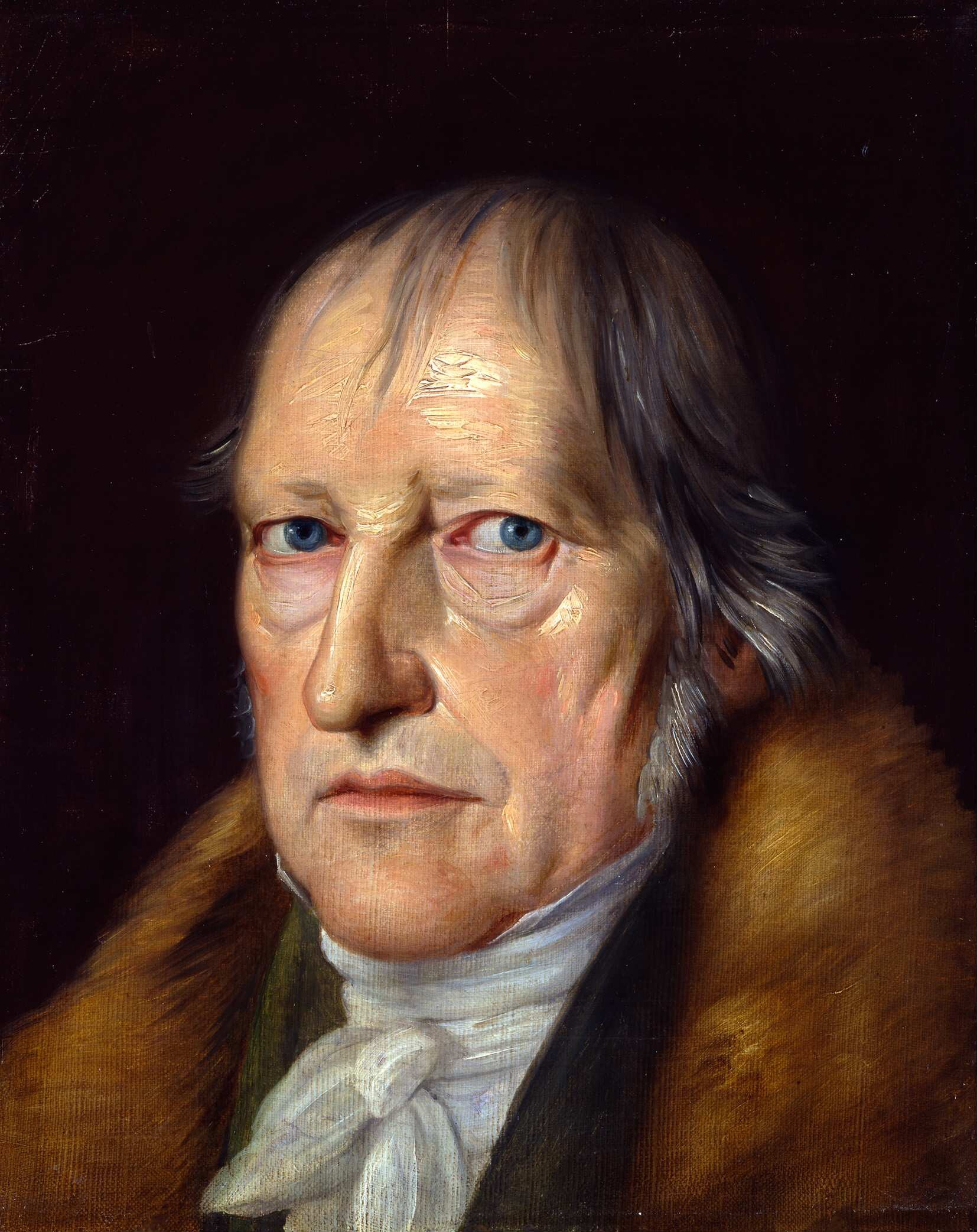
Georg Wilhelm Friedrich Hegel
1770 CE – 1831 CE
Stuttgart, Duchy of Württemberg
German Idealist philosopher of dialectic, absolute idealism, recognition, freedom, ethical life, history, art, nature, religion, and systematic philosophy.
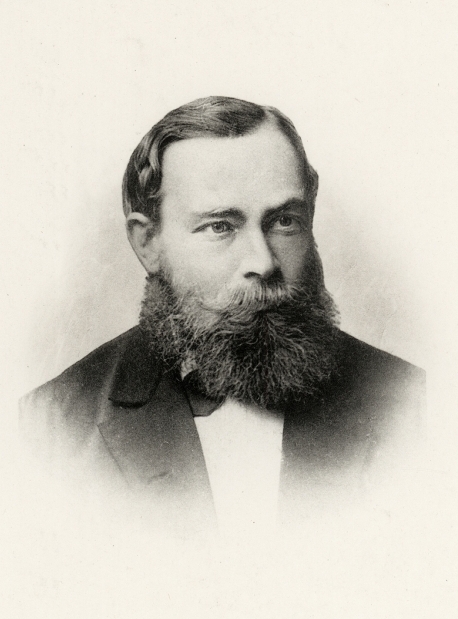
Gottlob Frege
1848 CE – 1925 CE
Wismar
German logician, mathematician, and philosopher whose concept-script, modern quantificational logic, logicism, sense-reference distinction, concept-object analysis, and anti-psychologism helped launch analytic philosophy and reshape logic, language, mathematics, and truth.
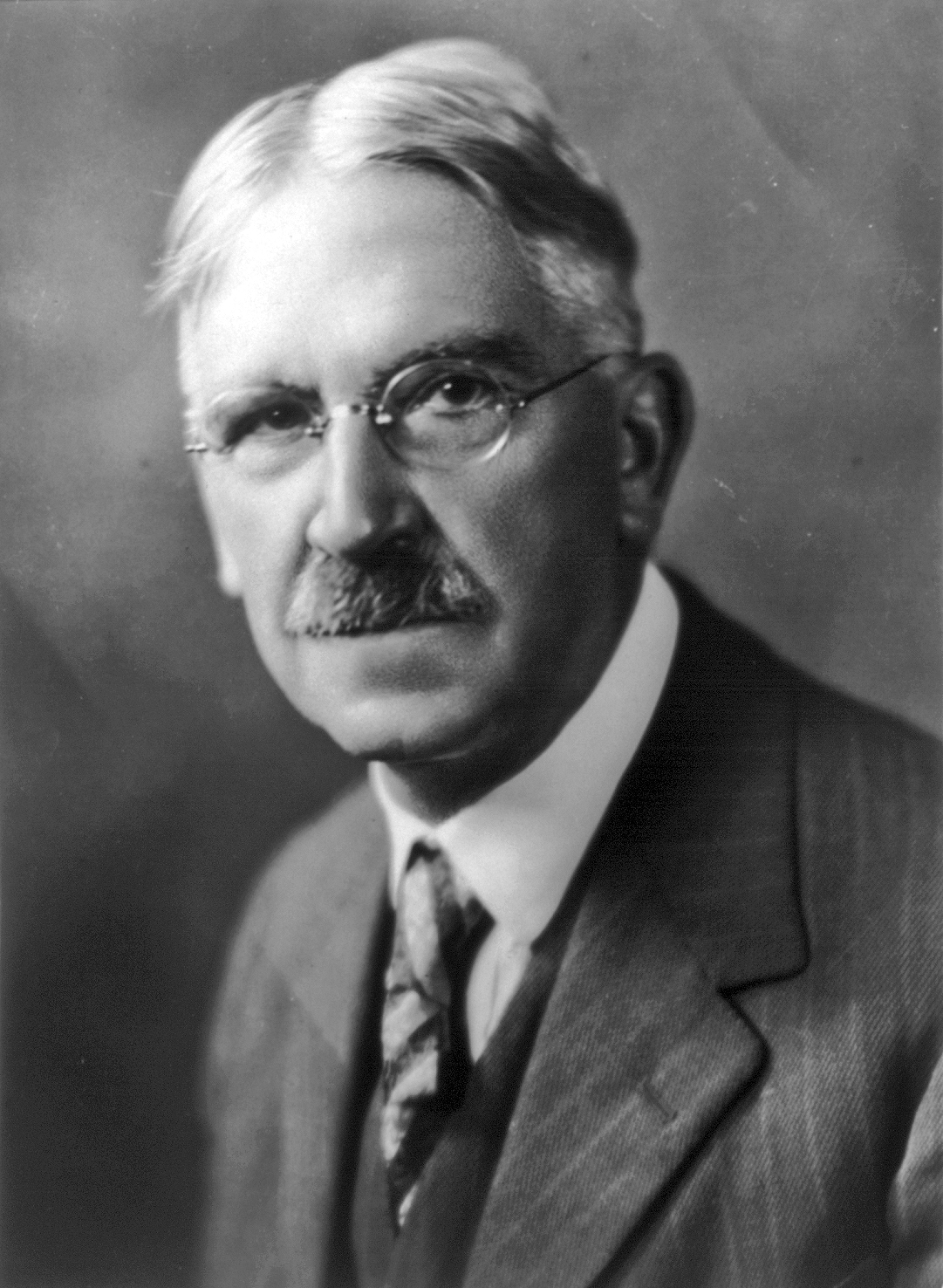
John Dewey
1859 CE – 1952 CE
Burlington, Vermont
American pragmatist philosopher of instrumentalism, democratic experimentalism, progressive education, inquiry, experience, logic, ethics, aesthetics, public life, science, and naturalistic religion.
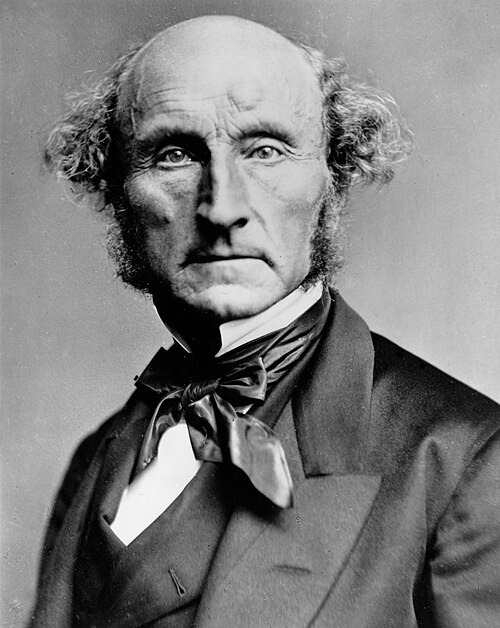
John Stuart Mill
1806 CE – 1873 CE
Pentonville, London
English liberal utilitarian philosopher of liberty, individuality, higher pleasures, inductive logic, political economy, representative government, women's equality, religious skepticism, and empiricist method.
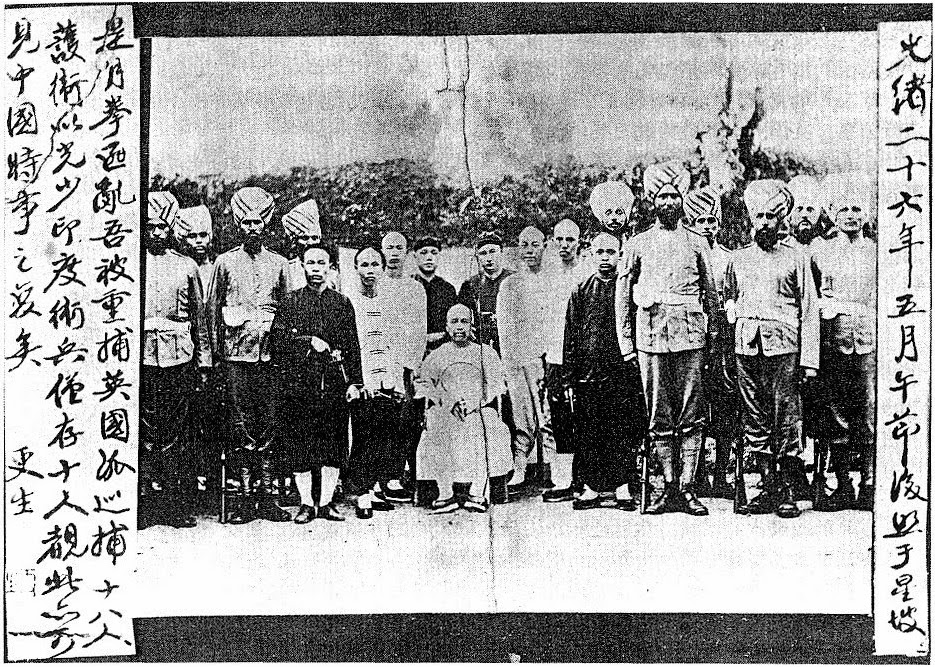
Kang Youwei
1858 CE – 1927 CE
Su Village, Danzao, Nanhai County, Guangdong, now Nanhai District, Foshan
Late Qing Confucian reformer whose New Text Confucianism, constitutional monarchism, Confucian religious reform, Datong utopianism, and calligraphy theory reshaped modern Chinese political and philosophical debate.
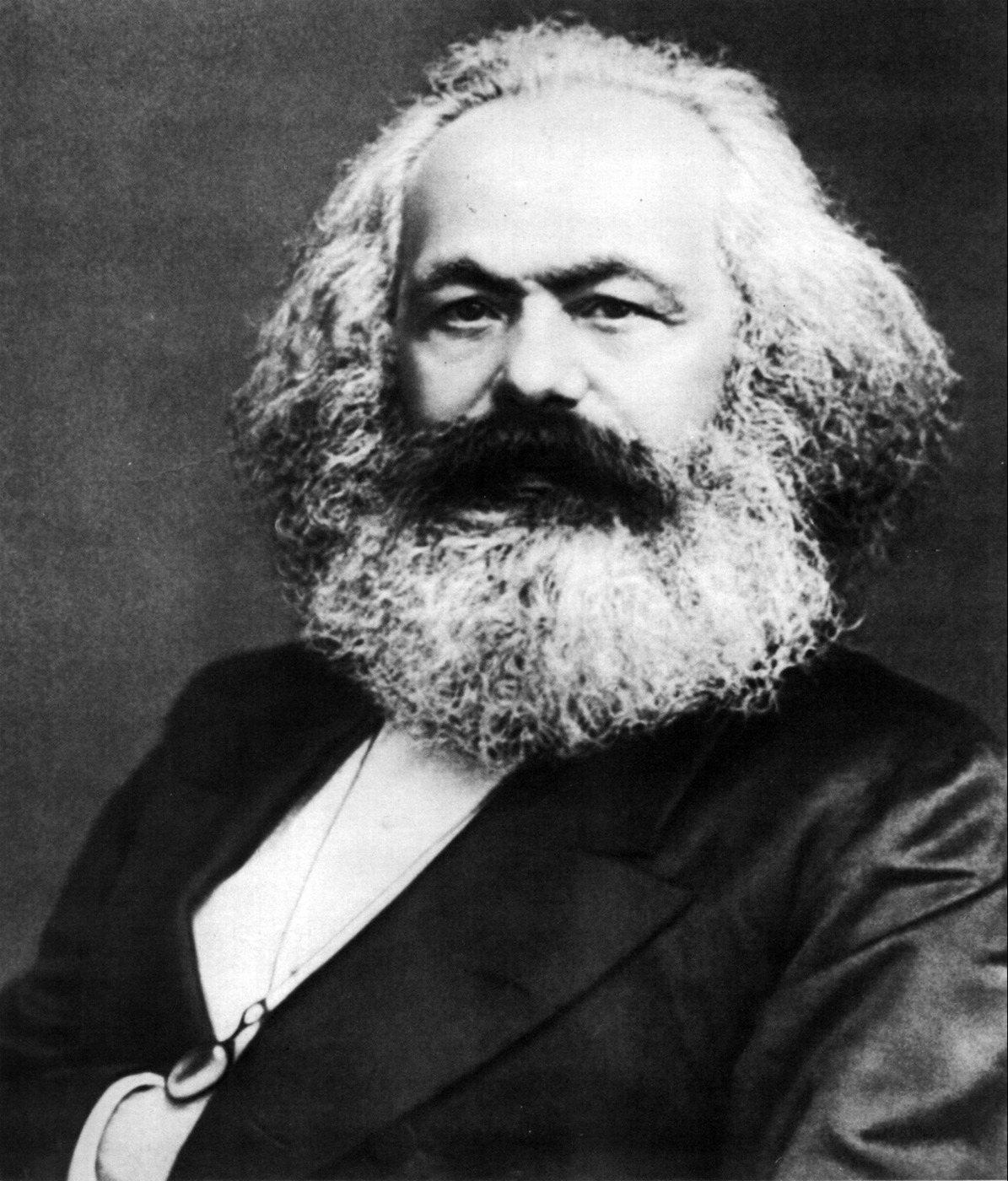
Karl Marx
1818 CE – 1883 CE
Trier, Rhine Province, Kingdom of Prussia
German philosopher of historical materialism, alienation, class struggle, ideology critique, political economy, capitalism, communism, religion critique, and social transformation.
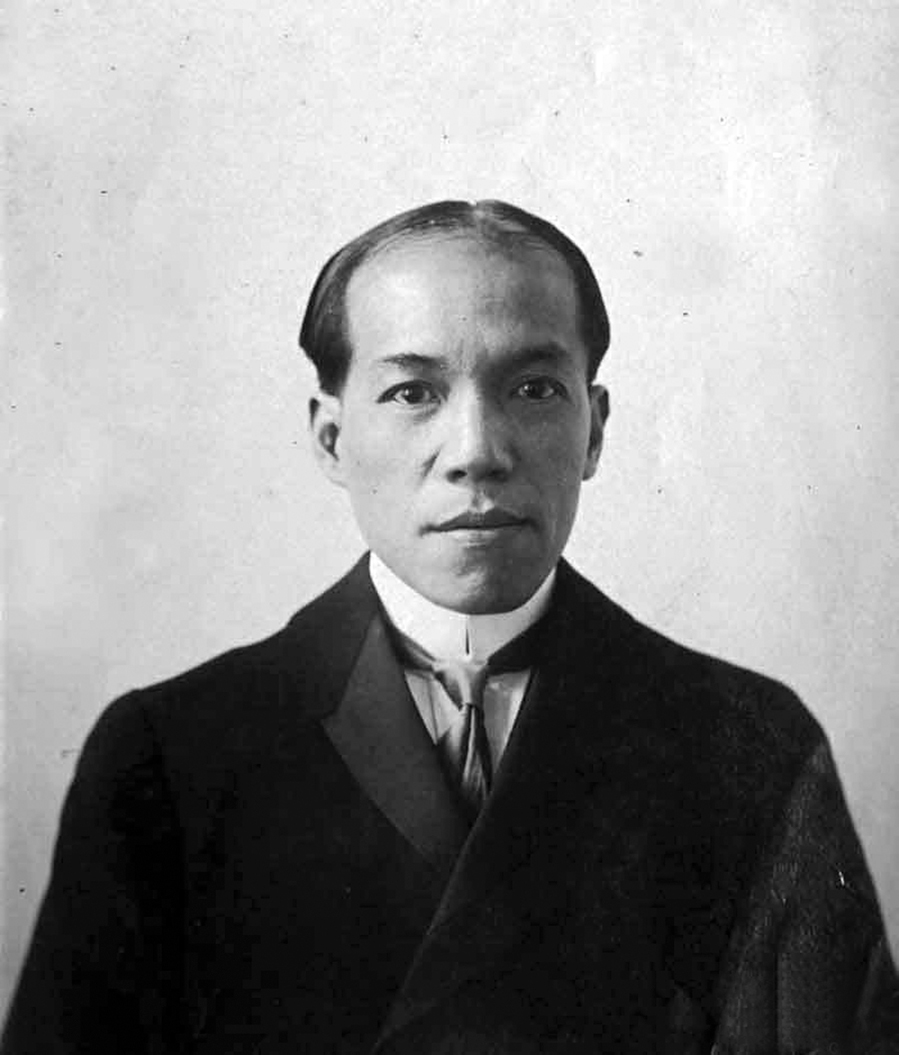
Liang Qichao
1873 CE – 1929 CE
Xinhui, Guangdong
Cistercian monk, abbot of late Qing and early Republican reformism, and medieval Christian philosopher-theologian whose theology of love, humility, grace, free choice, mystical ascent, monastic ethics, scriptural exegesis, and ecclesial counsel shaped scholastic, monastic, and political theology.
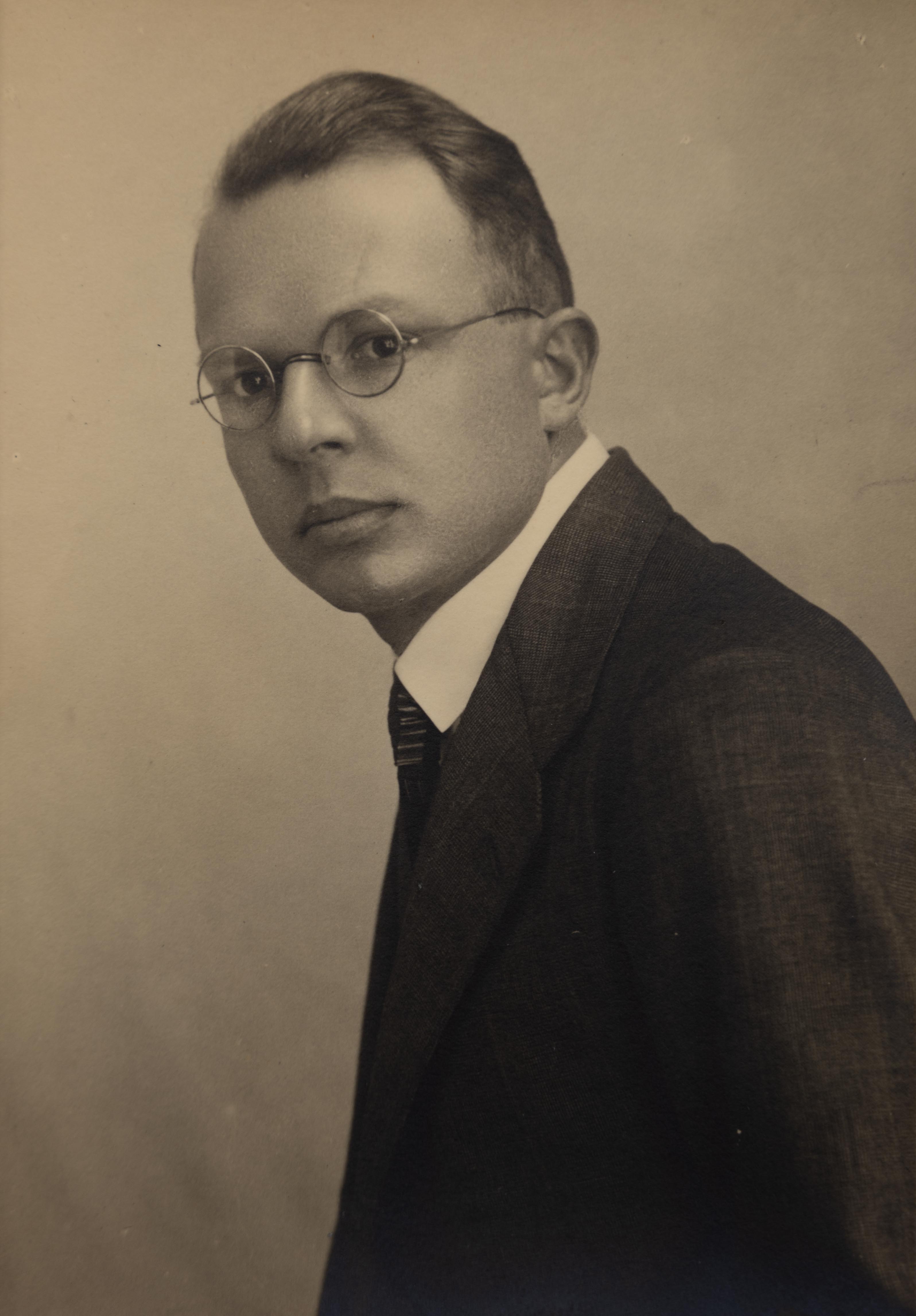
Rudolf Carnap
1891 CE – 1970 CE
Ronsdorf, Wuppertal
German-American logical empiricist of the Vienna Circle, Aufbau construction theory, anti-metaphysics, physicalist language, logical syntax, semantics, linguistic frameworks, confirmation theory, inductive logic, probability, theoretical terms, and scientific philosophy.
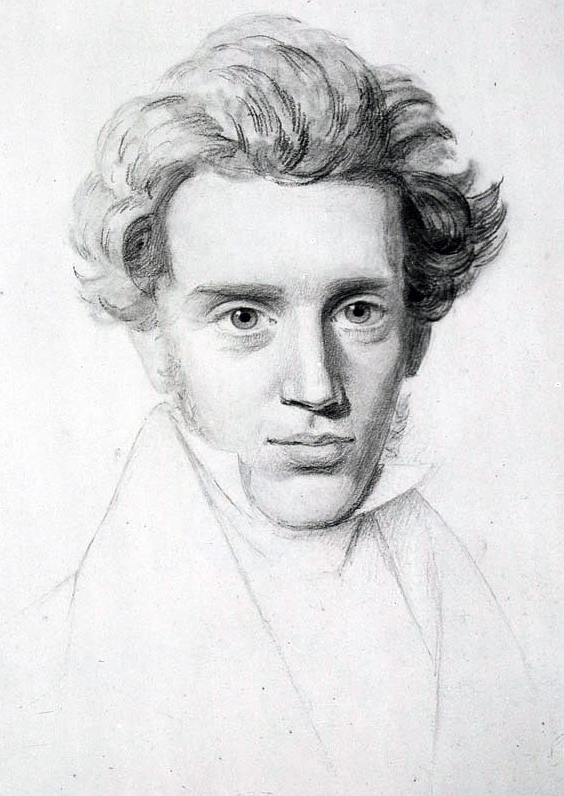
Søren Kierkegaard
1813 CE – 1855 CE
Copenhagen
Danish philosopher of subjectivity, indirect communication, pseudonymous authorship, anxiety, despair, faith, love, the single individual, and critique of Christendom.
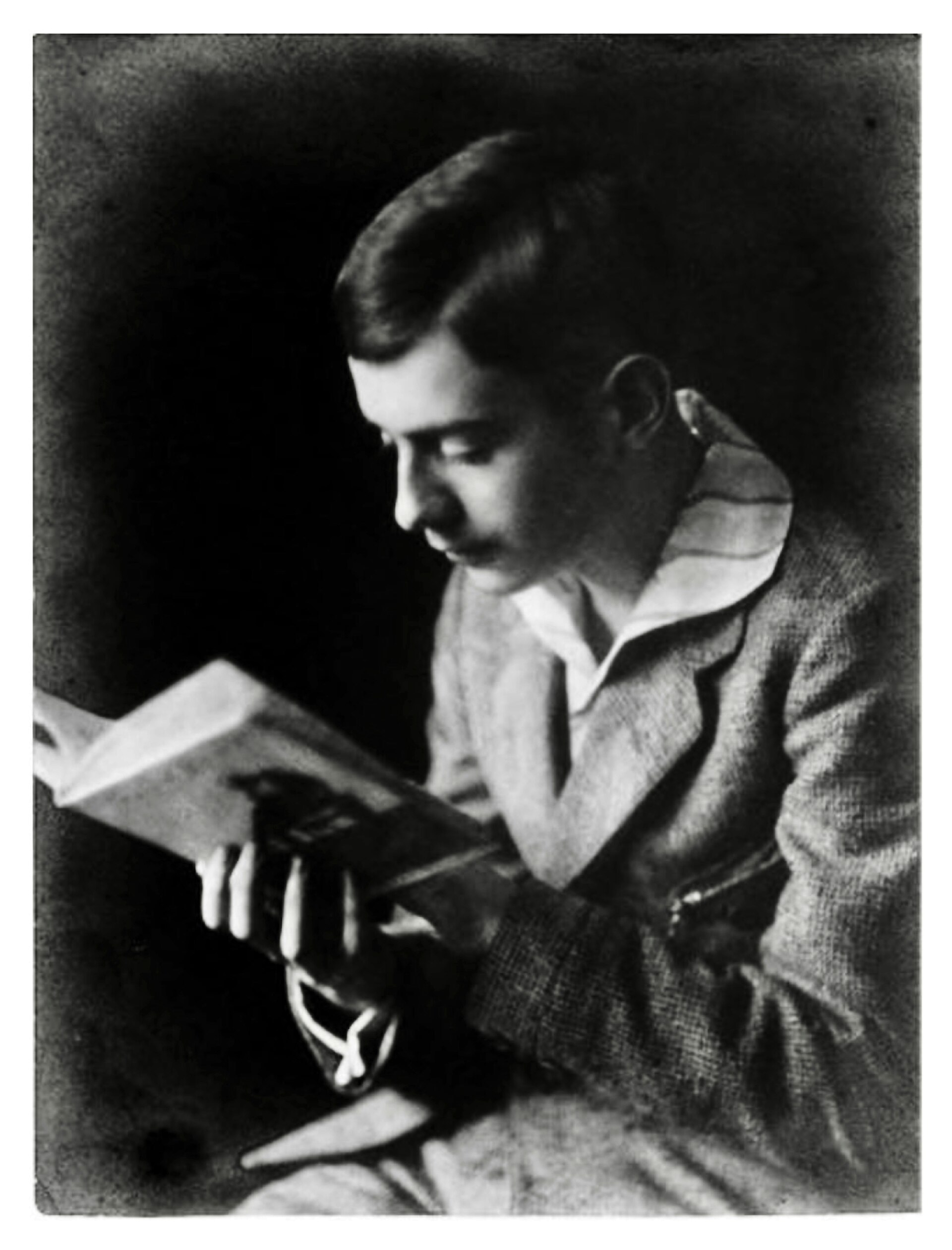
Theodor W. Adorno
1903 CE – 1969 CE
Frankfurt am Main
German critical theorist, philosopher, sociologist, and music theorist of the Frankfurt School whose negative dialectics, nonidentity, culture industry critique, aesthetics, music sociology, authoritarianism analysis, and postwar social philosophy shaped contemporary critical theory.
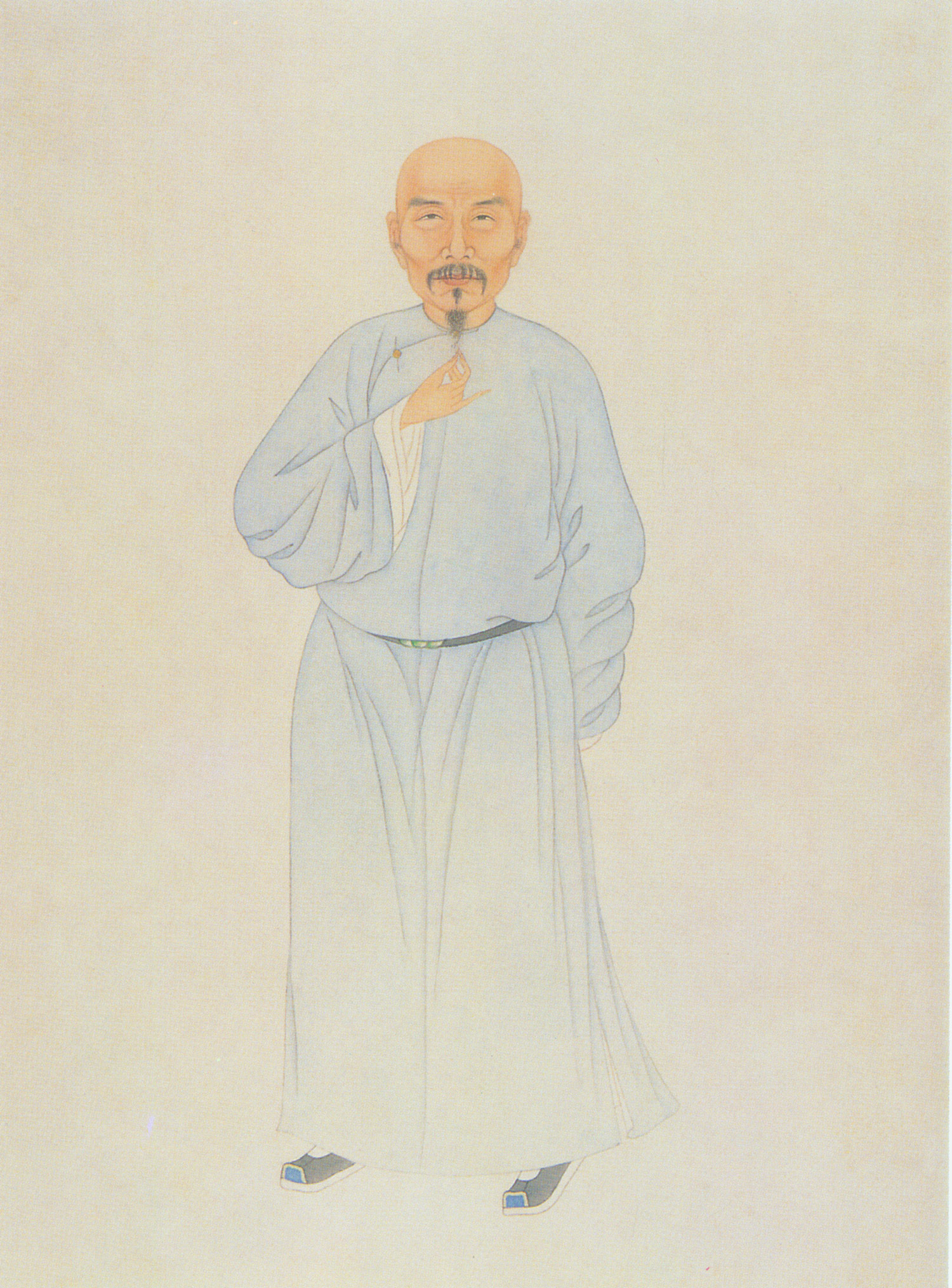
Wei Yuan
1794 CE – 1857 CE
Shaoyang, Hunan, Qing China
Late Qing Chinese statecraft thinker, historian, and geographer whose works joined Confucian practical learning, maritime defense, foreign geography, and reform-minded strategies for learning from foreign powers.
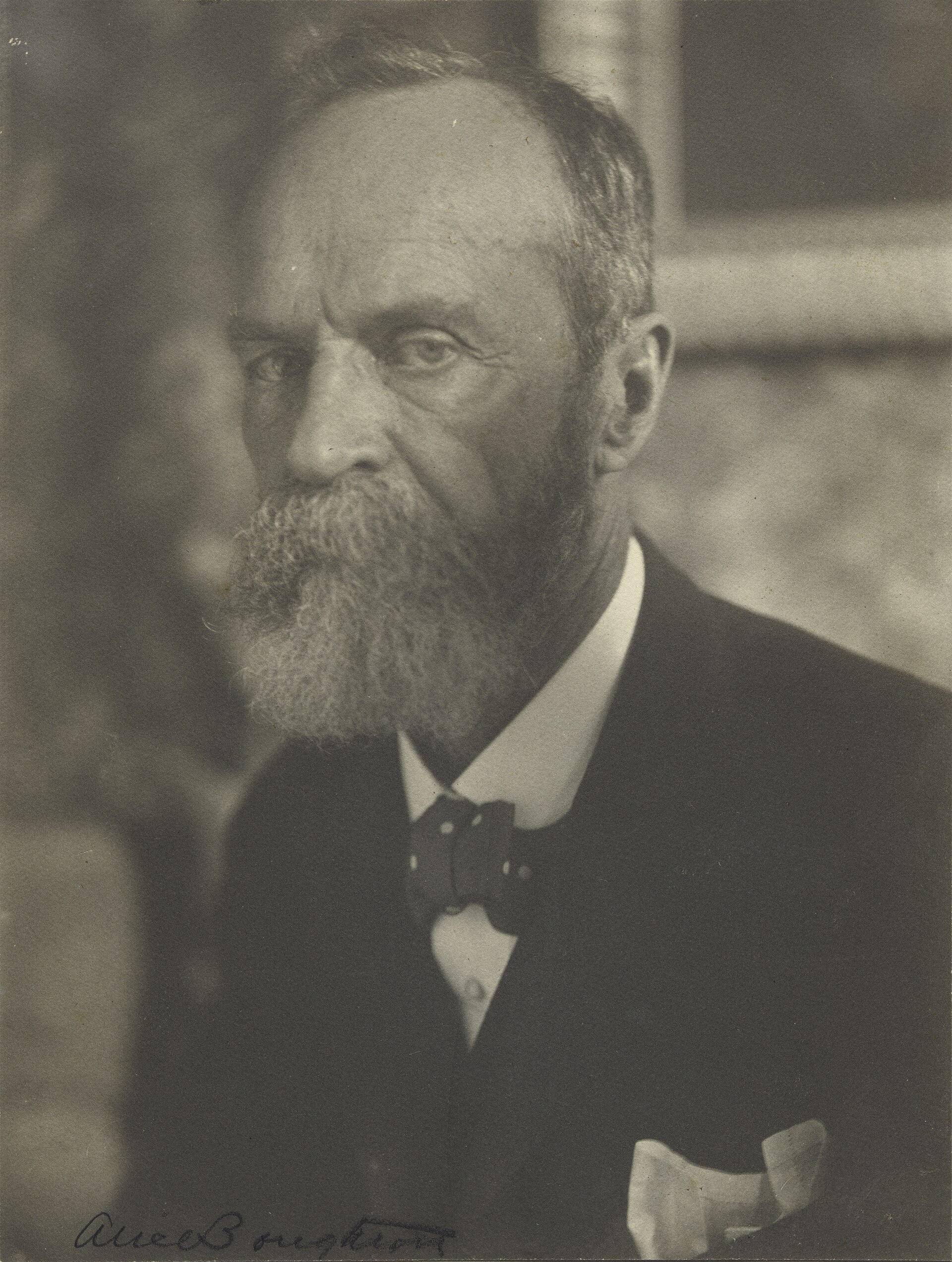
William James
1842 CE – 1910 CE
New York City, New York
American philosopher and psychologist whose pragmatism, radical empiricism, stream-of-consciousness psychology, pluralism, and philosophy of religion reshaped modern philosophy.
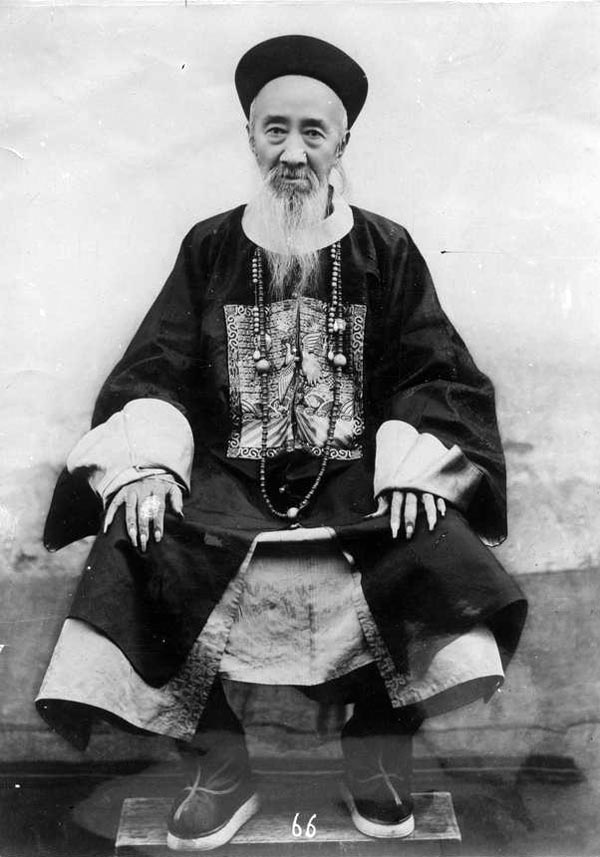
Zhang Zhidong
1837 CE – 1909 CE
Xingyi, Guizhou, Qing China; ancestral home Nanpi, Zhili/Hebei
Late Qing Confucian statesman and reform thinker whose Zhongti Xiyong formula joined classical moral-political substance to Western practical learning, technology, schooling, and institutional modernization.