Persia
Terra Regions
Browse the narrower terra-region surfaces inside this terra avita.
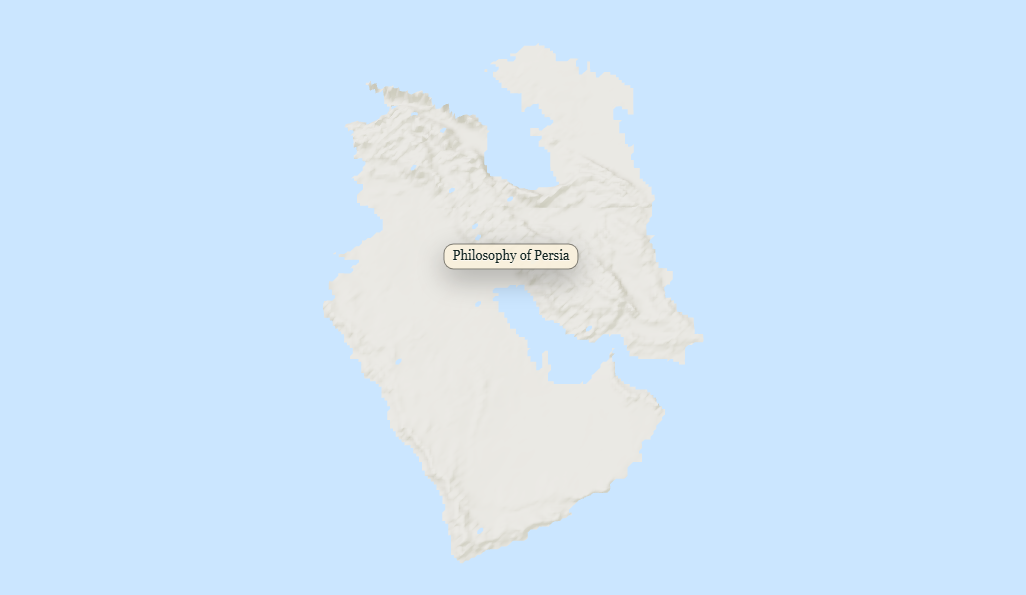
Philosophers of Persia
Showing 13 of 13 philosophers.
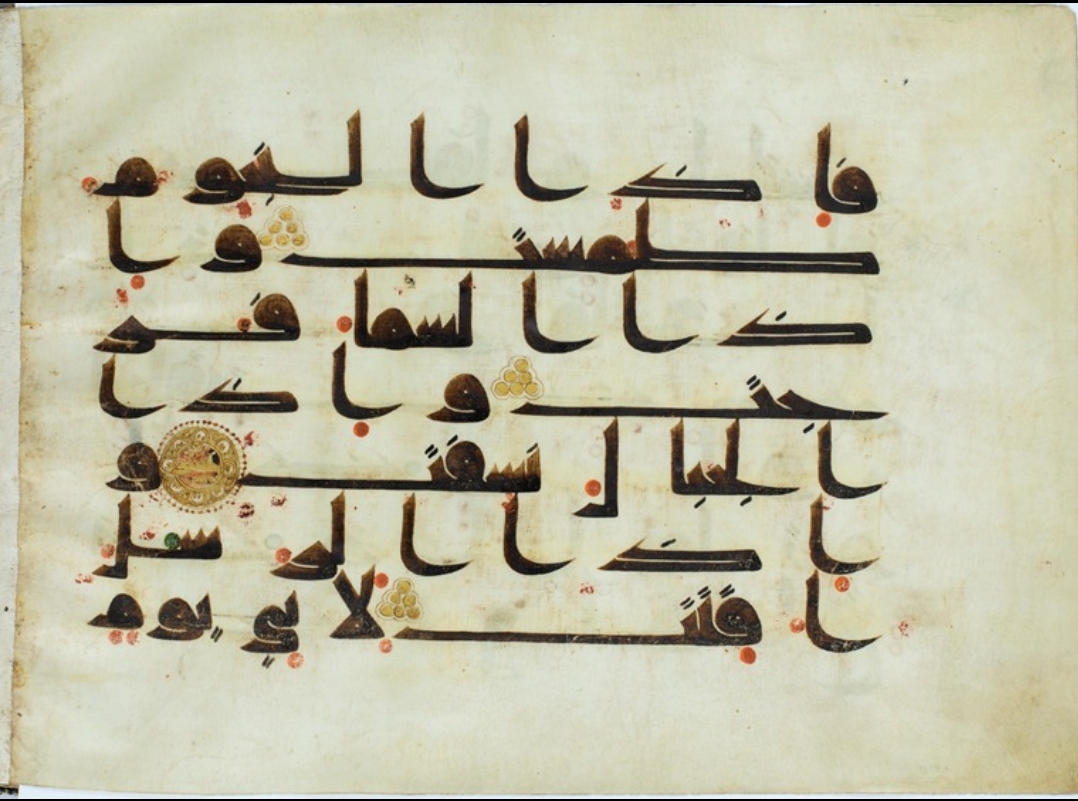
Abu al-Hasan al-ʿAmiri
912 CE – 992 CE
Nishapur, Khurasan
Persian Islamic philosopher from Nishapur who defended the harmony of philosophical inquiry, revealed religion, ethics, science, and political order.
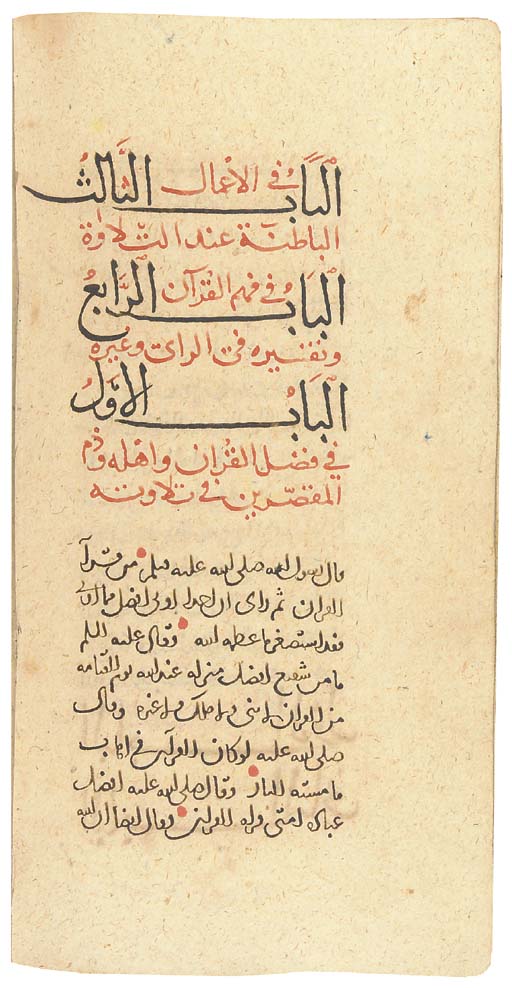
Abu Hamid al-Ghazali
1058 CE – 1111 CE
Tus, Khorasan
Persian Sunni theologian, jurist, mystic, and philosopher whose work transformed kalam, ethics, logic, Sufism, and the reception of Avicennian philosophy.
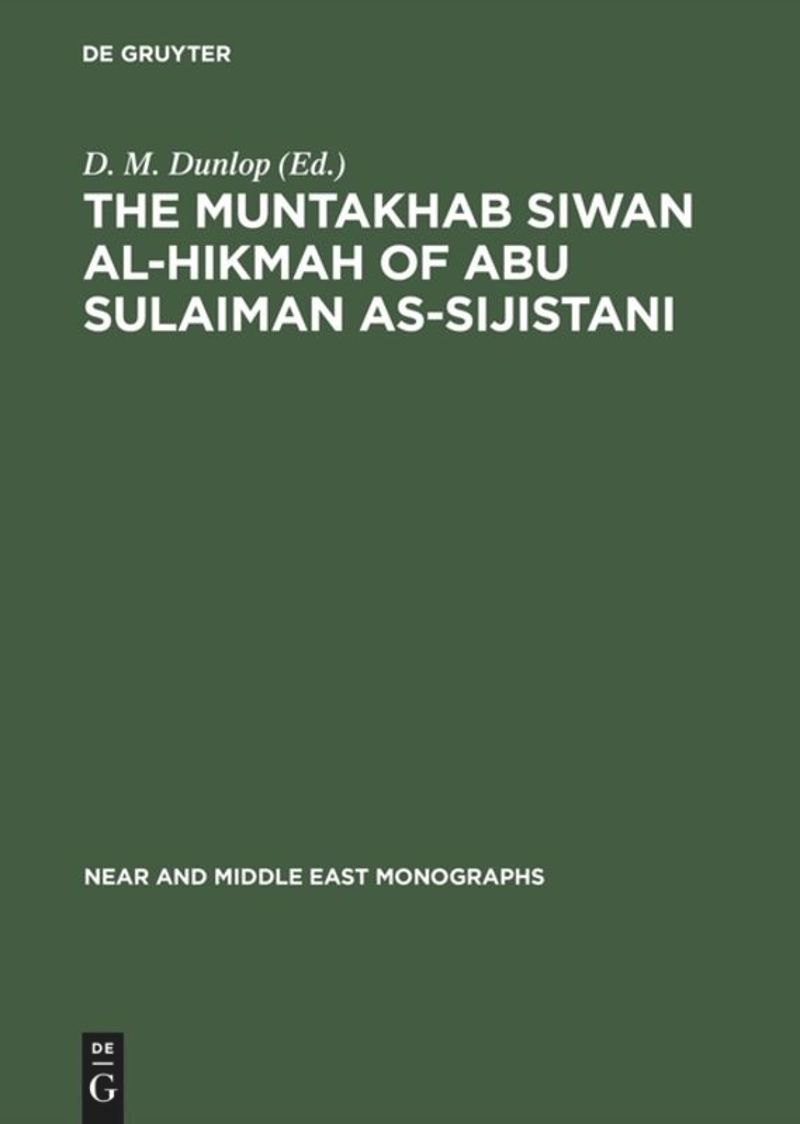
Abu Sulayman al-Sijistani
932 CE – 1000 CE
Sijistan (Sistan)
Persian Islamic humanist and logician from Sijistan whose Baghdad circle distinguished philosophy from revealed religion and worked on logic, metaphysics, soul, celestial nature, and human perfection.
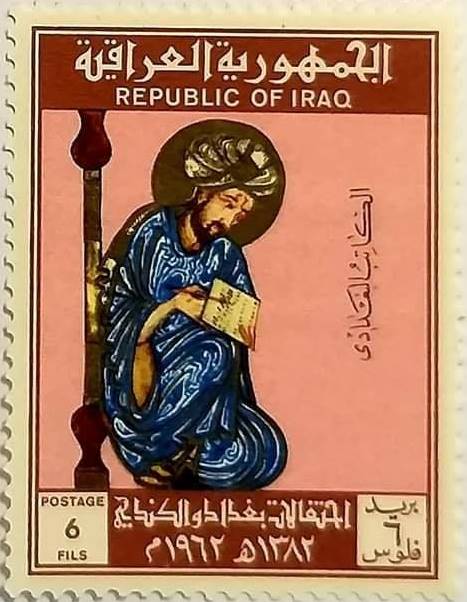
Abu Yusuf al-Kindi
801 CE – 873 CE
Kufa
Kufa-born Abbasid philosopher who turned Greek metaphysics, logic, medicine, optics, mathematics, music, and theology into an Arabic philosophical program, arguing for divine unity, finite creation, intellect, soul, and disciplined ethical life.
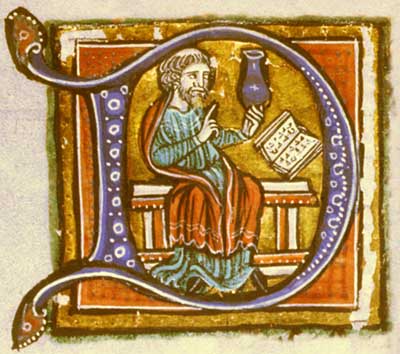
Hunayn ibn Ishaq
808 CE – 873 CE
al-Hira, near Baghdad
Arab Christian physician, translator, theologian, and scientific writer of Abbasid Baghdad whose Greek-Arabic and Greek-Syriac translation method, Galenic medicine, ophthalmology, logic transmission, and Christian Arabic apologetic work shaped medieval Islamic and Latin philosophy of science.
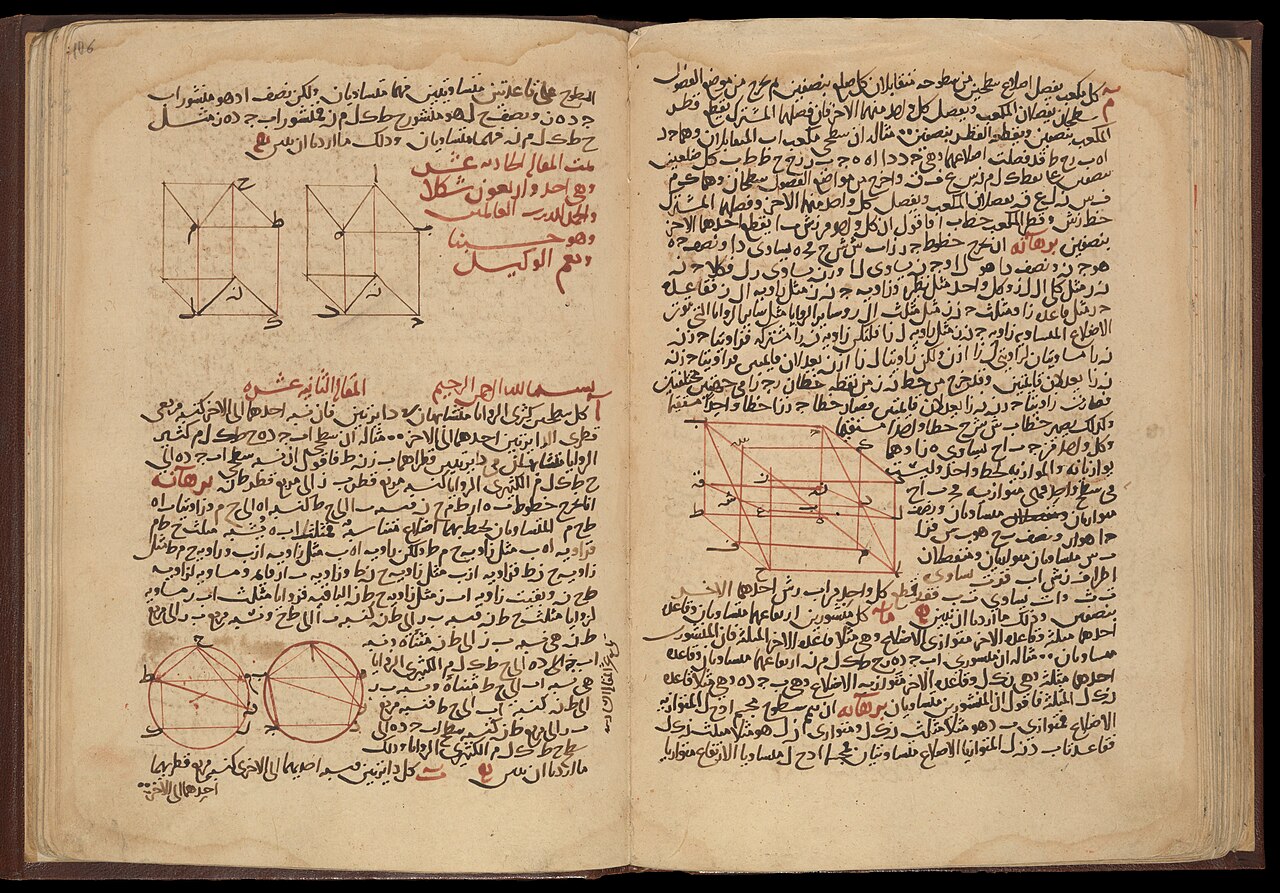
Ishaq ibn Hunayn
830 CE – 910 CE
Baghdad
Arab Christian translator, physician, mathematician, astronomer, and philosophical transmitter of Abbasid Baghdad whose Arabic versions of Aristotle, Euclid, Ptolemy, Menelaus, Autolycus, and medical-biographical sources helped form the technical language of medieval Arabic philosophy and science.
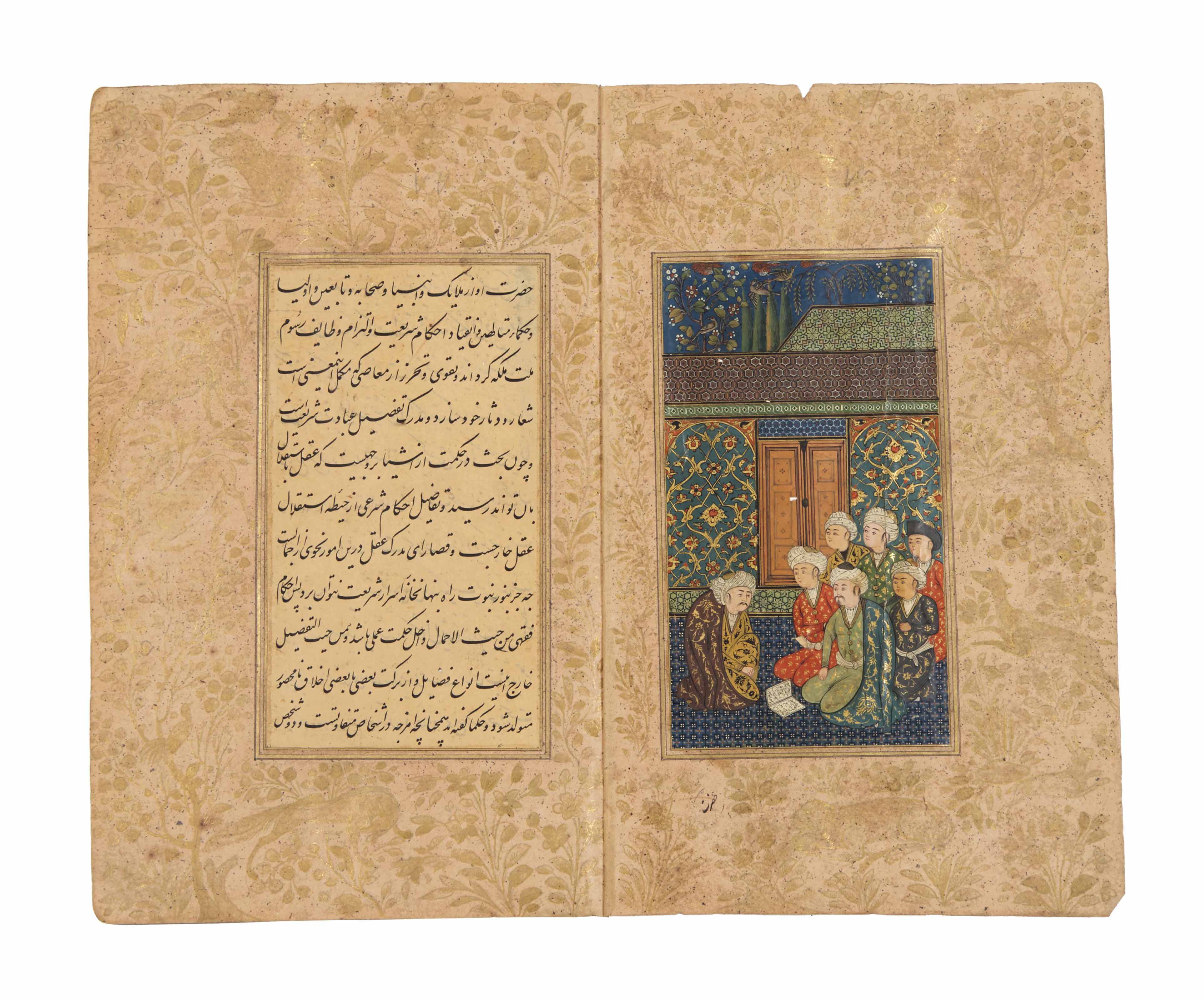
Jalal al-Din al-Dawwani
1427 CE – 1502 CE
Dawan (near Kazerun, Fars)
Persian philosopher and theologian from Dawan whose post-Avicennian metaphysics, Illuminationist commentary, logic, ethics, and philosophical theology shaped late medieval Islamic philosophy.
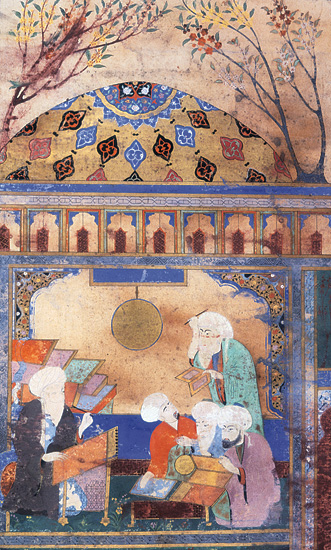
Nasir al-Din al-Tusi
1201 CE – 1274 CE
Tus, Khorasan
Persian polymath of Avicennism, Shi i theology, ethics, logic, mathematics, astronomy, Maragha Observatory, the Tusi couple, and Ilkhanid scholarship.
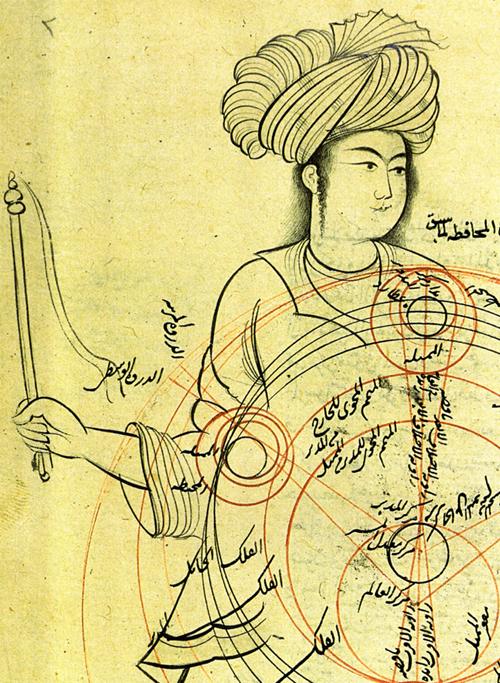
Qutb al-Din al-Shirazi
1236 CE – 1311 CE
Shiraz
Persian Islamic polymath of Shiraz, Maragha astronomy, Avicennan medicine, Illuminationist commentary, planetary models, optics, rhetoric, Quran commentary, and Durrat al-Taj.
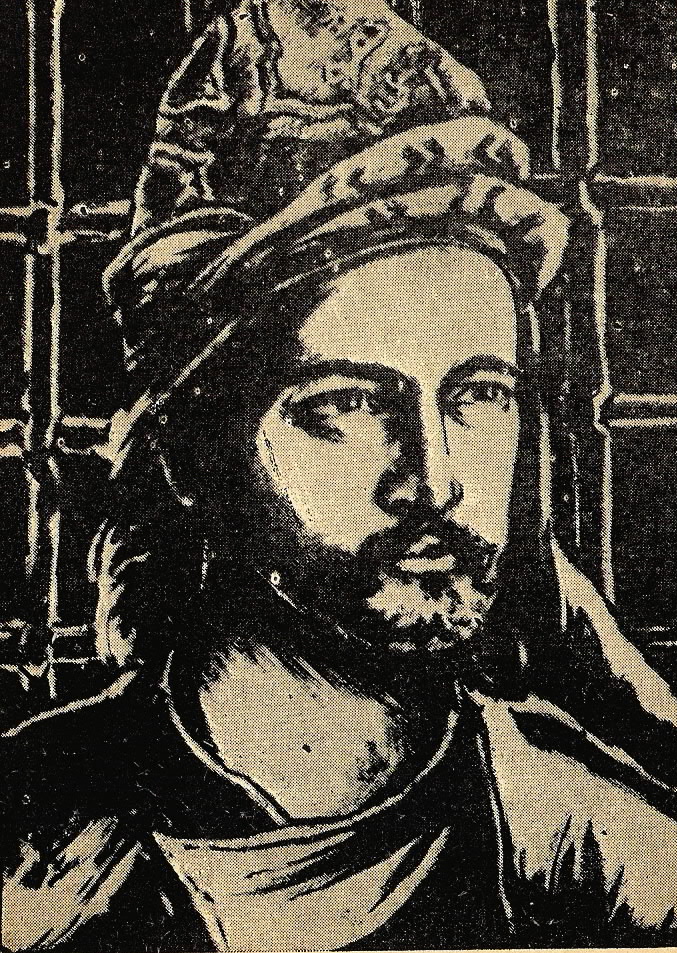
Shihāb al-Dīn Suhrawardī
1154 CE – 1191 CE
Suhraward (Zanjan region)
Persian Illuminationist philosopher of presential knowledge, ontology of lights, Avicennan critique, imagination, symbolic narrative, and later ishraqi reception.
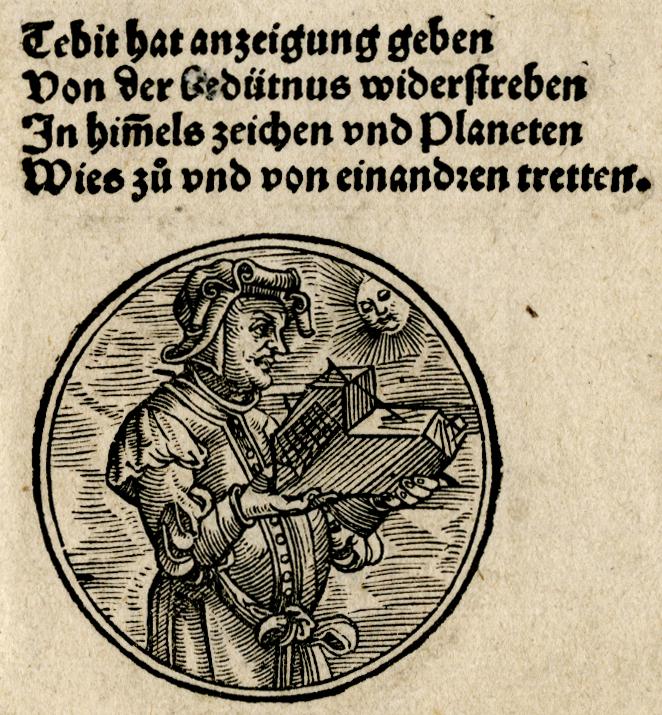
Thābit ibn Qurra
826 CE – 901 CE
Harran, Upper Mesopotamia
Harranian Sabian polymath of Baghdad, Greek-Syriac-Arabic translation, geometry, number theory, ratios, astronomy, statics, medicine, Galenic summaries, De imaginibus, and Latin/Hebrew reception.
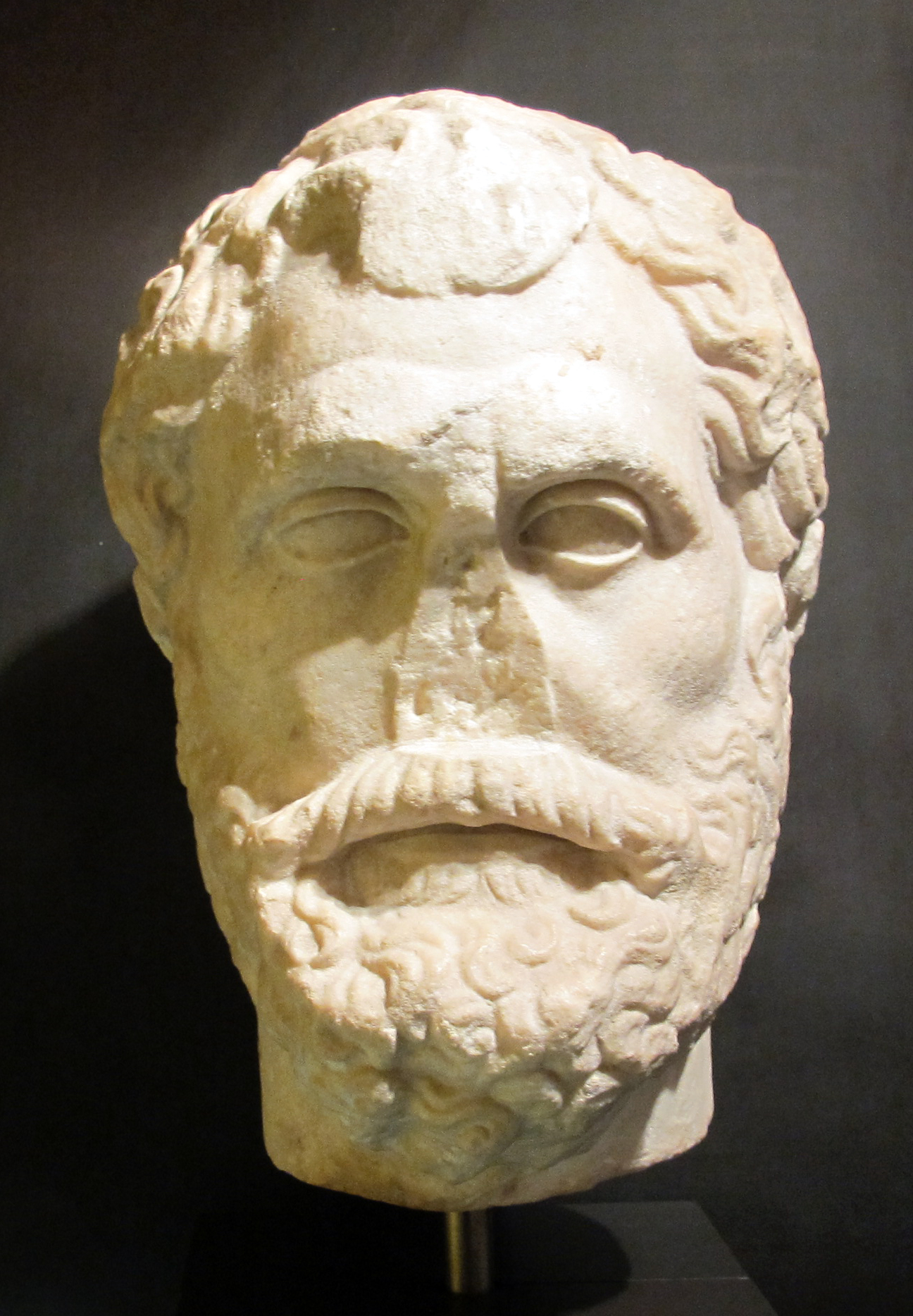
Thales of Miletus
624 BCE – 546 BCE
Miletus, Ionia
Milesian natural philosopher and sage of water as arche, earth on water, natural explanation, astronomy, geometry, eclipse tradition, magnet/soul testimony, and Seven Sages reception.
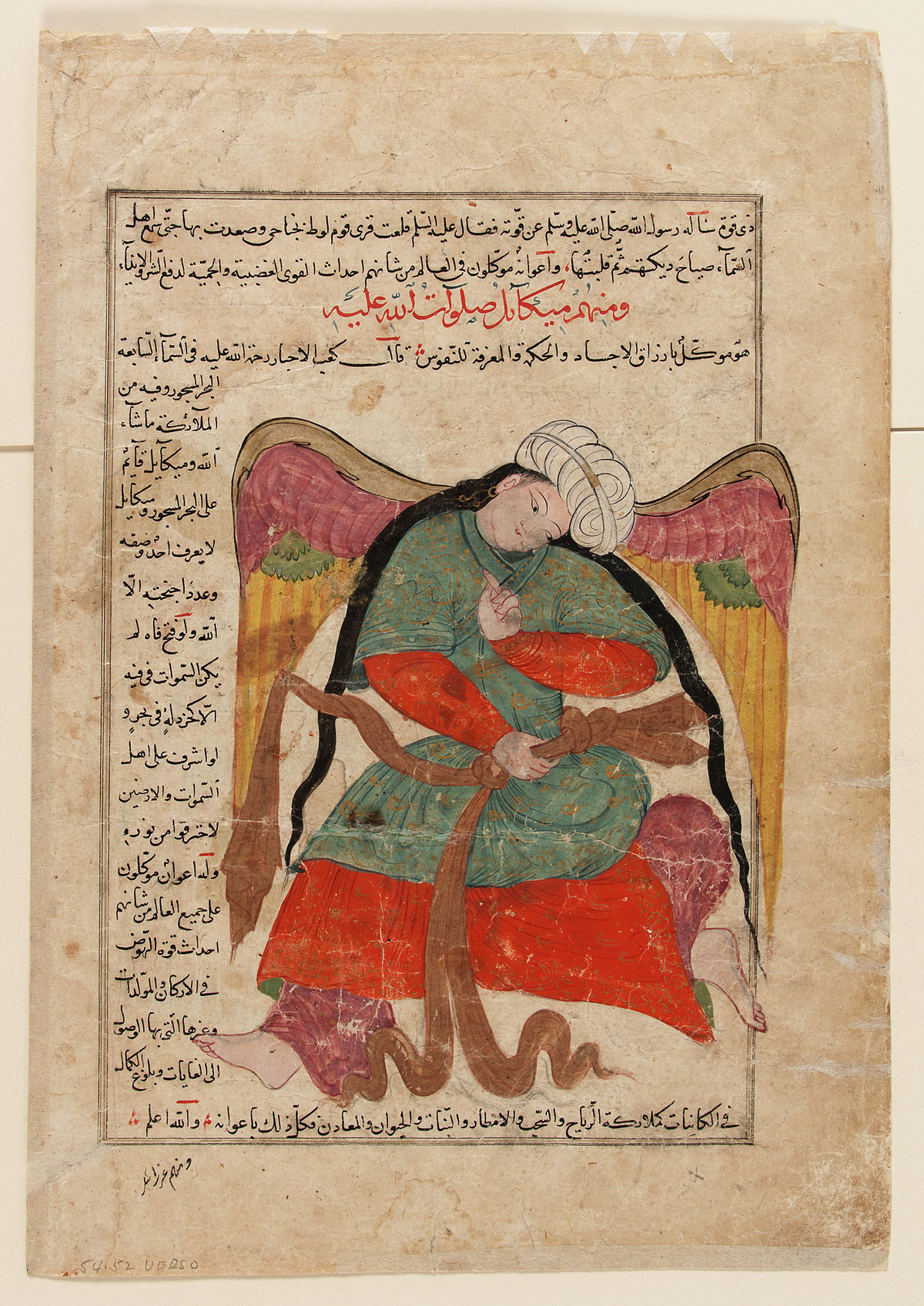
Zakariyya al-Qazwini
1203 CE – 1283 CE
Qazvin
Persian Islamic cosmographer and geographer whose Wonders of Creation and Monuments of the Lands joined natural history, geography, astronomy, marvel literature, manuscript illustration, and theological reflection on created order.