Iranian Plateau
Philosophers of Iranian Plateau
Showing 8 of 8 philosophers.
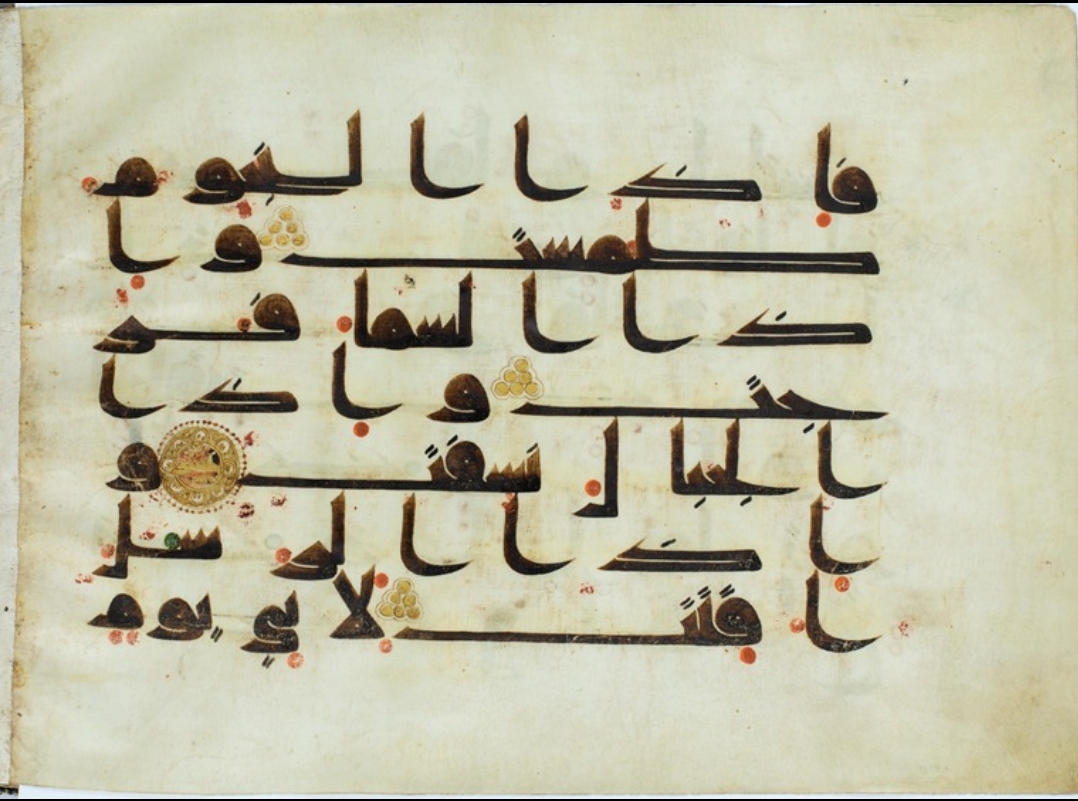
Abu al-Hasan al-ʿAmiri
912 CE – 992 CE
Nishapur, Khurasan
Persian Islamic philosopher from Nishapur who defended the harmony of philosophical inquiry, revealed religion, ethics, science, and political order.
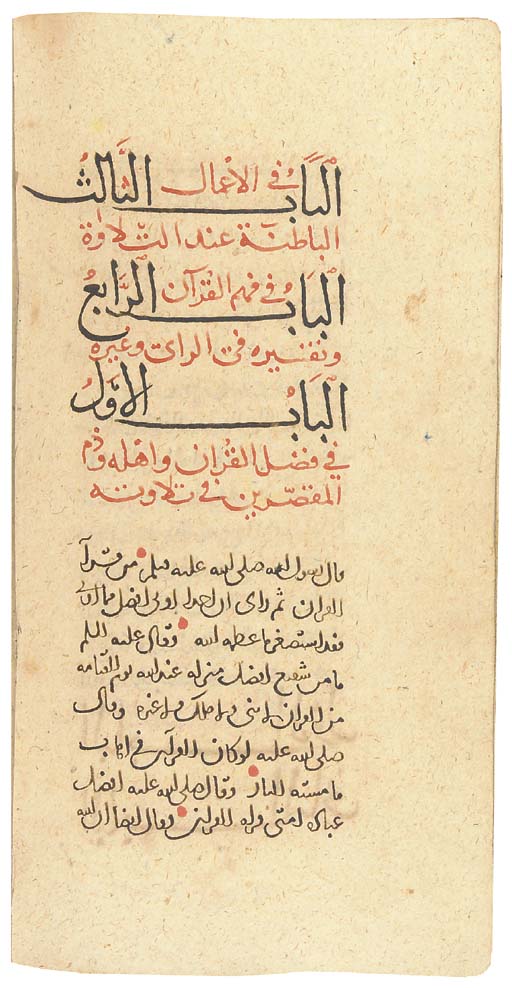
Abu Hamid al-Ghazali
1058 CE – 1111 CE
Tus, Khorasan
Persian Sunni theologian, jurist, mystic, and philosopher whose work transformed kalam, ethics, logic, Sufism, and the reception of Avicennian philosophy.
Abu Sulayman al-Sijistani
932 CE – 1000 CE
Sijistan (Sistan)
Persian Islamic humanist and logician from Sijistan whose Baghdad circle distinguished philosophy from revealed religion and worked on logic, metaphysics, soul, celestial nature, and human perfection.
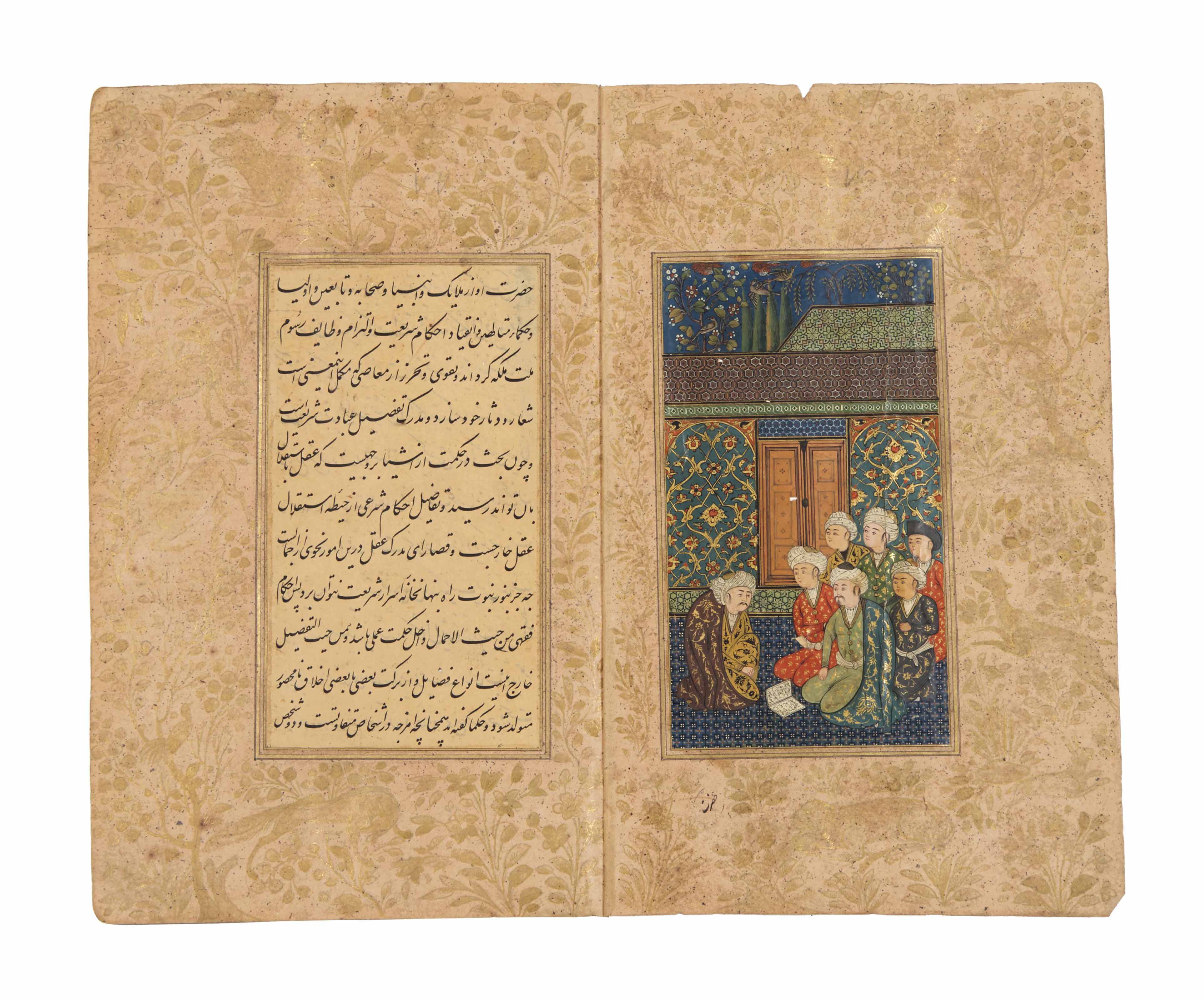
Jalal al-Din al-Dawwani
1427 CE – 1502 CE
Dawan (near Kazerun, Fars)
Persian philosopher and theologian from Dawan whose post-Avicennian metaphysics, Illuminationist commentary, logic, ethics, and philosophical theology shaped late medieval Islamic philosophy.
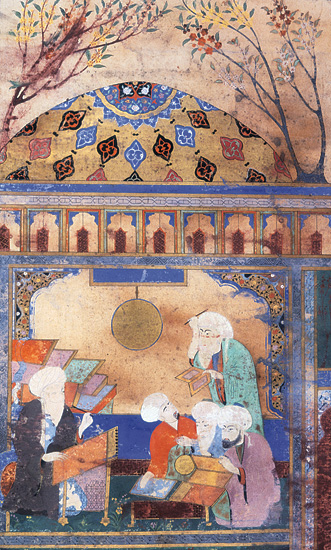
Nasir al-Din al-Tusi
1201 CE – 1274 CE
Tus, Khorasan
Persian polymath of Avicennism, Shi i theology, ethics, logic, mathematics, astronomy, Maragha Observatory, the Tusi couple, and Ilkhanid scholarship.
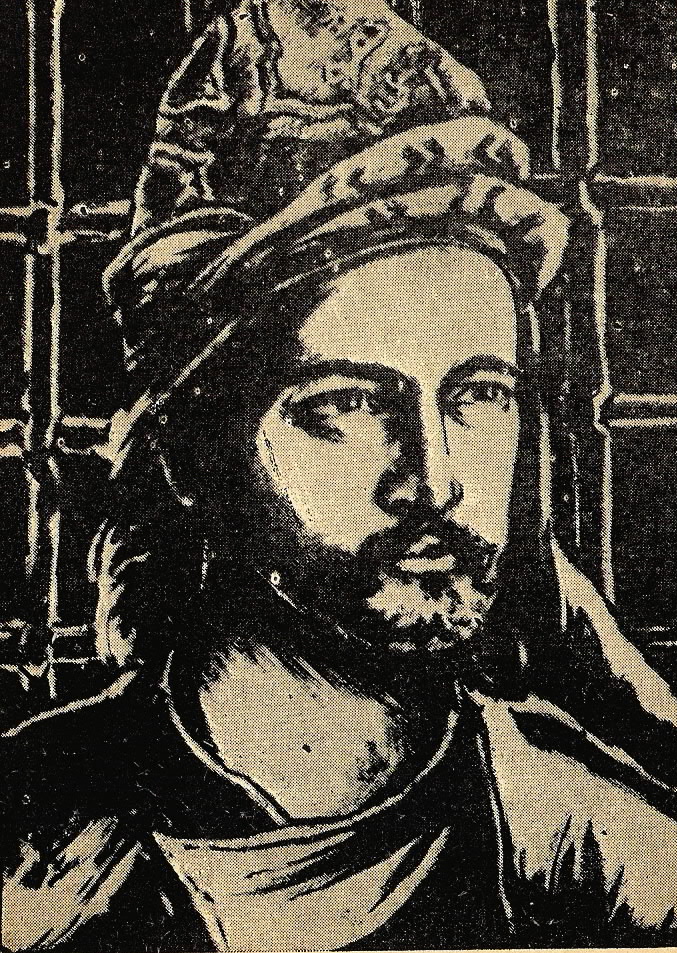
Shihāb al-Dīn Suhrawardī
1154 CE – 1191 CE
Suhraward (Zanjan region)
Persian Illuminationist philosopher of presential knowledge, ontology of lights, Avicennan critique, imagination, symbolic narrative, and later ishraqi reception.
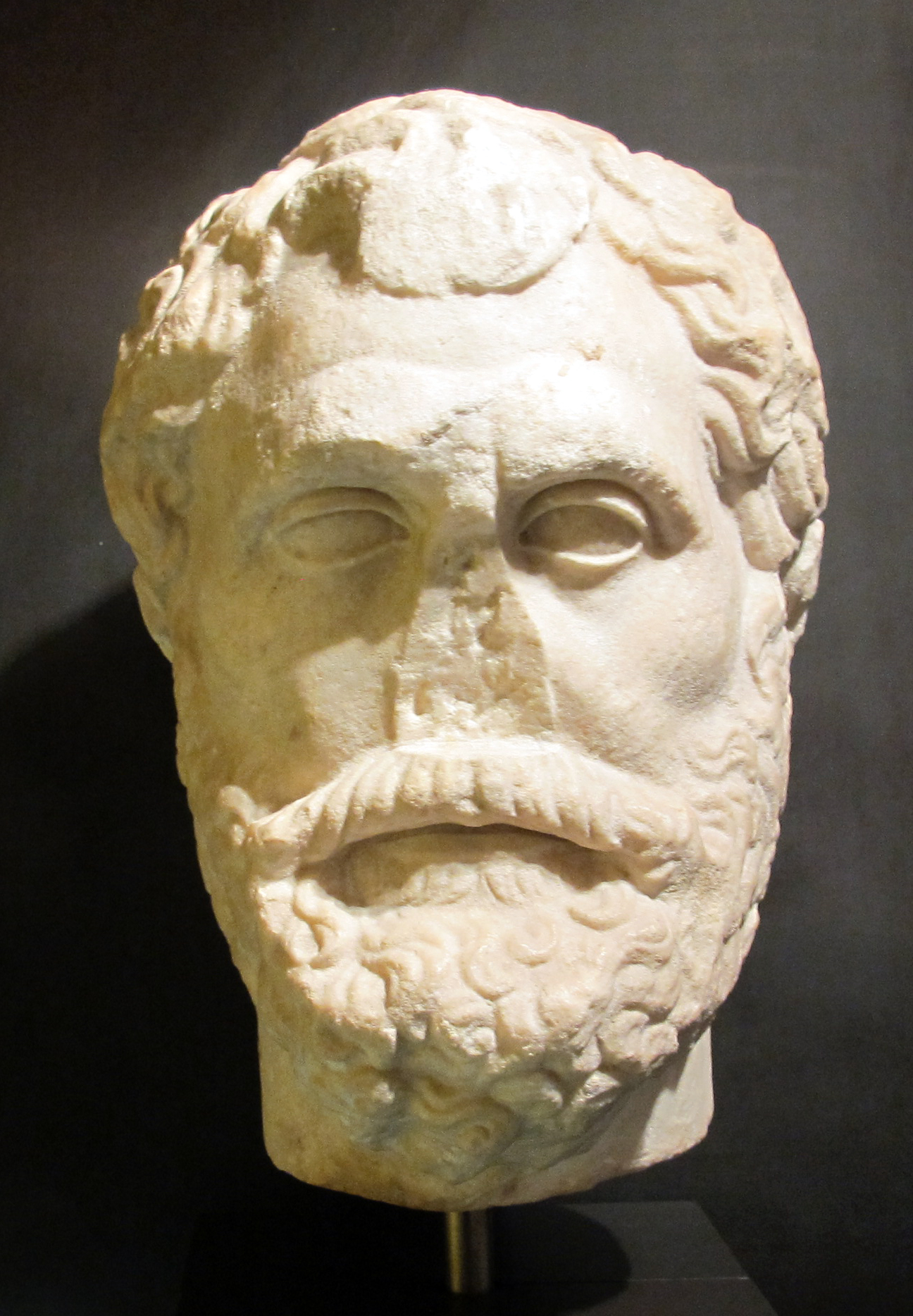
Thales of Miletus
624 BCE – 546 BCE
Miletus, Ionia
Milesian natural philosopher and sage of water as arche, earth on water, natural explanation, astronomy, geometry, eclipse tradition, magnet/soul testimony, and Seven Sages reception.
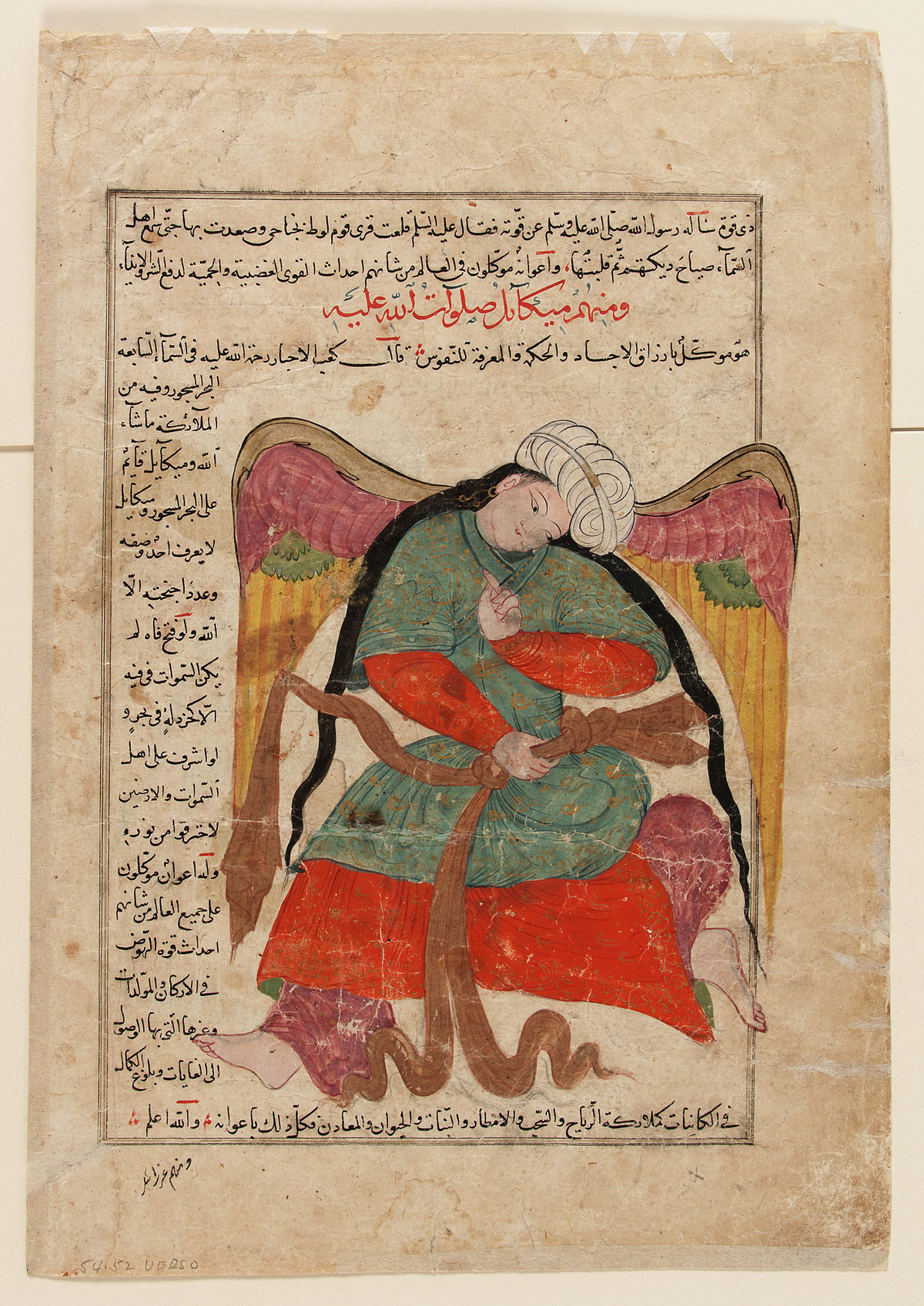
Zakariyya al-Qazwini
1203 CE – 1283 CE
Qazvin
Persian Islamic cosmographer and geographer whose Wonders of Creation and Monuments of the Lands joined natural history, geography, astronomy, marvel literature, manuscript illustration, and theological reflection on created order.