Source page: McKinsey & Company
Commentary
Bringing nurses back
Healthcare | Workplace
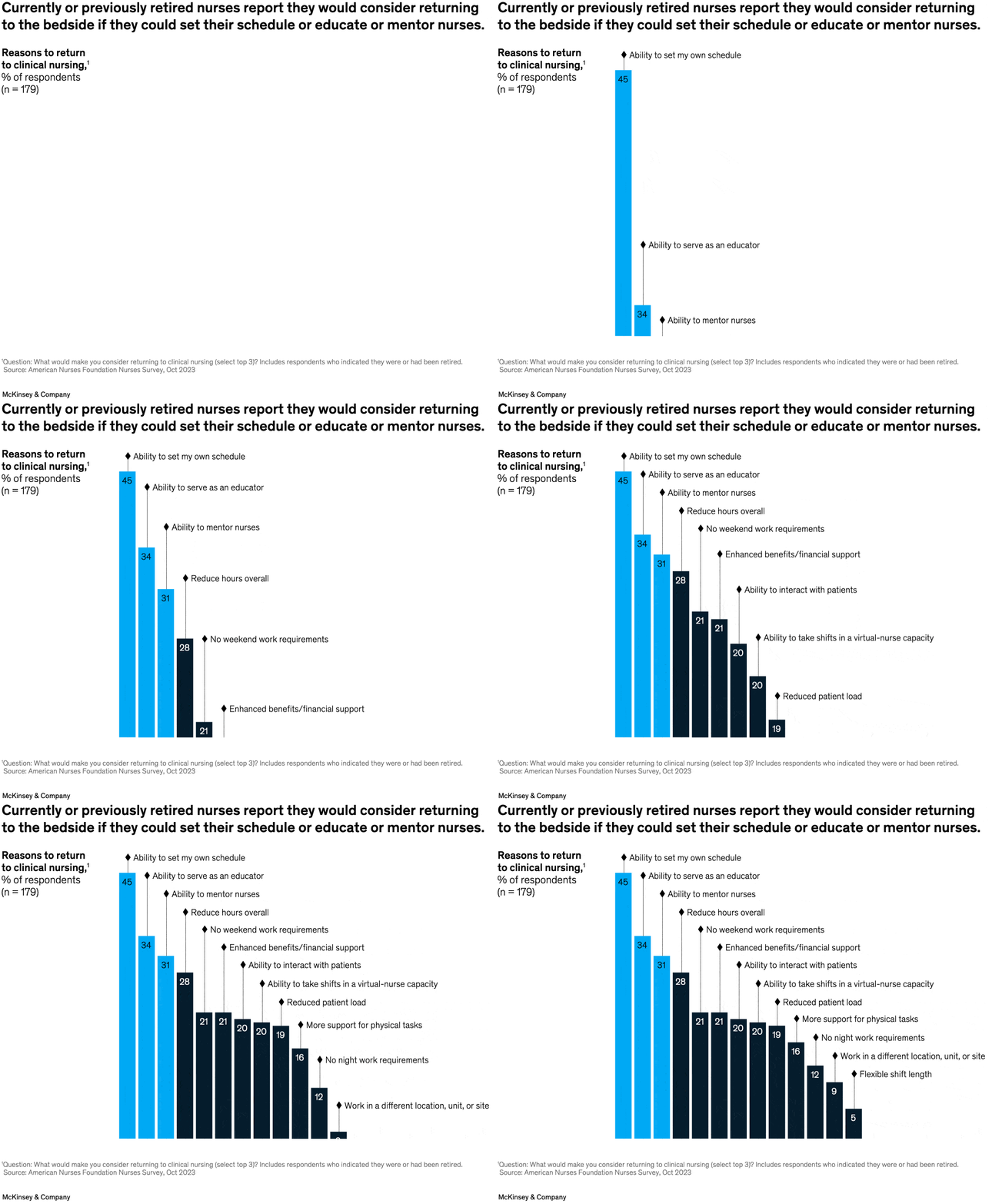
April 24, 2024 – In the nursing workforce, intent to leave—particularly clinical care roles—remains high. Currently or previously retired nurses could be a crucial cohort to attract back to the bedside, given their experience and ability to help train early-tenure nurses, note senior partner Gretchen Berlin and coauthors. In a McKinsey survey, 34 percent of currently retired or previously retired nurses say they would consider clinical care roles if they could also educate nurses, while 31 percent of these respondents flagged mentoring as an important reason, the second- and third-highest choices behind schedule flexibility.
To read the article, see “How to bridge the experience gap by supporting nurses of all tenures,” March 28, 2024.
customizer here
Visual form
Bar chart.
Layout / body structure
This is a single ranked vertical bar chart with one tall highlighted bar on the left and a descending sequence of smaller bars to the right. The reading order goes from the tallest return-to-work incentive across the rest of the ranked options.
What is being compared
It compares which conditions would make currently or previously retired nurses consider returning to bedside nursing.
Measurement system
The values are percentages of respondents. Each bar is labeled directly with its value, and the category labels are placed above or beside the bars as the ranking descends.
Visible structure inside the graphic
Bright blue bars highlight the most powerful incentives on the left, while darker bars continue through the rest of the return conditions such as mentoring, reduced hours, workload changes, patient interaction, location flexibility, and shift requirements.
Main takeaway from the visual
The chart shows that control over schedule and the ability to teach or mentor stand above the rest as the strongest levers for bringing retired nurses back, while operational adjustments such as shift length and site flexibility matter but rank lower.
Key standout values or extremes
The leading bar is ability to set my own schedule at 45 percent, followed by ability to serve as an educator at 34 percent and ability to mentor nurses at 31 percent. The smallest bars at the right edge fall into the single digits, including flexible shift length at 5 percent.
Controls / sequence, when applicable
This is a static chart image with no in-chart controls to operate.
Companion media, when applicable
There is no separate companion audio or video; the chart image is the full visual on this page.