Philosophy School
Augustinianism
Latin Christian philosophical-theological tradition rooted in Augustine's synthesis of Christian doctrine, Platonism and Neoplatonism, interiority, divine illumination, will, grace, original sin, memory, time, evil as privation, and the two cities.
Period
Ancient History3000 BCE – 499 CE
Era
Classical Antiquity500 BCE – 499 CE
Begin
354 CE
End
430 CE

Structural Factors
- Shared Core Claims
- Truth is grounded in God, the soul turns inward and upward toward divine illumination, evil is privation rather than substance, grace heals disordered will, and earthly politics must be judged against the city of God.
- Shared Methods
- Scriptural interpretation, introspection, prayerful philosophical inquiry, anti-skeptical argument, Platonist ascent, doctrinal controversy, pastoral reasoning, and integration of reason with Christian revelation.
- Shared Lineage
- Augustine of Hippo, Latin patristic theology, Christian Platonism, monastic and scholastic Augustinian reception, Anselm, Bonaventure, anti-Pelagian and Reformation debates, and modern Augustinian philosophy and theology.
- Shared Problems
- Grace and freedom, original sin, evil, divine illumination, memory, time, will, happiness, love, signs, creation, Trinity, church and state, just war, Platonism, skepticism, and the relation between reason and revelation.
- Shared Vocabulary
- illumination, privation, grace, will, original sin, caritas, cupiditas, memory, distentio animi, two cities, inner teacher, restless heart, signs, confession, predestination, peace, just war, and participation.
- Shared Historical Context
- Augustinianism begins in late Roman North Africa, becomes central to Latin patristic and medieval theology, shapes monastic and scholastic thought, and remains influential in Reformation, Catholic, Protestant, and modern philosophy.
Defining Axes
- Doctrine
- A Christian-Platonic account of God, soul, knowledge, will, grace, evil, time, signs, political order, and salvation centered on Augustine's authority in the Latin West.
- Method
- The school combines confession, inward reflection, scriptural exegesis, dialectical argument, anti-skeptical reasoning, theological controversy, and philosophical use of Platonist ascent and participation.
- Lineage
- Augustine, Latin church fathers, medieval Augustinians, Anselm, Bonaventure, scholastic and monastic traditions, Reformation theologians, Jansenist and Catholic receptions, and modern Augustinian scholarship.
- Subject Focus
- Philosophy of religion, metaphysics, epistemology, ethics, political philosophy, philosophy of mind, philosophy of language, theology, grace, time, memory, evil, and Christian Platonism.
- Geography / Culture
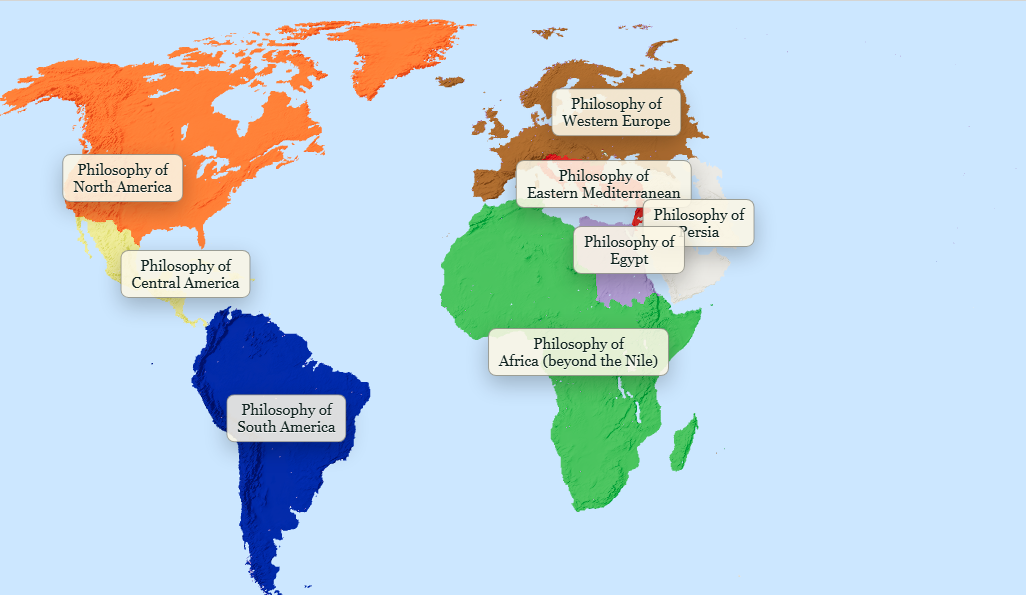
- Late Roman North Africa, Milan and Rome, Latin Christianity, medieval Western Europe, monastic and university settings, Reformation Europe, and modern global Christian philosophical scholarship.
- Historical Reaction
- A response to Manichaeism, skepticism, pagan Platonism, Donatism, Pelagianism, Roman imperial crisis, and later medieval and Reformation debates over grace, reason, church, and political authority.
Internal Structure
- Foundational Texts
- Foundational texts include Augustine's Confessions, City of God, On the Trinity, On Free Choice of the Will, anti-Pelagian writings, sermons, letters, biblical commentaries, and later Augustinian reception in Anselm, Bonaventure, scholastic theology, Reformation debates, and modern studies.
- Core Vocabulary
- God, soul, illumination, grace, will, original sin, privation, memory, time, distentio, signs, inner word, Trinity, love, caritas, cupiditas, peace, two cities, predestination, confession, and participation.
- Metaphysics
- Augustinian metaphysics centers on God as supreme being and truth, creation from nothing, participation, the soul's dependence on God, evil as privation, divine eternity, and the mutable world's relation to immutable wisdom.
- Epistemology
- Augustinian epistemology joins anti-skeptical argument with divine illumination, inwardness, memory, signs, language, testimony, faith seeking understanding, and the mind's dependence on God for truth.
- Ethics
- Augustinian ethics centers on rightly ordered love, grace, humility, will, sin, virtue, happiness in God, peace, communal life, and the struggle between caritas and cupiditas.
- Method
- The school proceeds by interpreting Scripture, examining the self, arguing against skepticism and heresy, using Platonist metaphysics under Christian discipline, and applying doctrine to moral, ecclesial, and political life.
- Internal Debates
- Debates concern grace and free will, predestination, original sin, illumination, the interpretation of evil, the two cities, just war, relation to Platonism, anti-Pelagian polemic, Thomist criticism, Reformation appropriation, and Jansenist controversy.
- Successors
- Successor formations include medieval Augustinianism, Anselmian theology, Franciscan Augustinianism, Bonaventure, Reformation Augustinianism, Jansenism, Christian existential and phenomenological readings, and modern Augustinian political theology.
External Classification Context
- History of Philosophy
- Augustinianism is a major bridge between ancient Platonism, Latin Christianity, medieval philosophy, Reformation theology, and modern philosophy of religion.
- Philosophy of Philosophy
- The school treats philosophy as the love of wisdom fulfilled in God, where reason, introspection, language, and metaphysics are ordered toward conversion, illumination, and salvation.
- Intellectual History
- Its development depends on late antique controversy, manuscript transmission, monastic reading, scholastic commentary, Augustinian orders, Reformation polemic, printed editions, and modern academic study.
- University Classification
- Usually classified under late ancient philosophy, medieval philosophy, Christian philosophy, philosophy of religion, political philosophy, theology, patristics, and Christian Platonism.
- Classical Sources
- Classical evidence comes from Augustine's Latin corpus, late antique polemical settings, Platonist and Neoplatonist sources, biblical exegesis, letters, sermons, and medieval reception texts.
- Sociology of Knowledge
- Augustinianism persisted through episcopal authority, monastic copying, liturgy, theological controversy, university curricula, religious orders, confessional disputes, and modern scholarly editions and translations.
Linked Philosophers
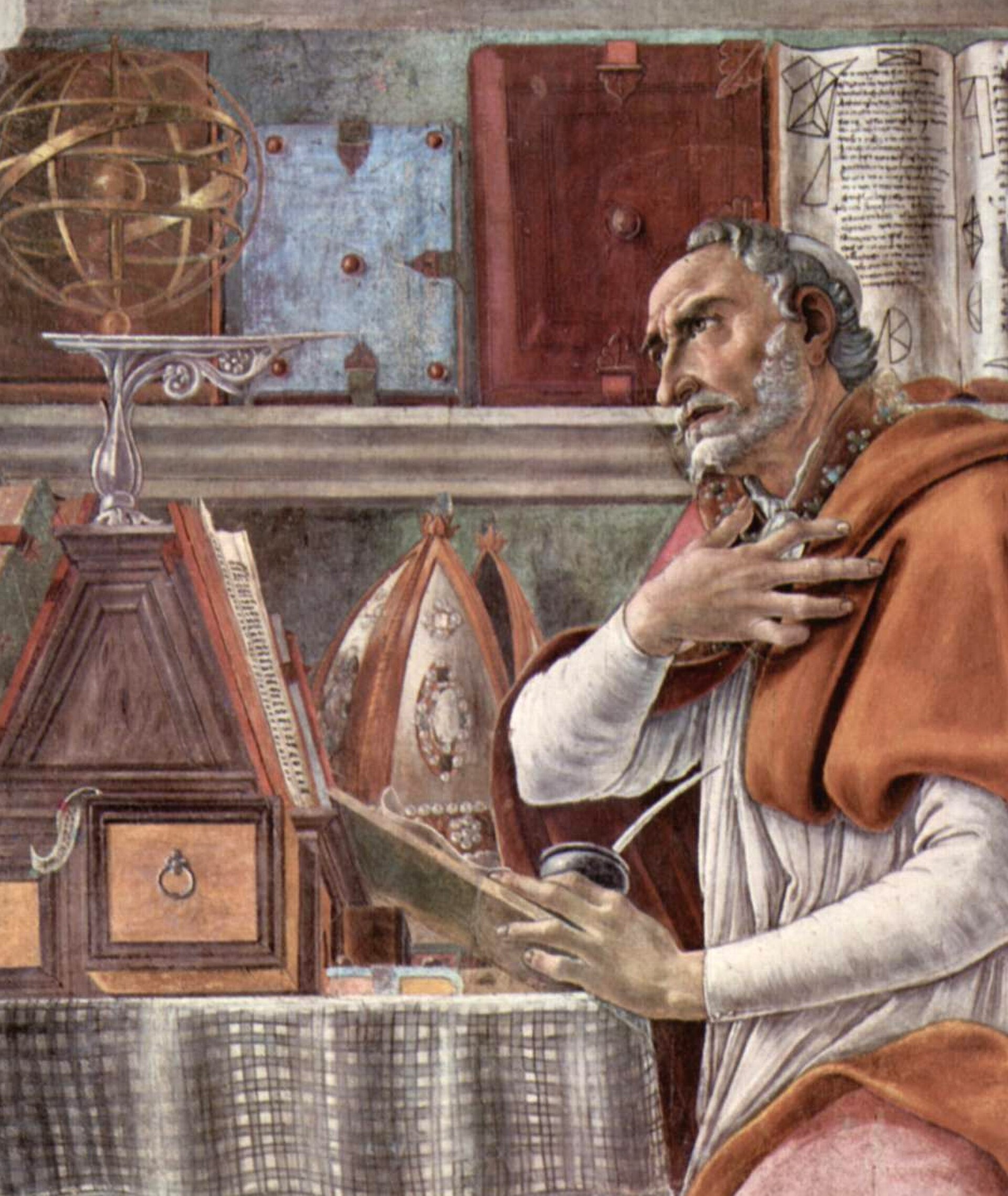
Augustine of Hippo
354 CE – 430 CE
Tagaste, Numidia
North African Latin Christian philosopher and bishop from Tagaste and Hippo whose accounts of memory, time, will, grace, evil, signs, love, political order, and the Trinity reshaped late antique, medieval, Christian, and modern philosophy.