Philosophy School
Buddhism
Broad śramaṇa philosophical-religious tradition rooted in Siddhārtha Gautama and centered on suffering, liberation, dependent origination, karma, rebirth, impermanence, non-self, ethics, meditation, monastic discipline, and later Abhidharma, Mahāyāna, and Vajrayāna developments.
Structural Factors
- Shared Core Claims
- Conditioned phenomena are impermanent, unsatisfactory, and without permanent self; suffering arises through craving and ignorance; liberation is possible through ethical discipline, meditation, wisdom, and realization of dependent origination.
- Shared Methods
- Ethical training, meditation, mindfulness, insight, dependent-origination analysis, monastic discipline, scholastic taxonomy, debate, commentary, ritual practice, and practical liberation-oriented reasoning.
- Shared Lineage
- Siddhārtha Gautama, early saṅgha communities, Nikāya and Āgama transmission, Abhidharma schools, Mahāyāna sūtra traditions, Madhyamaka, Yogācāra, Vajrayāna lineages, and regional monastic and lay transmissions.
- Shared Problems
- Suffering, craving, ignorance, rebirth, karma, selflessness, momentariness, causation, nirvāṇa, compassion, monastic authority, lay practice, scholastic realism, emptiness, consciousness, and the relation of doctrine to practice.
- Shared Vocabulary
- duḥkha, anitya, anātman, pratītyasamutpāda, karma, saṃsāra, nirvāṇa, dharma, saṅgha, śīla, samādhi, prajñā, skandha, klesha, bodhisattva, śūnyatā, Abhidharma, sūtra, and Vinaya.
- Shared Historical Context
- Buddhism began in the Gangetic śramaṇa world and expanded through South Asian monastic institutions, Sri Lankan and Southeast Asian Theravāda, Central Asian Silk Road transmission, East Asian Mahāyāna, Tibetan Vajrayāna, and modern global Buddhism.
Defining Axes
- Doctrine
- A liberation-oriented doctrine of suffering, causation, no-self, karma, rebirth, nirvāṇa, compassion, and wisdom articulated through early discourses and later scholastic and Mahāyāna systems.
- Method
- The school proceeds through practice and analysis together: ethical restraint, meditation, insight, canonical study, monastic discipline, commentary, debate, ritual, and teacher-lineage transmission.
- Lineage
- From Siddhārtha Gautama and early Buddhist communities through Nikāya/Āgama traditions, Abhidharma, Theravāda, Mahāyāna, Madhyamaka, Yogācāra, Vajrayāna, and regional Buddhist schools.
- Subject Focus
- Ethics, metaphysics, epistemology, philosophy of mind, language, causation, psychology, philosophy of religion, logic, meditation theory, monastic law, and soteriology.
- Geography / Culture
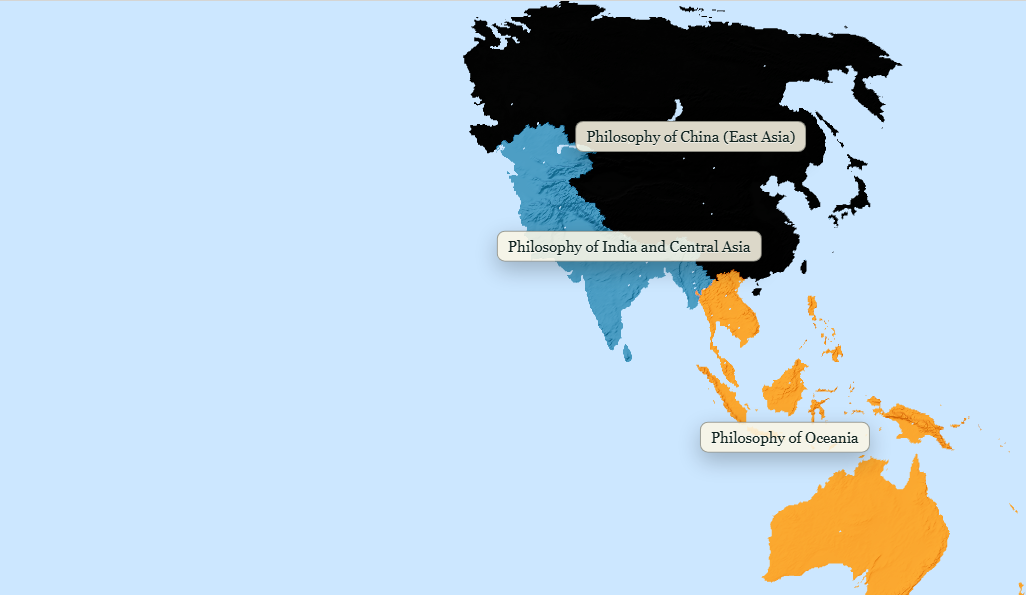
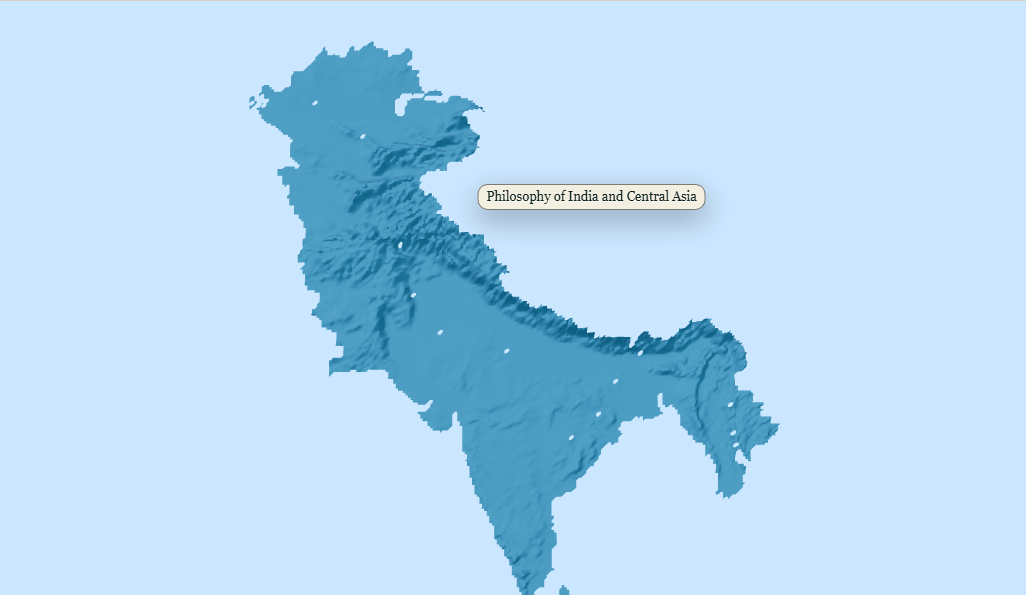
- North Indian origins, South Asian monastic centers, Sri Lanka, Southeast Asia, Central Asia, China, Tibet, Korea, Japan, the Himalayan world, and modern global Buddhist communities.
- Historical Reaction
- Buddhism responds to Vedic ritual culture, śramaṇa renunciation debates, Jain and materialist rivals, Brahmanical philosophy, internal monastic debates, regional cultures, and modern colonial and global reinterpretation.
Internal Structure
- Foundational Texts
- Foundational materials include Nikāyas and Āgamas, Vinaya, Abhidharma and Abhidhamma, Dhammapada, Jātaka traditions, Prajñāpāramitā and Mahāyāna sūtras, Pāli, Sanskrit, Chinese, and Tibetan canons, and later commentaries.
- Core Vocabulary
- Buddha, dharma, saṅgha, duḥkha, anitya, anātman, pratītyasamutpāda, karma, saṃsāra, nirvāṇa, skandha, āyatana, kleśa, śīla, samādhi, prajñā, bodhicitta, śūnyatā, tathāgatagarbha, and upāya.
- Metaphysics
- Buddhist metaphysics analyzes conditioned arising, impermanence, no-self, aggregates, momentariness, causal dependence, emptiness, nirvāṇa, and the status of conventional and ultimate truth.
- Epistemology
- Buddhist epistemology connects direct experience, meditative insight, inference, testimony, mindfulness, debate, and later pramāṇa theory to the practical goal of eliminating ignorance.
- Ethics
- Buddhist ethics emphasizes non-harming, compassion, generosity, restraint, right action, monastic discipline, karmic responsibility, bodhisattva vows, and practices that reduce craving and delusion.
- Method
- Buddhist method joins lived practice with philosophical analysis: studying discourses, meditating, observing discipline, classifying experience, debating rival views, and testing doctrine by its liberating function.
- Internal Debates
- Internal debates concern personal identity, no-self, momentariness, Abhidharma realism, emptiness, Yogācāra consciousness, Buddha-nature, rebirth, monastic authority, tantric practice, and the relation between lay and monastic paths.
- Successors
- Successor formations include Theravāda, Mahāyāna, Madhyamaka, Yogācāra, Pure Land, Chan and Zen, Tibetan Vajrayāna, Buddhist logic, Buddhist modernism, engaged Buddhism, and contemporary Buddhist philosophy.
External Classification Context
- History of Philosophy
- Buddhism is one of the major philosophical traditions of Asia, shaping debates about self, causation, ethics, mind, language, logic, metaphysics, and liberation across South, Central, East, and Southeast Asia.
- Philosophy of Philosophy
- The tradition treats philosophy as a practice of liberation, where conceptual analysis, meditation, ethical transformation, and communal discipline are evaluated by their capacity to end suffering.
- Intellectual History
- Its history depends on monastic institutions, oral recitation, councils, royal patronage, manuscript and canon formation, translation into Chinese and Tibetan, pilgrimage networks, scholastic universities, and modern academic study.
- University Classification
- Usually classified under Buddhist philosophy, Indian philosophy, Asian philosophy, philosophy of religion, ethics, metaphysics, philosophy of mind, epistemology, logic, and religious studies.
- Classical Sources
- Classical evidence comes from Pāli, Sanskrit, Chinese, and Tibetan canons, Vinaya materials, Abhidharma treatises, Mahāyāna sūtras, commentaries, inscriptions, biographies, and monastic records.
- Sociology of Knowledge
- Buddhism persisted through saṅgha organization, ordination lineages, scholastic curricula, ritual communities, lay patronage, translation bureaus, pilgrimage, printing, regional schools, colonial encounters, and global convert networks.
Linked Philosophers
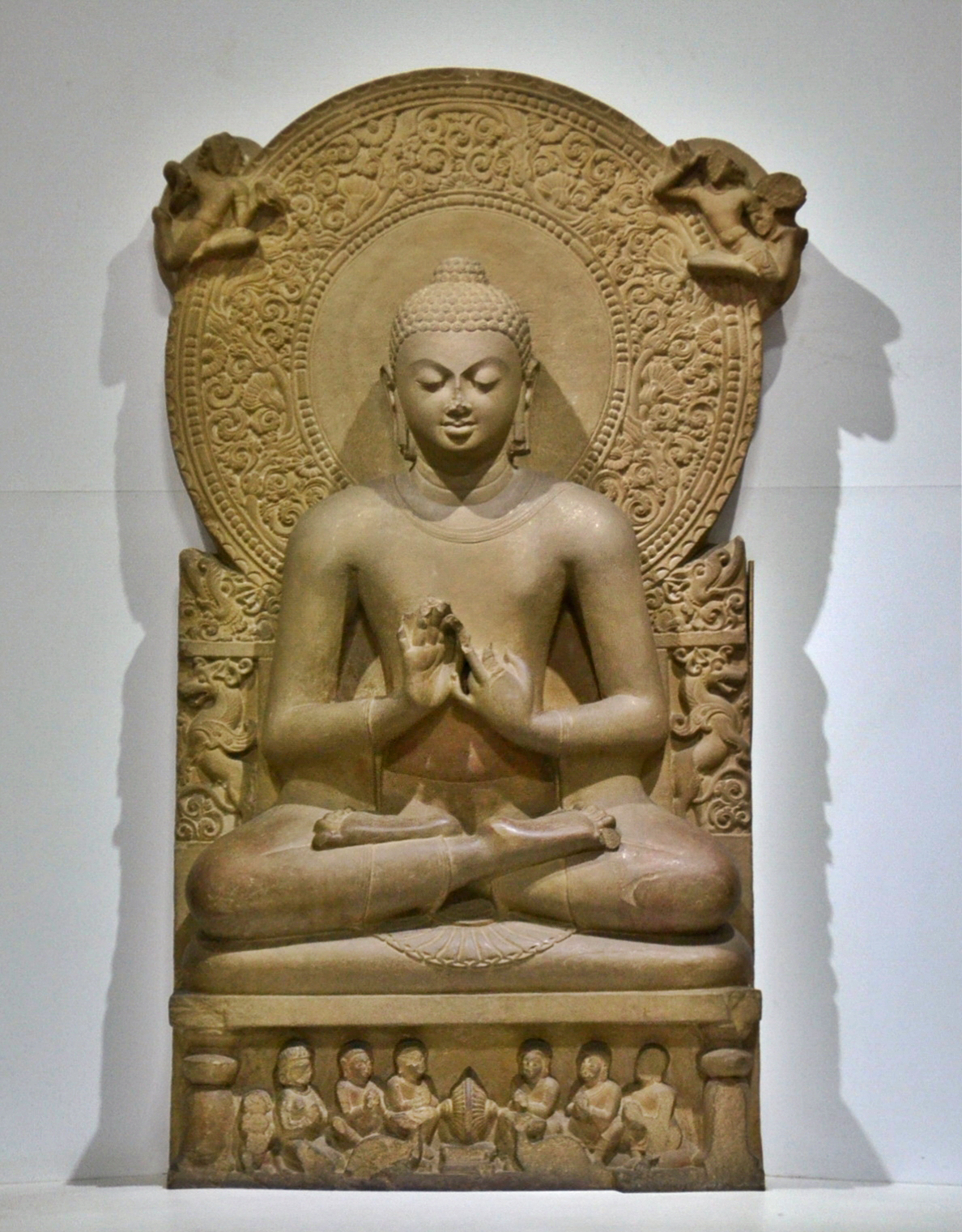
Siddhārtha Gautama
563 BCE – 483 BCE
Lumbinī
Founder of Buddhism whose transmitted early discourses frame suffering, liberation, dependent arising, not-self, mindfulness, ethics, and the Middle Way.