Philosophy School
Deep Ecology
Radical environmental philosophy associated with Arne Naess, ecosophy, intrinsic value, biospheric egalitarianism, self-realization, ecological identification, critique of anthropocentrism, and the contrast between shallow and deep environmental movements.
Period
Contemporary History1945 CE – 2065 CE
Era
Cold War Era1945 CE – 1984 CE
Begin
1912 CE
End
2009 CE
Structural Factors
- Shared Core Claims
- Nonhuman beings have intrinsic value, humans are part of wider ecological wholes, ecological flourishing requires deep changes in self-understanding and society, and shallow resource management is insufficient without transformation of values, identity, and practice.
- Shared Methods
- Deep ecology uses ecological self-inquiry, platform principles, total-field thinking, norm clarification, ecosophy construction, activism, identification with nonhuman life, and critique of industrial-consumer society.
- Shared Lineage
- Its lineage centers on Arne Naess, the shallow/deep ecology distinction, the Naess-Sessions platform, Bill Devall, George Sessions, Warwick Fox, environmental ethics, radical ecology, wilderness thought, and later ecological philosophy.
- Shared Problems
- Central problems include anthropocentrism, intrinsic value, ecological identification, self-realization, population, wilderness, industrial growth, consumerism, environmental justice, social ecology criticism, ecofeminist criticism, and whether deep ecology can guide politics without misanthropy.
- Shared Vocabulary
- deep ecology, shallow ecology, ecosophy, ecological self, self-realization, biospheric egalitarianism, intrinsic value, biocentrism, ecocentrism, total-field image, identification, diversity, symbiosis, platform, wilderness, and radical ecology.
- Shared Historical Context
- Deep ecology emerged in late twentieth-century environmental philosophy and activism, especially through Naess's 1973 article, later ecosophy writings, the 1984 platform, and debates within environmental ethics and radical environmentalism.
Defining Axes
- Doctrine
- Its doctrine affirms the intrinsic worth of nonhuman life, ecological interdependence, self-realization through identification with wider nature, and the need for deep cultural change beyond technocratic environmental management.
- Method
- Its method builds personal ecosophies, clarifies ultimate norms, reads ecological science philosophically, links self-realization to activism, and tests policy by deep platform commitments rather than short-term human utility alone.
- Lineage
- The lineage runs from Naess and the deep ecology platform through Devall, Sessions, Fox, environmental ethics, biocentric and ecocentric value theory, radical ecology, wilderness debates, and critics in social ecology and ecofeminism.
- Subject Focus
- Deep ecology focuses on ethics, political philosophy, environmental philosophy, philosophy of science, metaphysics of relation, religion and spirituality, ecological identity, activism, population, wilderness, and critique of industrial modernity.
- Geography / Culture
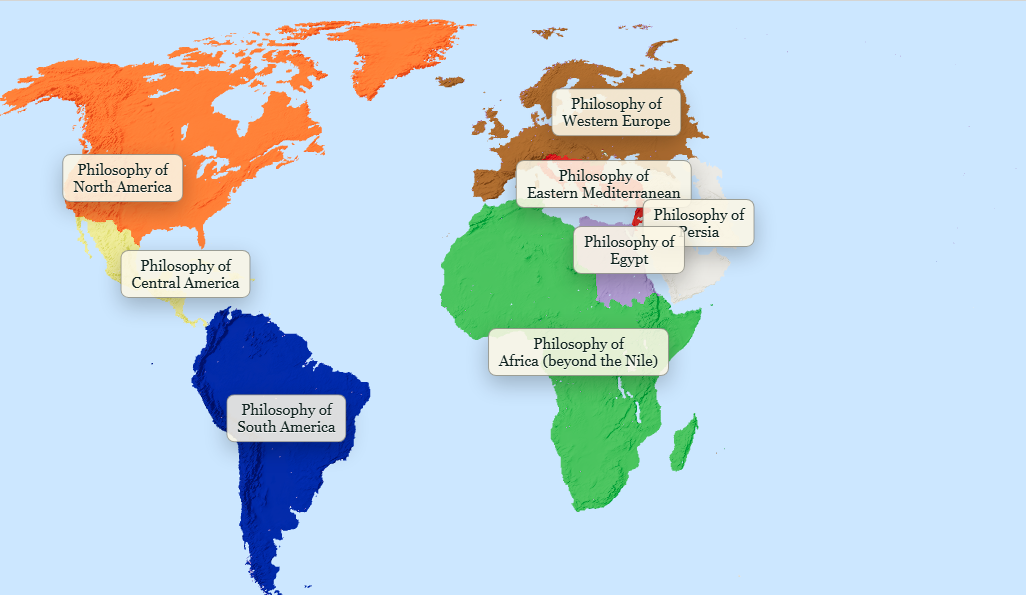
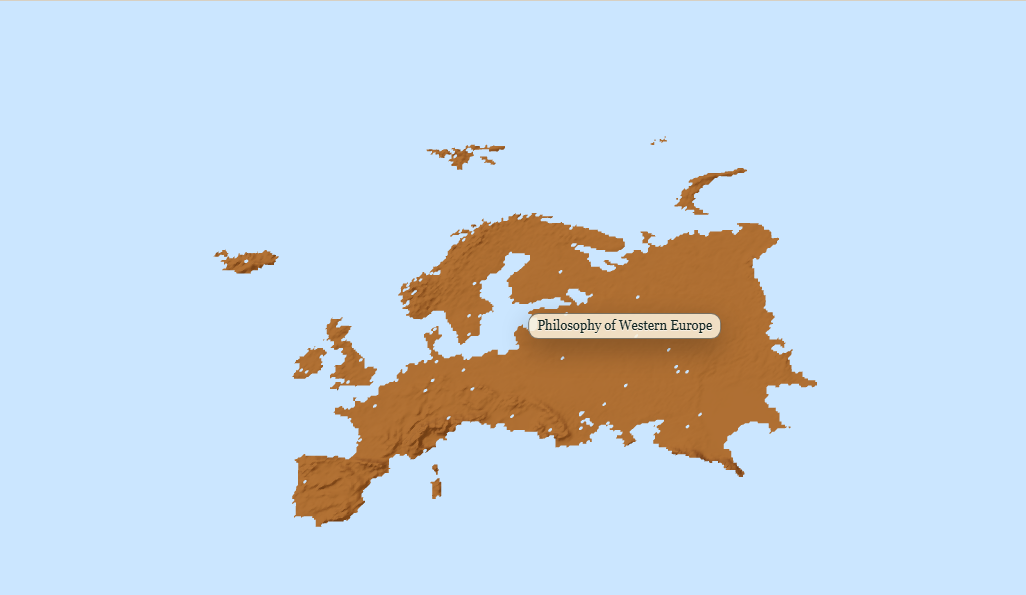
- Its immediate setting includes Norway, North American environmentalism, wilderness movements, international green politics, and global academic environmental ethics, with roots in ecological science and countercultural activism.
- Historical Reaction
- It reacts against shallow environmentalism, anthropocentric resource management, technological optimism, consumerism, industrial growth, human/nature dualism, and policies that treat nonhuman life only as instrumental to human interests.
Internal Structure
- Foundational Texts
- Foundational texts include Naess's 1973 "The Shallow and the Deep, Long-Range Ecology Movement," Ecology, Community and Lifestyle, the Naess-Sessions platform, Devall and Sessions's Deep Ecology, Warwick Fox's work, and later environmental-ethics scholarship.
- Core Vocabulary
- Core vocabulary includes deep ecology, shallow ecology, ecosophy, Ecosophy T, ecological self, self-realization, intrinsic value, biospheric egalitarianism, biocentrism, ecocentrism, identification, platform, diversity, symbiosis, wilderness, and radical environmentalism.
- Metaphysics
- Deep ecology tends toward relational and ecological metaphysics: selves, species, and communities are not isolated units but nodes in wider fields of interdependence, process, diversity, and ecological flourishing.
- Epistemology
- Its epistemology combines ecological science, norm clarification, lived identification, systems thinking, and criticism of narrow instrumental reason, while insisting that value inquiry cannot be reduced to technical expertise.
- Ethics
- Its ethics affirms intrinsic value in nonhuman beings and ecological wholes, broadens moral identification beyond the human, and calls for self-realization, restraint, diversity, simplicity, and practical defense of ecological flourishing.
- Method
- Deep ecology method asks thinkers and activists to articulate an ecosophy, test commitments against a platform, practice identification with wider nature, and connect philosophical value claims to long-range ecological action.
- Internal Debates
- Internal debates concern biospheric egalitarianism, population claims, wilderness politics, spiritual language, social ecology criticism, ecofeminist criticism, environmental justice, indigenous knowledge, and whether deep ecology is philosophy, movement, or platform.
- Successors
- Successors and receptions include radical environmentalism, ecopsychology, environmental humanities, green political theory, ecological spirituality, biocentric and ecocentric ethics, degrowth debates, and ongoing criticism from social ecology and ecofeminism.
External Classification Context
- History of Philosophy
- Deep ecology is a major twentieth-century environmental philosophy movement, important for the shift from conservation and resource ethics toward ecological identity, intrinsic value, and radical critique of anthropocentrism.
- Philosophy of Philosophy
- It treats philosophy as lived ecosophy: a reflective articulation of ultimate norms, self-understanding, ecological belonging, and action rather than a detached academic theory alone.
- Intellectual History
- Its intellectual history joins Naess's Spinoza-influenced pluralism, ecological science, mountaineering and Norwegian environmentalism, North American wilderness activism, environmental ethics, and late twentieth-century radical ecological politics.
- University Classification
- Usually classified under environmental ethics, ecological philosophy, applied ethics, political philosophy, philosophy of science, environmental humanities, religious studies, green theory, and twentieth-century philosophy.
- Classical Sources
- Source contexts include Naess's essays and interviews, Ecology, Community and Lifestyle, the Naess-Sessions platform, Devall and Sessions, Fox, environmental-ethics anthologies, and debates with Bookchin, ecofeminists, and environmental-justice critics.
- Sociology of Knowledge
- Deep ecology spread through environmental activism, academic environmental ethics, wilderness networks, green publishing, university courses, NGOs, journals, conferences, and controversies over radical ecology, population, and social justice.
Linked Philosophers

Arne Næss
1912 CE – 2009 CE
Slemdal (Oslo)
Norwegian philosopher, mountaineer, and founder of deep ecology whose empirical semantics, argumentation theory, Ecosophy T, and ecological self-realization reshaped environmental ethics and political ecology.