Philosophy School
Ecofeminism
Feminist environmental philosophy linking the domination of women, nature, animals, colonized peoples, and marginalized groups through critiques of dualism, patriarchy, capitalism, colonialism, instrumental reason, and anthropocentrism.
Period
Contemporary History1945 CE – 2065 CE
Era
World War Era1914 CE – 1944 CE
Begin
1939 CE
End
2008 CE
Structural Factors
- Shared Core Claims
- Oppressions of women, nature, animals, colonized peoples, and marginalized communities are structurally linked; ecological ethics must reject domination, dualism, anthropocentrism, and patriarchal mastery while rebuilding more reciprocal human and nonhuman relations.
- Shared Methods
- Ecofeminist method uses critique of dualisms, care ethics, intersectional analysis, political ecology, feminist standpoint critique, narrative and embodied knowledge, anti-domination ethics, and reconstruction of human/nature relations.
- Shared Lineage
- Ecofeminism develops through Francoise d'Eaubonne, Carolyn Merchant, Rosemary Radford Ruether, Karen Warren, Greta Gaard, Ariel Salleh, Vandana Shiva, Val Plumwood, feminist environmental philosophy, animal ethics, and environmental justice movements.
- Shared Problems
- Central problems include patriarchal domination, women/nature association, human/nature dualism, animal exploitation, colonialism, capitalism, environmental justice, essentialism, spirituality, deep ecology debate, social ecology, care, embodiment, and climate justice.
- Shared Vocabulary
- ecofeminism, feminism, mastery, nature, dualism, hyperseparation, backgrounding, instrumentalism, anthropocentrism, androcentrism, care, embodiment, interdependence, animal ethics, environmental justice, patriarchy, colonialism, and ecological feminism.
- Shared Historical Context
- Ecofeminism emerged in late twentieth-century feminist, ecological, anti-nuclear, animal-rights, and environmental-justice contexts, joining academic feminist philosophy with activist critiques of patriarchy, capitalism, colonialism, and ecological destruction.
Defining Axes
- Doctrine
- Ecofeminism argues that ecological crisis cannot be understood apart from gendered and colonial patterns of domination, and that environmental ethics must transform the dualisms and power relations that authorize mastery.
- Method
- Its method diagnoses linked oppressions, reads conceptual dualisms politically, centers embodied and situated knowledge, and reconstructs ethics around care, reciprocity, justice, ecological dependence, and anti-domination.
- Lineage
- The lineage runs from early ecofeminist activism and d'Eaubonne through Merchant, Ruether, Warren, Gaard, Salleh, Shiva, Plumwood, feminist animal ethics, environmental justice, and postcolonial ecological critique.
- Subject Focus
- Ecofeminism focuses on ethics, political philosophy, environmental philosophy, feminist theory, animal ethics, philosophy of science, religion, embodiment, care, colonialism, capitalism, ecological justice, and climate politics.
- Geography / Culture
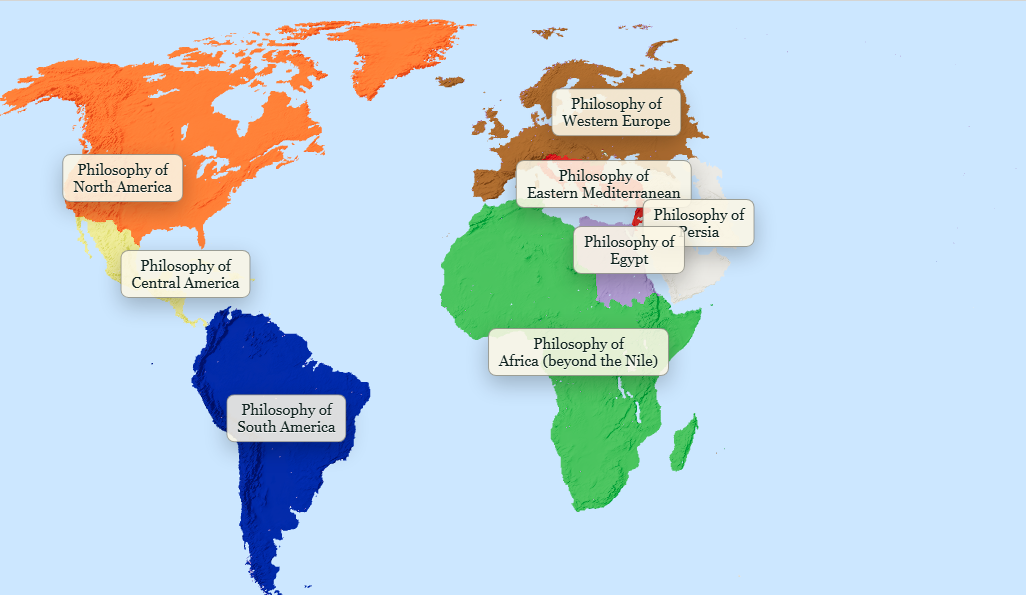
- Its settings include North American, European, Australian, Indian, Indigenous, and global environmental movements, feminist scholarship, ecojustice struggles, anti-nuclear activism, animal advocacy, and postcolonial ecological politics.
- Historical Reaction
- It reacts against patriarchal mastery, human/nature dualism, androcentric reason, capitalist extraction, colonial development, technocratic environmentalism, essentialist feminism, and ecological theories that ignore gender, race, class, animals, and empire.
Internal Structure
- Foundational Texts
- Foundational texts include Plumwood's Feminism and the Mastery of Nature and Environmental Culture, d'Eaubonne's ecofeminist coinage, Merchant's The Death of Nature, Ruether, Warren, Gaard, Salleh, Shiva, and feminist environmental philosophy scholarship.
- Core Vocabulary
- Core vocabulary includes ecofeminism, ecological feminism, mastery, nature, dualism, hyperseparation, backgrounding, instrumentalism, homogenization, denial, care, interdependence, standpoint, embodiment, anthropocentrism, androcentrism, speciesism, colonialism, and environmental justice.
- Metaphysics
- Ecofeminism challenges metaphysical dualisms that split reason from nature, mind from body, man from woman, culture from ecology, and human from animal, replacing hierarchy with interdependence, relationality, embodiment, and ecological embeddedness.
- Epistemology
- Its epistemology emphasizes situated knowledge, feminist standpoint critique, narrative, embodied experience, local and Indigenous knowledge, and suspicion toward allegedly neutral forms of reason that hide domination or ecological abstraction.
- Ethics
- Its ethics centers anti-domination, care, ecological responsibility, animal regard, justice for marginalized communities, critique of instrumentalism, and forms of flourishing that include human and nonhuman interdependence.
- Method
- Ecofeminist method analyzes paired hierarchies, traces material and conceptual domination, criticizes abstract universalism, listens to embodied and marginalized experience, and rebuilds environmental ethics through care, justice, and ecological reciprocity.
- Internal Debates
- Internal debates concern essentialism, spirituality, women/nature symbolism, vegetarian ecofeminism, animal ethics, Indigenous and postcolonial critique, deep ecology, social ecology, environmental justice, climate justice, capitalism, and the relation between academic theory and activism.
- Successors
- Successors and receptions include feminist environmental philosophy, climate justice, environmental humanities, feminist animal studies, ecojustice theology, postcolonial ecology, political ecology, multispecies ethics, care ethics, and critiques of extractive capitalism.
External Classification Context
- History of Philosophy
- Ecofeminism is a major late twentieth-century development in environmental ethics and feminist philosophy, expanding ecological thought beyond anthropocentrism by linking nature, gender, race, class, colonialism, and species domination.
- Philosophy of Philosophy
- It treats philosophy as a critical practice that must expose the power relations inside concepts of reason, nature, humanity, gender, and value, while remaining accountable to ecological and political struggle.
- Intellectual History
- Its intellectual history joins feminist theory, environmental ethics, radical ecology, anti-nuclear activism, animal liberation, development critique, postcolonial thought, religious ecology, environmental justice, and climate politics.
- University Classification
- Usually classified under feminist philosophy, environmental ethics, political philosophy, animal ethics, environmental humanities, gender studies, religious studies, philosophy of science, social philosophy, and applied ethics.
- Classical Sources
- Source contexts include ecofeminist manifestos, Plumwood, Merchant, Warren, Gaard, Salleh, Shiva, Ruether, feminist environmental anthologies, debates with deep ecology and social ecology, and environmental-justice scholarship.
- Sociology of Knowledge
- Ecofeminism spread through activist networks, feminist presses, environmental movements, women's studies, philosophy departments, religious studies, animal advocacy, environmental justice organizing, conferences, anthologies, and global ecological politics.
Linked Philosophers

Val Plumwood
1939 CE – 2008 CE
Terrey Hills, near Sydney
Australian ecofeminist philosopher, logician, environmental ethicist, activist, and ecological-humanities figure whose work critiques mastery, human/nature dualism, anthropocentric reason, and ecological disconnection.