Philosophy School
Grammarian Tradition
Sanskrit grammarian and Vyakarana philosophical tradition centered on language, word, sentence, meaning, sphota, shabda, grammar as a path of knowledge, and Bhartrhari's Vakyapadiya.
Period
Ancient History3000 BCE – 499 CE
Era
Classical Antiquity500 BCE – 499 CE
Begin
450 CE
End
510 CE
Region
Eastern Thought
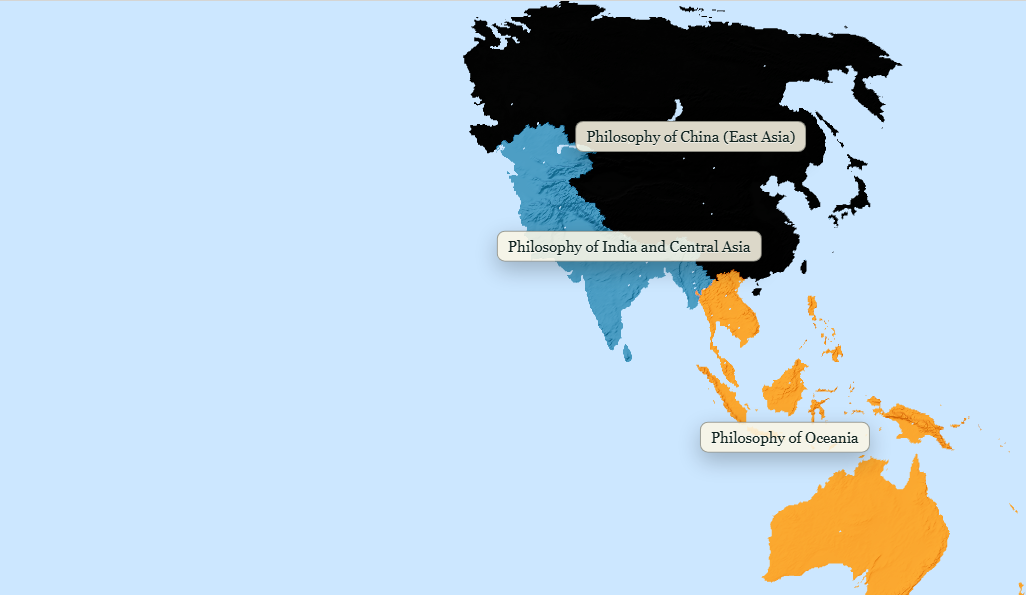
Terra Avita
India and Central Asia
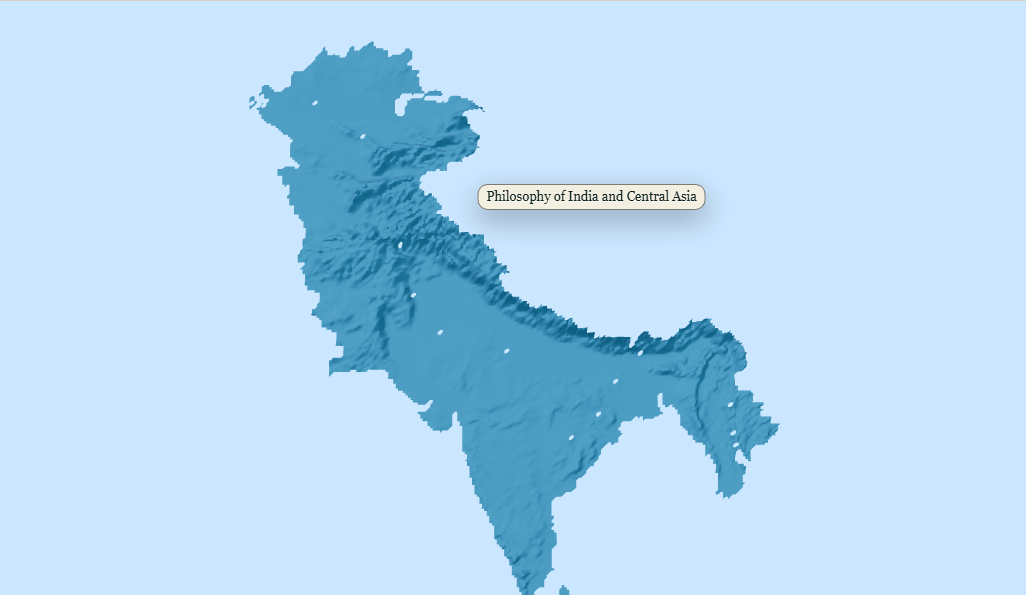
Terra Avita Region
Deccan & Peninsular India
Structural Factors
- Shared Core Claims
- The tradition treats language as a disciplined source of knowledge and philosophical insight: grammar clarifies word, sentence, meaning, cognition, reality, scriptural authority, and in Bhartrhari the deep unity of speech and being.
- Shared Methods
- Grammatical analysis, sutra and commentary, sentence and word theory, semantic reflection, linguistic ontology, shabda inquiry, scriptural and liturgical language analysis, and debate with Mimamsa, Nyaya, Buddhist logic, and Vedanta.
- Shared Lineage
- The lineage runs from earlier Sanskrit grammatical learning through Panini, Katyayana, Patanjali, Bhartrhari, Vakyapadiya commentators, later scholastic grammarians, and modern Sanskrit and philosophy-of-language scholarship.
- Shared Problems
- Sphota, word versus sentence meaning, universals, reference, cognition, language and reality, shabda-brahman, grammar as darshana, scriptural authority, linguistic holism, and whether grammatical knowledge supports liberation.
- Shared Vocabulary
- Vyakarana, shabda, sphota, pada, vakya, artha, varna, dhvani, pratibha, Vakyapadiya, Astadhyayi, Mahabhashya, vritti, varttika, shabda-brahman, apabhramsha, samanya, and darshana.
- Shared Historical Context
- The school developed inside Sanskrit scholarly culture, Vedanga grammar, ritual and scriptural interpretation, classical Indian debate, commentary traditions, and later comparative study of linguistics, semantics, and Indian philosophy.
Defining Axes
- Doctrine
- Its doctrine holds that speech and grammar are not merely technical tools but philosophical routes into cognition, meaning, reality, textual authority, and, in Bhartrhari, a nondual linguistic absolute.
- Method
- Its method uses sutra compression, commentary, grammatical derivation, semantic analysis, examples from usage, debate over word and sentence meaning, and disciplined interpretation of authoritative language.
- Lineage
- The lineage axis links Panini, Katyayana, Patanjali, Bhartrhari, Vakyapadiya commentators, later Sanskrit grammarians, Mimamsa and Nyaya interlocutors, and modern Indological scholarship.
- Subject Focus
- The tradition focuses on grammar, semantics, philosophy of language, epistemology, metaphysics, scriptural interpretation, cognition, universals, sentence meaning, and relations between language and liberation.
- Geography / Culture
- Its centers are Sanskritic South Asia, Vedic and classical scholastic institutions, manuscript and commentary cultures, temple and court learning, and modern Indology and Sanskrit studies.
- Historical Reaction
- It reacts to the need to preserve Vedic speech, explain Sanskrit usage, defend linguistic authority, settle semantic disputes, and answer rival accounts of meaning from Mimamsa, Nyaya, Buddhists, and Vedanta.
Internal Structure
- Foundational Texts
- Foundational texts include Panini's Astadhyayi, Katyayana's varttikas, Patanjali's Mahabhashya, Bhartrhari's Vakyapadiya, later commentaries on the Vakyapadiya and grammatical sutras, and modern reconstruction of Sanskrit grammarian philosophy.
- Core Vocabulary
- Core vocabulary includes vyakarana, shabda, sphota, vakya, pada, artha, varna, dhvani, pratibha, samanya, jati, apoddhara, Vakyapadiya, Astadhyayi, Mahabhashya, varttika, shabda-brahman, and darshana.
- Metaphysics
- Its metaphysics ranges from technical analysis of linguistic units to Bhartrhari's account of shabda-brahman, where language, cognition, and reality are treated as deeply unified rather than externally related.
- Epistemology
- Its epistemology examines how speech, sentence comprehension, grammatical competence, convention, memory, cognition, and authoritative language yield knowledge and structure human access to meaning.
- Ethics
- Its ethical and practical dimension lies in disciplined speech, preservation of authoritative language, pedagogical formation, intellectual humility before textual tradition, and the possible role of grammatical insight in liberation.
- Method
- The school works through sutra, varttika, bhashya, commentary, grammatical derivation, semantic classification, scholastic debate, examples from usage, manuscript transmission, and philosophical reconstruction of linguistic practice.
- Internal Debates
- Internal debates concern sphota, whether meaning belongs primarily to word or sentence, relation of sound to meaning, universals, momentary cognition, sentence holism, grammar as a darshana, shabda-brahman, and relations to Mimamsa and Nyaya semantics.
- Successors
- Successors and related formations include later Sanskrit grammar, Mimamsa and Nyaya philosophy of language, Vedantic uses of shabda and sphota, Kashmiri and Buddhist debates, comparative linguistics, and modern philosophy of language scholarship on Bhartrhari.
External Classification Context
- History of Philosophy
- The Grammarian Tradition is a major Indian philosophy of language and knowledge tradition, turning technical grammar into a sustained inquiry into meaning, cognition, reality, and textual authority.
- Philosophy of Philosophy
- It treats philosophy as inseparable from language: to know how words and sentences function is to clarify the conditions under which thought, scripture, and reality become intelligible.
- Intellectual History
- Its intellectual history depends on Vedic preservation, Sanskrit education, scholastic commentary, ritual interpretation, philosophical debate, manuscript circulation, colonial and modern Indology, and renewed interest in non-Western theories of language.
- University Classification
- Usually classified under Indian philosophy, Sanskrit grammar, philosophy of language, linguistics, semantics, epistemology, metaphysics, Hindu philosophy, Indology, and South Asian intellectual history.
- Classical Sources
- Classical evidence comes from the Astadhyayi, varttikas, Mahabhashya, Vakyapadiya, later commentaries, manuscript traditions, doxographic references, Sanskrit grammar schools, and modern editions and translations.
- Sociology of Knowledge
- The tradition persisted through oral and manuscript pedagogy, Sanskrit schools, commentator lineages, ritual and scriptural study, scholastic disputation, printed editions, Indological catalogs, and digital Sanskrit text projects.
Linked Philosophers
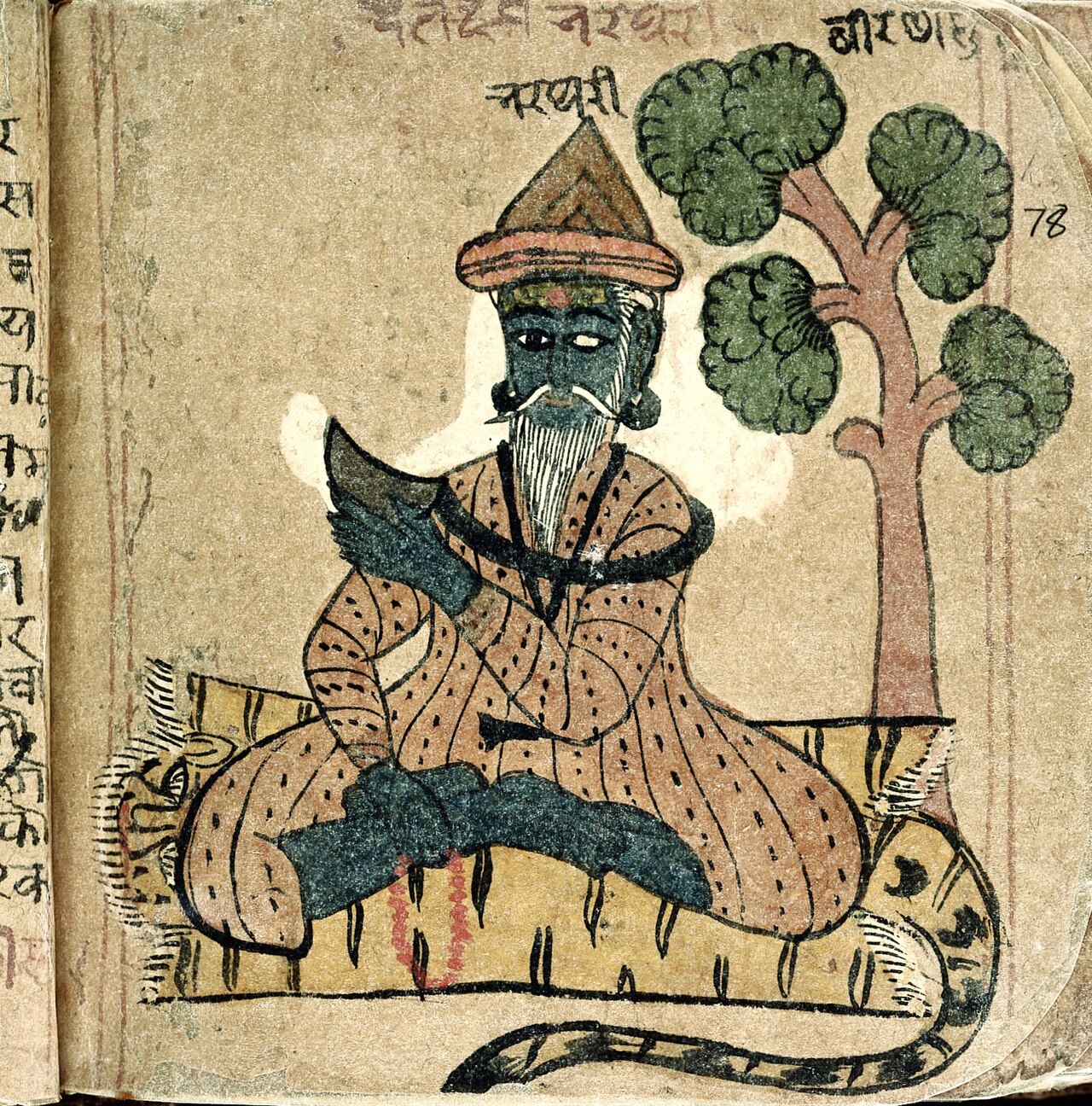
Bhartṛhari
450 CE – 510 CE
Ujjayinī region (Malwa)
Indian grammarian-philosopher from the Ujjayinī/Malwa tradition whose Vākyapadīya, sphoṭa theory, śabda-brahman metaphysics, sentence-meaning analysis, linguistic cognition, and discipline of speech shaped Sanskrit philosophy of language, ontology, epistemology, logic, and religious thought.