Philosophy School
Huayan
East Asian Mahayana Buddhist school centered on the Avatamsaka Sutra, interpenetration of all phenomena, li/shi and shi/shi non-obstruction, Indra's net, dependent arising, Buddha-nature, doctrinal classification, and the Tang Huayan patriarchal tradition.
Region
Eastern Thought
Terra Avita
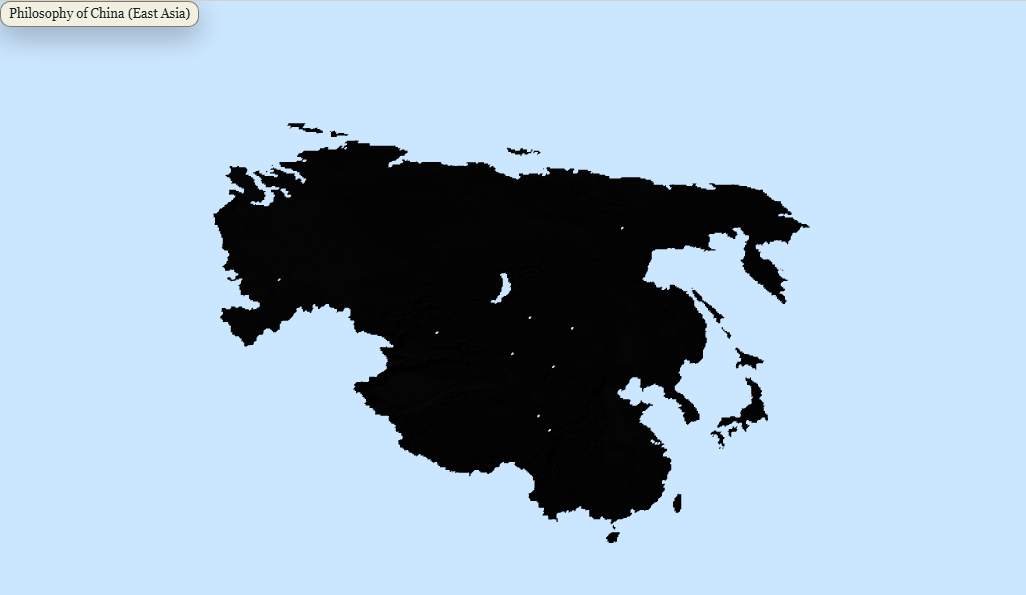
China (East Asia)
Terra Avita Region
North China Plain & Loess Belt
Structural Factors
- Shared Core Claims
- Huayan teaches that all phenomena mutually contain and interpenetrate one another without obstruction, that ultimate principle and concrete events are inseparable, and that the Avatamsaka vision discloses a cosmos of total relationality.
- Shared Methods
- Sutra exegesis, doctrinal classification, metaphor, systematic Buddhist metaphysics, meditation-contemplation, commentary, patriarchal transmission, harmonization of teachings, and dialogue with Tiantai, Chan, Faxiang/Yogacara, Madhyamaka, and Pure Land.
- Shared Lineage
- The lineage runs from the Avatamsaka Sutra and Chinese exegetical traditions through Dushun, Zhiyan, Fazang, Chengguan, Zongmi, Tang Huayan monasteries, Korean Hwaeom, Japanese Kegon, and later East Asian Buddhist reception.
- Shared Problems
- Interpenetration, emptiness and phenomena, one mind, li/shi and shi/shi non-obstruction, dependent arising, doctrinal ranking, sudden and gradual awakening, Huayan and Chan, relation to Yogacara and Madhyamaka, and Tang institutional decline and reception.
- Shared Vocabulary
- Huayan, Avatamsaka, Flower Garland, dharmadhatu, li, shi, non-obstruction, interpenetration, Indra's net, one and many, ten mysteries, six characteristics, five teachings, Buddha-nature, sudden awakening, Hwaeom, and Kegon.
- Shared Historical Context
- Huayan developed in Tang China through Avatamsaka exegesis, imperial and monastic patronage, scholastic classification, dialogue with Tiantai, Faxiang, Chan, and Pure Land, and later Korean, Japanese, and modern Buddhist studies transmission.
Defining Axes
- Doctrine
- Its doctrine presents reality as the unobstructed interpenetration of principle and phenomena, where each event reflects all others and the Avatamsaka cosmos models dependent arising at maximal scale.
- Method
- Its method combines close sutra commentary, classificatory systems, metaphysical analogy, contemplative vision, patriarchal interpretation, harmonization of doctrines, and systematic treatment of Buddhist teachings as mutually ordered.
- Lineage
- The lineage axis links Avatamsaka scriptures, Dushun, Zhiyan, Fazang, Chengguan, Zongmi, Korean Hwaeom, Japanese Kegon, and modern scholarship on East Asian Buddhist metaphysics.
- Subject Focus
- Huayan focuses on Buddhist metaphysics, cosmology, hermeneutics, interdependence, doctrinal classification, meditation, Buddha-nature, emptiness, one mind, scripture, and the relation of all phenomena.
- Geography / Culture
- Its centers include Tang China, Chang'an and Luoyang Buddhist institutions, Korean Silla Hwaeom, Japanese Nara Kegon, wider East Asian Buddhism, and modern global Buddhist studies.
- Historical Reaction
- It reacts to the need to interpret massive Mahayana scriptures, rank and harmonize Buddhist teachings, answer Yogacara and Madhyamaka alternatives, integrate Chinese Buddhist schools, and articulate a comprehensive Mahayana worldview.
Internal Structure
- Foundational Texts
- Foundational texts include the Avatamsaka Sutra, Dashabhumika materials, Fazang's Treatise on the Five Teachings and Essay on the Golden Lion, Huayan commentaries, Chengguan, Zongmi, and later Korean Hwaeom and Japanese Kegon reception.
- Core Vocabulary
- Core vocabulary includes Huayan, Avatamsaka, dharmadhatu, li, shi, shishi wuai, lishi wuai, Indra's net, interpenetration, non-obstruction, one and many, ten mysteries, six characteristics, five teachings, Buddha-nature, and sudden awakening.
- Metaphysics
- Huayan metaphysics describes reality as a web of non-obstructive interpenetration: each phenomenon is empty, relational, and capable of reflecting all other phenomena without losing its particularity.
- Epistemology
- Its epistemology turns on scriptural vision, contemplative insight, doctrinal classification, recognition of dependent interrelation, and the movement from partial teachings to a comprehensive Avatamsaka understanding.
- Ethics
- Its ethics emphasizes bodhisattva practice, compassionate responsiveness to the interdependent whole, nondual conduct, ritual and contemplative discipline, and the practical implications of seeing every phenomenon as mutually implicated.
- Method
- The school works through sutra commentary, doctrinal taxonomies, metaphysical diagrams and metaphors, contemplative exegesis, patriarchal lectures, scholastic debate, and synthesis of Tiantai, Yogacara, Madhyamaka, Chan, and Pure Land concerns.
- Internal Debates
- Internal debates concern Fazang and Zongmi emphases, interpenetration and emptiness, one mind and Buddha-nature, sudden and gradual awakening, Chan integration, relation to Yogacara and Madhyamaka, and whether Huayan is primarily scholastic, contemplative, or synthetic.
- Successors
- Successors and related formations include Korean Hwaeom, Japanese Kegon, Chan-Huayan syntheses, East Asian Buddhist metaphysics, modern interdependence and ecology readings, and contemporary Buddhist philosophy.
External Classification Context
- History of Philosophy
- Huayan is a major East Asian Buddhist philosophical school, famous for its systematic account of interpenetration, non-obstruction, and the many-in-one structure of the Avatamsaka cosmos.
- Philosophy of Philosophy
- It treats philosophy as scriptural, contemplative, and systematic interpretation of reality as relational: doctrine is a way to disclose how every phenomenon expresses the whole.
- Intellectual History
- Its intellectual history depends on Tang Buddhist institutions, translation and commentary, Avatamsaka devotion, court patronage, doctrinal classification, Chan interaction, Korean and Japanese transmission, and modern Buddhist studies.
- University Classification
- Usually classified under Chinese Buddhism, East Asian Buddhism, Buddhist philosophy, Mahayana studies, metaphysics, philosophy of religion, hermeneutics, Chinese philosophy, Korean Buddhism, and Japanese Kegon studies.
- Classical Sources
- Classical evidence comes from Avatamsaka scriptures, Fazang and Chengguan commentaries, Zongmi writings, patriarchal records, Chinese Buddhist canon materials, Korean and Japanese transmissions, and modern editions and translations.
- Sociology of Knowledge
- Huayan persisted through monasteries, scriptural recitation, commentary lineages, court patronage, patriarchal histories, East Asian sectarian institutions, printed canons, university Buddhist studies, and digital canon projects.
Linked Philosophers
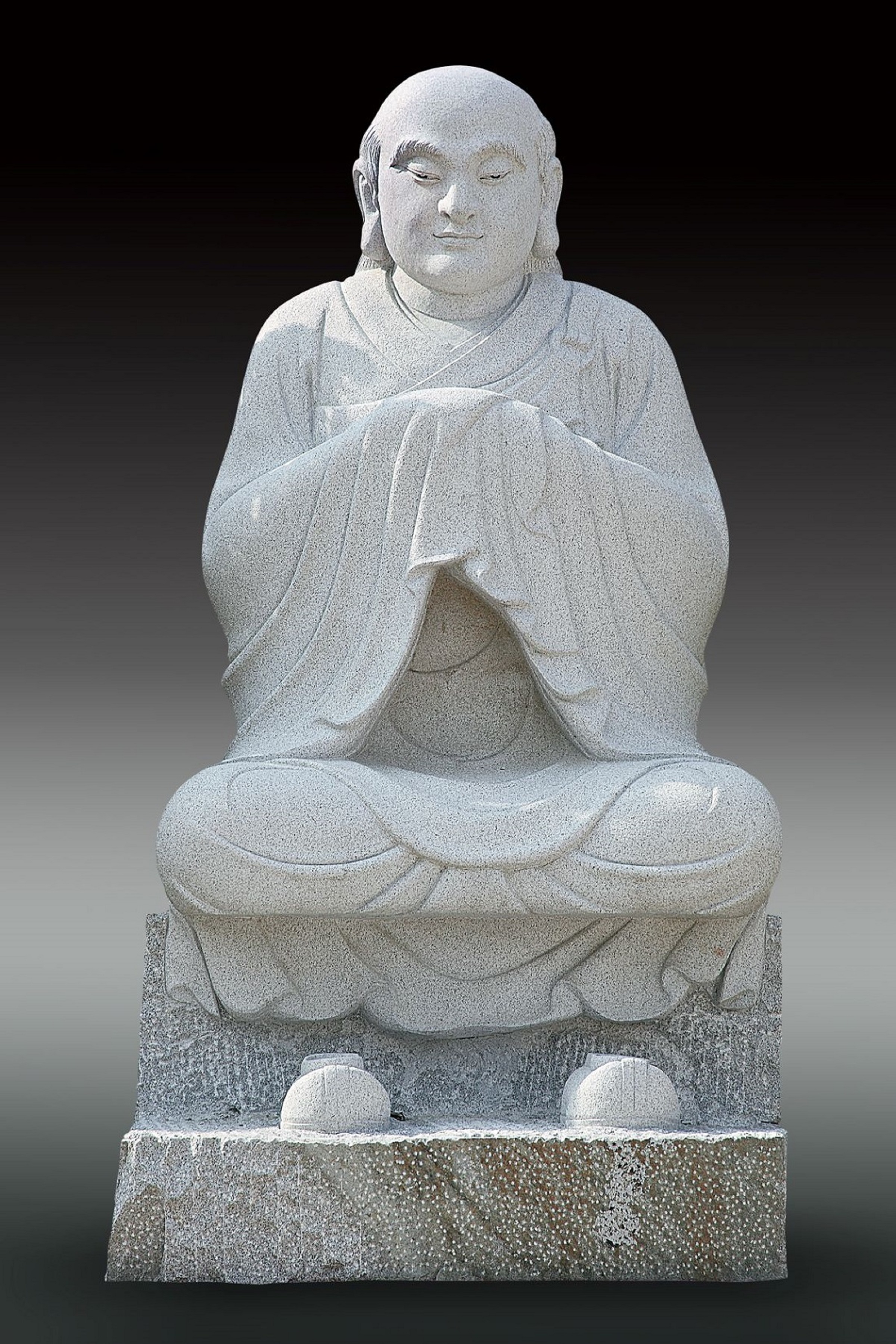
Fazang
643 CE – 712 CE
Chang'an
Tang Huayan master who systematized Fazang's interpenetration metaphysics, teaching classifications, Golden Lion analogy, and Avatamsaka Buddhist philosophy.
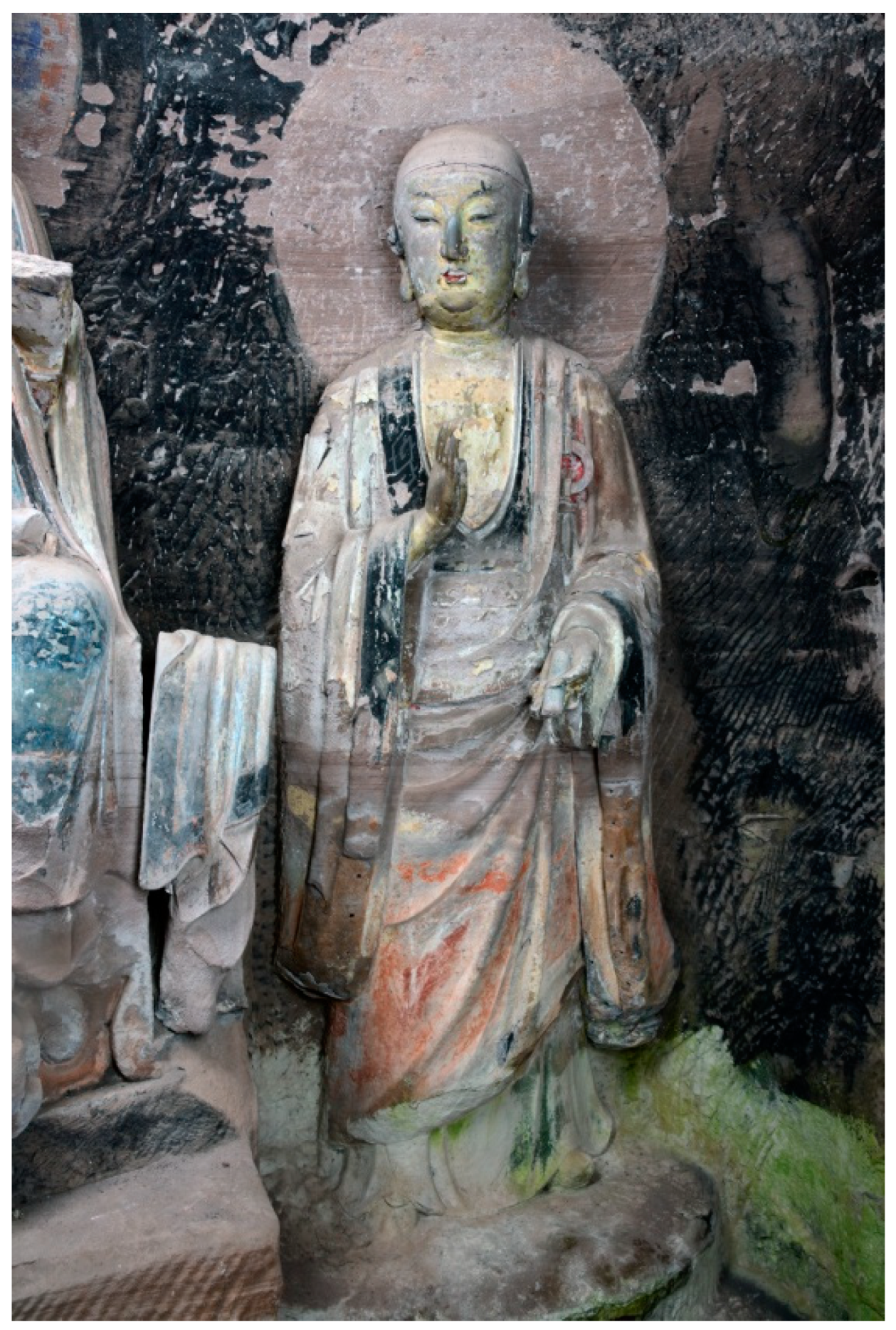
Zongmi
780 CE – 841 CE
Xichong, Guozhou, Sichuan, Tang China
Tang Buddhist philosopher whose Huayan-Chan synthesis joined tathāgatagarbha, Perfect Enlightenment exegesis, sudden awakening with gradual cultivation, and doctrinal classification.