Islamic Neoplatonism
Arabic-Islamic reception and transformation of late antique Neoplatonic materials, centered on Greek-to-Arabic transmission, Plotinian and Proclean pseudepigrapha, emanation, intellect, soul, cosmology, divine simplicity, hierarchy of being, prophecy, and harmonizing Plato and Aristotle within Islamic intellectual culture.

Structural Factors
- Shared Core Claims
- Reality is intelligible as a hierarchy proceeding from the first principle through intellect, soul, nature, and bodies; Greek philosophical wisdom can be translated, corrected, harmonized, and adapted within Islamic reflection on unity, creation, prophecy, and salvation.
- Shared Methods
- Translation, paraphrase, commentary, harmonization of Plato and Aristotle, emanationist metaphysics, logical classification, philosophical theology, adaptation of Greek terms into Arabic, doxography, and integration with prophecy and revelation.
- Shared Lineage
- Islamic Neoplatonism draws on Plotinus, Proclus, late antique Platonism, Syriac Christian translators, Hunayn and Ishaq ibn Hunayn, Qusta ibn Luqa, the al-Kindi circle, Arabic Aristotle, al-Farabi, Ismaili and Ikhwan al-Safa contexts, al-Amiri, Avicennian reception, and Latin transmission.
- Shared Problems
- Creation and emanation, divine unity, intellect and soul, hierarchy of being, eternity, causality, prophecy, Greek wisdom and Islam, pseudo-Aristotelian attribution, translation fidelity, Ismaili Neoplatonism, Avicennian systematization, and relation to kalam.
- Shared Vocabulary
- emanation, first cause, intellect, soul, one, being, procession, return, Theology of Aristotle, Liber de Causis, Arabic Plotinus, Arabic Proclus, translation, paraphrase, harmony, falsafa, prophecy, and hierarchy.
- Shared Historical Context
- The school belongs to Abbasid Baghdad and later Islamic intellectual worlds shaped by Syriac Christian translators, the Greek-to-Arabic translation movement, al-Kindi circle, Arabic Aristotelianism, Ismaili and Ikhwan receptions, Persianate philosophy, and Latin scholastic transmission.
Defining Axes
- Doctrine
- Its doctrine uses Neoplatonic procession, hierarchy, divine simplicity, intellect, soul, and cosmic order to interpret Greek philosophy in Arabic and to relate metaphysics to monotheism, prophecy, and philosophical religion.
- Method
- Its method combines translation, paraphrase, commentary, harmonization, doxographic ordering, philological correction, metaphysical synthesis, and adaptation of Greek conceptual vocabulary to Arabic philosophical theology.
- Lineage
- The lineage runs from late antique Neoplatonism and Syriac mediation through Hunayn, Ishaq, Qusta, al-Kindi circle, Arabic Plotinus and Proclus, al-Farabi, Ismaili and Ikhwan traditions, al-Amiri, Avicennism, and Latin reception.
- Subject Focus
- Islamic Neoplatonism focuses on metaphysics, cosmology, epistemology, philosophy of religion, prophecy, soul, intellect, causality, translation, classification of sciences, and the relation of Greek wisdom to Islamic doctrine.
- Geography / Culture
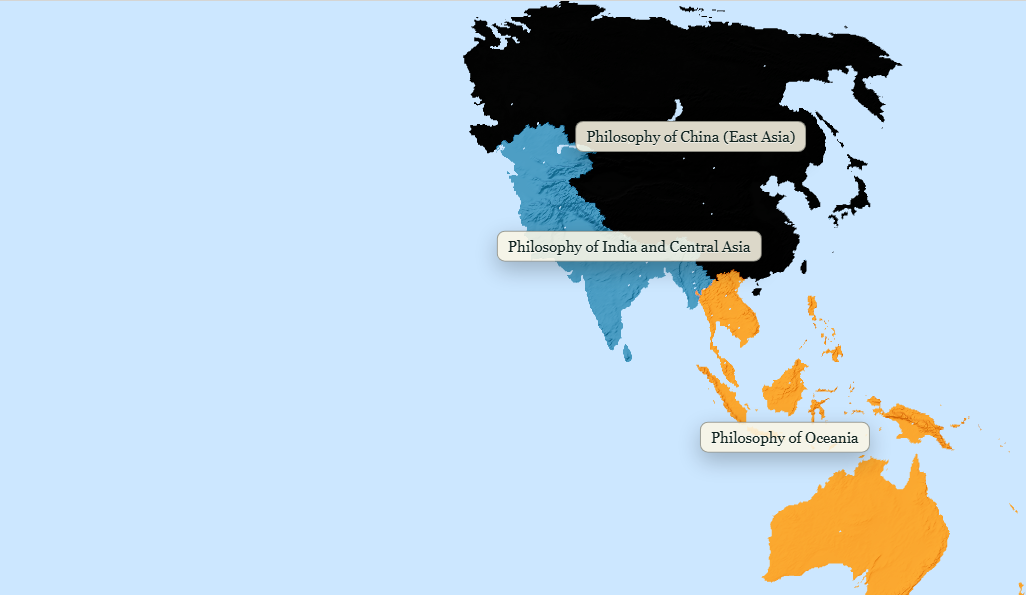
- Its centers include Abbasid Baghdad, Syriac-speaking scholarly networks, the eastern Mediterranean, Harran and northern Mesopotamia, Persianate Islamic lands, Ismaili intellectual centers, and later Latin Europe.
- Historical Reaction
- It reacts to the influx of Greek philosophical texts, the need to reconcile Plato and Aristotle, theological debates over creation and divine unity, and the challenge of translating late antique metaphysics into Islamic scholarly language.
Internal Structure
- Foundational Texts
- Foundational texts include Arabic Plotinus / Theology of Aristotle, Liber de Causis, Proclean materials, Arabic Aristotle traditions, Hunayn and Ishaq translation work, Qusta ibn Luqa's scientific and philosophical translations, al-Kindi circle texts, al-Farabi and Ismaili and Ikhwan contexts, and al-Amiri's Neoplatonic philosophical history and religious comparison.
- Core Vocabulary
- Core vocabulary includes emanation, procession, return, first principle, first cause, intellect, soul, one, being, divine simplicity, hierarchy, causality, prophecy, Theology of Aristotle, Liber de Causis, Arabic Plotinus, Arabic Proclus, translation, and falsafa.
- Metaphysics
- Its metaphysics centers on a hierarchical cosmos proceeding from a simple first principle through intellect and soul, with causality, participation, return, and divine unity reworked for Arabic and Islamic philosophical theology.
- Epistemology
- Its epistemology connects translation, conceptual clarification, noetic ascent, intellect, demonstrative ordering, and inherited Greek wisdom with philosophical knowledge of the first principle and the soul's place in cosmic hierarchy.
- Ethics
- Its ethics often appears through the soul's purification, ascent, imitation of higher intelligibles, rational discipline, philosophical religion, prophecy, and the transformation of human life by knowledge of cosmic order.
- Method
- The school works by translating and revising Greek texts, producing paraphrases and commentaries, harmonizing authorities, building emanationist systems, interpreting pseudo-Aristotelian texts, and relating philosophical theology to revelation.
- Internal Debates
- Debates concern creation versus emanation, the eternity of the world, divine attributes and unity, pseudo-Aristotelian attribution, the status of Plato and Aristotle, Ismaili and Sunni uses of Neoplatonism, Avicennian revision, and kalam critique.
- Successors
- Successors and related formations include al-Farabi, Avicennism, Ismaili philosophy, Ikhwan al-Safa, al-Amiri, Islamic cosmology, Latin Liber de Causis reception, medieval scholastic causality debates, and later histories of Arabic philosophy.
External Classification Context
- History of Philosophy
- Islamic Neoplatonism is a major bridge between late antique Greek metaphysics, Arabic translation culture, Islamic philosophical theology, Avicennian system-building, and Latin scholastic reception.
- Philosophy of Philosophy
- It treats philosophy as a transmissible universal wisdom that can be translated, harmonized, and disciplined by demonstration while also being interpreted in relation to prophetic religion.
- Intellectual History
- Its intellectual history depends on patrons, translators, Syriac and Arabic scholarly families, libraries, court circles, al-Kindi's milieu, pseudepigraphic attribution, manuscript transmission, and later cataloging and Orientalist scholarship.
- University Classification
- Usually classified under Islamic philosophy, Arabic philosophy, medieval philosophy, Neoplatonism, history of translation, metaphysics, philosophy of religion, philosophy of mind, classics reception, and intellectual history.
- Classical Sources
- Classical evidence comes from Arabic translations and paraphrases, the Theology of Aristotle, Liber de Causis, Arabic Aristotle and Proclus materials, translator biographies, bibliographies, al-Amiri, Ismaili and Ikhwan texts, and later Latin scholastic citations.
- Sociology of Knowledge
- The tradition spread through translation workshops, Syriac Christian scholarly families, Abbasid patronage, philosophical circles, Ismaili networks, libraries, manuscript copying, commentaries, Latin translation, cataloging, and modern Islamic philosophy scholarship.
Linked Philosophers
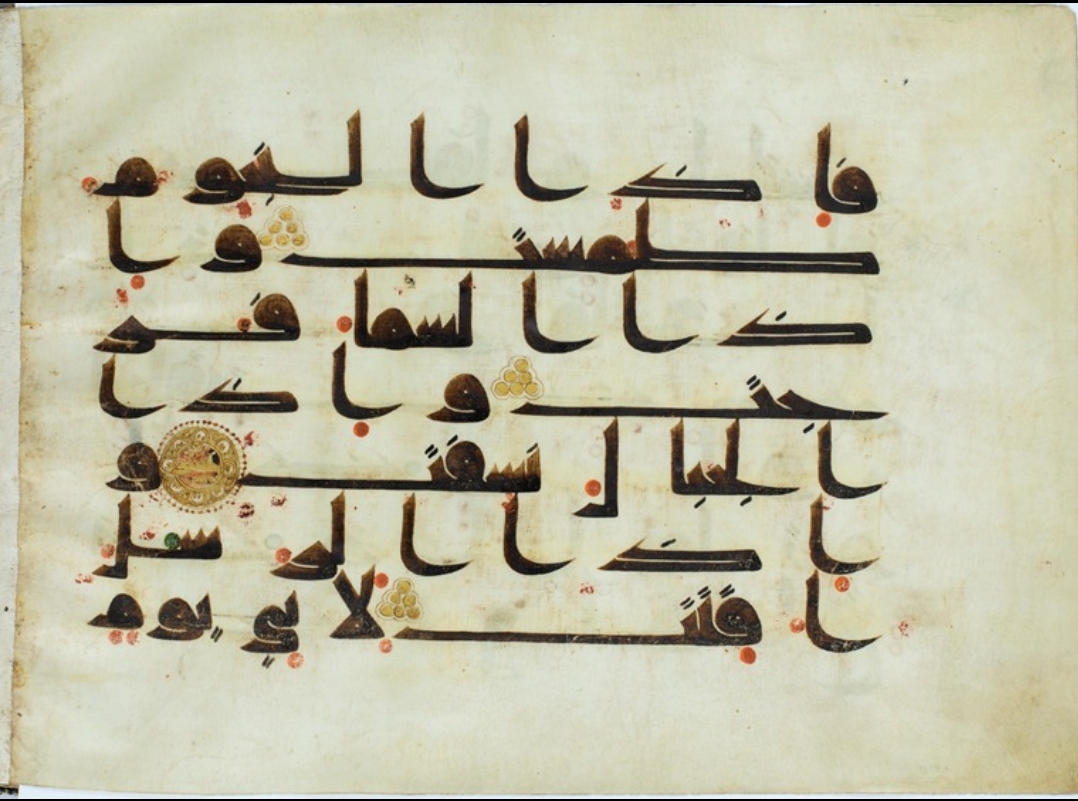
Abu al-Hasan al-ʿAmiri
912 CE – 992 CE
Nishapur, Khurasan
Persian Islamic philosopher from Nishapur who defended the harmony of philosophical inquiry, revealed religion, ethics, science, and political order.

Hunayn ibn Ishaq
808 CE – 873 CE
al-Hira, near Baghdad
Arab Christian physician, translator, theologian, and scientific writer of Abbasid Baghdad whose Greek-Arabic and Greek-Syriac translation method, Galenic medicine, ophthalmology, logic transmission, and Christian Arabic apologetic work shaped medieval Islamic and Latin philosophy of science.
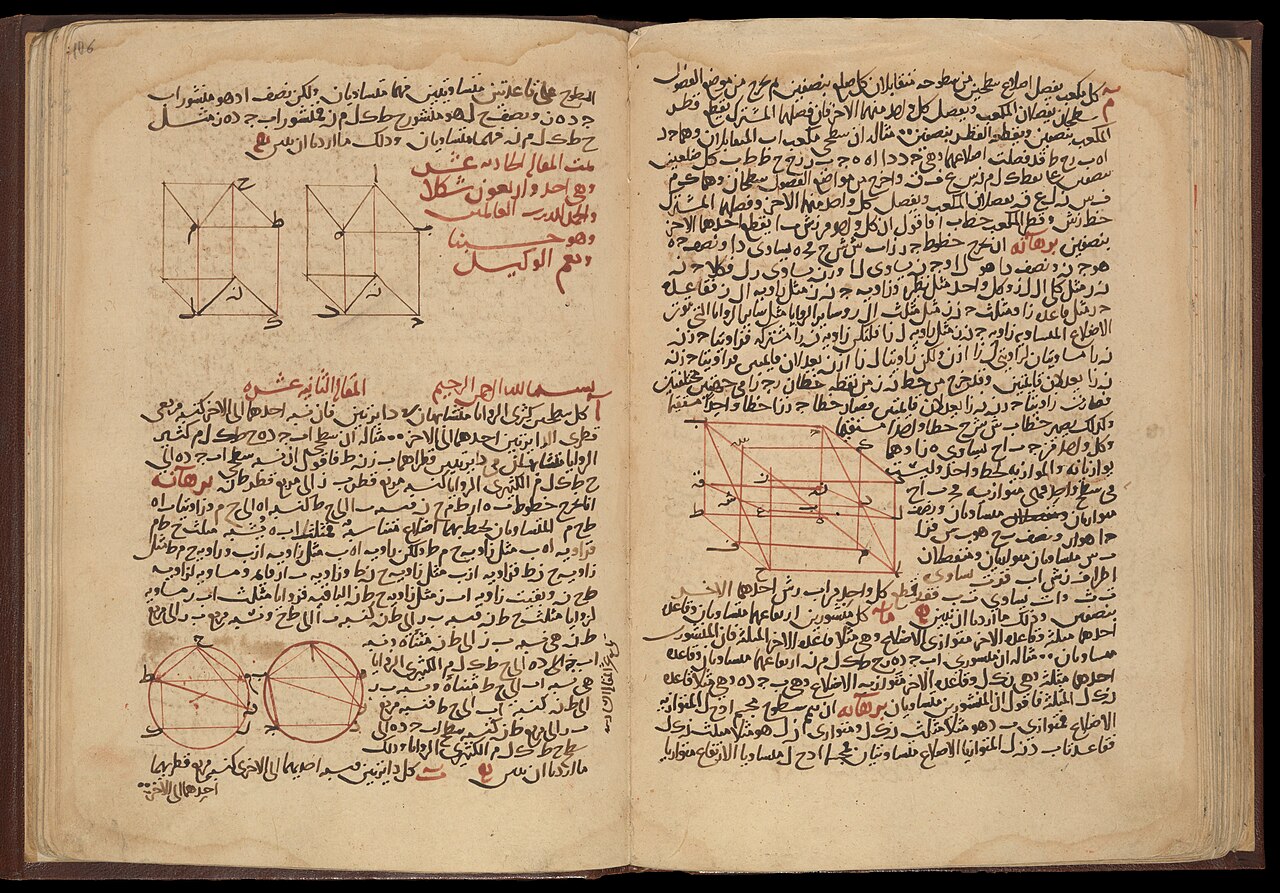
Ishaq ibn Hunayn
830 CE – 910 CE
Baghdad
Arab Christian translator, physician, mathematician, astronomer, and philosophical transmitter of Abbasid Baghdad whose Arabic versions of Aristotle, Euclid, Ptolemy, Menelaus, Autolycus, and medical-biographical sources helped form the technical language of medieval Arabic philosophy and science.
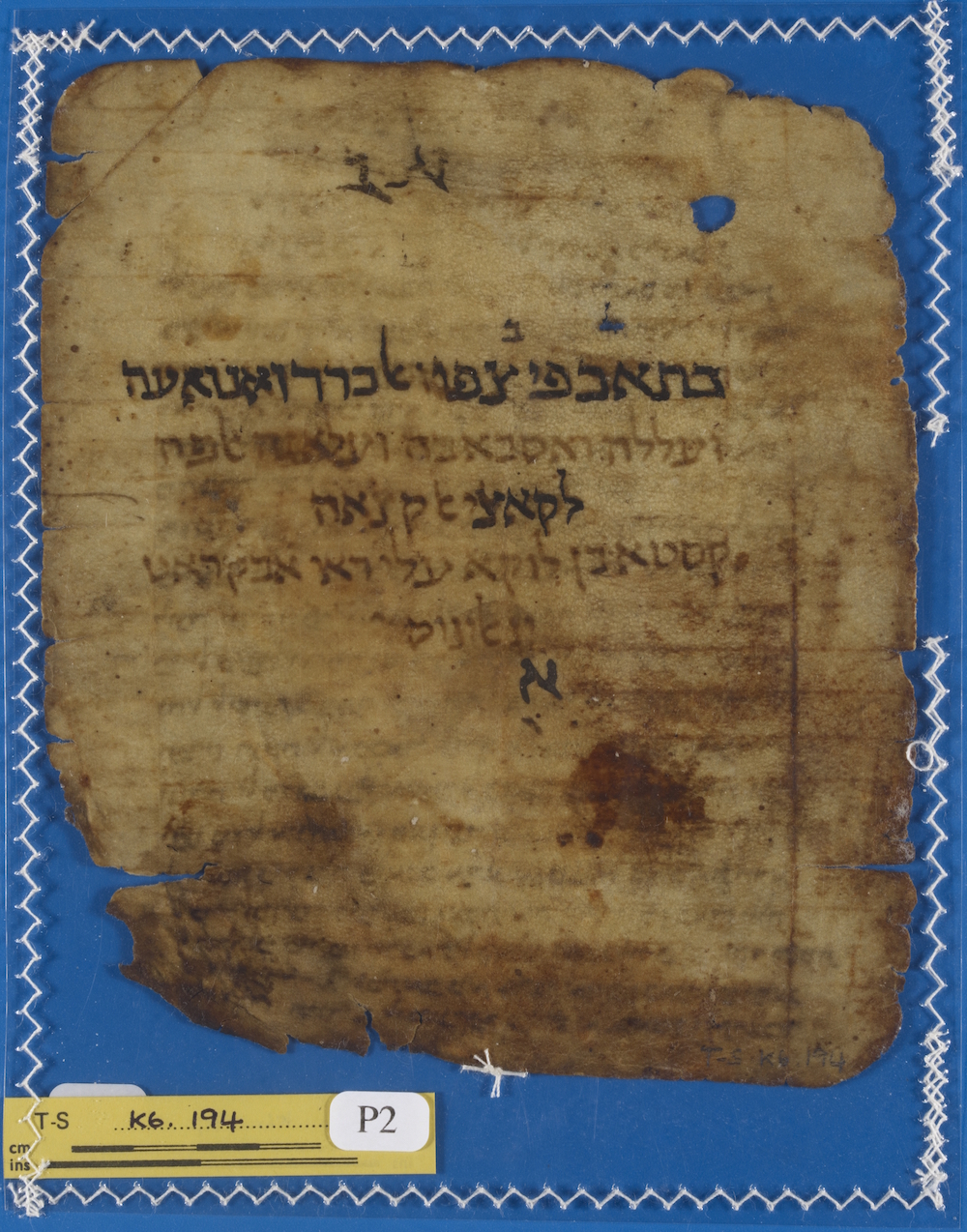
Qusta ibn Luqa
820 CE – 912 CE
Baalbek (Heliopolis)
Christian Arabic polymath and translator from Baalbek whose work joins medicine, mathematics, astronomy, mechanics, spirit-soul psychology, classification of sciences, and Latin scholastic reception.