Philosophy School
Marxism
Marxism is a modern socialist and critical tradition centered on historical materialism, class struggle, exploitation, ideology, alienation, and the critique of capitalist social relations.
Period
Modern History1800 CE – 1944 CE
Era
Long 19th Century1870 CE – 1913 CE
Begin
1818 CE
End
1895 CE
Structural Factors
- Shared Core Claims
- Marxism argues that social life is shaped by material production, class relations, and historically specific forms of labor, property, and power. It analyzes capitalism through exploitation, alienation, commodity production, ideology, crisis, and the possibility of collective emancipation.
- Shared Methods
- Historical materialist analysis, critique of political economy, ideology critique, immanent critique, class analysis, social history, and attention to the relation between theory and praxis.
- Shared Lineage
- Karl Marx and Friedrich Engels synthesize German philosophy, British political economy, French socialism, labor movement politics, and later socialist, communist, critical-theory, and anti-capitalist reception.
- Shared Problems
- Capital, labor, class struggle, surplus value, exploitation, alienation, ideology, commodity fetishism, private property, the state, revolution, communism, historical change, and emancipation.
- Shared Vocabulary
- Marxism, historical materialism, dialectic, class struggle, bourgeoisie, proletariat, capital, labor, surplus value, exploitation, alienation, ideology, commodity, fetishism, praxis, revolution, socialism, communism.
- Shared Historical Context
- Nineteenth-century European industrial capitalism, socialist and labor movements, German post-Hegelian philosophy, British political economy, French revolutionary and socialist traditions, and later global Marxist political and theoretical movements.
Defining Axes
- Doctrine
- Historical materialism, class struggle, critique of capitalism, surplus value, ideology critique, alienation, and emancipatory socialist transformation.
- Method
- Critique of political economy, historical explanation, immanent critique, dialectical analysis, class analysis, and theory-practice orientation.
- Lineage
- Marx and Engels as the central lineage, drawing from Hegel, Feuerbach, Smith, Ricardo, French socialism, and revolutionary labor politics.
- Subject Focus
- Social philosophy, political philosophy, economics, history, ideology, labor, power, state theory, and collective emancipation.
- Geography / Culture
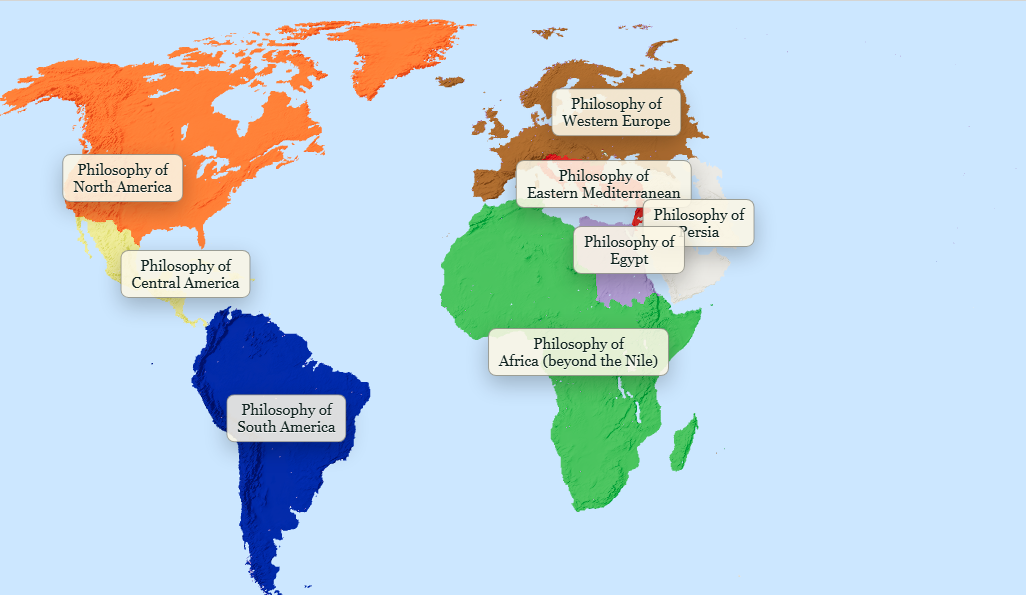
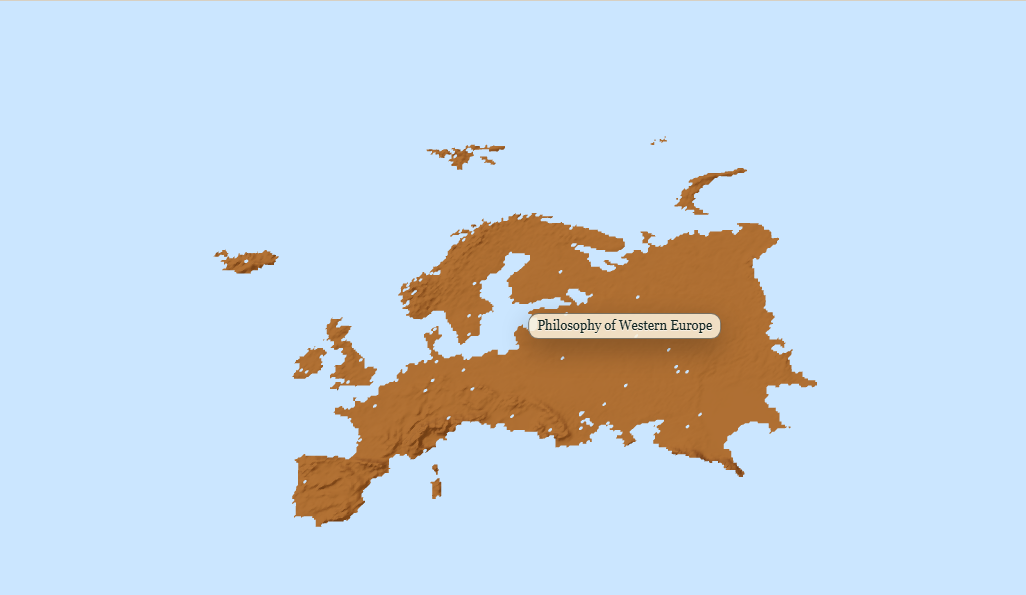
- European industrial modernity, especially German, British, and French intellectual contexts, with later global socialist, communist, anti-colonial, and critical-theory receptions.
- Historical Reaction
- Reaction against idealist philosophy, liberal political economy, utopian socialism, capitalist exploitation, and depoliticized accounts of society and history.
Internal Structure
- Foundational Texts
- Foundational texts include The German Ideology, Theses on Feuerbach, Manifesto of the Communist Party, Capital, Critique of the Gotha Programme, Anti-Duhring, Socialism: Utopian and Scientific, and Ludwig Feuerbach and the End of Classical German Philosophy.
- Core Vocabulary
- Mode of production, forces and relations of production, class, capital, labor power, surplus value, commodity, fetishism, alienation, ideology, praxis, base and superstructure, proletariat, bourgeoisie, revolution, socialism, communism.
- Metaphysics
- Treats social reality historically and materially, emphasizing production, labor, institutions, and social relations rather than timeless political or economic essences.
- Epistemology
- Links knowledge to social practice, ideology, critique, and historically situated forms of consciousness, while treating theory as bound to material social life.
- Ethics
- Critiques exploitation, alienation, domination, and dehumanizing social relations while orienting political practice toward emancipation and human flourishing beyond capitalist constraints.
- Method
- Reads political economy, law, philosophy, and history as expressions of structured social relations, then criticizes those structures from within their own contradictions.
- Internal Debates
- Includes debates over determinism, dialectics, ideology, class agency, revolution, reform, state power, humanism, orthodoxy, Western Marxism, critical theory, and relations to feminism, ecology, anti-colonial theory, and democracy.
- Successors
- Later successors include socialist and communist theory, Marxist humanism, Western Marxism, Frankfurt School critical theory, anti-colonial Marxism, analytical Marxism, feminist Marxism, eco-Marxism, and contemporary critiques of capitalism.
External Classification Context
- History of Philosophy
- Belongs to modern political philosophy, social philosophy, philosophy of history, and critique of political economy, with enduring influence across twentieth- and twenty-first-century critical traditions.
- Philosophy of Philosophy
- Treats philosophy as historically situated critique rather than detached contemplation, insisting that interpretation and transformation of social life are connected.
- Intellectual History
- Connects Hegelian and Feuerbachian debates, classical political economy, socialist organizing, revolutionary politics, and later global receptions of Marx and Engels.
- University Classification
- Classify under political philosophy, social philosophy, critical theory, philosophy of history, economics and philosophy, ethics, and nineteenth-century European thought.
- Classical Sources
- Primary source frame includes Marx and Engels public texts, Marxists Internet Archive surfaces, public domain editions, library catalog rows, authority records, and title-page/documentary evidence for major works.
- Sociology of Knowledge
- Shows how intellectual production is shaped by class relations, publishing networks, political movements, institutions, archives, translations, and contested reception.
Linked Philosophers
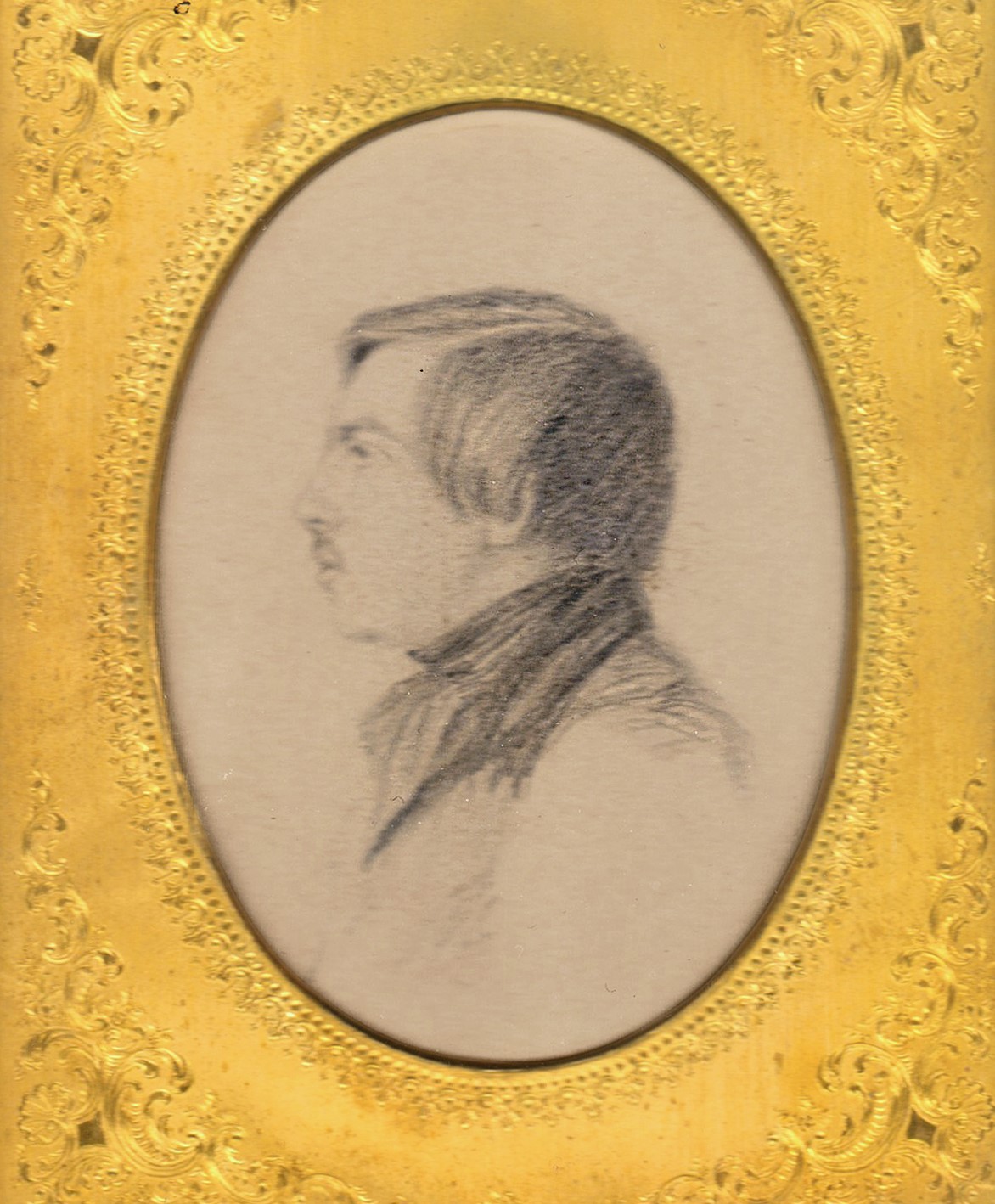
Friedrich Engels
1820 CE – 1895 CE
Barmen, Rhine Province, Prussia
German socialist philosopher, political economist, and cofounder of Marxism whose historical materialism, capitalism critique, dialectics, class analysis, and later editorial work shaped modern socialist theory.
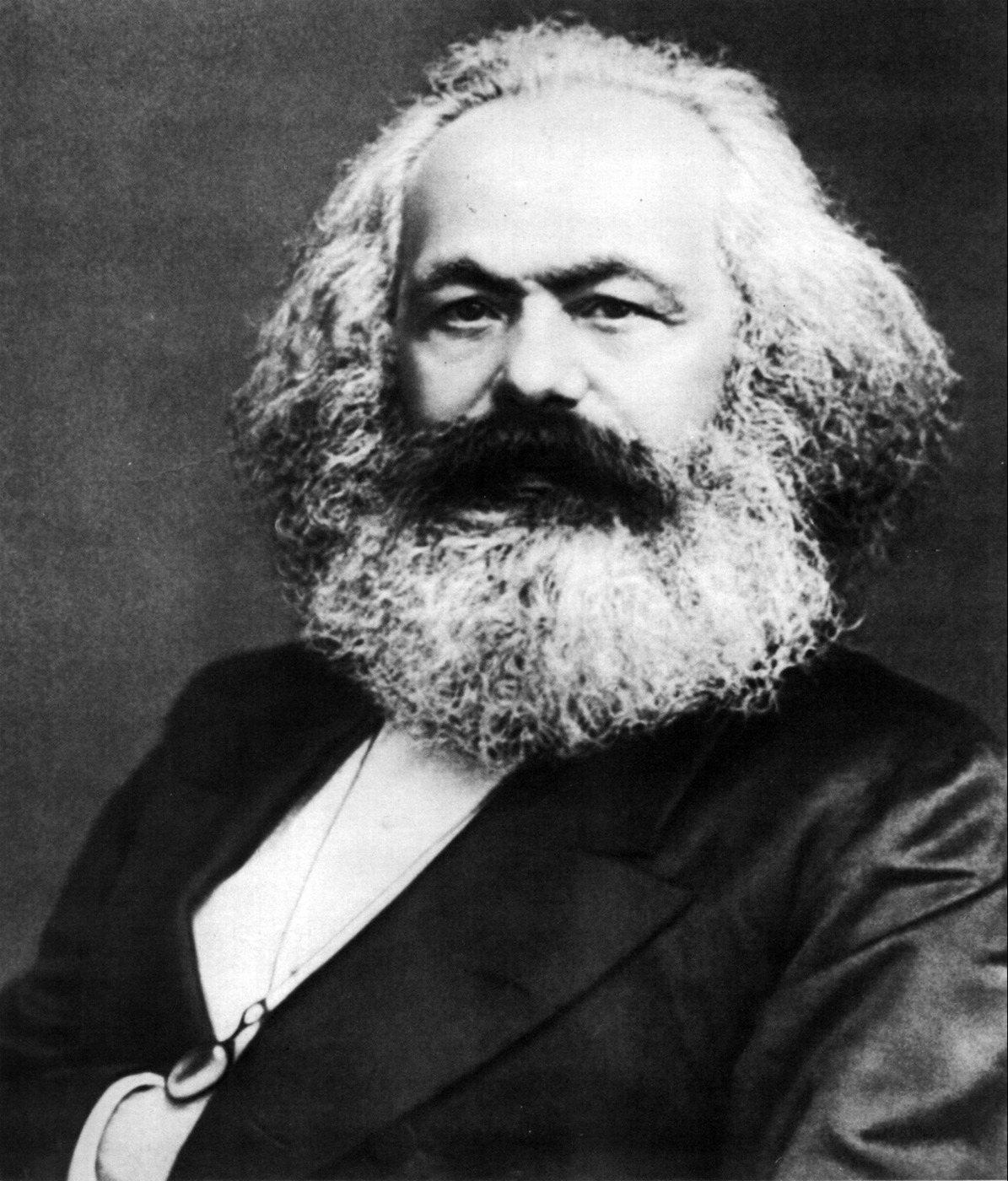
Karl Marx
1818 CE – 1883 CE
Trier, Rhine Province, Kingdom of Prussia
German philosopher of historical materialism, alienation, class struggle, ideology critique, political economy, capitalism, communism, religion critique, and social transformation.