Philosophy School
Materialism
Materialism treats matter, body, or physical reality as basic and explains mind, life, religion, and social order without appeal to incorporeal substances.
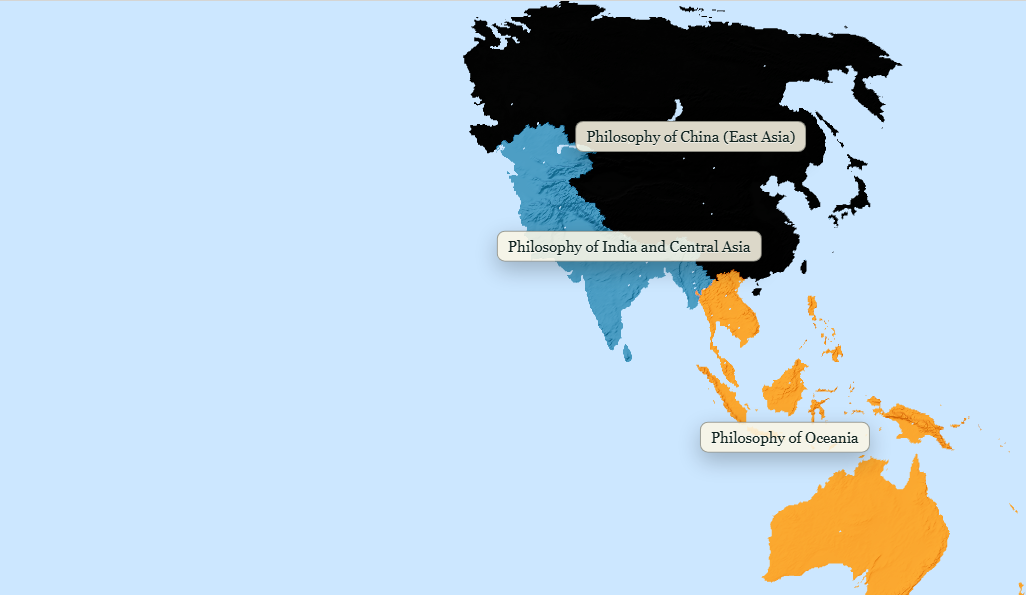
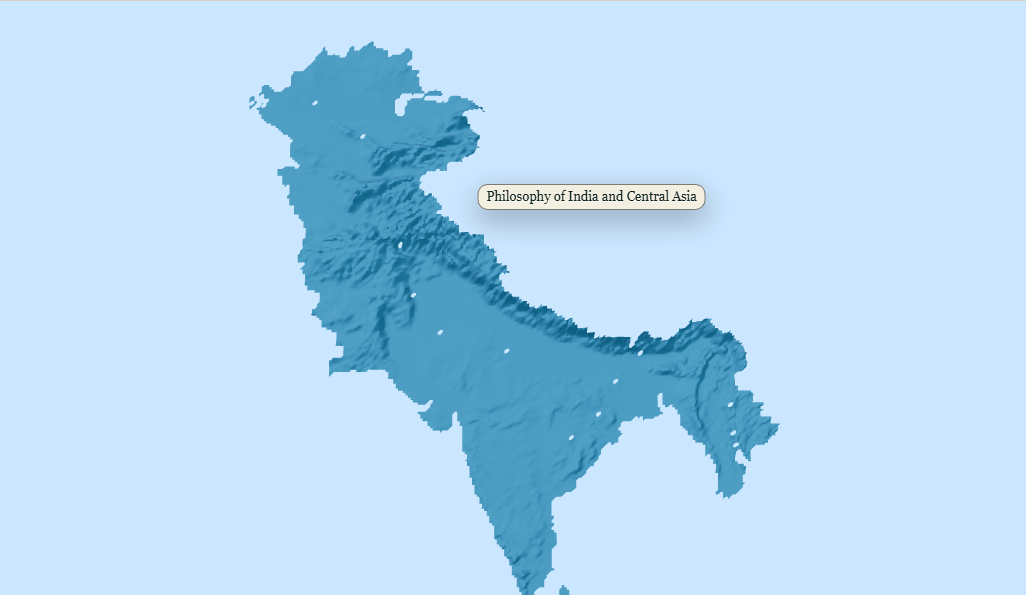
Structural Factors
- Shared Core Claims
- Materialism argues that matter, body, or physical reality is basic. Its versions reject, deny, or reduce incorporeal substances, supernatural explanations, and immaterial surviving selves, while explaining persons, perception, thought, and social order through natural processes.
- Shared Methods
- Naturalistic explanation, critique of immaterial entities, bodily or mechanical psychology, attention to perception and motion, and comparison of hostile testimony, public texts, catalog evidence, and later scholarship for ancient Indian materialist traditions.
- Shared Lineage
- Ajita Keśakambalin and the Lokāyata/Cārvāka current anchor the Indian materialist line, while Thomas Hobbes anchors an early-modern European materialism of body, motion, sensation, language, and political order. Later physicalism is retained as classification context rather than as a direct expansion of the linked philosopher set.
- Shared Problems
- Matter, body, motion, perception, mind, language, selfhood, afterlife denial, incorporeal substance, natural explanation, religious authority, pleasure, political order, and the relation between traditional materialism and modern physicalism.
- Shared Vocabulary
- materialism, physicalism, matter, body, motion, perception, naturalism, anti-supernaturalism, incorporeal substance, Lokāyata, Cārvāka, Ajita Keśakambalin, Hobbes, De Corpore, Leviathan, mechanistic explanation.
- Shared Historical Context
- Materialist arguments appear in ancient Indian debates preserved through Buddhist and later doxographic sources, in early-modern European attempts to explain mind and politics through body and motion, and in later metaphysical discussions that distinguish older materialism from modern physicalism.
Defining Axes
- Doctrine
- Matter, body, or physical reality is basic; incorporeal substances, immaterial souls, and supernatural explanations are rejected or reduced.
- Method
- Naturalistic explanation, anti-metaphysical critique, bodily psychology, testimony comparison, and conceptual analysis of matter, body, motion, perception, and mind.
- Lineage
- Ajita Keśakambalin, Lokāyata/Cārvāka Indian materialism, Thomas Hobbes, and later physicalism as a classificatory context.
- Subject Focus
- Metaphysics, philosophy of mind, epistemology, religion critique, ethics, political philosophy, and philosophy of science.
- Geography / Culture
- Ancient India and early-modern England, with later global scholarly classification under materialism, naturalism, and physicalism.
- Historical Reaction
- Reaction against supernaturalism, immaterial soul doctrines, scholastic abstraction, religious authority, and dualist metaphysics.
Internal Structure
- Foundational Texts
- Source anchors include DN 2/Sāmaññaphala Sutta testimony on Ajita, IEP Indian Materialism, Britannica Ajita, Hobbes texts such as Leviathan, De Cive, De Corpore, De Homine, and later SEP Physicalism for classification context.
- Core Vocabulary
- matter, body, motion, perception, sensation, mind, naturalism, physicalism, materialism, Lokāyata, Cārvāka, svabhāva, incorporeal substance, afterlife denial, De Corpore, Leviathan.
- Metaphysics
- Treats reality as bodily, material, or physical, and resists explanations that depend on immaterial substances, separated essences, or disembodied surviving selves.
- Epistemology
- Emphasizes perception, natural explanation, bodily cognition, and careful handling of testimony, especially where hostile sources preserve ancient materialist positions.
- Ethics
- Includes Indian materialist hedonism and anti-ascetic critique, and Hobbesian accounts of appetite, aversion, peace, fear, obligation, and political order grounded in human nature.
- Method
- Explains mind, action, and order through bodies, motion, perception, desire, language, and political construction while treating immaterial explanations as unnecessary or confused.
- Internal Debates
- Includes disputes over whether Ajita is best read as nihilist or materialist, how Lokāyata and Cārvāka relate, whether Hobbes is consistently materialist, and how historical materialism differs from modern physicalism.
- Successors
- Later successors and comparanda include physicalism, naturalism, mechanistic psychology, secular philosophy of mind, and modern debates over reduction, emergence, consciousness, and scientific explanation.
External Classification Context
- History of Philosophy
- Materialism spans ancient Indian heterodox debate, early-modern European metaphysics and political philosophy, and later analytic discussions of physicalism.
- Philosophy of Philosophy
- It tests whether philosophy should posit immaterial entities or instead restrict explanation to bodies, physical processes, public language, perception, and natural causes.
- Intellectual History
- Connects Buddhist reports of rival teachers, Cārvāka/Lokāyata reception, Hobbesian science and politics, early-modern anti-Scholastic critique, and modern physicalist terminology.
- University Classification
- Classify under metaphysics, philosophy of mind, epistemology, philosophy of religion, political philosophy, ethics, ancient Indian philosophy, early-modern philosophy, and physicalism/naturalism context.
- Classical Sources
- Evidence includes DN 2/Sāmaññaphala Sutta testimony, encyclopedia and scholarly context for Ajita and Lokāyata/Cārvāka, Hobbes public text surfaces, library catalog rows, authority records, and SEP Physicalism.
- Sociology of Knowledge
- The tradition is mediated by hostile doxography, religious polemic, public-domain text transmission, library cataloging, authority files, and modern distinctions between materialism, naturalism, and physicalism.
Linked Philosophers
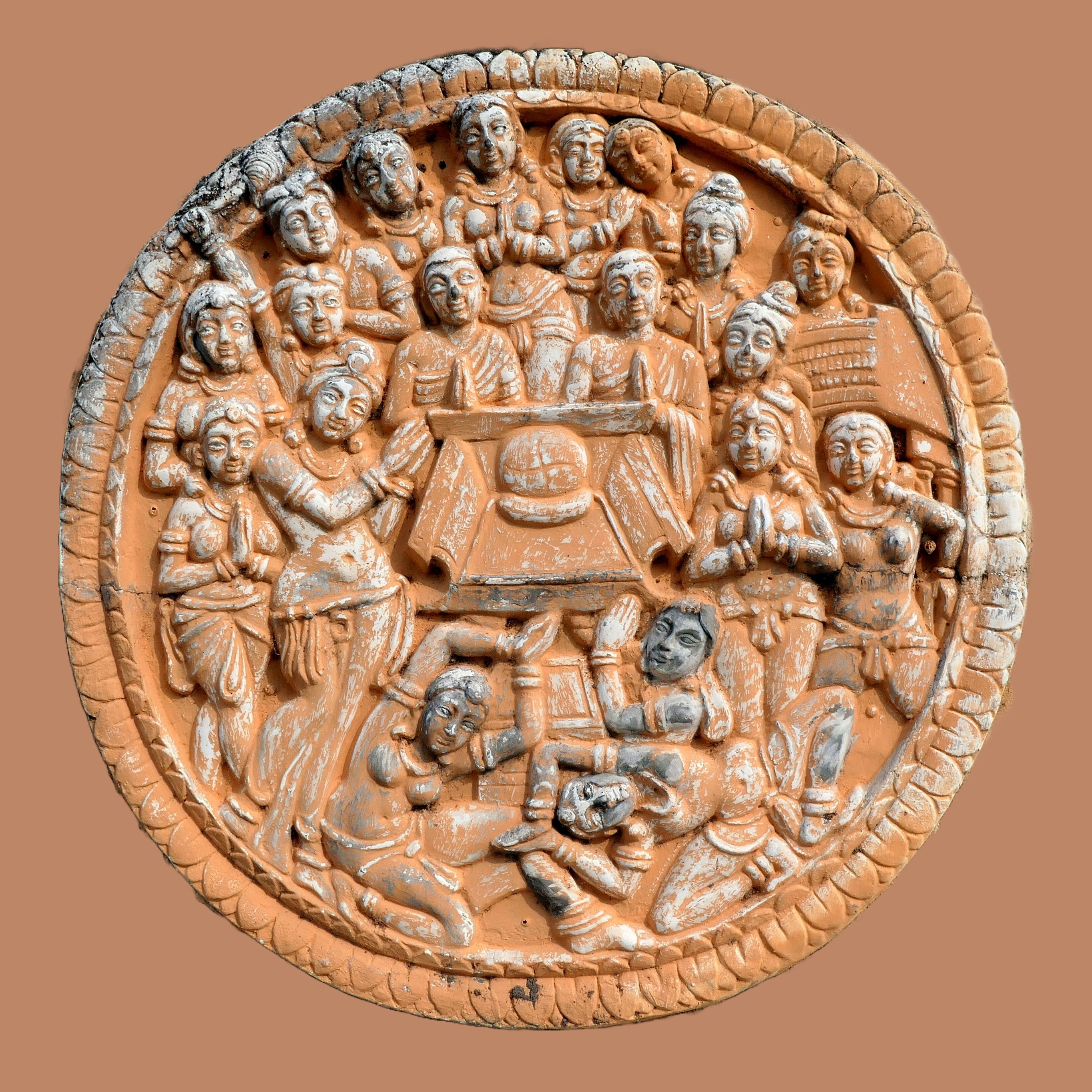
Ajita Keśakambalin
550 BCE – 450 BCE
Magadha region
Magadhan sramana materialist who denied afterlife, karmic fruit, ritual efficacy, and a soul separable from the body.
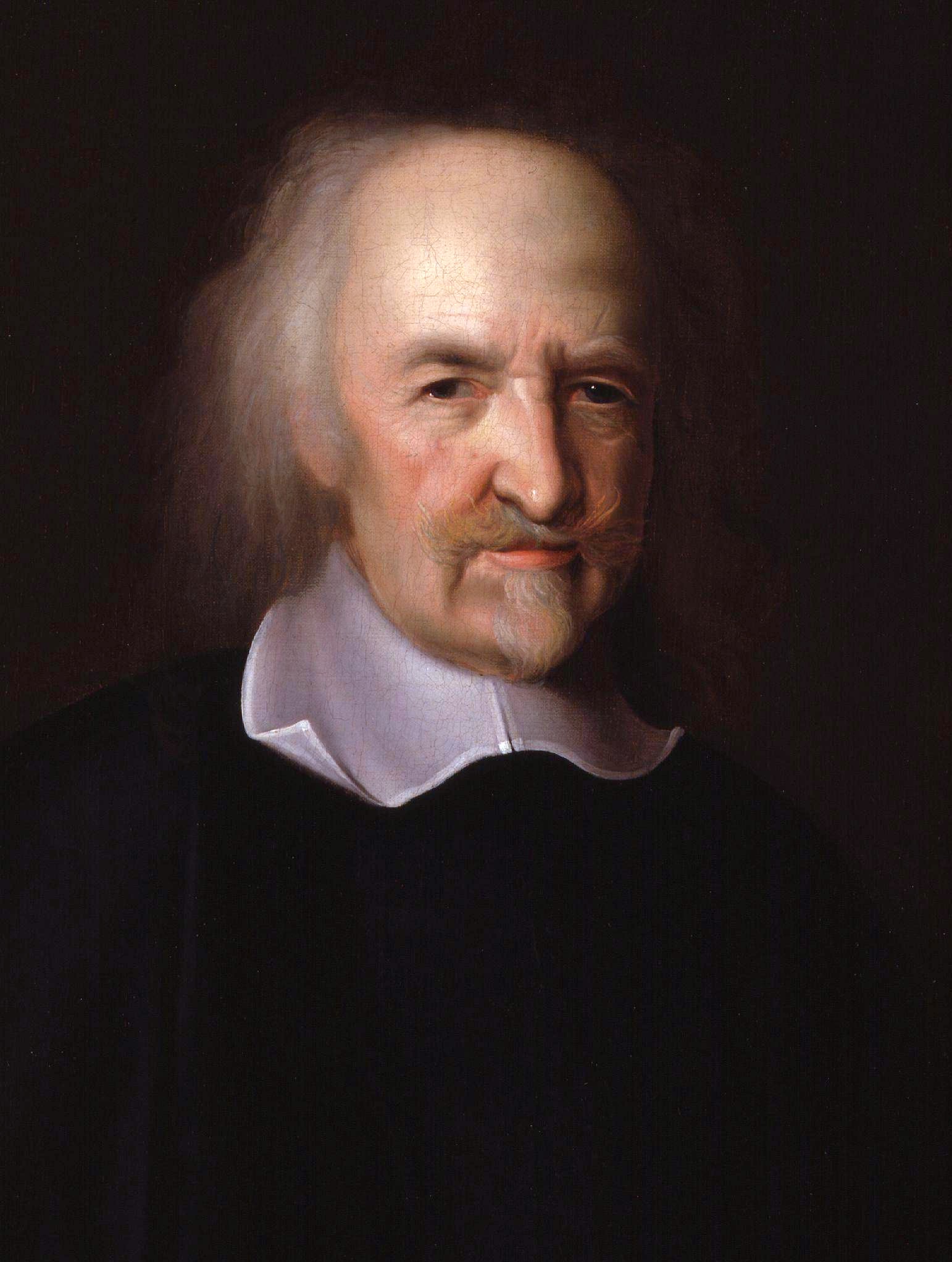
Thomas Hobbes
1588 CE – 1679 CE
Westport, near Malmesbury, Wiltshire
Early modern English philosopher of civil science, mechanistic materialism, state of nature, laws of nature, covenant, authorization, sovereignty, civil law as command, church authority, liberty and necessity, rhetoric, history, and translation.