Mysticism
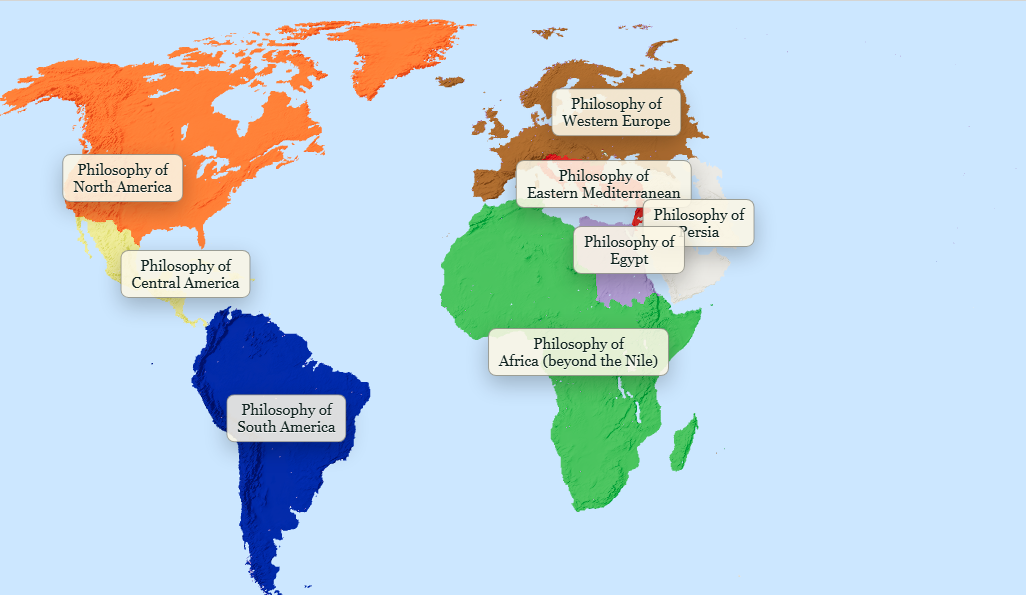
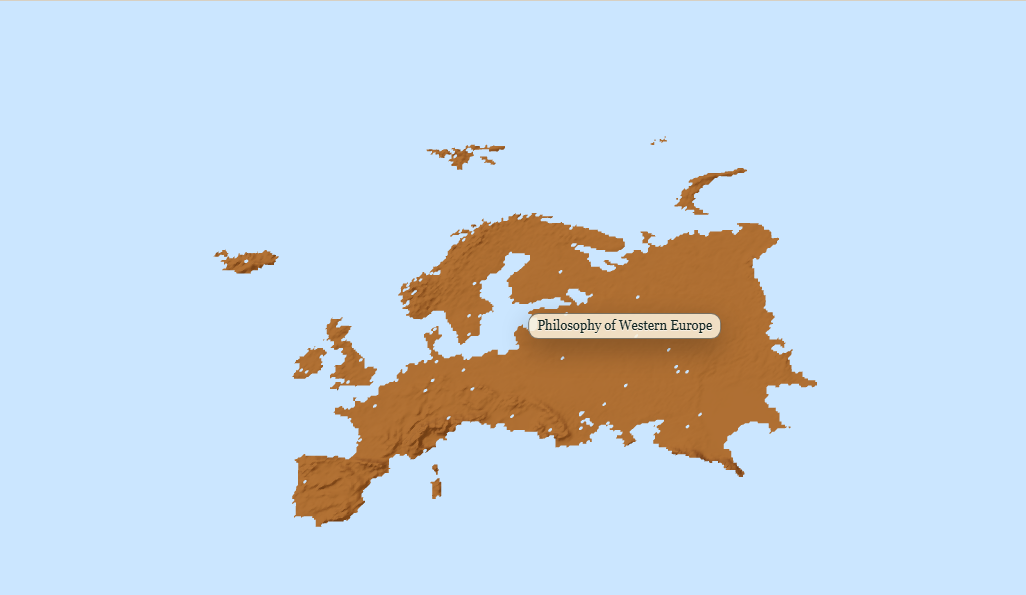
Mysticism names contemplative and theological traditions of transformative encounter with God or ultimate reality, represented here by Bernard of Clairvaux and Meister Eckhart.
Structural Factors
- Shared Core Claims
- Mysticism treats contemplative transformation, divine union or communion, and interior conversion as philosophically significant modes of knowing and becoming. Its claims often involve love, detachment, apophatic and kataphatic speech, ineffability, deification, and the limits of ordinary conceptual language before God or ultimate reality.
- Shared Methods
- Contemplation, prayer, sermon, scriptural exegesis, negative theology, affective ascent, scholastic distinction, vernacular preaching, reports of mystical experience, and disciplined comparison of theological language and lived practice.
- Shared Lineage
- The Christian line runs through biblical exegesis, Pseudo-Dionysius, monastic and Cistercian devotion, Bernard of Clairvaux, Victorine and scholastic contexts, Dominican and Rhineland mysticism, Meister Eckhart, Tauler, Suso, and later Christian mystical reception.
- Shared Problems
- Union with God, communion, ineffability, apophasis, kataphasis, mystical experience, divine love, detachment, ground of the soul, deification, contemplation, transformation, religious knowledge, orthodoxy, heresy, and the relation between experience, doctrine, and language.
- Shared Vocabulary
- Mysticism, mystical experience, contemplation, unio mystica, apophasis, kataphasis, ineffability, deification, detachment, ground of the soul, divine union, communion, love, bridal mysticism, negative theology, Rhenish mysticism, German mysticism.
- Shared Historical Context
- Christian mysticism develops across monastic, Cistercian, Victorine, scholastic, Dominican, and vernacular preaching settings. Bernard and Eckhart mark different but connected emphases: affective love and contemplative exegesis in Bernard, and speculative detachment, ground, and apophatic theology in Eckhart.
Defining Axes
- Doctrine
- Transformative union or communion with God, contemplative knowledge, divine love, detachment, and the inadequacy yet necessity of theological language.
- Method
- Contemplation, sermon, prayer, exegesis, apophatic theology, affective ascent, scholastic distinction, and philosophical analysis of mystical experience and religious knowledge.
- Lineage
- Pseudo-Dionysian negative theology, Cistercian and monastic devotion, Bernard of Clairvaux, Victorine spirituality, Dominican/Rhineland mysticism, Meister Eckhart, Tauler, Suso, and later Christian mystical reception.
- Subject Focus
- Philosophy of religion, epistemology, metaphysics, philosophy of language, ethics, theology, spiritual anthropology, and medieval intellectual history.
- Geography / Culture
- Medieval Christian Europe, especially Cistercian and Dominican settings in France and the German-speaking Rhineland, with broader Christian mystical reception.
- Historical Reaction
- A response to purely external religious practice and overly discursive theology by emphasizing contemplative transformation, interiority, love, detachment, and the limits of conceptual speech about God.
Internal Structure
- Foundational Texts
- Foundational evidence includes SEP Mysticism, SEP Meister Eckhart, Britannica Bernard and Eckhart, Pseudo-Dionysius context, German/Rhineland mysticism context, Eckhart sermons and catalog rows, Bernard context, and Christian mysticism scholarship.
- Core Vocabulary
- mysticism, mystical experience, contemplation, unio mystica, apophatic, kataphatic, ineffability, deification, detachment, ground of the soul, divine union, communion, love, bridal mysticism, negative theology.
- Metaphysics
- Explores God as ground, source, or ultimate reality; the soul as capable of transformation or union; and the difficulty of speaking about divine being without reducing it to ordinary categories.
- Epistemology
- Treats contemplative awareness, mystical experience, affective knowledge, and noetic transformation as possible forms of religious knowing while debating ineffability, interpretation, and evidential force.
- Ethics
- Connects love, humility, detachment, self-surrender, interior conversion, charity, and disciplined practice to the transformation of the self before God.
- School Method
- Interprets scripture, sermons, and contemplative reports through apophatic and kataphatic language, then tests how love, detachment, and experience shape claims about God, self, and knowledge.
- Internal Debates
- Debates include experience versus doctrine, union versus communion, apophatic silence versus affirmative theology, orthodoxy versus condemnation, Bernardine affective love versus Eckhartian detachment, and whether mystical claims can count as knowledge.
- Successors
- Mysticism influences later Christian theology, devotional literature, philosophy of religion, phenomenology of religious experience, comparative mysticism, psychology of religion, and debates over experience and language.
External Classification Context
- History of Philosophy
- Belongs to medieval Christian philosophy and philosophy of religion, linking monastic theology, scholastic analysis, Dominican preaching, and modern philosophical work on mystical experience.
- Philosophy of Philosophy
- Shows philosophy working at the limit of concept, language, practice, and transformation, where the object of inquiry is not only described but also sought through disciplined life.
- Intellectual History
- Connects Cistercian reform, monastic exegesis, Dominican schools, vernacular preaching, Pseudo-Dionysian transmission, church scrutiny of speculative theology, manuscript and sermon traditions, and modern mysticism scholarship.
- University Classification
- Classify under medieval Christian philosophy, philosophy of religion, mysticism, theology, epistemology, metaphysics, philosophy of language, ethics, and religious experience.
- Classical Sources
- Evidence includes SEP Mysticism, SEP Meister Eckhart, Britannica Bernard of Clairvaux, Britannica Meister Eckhart, IEP Pseudo-Dionysius, German and Christian mysticism context, Eckhart public text and catalog rows, Bernard context, Cambridge scholarship, and authority/catalog records.
- Sociology of Knowledge
- The school is reconstructed through devotional texts, sermons, trial and condemnation records, monastic and Dominican institutions, manuscript transmission, public-domain text surfaces, cataloging, image-source curation, and modern academic classification of mysticism.
Linked Philosophers
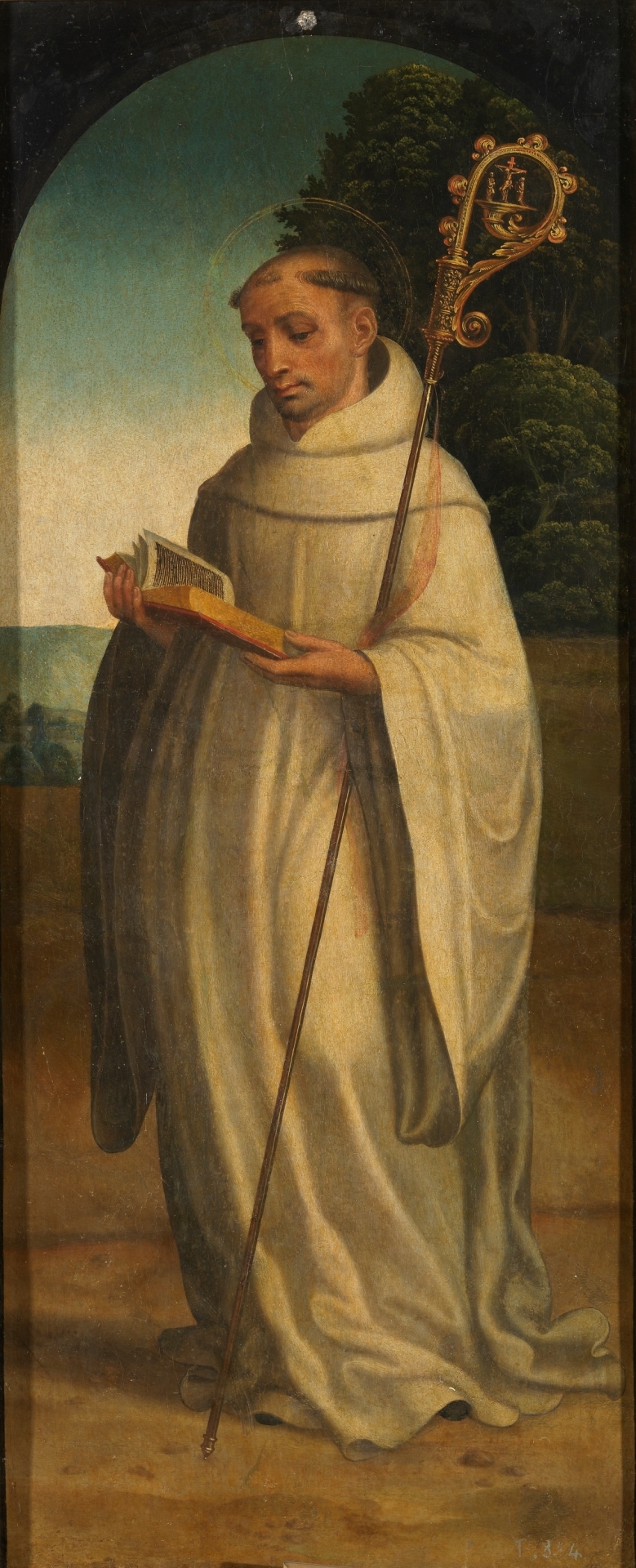
Bernard of Clairvaux
1090 CE – 1153 CE
Fontaine-lès-Dijon
Cistercian monk, abbot of Clairvaux, and medieval Christian philosopher-theologian whose theology of love, humility, grace, free choice, mystical ascent, monastic ethics, scriptural exegesis, and ecclesial counsel shaped scholastic, monastic, and political theology.
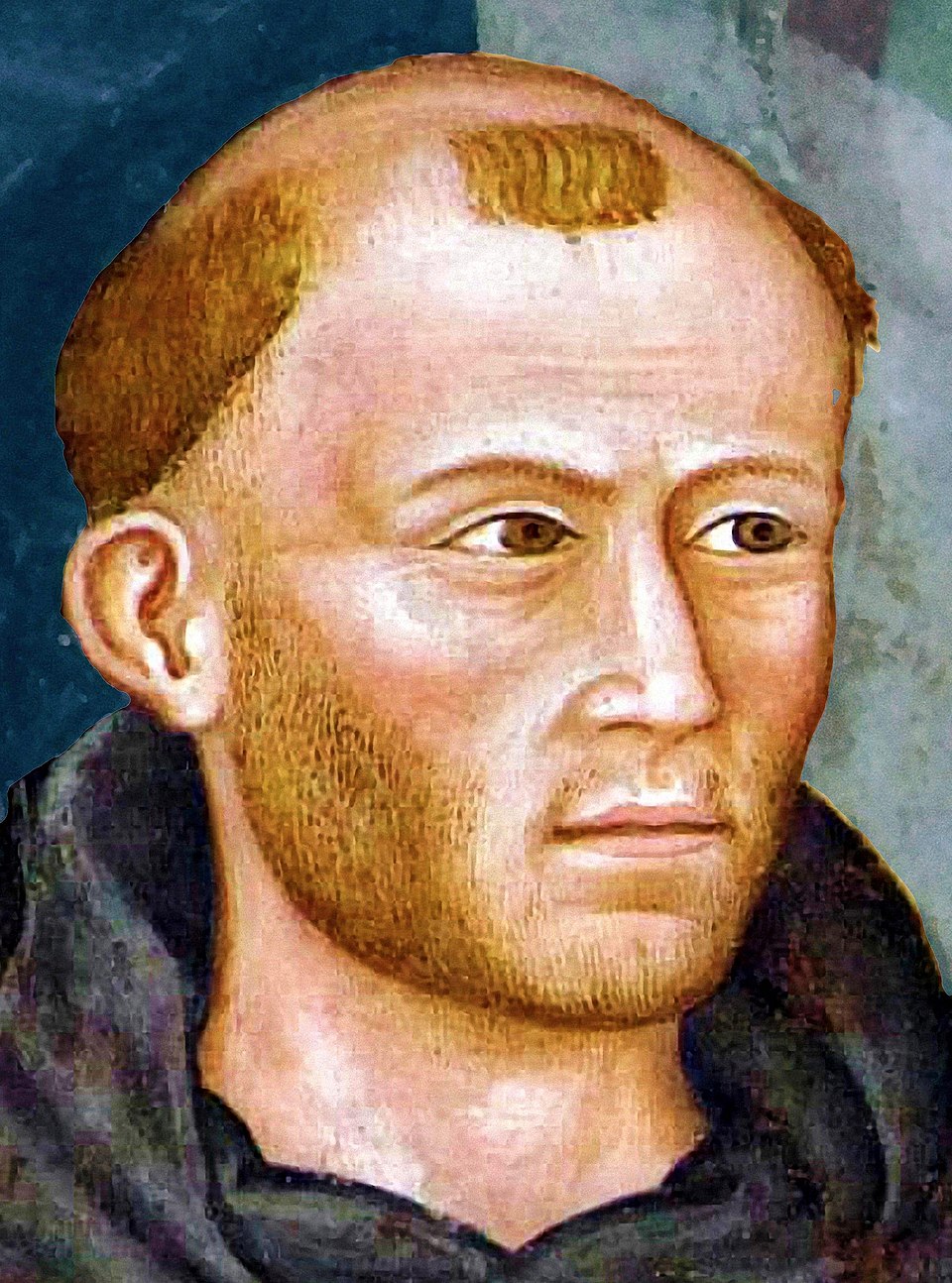
Meister Eckhart
1260 CE – 1328 CE
Hochheim or Tambach near Gotha, Thuringia; exact birthplace uncertain
German Dominican philosopher-theologian of Rhineland mysticism, speculative Christian Neoplatonism, apophatic theology, detachment, ground of the soul, divine birth, and vernacular mystical language.
Other Voices
Source entries, public text surfaces, catalog rows, gallery references, and scholarship connected to Mysticism, Bernard of Clairvaux, Meister Eckhart, contemplation, apophatic theology, ineffability, divine union, detachment, and Christian mysticism.