Neo-Confucianism
Neo-Confucianism names the Song-Ming reconstruction of Confucian learning around principle, vital force, classical commentary, moral cultivation, and the path to sagehood, represented here by Cheng Hao, Cheng Yi, Huang Zongxi, Zhang Zai, Zhou Dunyi, and Zhu Xi.
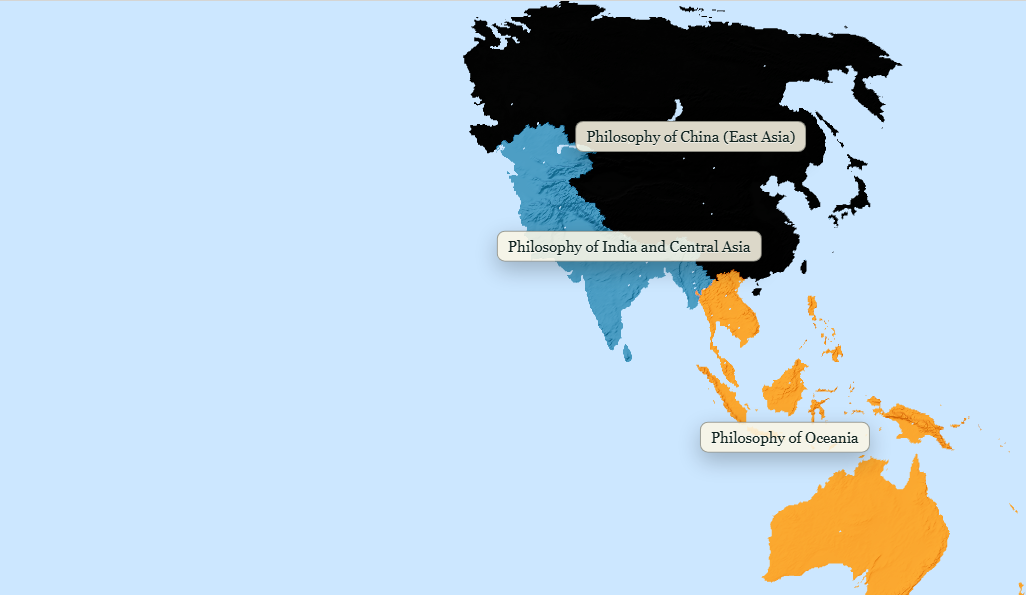
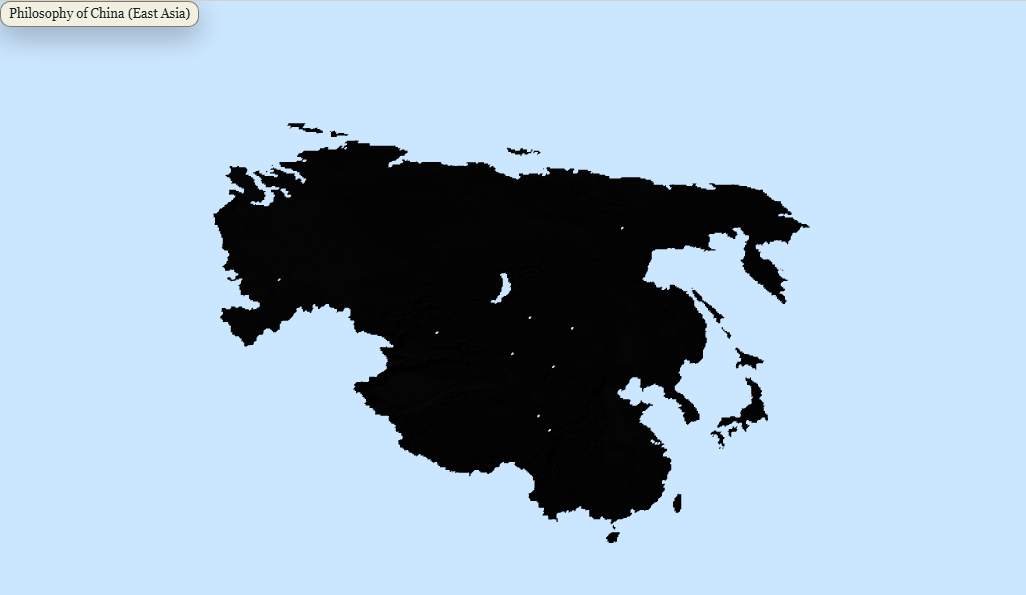
Structural Factors
- Shared Core Claims
- Neo-Confucianism treats li or principle, qi or vital material force, Taiji or Supreme Polarity, human nature, moral cultivation, investigation of things, reverent seriousness, and sagehood as linked parts of a Confucian account of cosmos, person, and moral-political order.
- Shared Methods
- Classical commentary, metaphysical synthesis, diagram and text interpretation, moral psychology, textual transmission, academy teaching, and disciplined debate over principle, mind, human nature, and vital force.
- Shared Lineage
- The lineage runs through Zhou Dunyi, Cheng Hao, Cheng Yi, Zhang Zai, Zhu Xi, and Huang Zongxi, with Song-Ming Confucianism, Cheng-Zhu learning, and later Ming/Qing reception as the main historical frame.
- Shared Problems
- Li, qi, Taiji, wuji, ren, xin, xing, gewu, jing, tianli, human nature, self-cultivation, classics, sagehood, moral knowledge, historical judgment, and moral-political order.
- Shared Vocabulary
- Neo-Confucianism, Song-Ming Confucianism, li, qi, Taiji, wuji, ren, xin, xing, gewu, jing, tianli, Cheng-Zhu, Jinsi Lu, Zhengmeng, Western Inscription, Taijitu Shuo.
- Shared Historical Context
- Neo-Confucianism develops as a Song-Ming revival and reconstruction of Confucian learning after sustained Buddhist and Daoist challenge, combining metaphysics, classics commentary, academy teaching, self-cultivation, and later Ming/Qing historical reception.
Defining Axes
- Doctrine
- Principle and vital force, Supreme Polarity, human nature, moral cultivation, investigation of things, and the possibility of sagehood as an integrated Confucian doctrine.
- Method
- Classics commentary, diagram interpretation, metaphysical synthesis, moral psychology, textual transmission, academy teaching, and debate over principle, mind, and vital force.
- Lineage
- Zhou Dunyi, the Cheng brothers, Zhang Zai, Zhu Xi, Huang Zongxi, Song-Ming Confucianism, Cheng-Zhu learning, and later Ming/Qing reception.
- Subject Focus
- Metaphysics, ethics, moral psychology, political thought, classics commentary, religious-philosophical self-cultivation, and Chinese intellectual history.
- Geography / Culture
- Chinese Confucian learning centered in Song, Yuan, Ming, and Qing textual, academy, bureaucratic, and commentary cultures, with later East Asian and global reception.
- Historical Reaction
- A Confucian response to Buddhist and Daoist metaphysical and religious challenge, and later a Ming/Qing historical reassessment of Song-Ming learning and political order.
Internal Structure
- Foundational Texts
- Foundational evidence includes Zhou Dunyi's Taijitu Shuo and Tongshu, Zhang Zai's Zhengmeng and Western Inscription, Cheng Hao and Cheng Yi texts and commentaries, Zhu Xi's Jinsi Lu, Four Books commentary, and Zhuzi Yulei, and Huang Zongxi's Mingyi daifang lu and Mingru xue'an.
- Core Vocabulary
- li, qi, Taiji, wuji, ren, xin, xing, gewu, jing, tianli, Cheng-Zhu, Jinsi Lu, Zhengmeng, Western Inscription, Taijitu Shuo, classics, self-cultivation, sagehood.
- Metaphysics
- Explains the world through principle, vital force, Supreme Polarity, transformation, and the relation between pattern, material force, human nature, and moral order.
- Epistemology
- Treats learning as moral-intellectual cultivation through classics, investigation of things, reverent attention, reflection on principle, and disciplined transmission of commentary traditions.
- Ethics
- Centers self-cultivation, humaneness, seriousness, rectification of mind, harmonizing principle and vital force, sagehood, and the moral responsibilities of personal and political life.
- School Method
- Builds philosophical claims through close reading of classics, commentaries, diagrams, recorded sayings, academy teaching, historical criticism, and comparison of Song-Ming lineages.
- Internal Debates
- Debates include the relation of li and qi, the priority of mind and principle, the interpretation of Taiji and wuji, investigation of things, Cheng-Zhu learning, historical transmission, and Ming/Qing criticism of earlier Neo-Confucian systems.
- Successors
- Shapes later Confucian academies, state education, East Asian Confucian traditions, debates with Wang Yangming and Lu Jiuyuan lineages, Qing evidential scholarship, and modern scholarship on Chinese metaphysics and ethics.
External Classification Context
- History of Philosophy
- Belongs to Chinese philosophy and Confucian intellectual history, connecting classical learning to Song-Ming metaphysics, ethics, political thought, and historical reception.
- Philosophy of Philosophy
- Shows philosophy as disciplined commentary, moral self-cultivation, metaphysical synthesis, and historical reconstruction rather than as a detached technical system.
- Intellectual History
- Connects Song-Ming schools, academies, civil-service learning, canonical commentary, historical anthologies, Ming/Qing critique, modern reference works, and catalog scholarship.
- University Classification
- Classify under Chinese philosophy, Confucianism, Neo-Confucianism, Song-Ming Confucianism, metaphysics, ethics, political philosophy, moral psychology, classics commentary, and East Asian intellectual history.
- Classical Sources
- Evidence includes SEP, IEP, Britannica, ChinaKnowledge, Chinese Text Project, Wikisource, Project Gutenberg, Open Library, WorldCat, PhilPapers, Cambridge, Columbia, and institutional scholarship rows centered on Cheng Hao, Cheng Yi, Zhou Dunyi, Zhang Zai, Zhu Xi, Huang Zongxi, Song-Ming Confucianism, Zhengmeng, Jinsi Lu, and Mingyi daifang lu.
- Sociology of Knowledge
- The school is documented through transmitted classics, commentary traditions, academy teaching, dynastic histories, bibliographic catalogs, modern university reference entries, public text surfaces, and scholarship indexes rather than through a single formal institution.
Linked Philosophers
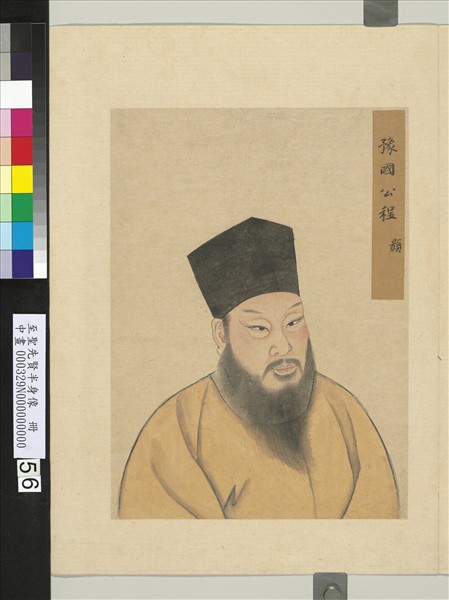
Cheng Hao
1032 CE – 1085 CE
Huangpi, Hubei
Northern Song Neo-Confucian philosopher known as Mingdao whose teaching on ren, li, intuitive moral knowing, reverent self-cultivation, stabilizing nature, and forming one body with all things shaped Cheng-Zhu learning, Lu-Wang learning, and later Confucian moral metaphysics.
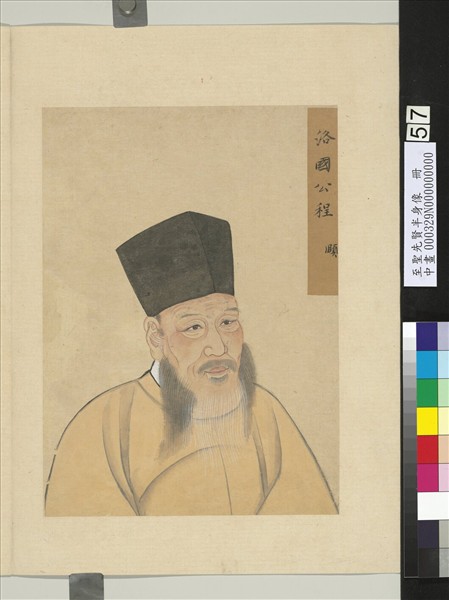
Cheng Yi
1033 CE – 1107 CE
Luoyang, Henan
Northern Song Neo-Confucian philosopher known as Yichuan whose rigorous account of li, investigation of things, reverent self-cultivation, moral psychology, and classical commentary shaped Zhu Xi, Cheng-Zhu learning, and later East Asian Confucian orthodoxy.
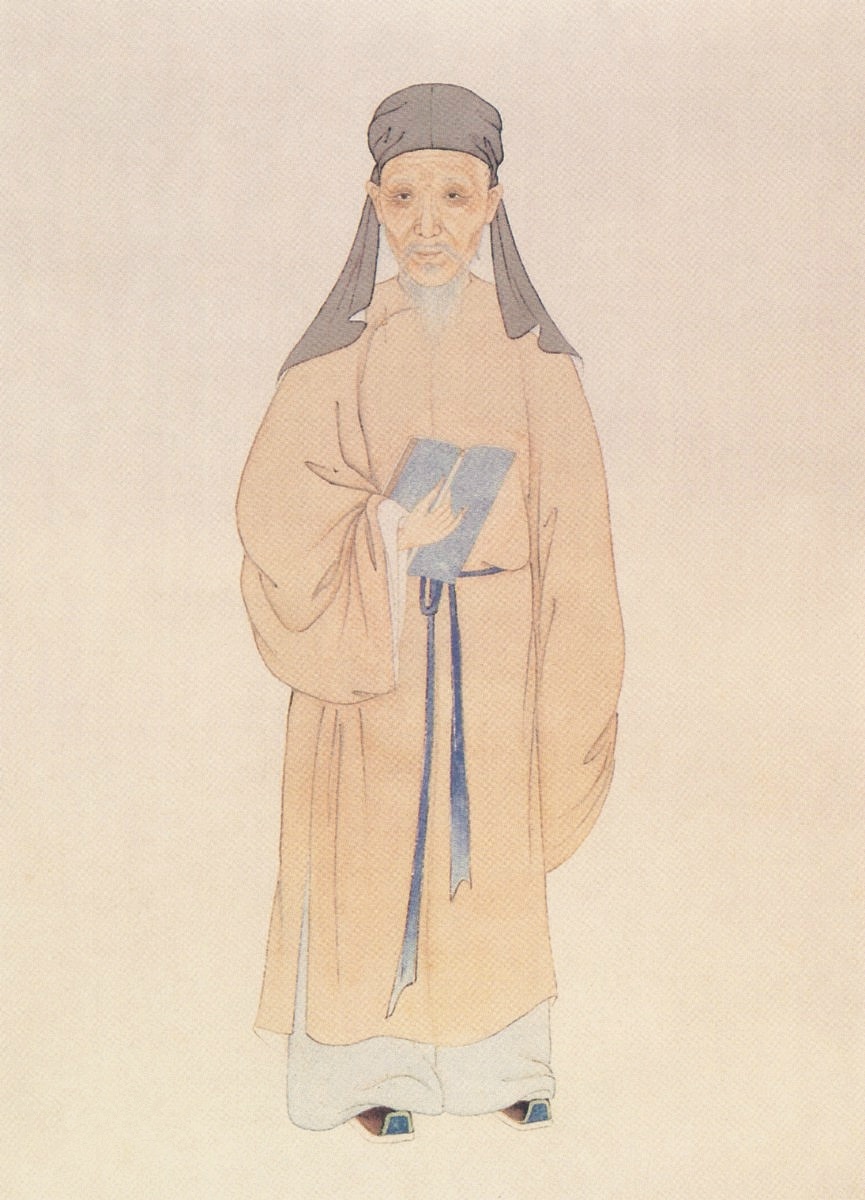
Huang Zongxi
1610 CE – 1695 CE
Yuyao, Zhejiang
Ming-Qing Confucian philosopher from Yuyao whose political critique, historical method, Yijing scholarship, philology, music theory, geography, and loyalist ethics joined evidence to public responsibility.
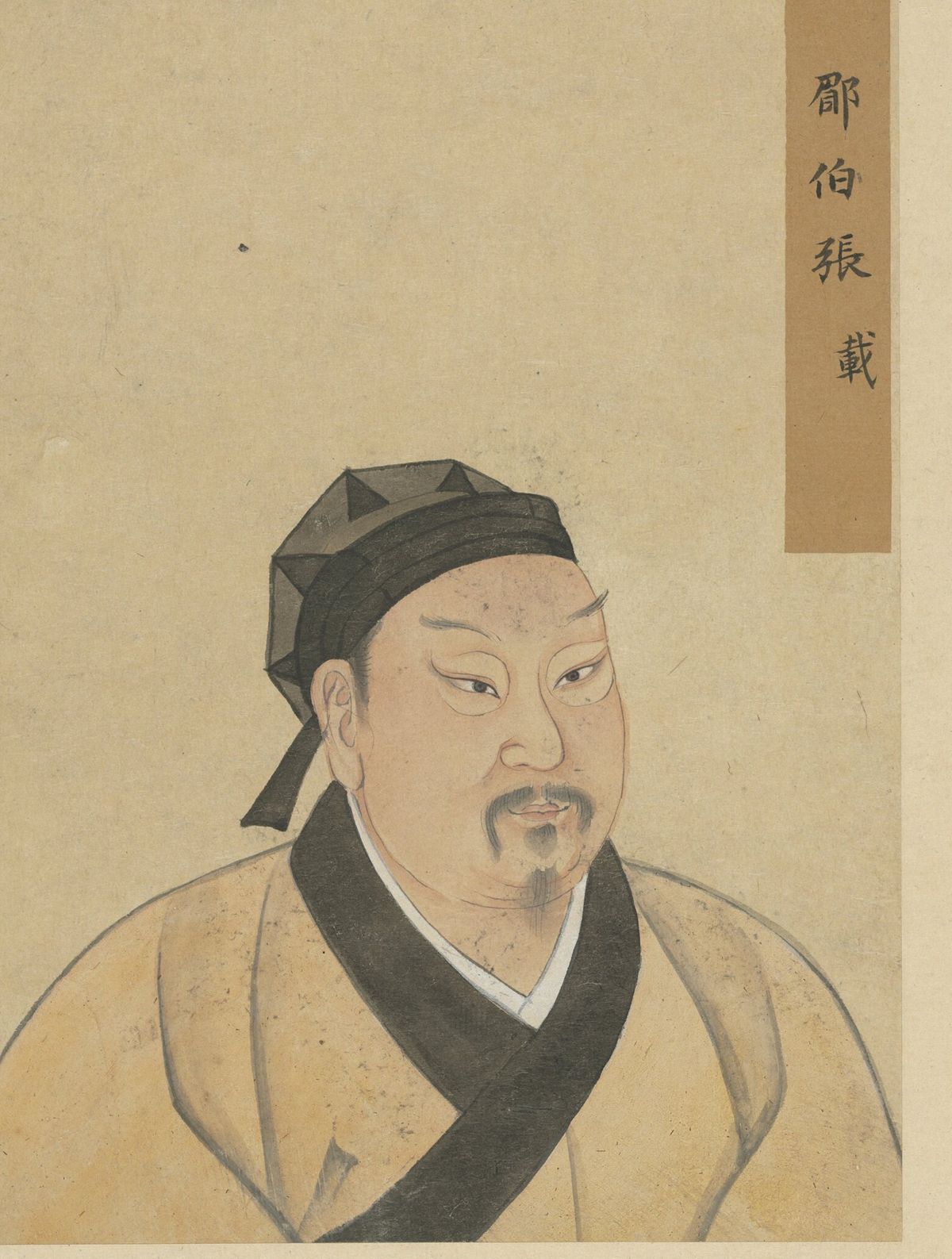
Zhang Zai
1020 CE – 1077 CE
Chang'an or Fengxiang region, Shaanxi; lived at Hengqu, Mei County
Northern Song Neo-Confucian philosopher of qi metaphysics whose account of Great Vacuity, Great Harmony, human nature, and universal kinship shaped Guanxue, Cheng-Zhu learning, and later Confucian moral cosmology.
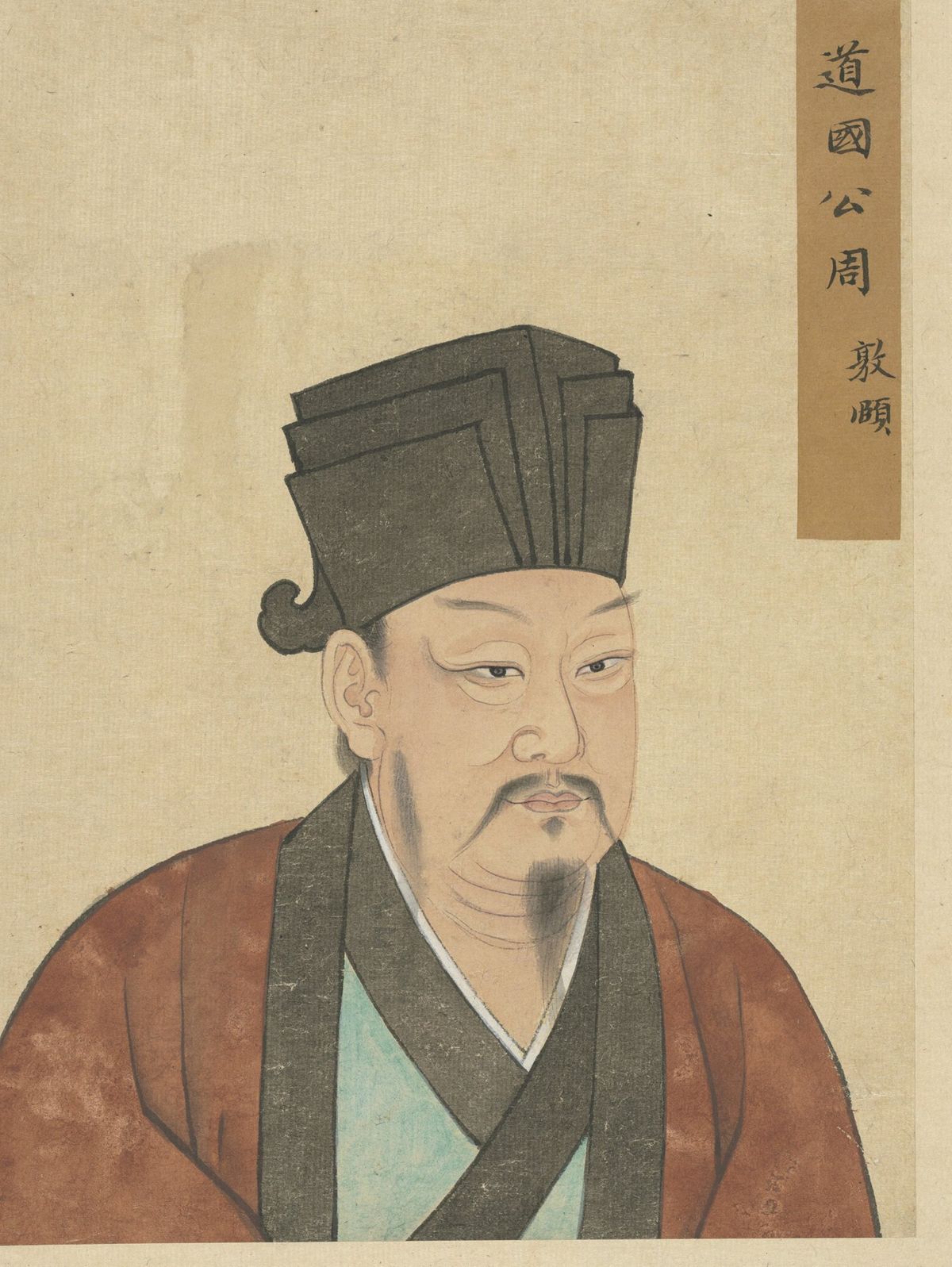
Zhou Dunyi
1017 CE – 1073 CE
Yingdao, Daozhou, now Dao County, Yongzhou, Hunan
Northern Song Neo-Confucian philosopher whose taiji-wuji cosmology, theory of sincerity, moral self-cultivation, and lotus symbolism helped form the metaphysical and ethical vocabulary later systematized by Zhu Xi.
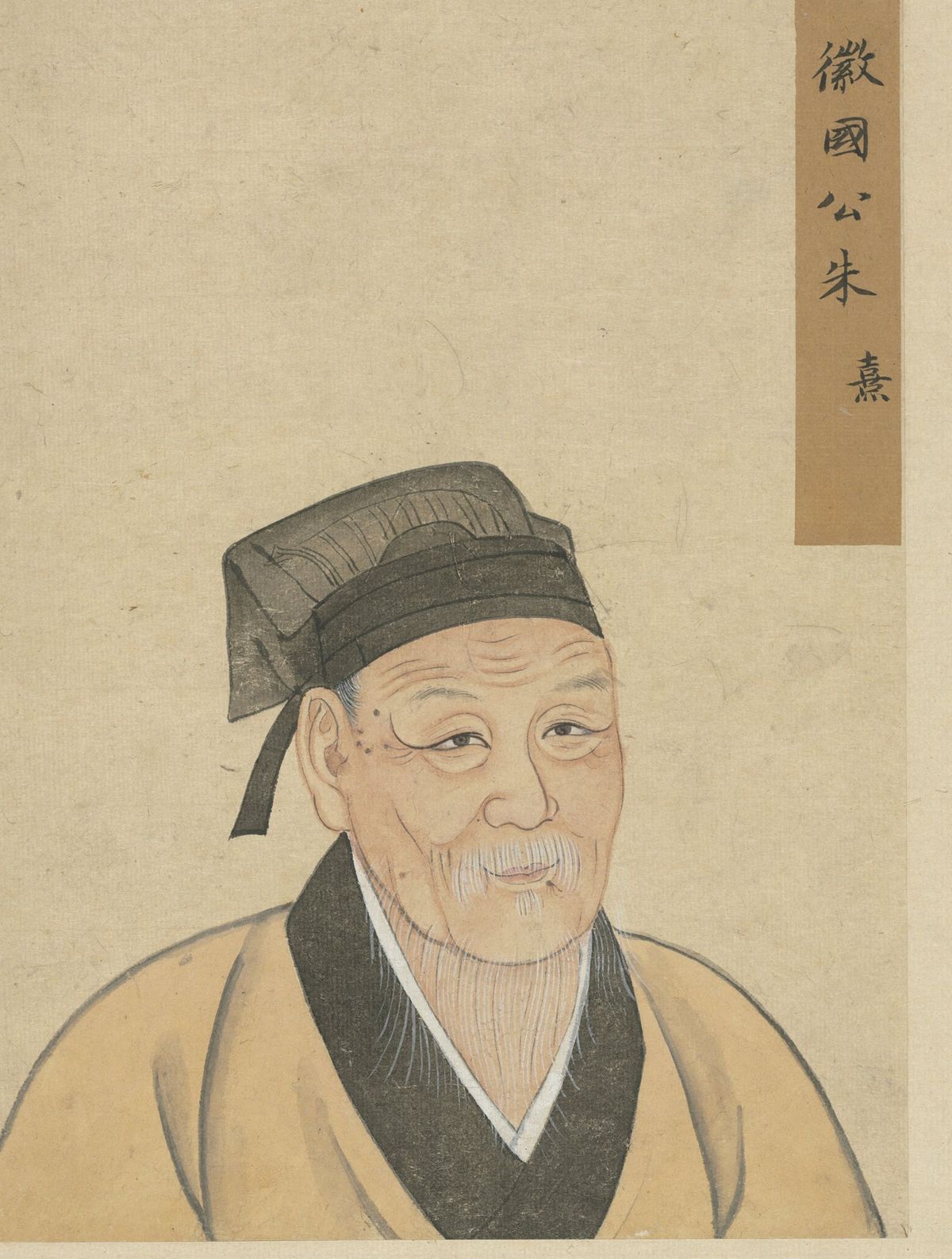
Zhu Xi
1130 CE – 1200 CE
Youxi, Nanjian Prefecture, Fujian, Southern Song; ancestral Wuyuan/Huizhou noted in sources
Southern Song Neo-Confucian philosopher whose Cheng-Zhu synthesis made li-qi metaphysics, investigation of things, ritual self-cultivation, and the Four Books commentary tradition central to later East Asian Confucian learning.
Other Voices
Source entries, public text surfaces, catalog rows, and scholarship connected to Neo-Confucianism, Song-Ming Confucianism, Cheng Hao, Cheng Yi, Zhou Dunyi, Zhang Zai, Zhu Xi, Huang Zongxi, li, qi, Taiji, classics commentary, and self-cultivation.