Neo-Daoism
Neo-Daoism names the Wei-Jin xuanxue reconstruction of Daoist and classical Chinese thought around nonbeing, being, naturalness, effortless action, sagehood, and commentary, represented here by Guo Xiang, He Yan, and Wang Bi.
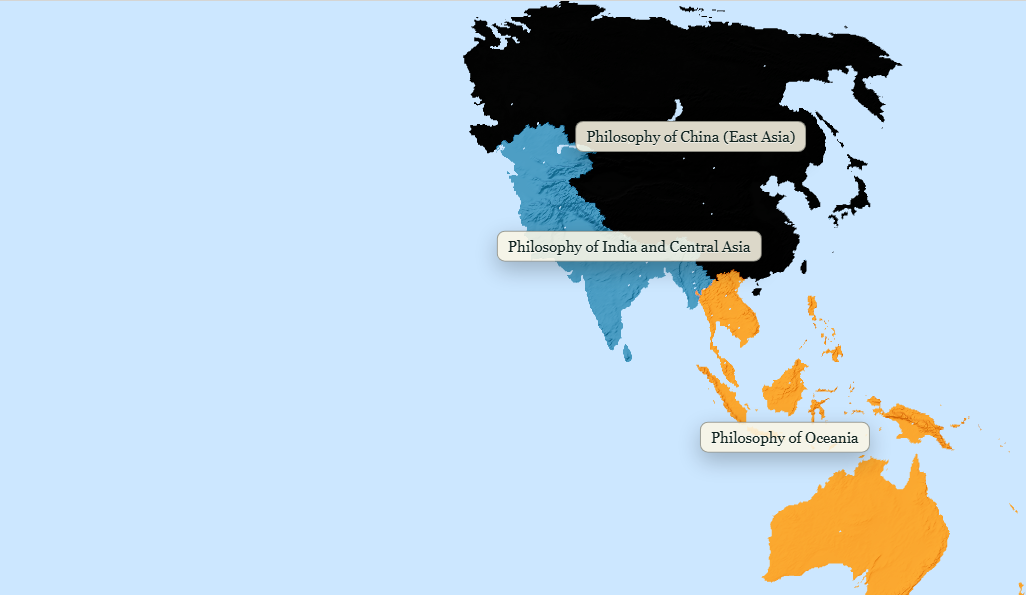
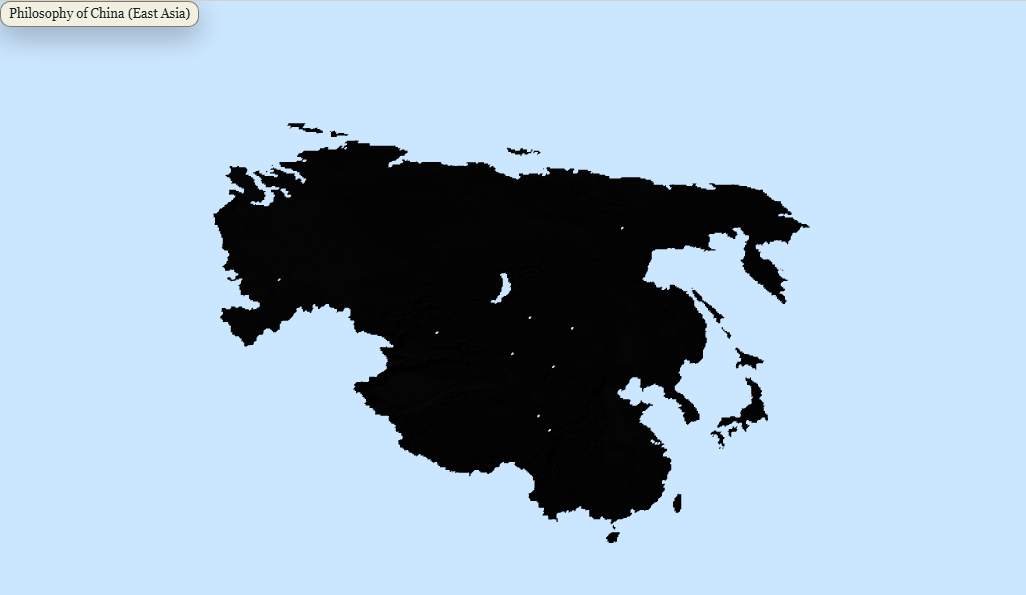
Structural Factors
- Shared Core Claims
- Neo-Daoism treats nonbeing and being, naturalness, effortless action, sagehood, self-so reality, spontaneous transformation, and the relation between Daoist metaphysics and Confucian social order as linked philosophical problems.
- Shared Methods
- Commentary, reinterpretation of Laozi, Zhuangzi, Yijing, and Analects traditions, metaphysical argument, terminology analysis, textual comparison, and Wei-Jin qingtan-style philosophical discussion.
- Shared Lineage
- The lineage runs through He Yan, Wang Bi, and Guo Xiang in Cao Wei and Western Jin intellectual culture, with Laozi and Zhuangzi reception, Yijing commentary, Analects commentary, and later Daoist and Chinese-philosophy scholarship as the main context.
- Shared Problems
- Nonbeing, being, Dao, naturalness, effortless action, self-so reality, spontaneity, sagehood, named teachings, social order, transformation, commentary authority, and the relation of Daoist metaphysics to Confucian classics.
- Shared Vocabulary
- Neo-Daoism, xuanxue, Wei-Jin, wu, you, ziran, wuwei, Dao, sage, mingjiao, qingtan, nonbeing, being, naturalness, spontaneity, self-transformation, Laozi, Zhuangzi, Yijing, Lunyu Jijie.
- Shared Historical Context
- Neo-Daoism develops in Wei-Jin China as xuanxue or dark learning, reworking Laozi, Zhuangzi, Yijing, and Confucian materials after Han intellectual formations and before later medieval Daoist, Buddhist, and Chinese-philosophy receptions.
Defining Axes
- Doctrine
- Nonbeing and being, Dao, naturalness, effortless action, spontaneity, sagehood, and the fit or tension between Daoist metaphysics and Confucian social order.
- Method
- Classical commentary, metaphysical reinterpretation, terminology analysis, textual comparison, qingtan-style discussion, and source testimony around Laozi, Zhuangzi, Yijing, and Analects traditions.
- Lineage
- He Yan, Wang Bi, Guo Xiang, Cao Wei and Western Jin intellectual culture, Laozi and Zhuangzi reception, Yijing commentary, Analects commentary, and later Neo-Daoist scholarship.
- Subject Focus
- Metaphysics, ethics, political order, classics commentary, philosophy of language, Chinese intellectual history, Daoist reception, and the philosophy of self-transformation.
- Geography / Culture
- Chinese Wei-Jin elite, court, textual, and commentary culture, with later East Asian and global scholarship on Daoism, xuanxue, Zhuangzi, Laozi, Wang Bi, He Yan, and Guo Xiang.
- Historical Reaction
- A post-Han reconstruction of classical learning that reopens questions of Dao, naturalness, social order, and sagehood after Han cosmology and before later Buddhist and medieval Daoist developments.
Internal Structure
- Foundational Texts
- Foundational evidence includes Wang Bi on Laozi and Yijing, Guo Xiang on Zhuangzi, He Yan and the Lunyu Jijie Analects tradition, SEP Neo-Daoism, SEP Han-dynasty philosophy context, IEP Chinese philosophy context, and catalog and scholarship rows for the three linked philosophers.
- Core Vocabulary
- xuanxue, wu, you, ziran, wuwei, Dao, sage, mingjiao, qingtan, self-so, spontaneity, nonbeing, being, Laozi, Zhuangzi, Yijing, Lunyu Jijie, commentary.
- Metaphysics
- Explores how nonbeing and being, Dao, naturalness, self-so reality, and spontaneous transformation explain the world without imposing an external maker, fixed command structure, or crude opposition between Daoist withdrawal and social life.
- Epistemology
- Treats understanding as interpretive insight into classical texts, terms, and metaphysical relations, especially through commentary, conceptual distinction, and comparison of received textual traditions.
- Ethics
- Centers sagehood, naturalness, effortless action, spontaneous transformation, fitting social conduct, and the problem of how cultivated persons act without artificial forcing.
- School Method
- Builds philosophical claims through close commentary on Laozi, Zhuangzi, Yijing, and Analects materials, then links textual exegesis to arguments about nonbeing, being, naturalness, and social order.
- Internal Debates
- Debates include whether nonbeing grounds being, whether naturalness can support social roles, how much Confucian named teaching can coexist with Daoist metaphysics, and how Guo Xiang transforms the Zhuangzi tradition after Wang Bi and He Yan.
- Successors
- Shapes later Daoist interpretation, medieval Chinese philosophy, Buddhist-Daoist comparison, Zhuangzi commentary traditions, reception of Wang Bi and Guo Xiang, and modern scholarship on xuanxue and Wei-Jin thought.
External Classification Context
- History of Philosophy
- Belongs to Chinese philosophy and Daoist intellectual history, connecting early Daoist texts and Han context to Wei-Jin metaphysics, commentary, and later medieval reception.
- Philosophy of Philosophy
- Shows philosophy as commentary-driven reconstruction: inherited classics become sites for metaphysical, ethical, and political analysis rather than merely textual preservation.
- Intellectual History
- Connects Cao Wei and Western Jin court culture, qingtan discussion, Daoist and Confucian classics, commentarial authority, bibliographic catalogs, modern reference works, and scholarship indexes.
- University Classification
- Classify under Chinese philosophy, Daoism, Neo-Daoism, xuanxue, Wei-Jin thought, metaphysics, ethics, political philosophy, philosophy of language, classics commentary, and East Asian intellectual history.
- Classical Sources
- Evidence includes SEP Neo-Daoism, SEP Han-dynasty philosophy context, IEP Chinese philosophy, IEP Wang Bi, Britannica and Encyclopedia.com rows, Chinese Text Project, Columbia University Press, National Diet Library, WorldCat, Open Library, PhilPapers, PhilArchive, Brill, ChinaKnowledge, authority rows, and scholarship centered on Guo Xiang, He Yan, Wang Bi, Zhuangzi, Laozi, Yijing, and Lunyu Jijie.
- Sociology of Knowledge
- The school is documented through transmitted commentaries, classical text surfaces, reference entries, library catalogs, authority files, public scholarship indexes, and modern institutional sources rather than through a single formal school institution.
Linked Philosophers
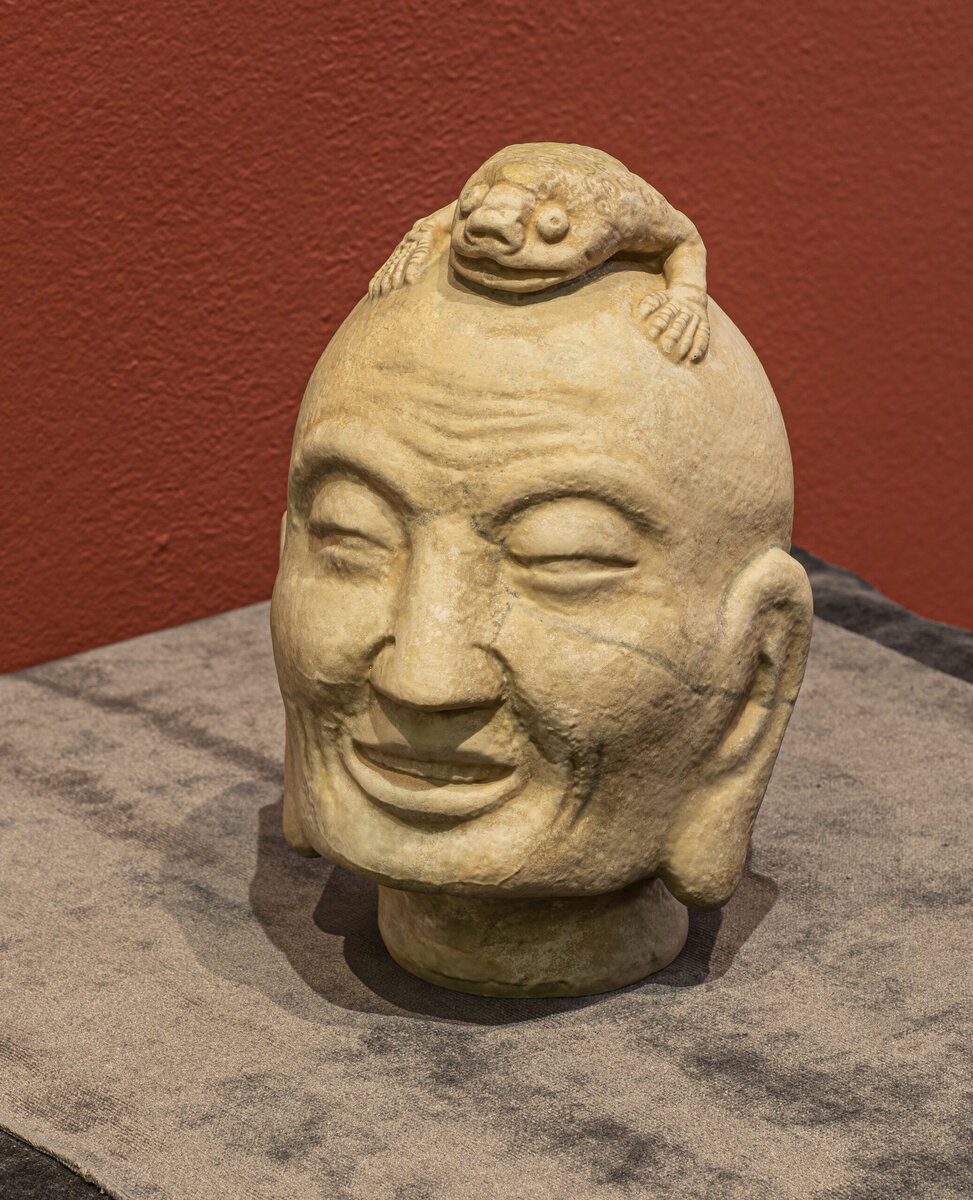
Guo Xiang
252 CE – 312 CE
Henan region (Western Jin)
Western Jin Daoist philosopher and Zhuangzi commentator whose reading of spontaneous self-transformation, natural social roles, non-interference, and immanent order shaped the received Zhuangzi tradition.
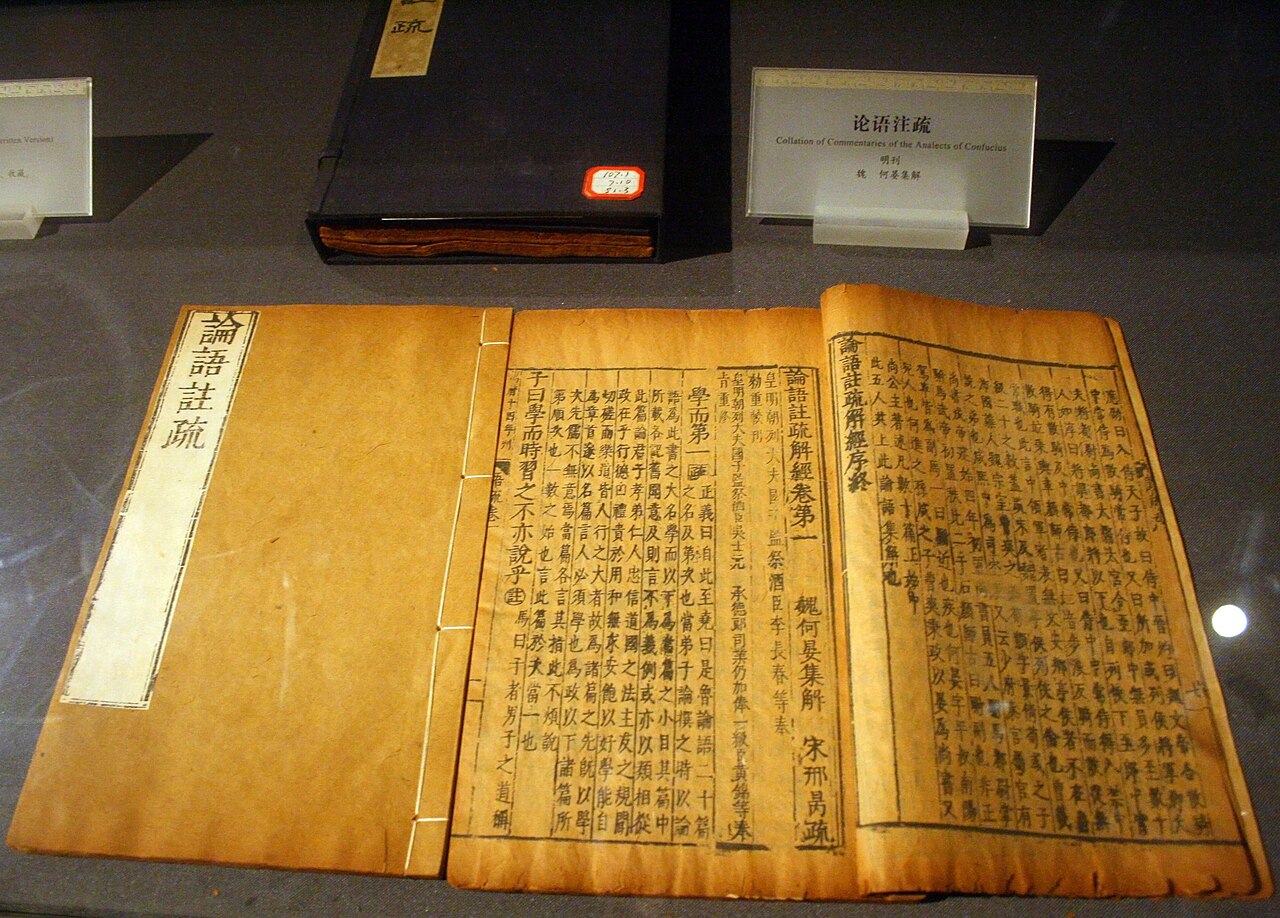
He Yan
190 CE – 249 CE
Nanyang Commandery, Henan region
Cao Wei scholar-official and xuanxue philosopher whose Lunyu jijie, Daolun, and Wuming lun connect Analects commentary, wu and namelessness, qingtan, governance by wuwei, and the emotionless-sage debate.
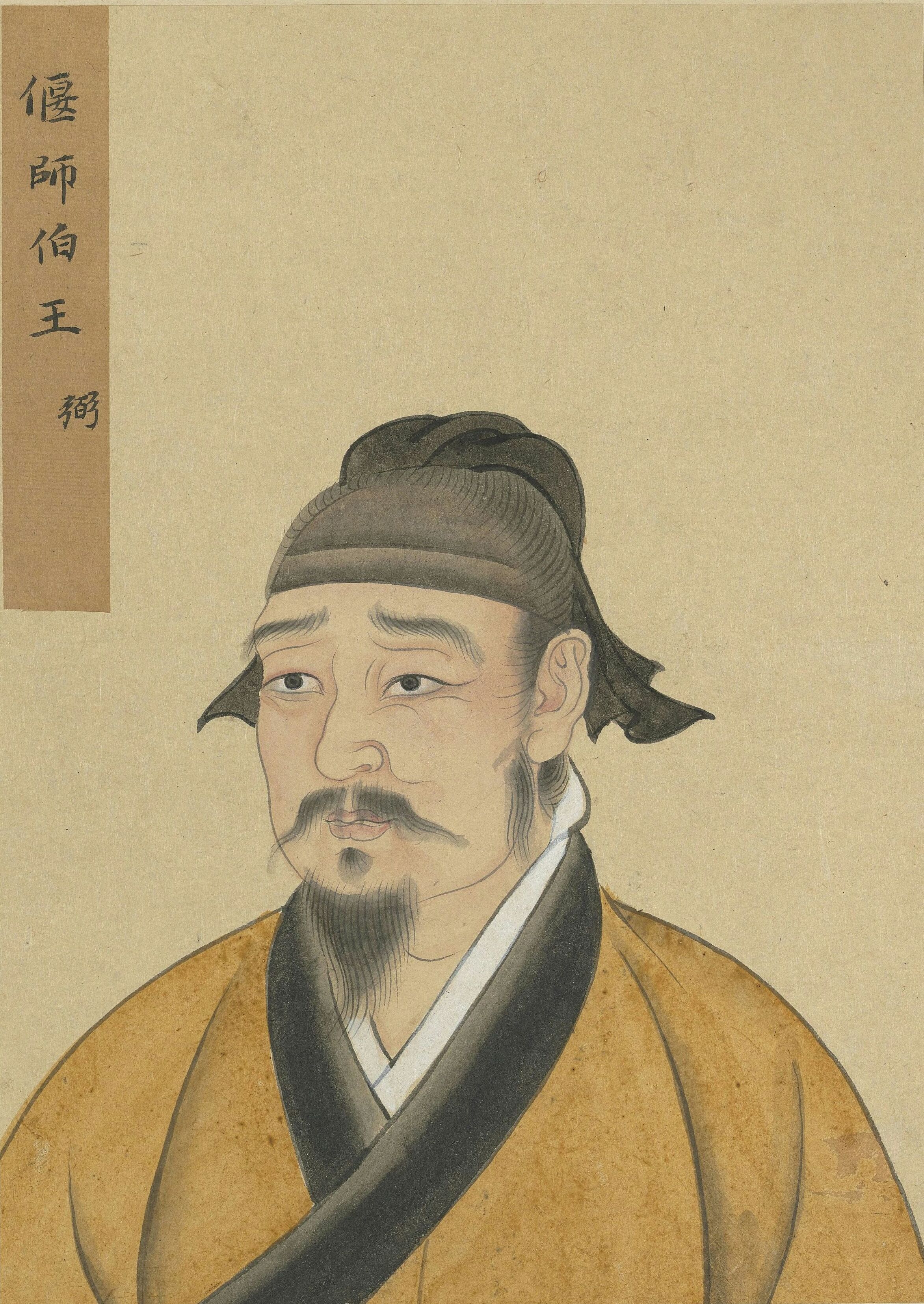
Wang Bi
226 CE – 249 CE
Shanyang Commandery, Cao Wei; exact site/source wording varies
Cao Wei philosopher of xuanxue whose Laozi and Zhouyi commentaries made nonbeing, Dao, principle, words, images, and meaning central to early medieval Chinese metaphysics and canonical interpretation.
Other Voices
Source entries, public text surfaces, catalog rows, and scholarship connected to Neo-Daoism, xuanxue, Wei-Jin philosophy, Guo Xiang, He Yan, Wang Bi, nonbeing, being, ziran, wuwei, Laozi, Zhuangzi, Yijing, and Lunyu Jijie commentary.