Neoplatonism
Neoplatonism names the late antique and later Platonic tradition centered on the One, Intellect, Soul, procession, reversion, participation, contemplative ascent, theurgy, and later Latin and Renaissance transmission.
Structural Factors
- Shared Core Claims
- Neoplatonism explains reality through the One, Intellect, and Soul; procession and reversion; participation; hierarchy of being; contemplative ascent; henosis; evil as privation; providence; free will; and divine causality.
- Shared Methods
- Platonic and Aristotelian commentary, dialectic, metaphysical system-building, allegorical exegesis, negative theology, contemplative practice, theurgy, textual transmission, and comparison of ancient and later Platonist sources.
- Shared Lineage
- The lineage runs from Plato and Middle Platonism through Plotinus, Porphyry, Iamblichus, Proclus, and Damascius, with Latin Christian transmission through Boethius and John Scotus Eriugena and Renaissance revival through Marsilio Ficino.
- Shared Problems
- The One, Intellect, Soul, unity and multiplicity, procession, reversion, participation, causality, privation, evil, providence, free will, contemplation, theurgy, henosis, negative theology, and the relation of Platonic metaphysics to religious practice.
- Shared Vocabulary
- Neoplatonism, the One, hen, nous, psyche, hypostasis, emanation, procession, reversion, participation, henads, theurgy, apophasis, privation, providence, free will, contemplation, henosis, Enneads, Isagoge, De Mysteriis, Elements of Theology, Periphyseon.
- Shared Historical Context
- Neoplatonism develops in late antique Greek philosophy, especially through Plotinus and later school traditions, then travels through Porphyry, Iamblichus, Proclus, Damascius, Latin Christian scholarship, medieval reception, and Ficino's Renaissance Platonism.
Defining Axes
- Doctrine
- The One, Intellect, Soul, hierarchy of reality, participation, procession, reversion, henosis, privation, divine causality, and the metaphysical relation between unity and multiplicity.
- Method
- Commentary, dialectic, metaphysical synthesis, allegorical exegesis, negative theology, contemplative discipline, theurgy, source comparison, and catalog evidence for transmitted works.
- Lineage
- Plotinus, Porphyry, Iamblichus, Proclus, Damascius, Boethius, John Scotus Eriugena, and Marsilio Ficino, with Plato, Middle Platonism, Aristotle commentary, and later Christian and Renaissance Platonist reception as context.
- Subject Focus
- Metaphysics, theology, philosophy of religion, ancient commentary, logic and categories, soul, cosmology, ethics, providence, free will, contemplation, and transmission history.
- Geography / Culture
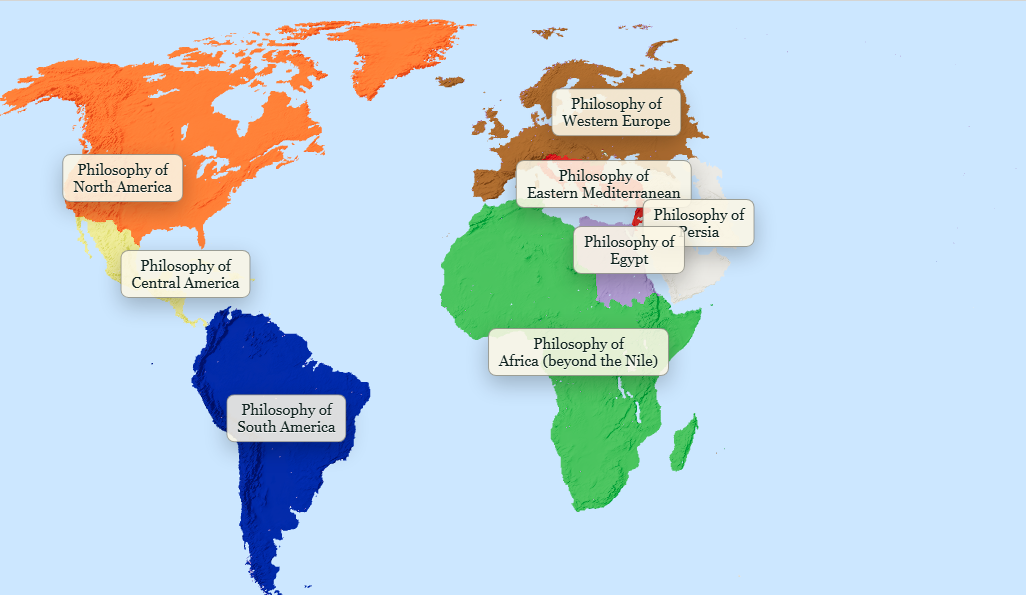
- Late antique Mediterranean Platonism, Alexandria and Athens school contexts, Roman and Byzantine transmission, Latin Christian reception, Ireland and Carolingian scholarship, and Renaissance Florence.
- Historical Reaction
- A systematic late antique development of Platonism that responds to Aristotle, Stoicism, Gnosticism, religious ritual, Christian theology, and later medieval and Renaissance needs for a metaphysical language of transcendence.
Internal Structure
- Foundational Texts
- Foundational evidence includes the Enneads, Porphyry's Isagoge and life of Plotinus, Iamblichus' De Mysteriis, Proclus' Elements of Theology and Platonic Theology, Damascius' Problems and Solutions Concerning First Principles, Boethius' Consolation and logical works, Eriugena's Periphyseon, and Ficino's Plato and Plotinus translations.
- Core Vocabulary
- the One, hen, nous, psyche, hypostasis, emanation, procession, reversion, participation, henads, theurgy, apophasis, privation, providence, free will, contemplation, henosis, Enneads, Isagoge, De Mysteriis, Elements of Theology, Periphyseon.
- Metaphysics
- Explains reality through ordered dependence on the One, with Intellect and Soul as structured levels of being and with participation, procession, and reversion describing how multiplicity depends on and returns toward unity.
- Epistemology
- Treats knowledge as dialectical, contemplative, interpretive, and sometimes ritual-theurgic ascent, supported by commentary on Plato, Aristotle, and transmitted late antique texts.
- Ethics
- Connects purification, contemplation, civic and theoretical virtue, the soul's return, providence, freedom, and the transformation of desire toward the intelligible and divine.
- School Method
- Builds philosophical claims through close commentary, systematic metaphysical argument, interpretation of Plato and Aristotle, negative theology, text transmission, and public source comparison across Greek, Latin, medieval, and Renaissance evidence.
- Internal Debates
- Debates include the status of the One, the relation of Intellect and Soul, the role of henads, the need for theurgy, the problem of evil and privation, the compatibility of providence and freedom, and the relation of pagan, Christian, and Renaissance Platonist uses.
- Successors
- Shapes late antique commentary, medieval logic and theology, apophatic theology, Byzantine and Latin Platonism, Eriugena's system, Renaissance Platonism through Ficino, and later philosophical and religious accounts of transcendence.
External Classification Context
- History of Philosophy
- Belongs to ancient and late antique Platonism and later medieval and Renaissance transmission, connecting school commentary, metaphysics, theology, and text history.
- Philosophy of Philosophy
- Shows philosophy as both metaphysical system and interpretive practice: inherited texts become instruments for ascent, argument, classification, and spiritual or contemplative transformation.
- Intellectual History
- Connects Greek commentary schools, public text traditions, library catalogs, authority rows, medieval Latin transmission, Ficino's translation projects, and modern SEP, IEP, Britannica, WorldCat, Open Library, and PhilPapers scholarship.
- University Classification
- Classify under Neoplatonism, ancient philosophy, late antique philosophy, Platonism, metaphysics, philosophy of religion, theology, medieval philosophy, Renaissance philosophy, classical reception, and history of philosophy.
- Classical Sources
- Evidence includes SEP Neoplatonism, SEP Plotinus, Porphyry, Iamblichus, Proclus, Boethius, Eriugena, Ficino, IEP Neo-Platonism, Britannica Neoplatonism, public text rows for Enneads, Isagoge, De Mysteriis, Elements of Theology, Periphyseon, Consolation, and catalog rows from WorldCat, Open Library, Internet Archive, Wikisource, PhilPapers, and related public scholarship indexes.
- Sociology of Knowledge
- The school is documented through transmitted treatises, commentary traditions, public-domain text surfaces, encyclopedia entries, library catalogs, authority files, manuscript and publisher records, and modern scholarship rather than through a single continuous institution.
Linked Philosophers
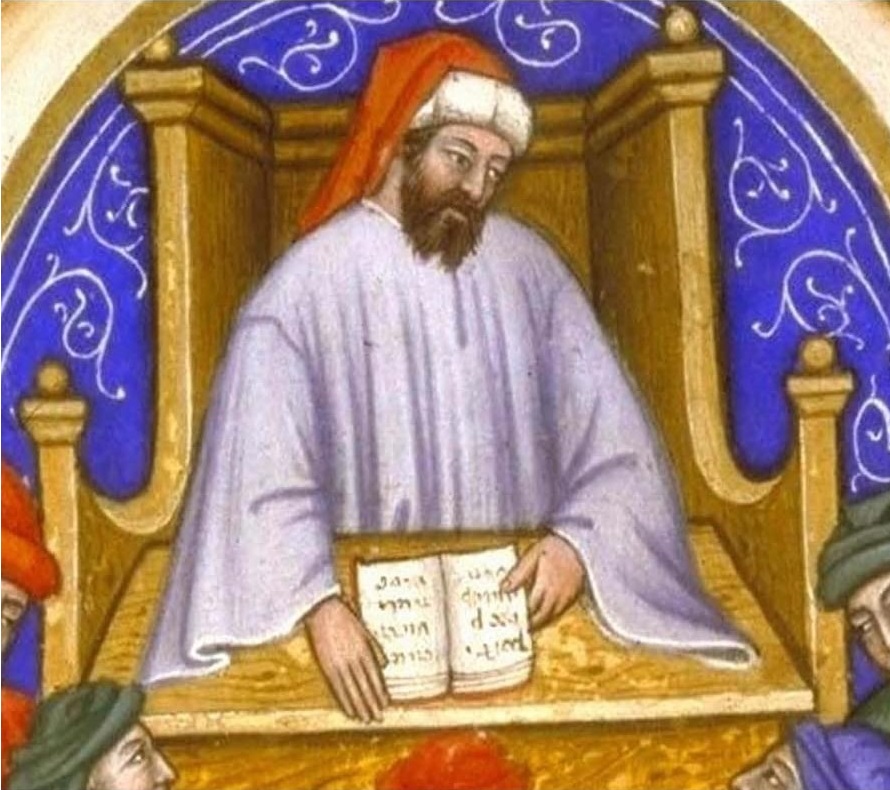
Boethius
480 CE – 524 CE
Rome
late antique Roman philosopher, statesman, translator, and Christian theologian from Rome whose logical translations and commentaries, theory of universals, account of providence, eternity, free will, participation, and philosophical consolation transmitted Greek philosophy to the medieval Latin West.
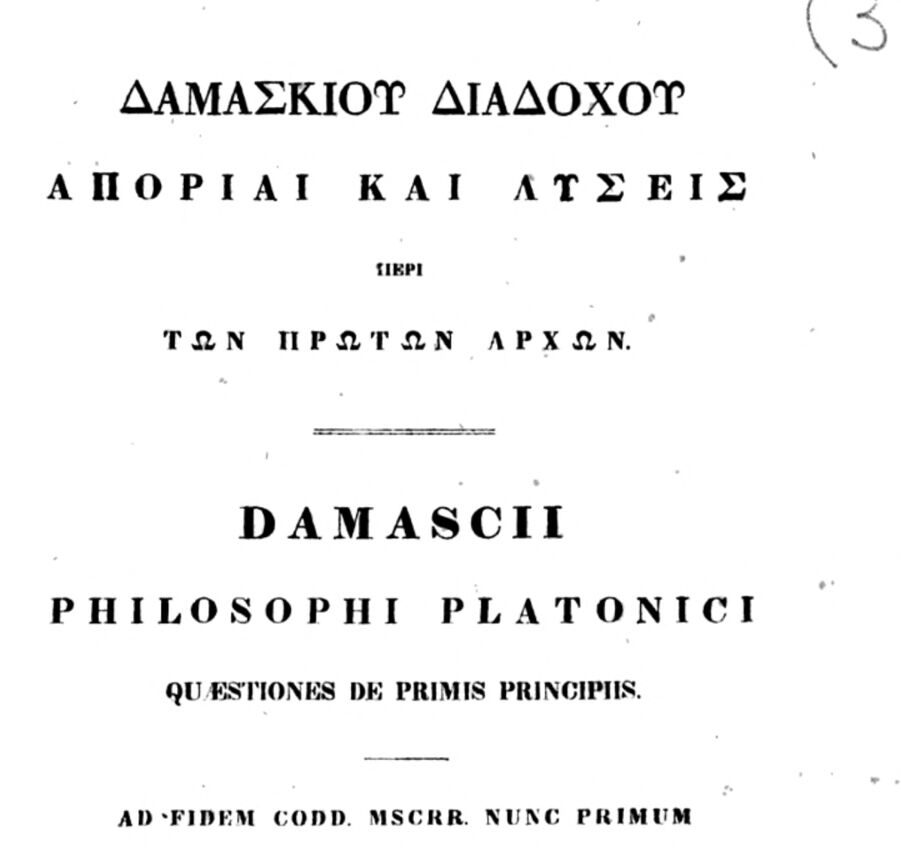
Damascius
462 CE – 538 CE
Damascus
Last head of the Athenian Neoplatonic school, born in Damascus, whose aporetic first-principles metaphysics tests what language, thought, and theology can say about the ineffable.
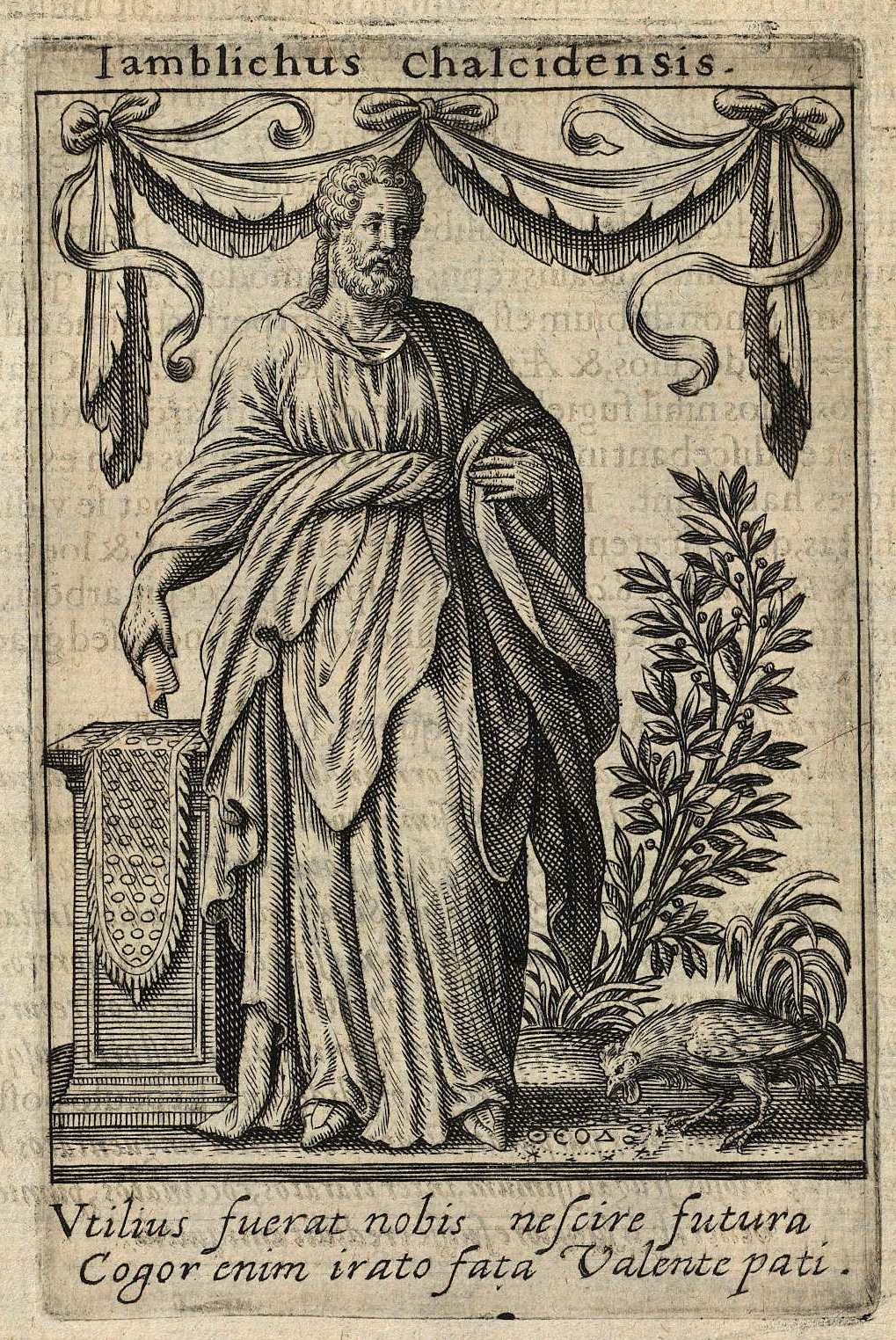
Iamblichus of Chalcis
245 CE – 325 CE
Chalcis ad Belum, Coele-Syria, probably near modern Qinnasrin
Syrian Greek Neoplatonist of Chalcis whose theurgy, Pythagorean curriculum, Platonic commentary, mathematics, soul theory, metaphysics, and philosophy of religion shaped later Syrian and Athenian Neoplatonism.
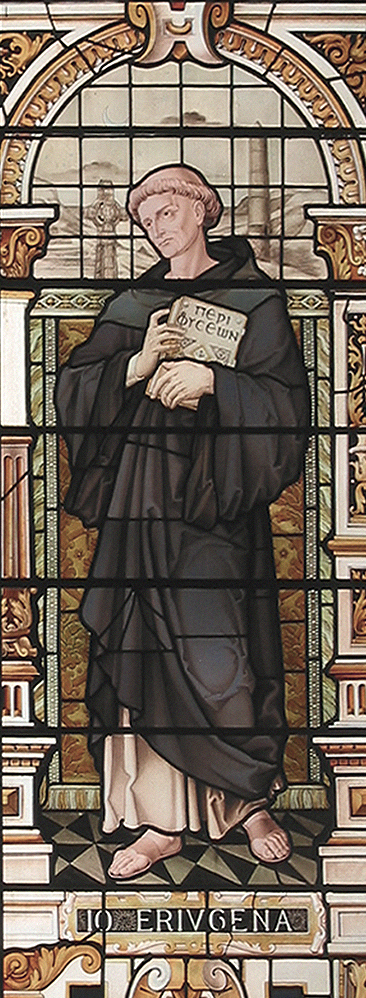
John Scotus Eriugena
815 CE – 877 CE
Ireland, probably Leinster
Irish Carolingian Neoplatonic philosopher and translator of apophatic theology, Periphyseon, Dionysian Greek patristic sources, predestination, dialectic, and Johannine exegesis.
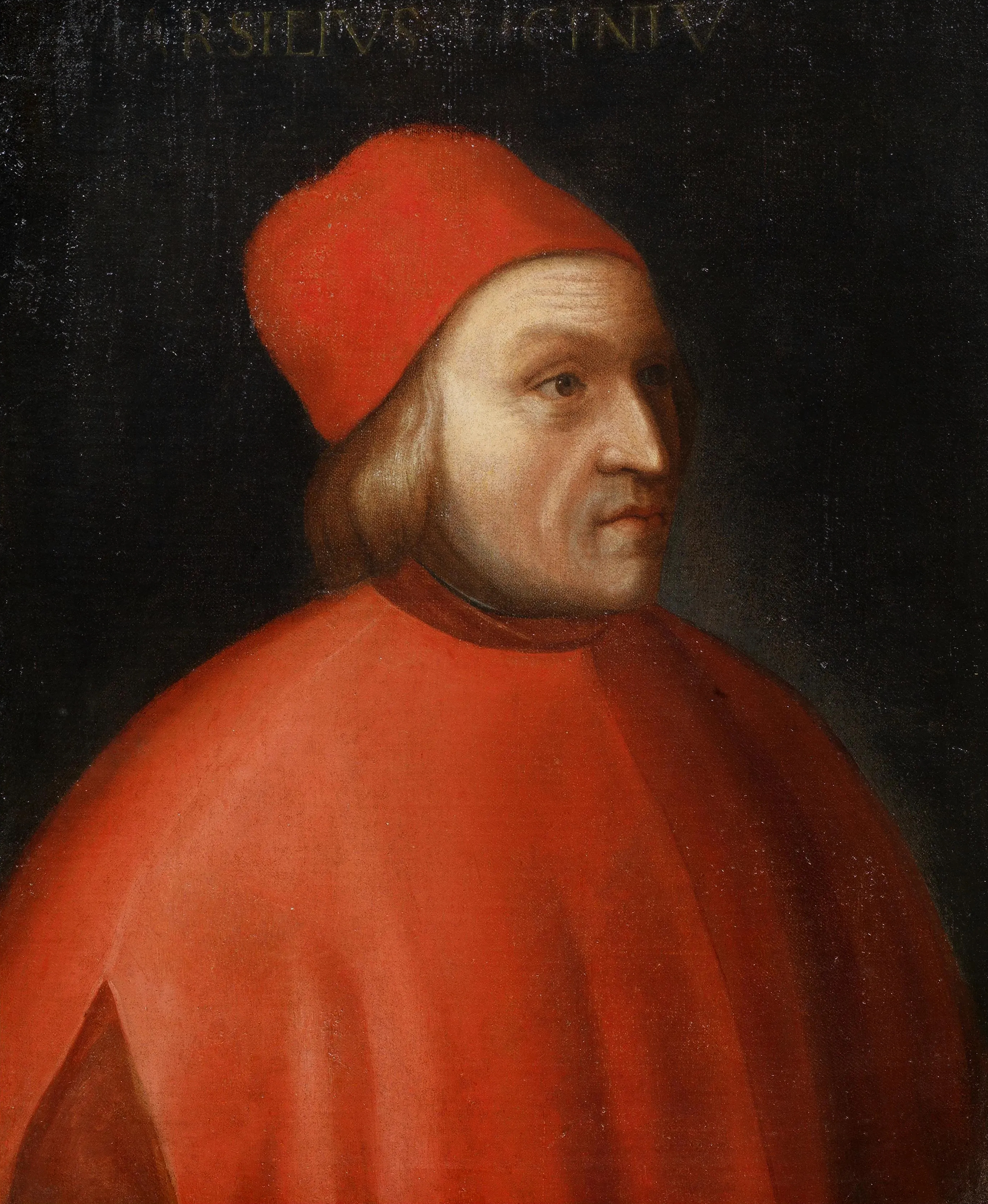
Marsilio Ficino
1433 CE – 1499 CE
Figline Valdarno, Republic of Florence
Italian Renaissance Platonist, humanist, translator, priest, and Christian Neoplatonist whose Plato, Plotinus, Hermetic, soul, love, natural-philosophy, and prisca-theologia writings shaped Florentine Platonism.
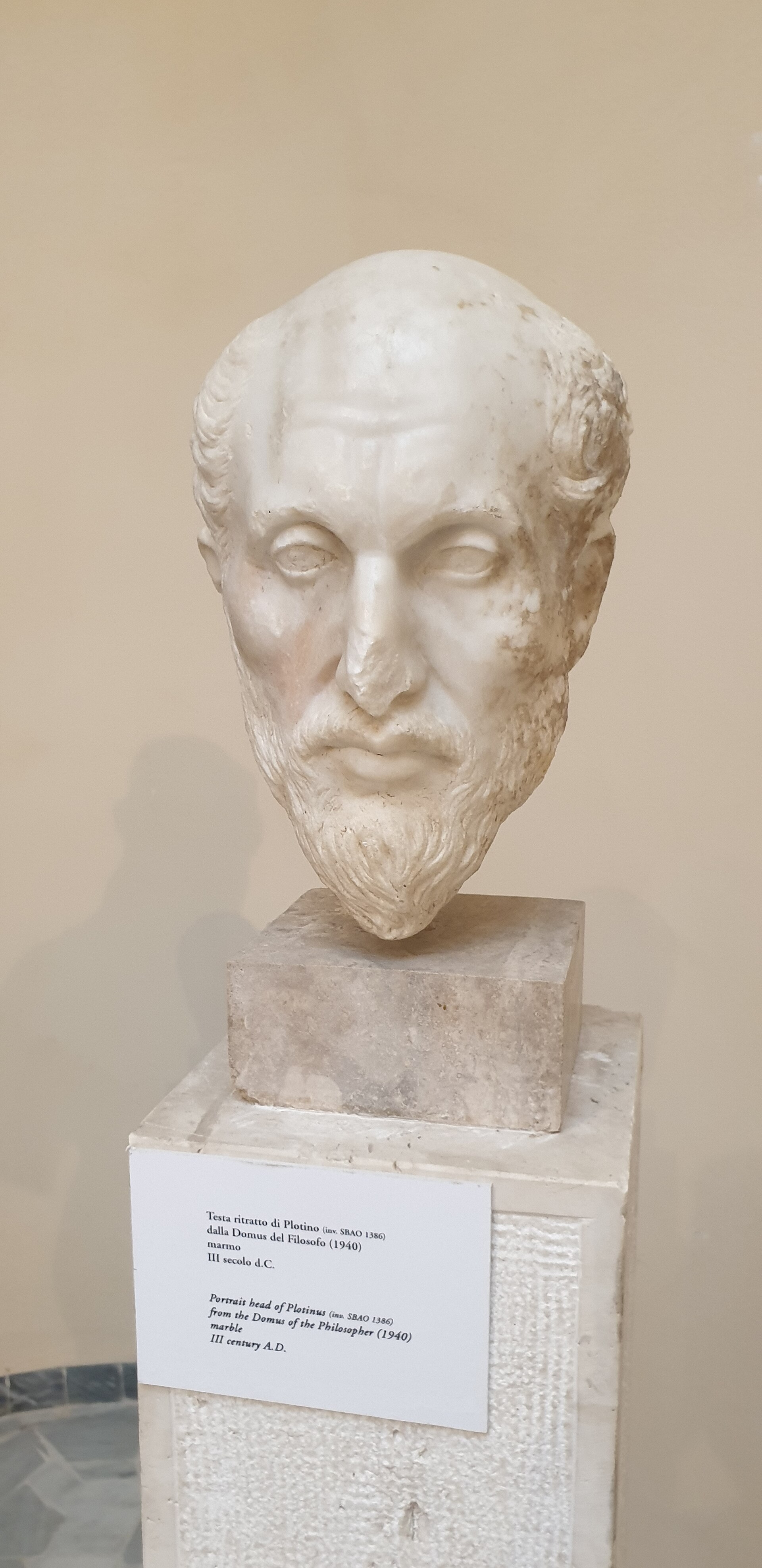
Plotinus
204 CE – 270 CE
Lycopolis (Upper Egypt)
Neoplatonic philosopher of the One, Intellect, Soul, emanation, return, henosis, beauty, evil as privation, contemplative ethics, anti-Gnostic polemic, and the Porphyrian Enneads.
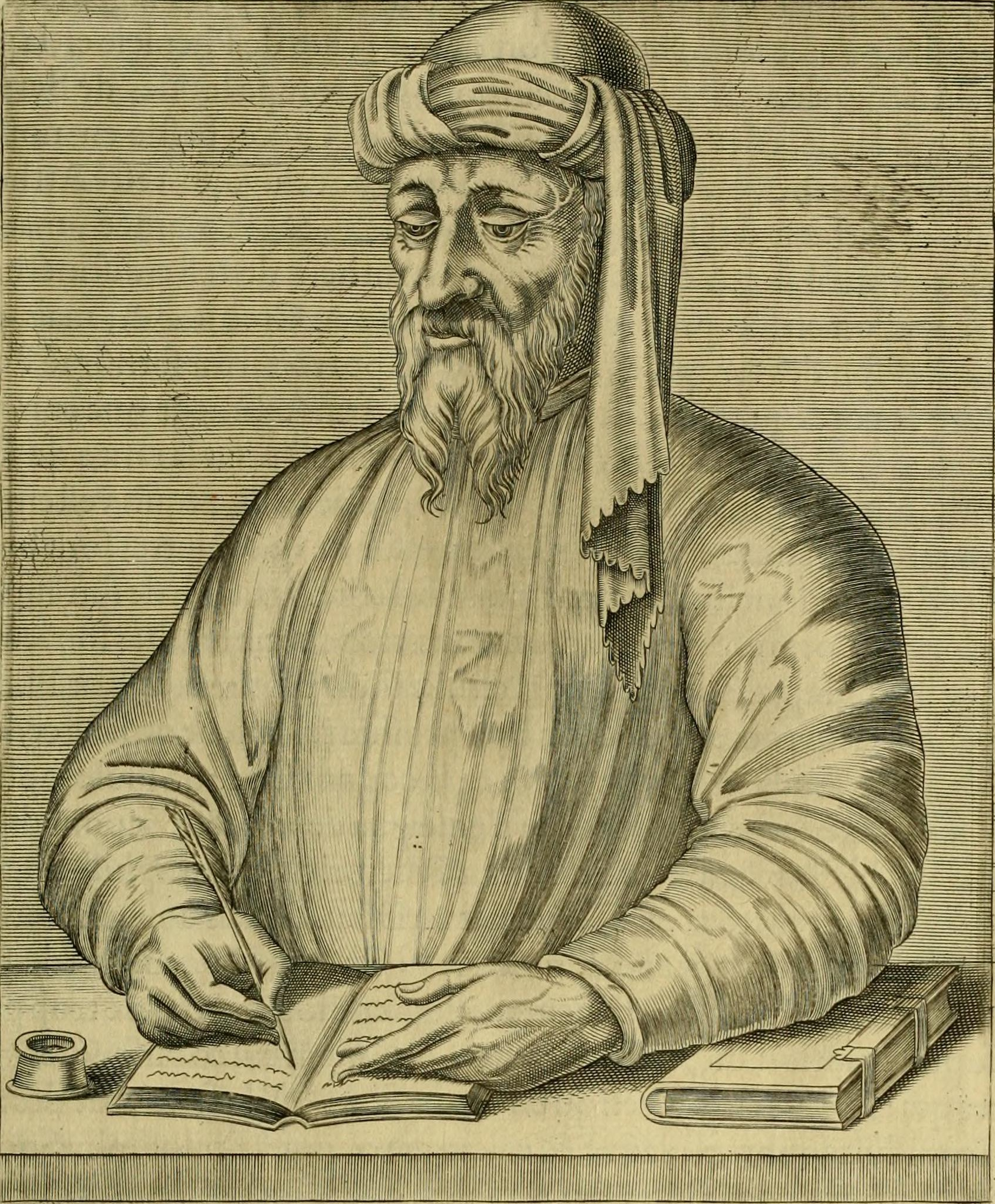
Porphyry
234 CE – 305 CE
Tyre (Phoenicia)
Neoplatonic philosopher of Tyre, logic, the Isagoge, predicables, universals, Porphyrian Tree, soul purification, vegetarian ethics, Homeric allegory, Aristotle commentary, and anti-Christian polemic.
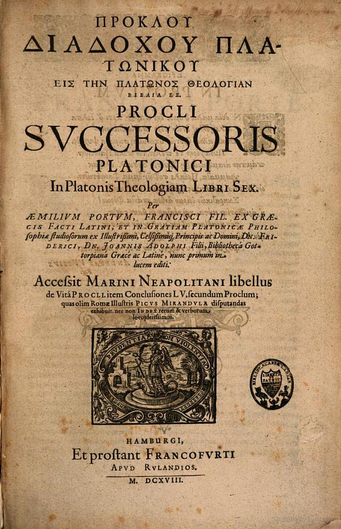
Proclus of Lycia
412 CE – 485 CE
Xanthus (Lycia)
Late antique Neoplatonic scholarch of Athens whose work systematized the One, henads, procession, reversion, intellect, soul, theurgy, mathematics, astronomy, Plato commentary, and later Pseudo-Dionysian and Liber de Causis reception.
Other Voices
Source entries, public text surfaces, catalog rows, and scholarship connected to Neoplatonism, Plotinus, Porphyry, Iamblichus, Proclus, Damascius, Boethius, John Scotus Eriugena, Marsilio Ficino, the One, Intellect, Soul, procession, reversion, theurgy, Enneads, Isagoge, De Mysteriis, Elements of Theology, Periphyseon, and Renaissance Platonism.