Philosophy School
Postcolonialism
Postcolonialism names critique of colonial power, racialized modernity, sovereignty, violence, memory, and decolonization, centered here on Joseph-Achille Mbembe.
Period
Contemporary History1945 CE – 2065 CE
Era
Cold War Era1945 CE – 1984 CE
Begin
1957 CE
End
2065 CE
Region
Western Thought
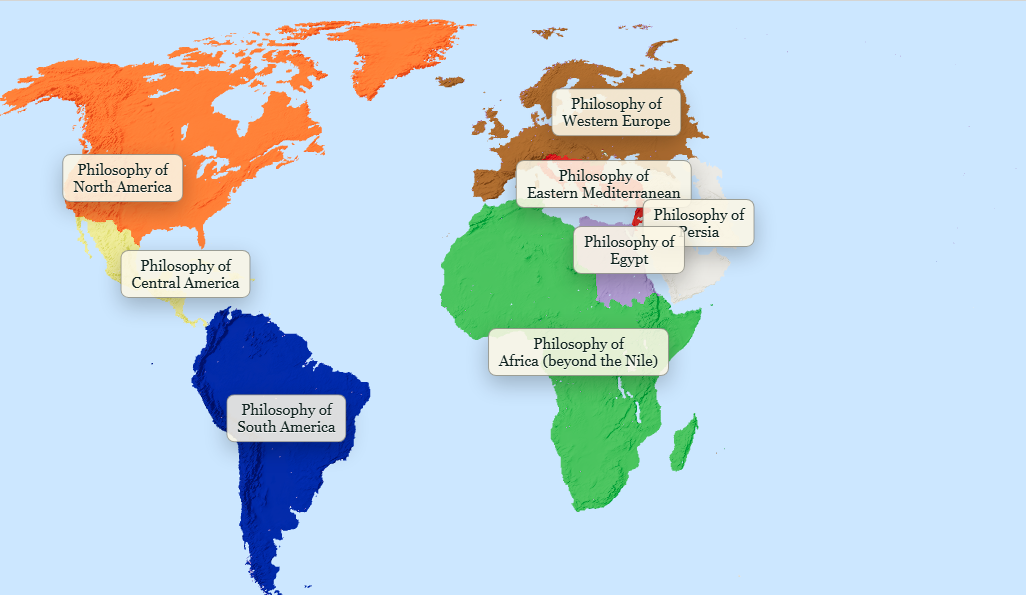
Terra Avita
Africa (beyond the Nile)
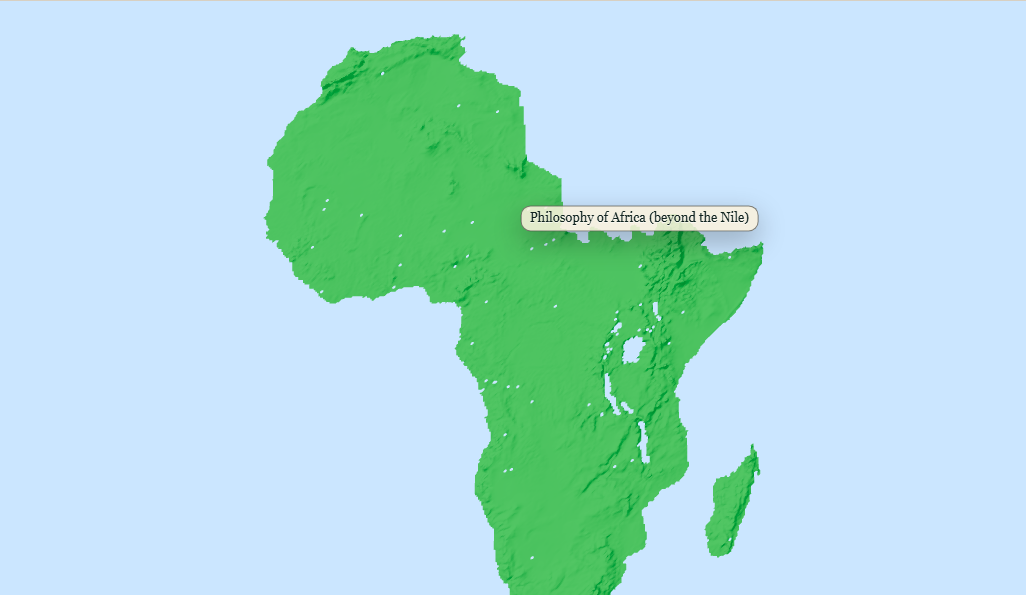
Terra Avita Region
West–Central African Belt
Structural Factors
- Shared Core Claims
- Postcolonialism argues that colonial rule and its afterlives shape subjectivity, political order, race, sovereignty, knowledge, borders, extraction, violence, memory, and global modernity. In Mbembe's work, the postcolony and necropolitics name forms of power that organize life, death, race, and political imagination after empire.
- Shared Methods
- Postcolonial critique, genealogy, historical-political analysis, literary and cultural analysis, critique of race and empire, reading of colonial archives and institutions, and close attention to Mbembe's work on the postcolony, Black reason, and necropolitics.
- Shared Lineage
- This page preserves Joseph-Achille Mbembe as the linked philosopher. Africana philosophy, African philosophy, colonial modernity, postcolonial theory, and decolonial critique are included as context without adding other linked philosophers.
- Shared Problems
- Colonialism, decolonization, postcolony, necropolitics, sovereignty, race, Black reason, empire, violence, memory, extraction, self-writing, superfluity, occupation, borders, death-worlds, liberation, and postcolonial modernity.
- Shared Vocabulary
- Postcolonialism, postcolony, colonialism, decolonization, necropolitics, sovereignty, race, Black reason, empire, violence, memory, extraction, self-writing, superfluity, liberation, Africana philosophy, and African philosophy.
- Shared Historical Context
- Postcolonialism arises from twentieth- and twenty-first-century critiques of empire, colonial knowledge, racial capitalism, national liberation, African political thought, and the afterlives of colonial rule. This pass centers Mbembe and his major work/context rows.
Defining Axes
- Doctrine
- Colonial domination and its afterlives organize race, subjectivity, sovereignty, violence, political imagination, and global modernity beyond the formal end of empire.
- Method
- Postcolonial critique, genealogy, political theory, cultural analysis, historical reconstruction, literary reading, and critique of colonial archives and racialized knowledge.
- Lineage
- Joseph-Achille Mbembe as linked philosopher; Africana philosophy, African philosophy, postcolonial theory, decolonial critique, and African political thought as context.
- Subject Focus
- Race, sovereignty, empire, colonialism, decolonization, violence, memory, extraction, political theology, African modernity, and global justice.
- Geography / Culture
- African and diasporic intellectual history, colonial and postcolonial political formations, South African institutional context, and global debates over empire and decolonization.
- Historical Reaction
- A reaction against colonial universalism, imperial historiography, racial domination, and political theories that detach modernity, sovereignty, and knowledge from colonial violence.
Internal Structure
- Foundational Texts
- Source evidence includes Mbembe profile and bibliography rows, Wits, Holberg Prize, publisher pages for On the Postcolony, On Private Indirect Government, Critique of Black Reason, Necropolitics, Brutalism, Out of the Dark Night, Public Culture articles, Radical Philosophy, SEP Africana Philosophy, and African philosophy context.
- Core Vocabulary
- Postcolony, necropolitics, colonialism, decolonization, sovereignty, race, Black reason, empire, violence, memory, self-writing, superfluity, occupation, death-worlds, liberation, Africana philosophy, and African philosophy.
- Metaphysics
- The school does not begin from abstract substance metaphysics; it analyzes how colonial worlds produce racialized bodies, political spaces, temporalities, identities, and forms of life and death.
- Epistemology
- Knowledge is examined through colonial archives, racial categories, public memory, historical narration, institutional power, and the ways imperial modernity shapes what can be known and said.
- Ethics
- Ethical and political stakes include decolonization, liberation, critique of violence, memory, racial justice, sovereignty, global inequality, and resistance to worlds organized through disposability and death.
- School Method
- The school method combines postcolonial critique, genealogy, political theory, African intellectual history, public scholarship, publisher/work rows, institutional profiles, and catalog/source-context rows.
- Internal Debates
- Internal tensions include how to relate postcolonialism and decolonial critique, how to read violence and sovereignty after formal colonial rule, and how race, capitalism, empire, and memory shape liberation.
- Successors
- Postcolonialism informs Africana philosophy, decolonial theory, critical race theory, African political thought, cultural studies, global justice debates, and contemporary critiques of borders, occupation, and racial capitalism.
External Classification Context
- History of Philosophy
- Belongs to contemporary political philosophy, Africana philosophy, African philosophy, postcolonial theory, critical theory, social philosophy, race theory, and philosophy of history.
- Philosophy of Philosophy
- Shows philosophy as critique of the historical and institutional conditions under which race, sovereignty, violence, knowledge, and political belonging are produced.
- Intellectual History
- Connects Mbembe profile and bibliography rows, Wits and Holberg public sources, major work publisher pages, Public Culture articles, Radical Philosophy, SEP Africana Philosophy, and African philosophy context.
- University Classification
- Classify under Postcolonialism, Africana philosophy, African philosophy, political philosophy, social philosophy, philosophy of race, critical theory, and contemporary continental philosophy.
- Classical Sources
- Evidence includes Wits Institute for Social and Economic Research, Holberg Prize, University of California Press, CODESRIA, Duke University Press, Columbia University Press, Public Culture, Radical Philosophy, SEP Africana Philosophy, and African philosophy context rows.
- Sociology of Knowledge
- The source set documents the school through Mbembe profile, bibliography, publisher, journal, and context rows, while image/spillover rows, Appiah rows, Amartya Sen, and Vandana Shiva remain held out.
Linked Philosophers

Achille Mbembe
1957 CE
Otele, near Yaounde
Cameroonian philosopher from Otélé (near Yaoundé) associated with metaphysics, epistemology, and ethics.
Other Voices
Source entries, public text surfaces, catalog rows, public scans, and scholarship connected to Postcolonialism, Joseph-Achille Mbembe, postcolony, necropolitics, colonialism, decolonization, sovereignty, race, Black reason, and Africana philosophy.