Postmodernism
Postmodernism names critique of grand narratives, stable foundations, and modern legitimation, centered here on Jean Baudrillard and Jean-François Lyotard.


Structural Factors
- Shared Core Claims
- Postmodernism criticizes grand narratives, universal foundations, and single models of historical progress. In Baudrillard, simulation, simulacra, hyperreality, symbolic exchange, media, and consumer society unsettle the boundary between representation and reality; in Lyotard, postmodernity names incredulity toward metanarratives and attention to language games, phrase regimens, the differend, legitimation, and plural justice.
- Shared Methods
- Cultural critique, semiotic and media analysis, language-game analysis, critique of metanarratives, close reading, work/context comparison, reception history, and attention to how knowledge, images, signs, and institutions legitimate claims.
- Shared Lineage
- This page preserves Jean Baudrillard and Jean-François Lyotard as linked philosophers. French theory, structuralism and post-structuralism, aesthetics, media theory, information society debates, and late-twentieth-century cultural theory are context without adding other linked philosophers.
- Shared Problems
- Grand narratives, legitimation, simulation, simulacra, hyperreality, symbolic exchange, consumer society, media, language games, the differend, phrase regimes, plural justice, postindustrial knowledge, representation, and the sublime.
- Shared Vocabulary
- Postmodernism, postmodernity, metanarrative, language game, differend, phrase regime, simulation, simulacra, hyperreality, symbolic exchange, consumer society, legitimation, sublime, information society, and postindustrial knowledge.
- Shared Historical Context
- Postmodernism develops in late-twentieth-century French and international theory amid debates over modernity, mass media, consumer society, postindustrial knowledge, aesthetics, and the authority of universal narratives. This pass centers Baudrillard and Lyotard and their school-level source rows.
Defining Axes
- Doctrine
- Critique of stable foundations, universal metanarratives, transparent representation, and modern claims to unified progress, rationality, or legitimation.
- Method
- Semiotic and media analysis, cultural critique, language-game analysis, critique of metanarratives, close reading, work-context comparison, and reception-history synthesis.
- Lineage
- Jean Baudrillard and Jean-François Lyotard as linked philosophers; French theory, structuralism/post-structuralism, aesthetics, media theory, and cultural theory as context.
- Subject Focus
- Simulation, hyperreality, metanarratives, language games, the differend, media, consumer society, postindustrial knowledge, aesthetics, representation, and legitimation.
- Geography / Culture
- Late-twentieth-century French and transatlantic theory, with reception through universities, publishers, journals, reference sources, and debates over media, art, politics, and knowledge.
- Historical Reaction
- A reaction against modernist confidence in progress, universal reason, stable representation, and totalizing explanations of history, society, and knowledge.
Internal Structure
- Foundational Texts
- Source evidence includes SEP, IEP, Britannica, Routledge, Treccani, Encyclopedia.com, Centre Pompidou, BnF, University of Minnesota Press, Open Library, WorldCat, PhilPapers, PhilArchive-style rows, publisher rows, and Baudrillard/Lyotard work-context rows.
- Core Vocabulary
- Postmodernism, postmodernity, metanarrative, language game, differend, phrase regime, simulation, simulacra, hyperreality, symbolic exchange, consumer society, legitimation, sublime, and information society.
- Metaphysics
- Postmodernism here treats reality, representation, and social meaning as mediated by signs, images, systems, phrase regimes, and practices of legitimation rather than by a stable foundational order.
- Epistemology
- Knowledge is analyzed through legitimation, language games, postindustrial information, media systems, institutional authority, reference practices, and conflicts that cannot always be resolved by one shared rule.
- Ethics
- Ethical and political stakes include plural justice, attention to the differend, suspicion of totalizing narratives, critique of consumer/media systems, and resistance to forms of legitimation that silence heterogeneous claims.
- School Method
- The school method combines encyclopedia profiles, publisher/work rows, archive and catalog sources, postmodernism context entries, Baudrillard simulation/media sources, and Lyotard language-game/differend sources.
- Internal Debates
- Internal tensions include whether postmodernism is a historical condition, a philosophical method, a cultural diagnosis, or a contested label; how simulation relates to political critique; and how plural language games can support justice without a grand narrative.
- Successors
- Postmodernism informs media theory, cultural studies, aesthetics, architecture and art theory, literary theory, post-structuralism reception, critical theory debates, and contemporary discussions of images, information, simulation, and pluralism.
External Classification Context
- History of Philosophy
- Belongs to contemporary continental philosophy, French theory, aesthetics, media theory, cultural theory, social philosophy, and philosophy of language and knowledge.
- Philosophy of Philosophy
- Shows philosophy as critique of the conditions under which knowledge, signs, images, narratives, and institutions claim authority.
- Intellectual History
- Connects Baudrillard and Lyotard profile rows, postmodernism encyclopedia rows, work pages for Simulacra and Simulation and The Postmodern Condition, source catalogs, journal/publisher rows, and reception resources.
- University Classification
- Classify under Postmodernism, contemporary continental philosophy, aesthetics, media theory, cultural theory, social philosophy, philosophy of language, and philosophy of knowledge.
- Classical Sources
- Evidence includes SEP, IEP, Britannica, Routledge, Treccani, Encyclopedia.com, Centre Pompidou, BnF, University of Minnesota Press, Open Library, WorldCat, PhilPapers, PhilArchive-style rows, publisher rows, and work-context rows.
- Sociology of Knowledge
- The source set documents the school through profile, encyclopedia, work, publisher, catalog, archive, and reception rows, while image rows and Foucault, Butler, Critical Theory, Structuralism, Frankfurt School, broad Derrida/deconstruction, Post-structuralism, and duplicate older context rows remain held out.
Linked Philosophers
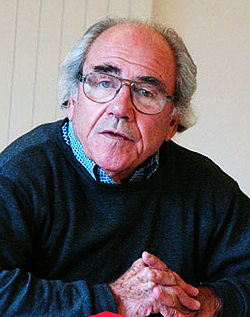
Jean Baudrillard
1929 CE – 2007 CE
Reims, Marne, France
French philosopher and social theorist of simulation, simulacra, hyperreality, symbolic exchange, consumer society, media, signs, and postmodern culture.
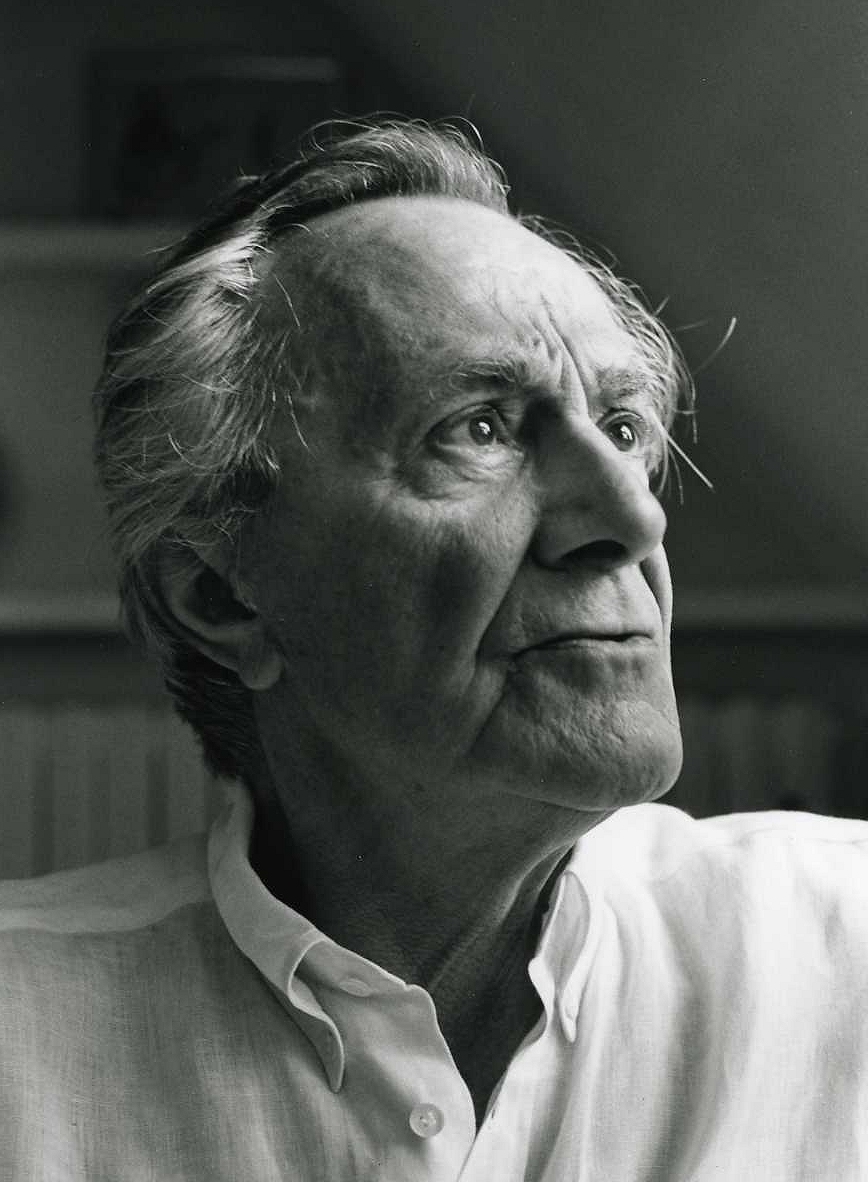
Jean-François Lyotard
1924 CE – 1998 CE
Versailles
French postmodern philosopher of knowledge, language games, phrase regimens, the differend, libidinal economy, the sublime, technoscience, art, and the critique of grand narratives.
Other Voices
Source entries, public text surfaces, catalog rows, public scans, and scholarship connected to Postmodernism, Jean Baudrillard, Jean-François Lyotard, simulation, simulacra, hyperreality, metanarratives, language games, and the differend.