Post-structuralism
Post-structuralism names a family of continental critiques of stable structures, centered here on Michel Foucault and Judith Butler.
Structural Factors
- Shared Core Claims
- Post-structuralism questions fixed structures, universal foundations, stable subjects, and neutral meanings. It studies how subjects, norms, discourses, bodies, institutions, and truths are produced through historically contingent practices, power relations, and acts of interpretation.
- Shared Methods
- Genealogy, archaeology, discourse analysis, deconstruction and contextual critique, close reading, institutional analysis, critique of norms and subject positions, and documented comparison of philosophical, archival, and catalog sources.
- Shared Lineage
- This page preserves Judith Butler and Michel Foucault as the linked philosophers. Foucault supplies archaeology, genealogy, discourse, and power/knowledge; Butler extends post-structuralist critique through performativity, gender norms, embodiment, and political assembly. Derrida and deconstruction remain school-context evidence rather than linked philosopher additions.
- Shared Problems
- Subject formation, discourse, power/knowledge, genealogy, archaeology, norms, performativity, gender performativity, bodies, institutions, construction, difference, trace, contingency, foundations, universality, sexuality, discipline, biopolitics, and critique.
- Shared Vocabulary
- Post-structuralism, discourse, power/knowledge, genealogy, archaeology, subject, norm, performativity, gender performativity, construction, deconstruction, difference, trace, supplement, anti-foundationalism, biopolitics, governmentality, and critique.
- Shared Historical Context
- Post-structuralism emerges from mid-to-late twentieth-century French and transatlantic debates after structuralism, phenomenology, Marxism, psychoanalysis, feminism, and literary theory. It is represented here through Foucault and Butler, with deconstruction as context.
Defining Axes
- Doctrine
- Suspicion toward fixed structures, stable identities, sovereign subjects, universal foundations, and neutral meanings; emphasis on discourse, power, normativity, performativity, and historical contingency.
- Method
- Genealogy, archaeology, discourse analysis, deconstructive and contextual critique, close reading, institutional analysis, and critique of normalized subject positions.
- Lineage
- Foucault and Butler as linked philosophers; structuralism, deconstruction, feminism, queer theory, continental philosophy, and critical theory as context.
- Subject Focus
- Language, power, subject formation, sexuality, gender, bodies, institutions, knowledge, critique, politics, ethics, and the history of systems of thought.
- Geography / Culture
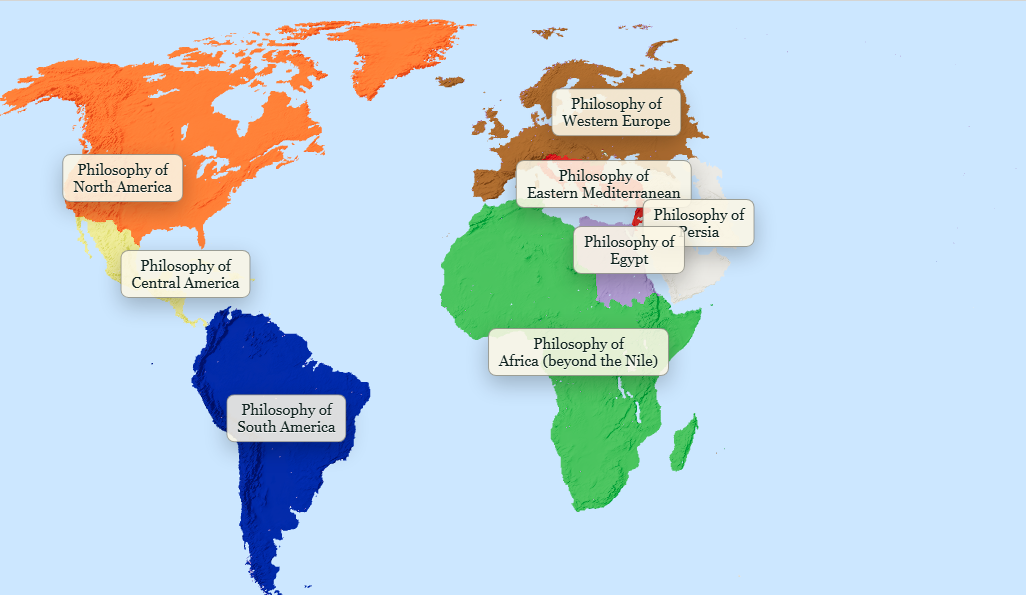
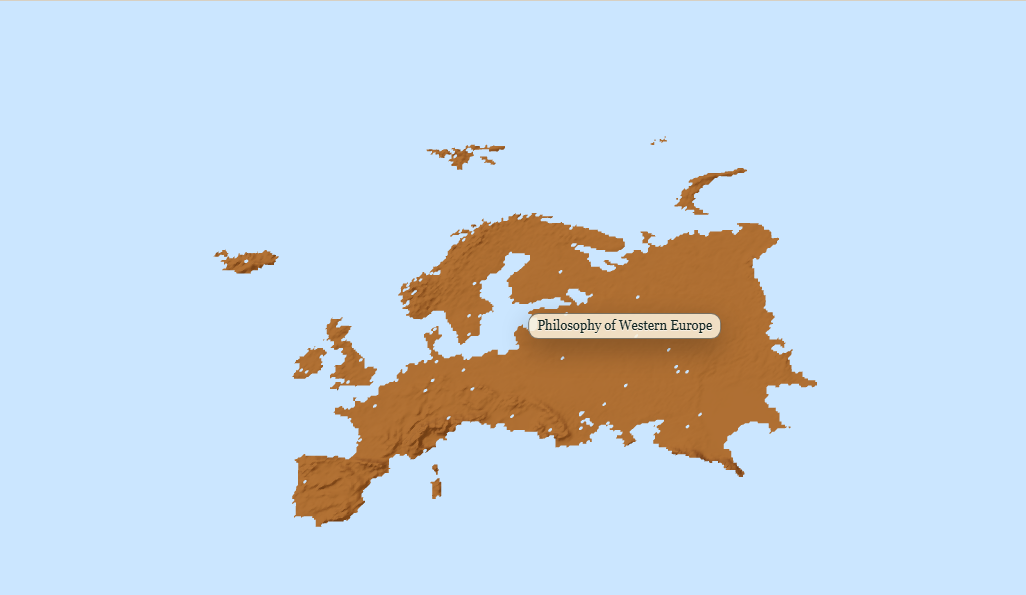
- French and transatlantic late twentieth-century philosophy, literary theory, critical theory, feminist theory, queer theory, and institutional humanities scholarship.
- Historical Reaction
- A reaction against structuralist closure, foundational metaphysics, stable humanism, universal subject models, and claims that knowledge or language can be politically neutral.
Internal Structure
- Foundational Texts
- Source evidence includes Butler faculty/reference/catalog rows, Gender Trouble and gender performativity rows, Foucault SEP, IEP, Britannica, Routledge, and College de France rows, Foucault work and concept context, and selected post-structuralism/deconstruction context rows.
- Core Vocabulary
- Discourse, power/knowledge, genealogy, archaeology, subject, norm, performativity, gender performativity, construction, deconstruction, difference, trace, supplement, anti-foundationalism, governmentality, biopolitics, and critique.
- Metaphysics
- Post-structuralism resists fixed essences and stable structures, treating identity, meaning, bodies, truth, and institutions as historically produced and contested rather than naturally or metaphysically guaranteed.
- Epistemology
- Knowledge is analyzed as situated within practices, institutions, archives, disciplines, norms, and power relations. Truth is studied through the conditions and regimes that make statements authoritative or intelligible.
- Ethics
- Ethics appears through critique of subject formation, norms, power, discipline, gender, embodiment, vulnerability, political assembly, and the ways subjects are made accountable within regimes of recognition.
- School Method
- The school method combines close reading, genealogy, archaeology, discourse analysis, institutional source rows, catalog evidence, reference entries, and scholarship on Butler, Foucault, deconstruction, and post-structuralism.
- Internal Debates
- Internal tensions include whether critique should center language, discourse, institutions, sexuality, gender, bodies, difference, deconstruction, genealogy, or political normativity, and how far anti-foundational critique can support ethical and political claims.
- Successors
- Post-structuralism informs queer theory, feminist theory, critical theory, cultural studies, postmodernism debates, political theory, literary theory, discourse studies, and later continental philosophy.
External Classification Context
- History of Philosophy
- Belongs to contemporary continental philosophy, philosophy of language, political philosophy, social philosophy, feminist philosophy, queer theory, critical theory, and postwar French thought.
- Philosophy of Philosophy
- Shows philosophy as critique of the categories, archives, norms, discourses, and institutions through which knowledge, subjectivity, and politics become thinkable.
- Intellectual History
- Connects Butler and Foucault reference rows, university and institutional pages, catalog rows, scholarship indexes, deconstruction context, and public source surfaces for post-structuralism.
- University Classification
- Classify under Post-structuralism, continental philosophy, critical theory, feminist philosophy, queer theory, philosophy of language, social and political philosophy, and twentieth-century philosophy.
- Classical Sources
- Evidence includes UC Berkeley, Britannica, Routledge, Encyclopedia.com, BnF, Library of Congress, Open Library, WorldCat, PhilPapers, PhilArchive, SEP, IEP, College de France, Internet Archive, and selected deconstruction/post-structuralism context rows.
- Sociology of Knowledge
- The source set documents the school through public scholarship, university profiles, institutional pages, catalog rows, concept rows, and bibliography searches while image rows, older Derrida profile/work rows, and Postmodernism takeover rows remain held out.
Linked Philosophers
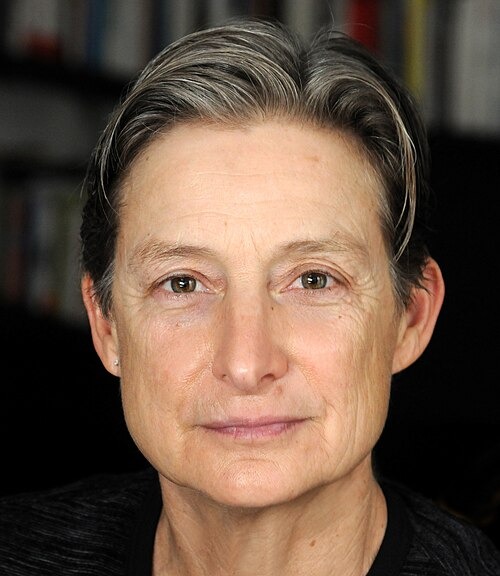
Judith Butler
1956 CE
Cleveland, Ohio
American poststructuralist feminist philosopher and queer theorist of gender performativity, subject formation, vulnerability, precarity, speech, ethics, assembly, nonviolence, and critical theory.
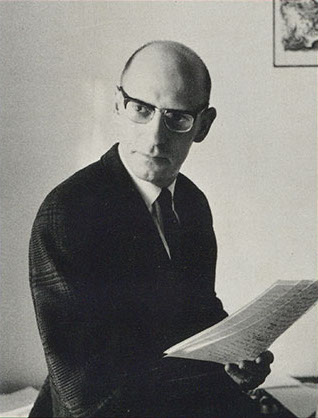
Michel Foucault
1926 CE – 1984 CE
Poitiers
French philosopher of archaeology, genealogy, power-knowledge, discipline, biopolitics, subjectivation, sexuality, governmentality, and care of the self.
Other Voices
Source entries, public text surfaces, catalog rows, public scans, and scholarship connected to Post-structuralism, Judith Butler, Michel Foucault, discourse, power/knowledge, genealogy, performativity, gender performativity, deconstruction, and anti-foundationalism.