Scholasticism
Medieval Latin philosophical and theological school rooted in monastic, cathedral, and university learning, using logic, commentary, quaestio, disputation, Aristotle, Augustine, authorities, and rigorous distinctions to investigate God, being, knowledge, ethics, law, language, and nature.

Structural Factors
- Shared Core Claims
- Scholasticism holds that faith and reason can be ordered into disciplined inquiry, that inherited authorities require rational interpretation, and that truth is clarified through distinction, argument, objection, reply, and systematic teaching.
- Shared Methods
- The school uses lectio, quaestio, disputatio, Sentences commentary, Aristotelian logic, syllogistic argument, textual exegesis, authorities, objections and replies, semantic analysis, formal distinctions, and university classroom debate.
- Shared Lineage
- Scholasticism develops from Augustine, Boethius, Isidore, Bede, Anselm, Abelard, cathedral schools, Peter Lombard, Latin translations of Aristotle and Arabic and Jewish philosophy, Albertus Magnus, Aquinas, Bonaventure, Scotus, Ockham, Oresme, and later scholastic traditions.
- Shared Problems
- Central problems include universals, faith and reason, divine existence, divine attributes, creation, causation, analogy, soul and body, will and intellect, law, virtue, grace, language, Eucharistic presence, natural philosophy, and political authority.
- Shared Vocabulary
- Key terms include scholasticism, lectio, quaestio, disputatio, auctoritas, ratio, sententiae, universals, substance, accident, form, matter, act, potency, essence, existence, analogy, natural law, grace, intellect, will, and syllogism.
- Shared Historical Context
- Scholasticism flourished in medieval Latin Christendom, especially from the eleventh through fifteenth centuries, amid monastic and cathedral schools, universities at Paris and Oxford, translation movements, mendicant orders, and debates over Aristotle and Christian doctrine.
Defining Axes
- Doctrine
- Doctrinally, Scholasticism is defined by rational theology, metaphysical realism in varying forms, ordered sciences, logic as an instrument of inquiry, reconciliation of authorities, and confidence that disciplined reason can clarify revealed and natural truths.
- Method
- Its method is pedagogical and disputational: read authoritative texts, pose questions, gather objections, cite authorities, formulate a response, answer objections, and preserve results in commentaries, summae, quodlibets, and university exercises.
- Lineage
- The lineage runs from patristic and late antique learning through monastic schools, Anselm and Abelard, twelfth-century schools, Peter Lombard, thirteenth-century universities, mendicant scholasticism, Oxford calculators, late medieval nominalism, and early modern Catholic and Protestant scholasticisms.
- Subject Focus
- Scholasticism focuses on metaphysics, logic, epistemology, theology, ethics, natural law, political thought, philosophy of language, philosophy of mind, natural philosophy, education, scriptural interpretation, and medieval intellectual history.
- Geography / Culture
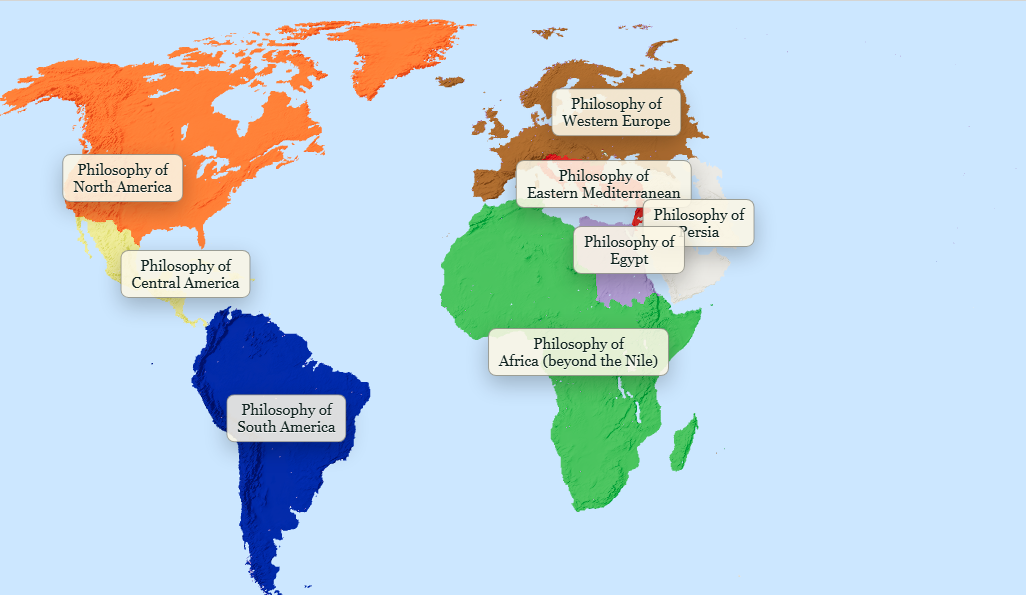
- Scholasticism is centered in medieval Latin Christian Europe, especially Paris, Oxford, Bologna, Cologne, Canterbury, and monastic and mendicant study houses, with later influence across Catholic, Protestant, Iberian, and colonial educational institutions.
- Historical Reaction
- Scholasticism responds to patristic inheritance, monastic theology, the recovery of Aristotle, Islamic and Jewish philosophical transmission, university institutionalization, heresy controversies, church reform, and the need to teach doctrine through rigorous public reasoning.
Internal Structure
- Foundational Texts
- Foundational texts include Scripture, Augustine, Boethius, Isidore's Etymologies, Bede, Anselm's Proslogion, Abelard's Sic et Non, Peter Lombard's Sentences, Aristotle's works in Latin translation, Albertus Magnus, Aquinas's Summae, Scotus and Ockham commentaries, and Oresme's scientific and political writings.
- Core Vocabulary
- Core vocabulary includes authority, reason, question, disputation, commentary, sentence, distinction, syllogism, universal, particular, substance, accident, form, matter, cause, nature, law, virtue, grace, soul, intellect, will, and being.
- Metaphysics
- Scholastic metaphysics analyzes being, essence, existence, substance, accidents, universals, individuation, causation, participation, analogy, divine simplicity, creation, and the relation between finite creatures and God as first cause.
- Epistemology
- Scholastic epistemology examines sensation, abstraction, illumination, intellectual cognition, demonstration, certainty, faith, authority, testimony, scientific knowledge, and the conditions under which human reason can know natural and theological truths.
- Ethics
- Scholastic ethics centers on virtue, happiness, law, conscience, intention, will, prudence, justice, charity, natural law, sin, grace, and the ordering of personal and communal life toward ultimate beatitude.
- Method
- The school proceeds through commentary, classroom lectio, formal disputation, quodlibetal debate, objections and replies, systematic summae, distinctions between senses of terms, and careful reconciliation or ranking of authoritative sources.
- Internal Debates
- Internal debates concern realism and nominalism, Augustinian and Aristotelian frameworks, intellectualism and voluntarism, analogy and univocity, divine simplicity, individuation, the status of theology as science, and tensions among Thomist, Scotist, Ockhamist, and other scholastic lines.
- Successors
- Successors include Thomism, Scotism, Ockhamism, late medieval nominalism, Renaissance and Baroque scholasticism, Jesuit and Protestant scholastic traditions, neo-scholasticism, analytic medieval philosophy, and contemporary work on logic, metaphysics, and natural law.
External Classification Context
- History of Philosophy
- Scholasticism is the central intellectual form of medieval Latin philosophy, joining logic, metaphysics, theology, language, natural philosophy, and university pedagogy into one of the most durable traditions in Western thought.
- Philosophy of Philosophy
- Scholasticism treats philosophy as disciplined inquiry within a hierarchy of learning: reason clarifies questions, tests arguments, distinguishes meanings, and serves wisdom without abandoning public standards of proof.
- Intellectual History
- The tradition links monastic learning, cathedral schools, universities, mendicant orders, Aristotle's recovery, Arabic and Jewish transmission, manuscript and classroom culture, ecclesiastical controversy, and later scholastic revivals.
- University Classification
- Classify Scholasticism under medieval philosophy, Christian philosophy, scholasticism, metaphysics, logic, epistemology, ethics, philosophy of religion, natural law, medieval theology, and intellectual history.
- Classical Sources
- Classical sources include Augustine, Boethius, Isidore, Bede, Anselm, Abelard, Peter Lombard, Aristotle, Arabic and Jewish commentators, Albertus Magnus, Aquinas, Bonaventure, Scotus, Ockham, Oresme, and later scholastic manuals.
- Sociology of Knowledge
- Scholasticism spread through monasteries, cathedral schools, universities, lectures, disputations, manuscript copying, commentaries, mendicant orders, examination culture, printed summae, seminaries, and modern medieval philosophy scholarship.
Linked Philosophers
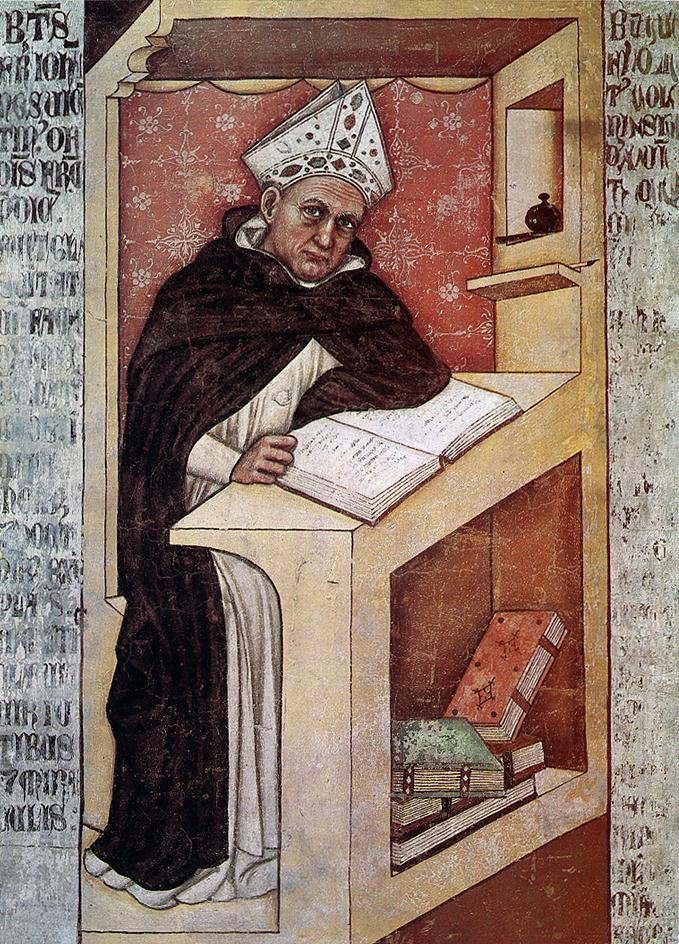
Albertus Magnus
1200 CE – 1280 CE
Lauingen (Swabia)
German Dominican philosopher and natural scientist whose Aristotelian commentaries, theology, logic, ethics, psychology, and natural philosophy shaped medieval scholastic thought.
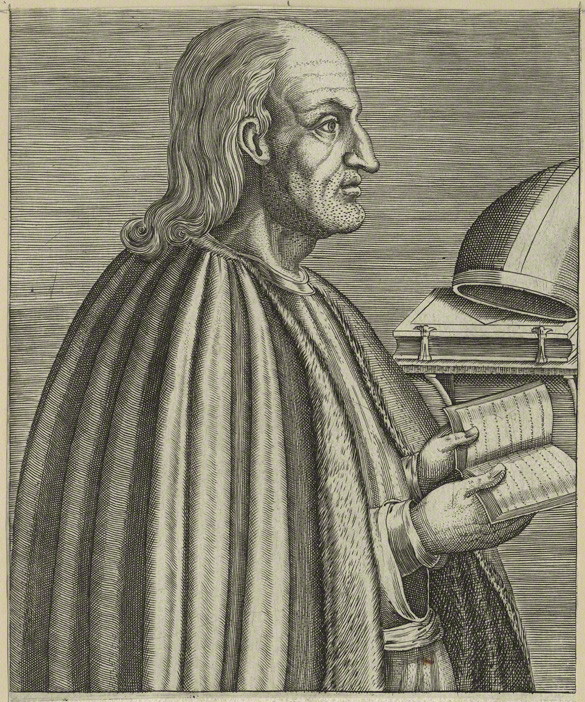
Anselm of Canterbury
1033 CE – 1109 CE
Aosta
Benedictine philosopher-theologian from Aosta whose faith-seeking-understanding method, ontological argument, account of truth, freedom, sin, atonement, and semantic analysis shaped medieval scholastic philosophy.
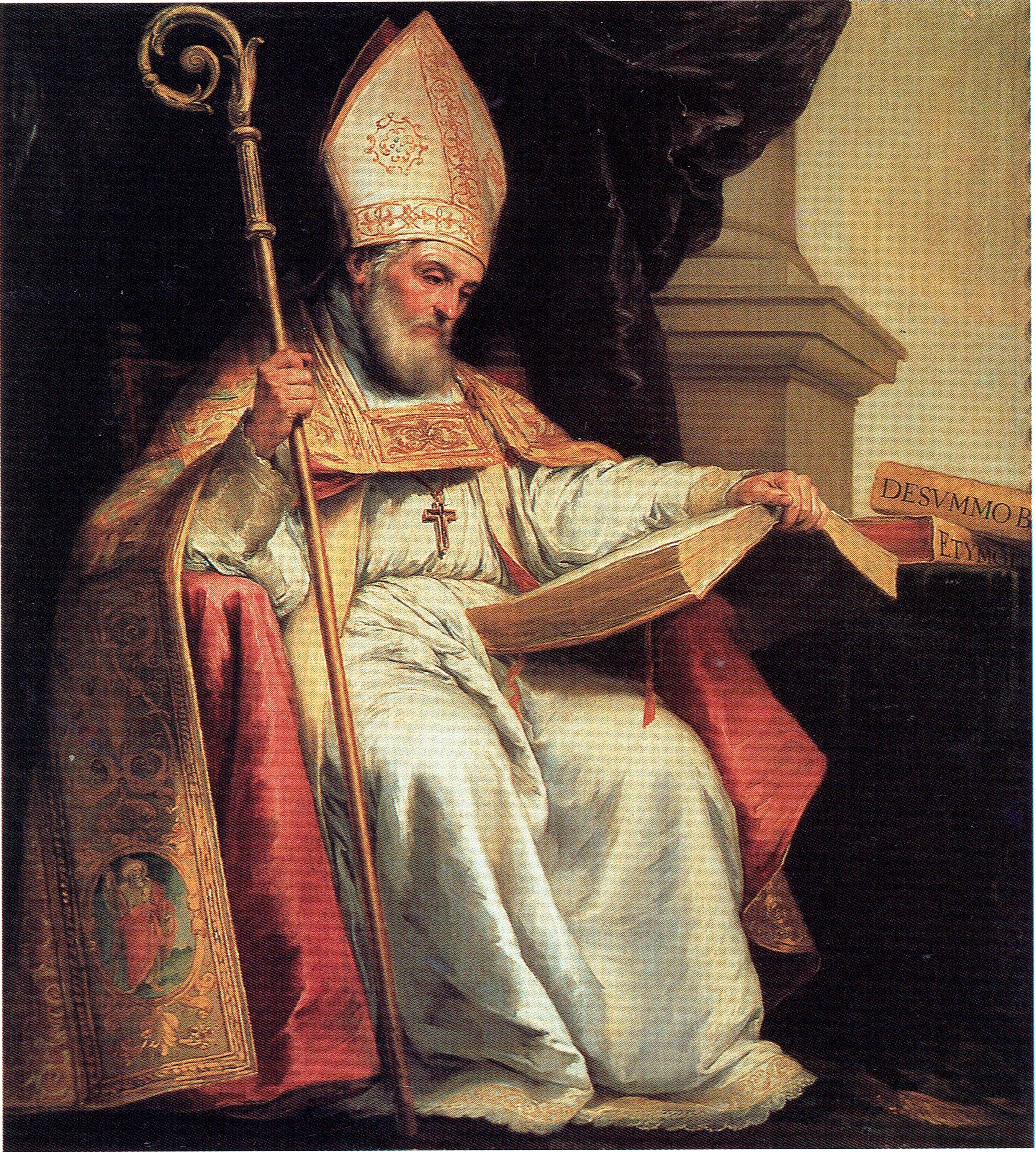
Isidore of Seville
560 CE – 636 CE
Cartagena or Seville, Visigothic Hispania
Hispano-Roman and Visigothic Iberian bishop and encyclopedist whose Etymologiae, Sententiae, histories, ecclesiastical works, and natural-philosophy compilations transmitted Latin Christian learning, grammar, classification, and the liberal arts into the early medieval West.
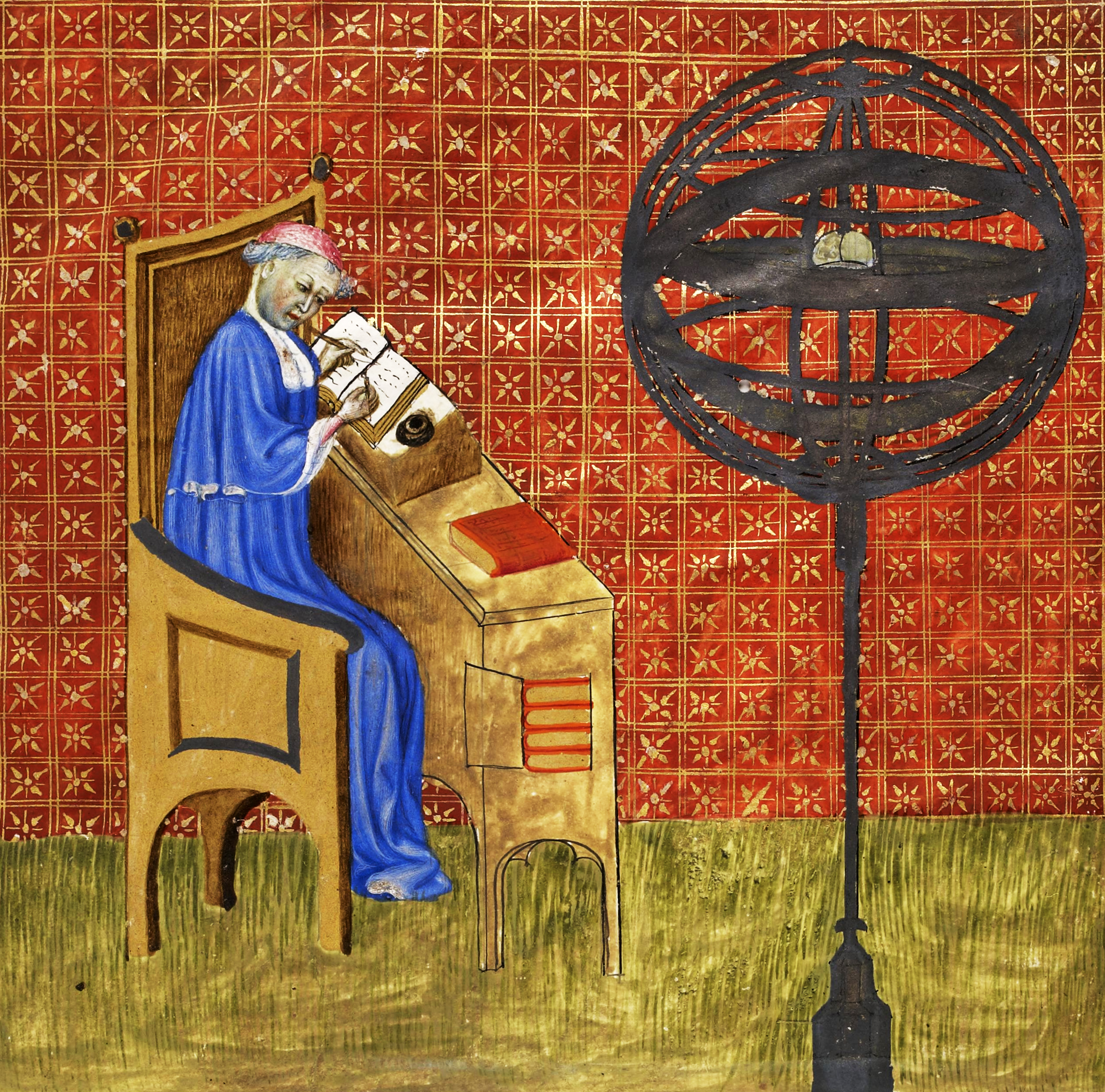
Nicole Oresme
1323 CE – 1382 CE
Normandy, France
Late medieval scholastic philosopher of mathematical physics, latitudes of forms, Aristotle translation, money theory, probability, anti-astrology, and royal administration.

Peter Abelard
1079 CE – 1142 CE
Le Pallet, Brittany
Medieval scholastic philosopher of logic, universals, dialectic, intention, moral responsibility, Trinitarian theology, Sic et Non, Heloise, and the schools of Paris.
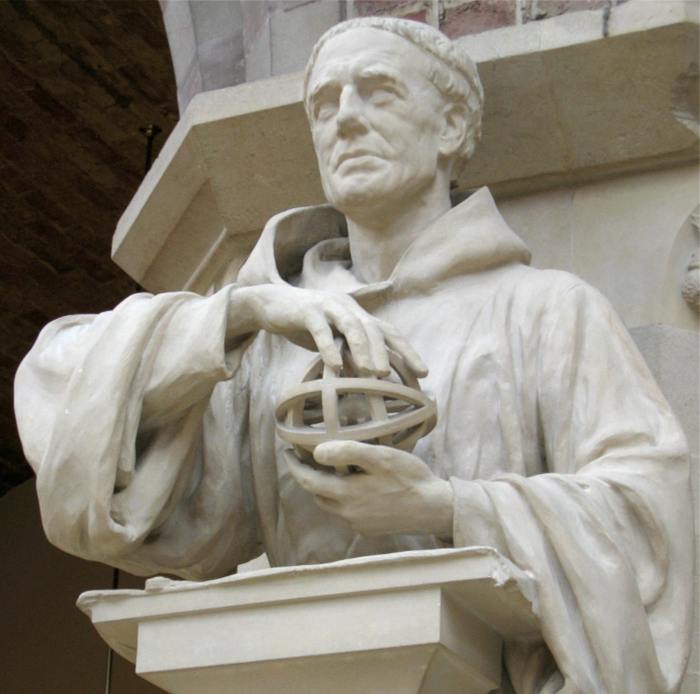
Roger Bacon
1219 CE – 1292 CE
Ilchester (Somerset)
Medieval Franciscan philosopher of languages, signs, mathematics, optics, experimental science, natural philosophy, moral philosophy, theology, and the reform of learning.
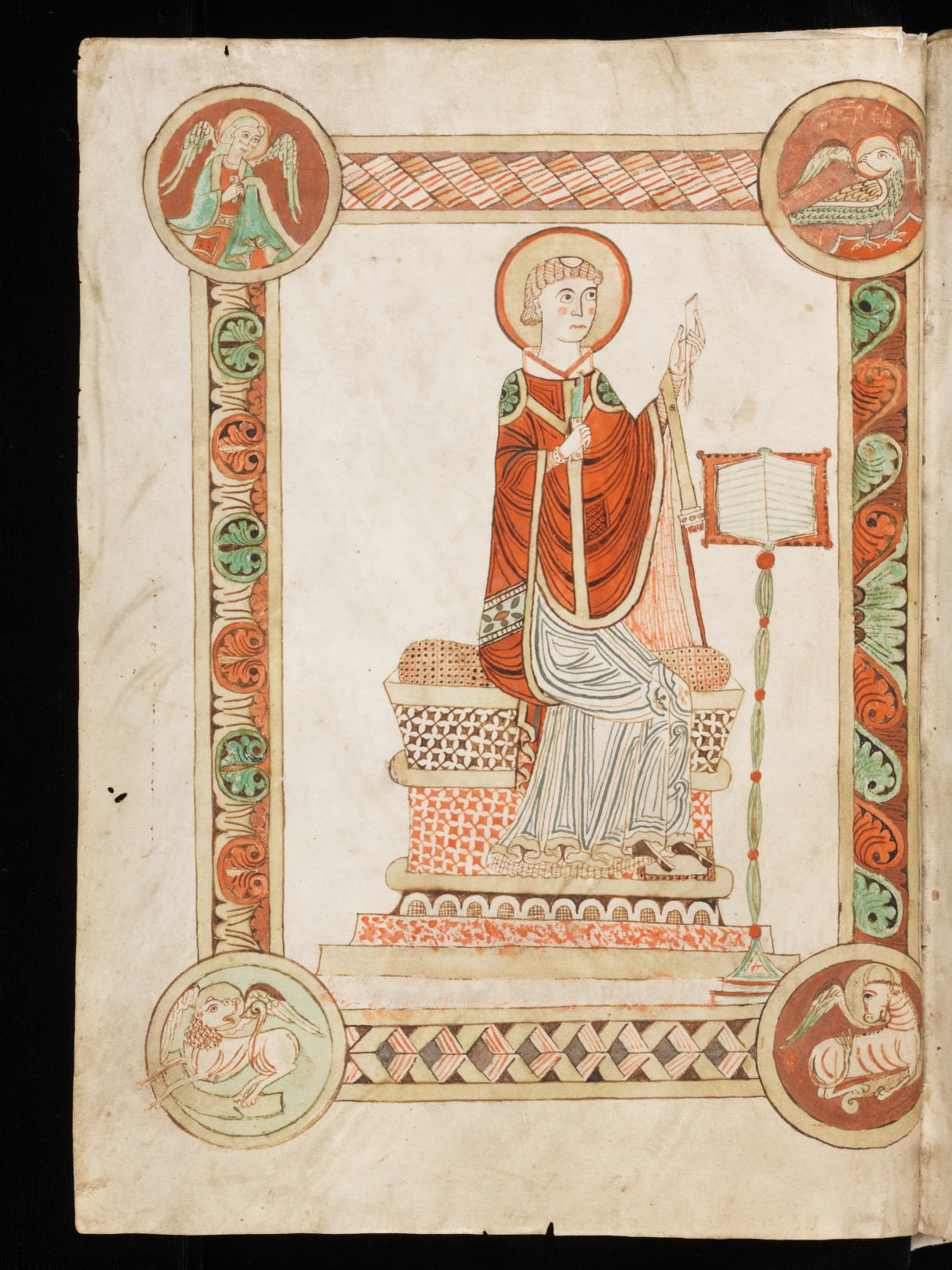
The Venerable Bede
672 CE – 735 CE
Wearmouth-Jarrow region, Northumbria
Northumbrian monk and scholar of Wearmouth-Jarrow, computus, chronology, AD dating, natural philosophy, grammar, rhetoric, biblical exegesis, ecclesiastical history, hagiography, and pastoral reform.