School of Mind
Song-Ming Neo-Confucian school also called Xīnxué or Lu-Wang learning, centered on Lu Jiuyuan and Wang Yangming, teaching that heart-mind and principle are one, moral knowledge is innate, and self-cultivation realizes original knowing through sincere action.
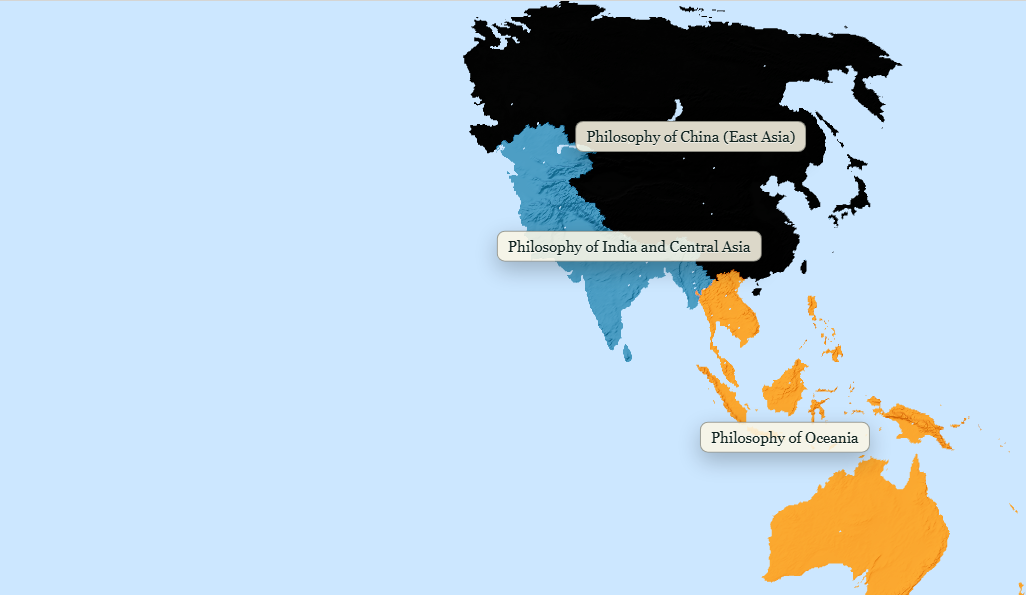

Structural Factors
- Shared Core Claims
- The School of Mind holds that principle is not external to the heart-mind, that humans possess innate moral knowing, and that sagehood is realized by recovering this living awareness through reflection, sincerity, disciplined practice, and unity of knowledge and action.
- Shared Methods
- The school uses introspection, moral self-examination, quiet-sitting, interpretation of the Four Books, critique of externalist investigation, attention to intentions, practical action, teaching dialogues, letters, lectures, and direct realization of liángzhī in affairs.
- Shared Lineage
- The lineage runs from Confucius, Mencius, the Great Learning, and Song-Ming Neo-Confucianism through Lu Jiuyuan, debates with Zhu Xi's Cheng-Zhu school, Wang Yangming, Wang Gen and the Taizhou School, late Ming followers, and East Asian Yangming learning.
- Shared Problems
- Central problems include whether principle is found in things or mind, how moral knowledge becomes action, how selfish desire obscures innate knowing, whether investigation of things is externalist, how sagehood is possible, and how Confucian cultivation responds to Buddhism and Daoism.
- Shared Vocabulary
- Key terms include xin, xinxue, heart-mind, li, principle, liángzhī, innate knowing, unity of knowledge and action, gewu, investigation of things, sincerity, will, intention, selfish desire, original mind, sagehood, Four Books, and Lu-Wang learning.
- Shared Historical Context
- The School of Mind developed in Song and Ming China within Neo-Confucian efforts to revive Confucian moral metaphysics after Buddhism and Daoism, and against Cheng-Zhu orthodoxy's emphasis on investigating external things and textual learning.
Defining Axes
- Doctrine
- Doctrinally, the school is defined by identity of mind and principle, moral idealism, innate knowing, immediacy of self-cultivation, unity of knowledge and action, critique of detached book learning, and confidence that everyday affairs disclose the Way.
- Method
- Its method is inward and practical: clarify intention, remove selfish desire, awaken innate knowing, test knowledge in action, read classics as aids to realization, and cultivate the heart-mind amid family, office, teaching, and public responsibility.
- Lineage
- The lineage runs from Mencian moral psychology and the Great Learning through Lu Jiuyuan's mind-principle teaching, Wang Yangming's mature synthesis, Taizhou radicalizations, Japanese and Korean Yangming learning, and modern New Confucian reinterpretation.
- Subject Focus
- The school focuses on moral psychology, ethics, metaphysics, epistemology, philosophy of action, self-cultivation, education, political responsibility, Neo-Confucian commentary, comparative idealism, and East Asian intellectual history.
- Geography / Culture
- School of Mind thought is centered in Song and Ming Chinese literati culture, especially Jiangxi, Zhejiang, Nanjing, and academies and official networks, with later influence in Japan, Korea, Vietnam, and modern global Confucian studies.
- Historical Reaction
- The school responds to Buddhist and Daoist influence, Zhu Xi's School of Principle, examination orthodoxy, excessive textualism, moral formalism, political crisis, and the need to make Confucian learning personally transformative and practically effective.
Internal Structure
- Foundational Texts
- Foundational texts include the Analects, Mencius, Great Learning, Doctrine of the Mean, Lu Jiuyuan's writings, Wang Yangming's Instructions for Practical Living, letters and memorials, the Record of Practice, Taizhou writings, and later Yangming school collections.
- Core Vocabulary
- Core vocabulary includes mind, heart, principle, innate knowing, knowledge, action, sincerity, will, desire, investigation, things, affairs, sage, self-cultivation, unity, moral awareness, Heaven, nature, learning, and practice.
- Metaphysics
- School of Mind metaphysics identifies principle with the living heart-mind rather than an external pattern to be inspected, treating moral reality as immanent in human nature, Heaven, everyday affairs, and the activity of awakened knowing.
- Epistemology
- Its epistemology centers on innate moral knowing, the clarification of intention, experiential realization, and knowledge verified in action, while criticizing approaches that reduce learning to external accumulation of textual or object-based facts.
- Ethics
- School of Mind ethics emphasizes sincerity, removal of selfish desire, compassion, filial and social responsibility, active moral discernment, courage in public affairs, and the unity of knowing the good with doing the good.
- Method
- The school proceeds through teaching dialogues, letters, commentary, meditation, self-watchfulness, public service, practical judgment in affairs, critique of rival interpretations, and direct appeal to the student's own moral awareness.
- Internal Debates
- Internal debates concern Lu-Wang versus Cheng-Zhu learning, whether innate knowing risks subjectivism, how to interpret gewu, the role of quiet-sitting, radical Taizhou egalitarianism, political activism, and the relation between Confucian heart-mind and Buddhist mind doctrines.
- Successors
- Successors include Yangmingism, the Taizhou School, late Ming moral activism, Japanese Ōyōmei learning, Korean receptions, New Confucian philosophy, modern comparative idealism, and contemporary work on moral psychology and action.
External Classification Context
- History of Philosophy
- The School of Mind is a major Song-Ming Neo-Confucian tradition and one of the central alternatives to Zhu Xi's School of Principle in East Asian moral metaphysics, epistemology, and philosophy of action.
- Philosophy of Philosophy
- The school treats philosophy as transformative moral learning: inquiry is not detached theory but a practice of recovering innate knowing and embodying it in concrete action.
- Intellectual History
- The tradition links classical Confucian texts, Mencian heart-mind theory, Song-Ming Neo-Confucian academies, civil service culture, Buddhist and Daoist debate, Wang Yangming's political life, Taizhou teaching, and East Asian reception.
- University Classification
- Classify School of Mind under Chinese philosophy, Neo-Confucianism, Song-Ming Confucianism, ethics, moral psychology, epistemology, metaphysics, philosophy of action, East Asian philosophy, and intellectual history.
- Classical Sources
- Classical sources include the Four Books, Mencius, Lu Jiuyuan's collected writings, Wang Yangming's Instructions for Practical Living, letters, lectures, memorials, Taizhou School texts, Korean and Japanese Yangming materials, and modern translations.
- Sociology of Knowledge
- The School of Mind spread through academies, literati networks, teaching records, correspondence, civil officials, disciples, printed collections, examination and anti-examination debates, East Asian schools, modern universities, and New Confucian scholarship.
Linked Philosophers
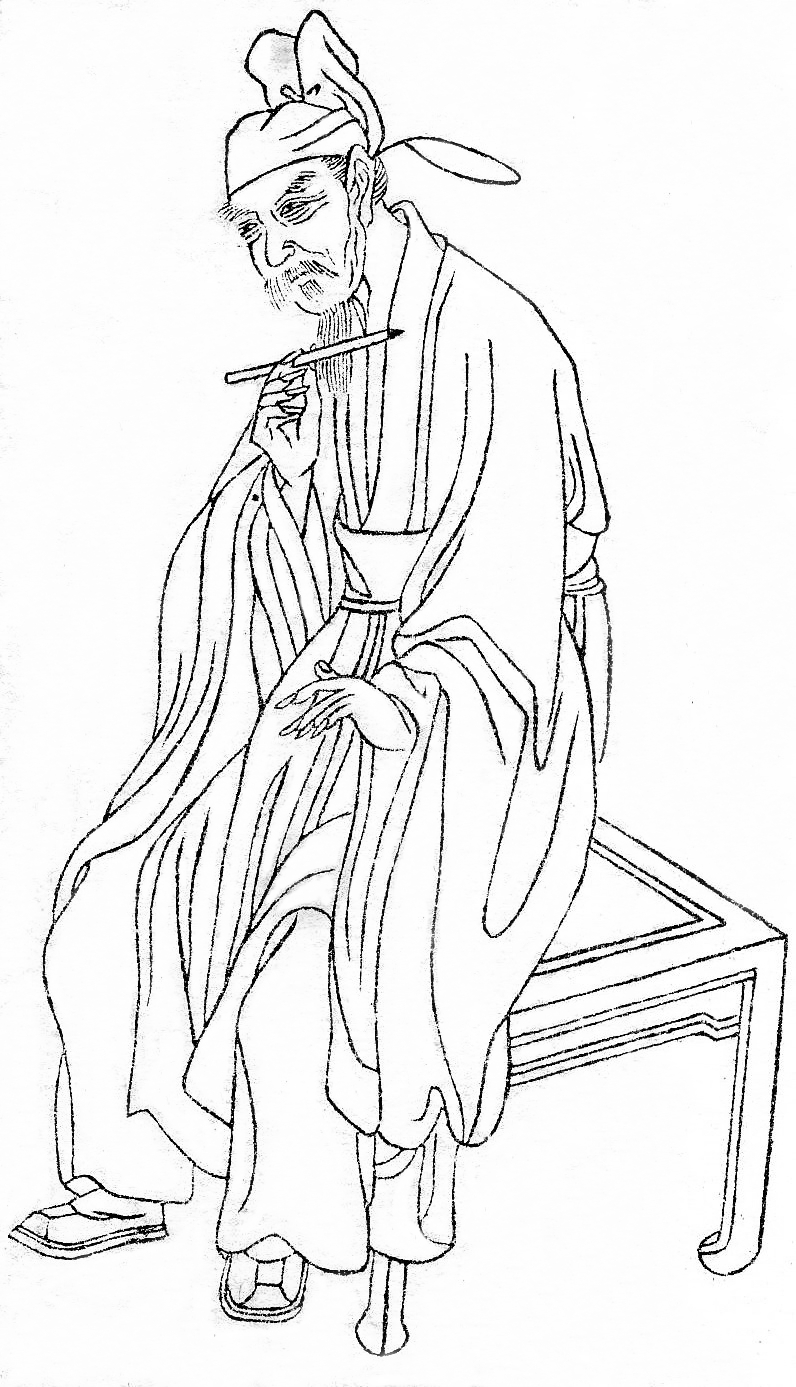
Lu Jiuyuan
1139 CE – 1193 CE
Jinxi, Fuzhou, Jiangxi
Cistercian monk, abbot of Southern Song Neo-Confucianism, and medieval Christian philosopher-theologian whose theology of love, humility, grace, free choice, mystical ascent, monastic ethics, scriptural exegesis, and ecclesial counsel shaped scholastic, monastic, and political theology.
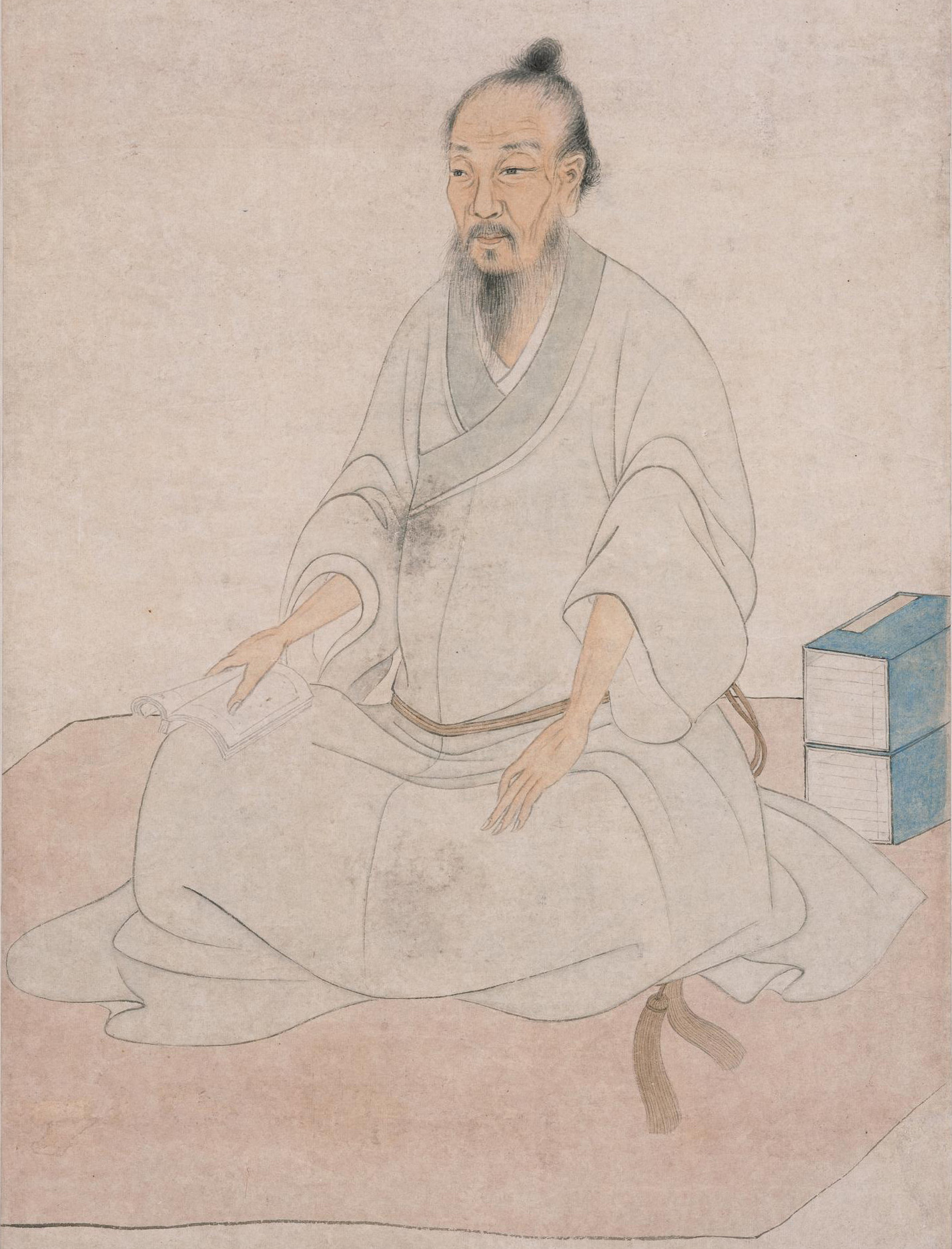
Wang Yangming
1472 CE – 1529 CE
Yuyao, Zhejiang, Ming China
Ming Chinese Neo-Confucian philosopher of the School of Mind whose teaching joins innate knowing, mind as principle, unity of knowledge and action, sagehood, and moral-political practice.