School of Names
Warring States Chinese philosophical current also called the Logicians or Míngjiā, associated with Hui Shi, Gongsun Long, paradox, disputation, names and realities, same and different, hard and white, white horse arguments, and early philosophy of language and logic.
Structural Factors
- Shared Core Claims
- The School of Names treats naming, distinction, reference, classification, and disputation as central philosophical problems. It asks how words fit things, how kinds are distinguished, and how paradox exposes hidden assumptions in ordinary language and political judgment.
- Shared Methods
- The school uses bian disputation, paradox, analogical argument, semantic analysis, name-reality distinctions, court debate, sophisms, reductio, classification tests, linguistic puzzles, and comparison of same and different, hard and white, admissible and inadmissible.
- Shared Lineage
- The lineage runs from Warring States court disputation, legal rhetoric, Confucian rectification of names, Mohist logic, and Daoist critique through Hui Shi, Gongsun Long, Deng Xi, Yin Wen, later Han bibliographic classification, and modern reconstructions of Chinese logic.
- Shared Problems
- Central problems include whether a white horse is a horse, how names pick out kinds, whether sameness and difference are stable, how qualities combine or separate, whether spatial and temporal paradoxes reveal real limits, and whether disputation clarifies or distorts the dao.
- Shared Vocabulary
- Key terms include ming, shi, bian, Míngjiā, name, reality, kind, distinction, disputation, same, different, hard, white, horse, white horse, admissible, inadmissible, so, not-so, model, fa, analogy, paradox, and rectification of names.
- Shared Historical Context
- The School of Names flourished in Warring States China, when itinerant advisors, persuaders, ministers, and court debaters used argument to influence rulers amid intense rivalry among Confucian, Mohist, Daoist, Legalist, and other intellectual movements.
Defining Axes
- Doctrine
- Doctrinally, the school is defined less by one creed than by sustained attention to names, things, distinctions, paradoxes, and disputation, especially the relation between language, classification, knowledge, and practical judgment.
- Method
- Its method is dialectical and semantic: test names against things, vary criteria of sameness and difference, stage paradoxes, expose ambiguities, compare models, and use disputation to clarify or unsettle claims about reality and action.
- Lineage
- The lineage runs from early Chinese concerns with correct naming and persuasion through Hui Shi's ten theses, Gongsun Long's white horse and hard-white arguments, Mohist dialectics, Xunzi and Zhuangzi critiques, Han classification, and modern comparative logic.
- Subject Focus
- The school focuses on philosophy of language, logic, semantics, epistemology, metaphysics, paradox, political rhetoric, legal disputation, classification, Chinese philosophy, comparative philosophy, and intellectual history of the Warring States.
- Geography / Culture
- The school is centered in pre-imperial Chinese court and literati culture across Warring States polities, especially the intellectual networks in which Hui Shi and Gongsun Long served as ministers, advisors, diplomats, and disputers.
- Historical Reaction
- The School of Names responds to political persuasion, legal argument, Confucian rectification of names, Mohist standards of distinction, Daoist suspicion of fixed categories, and the broader Hundred Schools need to defend doctrines through public reasoning.
Internal Structure
- Foundational Texts
- Foundational evidence includes the Gongsun Longzi, fragments and reports on Hui Shi, Zhuangzi chapters such as Under Heaven and Autumn Waters, Xunzi on names and disputation, Mohist Canons, Hanfeizi, Annals of Lü Buwei, Shiji, and Han bibliographic notices.
- Core Vocabulary
- Core vocabulary includes name, thing, reality, kind, distinction, sameness, difference, hard, white, horse, white horse, disputation, analogy, model, criterion, word, reference, paradox, persuasion, rectification, and dao.
- Metaphysics
- School of Names metaphysics appears through puzzles about kinds, qualities, parts, wholes, spatial extension, temporal sequence, identity, and difference, showing how claims about reality depend on the distinctions language makes available.
- Epistemology
- Its epistemology asks how knowledge depends on correct distinctions, reliable naming, standards of sameness and difference, and disputational testing, while also showing how language can mislead when criteria shift unnoticed.
- Ethics
- The school has no unified ethics, but its debates matter ethically and politically because naming, roles, standards, and persuasion shape judgment, law, policy, social order, and the possibility of correcting confused claims.
- Method
- The school proceeds by constructing paradoxes, testing ordinary classifications, arguing in courtly settings, comparing names with realities, manipulating criteria of sameness and difference, and preserving arguments through fragments and hostile reports.
- Internal Debates
- Internal debates concern whether the School of Names was a real school or Han taxonomic fiction, whether its arguments are sophistry or serious logic, how to reconstruct lost texts, and how Hui Shi differs from Gongsun Long and later Mohist dialecticians.
- Successors
- Successors include Mohist logic studies, Xunzi's theory of names, Daoist critiques of distinction, Han bibliographic classifications, Chinese philosophy of language, comparative logic, analytic reconstructions, and modern debates over whether ancient China had formal logic.
External Classification Context
- History of Philosophy
- The School of Names is a central Warring States tradition for philosophy of language and logic, forcing Chinese philosophy to confront reference, classification, paradox, disputation, and the relation between words and things.
- Philosophy of Philosophy
- The school treats philosophy as disciplined disputation over distinctions: inquiry clarifies thought by testing whether names, categories, and argumentative standards genuinely track what they claim to track.
- Intellectual History
- The tradition links court persuasion, legal rhetoric, Confucian rectification of names, Mohist dialectics, Daoist critique, Warring States political service, Han taxonomy, fragmentary textual survival, and modern comparative philosophy.
- University Classification
- Classify School of Names under Chinese philosophy, ancient philosophy, philosophy of language, logic, epistemology, metaphysics, rhetoric, comparative philosophy, Warring States thought, and intellectual history.
- Classical Sources
- Classical sources include Gongsun Longzi, Zhuangzi, Xunzi, Mohist Canons, Hanfeizi, Annals of Lü Buwei, Shiji, Han bibliographic records, reports on Hui Shi and Deng Xi, and modern translations and reconstructions.
- Sociology of Knowledge
- The School of Names survived through court anecdotes, hostile critiques, fragments, Han bibliographic labels, manuscript and printed collections, philological reconstruction, comparative logic scholarship, and modern Chinese philosophy curricula.
Linked Philosophers
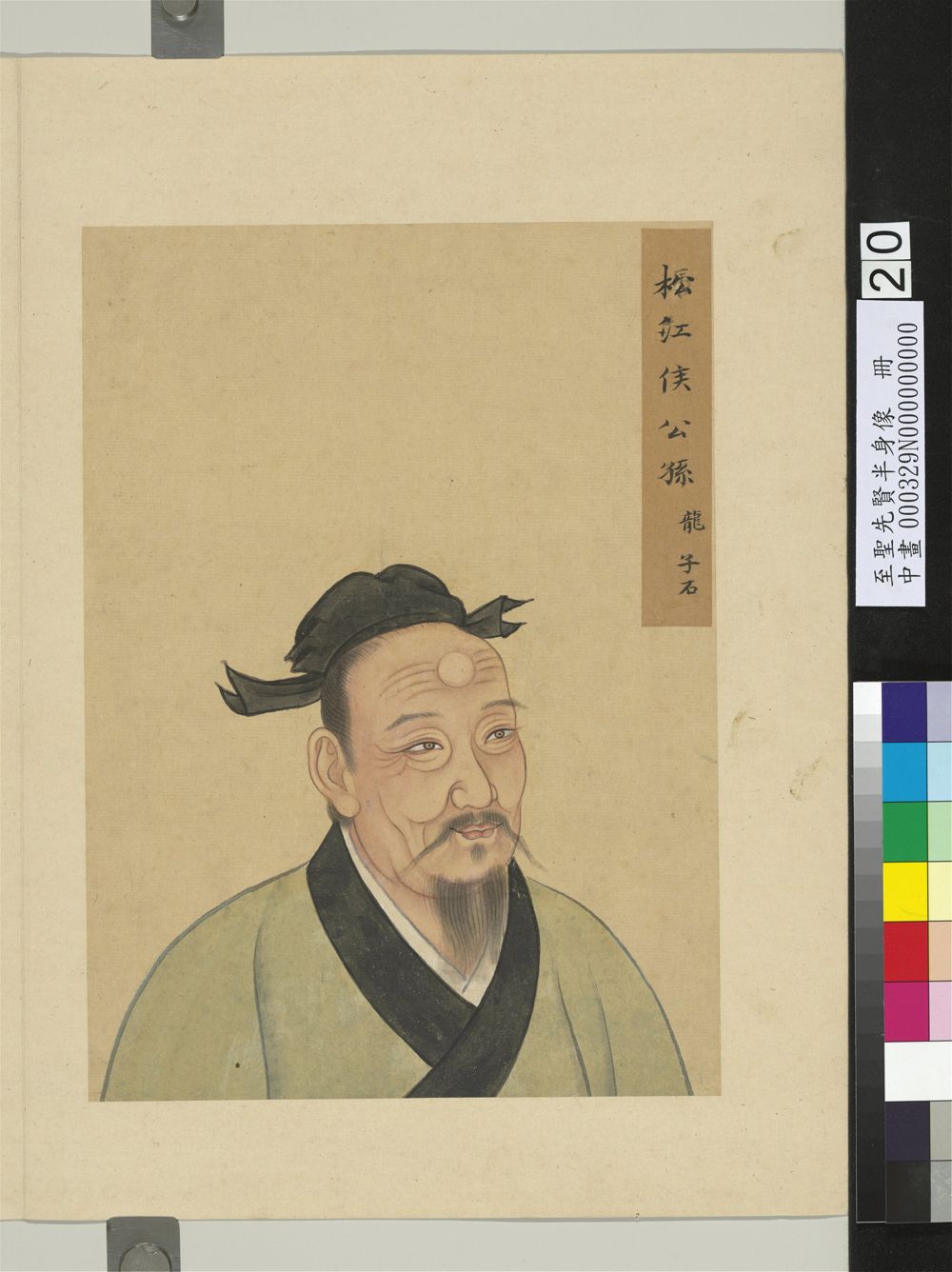
Gongsun Long
325 BCE – 250 BCE
Zhao state region
Warring States School of Names philosopher of language, logic, names and actualities, white-horse paradox, hard-white distinction, reference, designation, and disputation.
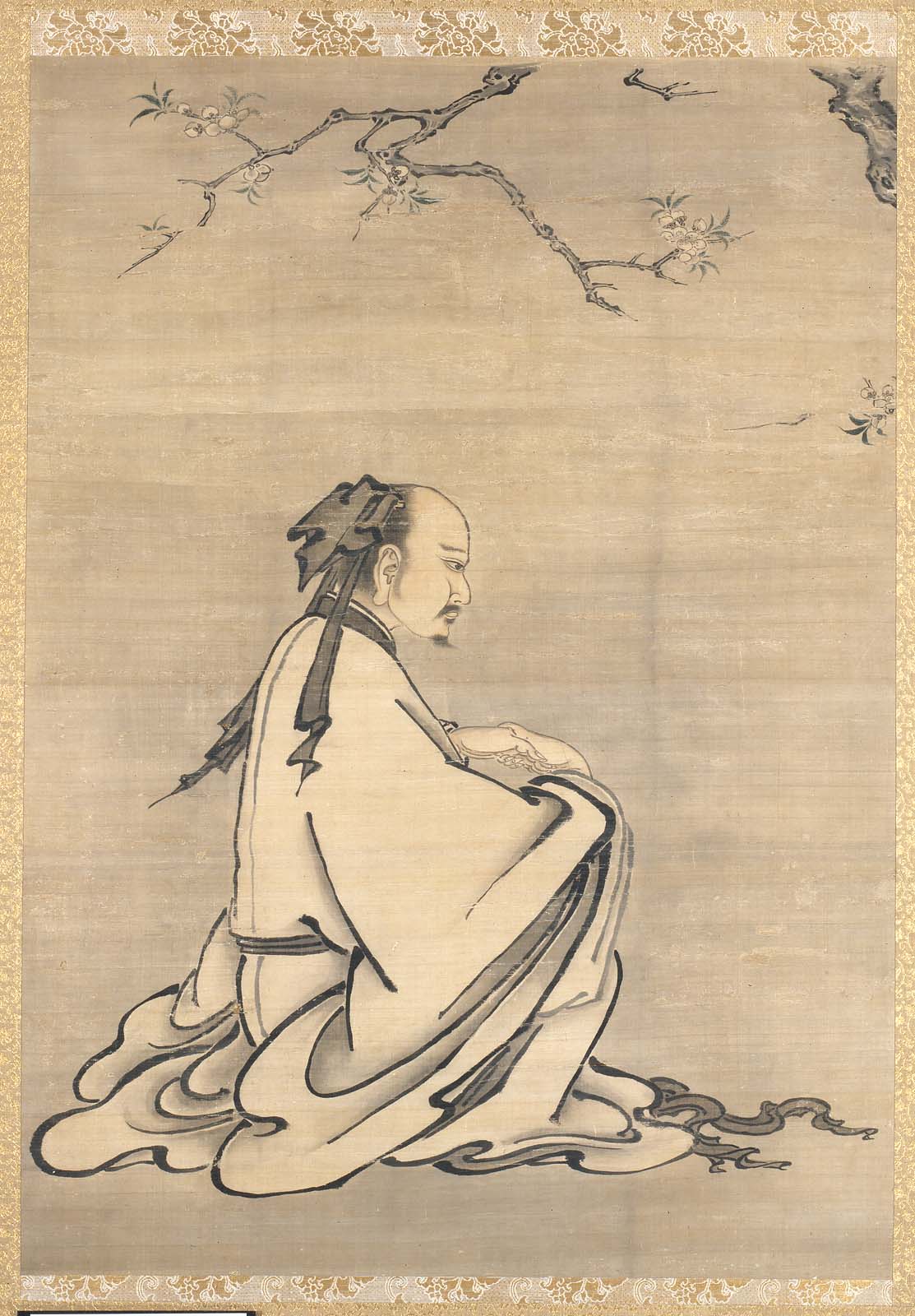
Hui Shi
380 BCE – 305 BCE
State of Song, probably the Shangqiu/Henan region
Warring States Chinese School of Names philosopher, disputer, and statesman whose lost Huizi tradition, Ten Theses, law-code story, and Zhuangzi dialogues shaped later debates about names, actualities, identity, difference, space, time, perspective, and public standards.