Philosophy School
Schopenhauerianism
Nineteenth-century post-Kantian philosophical current rooted in Arthur Schopenhauer, centering the world as representation, metaphysical will, pessimism, suffering, aesthetic contemplation, compassion, ascetic denial of the will, and major influence on Nietzsche, Wagner, Freud, existentialism, and philosophical pessimism.
Period
Modern History1800 CE – 1944 CE
Era
Long 19th Century1870 CE – 1913 CE
Begin
1788 CE
End
1860 CE


Structural Factors
- Shared Core Claims
- Schopenhauerianism holds that the experienced world is representation structured by the knowing subject, while its inner reality is blind, striving will. Human life is marked by desire, suffering, boredom, and conflict, but aesthetic experience, compassion, and ascetic denial can loosen bondage to will.
- Shared Methods
- The school uses post-Kantian transcendental argument, introspection of embodied willing, metaphysical interpretation, literary aphorism, critique of optimism, analysis of desire and suffering, aesthetic theory, comparative engagement with Indian thought, and polemic against Hegelian rationalism.
- Shared Lineage
- Schopenhauerianism develops from Plato, Kant, the Upanishads, Buddhist themes, early German Idealism, Romantic aesthetics, and Schopenhauer's works, then passes through figures and receptions including Wagner, Nietzsche, Mainländer, von Hartmann, Freud, Tolstoy, Mann, and later existential and pessimistic thought.
- Shared Problems
- Central problems include the status of the thing-in-itself, the relation between body and will, why desire produces suffering, how representation structures experience, whether compassion can ground ethics, whether art gives deliverance, and whether life can be justified under philosophical pessimism.
- Shared Vocabulary
- Key terms include will, representation, Wille, Vorstellung, thing-in-itself, principium individuationis, sufficient reason, objectification, will-to-life, suffering, boredom, compassion, Mitleid, genius, aesthetic contemplation, music, asceticism, denial of the will, and pessimism.
- Shared Historical Context
- Schopenhauerianism arose in nineteenth-century German philosophy after Kant and German Idealism, outside dominant university Hegelianism, drawing on Sanskrit and Buddhist materials, Romantic art culture, modern music, and later European crises of optimism, progress, religion, and rational system.
Defining Axes
- Doctrine
- Doctrinally, the school is defined by transcendental idealism, metaphysical voluntarism, philosophical pessimism, primacy of will over intellect, aesthetic release from willing, compassion as ethical insight, and ascetic negation as the deepest response to suffering.
- Method
- Its method begins from ordinary representation and embodied willing, interprets experience through the principle of sufficient reason, identifies will as inner reality, and tests metaphysics through aesthetics, ethics, ascetic experience, literature, and comparison with religious wisdom traditions.
- Lineage
- The lineage runs from Plato, Kant, Indian and Buddhist sources, and German Romantic culture to Schopenhauer's The World as Will and Representation, later nineteenth-century pessimists, Nietzschean reception, Wagnerian aesthetics, psychoanalysis, existential literature, and modern studies of pessimism.
- Subject Focus
- Schopenhauerianism focuses on metaphysics, epistemology, aesthetics, ethics, philosophy of mind, philosophy of religion, philosophy of music, pessimism, suffering, desire, embodiment, comparative philosophy, animal ethics, literature, and philosophy as a way of life.
- Geography / Culture
- The school is centered in nineteenth-century German and wider European intellectual culture, especially Danzig, Weimar, Berlin, Dresden, and Frankfurt, with later reception across France, Britain, Russia, Italy, the United States, and global Schopenhauer societies.
- Historical Reaction
- Schopenhauerianism responds to Kant's critical philosophy, Fichtean and Hegelian idealism, Enlightenment optimism, Christian theodicy, rationalist metaphysics, academic philosophy, Romantic art, Indian religious texts, and nineteenth-century anxieties about progress, suffering, and meaning.
Internal Structure
- Foundational Texts
- Foundational texts include On the Fourfold Root of the Principle of Sufficient Reason, The World as Will and Representation, On Will in Nature, The Two Fundamental Problems of Ethics, The Basis of Morality, Parerga and Paralipomena, and later works in Schopenhauer's reception.
- Core Vocabulary
- Core vocabulary includes representation, subject, object, will, body, desire, striving, suffering, boredom, pleasure, pain, compassion, justice, asceticism, denial, genius, sublime, music, Platonic Idea, sufficient reason, appearance, and thing-in-itself.
- Metaphysics
- Schopenhauerian metaphysics treats the empirical world as representation ordered by space, time, causality, and sufficient reason, while identifying the inner nature of reality with non-rational will objectifying itself in nature, body, desire, conflict, and life.
- Epistemology
- Its epistemology is post-Kantian and embodied: ordinary knowledge is representation governed by sufficient reason, scientific knowledge remains phenomenal, and access to inner reality comes through immediate awareness of one's own willing body.
- Ethics
- Schopenhauerian ethics centers on compassion, recognition of shared suffering beyond the principium individuationis, critique of egoism, concern for animals, moral significance of pity, and the ascetic ideal of reducing or denying the will-to-life.
- Method
- The school proceeds through systematic exposition, aphoristic essays, critique of rival systems, analysis of experience, attention to art and music, comparison with religious wisdom, and interpretation of life through desire, suffering, and possible release.
- Internal Debates
- Internal debates concern whether will is metaphysical or psychological, whether pessimism is coherent, how Schopenhauer modifies Kant, how seriously to take Indian and Buddhist parallels, whether ascetic denial is possible, and how Nietzsche and later pessimists transform the inheritance.
- Successors
- Successors include philosophical pessimism, Nietzsche's early and critical reception, Wagnerian aesthetics, Eduard von Hartmann, Philipp Mainländer, psychoanalytic accounts of desire, existentialism, modern animal ethics, literary modernism, and contemporary debates over anti-natalism and suffering.
External Classification Context
- History of Philosophy
- Schopenhauerianism is a major post-Kantian alternative to German Idealism, joining transcendental idealism, metaphysical will, pessimism, aesthetics, compassion, and comparative philosophy into one of the most influential nineteenth-century systems.
- Philosophy of Philosophy
- The school treats philosophy as metaphysical diagnosis and existential therapy: philosophy should disclose the structure of suffering, expose false optimism, and clarify paths of aesthetic, ethical, and ascetic release.
- Intellectual History
- The tradition links Kantian critique, Romantic aesthetics, Orientalist reception of Indian texts, anti-Hegelian polemic, nineteenth-century pessimism, music and literature, psychoanalysis, existential thought, and modern reconsiderations of desire and suffering.
- University Classification
- Classify Schopenhauerianism under nineteenth-century philosophy, German philosophy, post-Kantian philosophy, metaphysics, aesthetics, ethics, philosophy of religion, philosophy of mind, pessimism, comparative philosophy, and intellectual history.
- Classical Sources
- Classical sources include Plato, Kant, the Upanishads, Buddhist texts, Schopenhauer's major works, early reviews and reception essays, Nietzsche's writings on Schopenhauer, Wagnerian materials, pessimism debates, and later Schopenhauer scholarship.
- Sociology of Knowledge
- Schopenhauerianism spread through delayed readership, literary culture, music circles, anti-academic reception, translations, Schopenhauer societies, collected editions, university scholarship, psychoanalytic and existentialist uptake, and modern public interest in pessimism and suffering.
Linked Philosophers
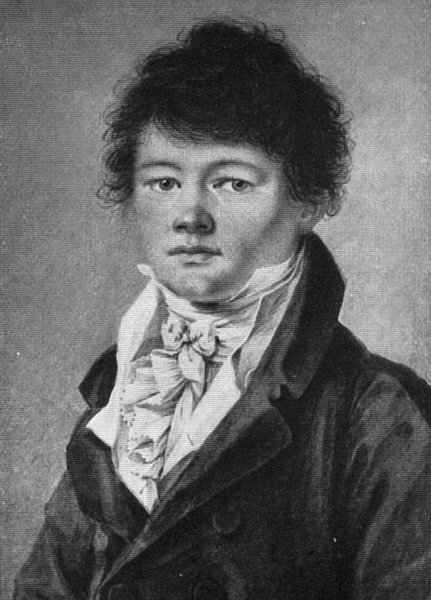
Arthur Schopenhauer
1788 CE – 1860 CE
Danzig (now Gdansk)
German philosopher from Danzig whose account of representation, blind will, pessimistic metaphysics, compassion ethics, aesthetics, and music reshaped nineteenth-century and modern philosophy.