Philosophy School
Thomism
Medieval and later Catholic philosophical school rooted in Thomas Aquinas, integrating Aristotelian metaphysics, Christian theology, natural law, virtue ethics, analogy, act and potency, essence and existence, and faith-reason synthesis.
Period
Medieval History500 CE – 1499 CE
Era
High Medieval1000 CE – 1299 CE
Begin
1225 CE
End
1274 CE
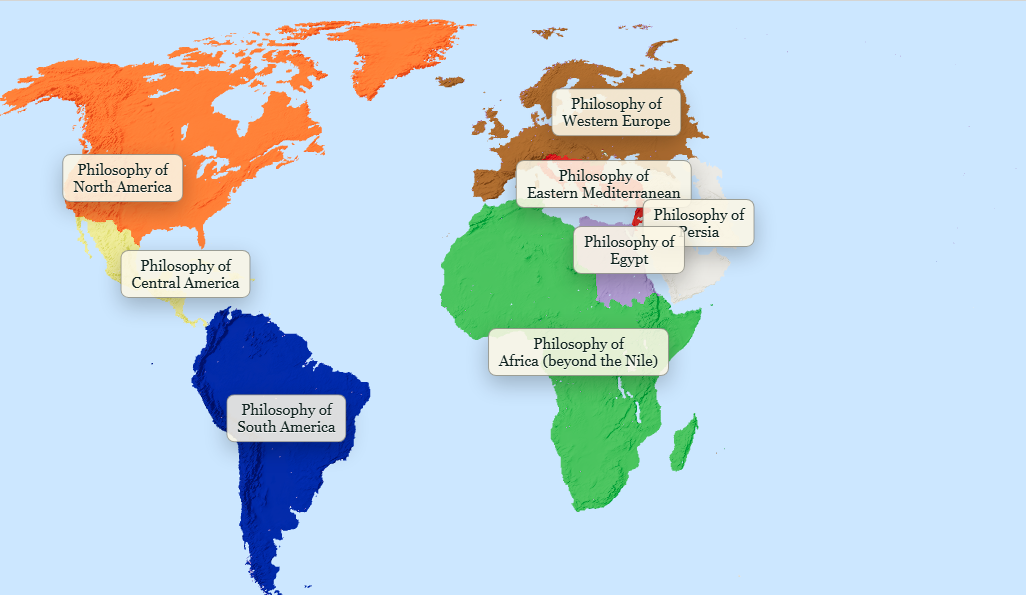
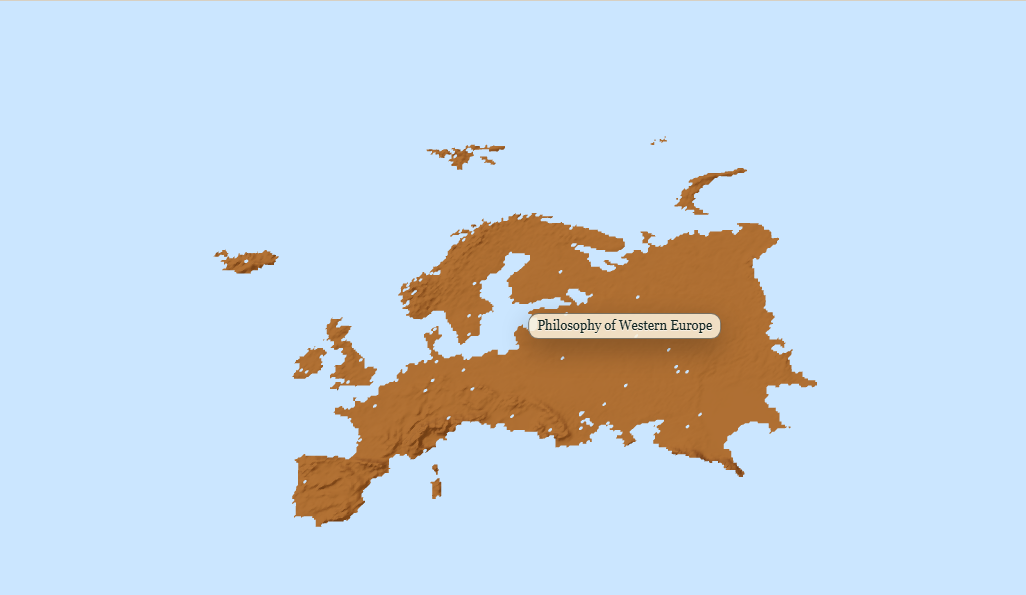
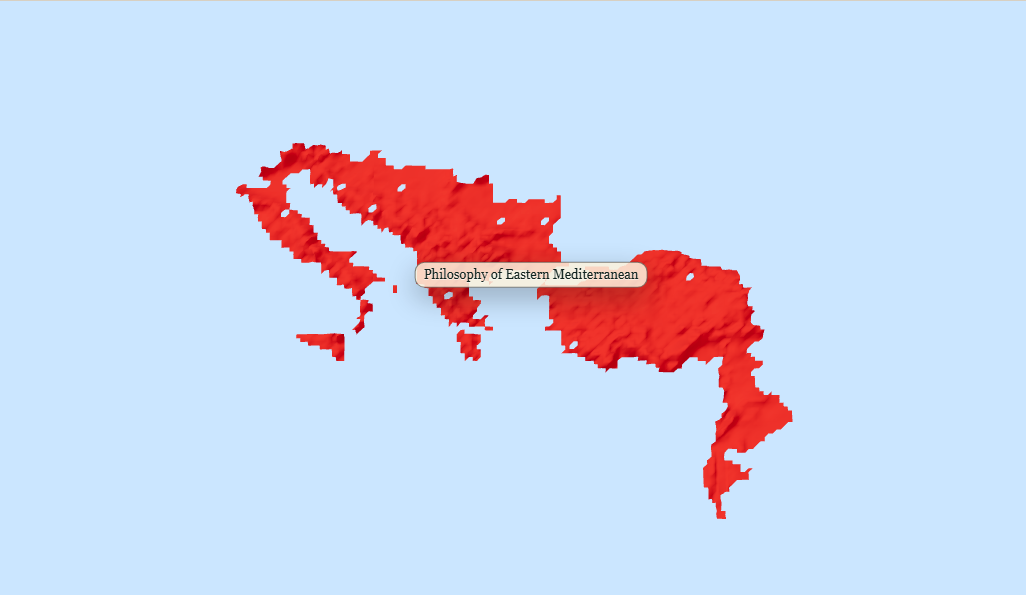
Structural Factors
- Shared Core Claims
- Thomism holds that being is intelligible, that creatures participate in God as first cause, that reason can know real truths about nature and God, and that theology and philosophy are distinct but ordered forms of wisdom.
- Shared Methods
- The school uses scholastic disputation, quaestio format, Aristotelian analysis, commentary, distinction-making, natural theology, metaphysical demonstration, scriptural-theological synthesis, and systematic treatment of objections and replies.
- Shared Lineage
- Thomism develops from Aristotle, Augustine, Boethius, Pseudo-Dionysius, Arabic and Jewish Aristotelian transmission, Albert the Great, and Thomas Aquinas, then through Dominican commentators, Cajetan, John of St. Thomas, neo-Thomism, and analytic Thomism.
- Shared Problems
- Central problems include being, essence and existence, act and potency, divine simplicity, causation, analogy, universals, soul and body, natural law, virtue, grace, faith and reason, creation, providence, and the common good.
- Shared Vocabulary
- Key terms include act, potency, form, matter, substance, accident, essence, existence, esse, quiddity, analogy, participation, final cause, natural law, virtue, habit, beatitude, intellect, will, grace, and common good.
- Shared Historical Context
- Thomism arose in the thirteenth-century university world amid the Latin recovery of Aristotle, Dominican theological formation, debates over Averroism, and the need to integrate Christian doctrine with philosophical reason.
Defining Axes
- Doctrine
- Doctrinally, Thomism is defined by moderate realism, hylomorphism, act-potency metaphysics, essence-existence distinction, analogical predication, natural theology, natural law, virtue ethics, and ordered cooperation between faith and reason.
- Method
- Its method is scholastic and systematic: state a question, collect objections, cite authorities, give a reasoned answer, reply to objections, and place each issue within an ordered metaphysical and theological whole.
- Lineage
- The lineage runs from Aristotle and patristic Christianity through Albert the Great and Thomas Aquinas to medieval Dominican Thomists, Cajetan, John of St. Thomas, Leonine neo-Thomism, Maritain, Gilson, Pieper, and contemporary Thomist philosophy.
- Subject Focus
- Thomism focuses on metaphysics, natural theology, ethics, political philosophy, philosophy of law, epistemology, philosophy of mind, anthropology, theology, sacramental thought, and the relation between reason and revelation.
- Geography / Culture
- Thomism is centered in Latin Christian university and Dominican intellectual culture, with later influence across Catholic Europe, seminaries, papal institutions, neo-scholastic universities, and global Catholic philosophical education.
- Historical Reaction
- Thomism responds to Augustinian-Platonic inheritance, the arrival of Aristotle, Averroist interpretations, Islamic and Jewish philosophy, medieval university controversies, Reformation critique, modern philosophy, and post-Kantian idealism.
Internal Structure
- Foundational Texts
- Foundational texts include Aquinas's Summa Theologiae, Summa contra Gentiles, Disputed Questions, De ente et essentia, commentaries on Aristotle, biblical commentaries, and later Thomist commentaries by Cajetan and John of St. Thomas.
- Core Vocabulary
- Core vocabulary includes being, essence, existence, act, potency, substance, accident, form, matter, cause, end, nature, person, intellect, will, virtue, law, grace, analogy, participation, demonstration, and wisdom.
- Metaphysics
- Thomist metaphysics analyzes being through act and potency, form and matter, substance and accident, essence and existence, causation, participation, analogy, and God as pure act and first cause.
- Epistemology
- Thomist epistemology emphasizes realist cognition, abstraction from sense experience, intellectual judgment, truth as conformity of mind and thing, and the compatibility of empirical knowledge with metaphysical demonstration.
- Ethics
- Thomist ethics centers on virtue, natural law, practical reason, human flourishing, beatitude, conscience, justice, prudence, charity, and the ordering of moral life toward the ultimate good.
- Method
- The school proceeds by disciplined distinction, Aristotelian conceptual analysis, disputation, textual commentary, metaphysical grounding, and integration of philosophical conclusions with theological doctrine.
- Internal Debates
- Internal debates concern strict versus existential Thomism, Cajetan and Leonine readings, transcendental Thomism, analytic Thomism, divine simplicity, analogy, natural law interpretation, and the relation between Aquinas and Aristotle.
- Successors
- Successors include Dominican Thomism, neo-Thomism, transcendental Thomism, analytic Thomism, Catholic social teaching, contemporary natural law theory, philosophy of religion, and renewed work in virtue ethics and metaphysics.
External Classification Context
- History of Philosophy
- Thomism is a central medieval and Catholic philosophical tradition, joining Aristotelian metaphysics, Christian theology, natural law, and scholastic method into one of the most influential systems in Western philosophy.
- Philosophy of Philosophy
- Thomism treats philosophy as ordered wisdom about being, nature, and human action, autonomous in its rational methods but open to theological illumination and the hierarchy of sciences.
- Intellectual History
- The tradition links medieval universities, Dominican education, Aristotelian translation, Catholic theology, scholastic disputation, papal revival, neo-scholastic manuals, and modern philosophical debates over realism and natural law.
- University Classification
- Classify Thomism under medieval philosophy, Christian philosophy, Catholic philosophy, scholasticism, metaphysics, ethics, natural law, philosophy of religion, political philosophy, and history of theology.
- Classical Sources
- Classical sources include Aristotle, Augustine, Boethius, Pseudo-Dionysius, Avicenna, Averroes, Maimonides, Albert the Great, Aquinas's major works, Dominican commentators, and modern Thomist scholarship.
- Sociology of Knowledge
- Thomism survives through Dominican schools, medieval universities, manuscript and print commentary, Catholic seminaries, papal endorsement, neo-scholastic curricula, university philosophy departments, and contemporary Thomist institutes.
Linked Philosophers
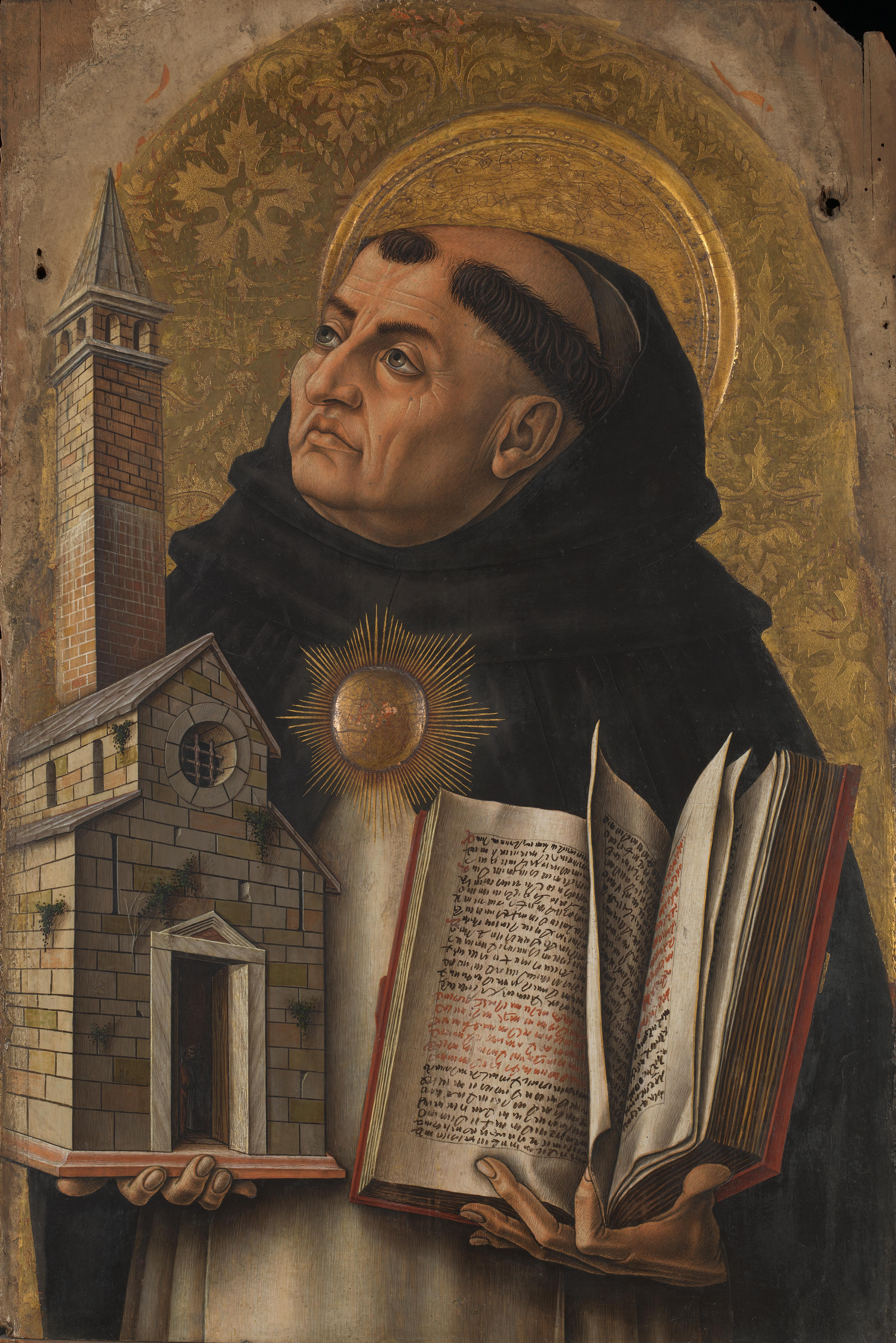
Thomas Aquinas
1225 CE – 1274 CE
Roccasecca, County of Aquino
Medieval Dominican scholastic philosopher of faith and reason, act and potency, essence and existence, divine simplicity, analogy, the Five Ways, natural law, virtue, beatitude, soul, Aristotle commentary, and Thomism.