Philosophy School
Tiantai
Chinese Mahāyāna Buddhist philosophical school centered on Zhiyi, Mount Tiantai, the Lotus Sūtra, the perfect teaching, three truths, one vehicle, doctrinal classification, and integrated calming-and-contemplation practice.
Structural Factors
- Shared Core Claims
- Tiantai holds that all phenomena are empty, provisionally existent, and the middle at once; that the Lotus Sūtra reveals the Buddha's complete teaching; and that every moment of thought contains the whole interdependent cosmos.
- Shared Methods
- The school uses scriptural hermeneutics, panjiao doctrinal classification, meditation manuals, śamatha-vipaśyanā or zhiguan practice, Lotus Sūtra commentary, dialectical analysis of emptiness and provisionality, and systematic synthesis of Buddhist teachings.
- Shared Lineage
- Tiantai traces Indian roots through Nāgārjuna and Madhyamaka, Chinese formation through Huiwen and Huisi, mature systematization by Zhiyi, transmission through Guanding and Zhanran, and later East Asian developments in Tendai, Korean Cheontae, and Lotus traditions.
- Shared Problems
- Central problems include how many Buddhist teachings cohere, how relative phenomena and emptiness interpenetrate, how the Lotus Sūtra ranks among scriptures, how practice and doctrine unify, and how ordinary deluded thought can disclose Buddhahood.
- Shared Vocabulary
- Key terms include Tiantai, Fahua, Lotus Sūtra, ekayāna, three truths, emptiness, provisional existence, middle, one thought three thousand, perfect teaching, five periods, eight teachings, zhiguan, calming, contemplation, Buddha-nature, and skillful means.
- Shared Historical Context
- Tiantai arose in sixth-century China as one of the first fully systematized Sinitic Buddhist schools, integrating Indian Mahāyāna sources, Chinese exegetical habits, Lotus devotion, meditation practice, and comprehensive doctrinal taxonomy.
Defining Axes
- Doctrine
- Doctrinally, Tiantai is defined by the three truths, the perfect and sudden teaching, one vehicle, one thought containing three thousand worlds, universal Buddha-nature, the centrality of the Lotus Sūtra, and the mutual inclusion of all dharmas.
- Method
- Its method is synthetic and contemplative: classify teachings, interpret scripture, reconcile apparent contradictions, analyze phenomena through the three truths, and cultivate calming and contemplation as one integrated practice.
- Lineage
- The lineage runs from Nāgārjuna as revered patriarch through Huiwen, Huisi, Zhiyi, Guanding, Zhanran, Song Tiantai debates, Japanese Tendai, Korean Cheontae, and later Lotus-centered Buddhist movements.
- Subject Focus
- Tiantai focuses on Buddhist metaphysics, hermeneutics, philosophy of religion, meditation theory, ontology of interpenetration, scriptural classification, soteriology, ethics of universal Buddhahood, and East Asian intellectual history.
- Geography / Culture
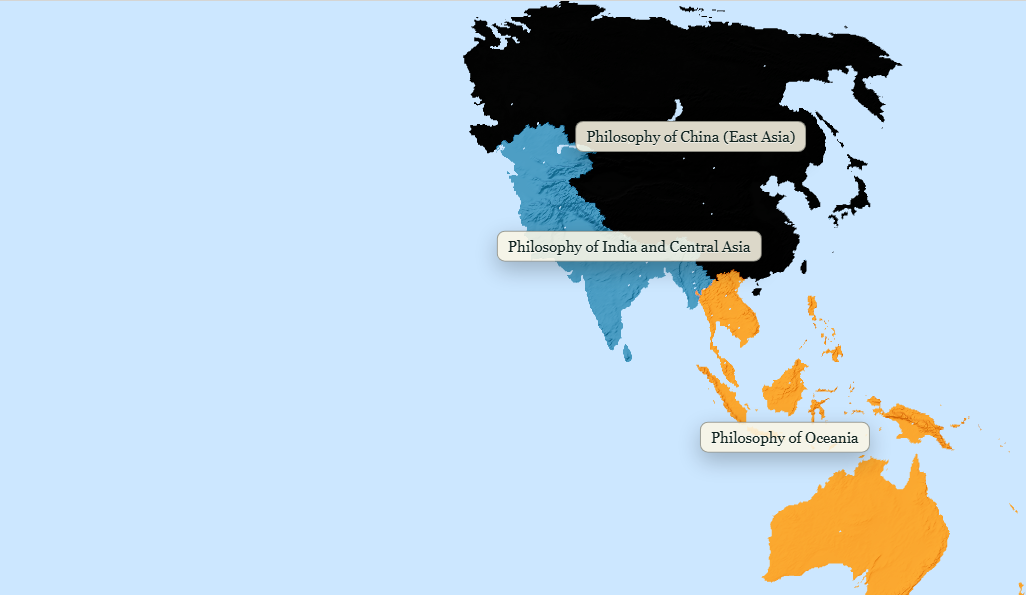
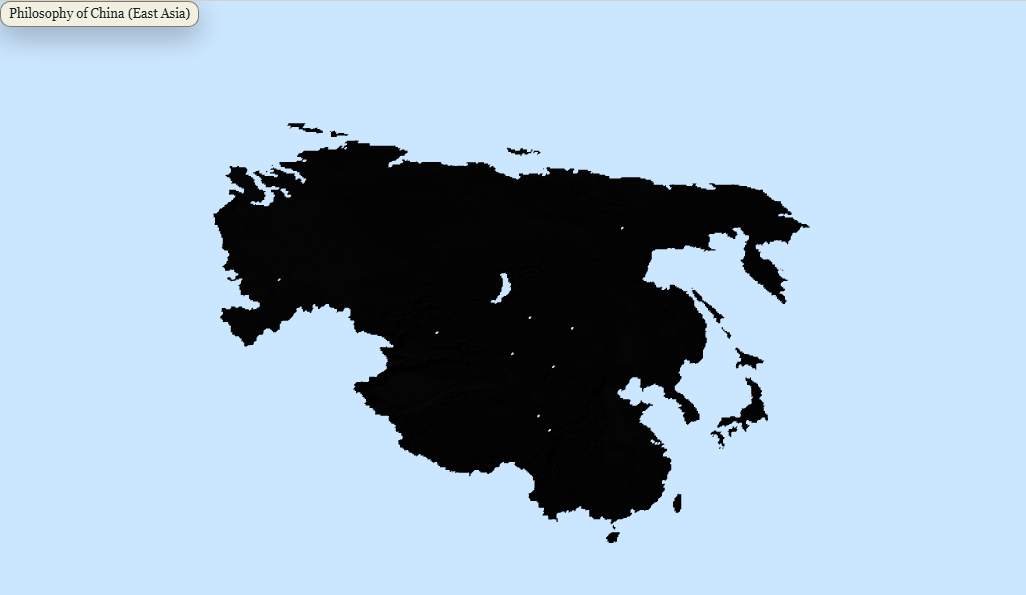
- Tiantai developed in Chinese Buddhist monastic and exegetical culture around Mount Tiantai and later spread through East Asian Buddhist networks, especially Japan, Korea, and Lotus-oriented institutions.
- Historical Reaction
- Tiantai responds to the plurality of translated Buddhist scriptures, competing meditation and scholastic traditions, Madhyamaka and Yogācāra materials, Chinese concerns about doctrinal hierarchy, and the need for a coherent East Asian Buddhist synthesis.
Internal Structure
- Foundational Texts
- Foundational texts include the Lotus Sūtra, Zhiyi's Mohe Zhiguan, Profound Meaning of the Lotus Sūtra, Words and Phrases of the Lotus Sūtra, Guanding's records, Zhanran's commentaries, and later Tendai and Tiantai doctrinal works.
- Core Vocabulary
- Core vocabulary includes Lotus, one vehicle, perfect teaching, three truths, emptiness, provisionality, middle, interpenetration, contemplation, calming, five periods, eight teachings, ten suchnesses, three thousand worlds, Buddha-nature, and skillful means.
- Metaphysics
- Tiantai metaphysics treats each phenomenon as empty, provisionally present, and the middle simultaneously, with every dharma mutually including all others and every moment of thought disclosing the full structure of the cosmos.
- Epistemology
- Tiantai epistemology joins scriptural understanding, contemplative insight, doctrinal classification, and direct realization, treating knowledge as a transformation of how phenomena are seen through the three truths.
- Ethics
- Tiantai ethics follows from universal Buddha-nature and interdependence: practice should cultivate compassion, skillful means, disciplined meditation, reverence for the Lotus Sūtra, and the recognition that delusion and awakening are not externally separate.
- Method
- The school proceeds through commentary, taxonomy, meditative instruction, synthesis of rival teachings, analysis of scriptural rank, and practical training in zhiguan as the enactment of doctrinal insight.
- Internal Debates
- Internal debates concern sudden and gradual practice, the status of inherent evil, the relation between Tiantai and Chan or Pure Land, Song-era Shanjia and Shanwai disputes, and the balance between textual exegesis and contemplation.
- Successors
- Successors include Chinese Tiantai revival traditions, Japanese Tendai, Korean Cheontae, Nichiren and Lotus-centered movements, modern Buddhist studies of interpenetration, and comparative philosophy of nondual ontology.
External Classification Context
- History of Philosophy
- Tiantai is a major East Asian Buddhist philosophical system and one of the clearest examples of Chinese Buddhist synthesis, joining Madhyamaka, Lotus hermeneutics, meditation, and ontology into a comprehensive school.
- Philosophy of Philosophy
- Tiantai treats philosophy as scriptural interpretation and contemplative transformation: doctrine is valuable because it orders teachings and changes how the practitioner sees each moment of experience.
- Intellectual History
- The tradition links Chinese translation culture, Lotus Sūtra devotion, Buddhist scholastic taxonomy, meditation manuals, monastic lineage, Japanese Tendai transmission, and modern comparative studies of interdependence.
- University Classification
- Classify Tiantai under Chinese philosophy, Buddhist philosophy, East Asian philosophy, philosophy of religion, metaphysics, hermeneutics, meditation theory, Mahāyāna studies, and intellectual history.
- Classical Sources
- Classical sources include the Lotus Sūtra, Madhyamaka materials, works attributed to Zhiyi, Guanding's records, Zhanran's commentaries, Tiantai doctrinal taxonomies, Tendai sources, and modern translations of Tiantai texts.
- Sociology of Knowledge
- Tiantai survives through monastic lineages, scriptural commentary, ritual and meditation instruction, Chinese and Japanese temple institutions, manuscript and print circulation, modern Buddhist scholarship, and contemporary Lotus-centered communities.
Linked Philosophers
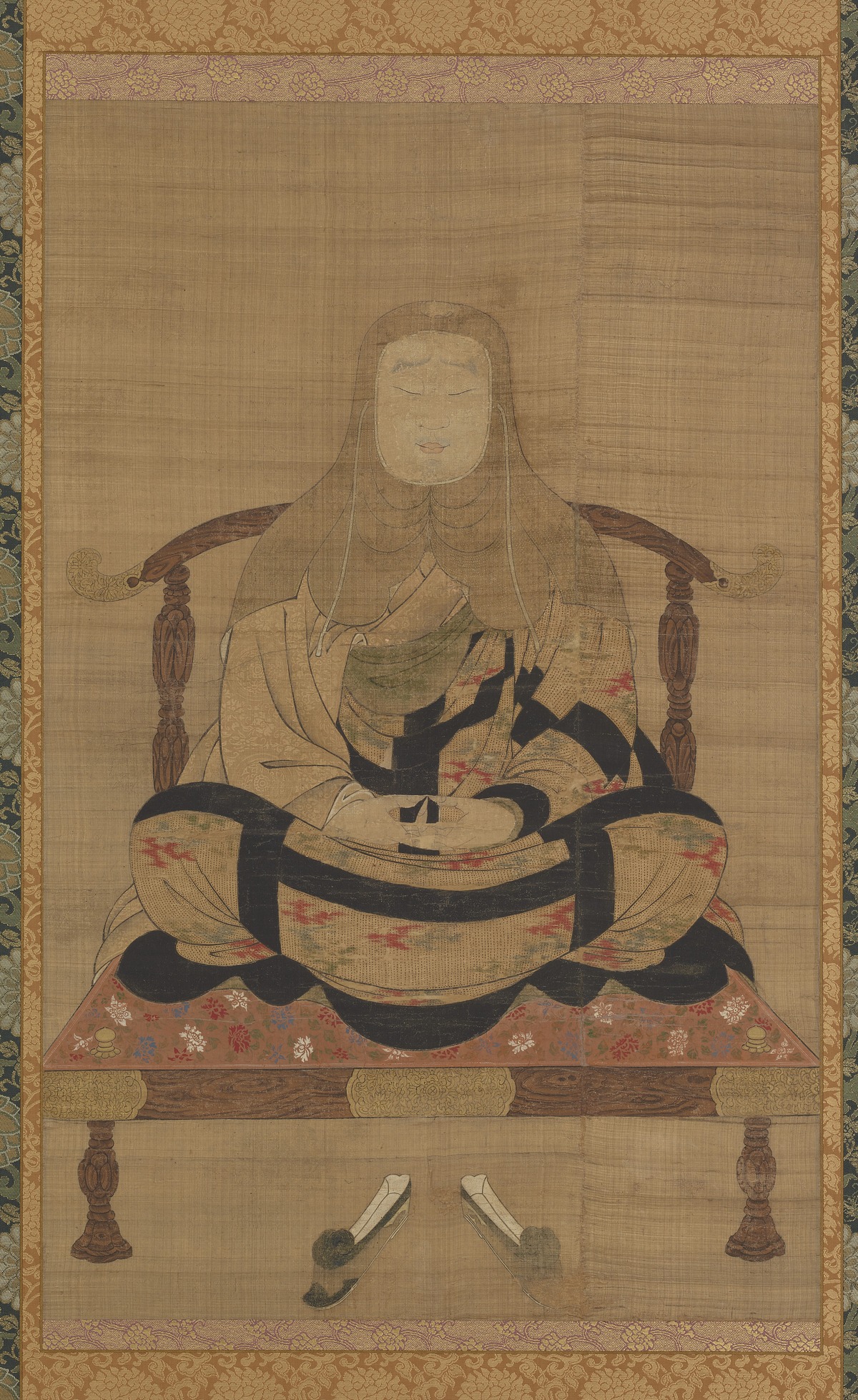
Zhiyi
538 CE – 597 CE
Huarong, Jingzhou; source surfaces vary Hunan/Hubei, exact site uncertain
Sui Tiantai Buddhist philosopher whose Lotus Sutra hermeneutics, three-truths metaphysics, panjiao classification, and calming-insight meditation system shaped East Asian Buddhist thought.