Vedanta
Classical Indian philosophical tradition interpreting the Upanishads, Brahma Sutras, and Bhagavad Gita around Brahman, self, world, liberation, scriptural authority, and the relation between ultimate reality and lived experience.
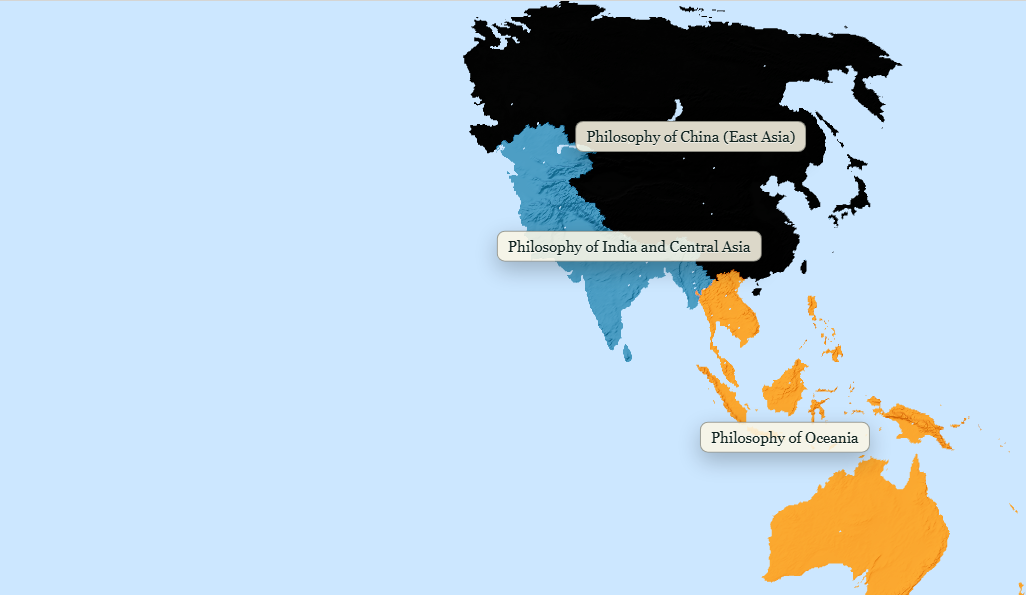
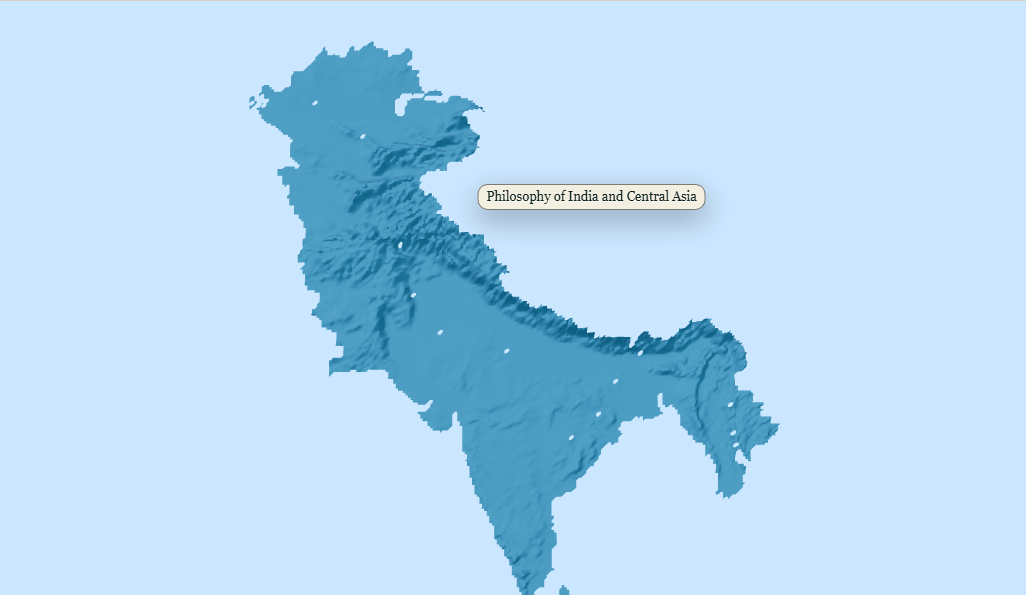
Structural Factors
- Shared Core Claims
- Vedanta holds that the highest philosophical task is to understand Brahman, Atman, the world, ignorance, bondage, and liberation through disciplined interpretation of the Upanishadic inheritance. Its sub-schools disagree over nonduality, qualified nonduality, duality, and difference-and-non-difference.
- Shared Methods
- The school uses scriptural exegesis, sutra commentary, debate, hermeneutics, Sanskrit scholastic argument, meditative inquiry, devotional interpretation, teacher lineage, and comparison of Upanishads, Brahma Sutras, and Bhagavad Gita.
- Shared Lineage
- Vedanta develops from Vedic and Upanishadic teachers such as Yajnavalkya, Gargi, Maitreyi, Uddalaka, Satyakama, Raikva, Sanatkumara, Vasistha, and Badarayana, then through Shankara, Ramanuja, Madhva, Bhaskara, Nimbarka, Vallabha, Chaitanya, and later Vedantic lineages.
- Shared Problems
- Central problems include the meaning of Brahman, whether Atman and Brahman are identical, how the world is real or dependent, how ignorance binds, how liberation is attained, and how scripture, reason, devotion, and experience cooperate.
- Shared Vocabulary
- Key terms include Brahman, Atman, jiva, Ishvara, moksha, samsara, avidya, maya, vidya, sat, cit, ananda, neti neti, pramana, sruti, bhashya, prapatti, bhakti, jnana, karma, and Prasthanatrayi.
- Shared Historical Context
- Vedanta became one of the major orthodox Indian darshanas by systematizing Upanishadic speculation through the Brahma Sutras and later commentarial traditions, then developed into Advaita, Vishishtadvaita, Dvaita, Bhedabheda, and other schools.
Defining Axes
- Doctrine
- Doctrinally, Vedanta is defined by Brahman inquiry, Upanishadic authority, the Prasthanatrayi, liberation from bondage, and competing accounts of the relation among self, God, world, knowledge, devotion, and ignorance.
- Method
- Its method is exegetical and philosophical: interpret root texts, reconcile scriptural passages, comment on sutras, distinguish levels of reality or meaning, debate rival schools, and apply teaching through knowledge, devotion, or discipline.
- Lineage
- The lineage runs from Vedic and Upanishadic teachers through Badarayana's Brahma Sutras to classical commentators and sub-school founders including Shankara, Ramanuja, Madhva, Bhaskara, Nimbarka, Vallabha, Chaitanya, and modern Vedanta interpreters.
- Subject Focus
- Vedanta focuses on metaphysics, philosophy of religion, philosophy of self, consciousness, language, hermeneutics, epistemology, liberation, devotion, ethics of spiritual practice, and the status of world and person.
- Geography / Culture
- Vedanta developed across South Asian Sanskrit intellectual culture and later circulated through monastic centers, temple communities, devotional movements, vernacular traditions, colonial translation, and global modern Hindu thought.
- Historical Reaction
- Vedanta responds to Vedic ritualism, Mimamsa hermeneutics, Buddhist and Jain critiques, Samkhya and Nyaya metaphysics, and internal disagreements over how the Upanishads should be interpreted.
Internal Structure
- Foundational Texts
- Foundational texts include the principal Upanishads, Brahma Sutras or Vedanta Sutras, Bhagavad Gita, Shankara's bhashyas, Ramanuja's Sri Bhashya, Madhva's commentaries, and later Vedantic sub-school texts.
- Core Vocabulary
- Core vocabulary includes ultimate reality, self, soul, God, world, ignorance, knowledge, liberation, scripture, commentary, nonduality, qualified nonduality, duality, difference, devotion, surrender, meditation, witness, and realization.
- Metaphysics
- Vedanta metaphysics analyzes Brahman as ultimate reality, the status of Atman, the dependence or reality of the world, the role of Ishvara, and the relation among consciousness, being, individuality, and manifestation.
- Epistemology
- Vedanta epistemology combines scriptural testimony, reasoned interpretation, direct realization, debate over pramanas, and the transformation of understanding from ordinary mistaken identification toward liberating knowledge.
- Ethics
- Vedanta ethics centers on self-discipline, truthfulness, detachment, devotion, compassion, teacher-student discipline, renunciation or purified action, and practices that prepare the mind for knowledge or surrender.
- Method
- The school proceeds through commentary on authoritative texts, reconciliation of difficult passages, dialectical argument against rival interpretations, meditative teaching, devotional practice, and lineage-based instruction.
- Internal Debates
- Internal debates concern Advaita nonduality, Vishishtadvaita qualified nonduality, Dvaita dualism, Bhedabheda difference-and-non-difference, the reality of the world, the nature of ignorance, and the relative roles of knowledge, devotion, and grace.
- Successors
- Successors include Advaita Vedanta, Vishishtadvaita, Dvaita, Bhedabheda, Acintya Bheda Abheda, modern Hindu philosophy, neo-Vedanta, comparative philosophy of consciousness, and global reception of Upanishadic thought.
External Classification Context
- History of Philosophy
- Vedanta is one of the central Indian philosophical traditions, joining textual hermeneutics, metaphysics, religious philosophy, and soteriology into a long-running debate over self, world, God, and ultimate reality.
- Philosophy of Philosophy
- Vedanta treats philosophy as liberating interpretation: reasoning and textual study matter because they remove ignorance, disclose the meaning of inherited revelation, and guide practice toward realization.
- Intellectual History
- The tradition links Vedic revelation, Upanishadic speculation, sutra systematization, Sanskrit commentary, devotional theology, monastic lineages, inter-school debate, colonial translation, and modern global spirituality.
- University Classification
- Classify Vedanta under Indian philosophy, Hindu philosophy, metaphysics, philosophy of religion, philosophy of self, consciousness studies, hermeneutics, Sanskrit studies, religious studies, and intellectual history.
- Classical Sources
- Classical sources include the Upanishads, Brahma Sutras, Bhagavad Gita, major bhashyas, Vedantic sub-commentaries, polemical works against rival schools, and later lineage texts in Sanskrit and vernacular traditions.
- Sociology of Knowledge
- Vedanta survives through teacher lineages, monasteries, temple communities, Sanskrit commentary, oral instruction, devotional institutions, manuscript and print circulation, university study, translation, and modern global teaching networks.
Linked Philosophers
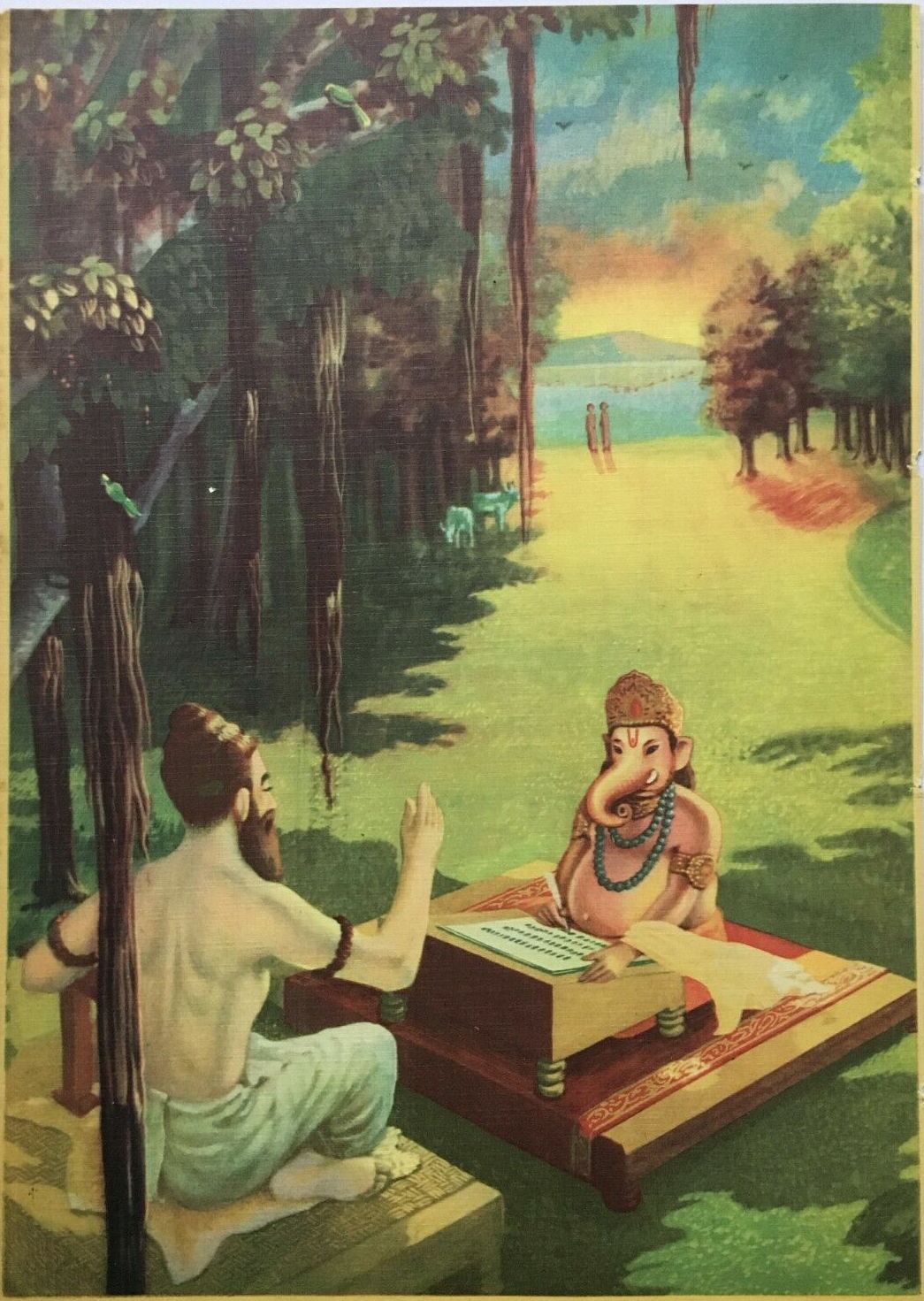
Bādarāyaṇa (Vyāsa)
500 BCE – 420 BCE
Indo-Gangetic region (traditional)
Indian sage-philosopher traditionally identified with Vyāsa and Bādarāyaṇa, linked to Vedānta, the Brahma Sūtras, epic philosophical teaching, Brahman, self, liberation, scripture, reason, and the metaphysical interpretation of Vedic revelation.
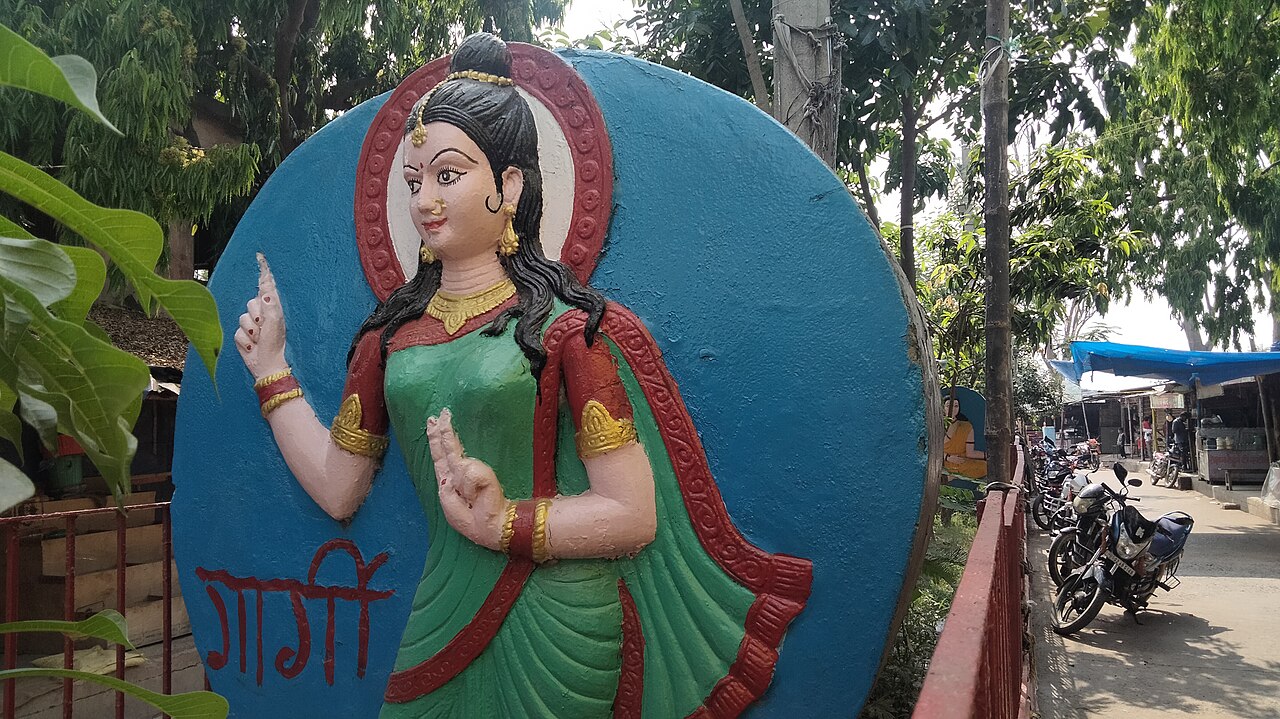
Gārgī Vācaknavī
700 BCE – 600 BCE
Videha / Mithilā region
Early Upanishadic woman philosopher from the Videha-Mithilā setting whose public questions to Yājñavalkya press inquiry toward the imperishable ground of world, speech, and knowledge.
Maitreyī
800 BCE – 700 BCE
Videha / Mithilā region; Upanishadic setting, exact birthplace unknown
Early Upanishadic woman philosopher whose dialogues with Yājñavalkya ask whether wealth can secure immortality and redirect inquiry toward ātman, self-knowledge, and renunciation.
Raikva
750 BCE – 700 BCE
Indo-Gangetic region
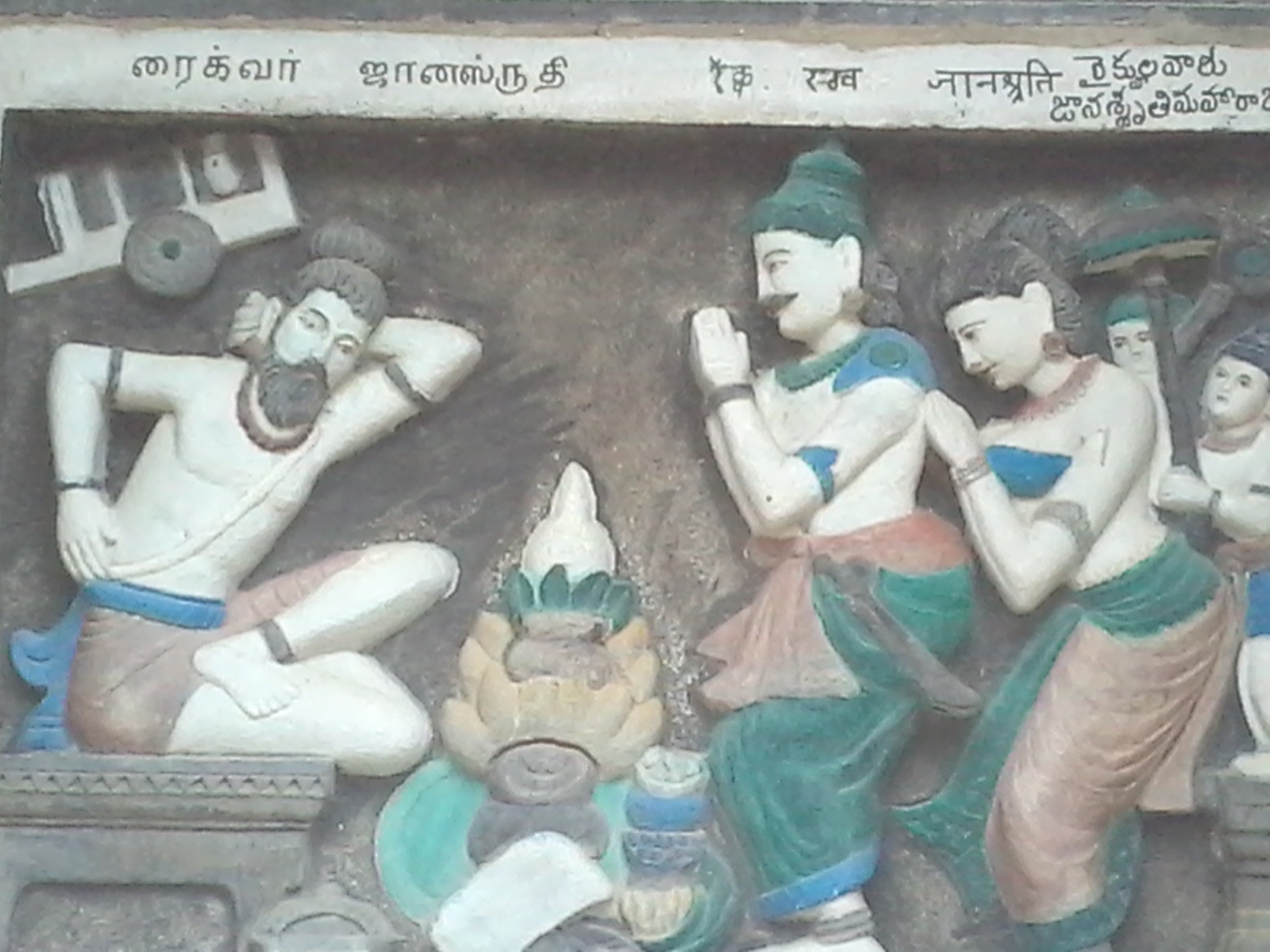
Upanishadic sage of the Chandogya Upanishad whose Samvarga Vidya joins Janasruti, humility before knowledge, the cart-man motif, Vayu as cosmic absorber, Prana as bodily absorber, food and eater imagery, and Vedic transmission.
Sanatkumāra
700 BCE – 600 BCE
Indo-Gangetic region (symbolic / cosmic teacher)
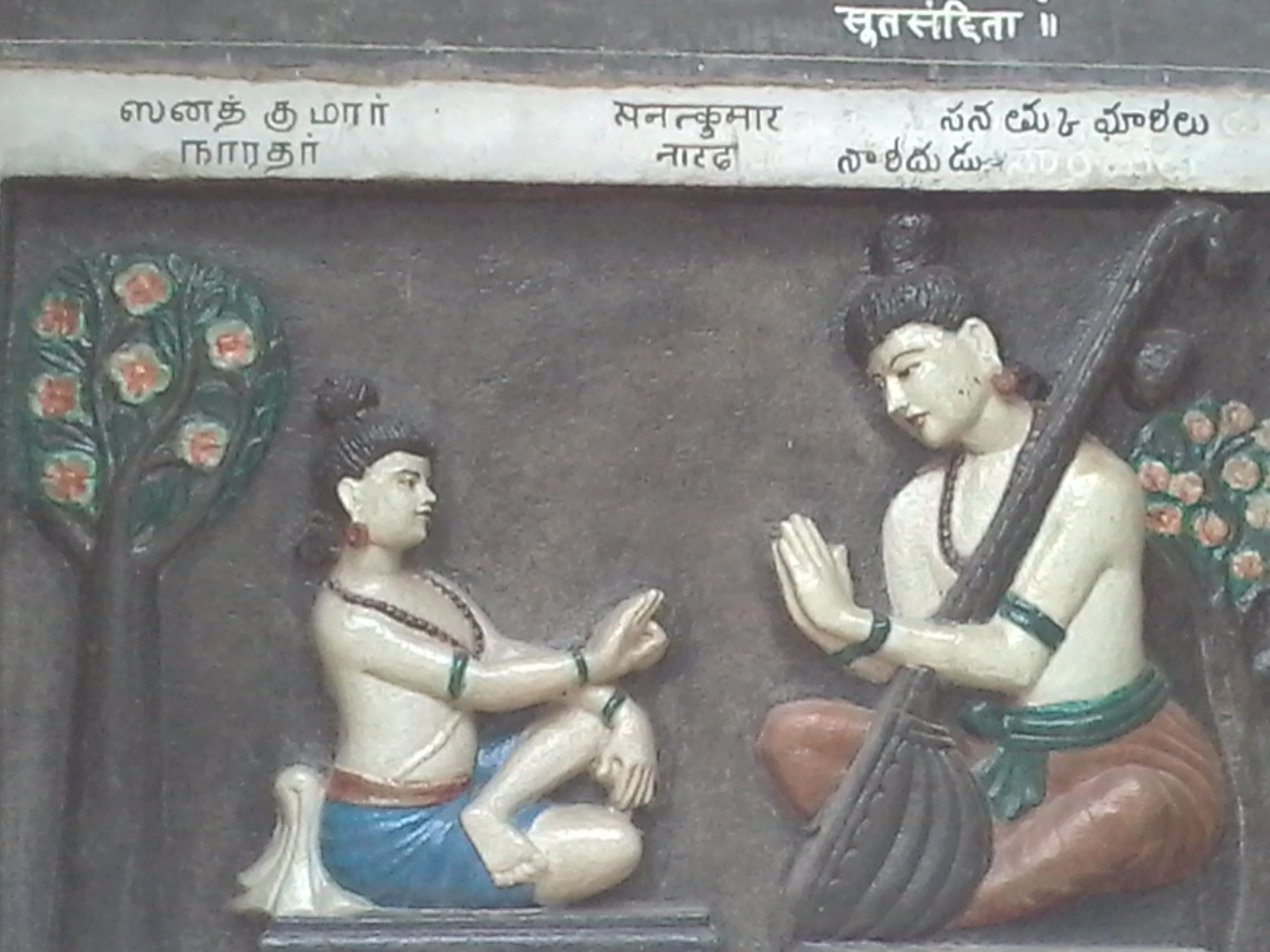
Upanishadic teacher of Nārada whose Chāndogya dialogue links language, knowledge, sorrow, and bhūman, the infinite fullness beyond finite disciplines.
Satyakāma Jābāla
700 BCE – 600 BCE
Indo-Gangetic region (Pañcāla tradition)
Upanishadic figure whose Chandogya episode treats truthful self-disclosure as the sign of spiritual fitness and a gateway into instruction about Brahman.
Uddālaka Āruṇi
750 BCE – 700 BCE
Kuru-Panchala region
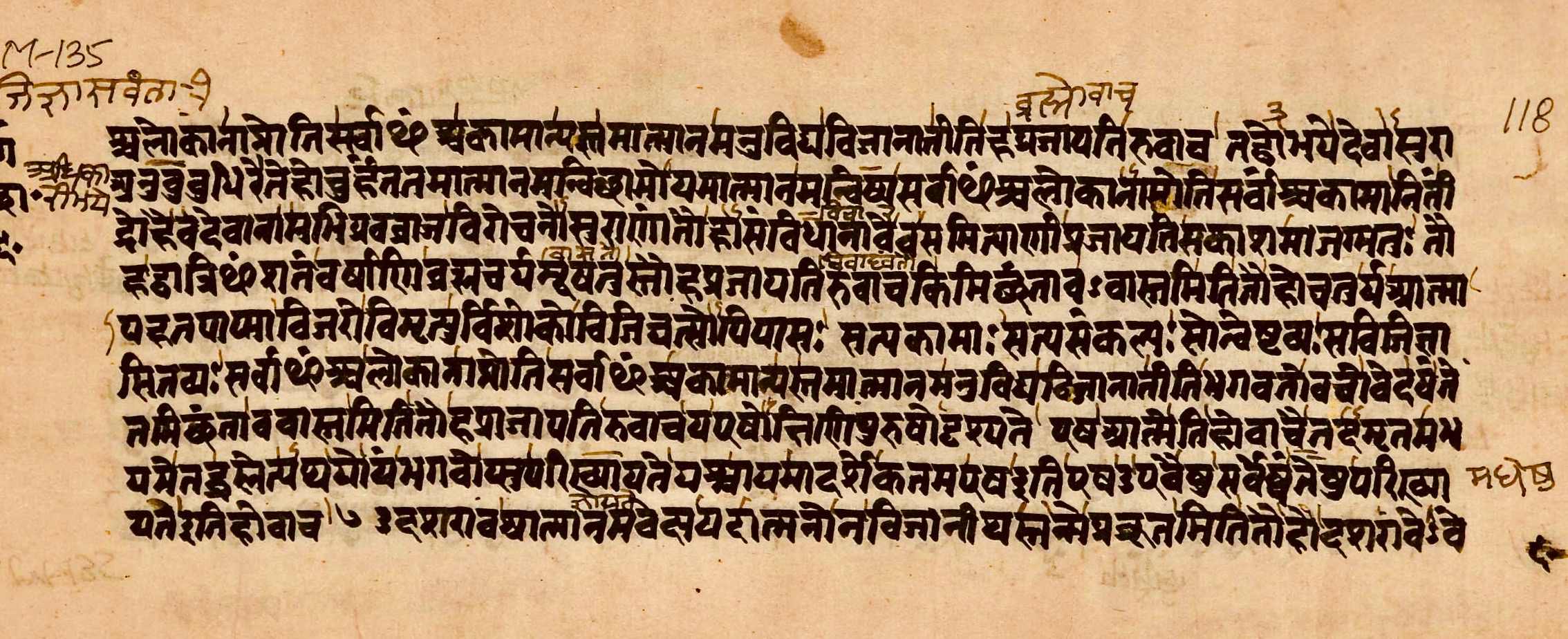
Early Upanishadic teacher of Shvetaketu whose Chandogya teaching joins sat, Atman, subtle essence, visible-to-invisible analogy, tat tvam asi, and later Vedanta reception.

Vasiṣṭha
1270 BCE – 1200 BCE
Rigvedic Bharata-Sudās priestly milieu; Sarasvatī-Paruṣṇī/Punjab horizon, exact birthplace unknown
Rigvedic rishi of the Bharata-Sudās priestly horizon whose Mandala 7 hymn blocks make mantra, sacred speech, Varuṇa theology, Sarasvatī, ṛta, yajña, and divine-human mediation central to early Vedic ritual philosophy.
Yājñavalkya
760 BCE – 685 BCE
Videha / Mithilā region; Upanishadic setting, exact birthplace unknown
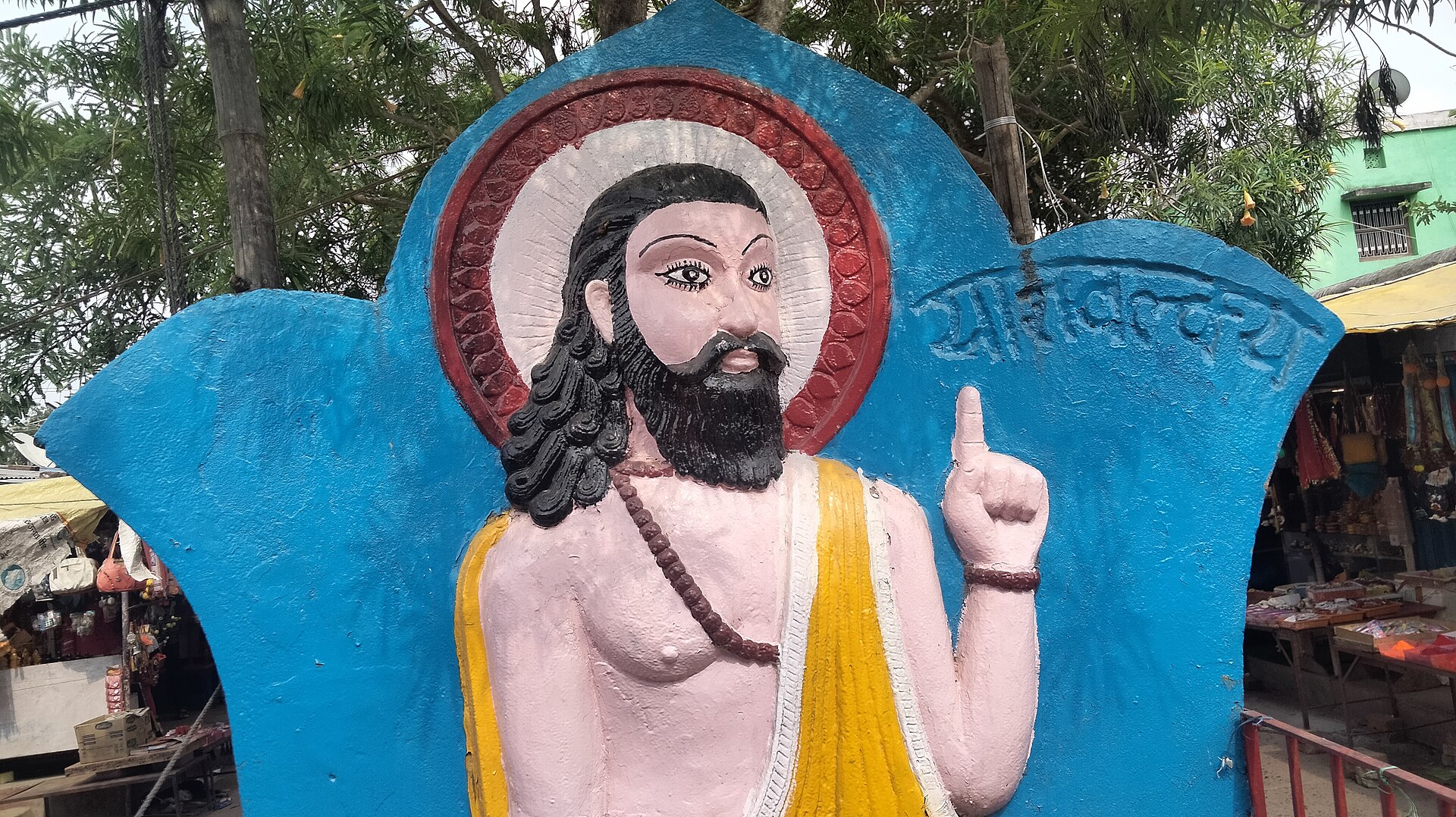
Late Vedic and early Upanishadic philosopher remembered for Śukla Yajurveda transmission, Bṛhadāraṇyaka debates with Janaka, Gārgī, and Maitreyī, and teachings on ātman, Brahman, renunciation, and dharma.