History
History studies the transformation of time into meaning. It traces how matter, life, and thought evolve into patterns of memory and civilization. More than a record of human events, it is a framework for understanding how order emerges from change—from cosmic expansion to human consciousness.
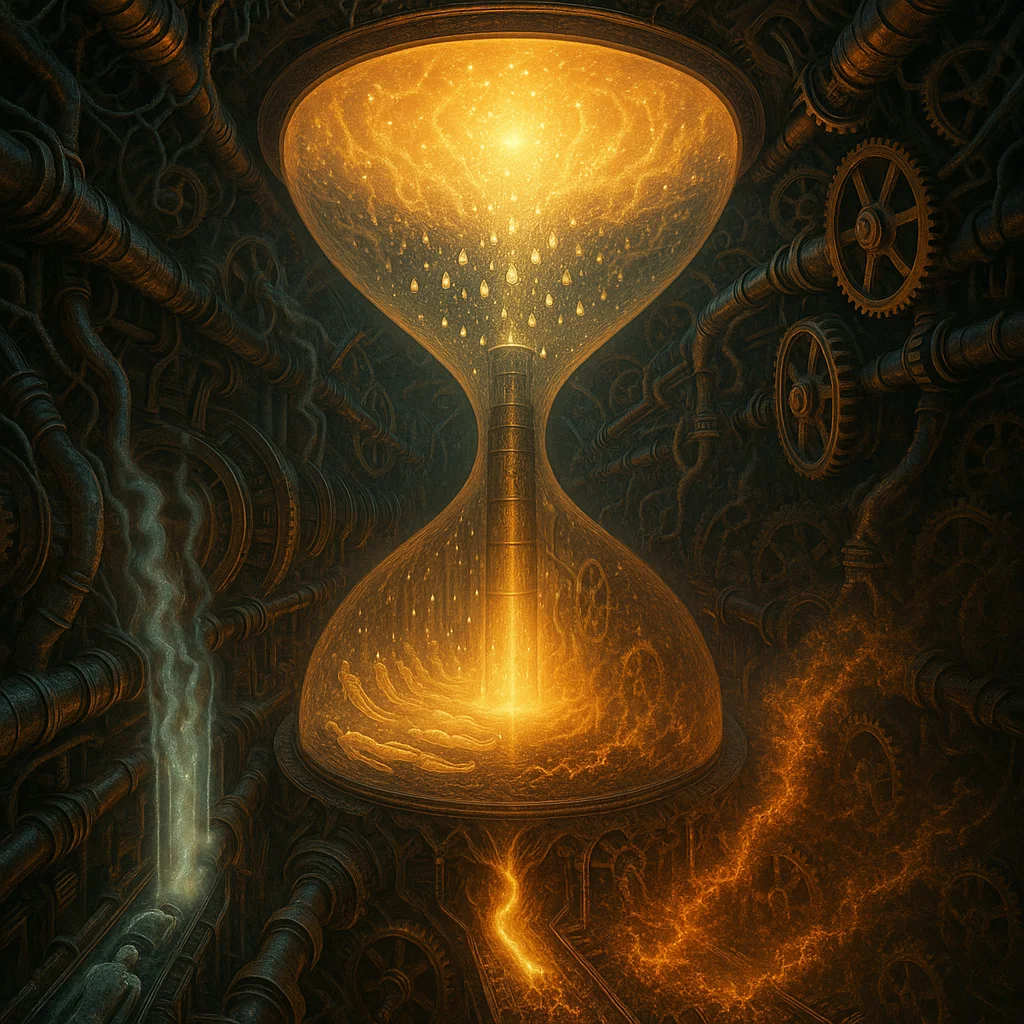
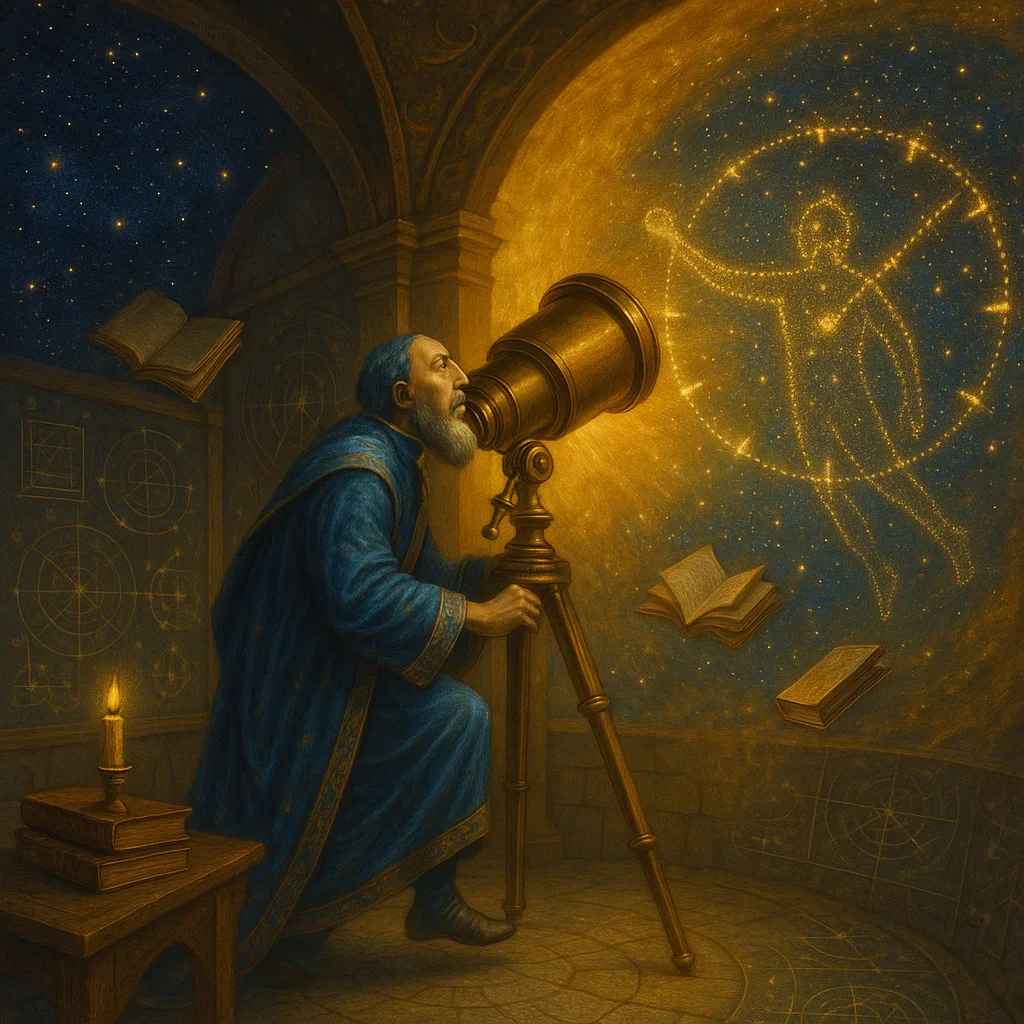
A calendar is a cultural technology for organizing time into recurring units—days, weeks, months, years—so that human activity aligns with natural cycles. They are built on astronomical foundations (solar, lunar, lunisolar) or abstract numerical systems, and serve functions ranging from agriculture and ritual to administration and cultural memory. In this chapter the major types of calendar systems are outlined along with their origins, structure, and role in society.
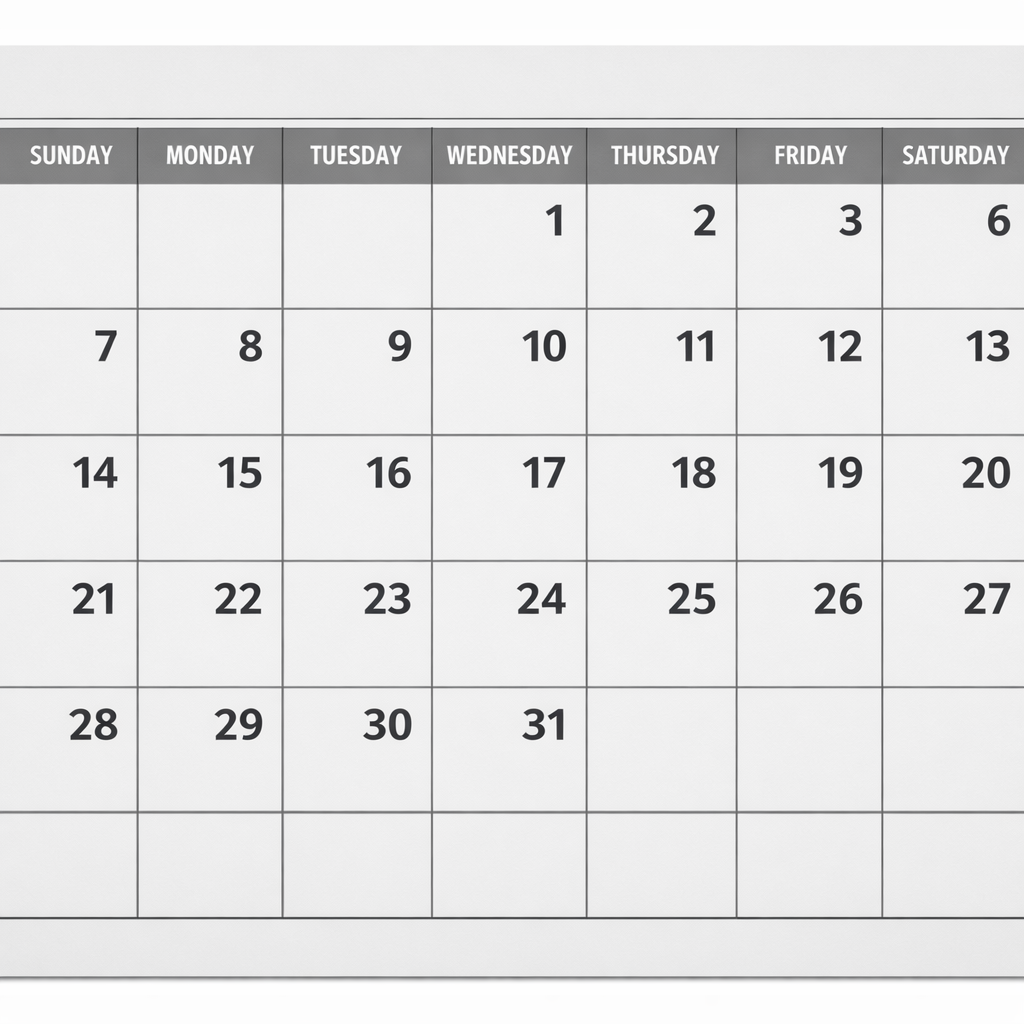
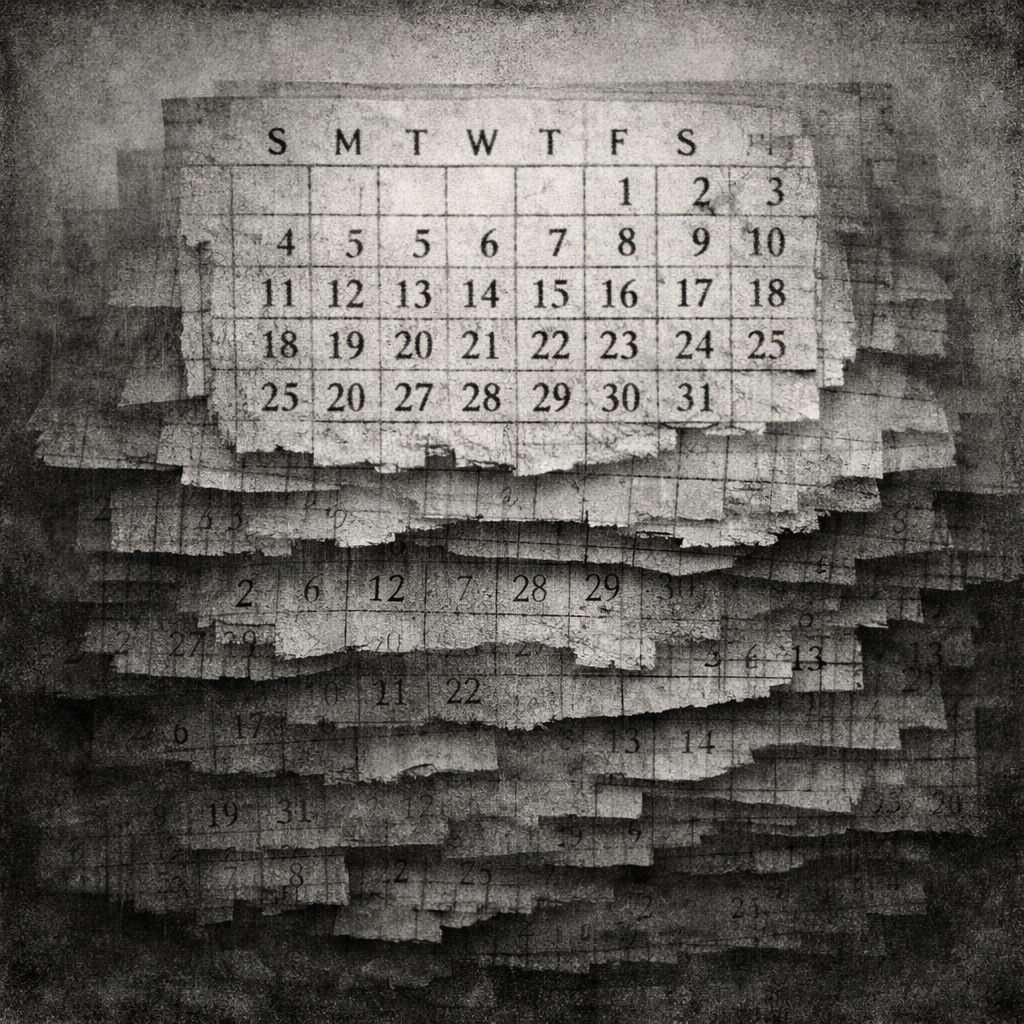
Time is experienced as flow but understood through division. From the instant that separates before from after to spans that exceed individual lives, units of time function as lenses that make duration intelligible. This page visualizes those lenses—each unit revealing a different aspect of persistence, rhythm, accumulation, and deep continuity.
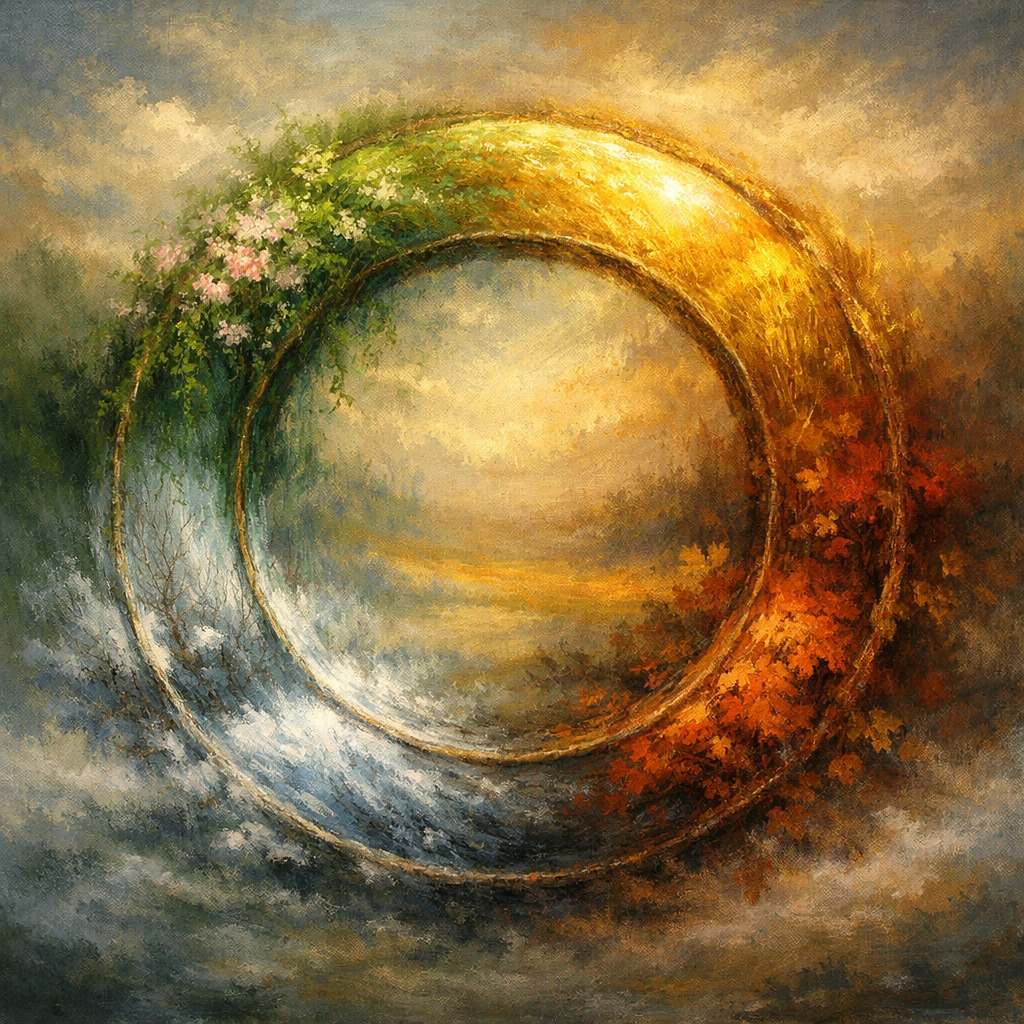

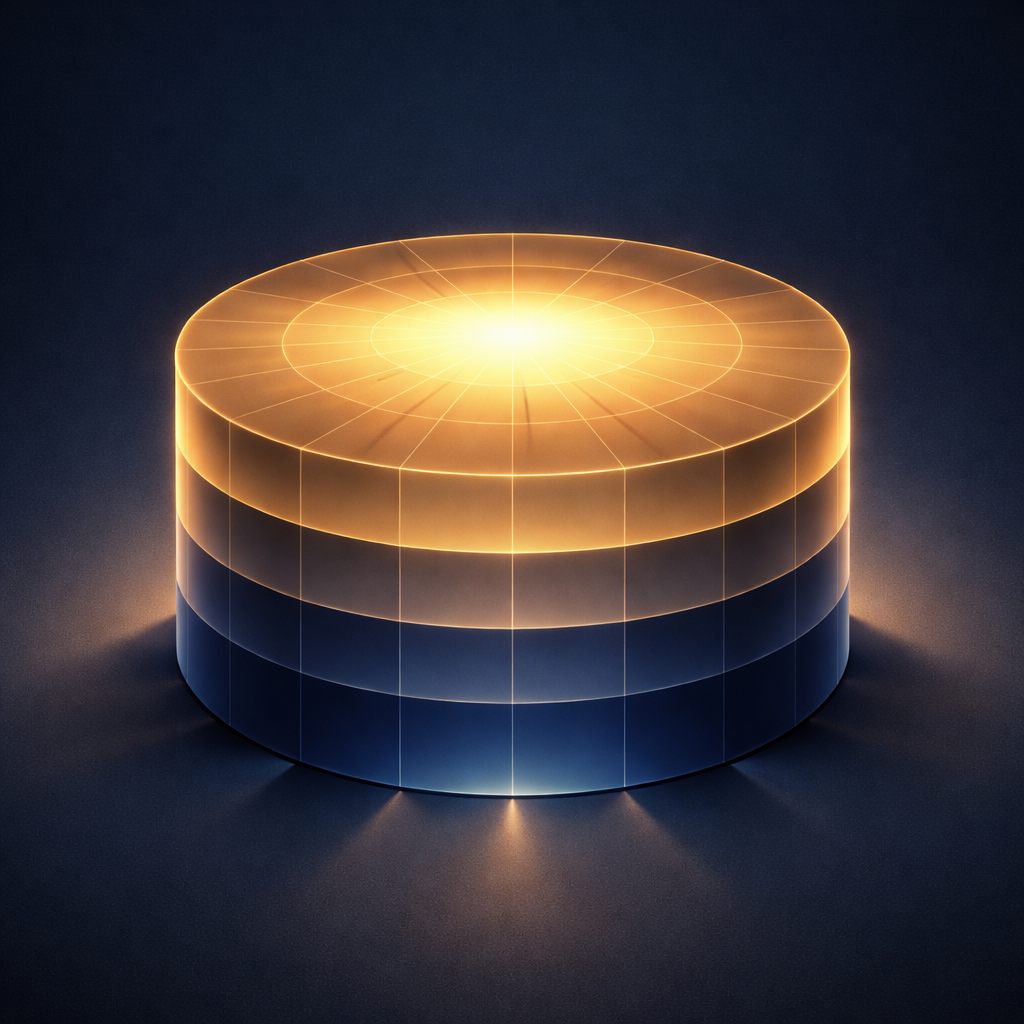
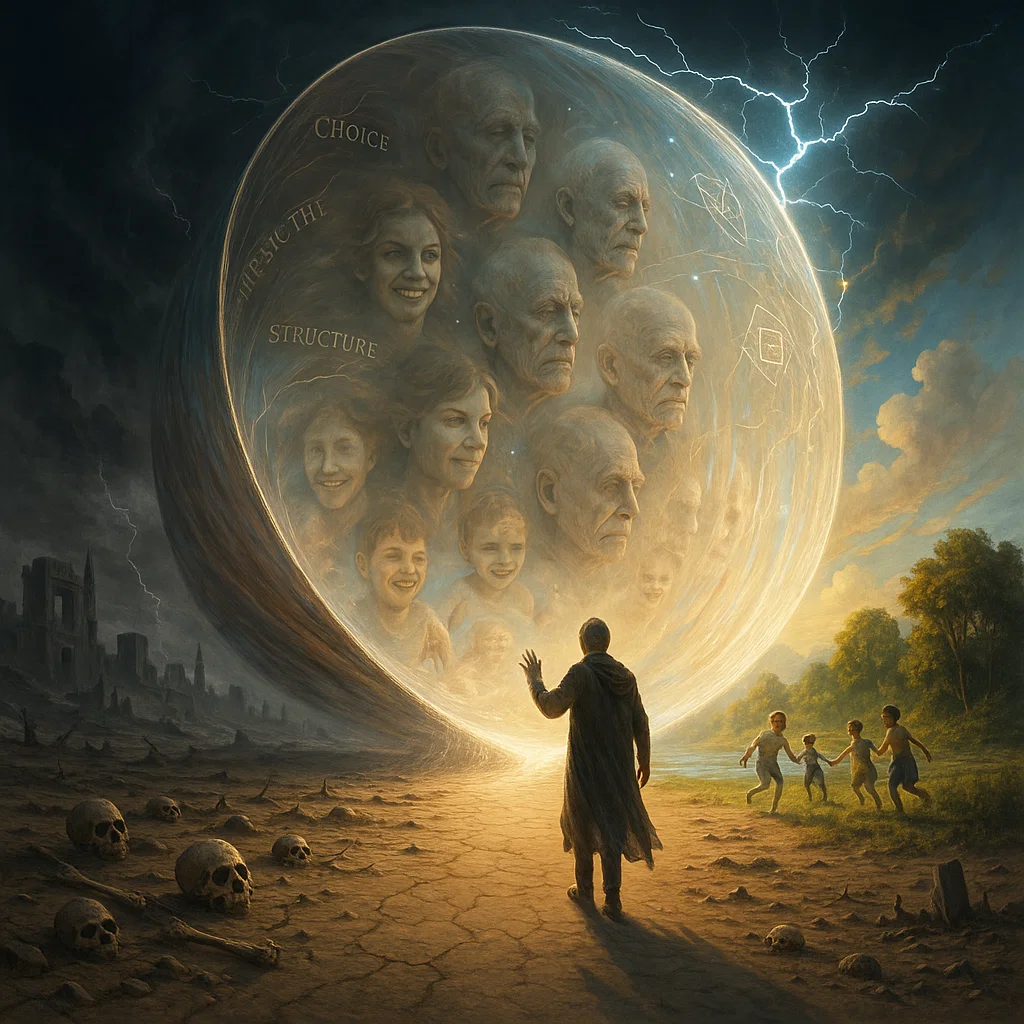
Time is the unfolding of Choice through structure.
It is not a container but a process of actualization—the way possibility becomes pattern.
In the Value Path:
Choice (0): timeless potential—pure freedom before event.
Perspective: awareness of possibility.
Purpose: selection of a path.
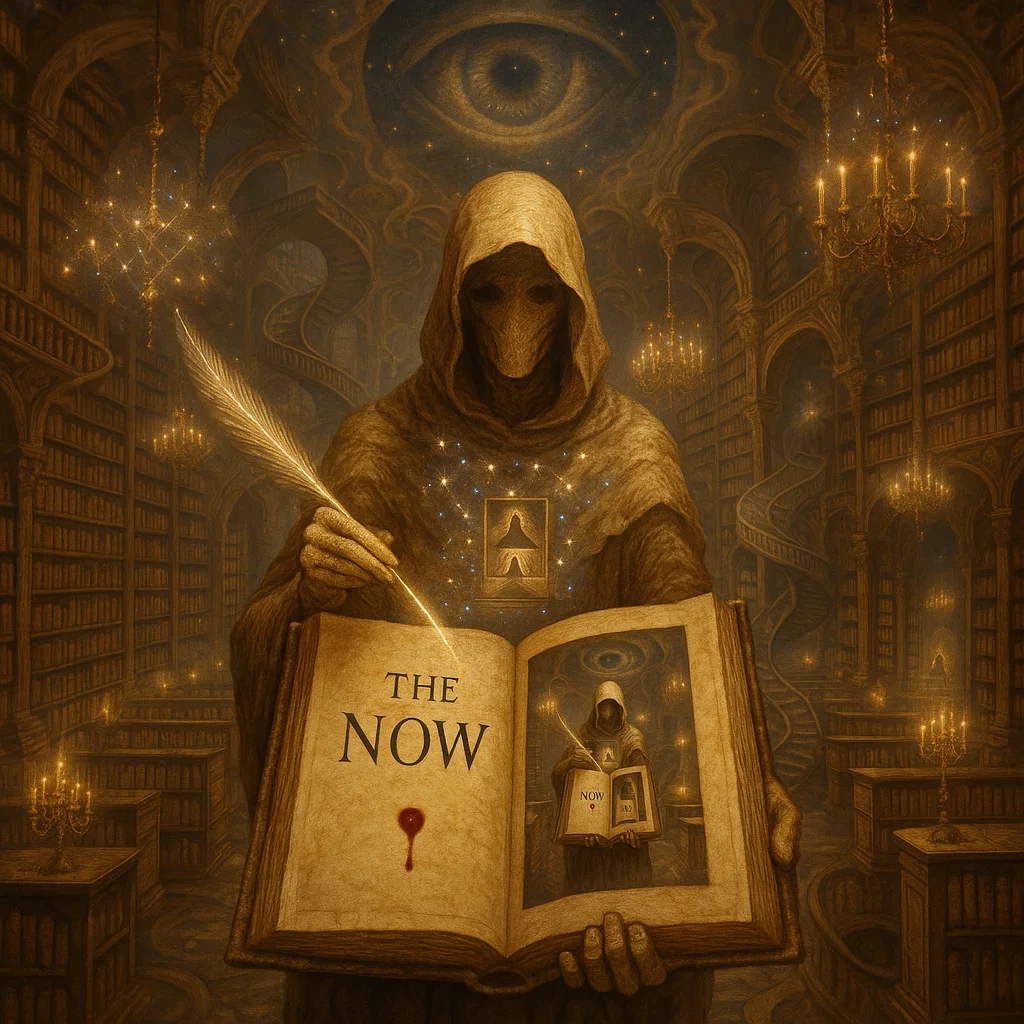
Moment: collapse of potential into actuality—time’s pulse.
Structure: the record of that collapse—time’s crystallized memory.
Scope: recognition of pattern through duration—time as continuum.
Value: meaning derived from temporal order.
Divinity: transcendence of time—return to the eternal state of Choice.
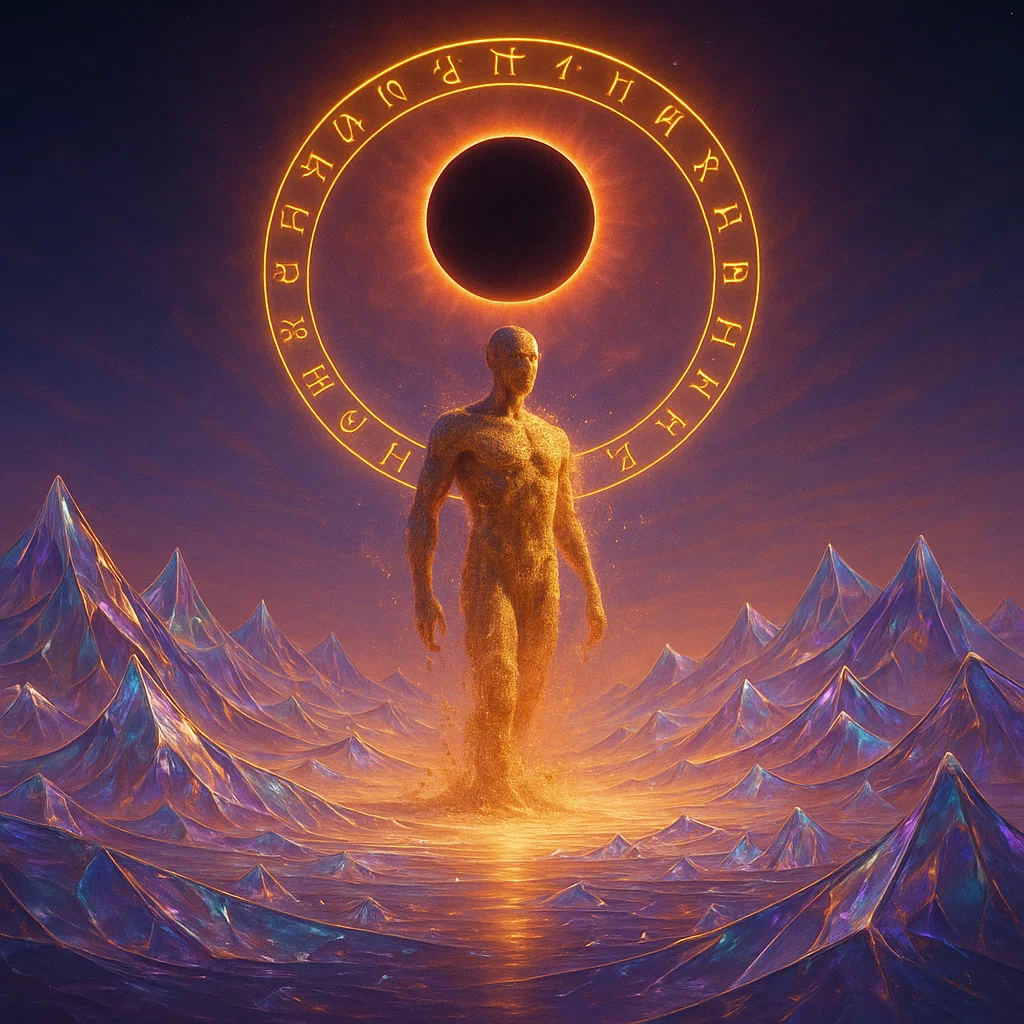
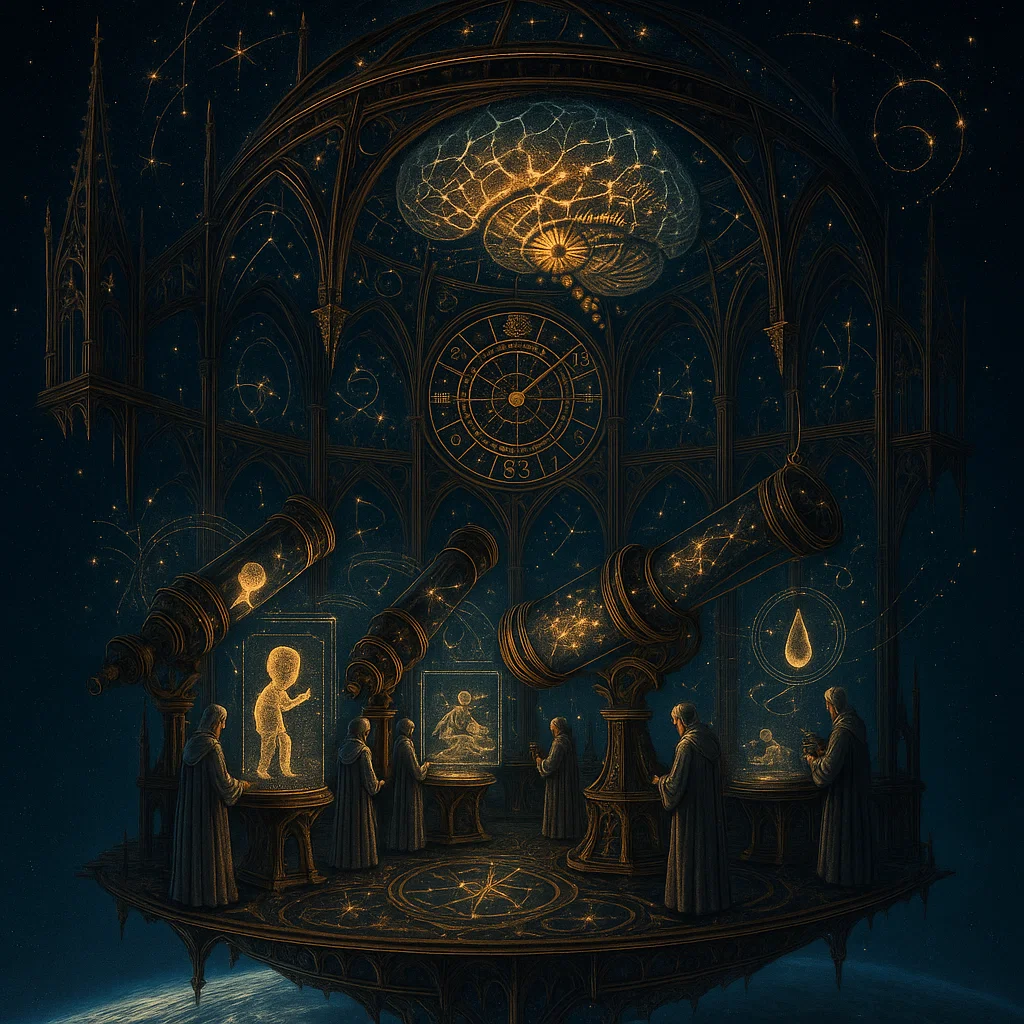
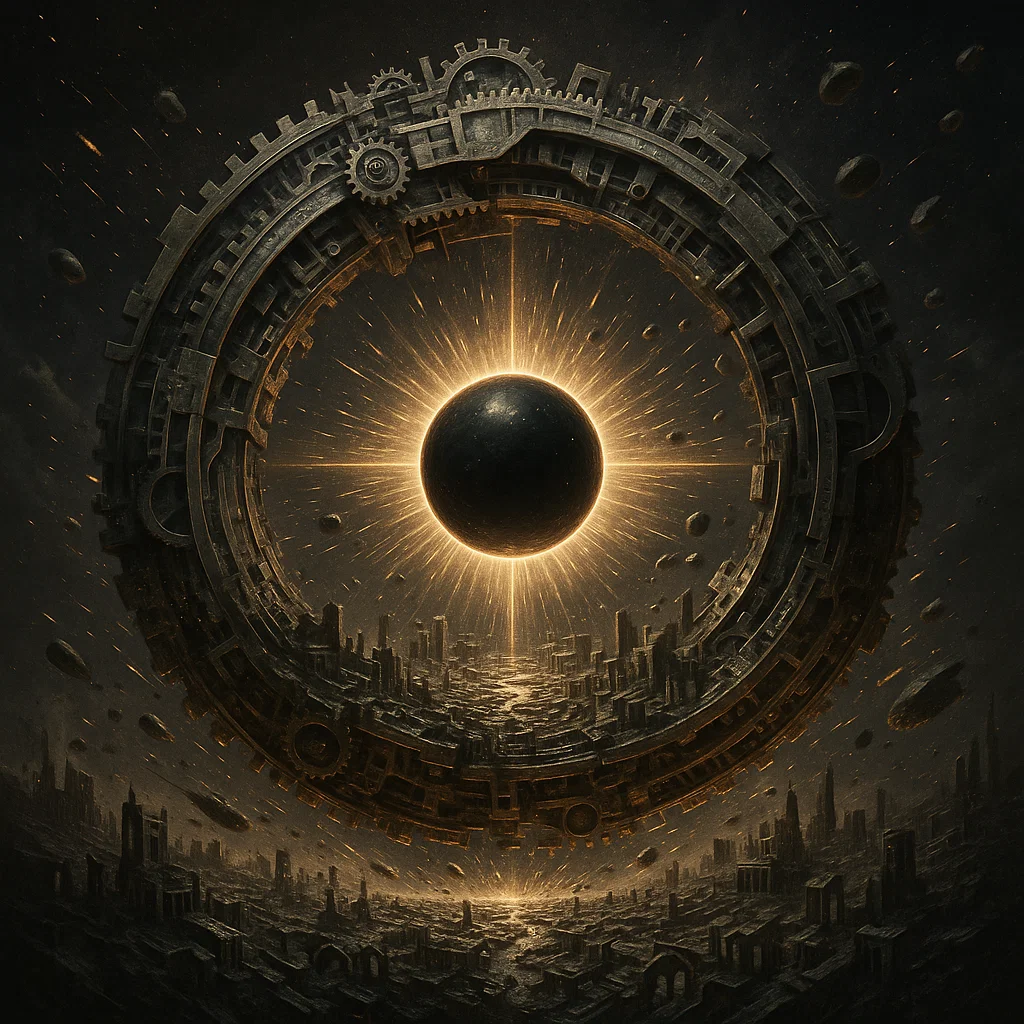
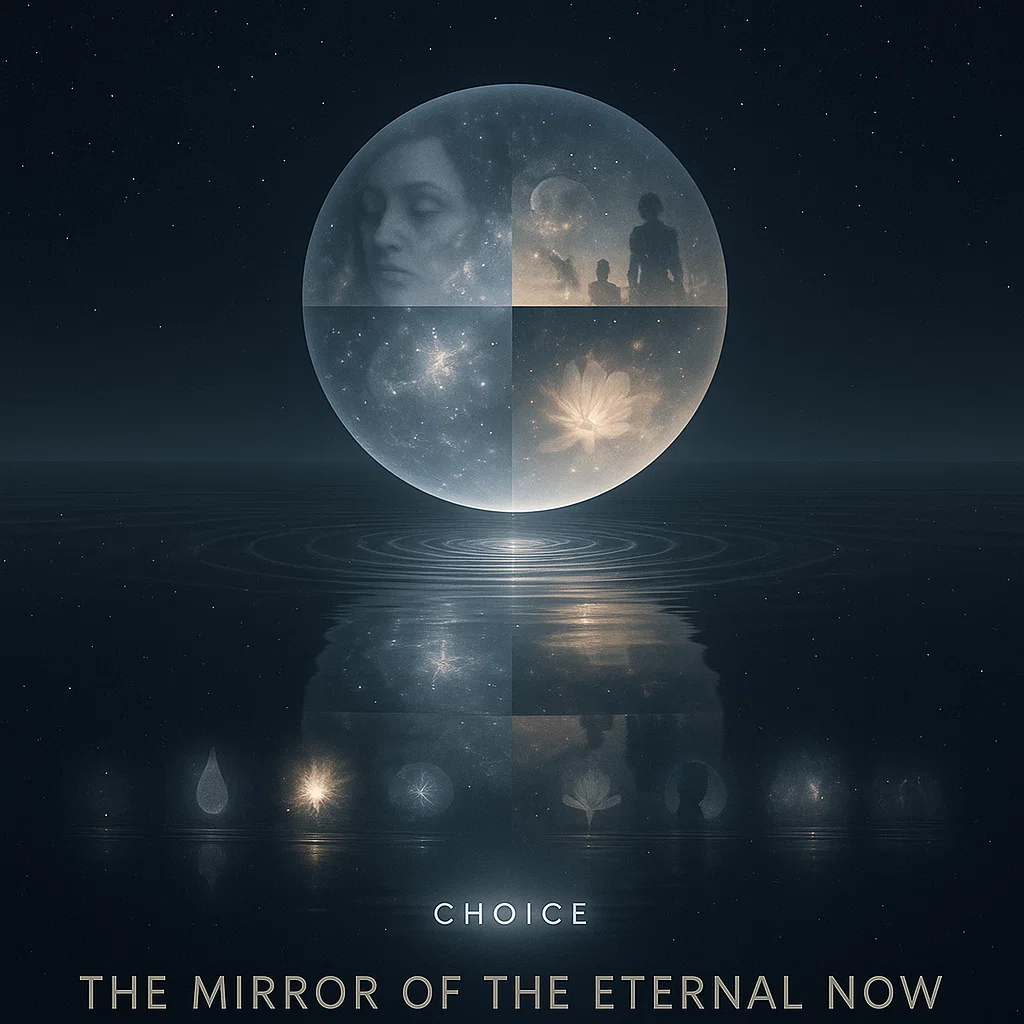
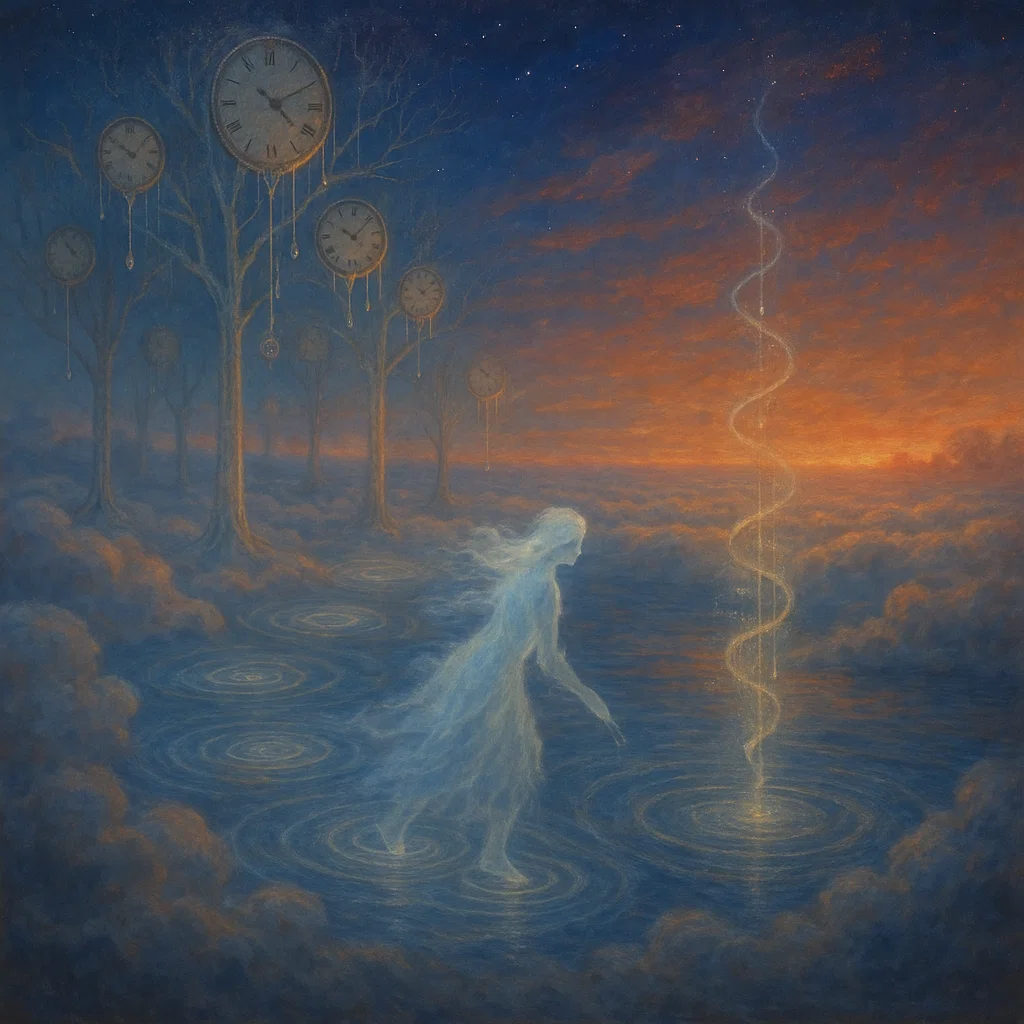
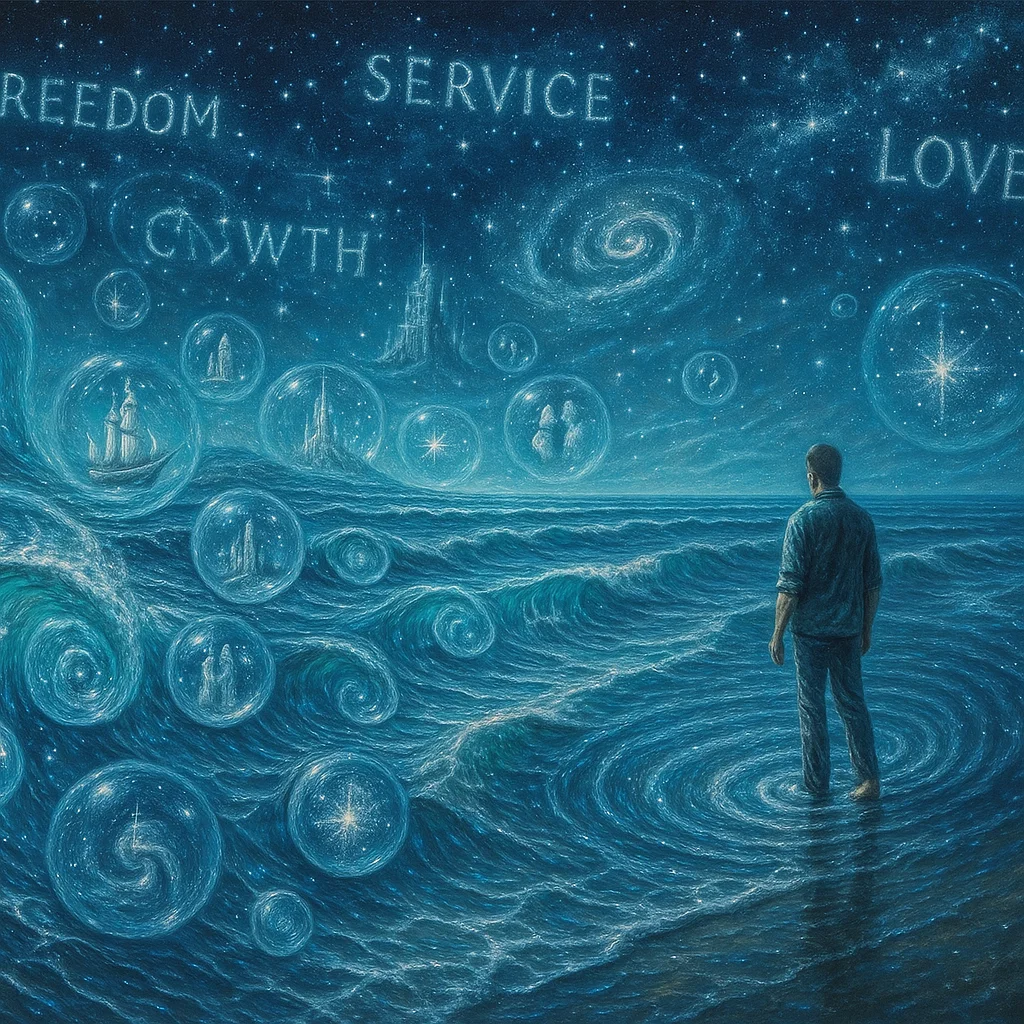
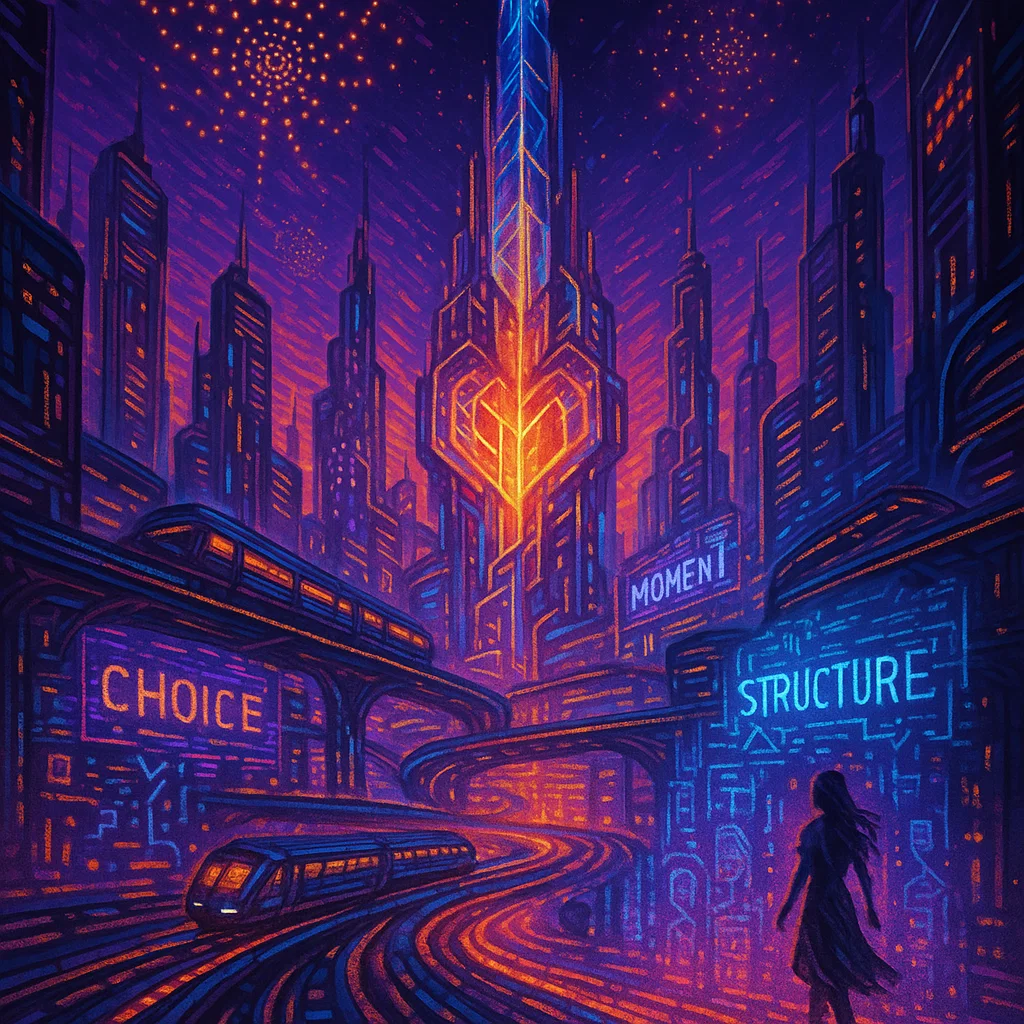
In short, time is the visible shape of freedom in motion—the echo of decision traveling through being.
Some moments refuse to fade. They become coordinates in the map of who we are—points where the flow of time bends and leaves a mark. This page isn’t about dates on a timeline; it’s about memory that still vibrates. The events here matter because they shaped how I see history itself: not as a list, but as a living pulse connecting what was, what is, and what’s still unfolding through us.