(1800 AD – 1870 AD)
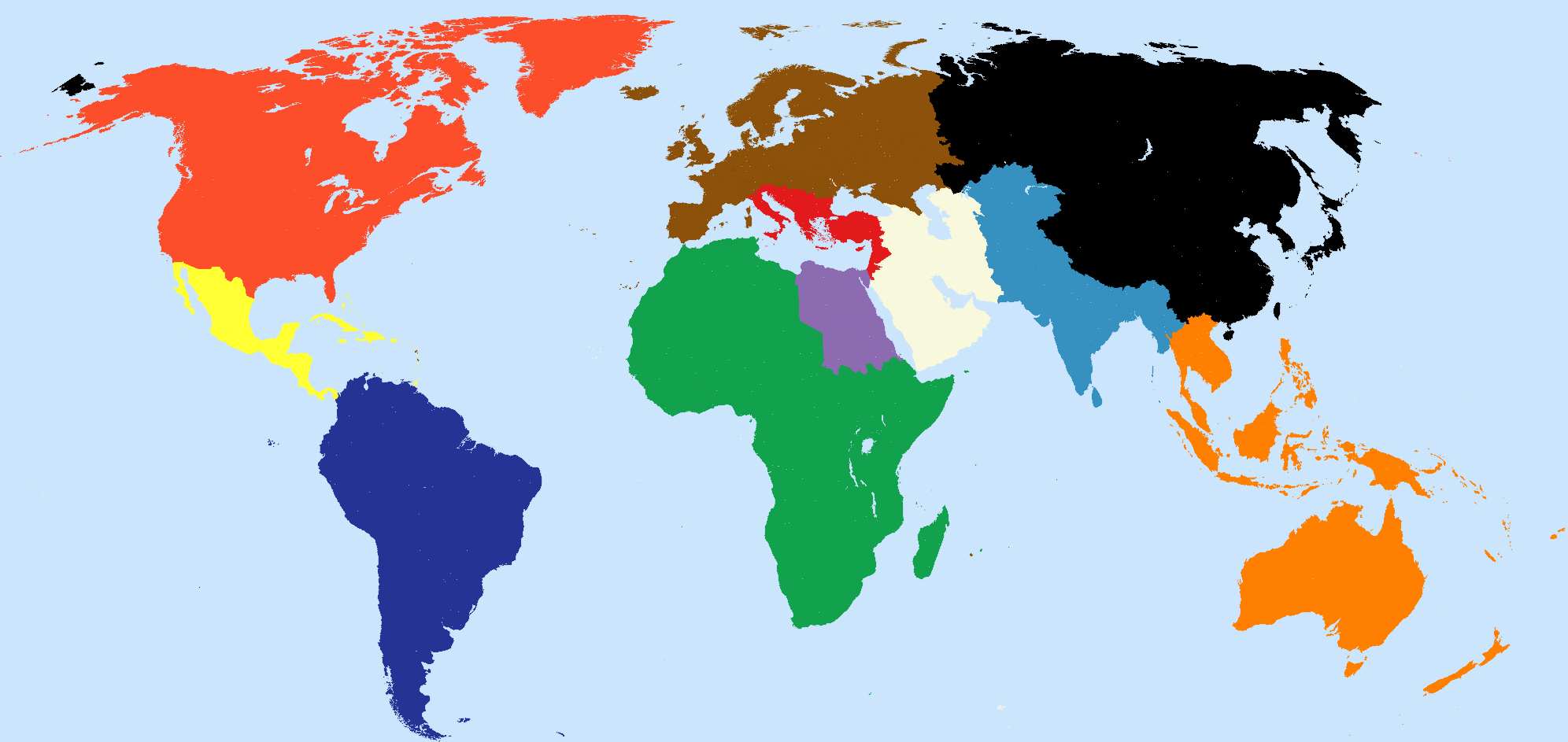 Industrial Era
Western Europe Industrial Era
Eastern Mediterranean Industrial Era
Persia Industrial Era
Egypt Industrial Era
Africa Industrial Era
India & Central Asia Industrial Era
China Industrial Era
Oceania Industrial Era
North America Industrial Era
Central America Industrial Era
South America
| Terra Avita Region and Era Name Link | Representative Cultures | Major Cities / Centers | Major Events |
|---|---|---|---|
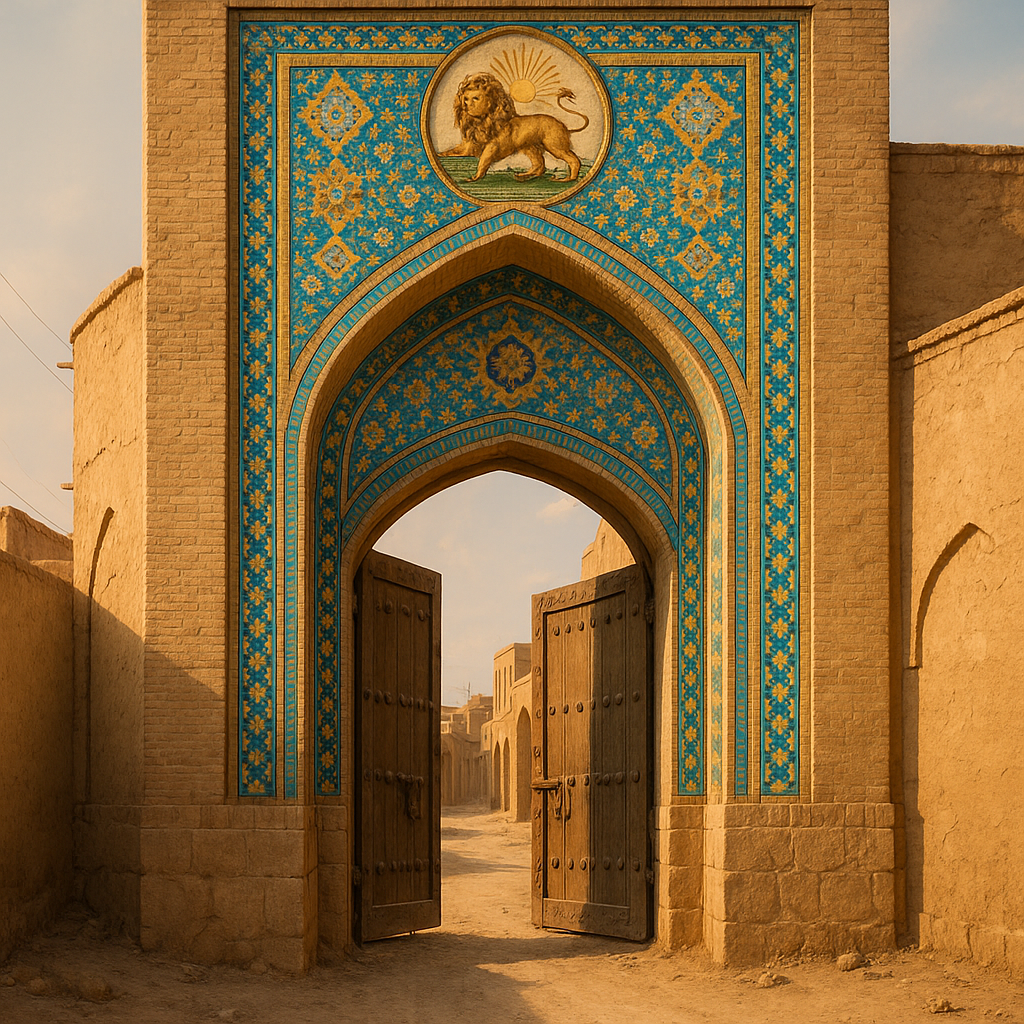
| Industrial Era Persia | Qajar Dynasty | Tehran, Tabriz, Isfahan | Foreign concessions and trade with Europe; early modernization efforts; Russo-Persian wars |
| Industrial Era Western Europe | British Industrial Society, Napoleonic France, Prussian Reformers, Victorian Britain | London, Paris, Manchester, Berlin, Liverpool | Industrial Revolution transforms production; Napoleonic Wars reshape Europe; urbanization and rail networks expand |
| Industrial Era Eastern Mediterranean | Ottoman Empire (Tanzimat Reforms), Greek Independence Movement | Constantinople, Athens, Smyrna | Greek independence (1821–1830); Ottoman modernization and centralization; early nationalist movements |
| Industrial Era Egypt | Muhammad Ali Dynasty (Ottoman Vassal), Khedivate Egypt | Cairo, Alexandria, Suez | Modernization under Muhammad Ali; industrial and educational reforms; Suez Canal project begins (1859) |
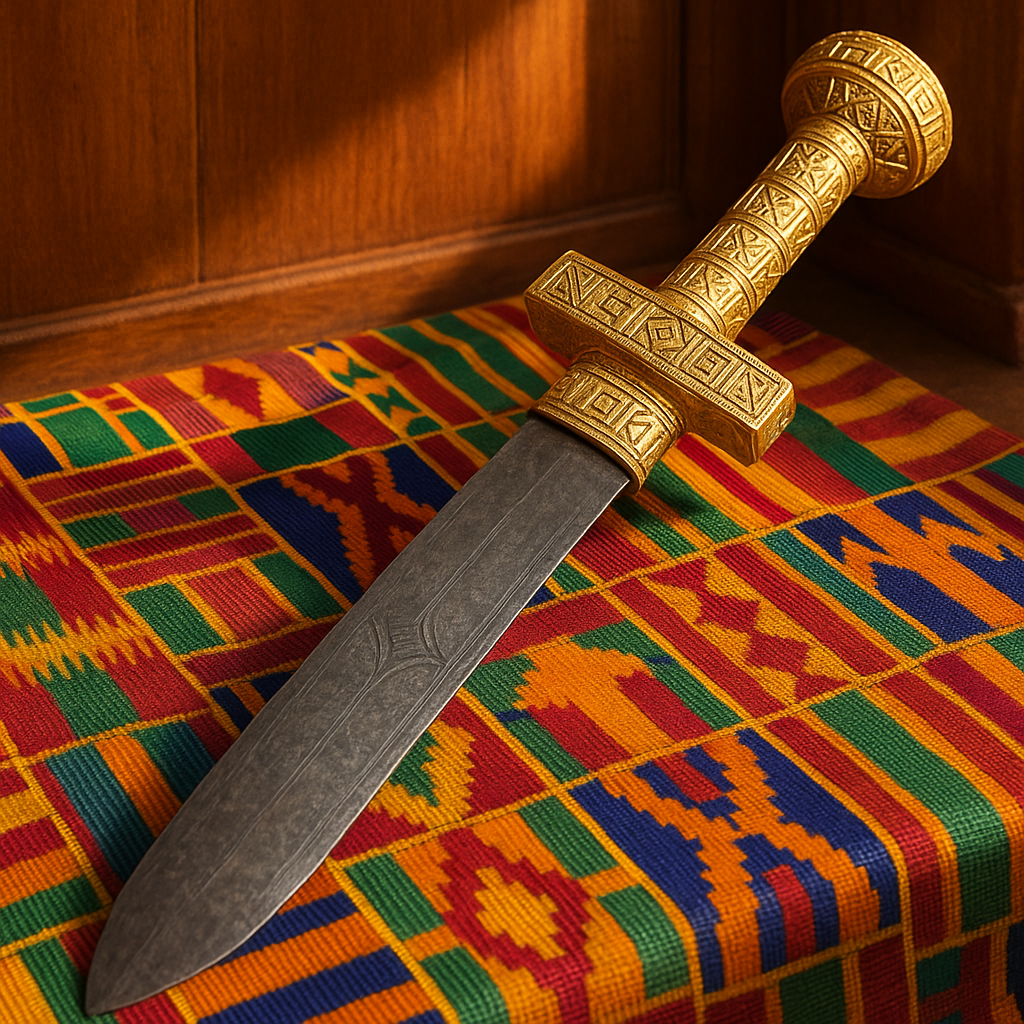
| Industrial Era Africa (beyond the Nile) | Zulu Kingdom, Sokoto Caliphate, Asante Empire, Boer Republics | Ulundi, Kano, Kumasi, Cape Town | Rise of African state powers; Islamic revival movements; early European colonial expansion and conflicts |
| Industrial Era India and Central Asia | British Raj (Company Rule), Sikh Empire, Central Asian Khanates | Calcutta, Delhi, Lahore, Kabul | Consolidation of British colonial control; 1857 Sepoy Rebellion; Great Game rivalry between Britain and Russia |
| Industrial Era China (East Asia) | Qing Empire (Late), Tokugawa Japan, Joseon Korea | Beijing, Edo (Tokyo), Shanghai, Seoul | Opium Wars and Treaty Ports; Taiping Rebellion; Japanese isolation persists before Meiji Restoration |
| Industrial Era Oceania | British Colonies in Australia and New Zealand, Polynesian Kingdoms | Sydney, Melbourne, Auckland, Honolulu | European colonization and settlement; indigenous displacement; missionary expansion across Pacific |
| Industrial Era North America | United States (Expansion Era), Canada (Colonial), Mexico (Post-Independence) | New York, Washington D.C., San Francisco, Mexico City | U.S. industrial growth; westward expansion; American Civil War; independence struggles in Latin America’s north |
| Industrial Era Central America | Post-Colonial Republics (United Provinces of Central America) | Guatemala City, San José, Managua | Independence from Spain (1821); regional instability; early liberal-conservative power struggles |
| Industrial Era South America | Gran Colombia, Empire of Brazil, Argentina, Chile, Peru | Bogotá, Rio de Janeiro, Buenos Aires, Lima | Independence movements succeed; consolidation of national states; export economies emerge |




1800 AD – Snapshot
| Terra Avita Region and Era Name Link | Event Description |
|---|---|
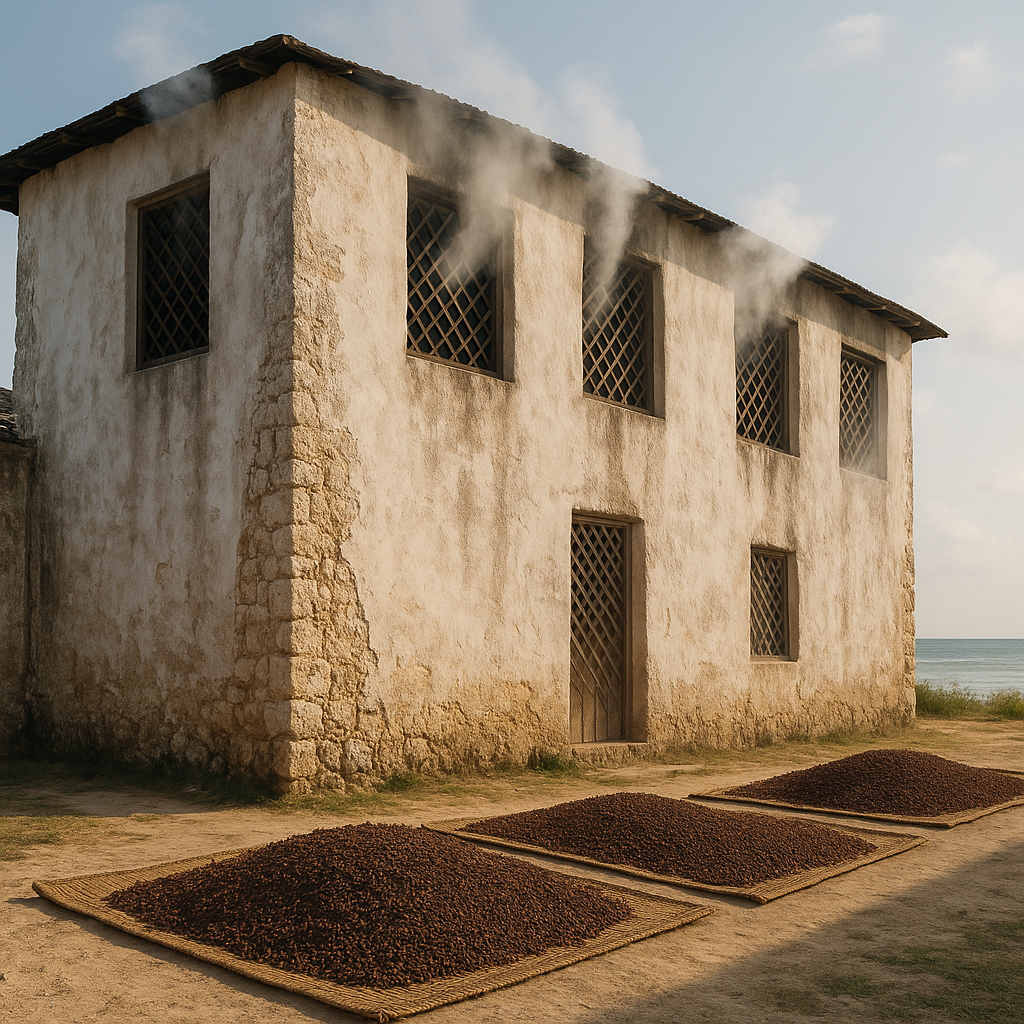
| Enlightenment and Proto-Industrial Africa (beyond the Nile) | Asante Empire dominant inland. Oyo strong but beginning decline. Dahomey militarized and deeply tied to slave trade. Atlantic slave trade at its absolute height, reshaping West Africa violently. Sahel sees rise of Fula jihads (Sokoto Caliphate forms in 1804). Swahili Coast under Omani Zanzibar dominance. Ethiopia fragmented but resilient under regional nobles. |
| Enlightenment and Proto-Industrial Central America | New Spain stable but under Enlightenment-influenced reform. Tensions brewing that lead to independence wars (Mexico 1810). Indigenous communities heavily taxed but partially recovered demographically. Catholic Church dominant. |
| Enlightenment and Proto-Industrial China (East Asia) | Qing Dynasty still strong on surface but entering structural strain—corruption, population overload, environmental stress, White Lotus Rebellion (1794–1804). Trade imbalance with Europe growing; Canton system restricts foreigners. |
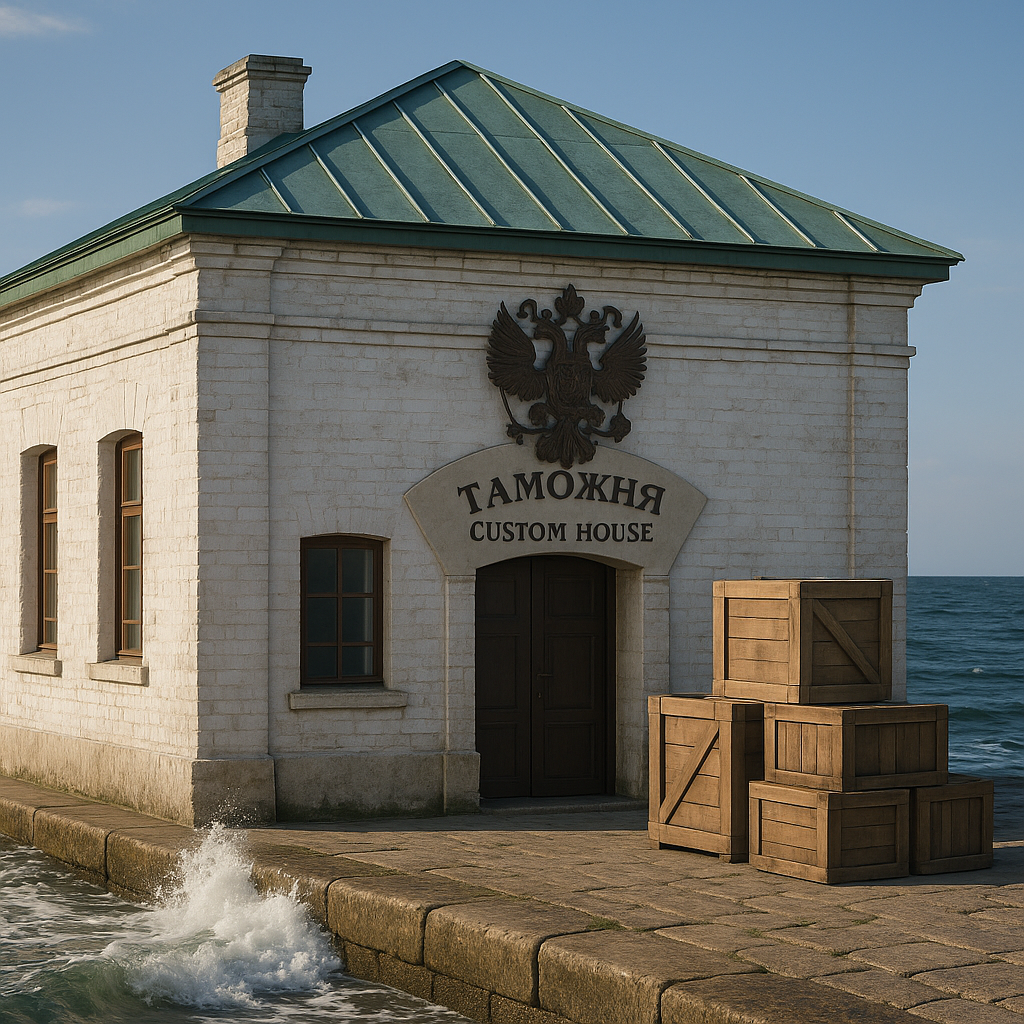
| Enlightenment and Proto-Industrial Eastern Mediterranean | Ottoman Empire severely weakened. Provincial autonomy rampant (e.g., Ali Pasha of Ioannina, Mamluk beys in Egypt). Russian Empire expanding aggressively into Black Sea and Caucasus. Eastern Mediterranean trade overshadowed by European oceanic empires. |
| Enlightenment and Proto-Industrial Egypt | Ruled by Mamluks in name, chaos in practice. French invasion under Napoleon (1798–1801) destabilizes balance. Muhammad Ali soon takes power (1805), initiating drastic modernization. Cairo culturally vibrant but politically unstable. |
| Enlightenment and Proto-Industrial India and Central Asia | British East India Company rules Bengal and expanding aggressively. Mysore Wars end (Tipu Sultan killed 1799). Maratha Confederacy still powerful but losing ground. Mughal Emperor a figurehead. In Central Asia, fragmented Uzbek khanates and Kazakh hordes pressured by Russian expansion. |
| Enlightenment and Proto-Industrial North America | United States founded (1776) and expanding. Indigenous nations pressured heavily: Iroquois weakened; Southeastern tribes under encroachment; Plains horse cultures flourishing (Lakota, Comanche at heights). Spanish control in Southwest waning; French Louisiana about to be sold (1803). |
| Enlightenment and Proto-Industrial Oceania | Australia entering colonization—First Fleet arrives 1788, penal colony expanding rapidly. New Guinea highlands unchanged. Polynesia destabilizing due to disease and European contact: Kamehameha consolidating Hawai‘i; Tahiti under missionary pressure; Māori societies encounter muskets soon (Musket Wars begin in early 1800s). Rapa Nui devastated. |
| Enlightenment and Proto-Industrial Persia | Qajar Dynasty newly established (Agha Mohammad Khan crowned 1796). Persia reunified after decades of chaos. Still militarily weak relative to Russia and Britain. Great Game frontier dynamics emerging. |
| Enlightenment and Proto-Industrial South America | Spanish imperial system at breaking point. Creole elites influenced by Enlightenment; independence wars imminent (Venezuela 1811, Argentina 1816, Peru 1821). Andean communities still under tribute and mita systems. African slavery widespread in coastal regions. |
| Enlightenment and Proto-Industrial Western Europe | French Revolution has overturned Europe. Napoleon rising to power (Coup of 18 Brumaire in 1799). Britain leads global naval and industrial ascent. Holy Roman Empire about to collapse (1806). Industrial Revolution intensifies in Britain—steam engines, mechanized textiles, coal-driven urbanization. |



1820 AD – Snapshot
| Terra Avita Region and Era Name Link | Event Description |
|---|---|
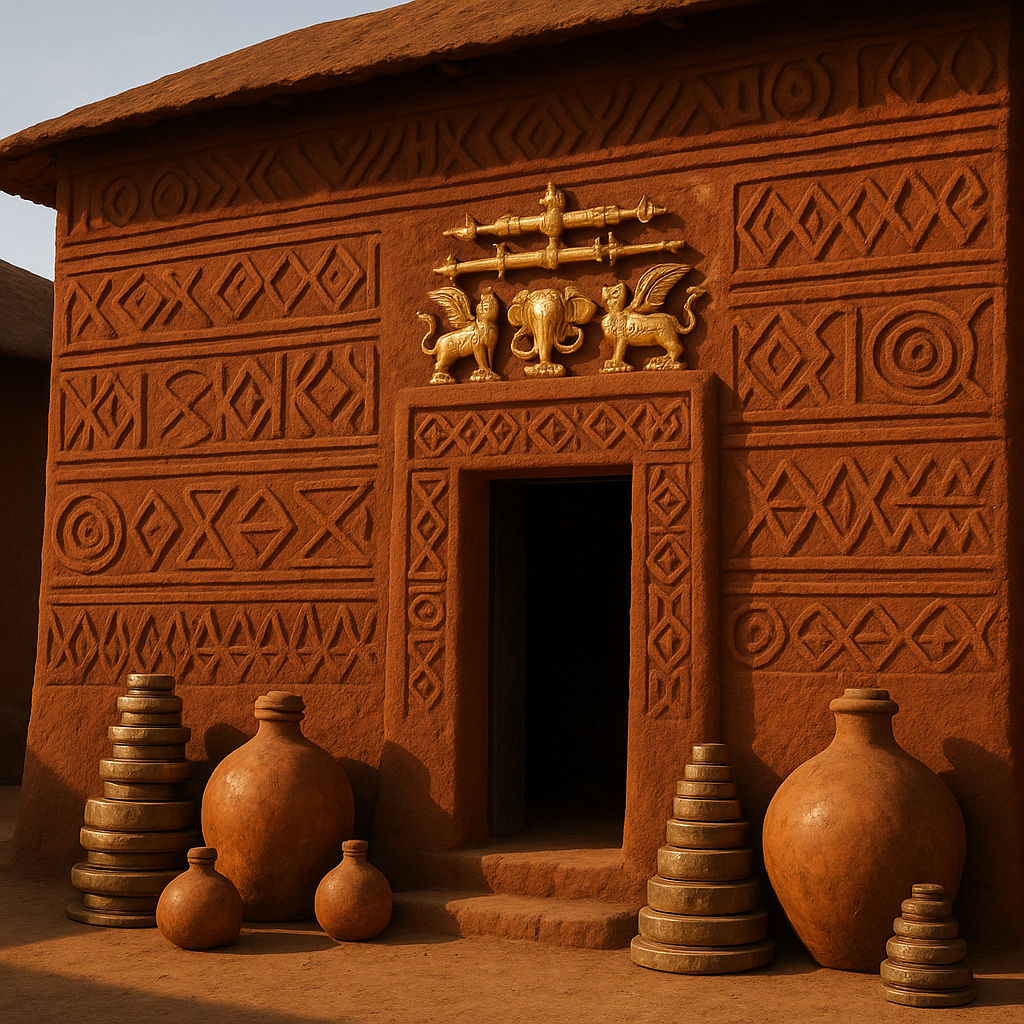
| Industrial Era Africa (beyond the Nile) | West Africa transformed by jihadi revolutions. Sokoto Caliphate founded 1804–1810, now the largest state in West Africa. Asante strong; Oyo declining. Atlantic slave trade under pressure but still active. East Africa: Omani Zanzibar dominates Swahili Coast. Ethiopia fragmented but resilient. |
| Industrial Era Central America | Independence movements explode. Mexico becomes independent (1821). Central American provinces break from Spain (1821) and form Federal Republic of Central America (1823). Indigenous populations still oppressed under hacienda and church structures. |
| Industrial Era China (East Asia) | Late Qing Dynasty stagnation. Jiaqing Emperor ends White Lotus Rebellion; Daoguang reign begins (1820). Population overload, corruption, fiscal crisis, and opium inflows destabilize state. Canton trade monopoly in place; European tension rising. |
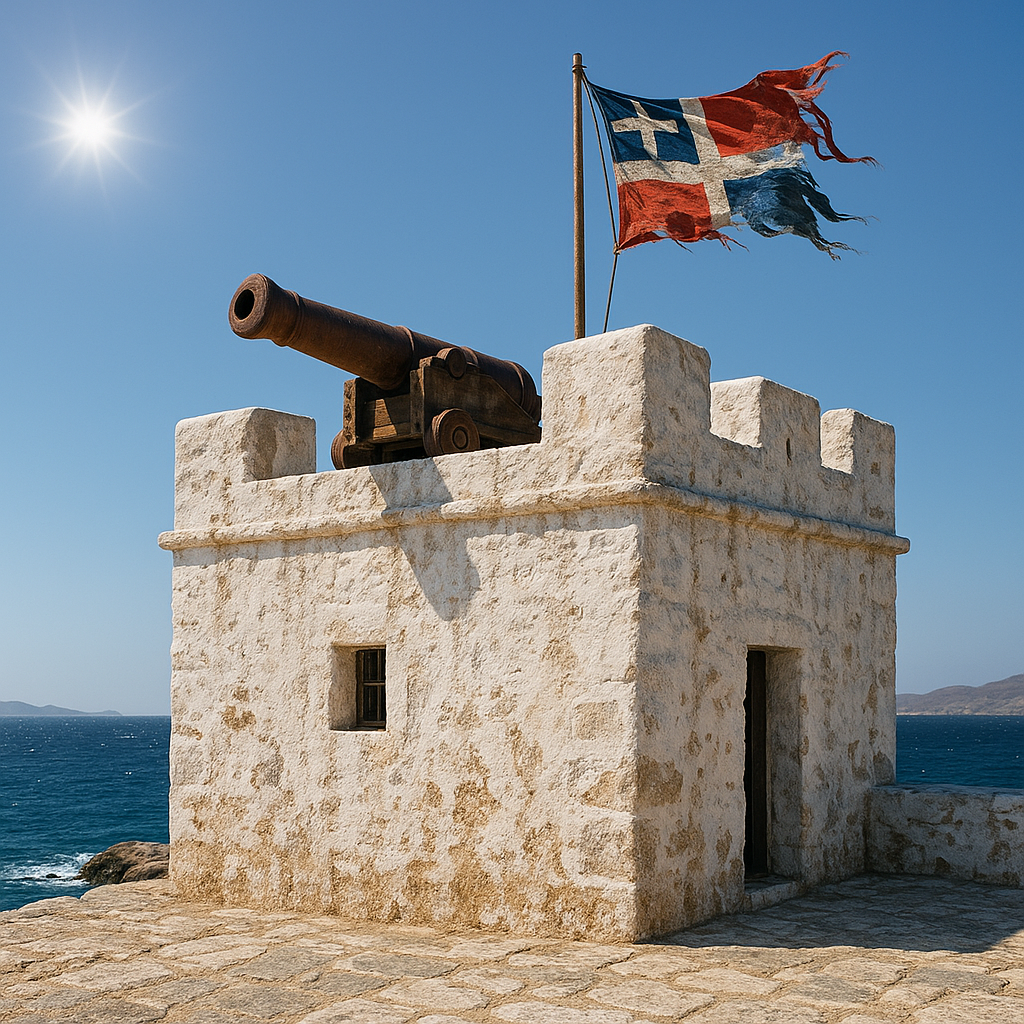
| Industrial Era Eastern Mediterranean | Ottoman Empire contracting. Greek War of Independence begins (1821). Provinces de facto autonomous (Egypt, Serbia). Declining central authority. European powers (Russia, Britain, France) actively intervening. |
| Industrial Era Egypt | Muhammad Ali’s Egypt, nominally Ottoman but effectively independent. Massive military and administrative modernization. Conquers Sudan (1820). Industrial reforms, conscription, and economic centralization. Cairo resurging as a major regional power. |
| Industrial Era India and Central Asia | British India expanding after Maratha defeat (1818). Company rule extends across subcontinent. Sikh Empire strong under Ranjit Singh in Punjab. Mughal Emperor purely ceremonial. Central Asia fragmented into weakened khanates (Bukhara, Khiva, Kokand), pressured by Russia. |
| Industrial Era North America | United States expanding westward (Missouri Compromise 1820). Removal pressures on Southeastern tribes intensify (Trail of Tears 1830s soon). Plains horse empires at peak (Comanche, Lakota). Canada stable under British rule. Mexico independent (1821). Spanish Florida ceded to U.S. (Adams–Onís Treaty 1819). |
| Industrial Era Oceania | Australia colonization accelerating (penal settlements expanding beyond Sydney). New Zealand Māori societies entering early Musket Wars period. Hawaii under unified rule of Kamehameha I (d. 1819), rapid social change underway. Tahiti under missionary domination. Rapa Nui depopulated and disrupted by raids. |
| Industrial Era Persia | Qajar Iran under Fath-Ali Shah. Weak military, heavy losses to Russia in Russo-Persian Wars (1804–1813; next in 1826). Large territorial concessions in Caucasus. British and Russian influence growing heavily. Internal tribal autonomy high. |
| Industrial Era South America | Independence wars in full force or just completed. Gran Colombia formed (1819). Argentina, Chile, and Peru independent or near independence (Peru 1821). Brazil becomes an independent empire (1822). Andean highlands economically devastated but politically liberated from Spain. African slavery persists in coastal regions. |
| Industrial Era Western Europe | Post-Napoleonic Europe reorganized by Congress of Vienna (1815). Britain dominant naval/industrial power. France restored monarchy (Bourbon Restoration). Industrial Revolution accelerating—steam power, coal expansion, rail prototypes. Rising liberal unrest across continent. |





1840 AD – Snapshot
| Terra Avita Region and Era Name Link | Event Description |
|---|---|
| Industrial Era Africa (beyond the Nile) | West African jihadi–imperial age. Sokoto Caliphate at its peak. Asante Empire powerful; Dahomey still militarized. Oyo collapsing. Atlantic slave trade under intense British suppression but still active in some regions. East Africa dominated by Omani-Zanzibar Sultanate controlling ivory and slave routes. Ethiopia rising under Tewodros II soon (1855). |
| Industrial Era Central America | Post-independence fragmentation. Federal Republic of Central America collapsing (1823–1841). Guatemala, Honduras, El Salvador, Nicaragua, Costa Rica become separate states. Caudillo rule widespread; indigenous communities marginalized. |
| Industrial Era China (East Asia) | Qing Empire collapsing internally. First Opium War ends in 1842—Treaty of Nanjing forces open ports, cedes Hong Kong. Economic crisis, corruption, and massive population strain. Taiping Rebellion begins soon (1850). Empire’s military weakened; European intrusion intensifies. |
| Industrial Era Eastern Mediterranean | Ottoman Empire in deep contraction. Greece independent (1830). Egypt under Muhammad Ali nearly overthrows the Ottomans (1831–1840), checked by European intervention. Syria temporarily under Egyptian rule. Ottoman reforms (Tanzimat) begin 1839 attempting modernization and centralization. |
| Industrial Era Egypt | Effectively independent under Muhammad Ali, though nominally Ottoman. Industrial and military reforms, conscription, and modernization. Conquest of Sudan complete. European powers restrain Egyptian expansion in Levant in 1840. Cairo a major regional power center. |
| Industrial Era India and Central Asia | India under British East India Company rule. After Anglo-Sikh tensions, the Sikh Empire powerful under Ranjit Singh’s legacy but approaching the Anglo-Sikh wars (1845–1849). Mughal Emperor still a ceremonial figure. In Central Asia, khanates of Bukhara, Khiva, Kokand unstable; Russian expansion imminent. |
| Industrial Era North America | United States expanding westward. Texas Republic independent (1836); U.S.–Mexico tensions rising (war 1846). Indian Removal era ongoing; Trail of Tears just completed (1838–1839). Canada divided into provinces under British rule. Plains horse cultures powerful (Lakota, Comanche). |
| Industrial Era Oceania | Australia expanding as British colony, settlement spreading along southeast coast. New Zealand Maori polities in musket era; British annex in 1840 (Treaty of Waitangi). Hawaii under Kamehameha III, pressured by missionaries and foreign powers. Tahiti annexed by France (1842). Rapa Nui population devastated by disease and raids. |
| Industrial Era Persia | Qajar Iran under Mohammad Shah (r. 1834–1848). Militarily weak, economically underdeveloped, and pressured by growing British–Russian rivalry (Great Game). Russo-Persian border firmly fixed after treaties of 1813 & 1828. Internal tribal autonomy remains strong. |
| Industrial Era South America | Post-independence consolidation. Gran Colombia dissolved (1831). Peru and Bolivia engage in shifting confederations (Peru-Bolivian Confederation ended 1839). Chile and Argentina stabilizing into nation-states. Brazil an Empire under Pedro II. Indigenous highland communities maintain autonomy in remote regions; African slavery persists in Brazil. |
| Industrial Era Western Europe | Industrial Revolution in full force. Britain at global peak—railways, factories, steam empire. France under July Monarchy (Louis-Philippe). Revolutions of 1848 approaching. German and Italian unification movements rising. Spain unstable; Belgium newly independent (1830). |






1860 AD – Snapshot
| Terra Avita Region and Era Name Link | Event Description |
|---|---|
| Industrial Era Africa (beyond the Nile) | West Africa in rapid transformation. Oyo collapses; Asante Empire strong but pressured by British coastal footholds. Sokoto Caliphate powerful inland. Atlantic slave trade collapsing under British suppression, replaced by “legitimate commerce” (palm oil). East Africa under Omani-Zanzibar control; Arab–Swahili slave/ivory routes peak. Ethiopia unified under Tewodros II (1855–1868). |
| Industrial Era Central America | Post-independence instability. Frequent civil wars in Guatemala, Honduras, El Salvador, Nicaragua. Caudillo-era politics dominate. Coffee economies rising. Indigenous populations marginalized through forced labor and land seizures. |
| Industrial Era China (East Asia) | Qing Dynasty in catastrophic crisis. Taiping Rebellion (1850–1864) one of deadliest events in history. Nian Rebellion, Muslim uprisings in Yunnan and Xinjiang. European powers seize treaty ports (Opium Wars 1842 & 1856–1860). Qing sovereignty shredded; foreign spheres of influence emerging. |
| Industrial Era Eastern Mediterranean | Ottoman Empire in full Tanzimat reform era (1839–1876). Attempts at centralization, new legal codes, and limited modernization. Empire losing grip over Balkans; nationalist revolts rise. European intervention constant. Eastern Mediterranean increasingly penetrated by British/French commerce and diplomacy. |
| Industrial Era Egypt | Khedivate of Egypt under Muhammad Ali’s successors. Technically Ottoman but functionally semi-independent. Modernizing army, railroads, and canals. Suez Canal concession granted to France (construction 1859–1869). Cairo cosmopolitan but heavily indebted to Europe. |
| Industrial Era India and Central Asia | British Raj nearly established. After the 1857 Rebellion, Company rule ends (1858) and India becomes a direct British colony. Mughal dynasty abolished. Sikh Empire gone. In Central Asia, Russian Empire expands aggressively, annexing Kazakh steppe zones and threatening Khiva, Bukhara, and Kokand. |
| Industrial Era North America | United States in Civil War era (1861–1865). Slavery contested; massive internal conflict. Indigenous nations forced west; Plains horse cultures still powerful but U.S. military pressure rising. Canada unified gradually under British North America Act soon (1867). Mexico under French-backed Emperor Maximilian (intervention begins 1861). |
| Industrial Era Oceania | Massive colonial intrusion begins. Australia expanding into multiple British colonies (NSW, Victoria, Queensland forming). New Zealand under British Crown (Treaty of Waitangi 1840), in middle of the New Zealand Wars (1845–1872). Hawaii a unified kingdom under Kamehameha IV; foreign influence high. Tahiti French protectorate. Rapa Nui depopulated by slave raids and disease. |
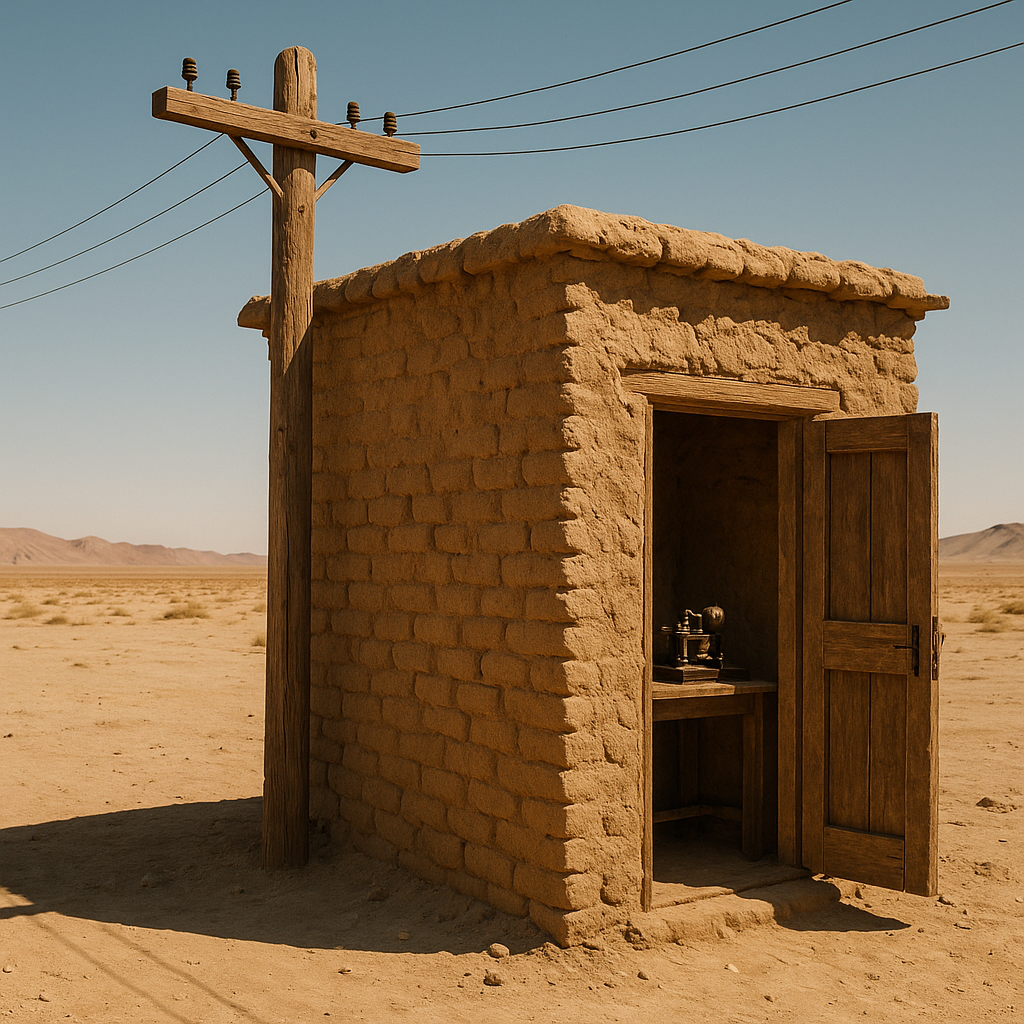
| Industrial Era Persia | Qajar Iran under Naser al-Din Shah (r. 1848–1896). Weak military and deep economic dependency on Britain and Russia. “Great Game” competition intense. Internal tribal autonomy remains strong. Early modernization attempts (telegraph, limited reform) mostly superficial. |
| Industrial Era South America | National consolidation period. Brazil a powerful empire under Pedro II. Argentina and Chile expand frontiers, often violently against indigenous groups. Peru and Bolivia in post–independence turbulence. Paraguay under Francisco Solano López about to begin catastrophic War of the Triple Alliance (1864–1870). Afro-descendant populations large in coastal regions; African slavery persists in Brazil and Cuba. |
| Industrial Era Western Europe | Industrial-era powers dominating world affairs. Britain at peak Victorian power. France under Napoleon III during the Second Empire. Italian unification underway (Cavour → Garibaldi, Kingdom of Italy 1861). German unification building under Prussia (Bismarck soon). Railroads, steam industry, and urbanization reshaping Europe. |




1870 AD – Snapshot
| Terra Avita Region and Era Name Link | Event Description |
|---|---|
| Industrial Era Africa (beyond the Nile) | Scramble for Africa beginning. Asante Empire strong but soon to be defeated by British (1874). Dahomey militarized; Oyo collapsed. Sokoto Caliphate large but pressured. East Africa dominated by Omani Zanzibar and Swahili–Arab trade; coastal slave/ivory routes peak. Ethiopia under Yohannes IV stabilizing after Tewodros’s fall (1868). European explorers forging inland paths. |
| Industrial Era Central America | Independent states stabilizing. Coffee economies dominate Guatemala, El Salvador, Costa Rica. Caudillo figures rule much of the region. Indigenous communities marginalized via land seizures and labor coercion. Foreign capital begins influencing infrastructure. |
| Industrial Era China (East Asia) | Late Qing collapse accelerating. After Taiping and Muslim rebellions, state nearly bankrupt. Self-Strengthening Movement begins but limited. Foreign concessions multiply. Military power weak; European influence deepens. Opium trade surges; domestic unrest constant. |
| Industrial Era Eastern Mediterranean | Ottoman Empire in steep decline. Losses in Balkans ongoing; Great Powers intervene constantly. Tanzimat reforms faltering; Young Ottomans movement rising. Egypt functionally independent under Ismail Pasha and heavily indebted to Europe. |
| Industrial Era Egypt | Khedivate under Ismail Pasha, aggressively modernizing (Suez Canal opened 1869). Heavy debt gives European powers financial control. Cairo expanding rapidly. British occupation only 12 years away (1882). |
| Industrial Era India and Central Asia | British Raj fully in place after 1858; direct British crown rule. Railways, telegraphs, and plantation economies expand. Indigenous states reduced to princely protectorates. In Central Asia, Russian Empire conquers Central Asian khanates—Tashkent (1865), Samarkand (1868), Khiva soon (1873), Kokand (1876). |
| Industrial Era North America | United States post–Civil War Reconstruction (1865–1877). Industrialization accelerating. Plains Wars intensify; Indigenous nations forcibly confined (Lakota, Cheyenne, Apache). Canada becomes a country (Confederation 1867). Mexico under restored republic of Benito Juárez. Western frontier violence continuous. |
| Industrial Era Oceania | Colonization intensifies. Australia a consolidated British settler society. New Zealand in middle of late Māori Wars (1860s–1870s). Hawaii a kingdom under Kalākaua but heavily influenced by American planters. Tahiti a French colony. Rapa Nui nearly depopulated by slave raids + disease. Western Pacific targeted by missionaries and traders. |
| Industrial Era Persia | Qajar Iran weak under Naser al-Din Shah. Economic dependency deepening; Russia dominates north, Britain dominates south. Concessions to Europeans increase. Internal tribal autonomy massive. No meaningful modernization. |
| Industrial Era South America | Nation-state consolidation. Argentina expands into the Pampas/Patagonia (Conquest of the Desert soon). Chile advances north; Peru & Bolivia maintain fragile stability. Paraguay devastated in War of the Triple Alliance (1864–1870). Brazil under Emperor Pedro II industrializing slowly; slavery still legal (ends 1888). |
| Industrial Era Western Europe | Franco-Prussian War (1870–1871) reshapes Europe; German Empire founded 1871. France’s Second Empire collapses. Britain at industrial/imperial peak; Victorian global dominance. Italy newly unified (1861 → Venice 1866 → Rome 1870). Railways and factories explode across all major states. |