1. Identity & Scope
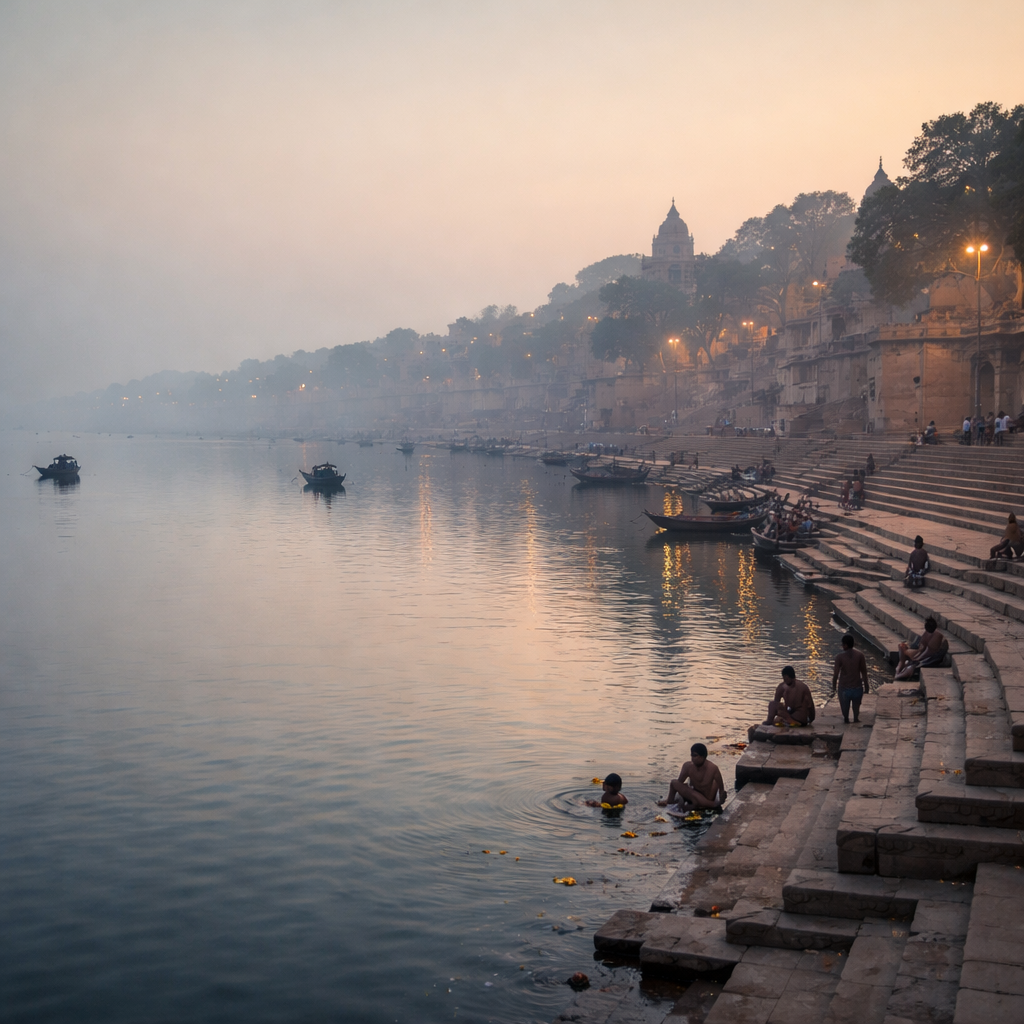

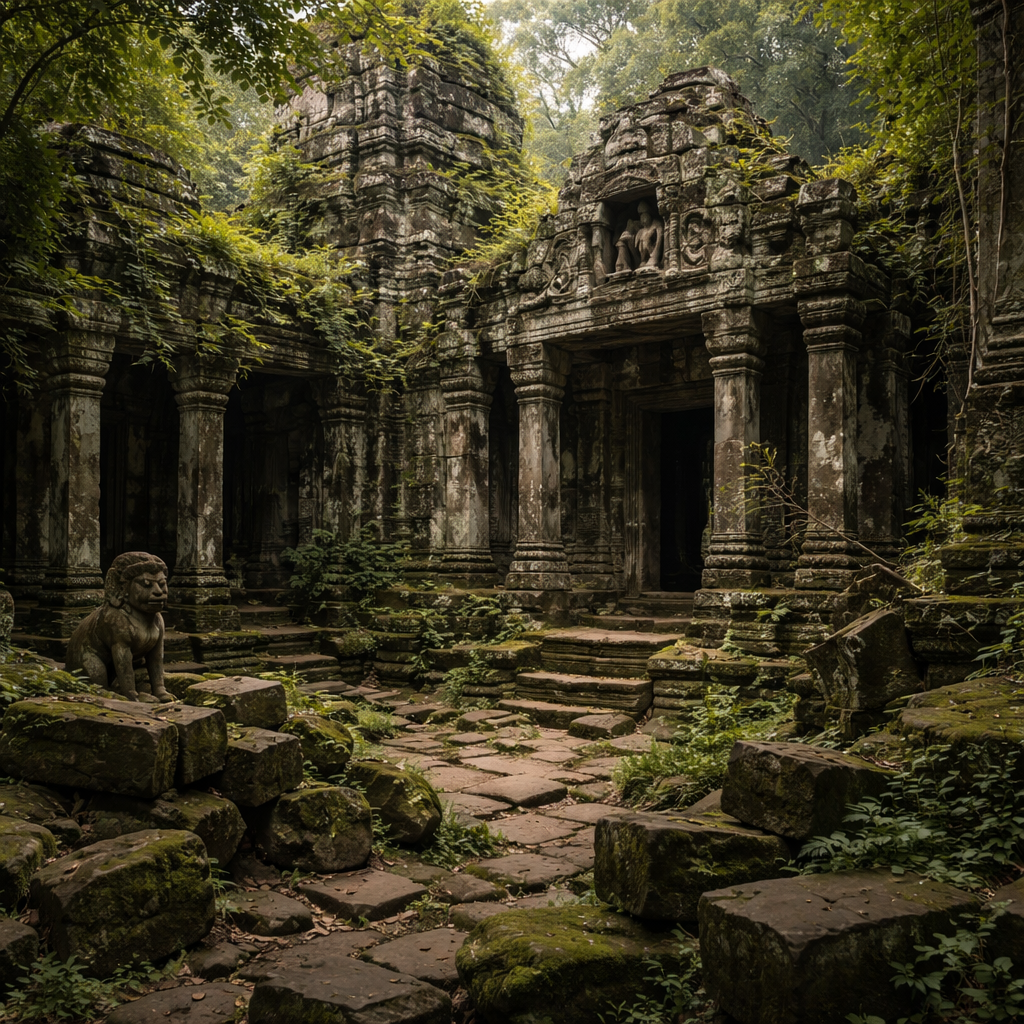
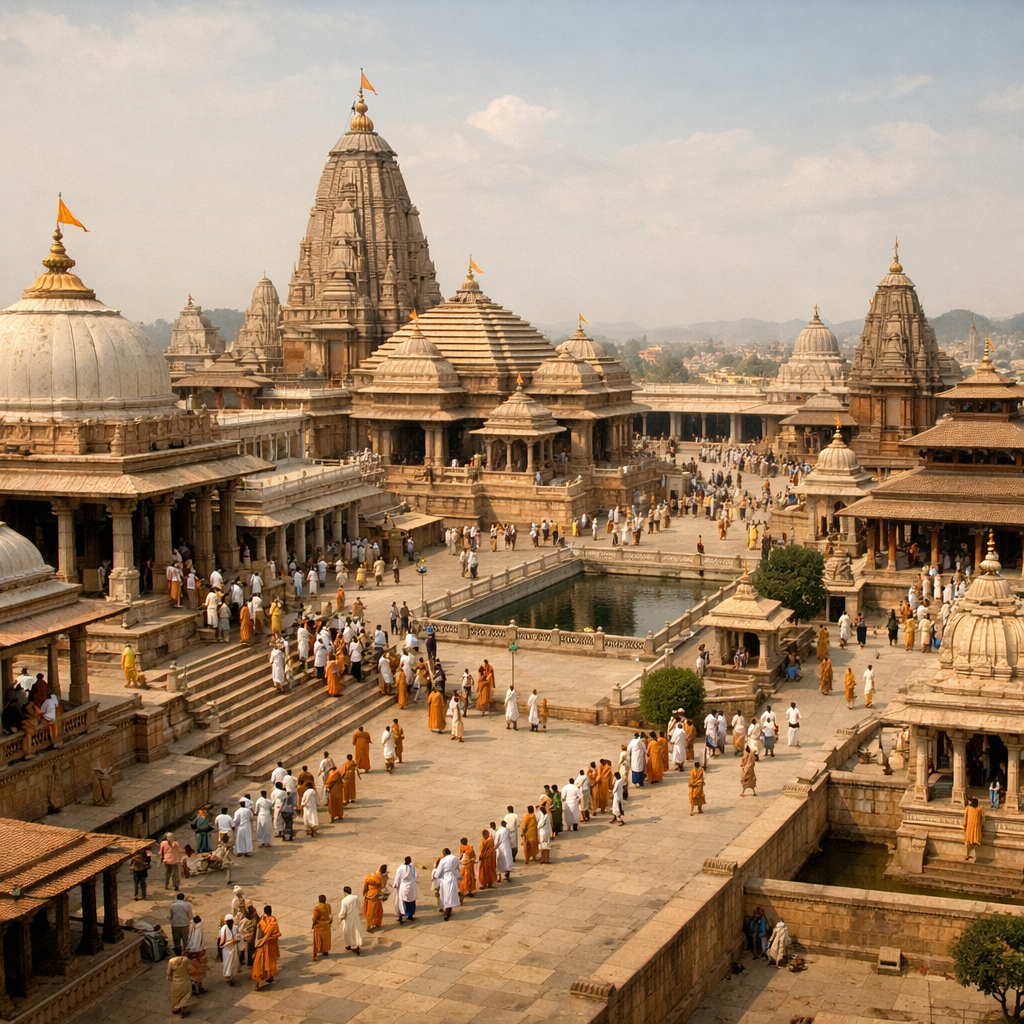
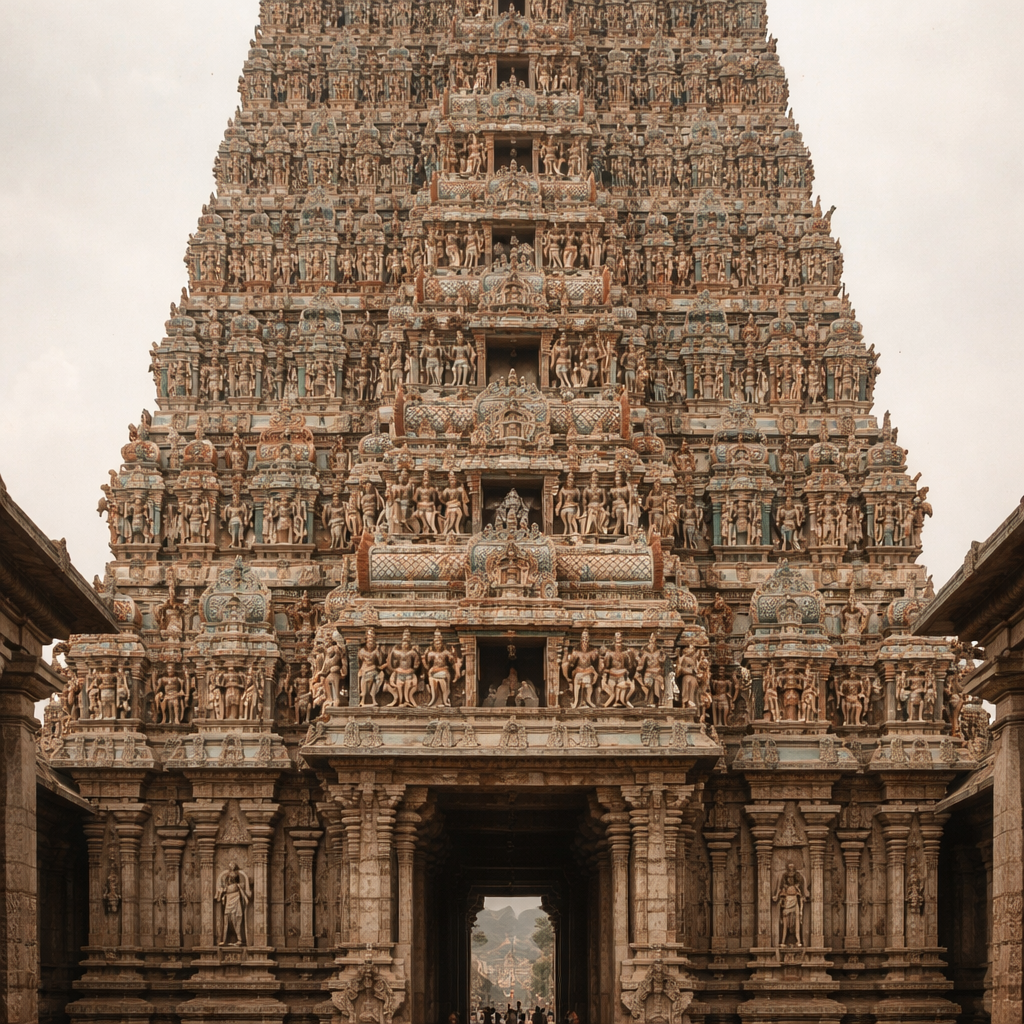
Hinduism represents a South Asian tradition in which religious identity coheres through shared cosmology, ritual practice, and social organization rather than confessional belief. Emerging from deep historical layers of ritual culture and textual synthesis, it integrates myth, devotion, law, and philosophy into a durable civilizational system. Despite extreme internal diversity, Hinduism maintains recognizable boundaries through common symbolic frameworks and practices, allowing it to persist and adapt across regions, eras, and diasporic contexts.
2. Historical Context
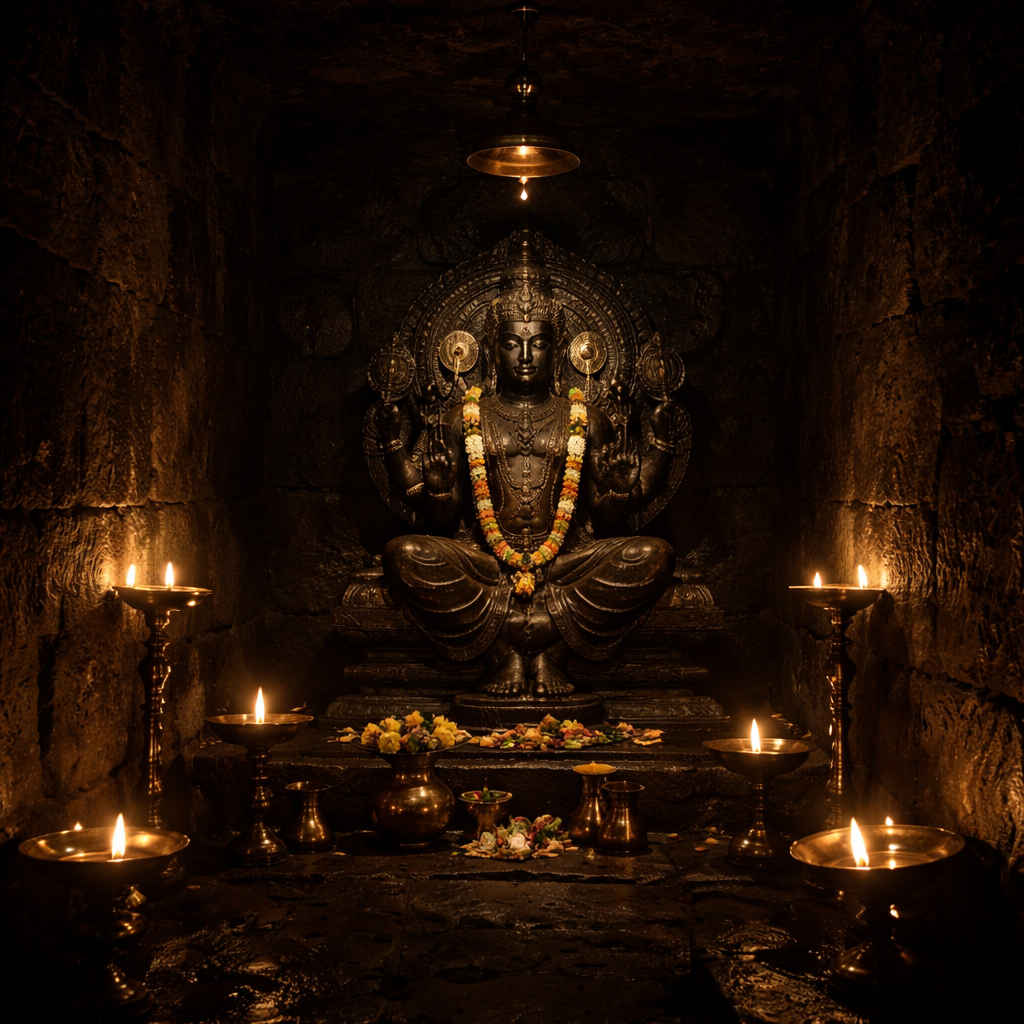
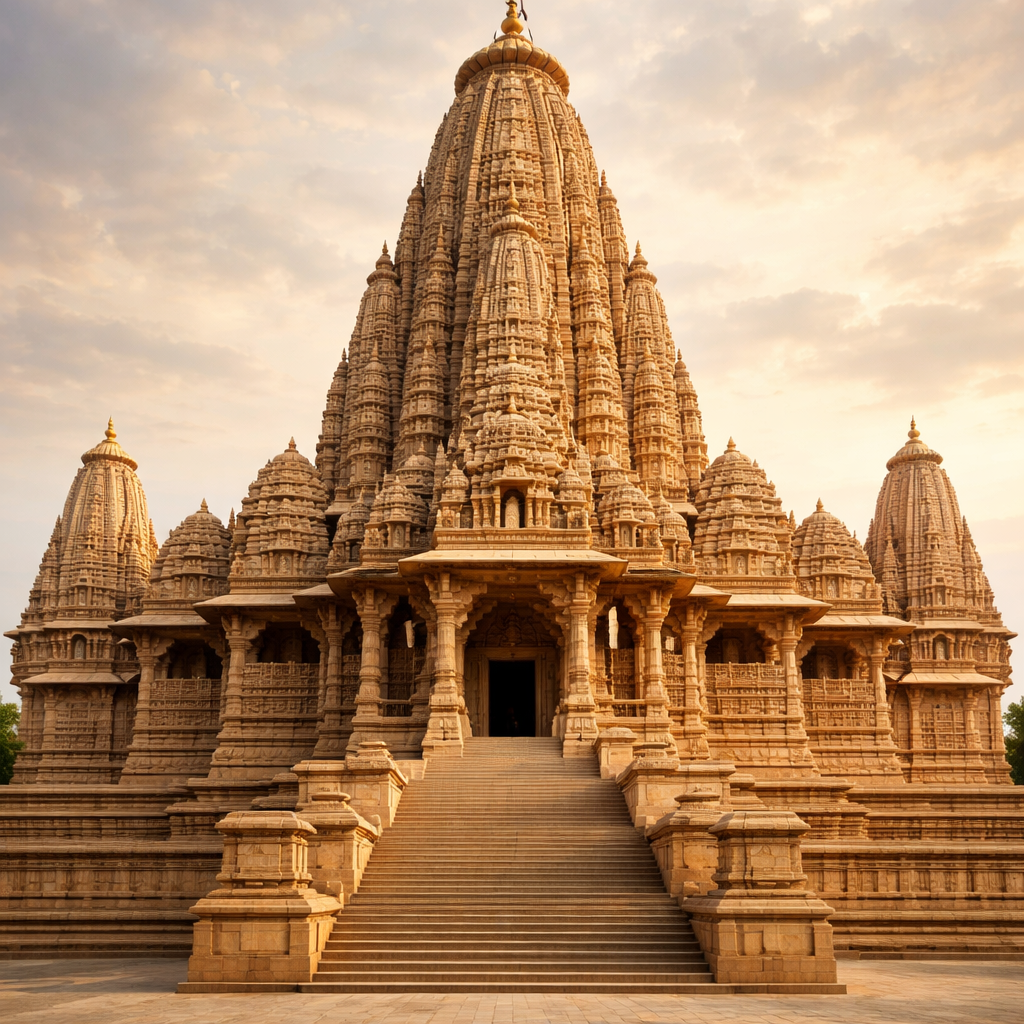
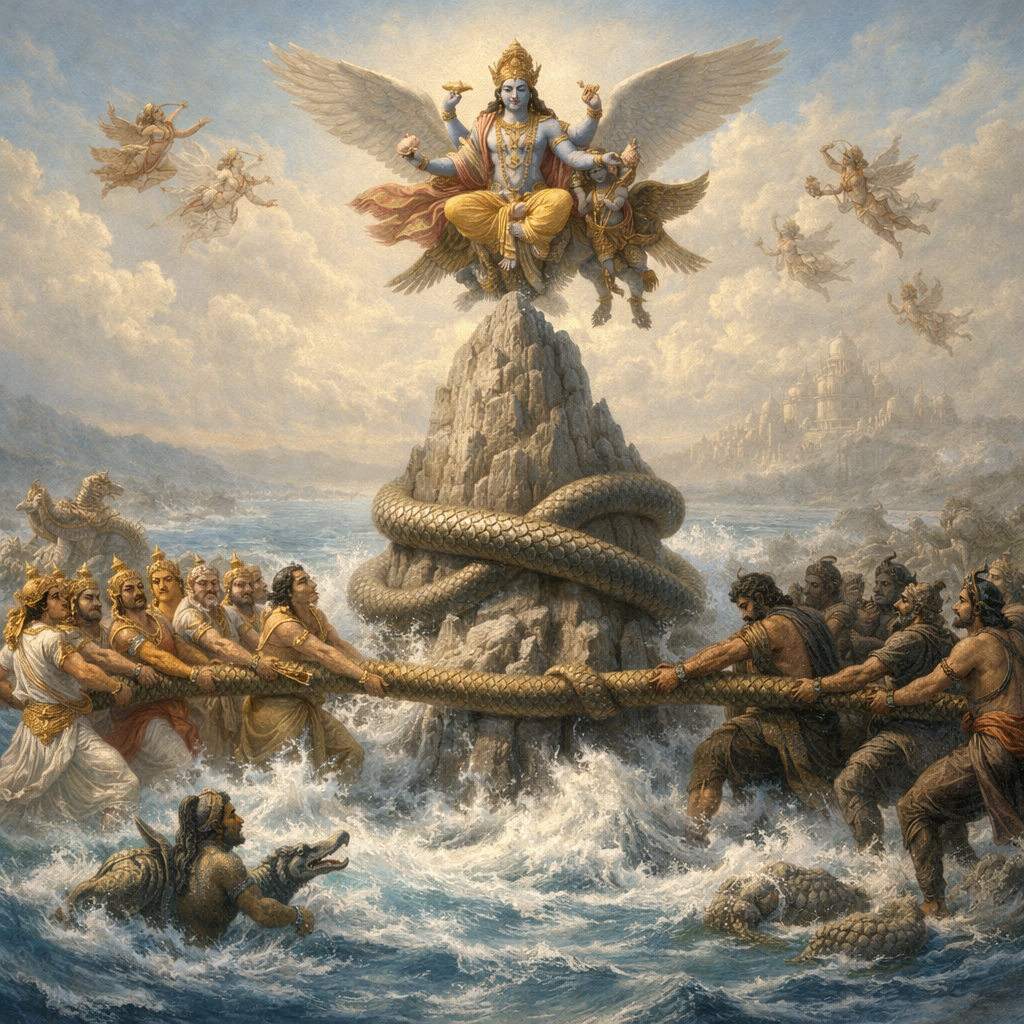
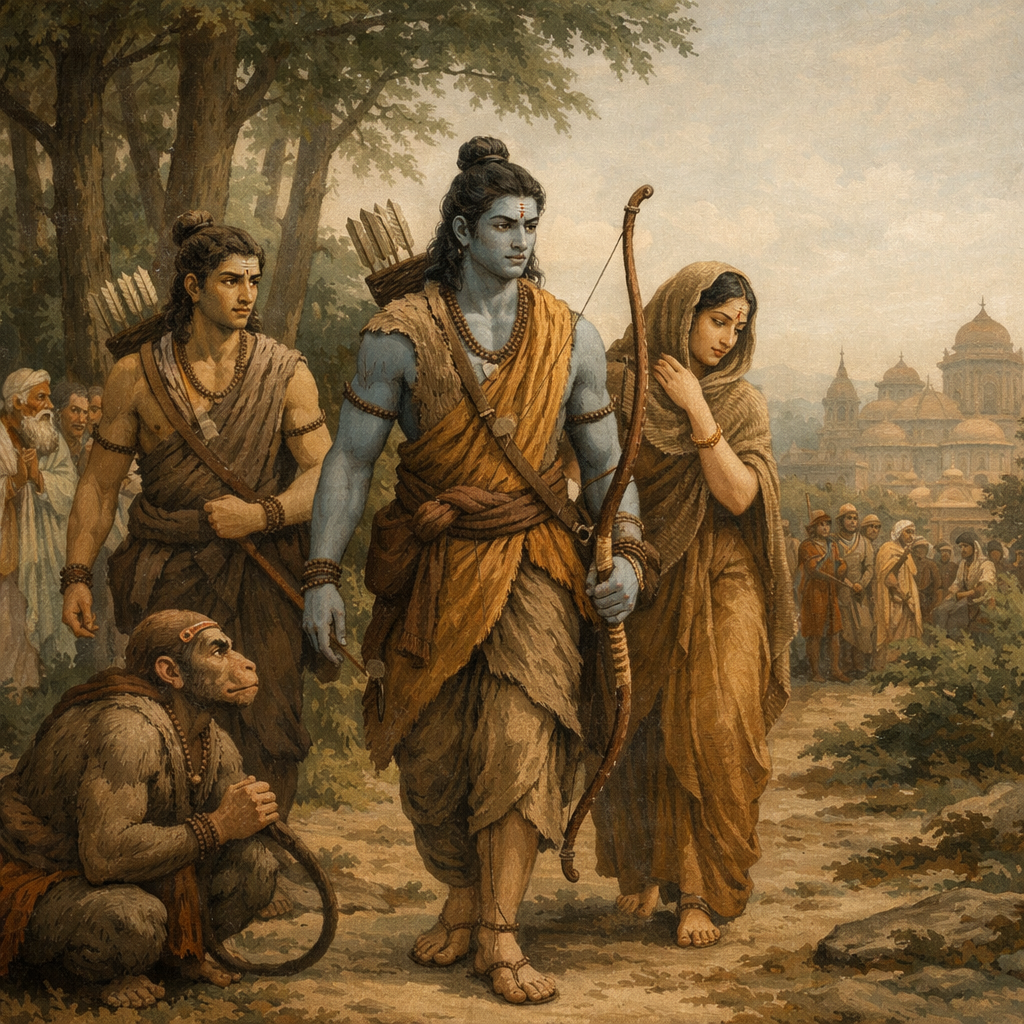
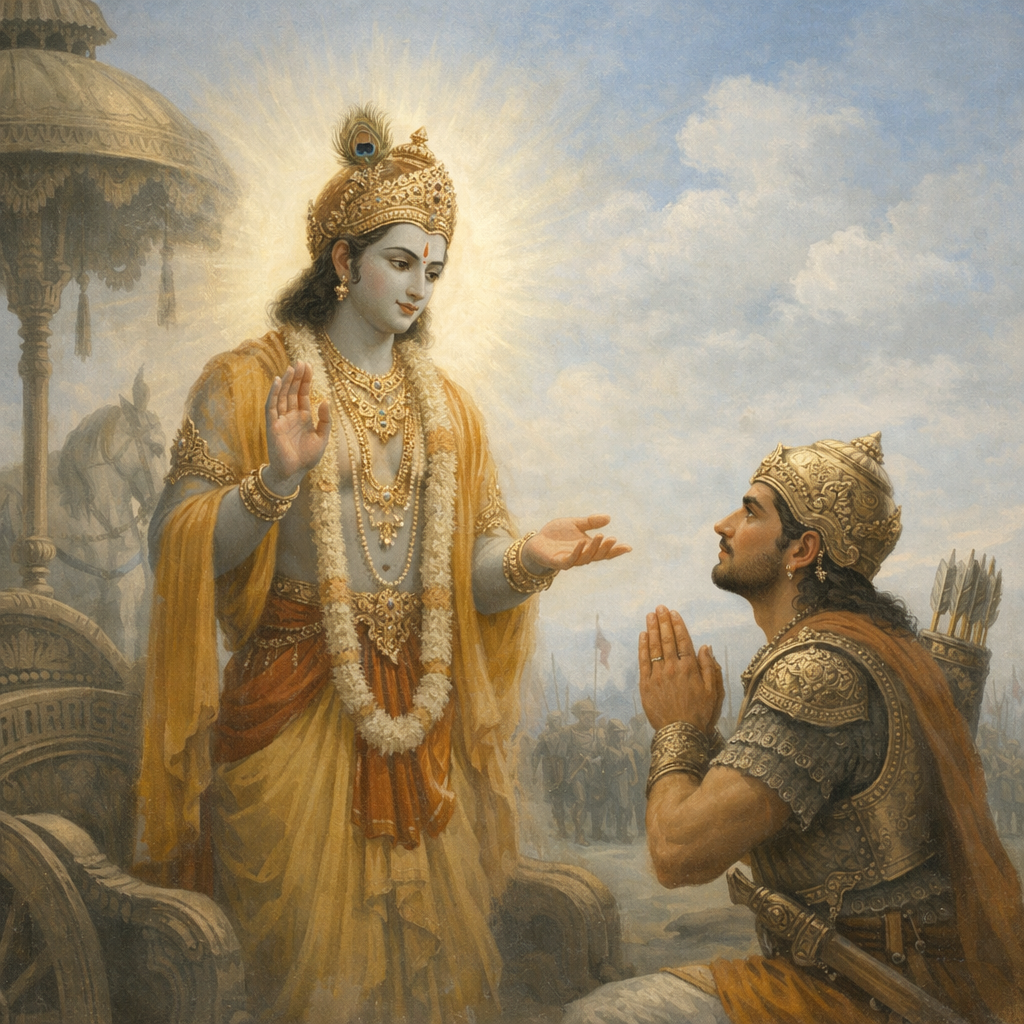
Hinduism develops without a single founder as a layered religious tradition centered on ritual, cosmology, philosophy, and social practice. It expands through temples, pilgrimage, patronage, and devotional movements rather than conversion, adapts through internal diversity rather than schism, and continues today as a plural, decentralized tradition shaped by historical continuity, modern reform, and global dispersion.
3. Sources of Evidence
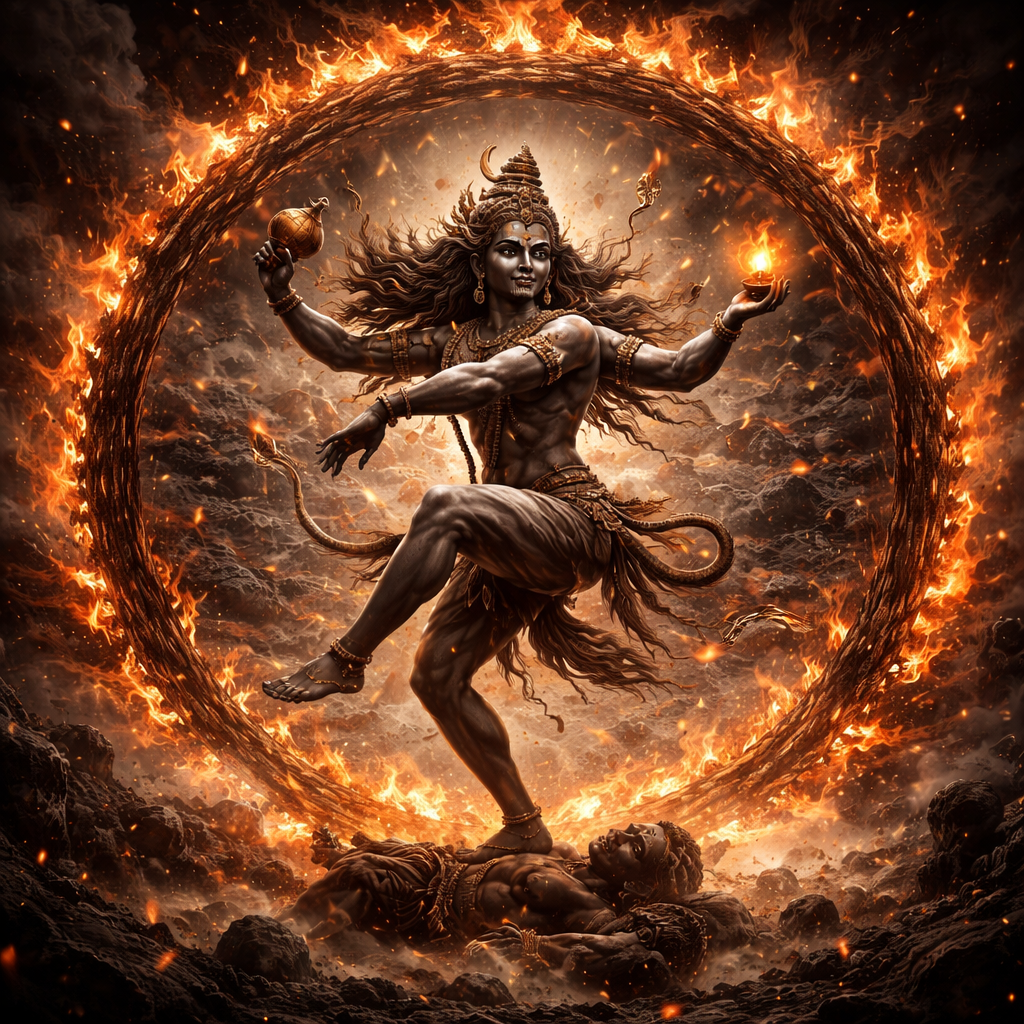
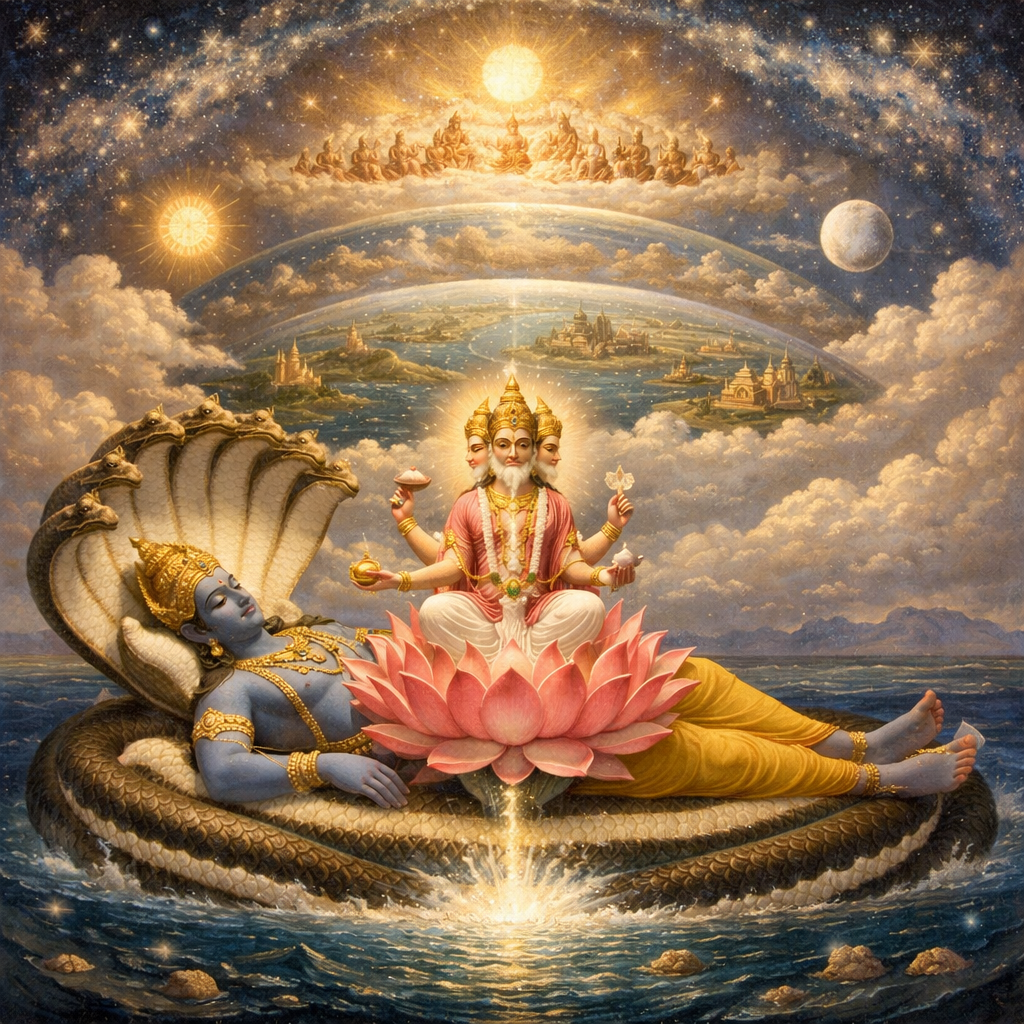
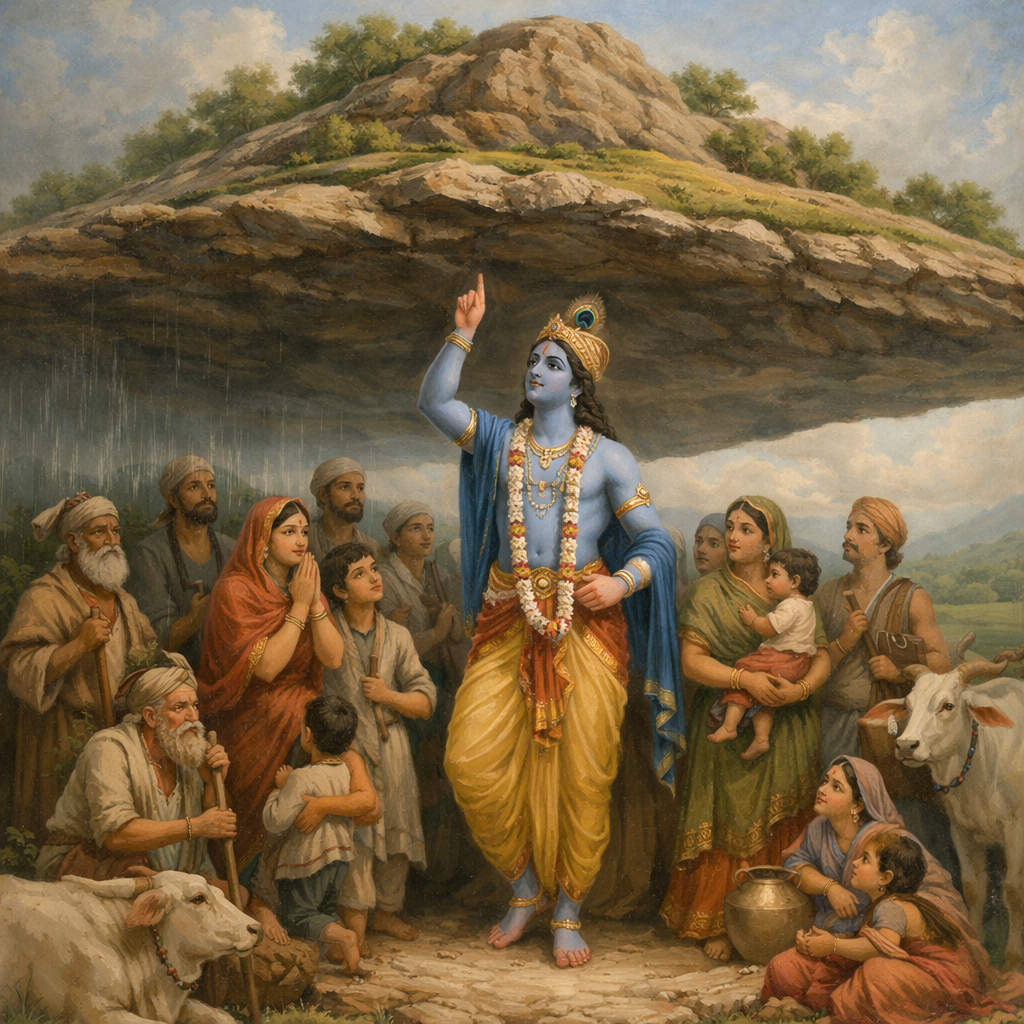
The evidentiary profile of Hinduism is defined by plurality without a single closure point: multiple textual strata, regionally embedded practice systems, and sectarian institutions generate overlapping archives rather than one authoritative center. Classical prestige attaches to Śruti, while Smṛti corpora provide much of the narrative, legal, and devotional infrastructure that shapes popular Hindu worlds, and sectarian āgamas/tantras and saṃhitās supply scripture-like authority within specific communities. Across these layers, commentary traditions and vernacular devotional corpora translate, reinterpret, and sometimes override earlier textual frames, producing continual semantic shift in key terms and practices. Archaeology and inscriptions map the growth of temples, pilgrimage networks, and patronage economies with exceptional clarity, while also biasing the record toward durable monuments and elite sponsorship. Historical chronicles and outsider reports add chronology and contact context but require heavy filtering for category errors and colonial-era redefinitions of “Hinduism.” Modern ethnography is indispensable for household ritual, caste and community practice, guru movements, healing rites, and diaspora adaptation. Because Hinduism functions as an umbrella over multiple traditions with different canons and practice ecologies, responsible synthesis depends on disciplined separation of text layer, sectarian location, region, and medium, avoiding the projection of any one canon, temple culture, or modern reform definition onto the whole.
4. Pantheon & Supernatural Beings
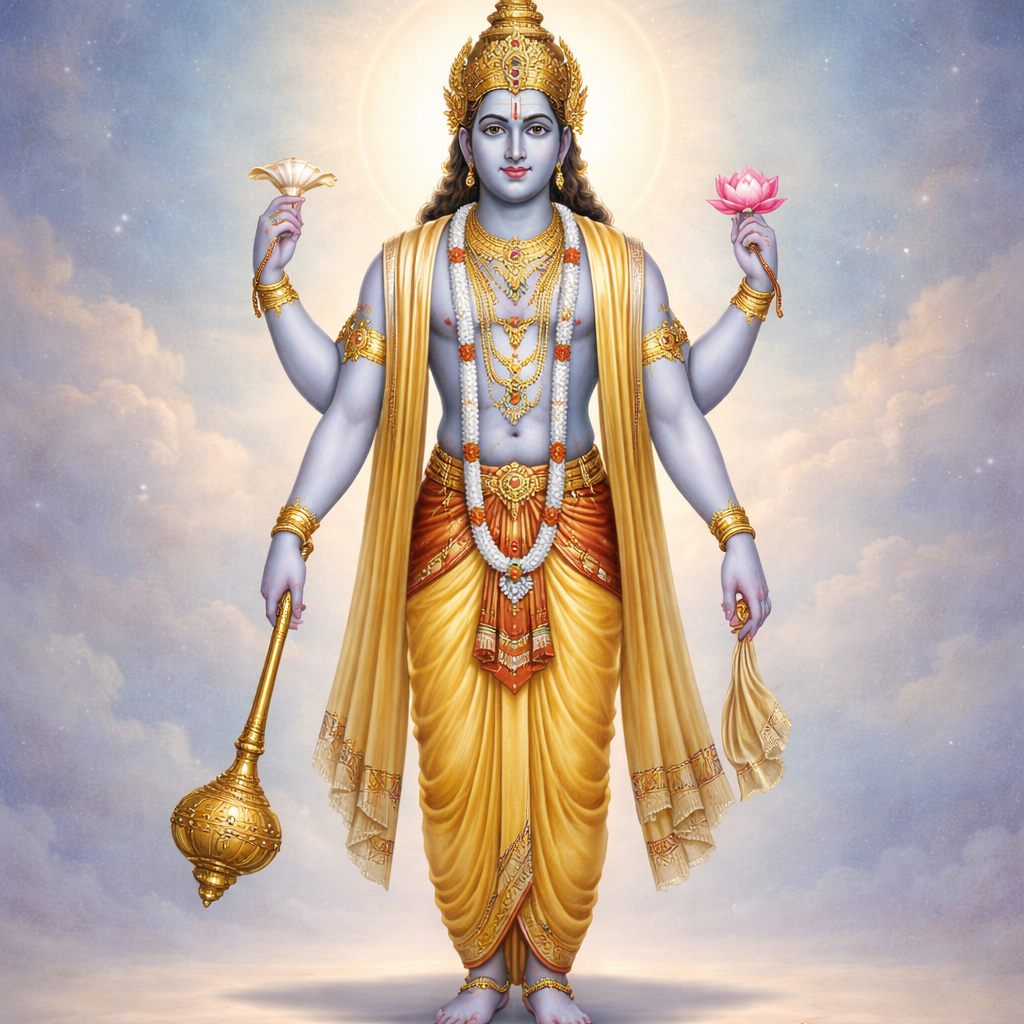
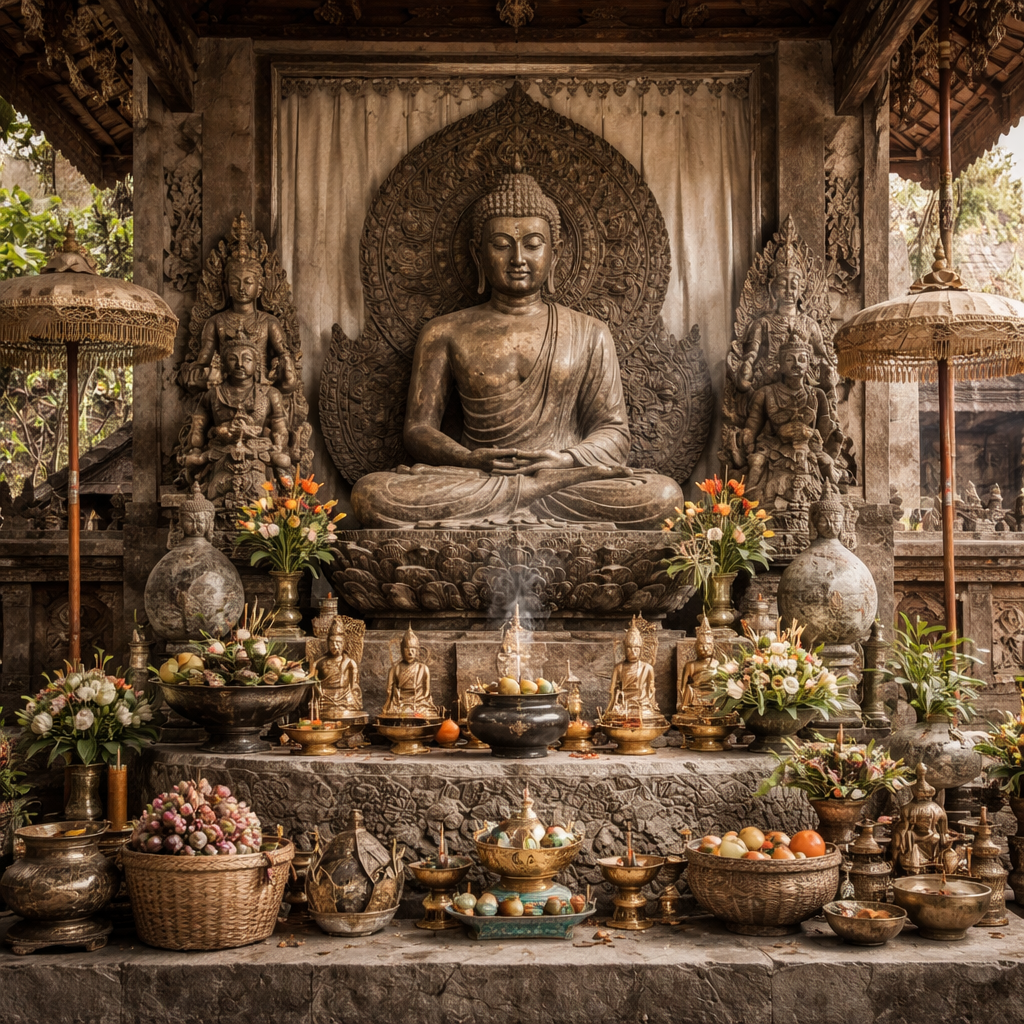
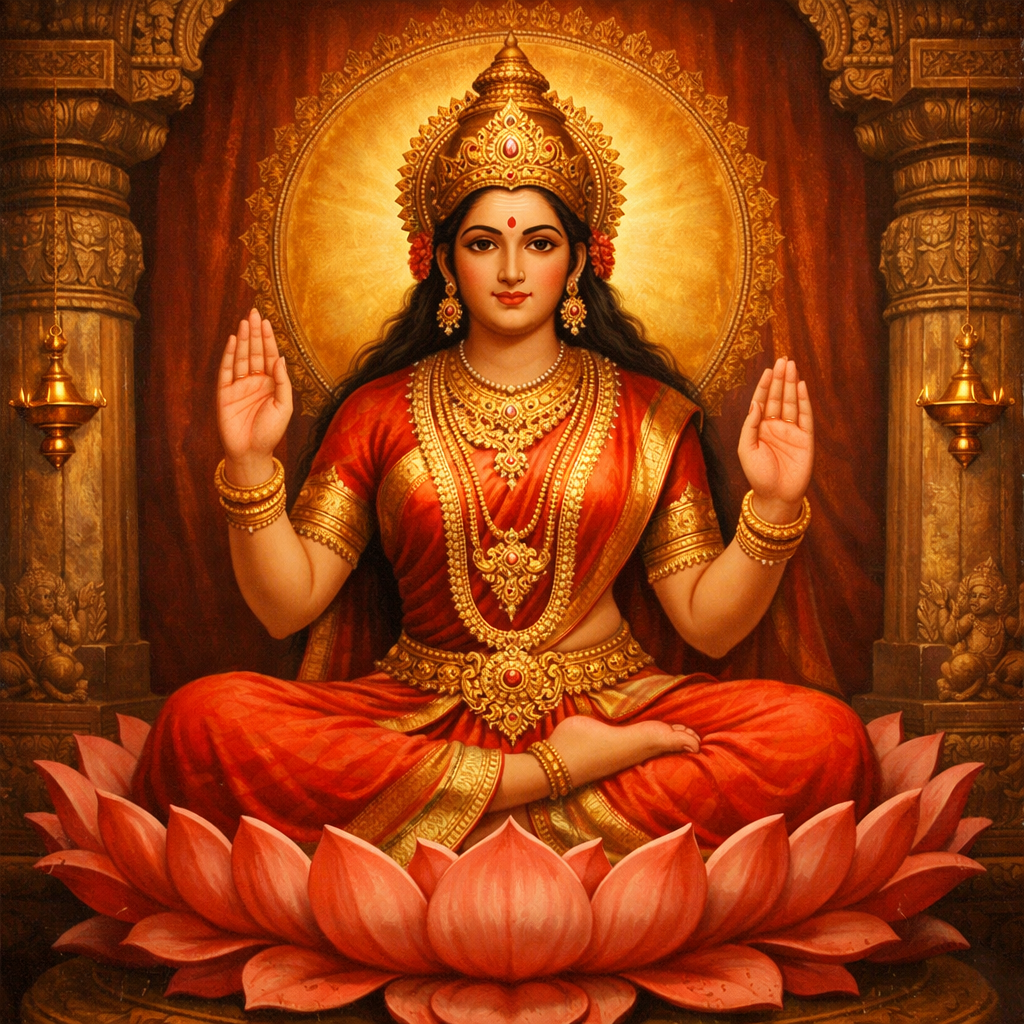
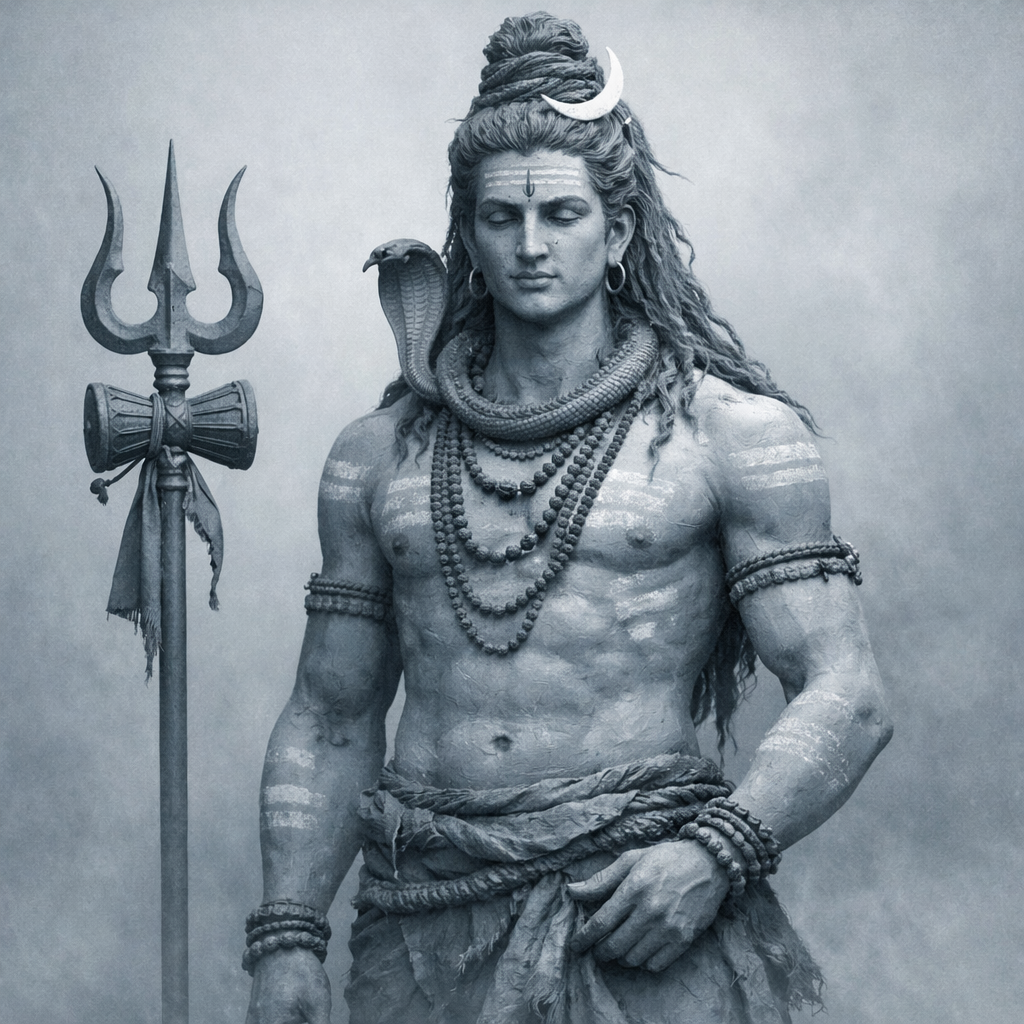
Hinduism encompasses one of the most complex and layered supernatural landscapes in religious history, defined by plurality rather than doctrinal uniformity. Ultimate reality may be conceived as an impersonal absolute, a personal supreme god, or both, depending on philosophical school and devotional orientation. Gods function as powerful, mythologically rich agents whose relationships, domains, and relative status vary across sects, regions, and lived practice. Alongside major deities exist village gods, household patrons, spirits, ancestors, and cosmic beings, all of whom may hold practical religious significance without conforming to a single hierarchical system. Conflict is cyclical and contextual rather than morally dualistic, and hierarchy shifts with text, ritual focus, and devotional commitment. This page maps a tradition in which monism, theism, polytheism, and local practice coexist, and where lived devotion often shapes the pantheon as decisively as formal doctrine.
5. Cosmology & Myth

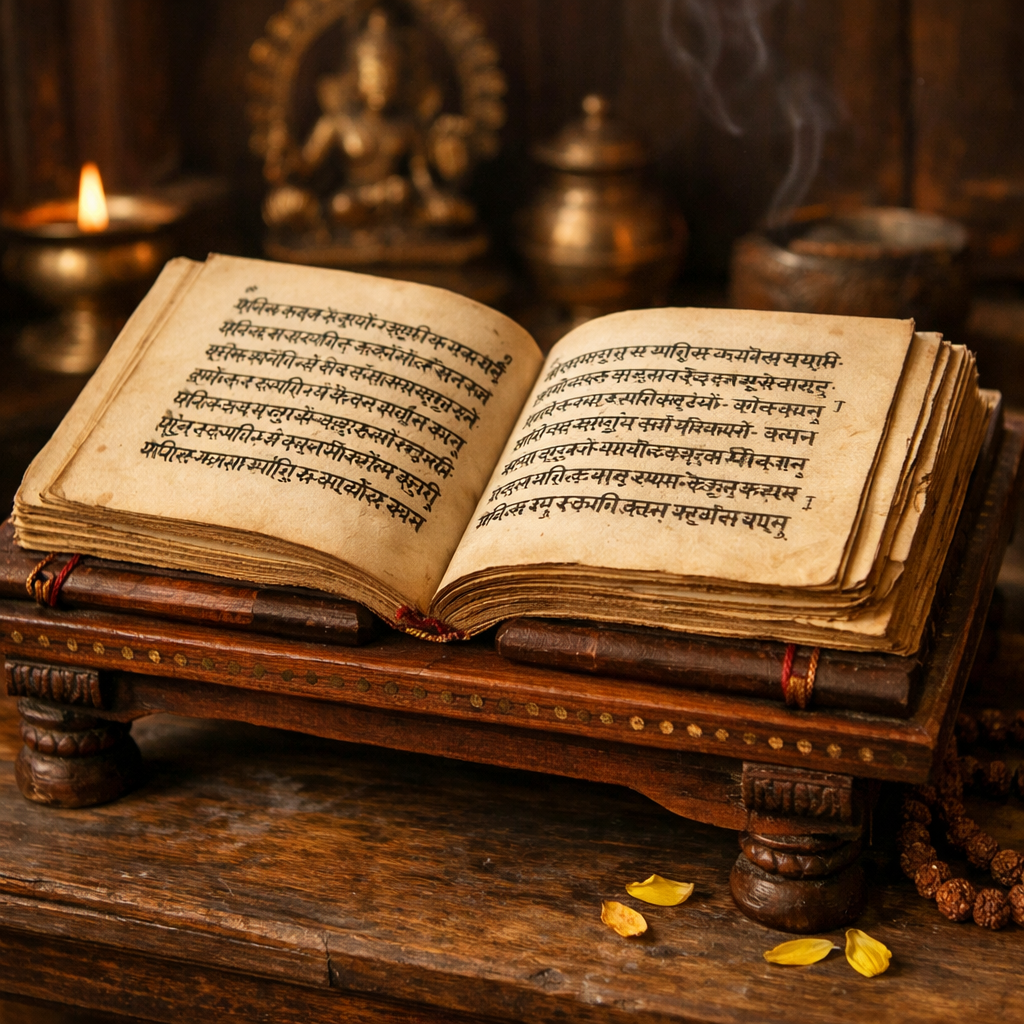
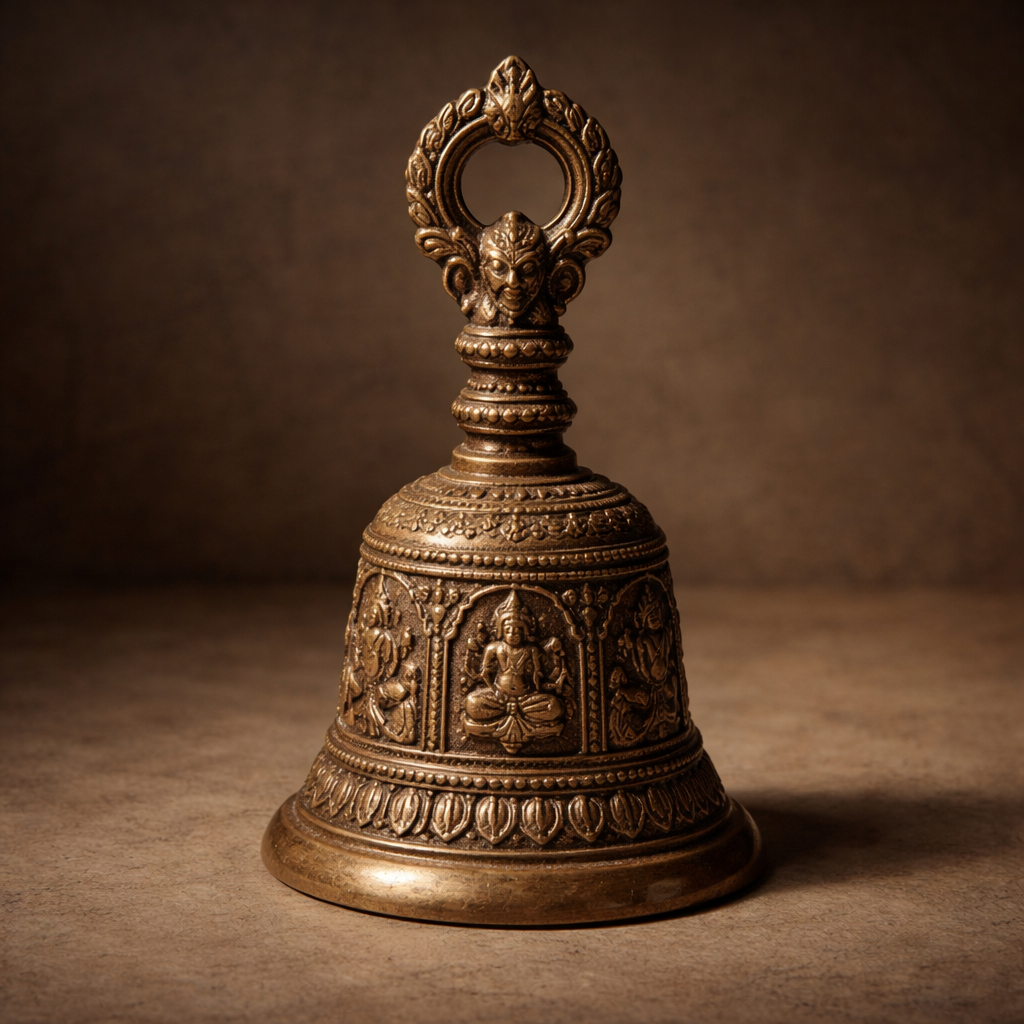

Hinduism approaches cosmology as a civilizational system of layered models, not a single unified narrative of origins or ends. Across its traditions, the universe is understood as endlessly cycling through creation, preservation, dissolution, and renewal, governed by karma and dharma rather than a one-time divine act or final judgment. Multiple cosmogonies coexist, reflecting different metaphysical emphases without demanding exclusivity, while cosmic structure is articulated through plural realms, sacred landscapes, and hierarchies of beings integrated into ritual and social life. Time is expansive and repetitive, rendering human history a small segment within recurring cosmic rhythms. Mythic narratives—whether of sages, epic heroes, or divine manifestations—serve to clarify duty, restore order, and sustain continuity rather than to establish a single founder or ultimate eschaton. Within this framework, cosmology functions to orient ritual practice, ethical action, and multiple paths of liberation inside a vast moral–causal order, maintaining balance and opening release without anchoring meaning to one creed, one origin, or one final end.
6. Ritual & Practice
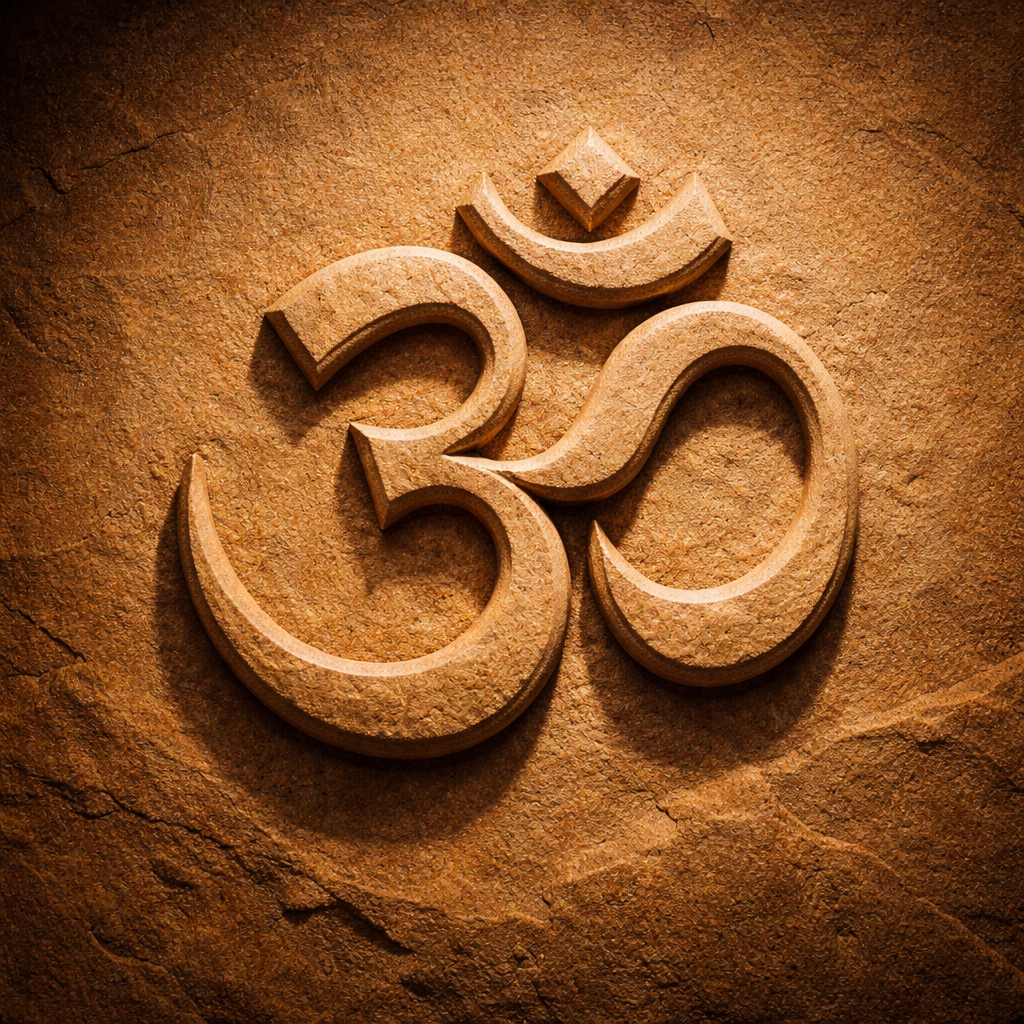
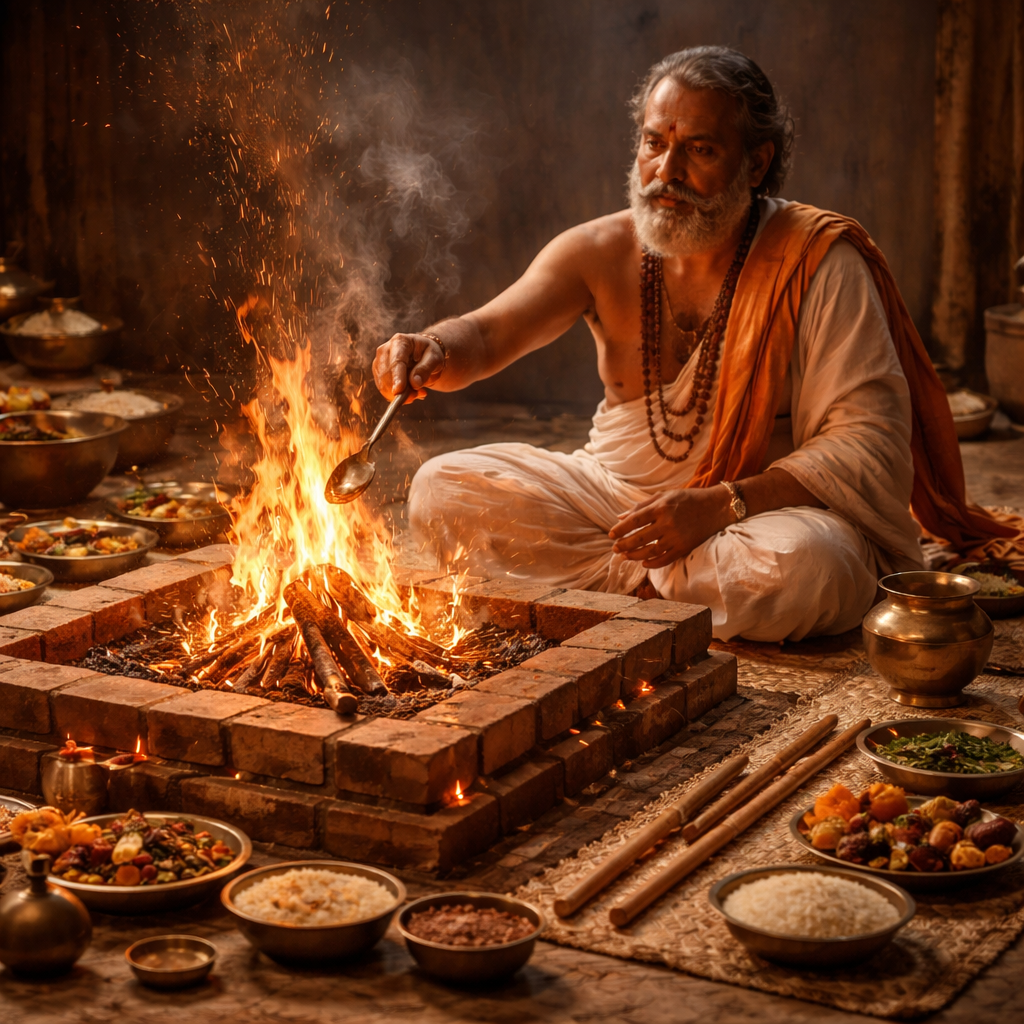
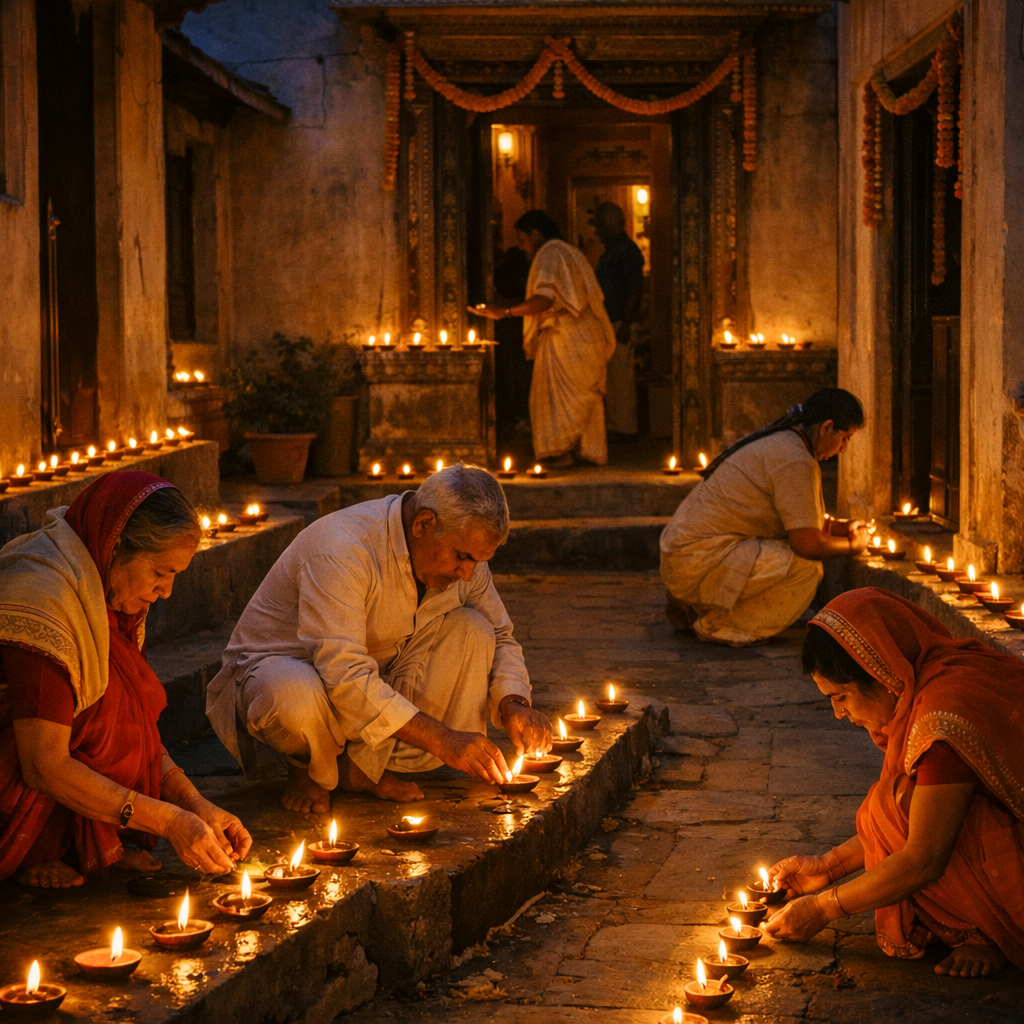
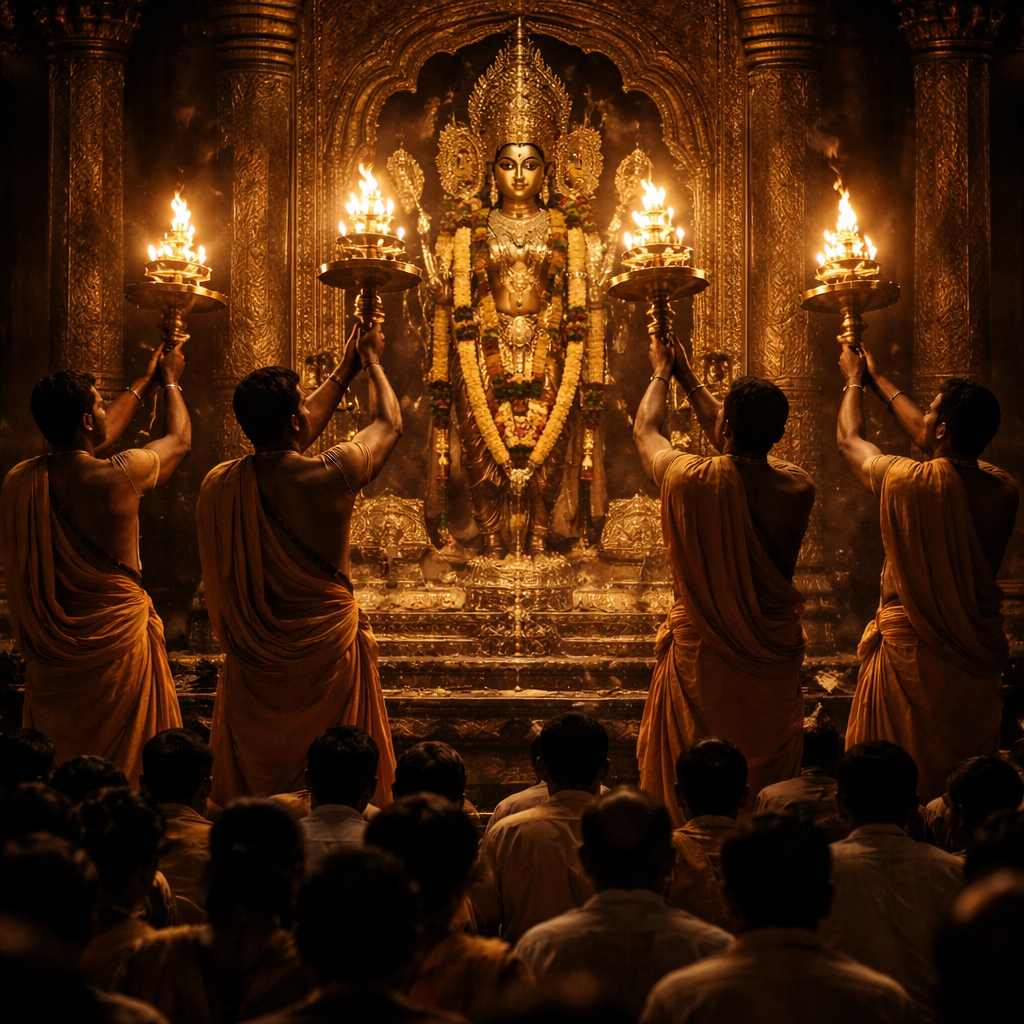
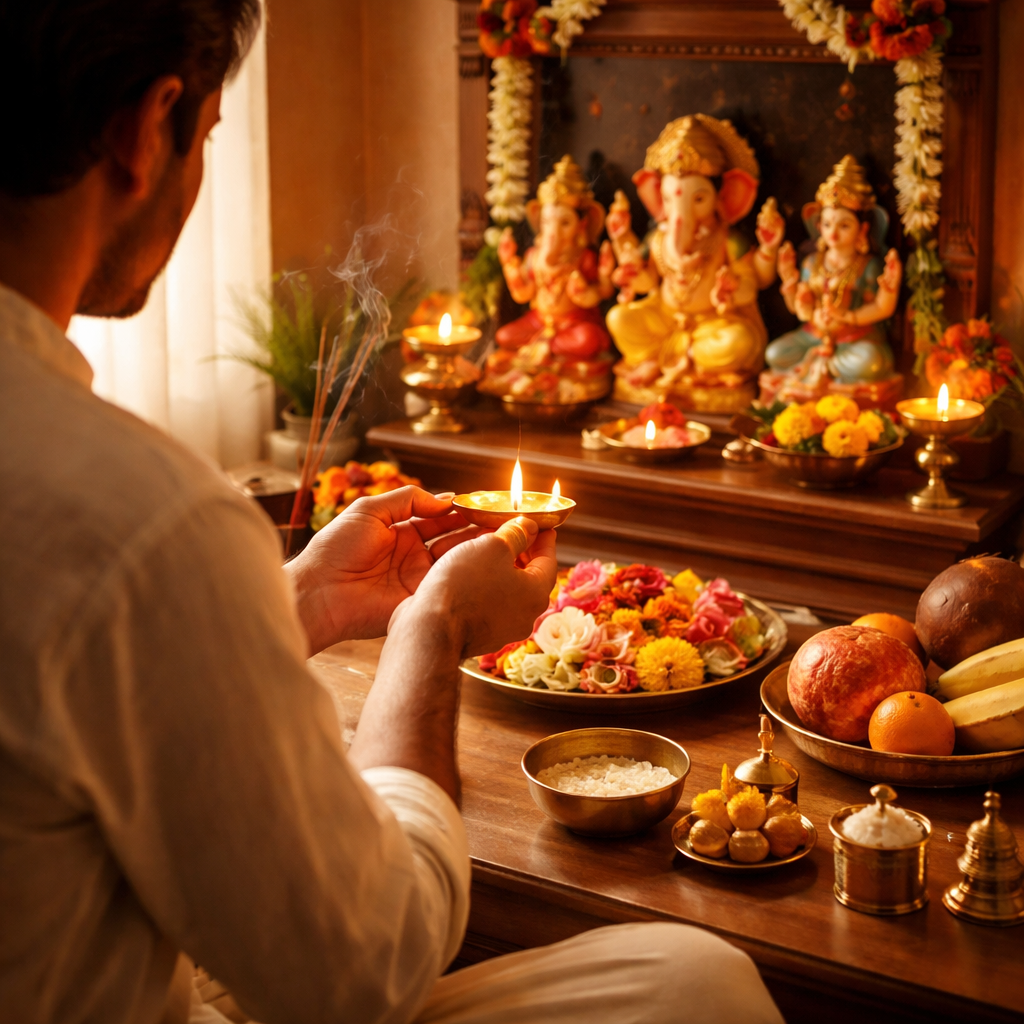
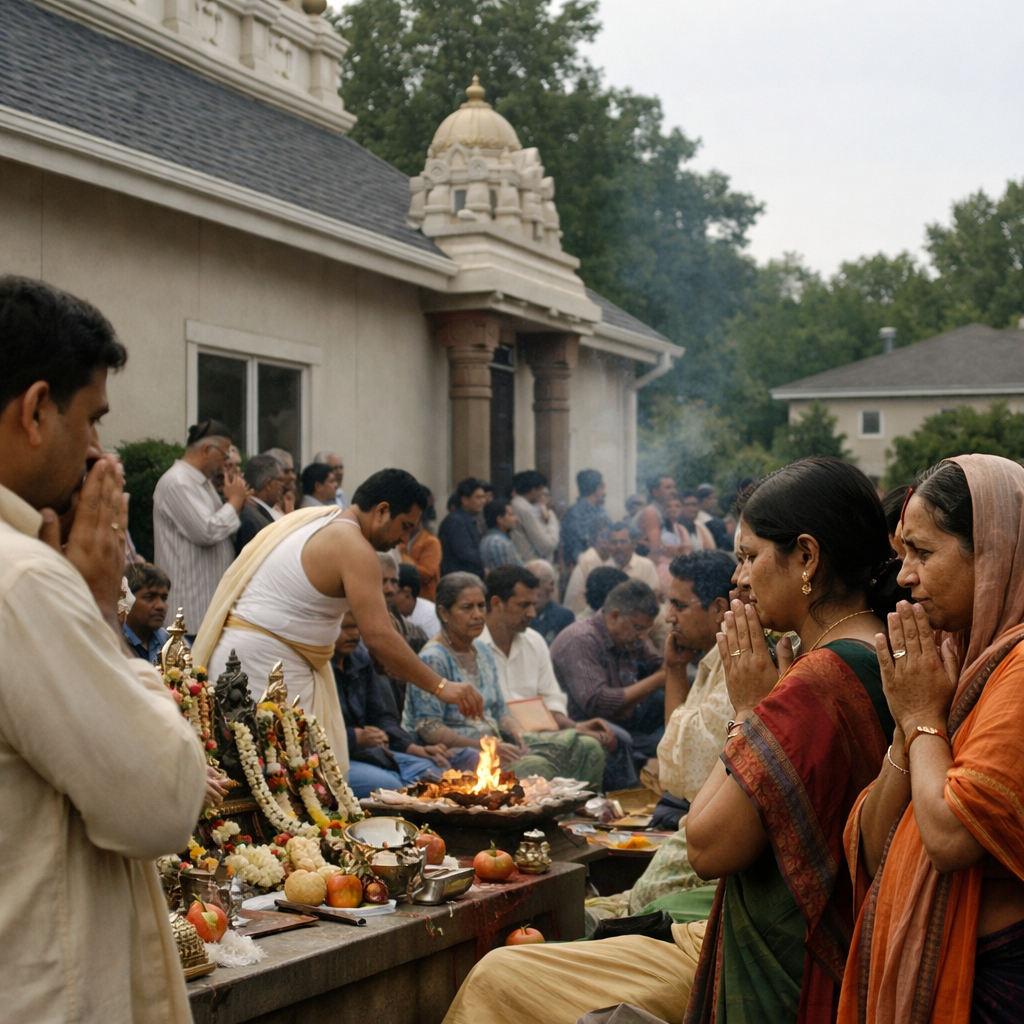
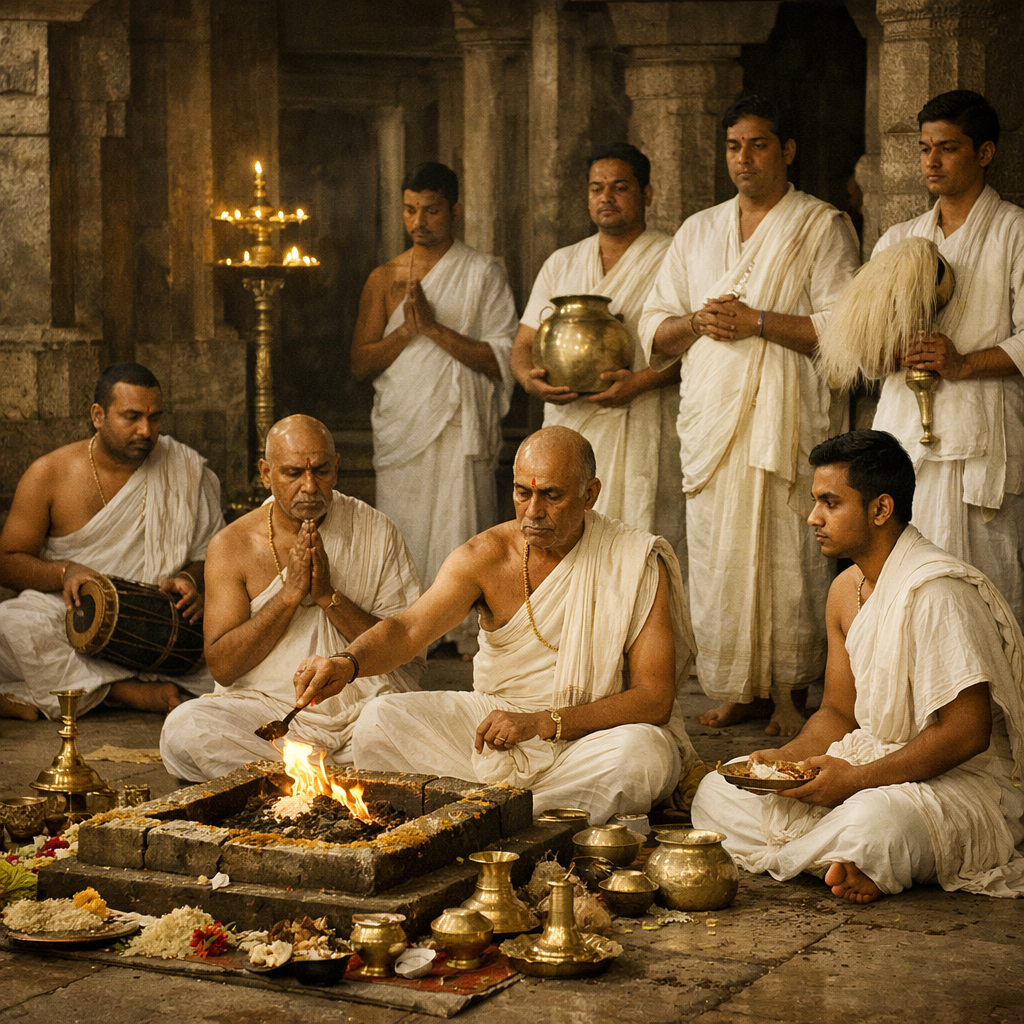
Hinduism approaches religion primarily through ritual participation rather than doctrinal agreement. Its practices form a vast, adaptive ecosystem spanning household worship, temple ritual, festivals, life-cycle rites, pilgrimage, and ascetic paths, none of which are universally mandatory yet all of which are deeply normative within their contexts.
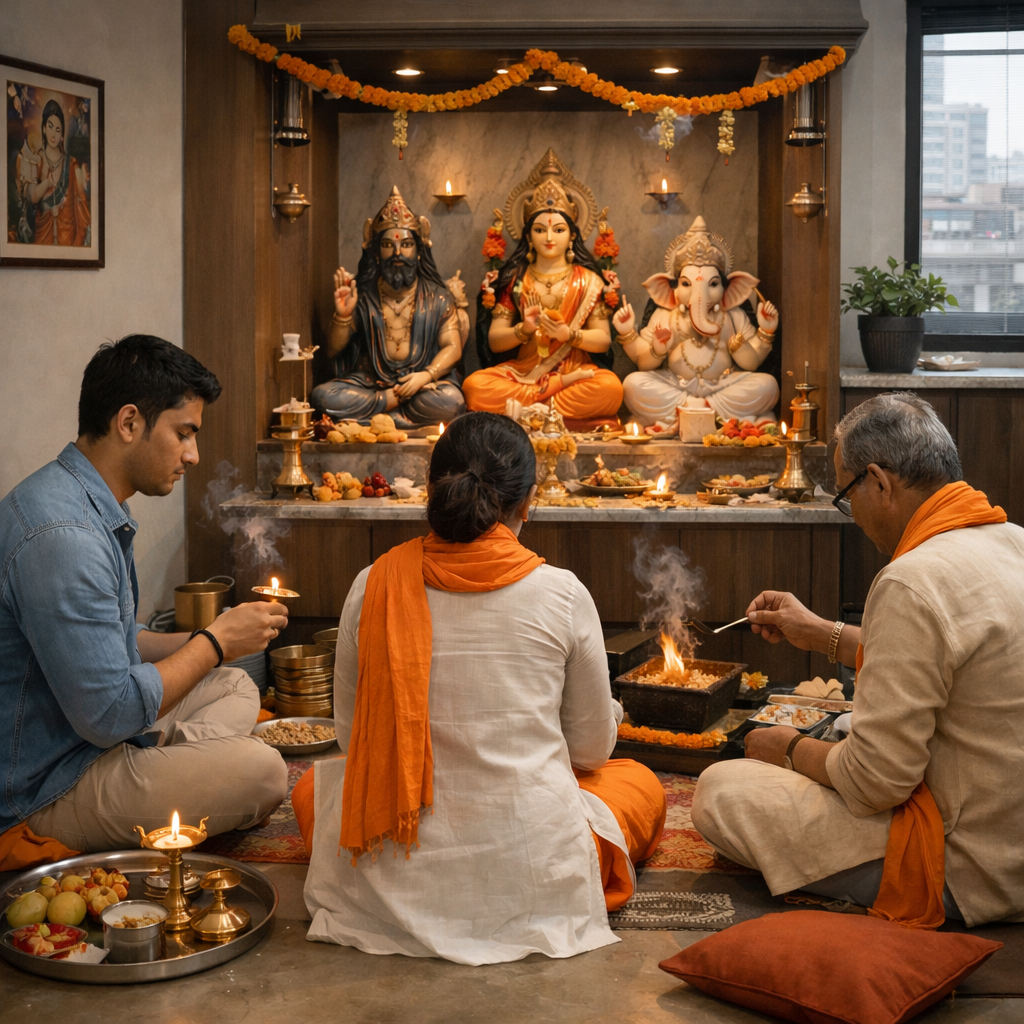
Rather than organizing practice around a single authority or calendar, Hindu ritual life is radially structured: household pūjā anchors daily devotion; festivals and pilgrimages mobilize communities at scale; saṁskāras bind individuals to family and cosmic duty; and specialist rites manage transition, misfortune, and timing. Discipline and renunciation coexist with householder obligation, offering multiple legitimate modes of religious life rather than a single ideal path.
Viewed through ritual and practice, Hinduism functions as a civilizational ritual network—one that accommodates regional, sectarian, and social variation while maintaining continuity through shared actions, symbols, and rhythms. What unifies Hinduism at the level of practice is not belief uniformity, but participation in a common ritual grammar that structures devotion, identity, and social cohesion across generations.
7. Sacred Space & Material Culture

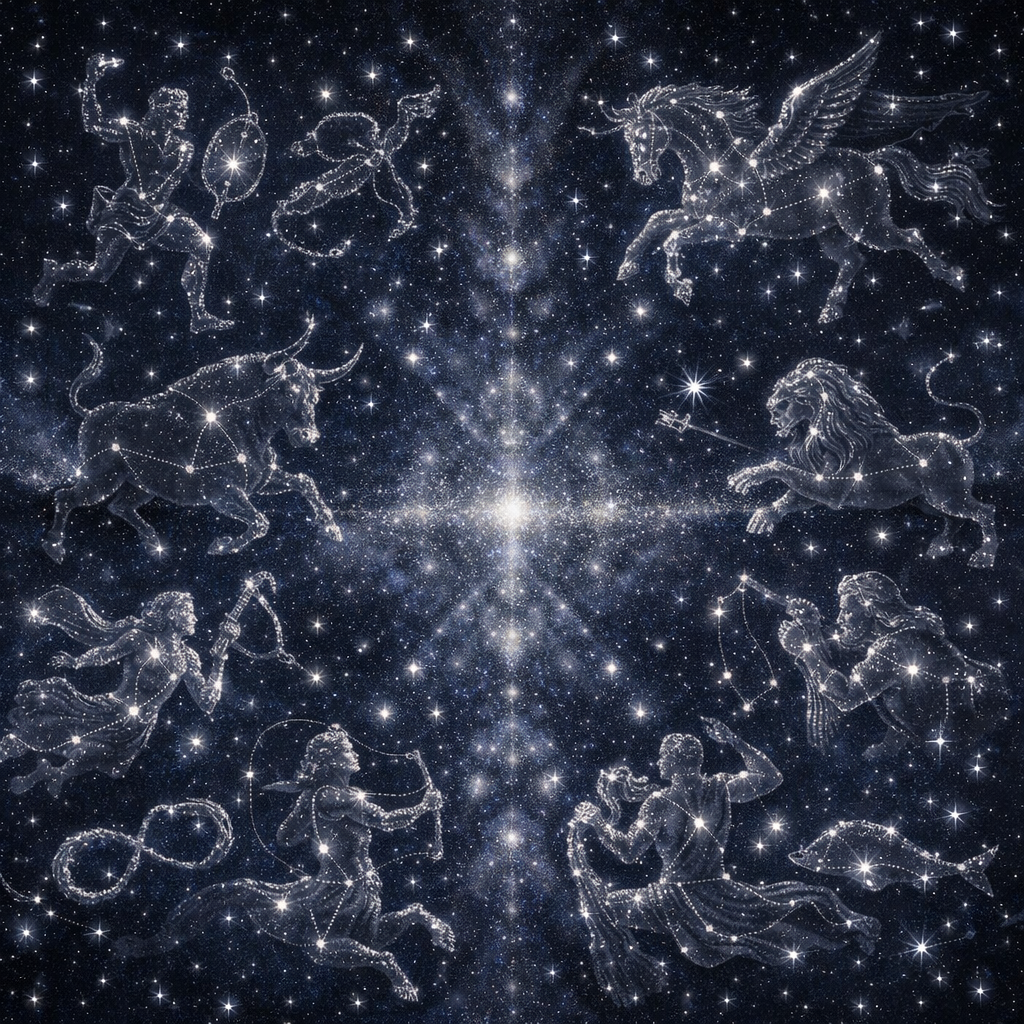

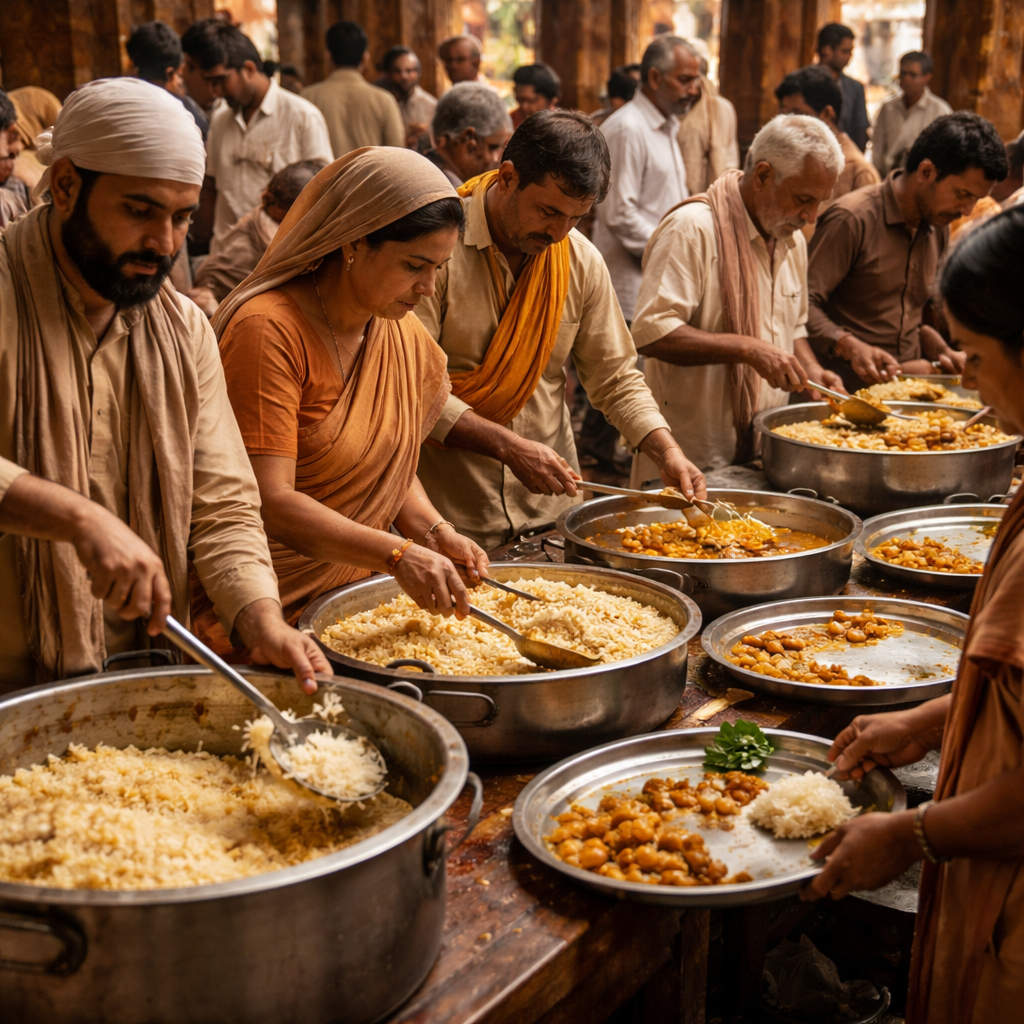
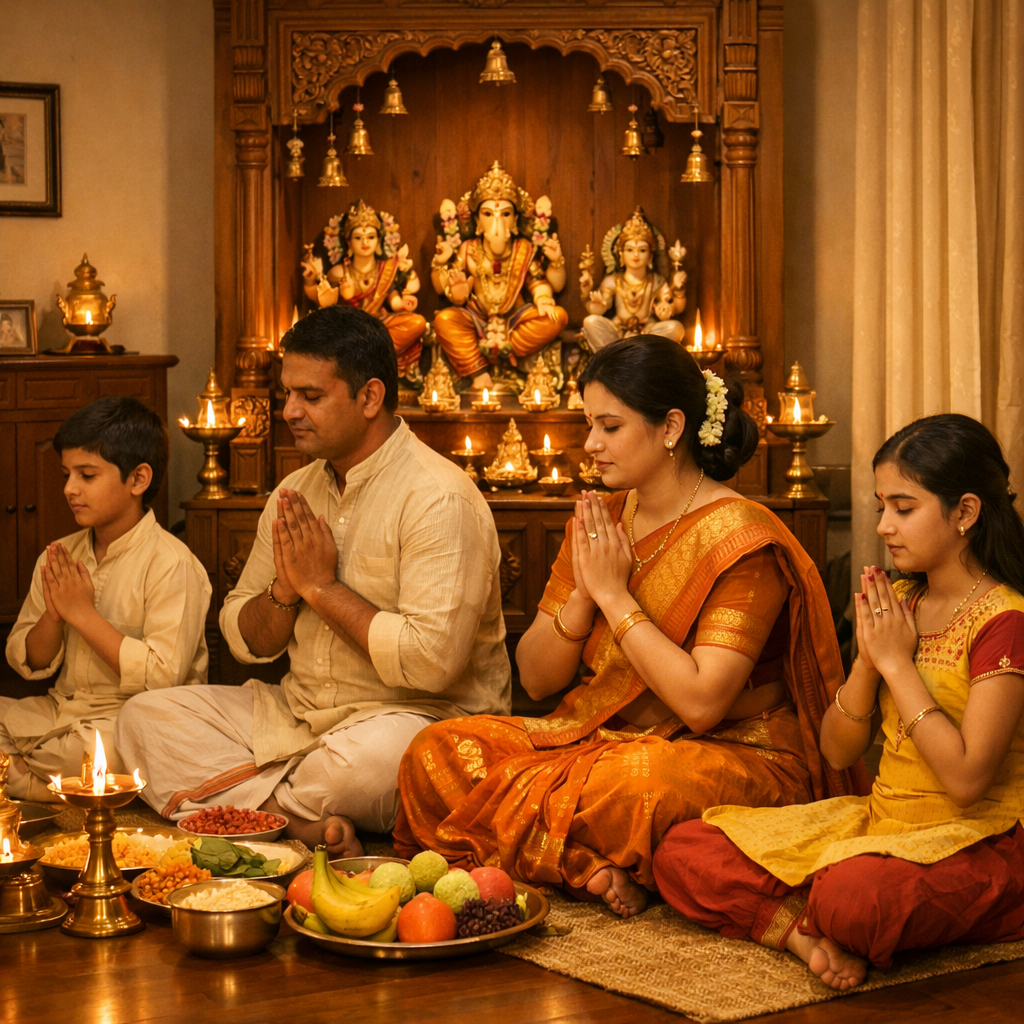
Hinduism approaches sacred space through a broader religious logic of localized divine presence sustained by ritual action. Landscape, architecture, domestic practice, and material culture form an integrated system in which gods are encountered, hosted, and served through consecration, purity discipline, and repeated rites. Sacred geography is expansive and plural, accommodating multiple deities, sects, and regional traditions without collapsing into a single center or canon. Continuity is preserved not through immutable structures but through ritual renewal, mythic mapping, and living practice, allowing sites and forms to be destroyed, rebuilt, or transformed without loss of sacral meaning. In this way, Hindu sacred space operates as a dynamic field of divine habitation, where material forms remain adaptable while presence is continually reactivated through ritual engagement.
8. Religious Specialists & Institutions

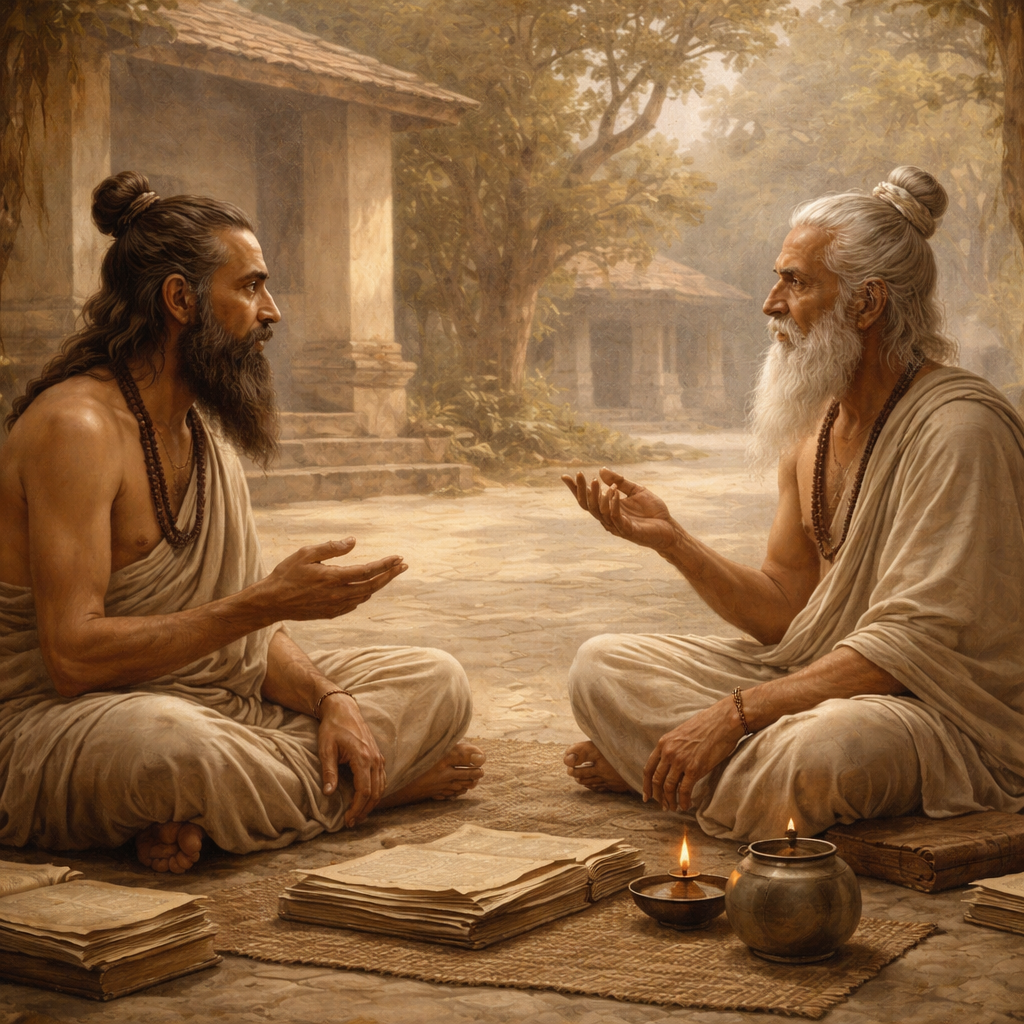
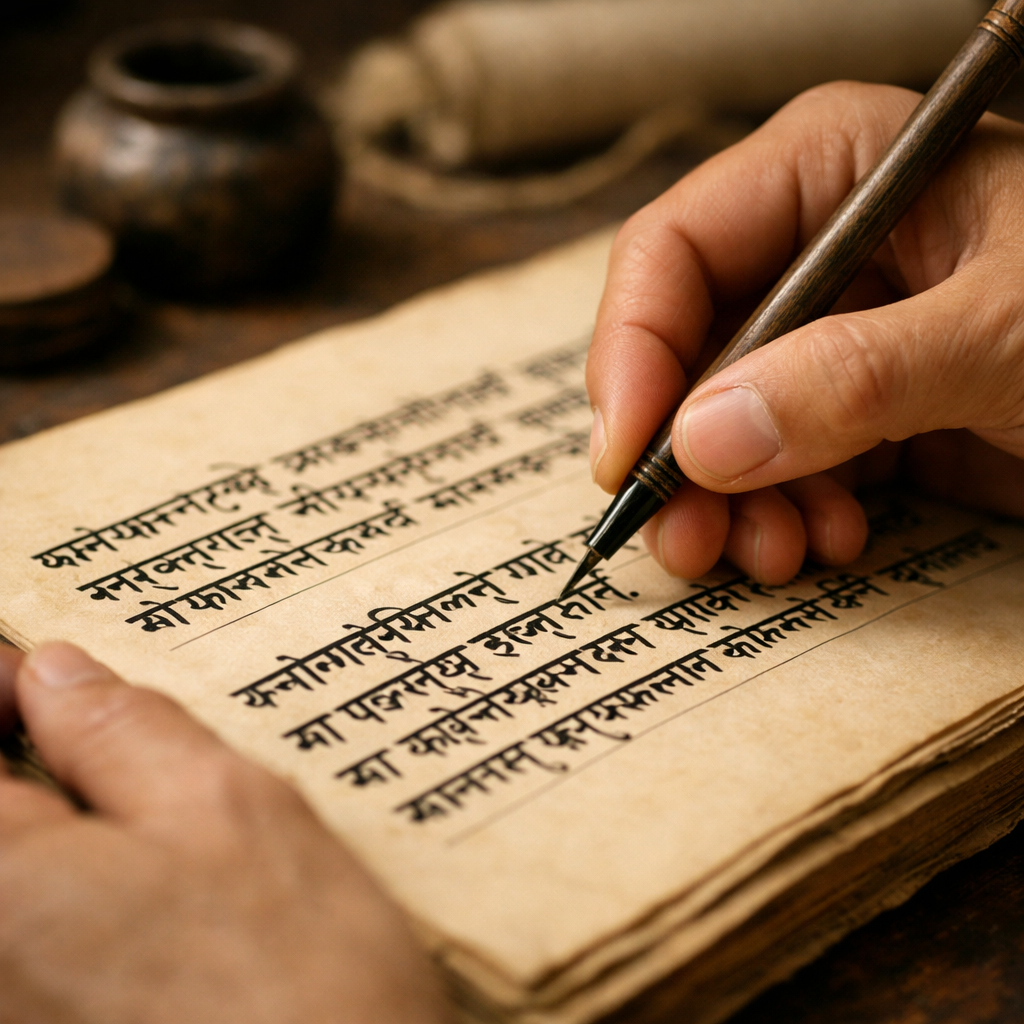
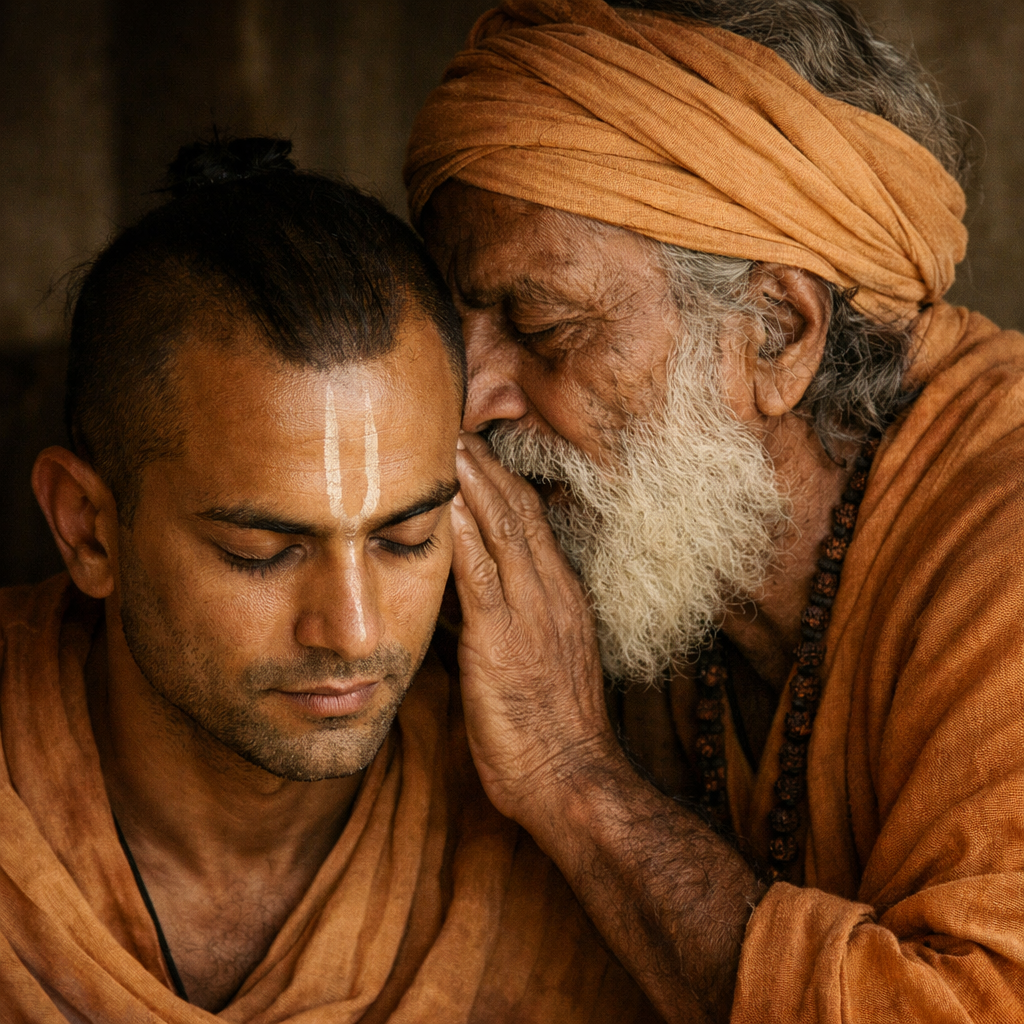
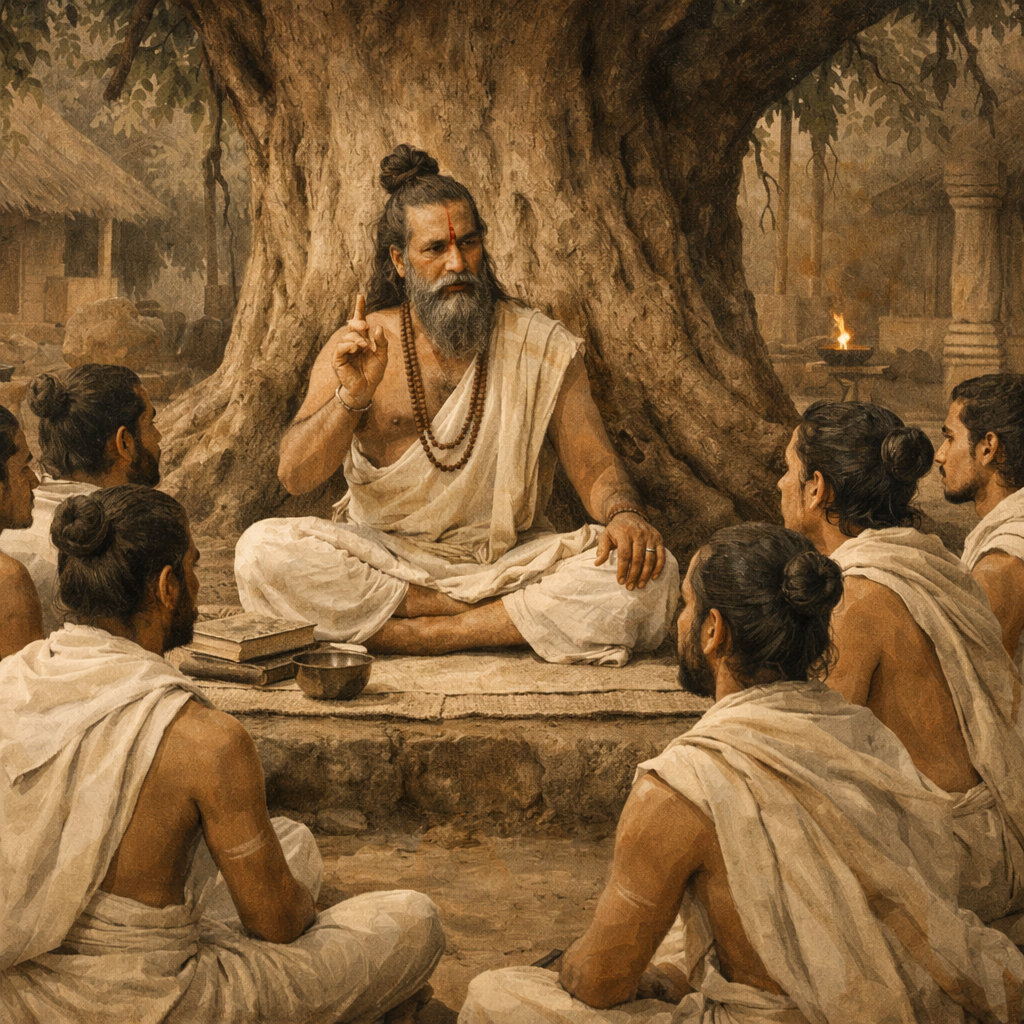
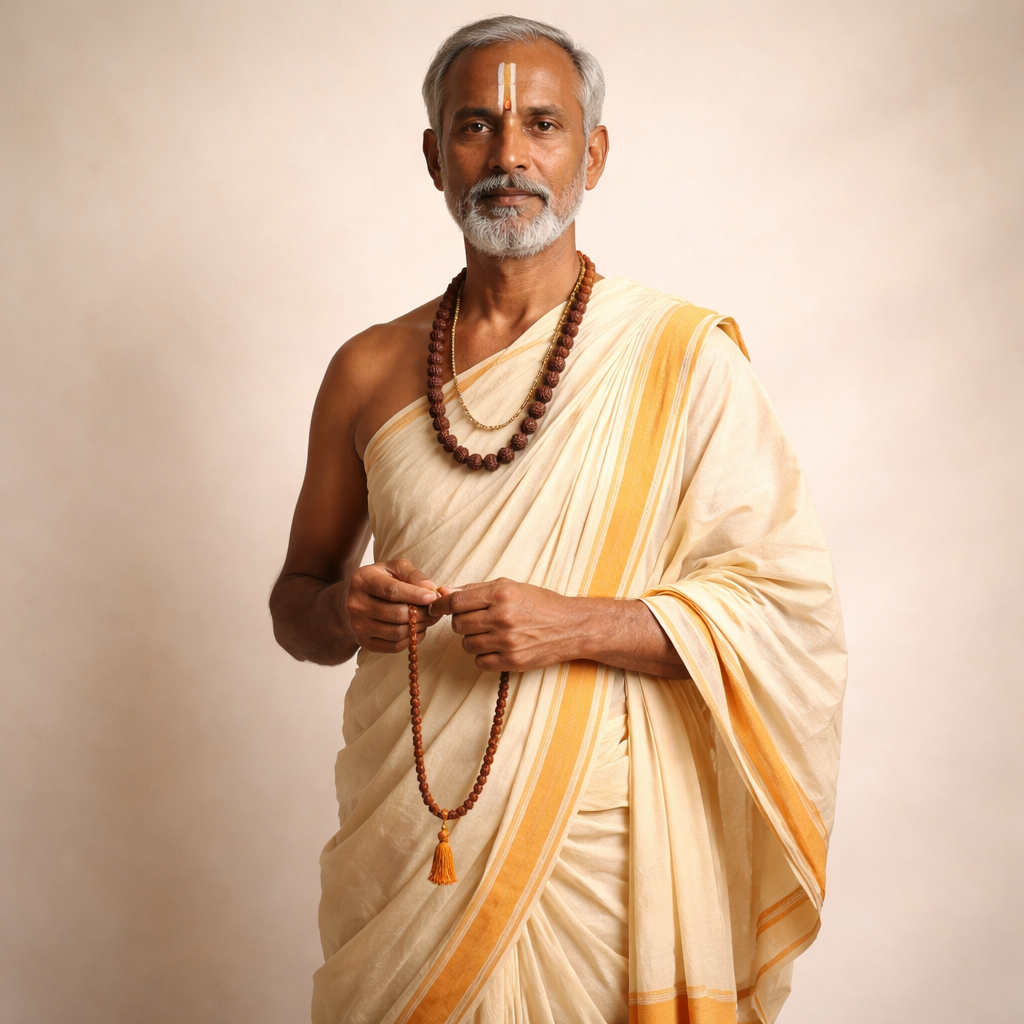
Hindu religious life is sustained by a plural institutional landscape in which authority is distributed across ritual specialists, teachers, renunciants, and lay communities rather than centralized in a single hierarchy. Priestly functions coexist with philosophical schools, monastic lineages, devotional movements, and household-based practice, each operating according to its own standards of legitimacy and transmission. Education and continuity depend on apprenticeship, lineage, and localized custom as much as textual learning, preserving multiple orthodoxies side by side. Political power has historically shaped institutions through patronage and regulation without unifying them. Reform arises cyclically from internal tensions and social change, renewing practice through charismatic leadership and ethical critique while institutions stabilize and preserve those shifts over time.
9. Social Function & Law


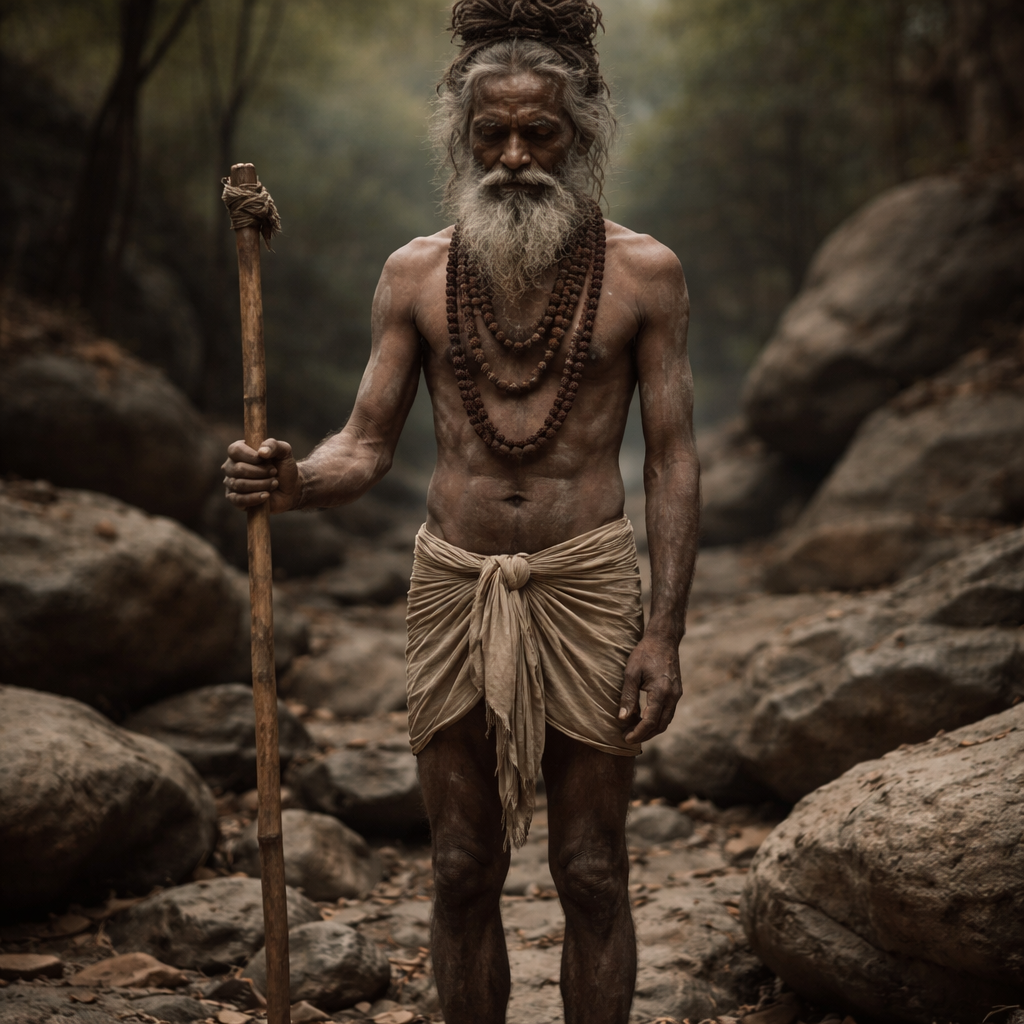
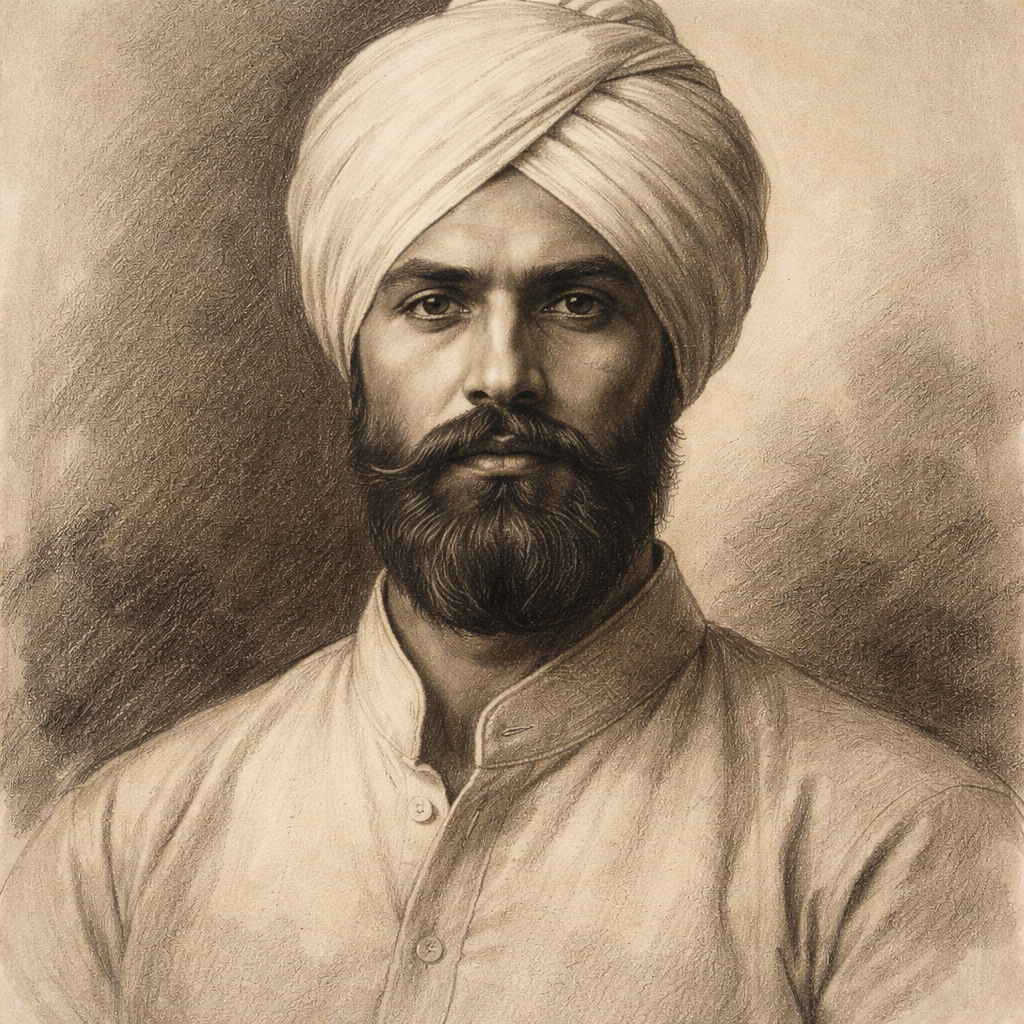
Hinduism regulates social life through dharma, a plural and role-based order that binds morality, ritual, and law without uniform legislation or centralized authority. Political power is evaluated by its maintenance of cosmic–social order, while hierarchy, discipline, and welfare operate through custom, ritual practice, and decentralized enforcement. Continuity is preserved not through fixed law, but through dharma’s capacity to adapt across caste, region, and historical change.
10. Death & Afterlife
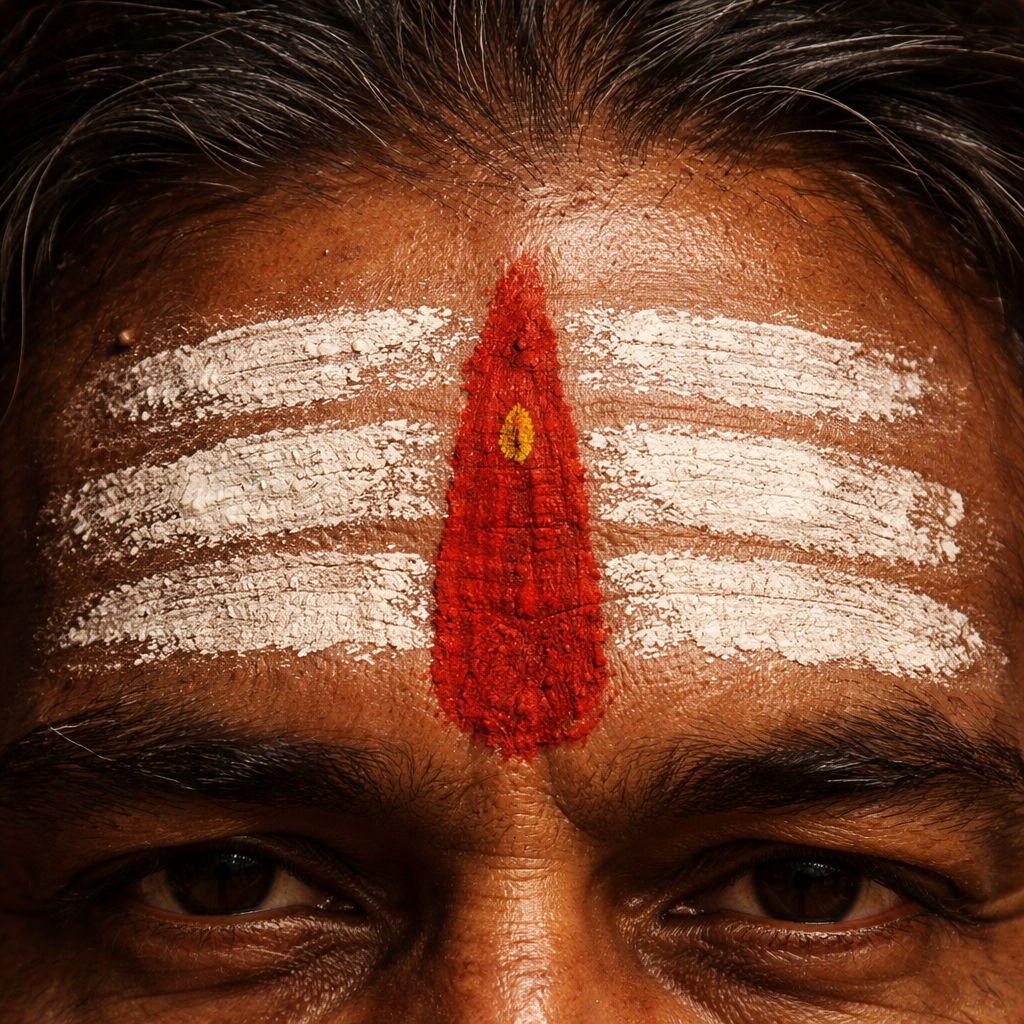
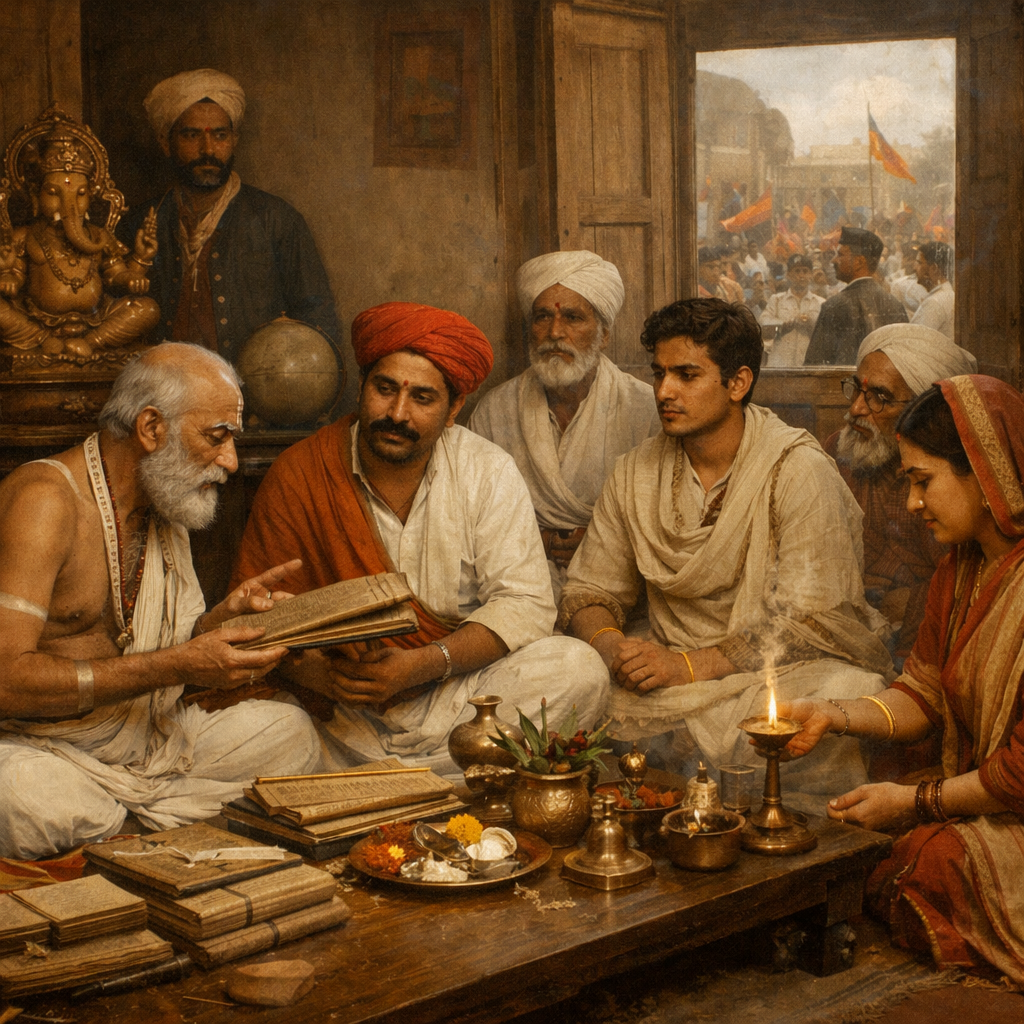
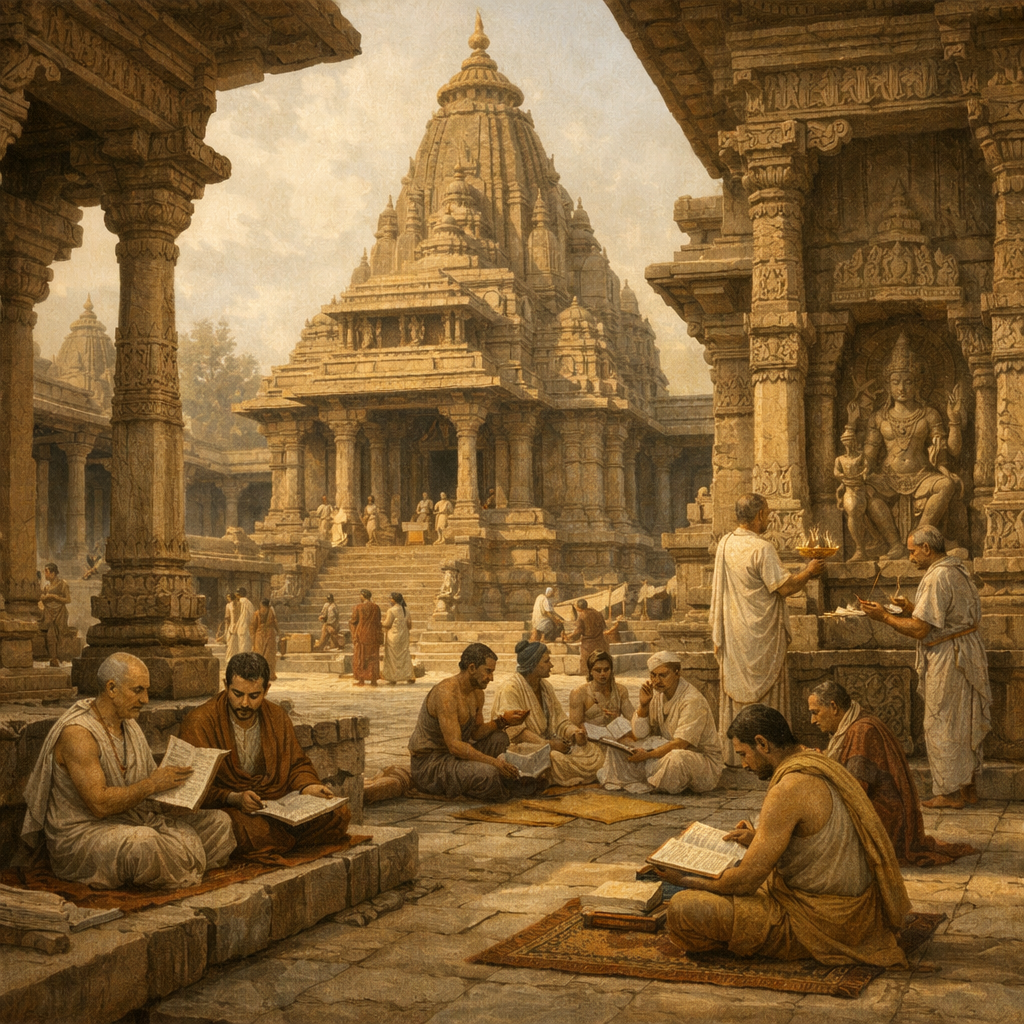
Within Hinduism, death is embedded in a vast cosmological and moral system structured by karma, rebirth, and liberation, yet expressed through multiple philosophical and devotional traditions. The soul is real and enduring, moral consequence extends across lifetimes, and postmortem existence unfolds through a range of temporary and ultimate states rather than a single judgment or destination. Ancestors remain active participants in family and ritual life, while funerary practices carry enduring obligations that link the living and the dead across generations. Hindu cosmology is cyclical, not eschatological: worlds arise and dissolve without final culmination, and liberation releases the individual soul without resolving history as a whole. In this way, Hindu death doctrine integrates metaphysics, ritual, social order, and spiritual aspiration into a comprehensive system that treats mortality as a continuing moral passage rather than a terminal event.
11. Symbolism & Cultural Expression
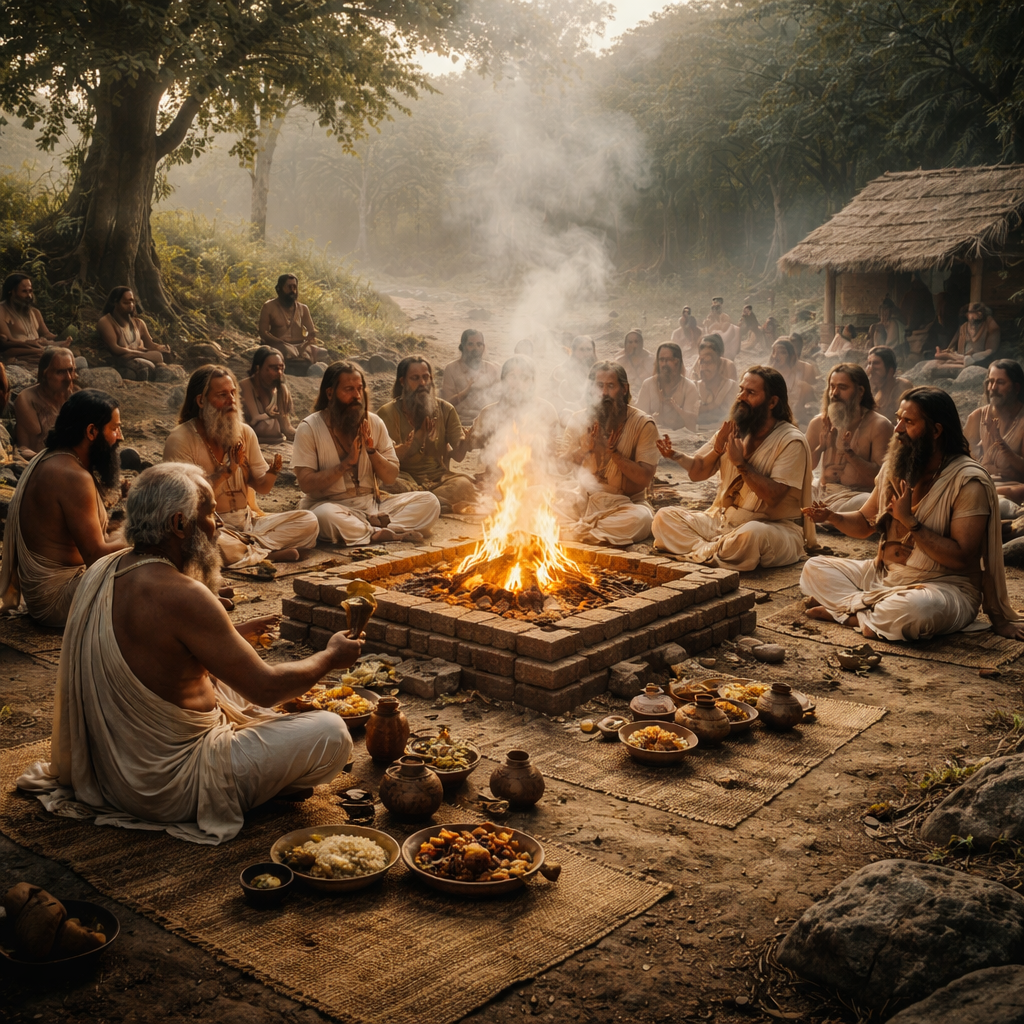
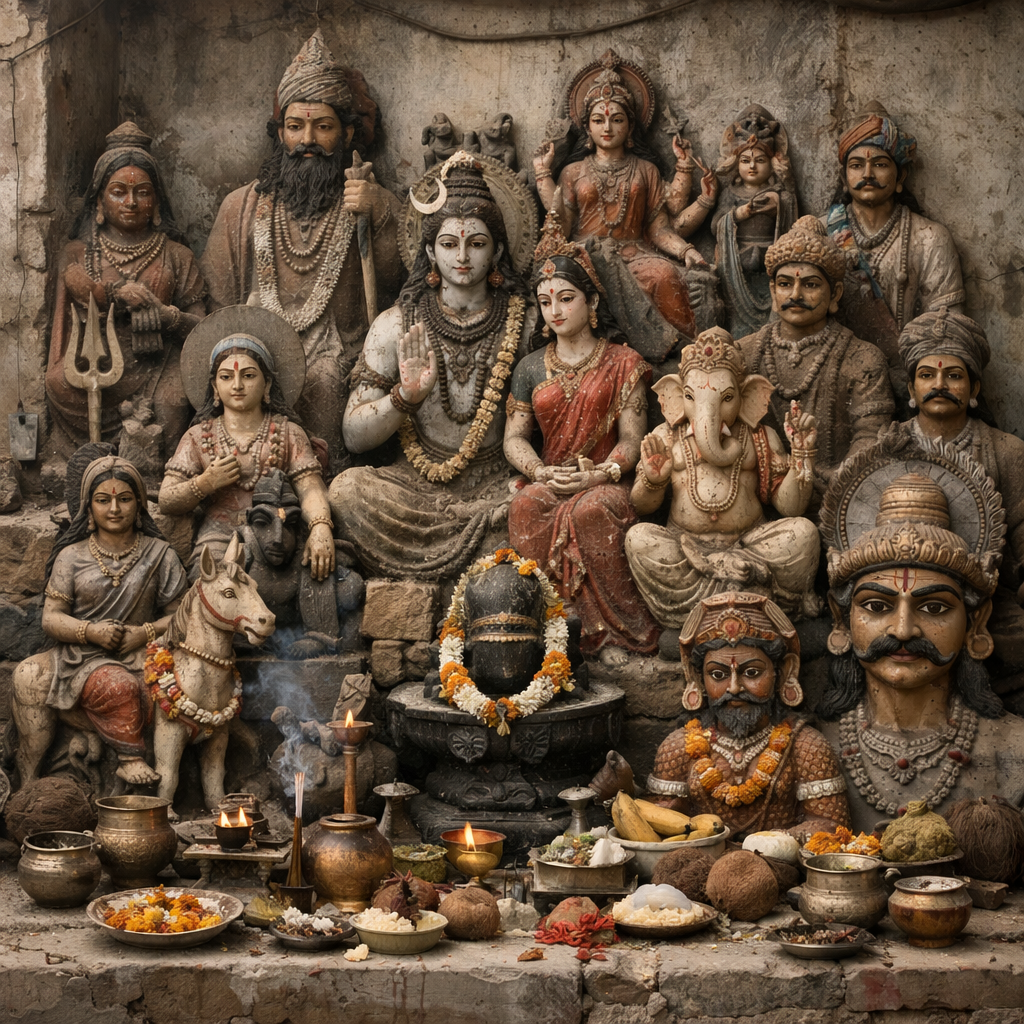
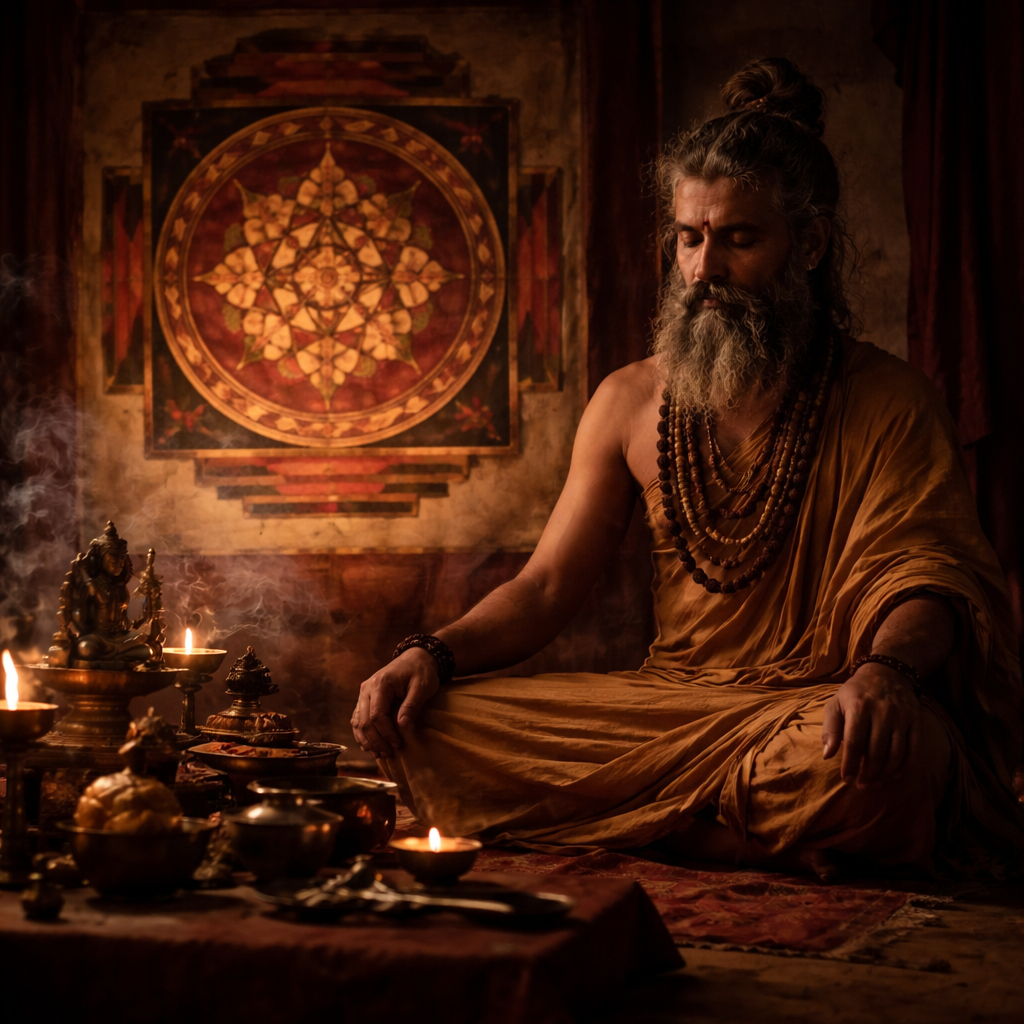
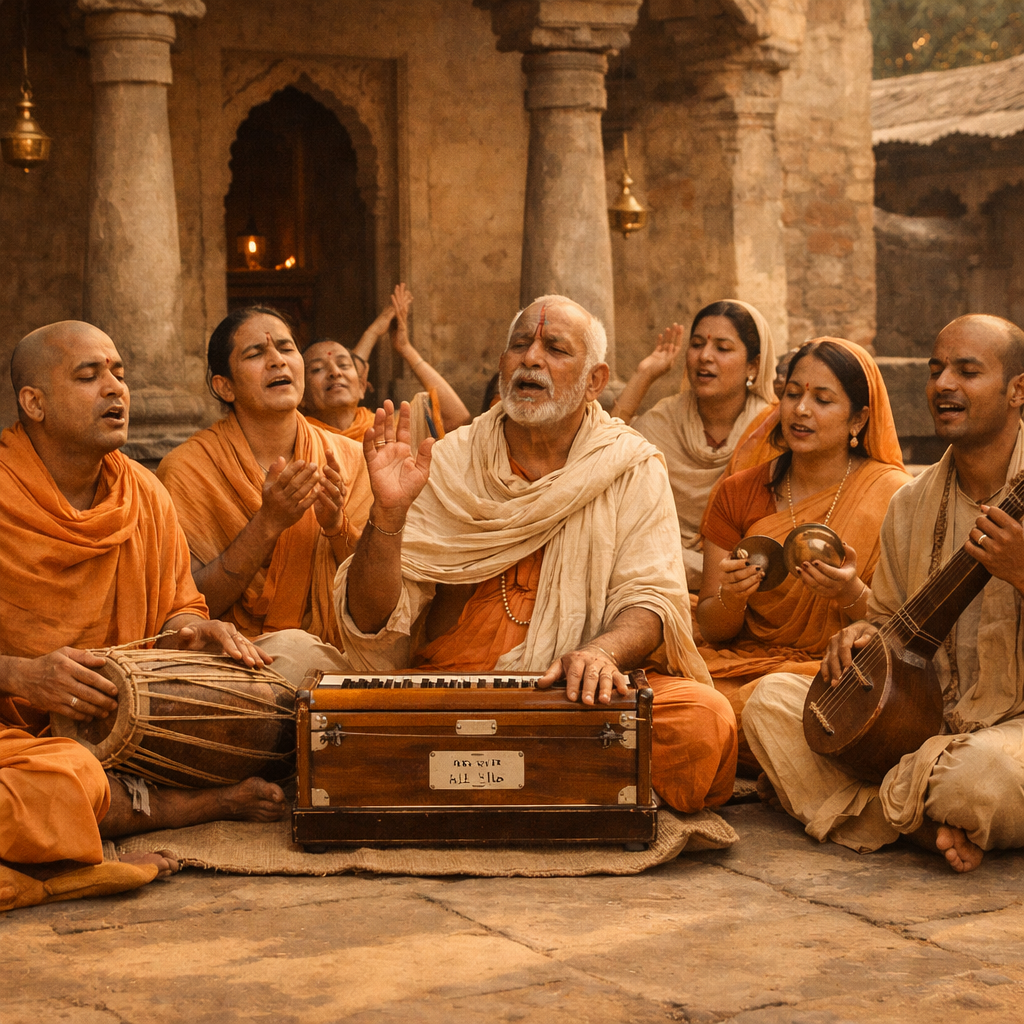
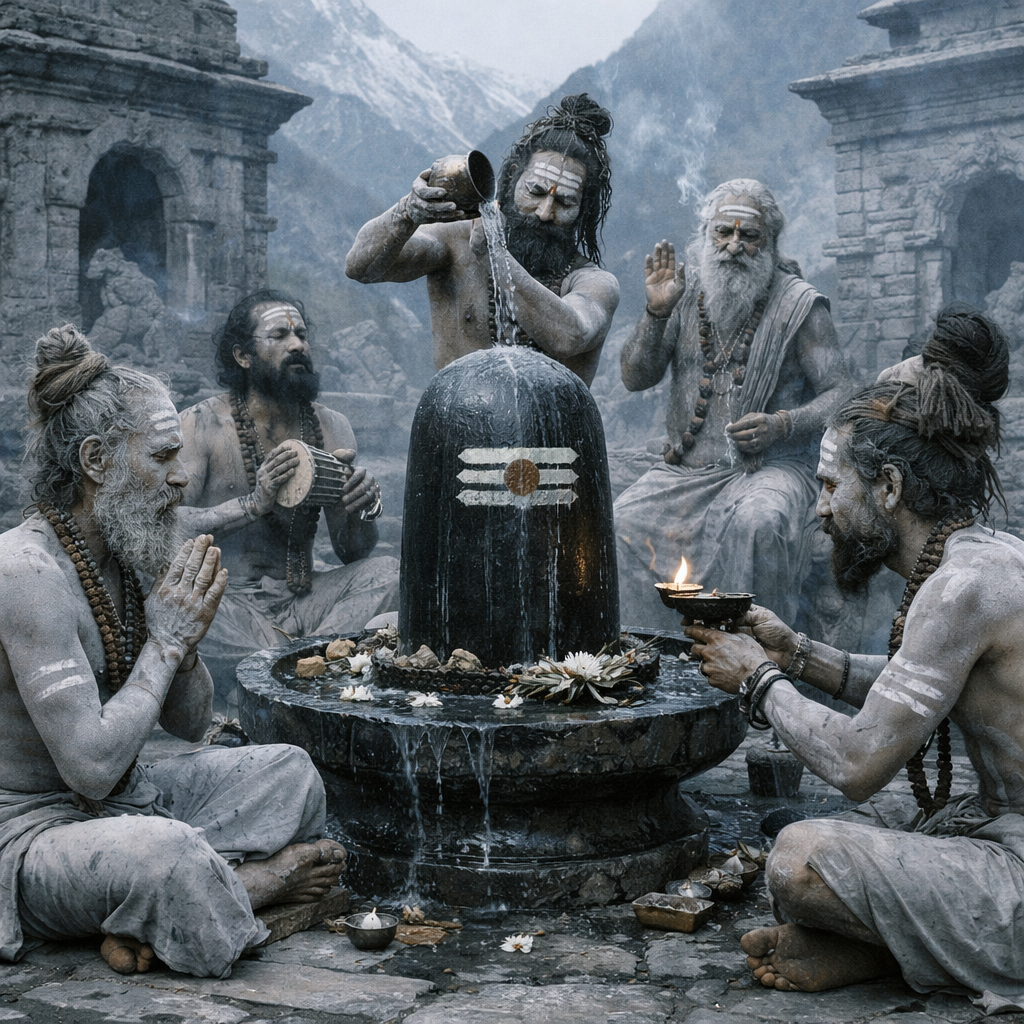
Within the symbolic landscape of Eastern religions, Hinduism represents a tradition in which symbolism is maximally expansive and internally plural. Unlike systems that constrain symbols to a single medium, ethical axis, or corrective function, Hindu symbolism distributes meaning across sound, image, geometry, myth, ritual, and daily life simultaneously. Symbols are not designed to terminate interpretation but to accumulate it, allowing multiple theological, devotional, and philosophical readings to operate in parallel.
This section shows how Hinduism deploys symbolism as a connective infrastructure linking cosmic order, embodied practice, social duty, and personal devotion. Images function relationally rather than exclusively, sound operates as both metaphysical and practical medium, and ritual performance sustains participation in a living cosmos rather than enforcing uniform belief. Hinduism thus occupies a distinctive position among Eastern traditions, demonstrating how a symbolic system can remain coherent while supporting diversity, adaptability, and layered meaning without a single controlling doctrine.
12. Contact & Transformation
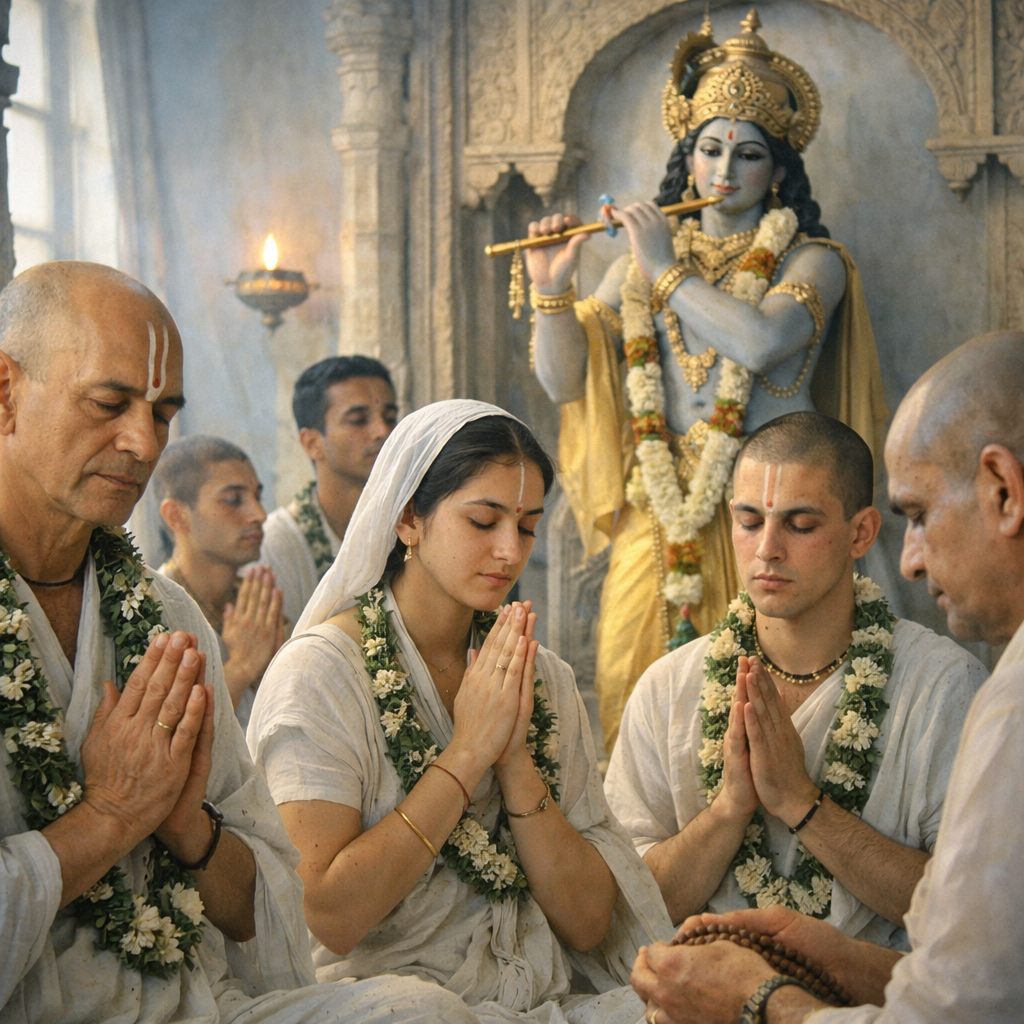
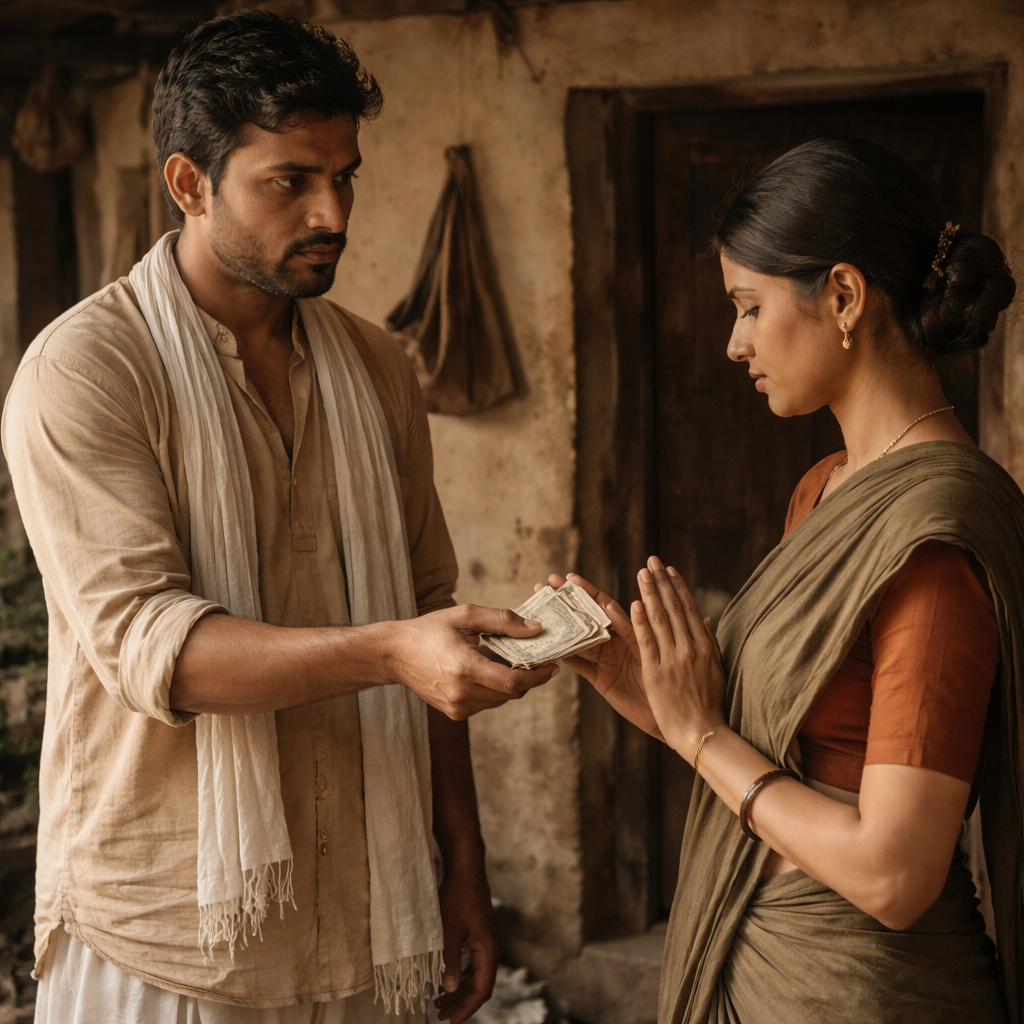
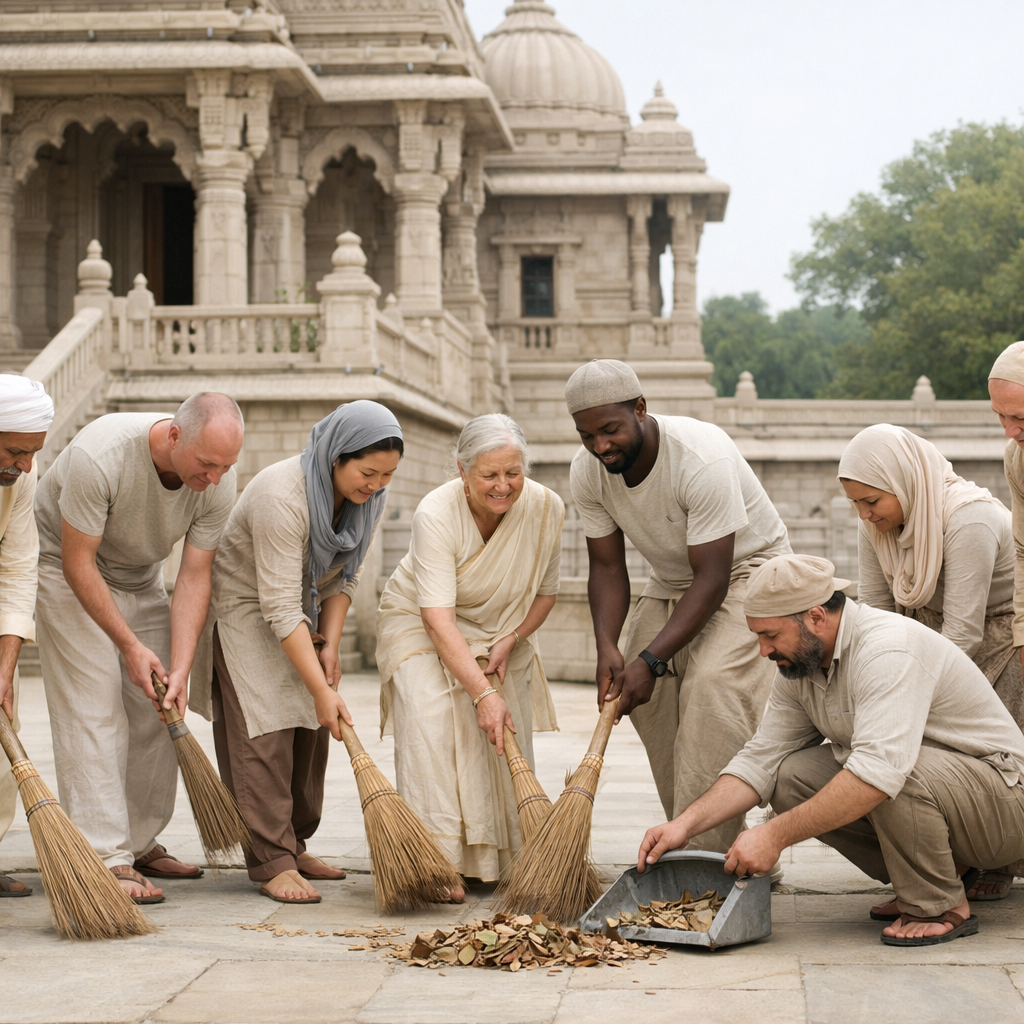
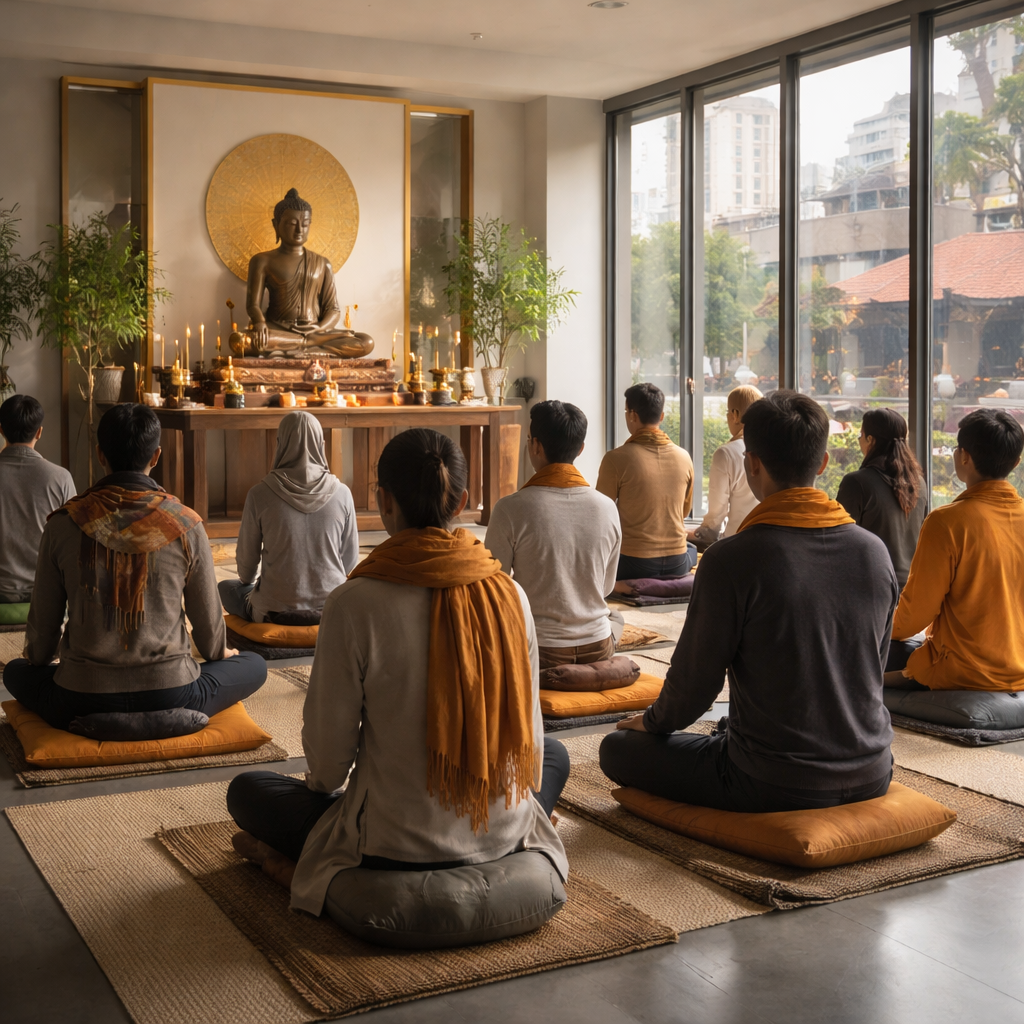
Hinduism’s historical persistence is inseparable from sustained contact and internal diversification. Rather than operating as a unified or missionary religion, it functions as a plural ecosystem capable of absorbing difference while maintaining coherence through shared ritual and ethical frameworks. Syncretism is structural, enabling interaction with Buddhism, Jainism, folk traditions, Islam, Christianity, and modern global culture without collapsing into doctrinal uniformity. Boundaries are enforced through practice, lineage, and social role rather than belief enforcement.
Across periods of political domination, colonial restructuring, migration, and globalization, Hinduism is repeatedly reconfigured without being displaced. Reform and revival movements emerge alongside identity consolidation and global dissemination of selected practices, while full ritual and sectarian diversity remains locally embedded. Even as certain institutions decline or transform, continuity is preserved through decentralized redundancy—multiple independent pathways of ritual, devotion, and transmission. Hinduism persists not by resisting change, but by integrating it across a wide, flexible civilizational field.