1. Identity & Scope
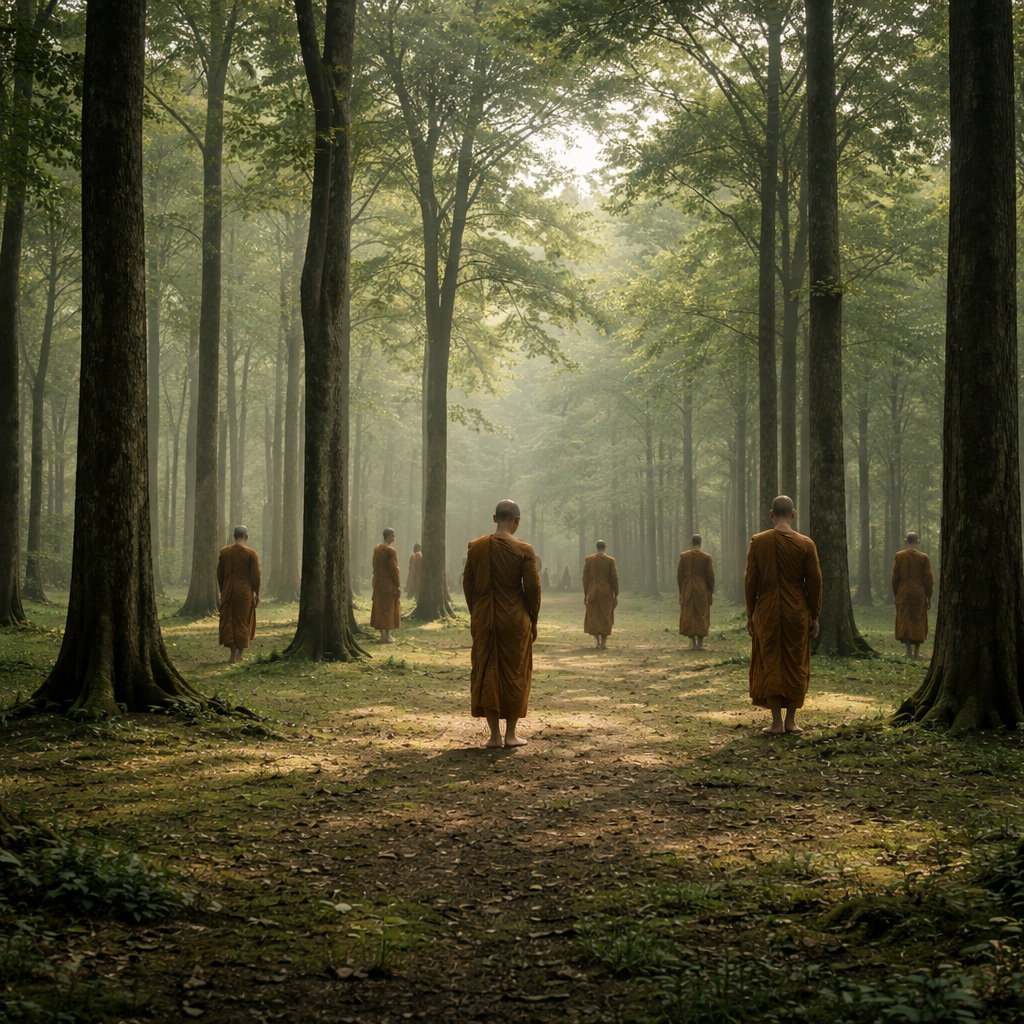


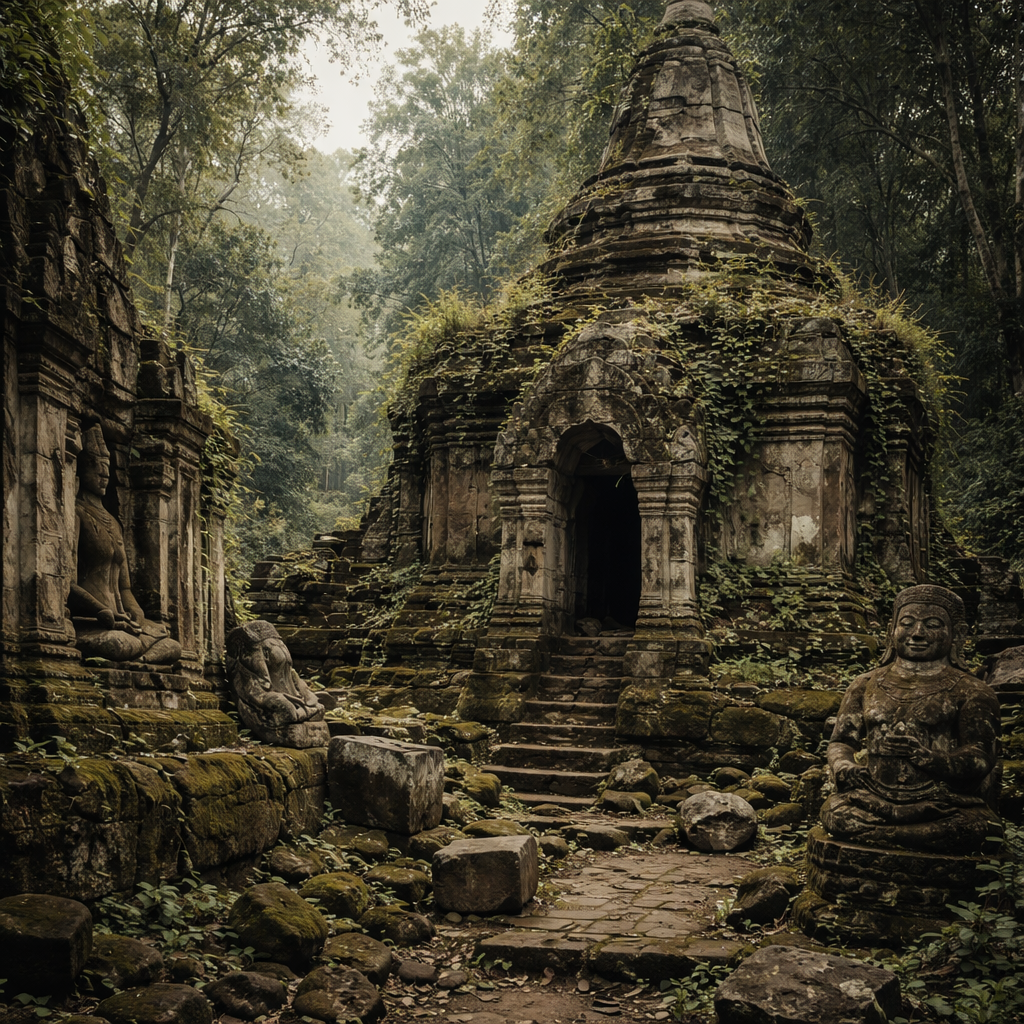
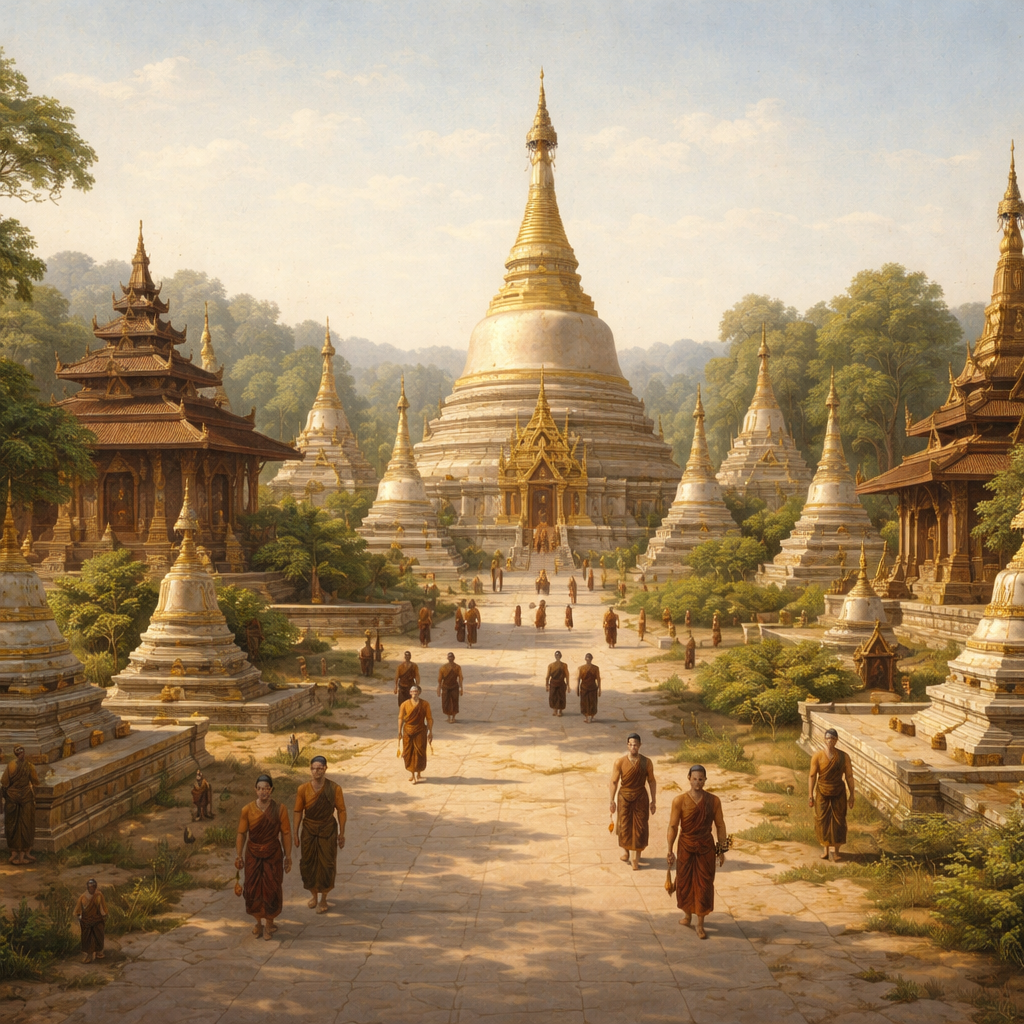
Buddhism represents an Asian religious tradition in which identity coheres around liberation-oriented practice and disciplined community life. Spreading across South, Central, and East Asia through monastic networks and cultural adaptation, it integrates ethics, meditation, ritual, and institutional forms into a durable transregional system. Despite extensive doctrinal and cultural diversity, Buddhism maintains clear boundaries grounded in continuity of practice, lineage, and shared soteriological goals, allowing it to persist across civilizations and historical change.
2. Historical Context
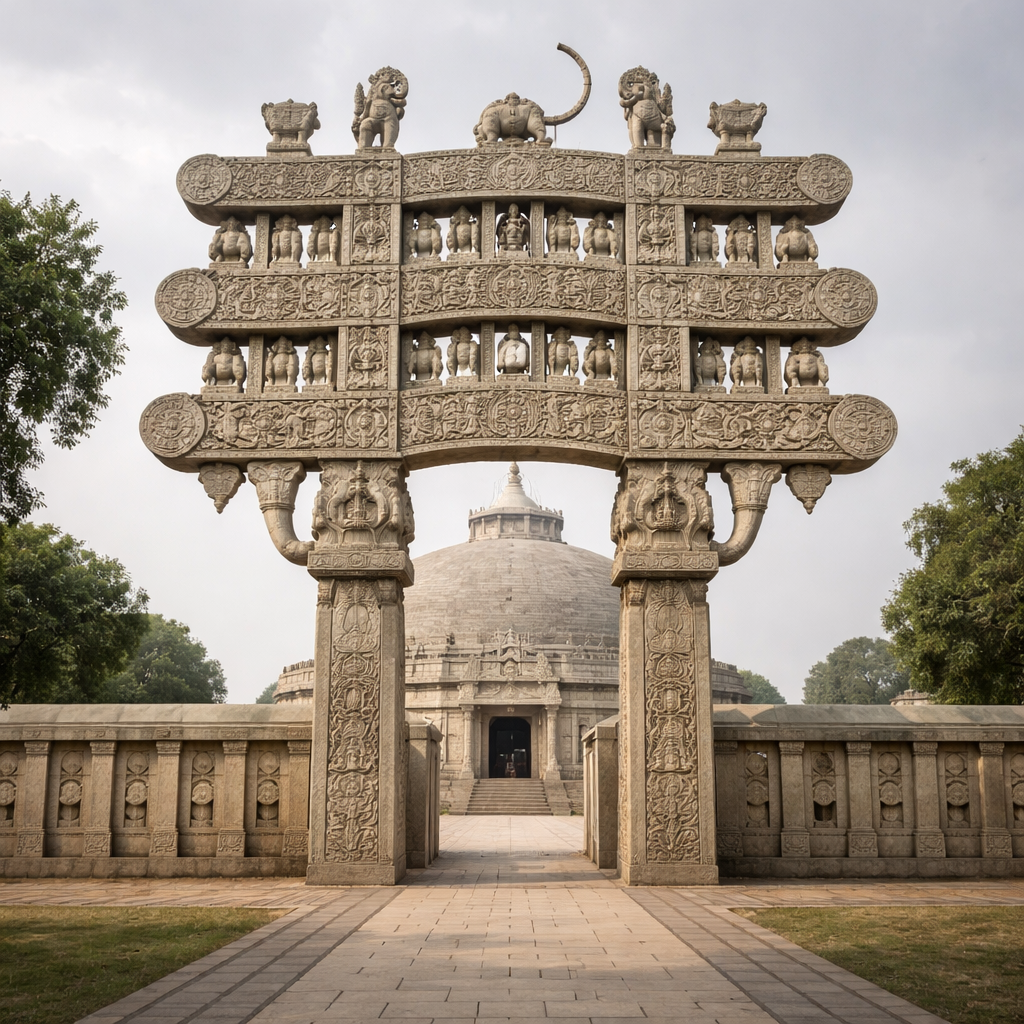


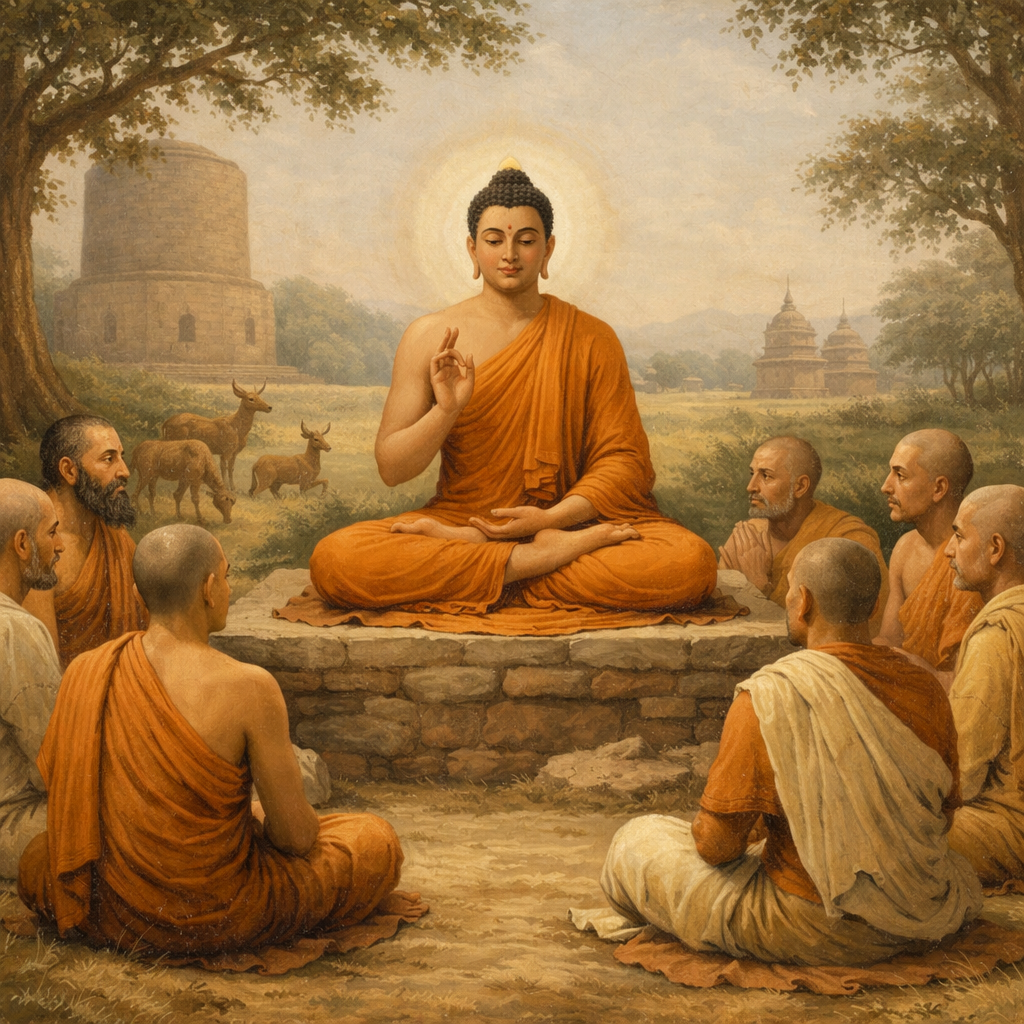
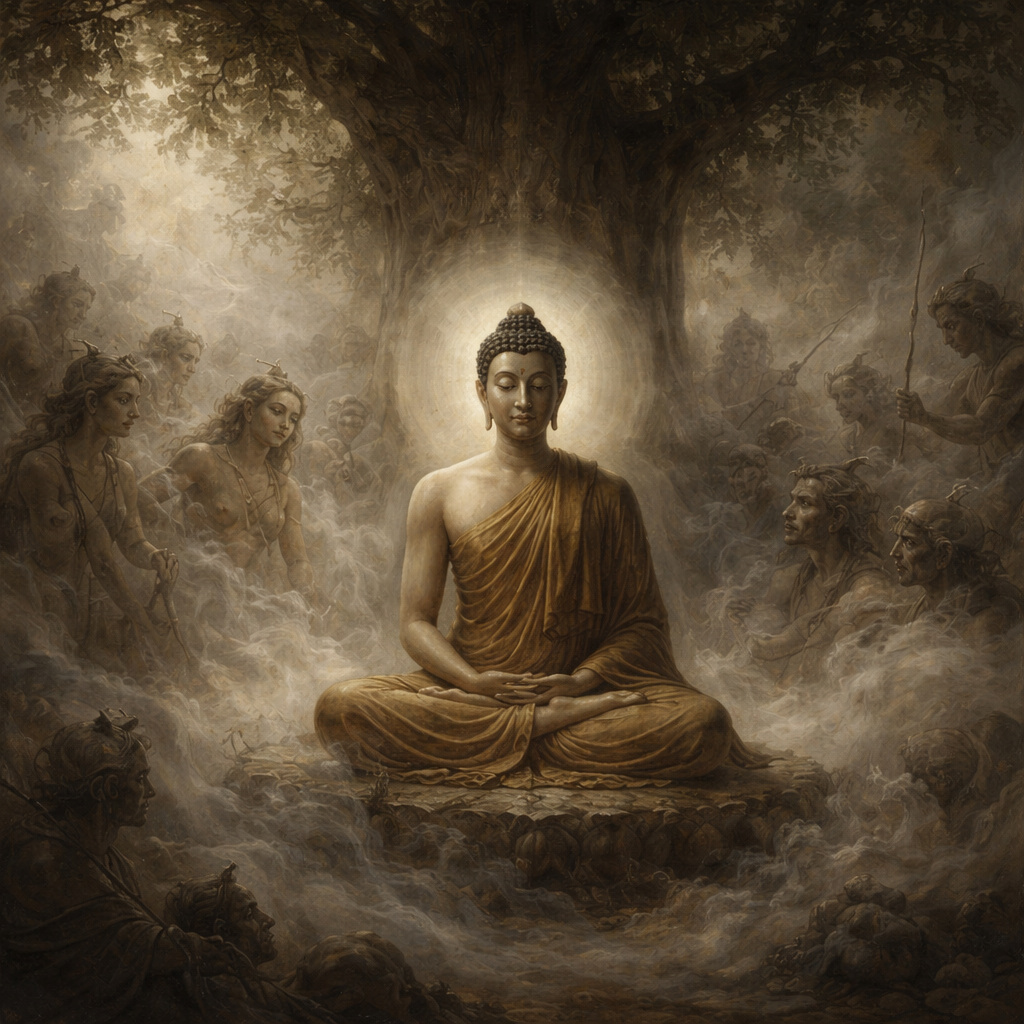
Buddhism emerges from the teachings attributed to Siddhārtha Gautama as a liberation path centered on awakening, discipline, and insight. It consolidates through monastic institutions and regional canons, expands via patronage and trade networks, diversifies into Theravāda, Mahāyāna, and Vajrayāna traditions, and continues today as a globally distributed tradition shaped by reform, diaspora, and ongoing negotiation between monastic and lay authority.
3. Sources of Evidence


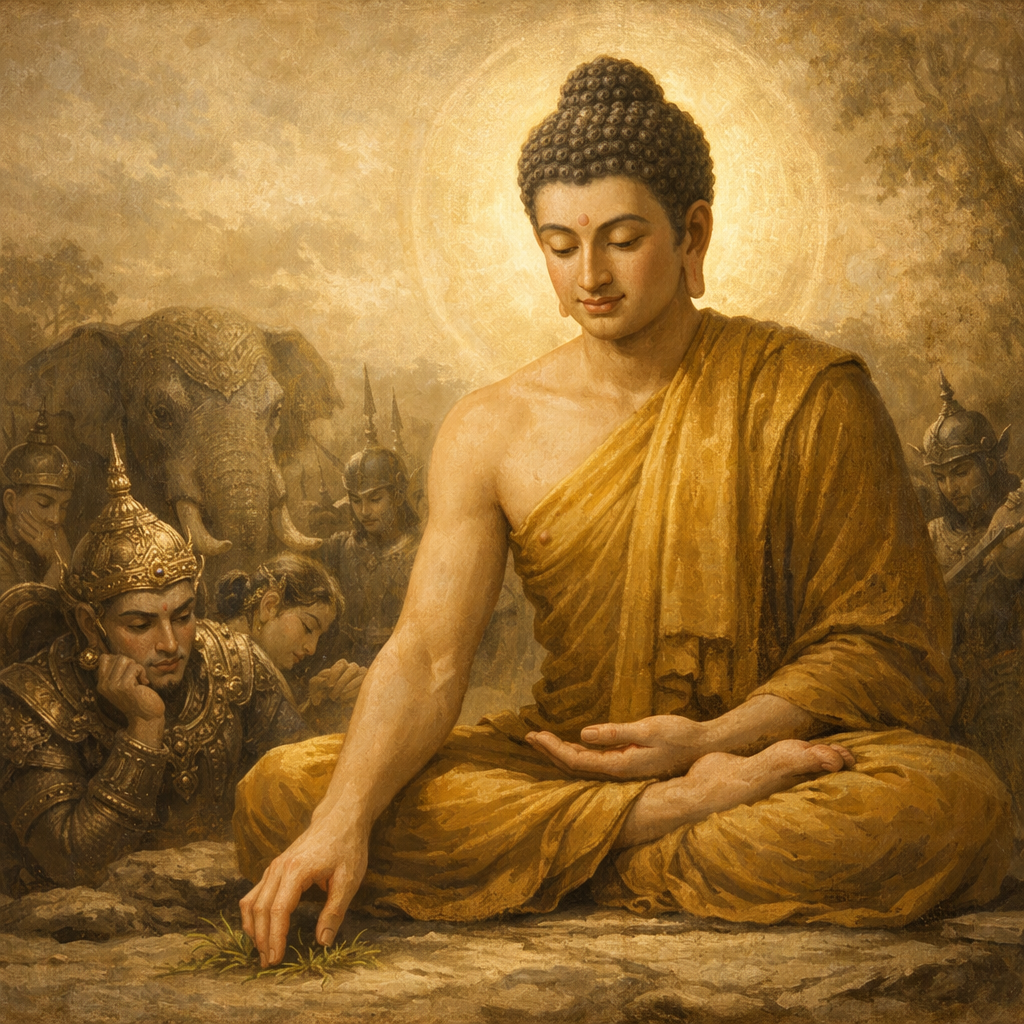
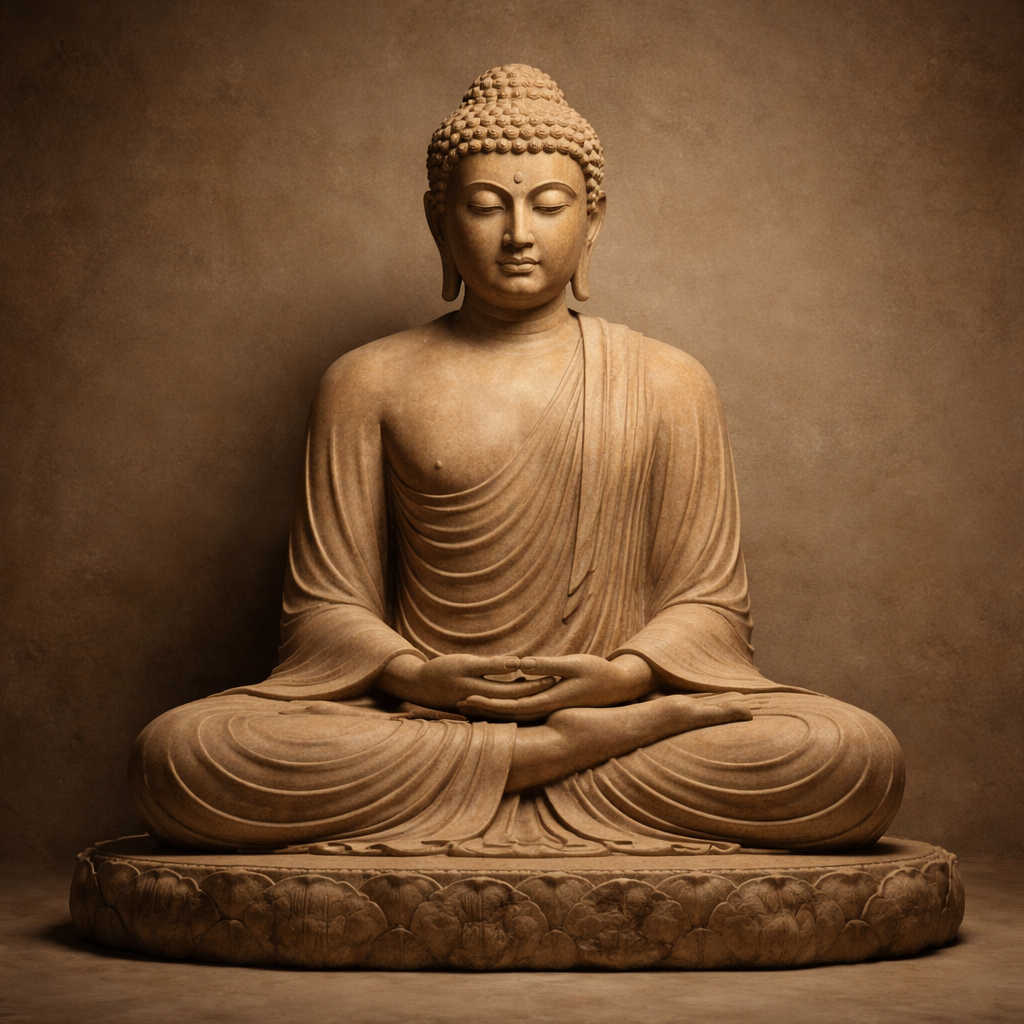
The evidentiary profile of Buddhism is defined by geographic spread, linguistic plurality, and institutional diversity, producing multiple overlapping archives rather than a unified canon. Textual sources span Pāli, Sanskrit/Prakrit fragments, Chinese, Tibetan, and later vernacular traditions, each preserving different recensions, genres, and theories of authority. Alongside scripture, Buddhism relies heavily on commentarial systems, meditation manuals, monastic codes, and lineage transmission to stabilize practice and interpretation within specific communities. Archaeology and inscriptions provide robust evidence for monasteries, stupas, relic cults, and patronage economies, mapping diffusion through trade routes, empires, and translation bureaus, while also reflecting elite sponsorship more clearly than everyday devotion. Historical chronicles, pilgrim accounts, and administrative records enable cross-regional comparison but often function as legitimating narratives shaped by sectarian or state priorities. Modern ethnography completes the record by documenting contemporary monastic–lay relations, ritual life, meditation movements, and diaspora transformations. Because Buddhism continuously adapts through translation, transmission, and local synthesis, responsible interpretation depends on dating, localization, and tradition-specific tagging of sources, with constant separation of normative doctrine, institutional authority, and lived religious practice.
4. Pantheon & Supernatural Beings
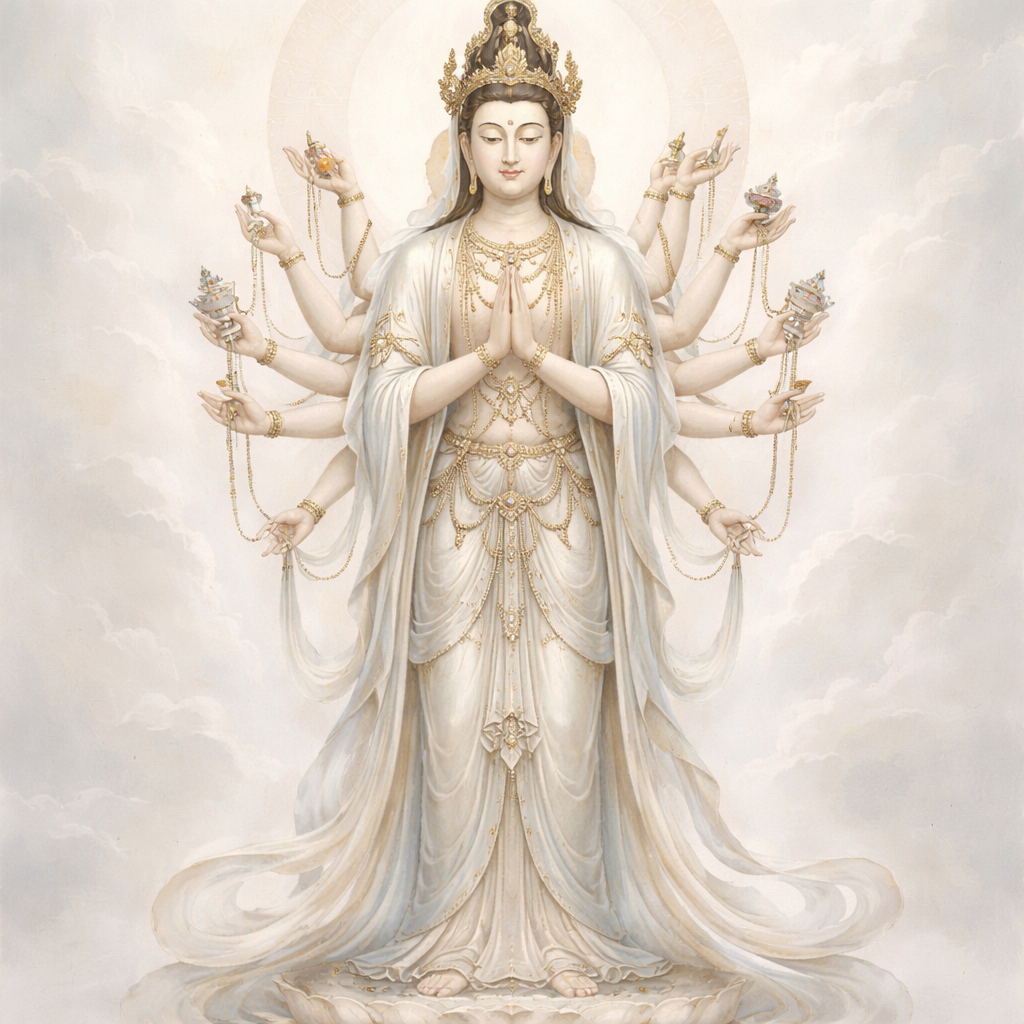
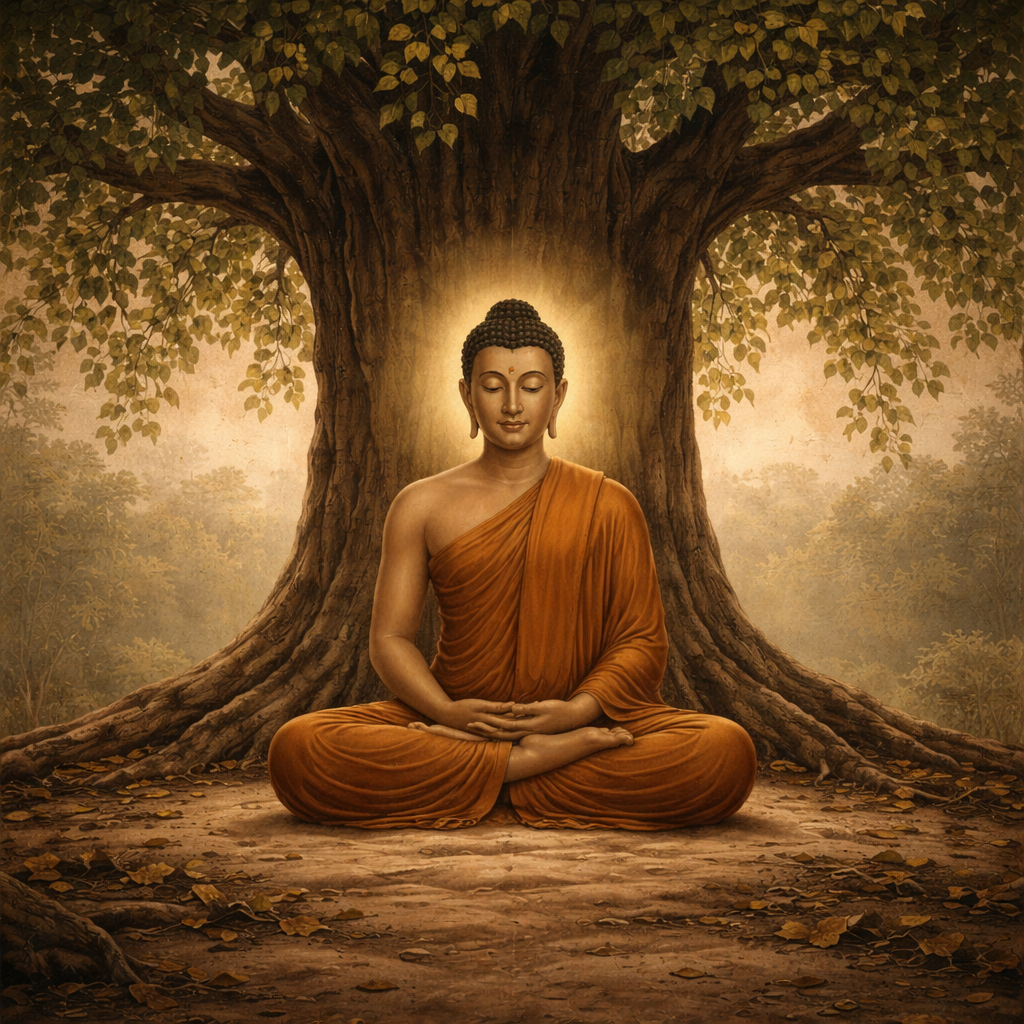
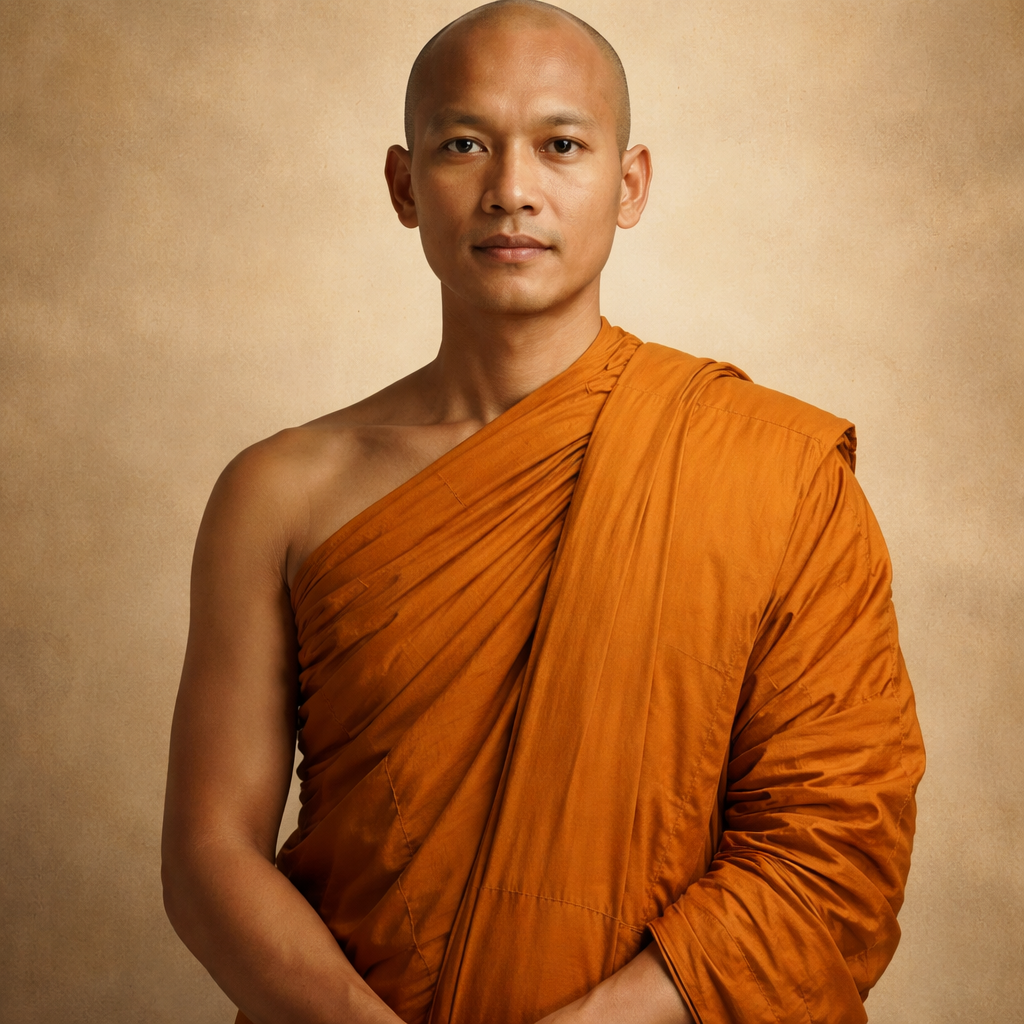


Buddhism maintains a richly populated yet structurally flattened supernatural landscape in which no being holds ultimate authority over existence. Multiple classes of beings—humans, gods, spirits, bodhisattvas, and Buddhas—inhabit various realms, but all are bound by impermanence and the mechanics of karma. Power, longevity, and status do not confer spiritual supremacy; ethical and spiritual attainment alone determines one’s position. Even the most exalted figures function as exemplars or guides rather than creators, rulers, or saviors. Opposing forces are understood psychologically and karmically rather than as cosmic evil, and ritual engagement emphasizes cultivation and remembrance rather than petition for intervention. This page outlines a system in which supernatural plurality exists without hierarchy of sovereignty, reinforcing Buddhism’s core claim that liberation is achieved through awakening and practice rather than obedience to divine command or reliance on salvific beings.
5. Cosmology & Myth



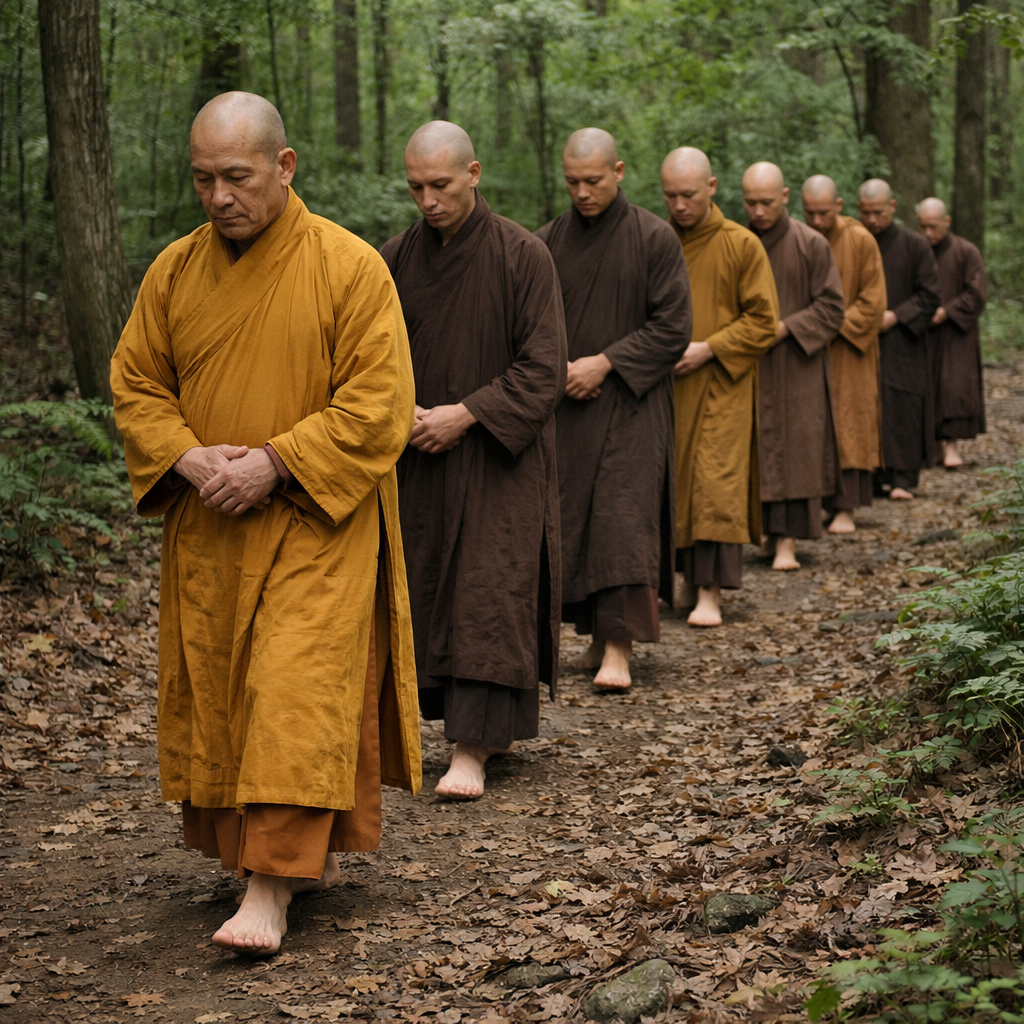

Buddhism approaches cosmology as a framework for understanding how suffering arises and how liberation is possible, not as an account of how the universe began or where it is ultimately headed. Reality is governed by impersonal causal processes rather than divine will, unfolding across vast, beginningless cycles of existence populated by multiple realms and world-systems without a central axis or final destiny. There is no cosmic judgment, no apocalypse, and no ultimate resolution of history; the decisive transformation occurs at the level of awakening, where suffering ceases for the individual without altering the structure of the cosmos. Order and disorder are explained through causal conditioning rather than moral dualism, and narrative elements serve as instructional tools rather than mythic foundations. Across this framework, Buddhist cosmology functions to orient practice—ethical discipline, meditation, and wisdom—within an impersonal universe, focusing attention on liberation rather than origins, divine agency, or cosmic redemption.
6. Ritual & Practice
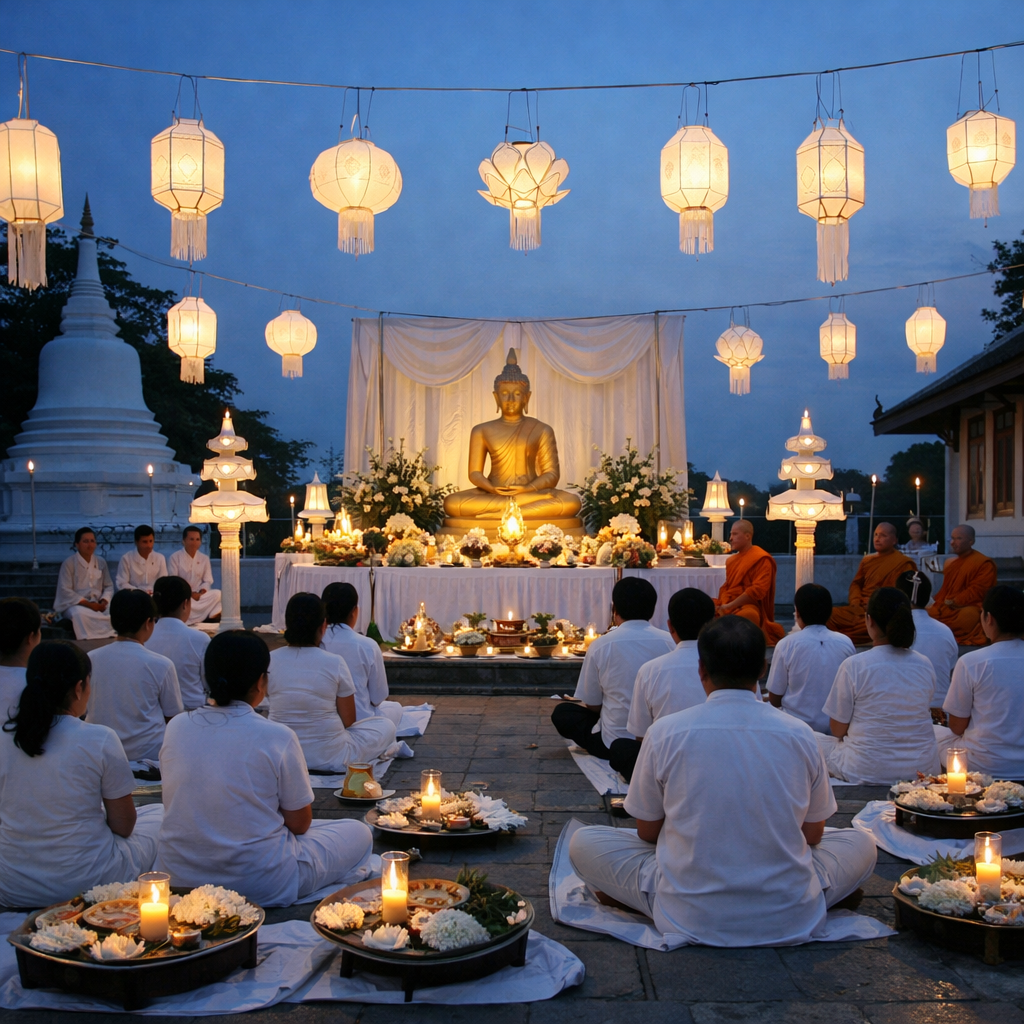
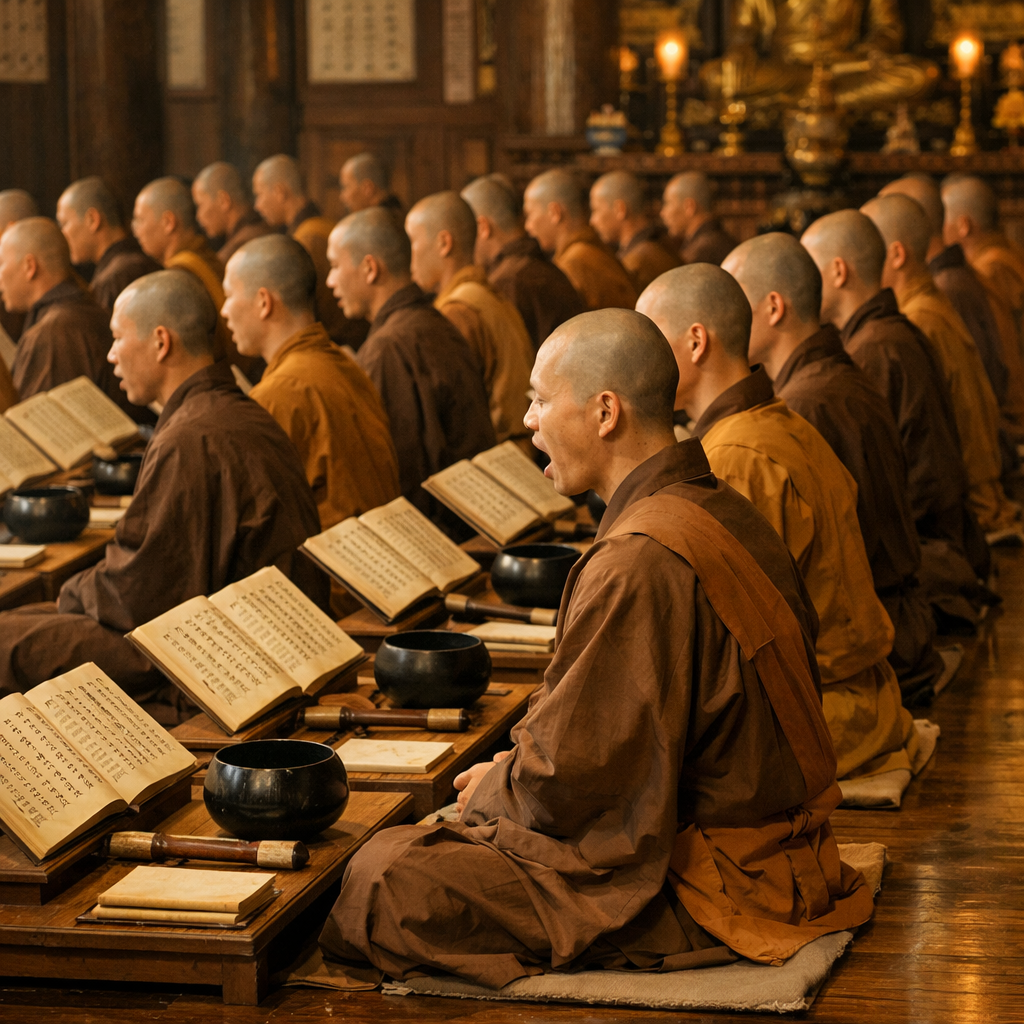
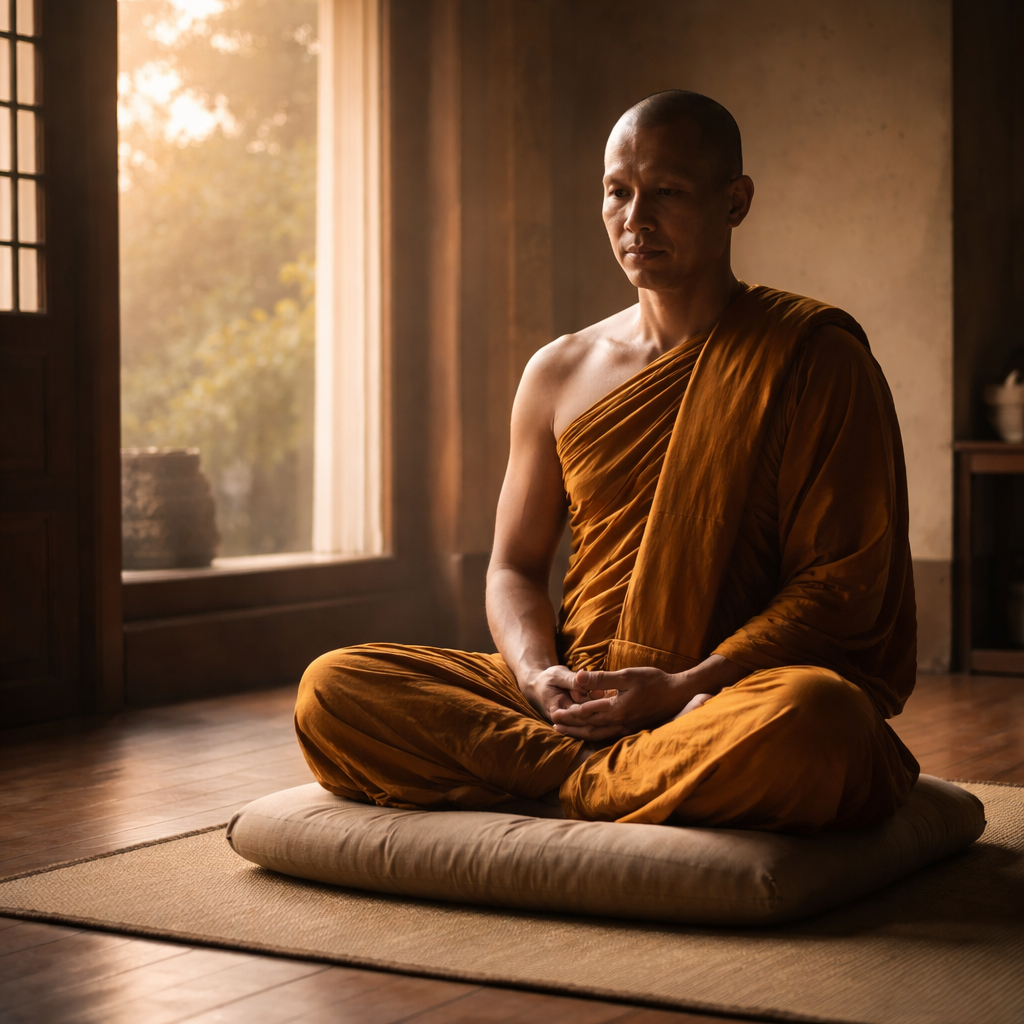


Buddhism approaches ritual as a practical system for cultivating ethical conduct, mental discipline, and communal continuity. Rather than centering religious life on worship, sacrifice, or exclusive belief, Buddhist practice organizes itself around repeated actions that support training, restraint, generosity, and remembrance within both lay and monastic contexts.
Ritual life in Buddhism is deliberately graduated. Lay practice emphasizes accessible devotion, ethical precepts, and support of the monastic community, while monastic discipline intensifies meditation, renunciation, and communal observance. Sacred time is commemorative and instructional, pilgrimage is optional, and asceticism is regulated rather than extreme. Across cultures, ritual adapts to local forms while maintaining core patterns of non-harm, discipline, and mutual support.
Viewed through ritual and practice, Buddhism functions as a self-regulating communal system: one that sustains transmission, cohesion, and moral orientation through shared disciplines and repeated forms of action, rather than through doctrinal enforcement, sacramental mediation, or divine authority.
7. Sacred Space & Material Culture
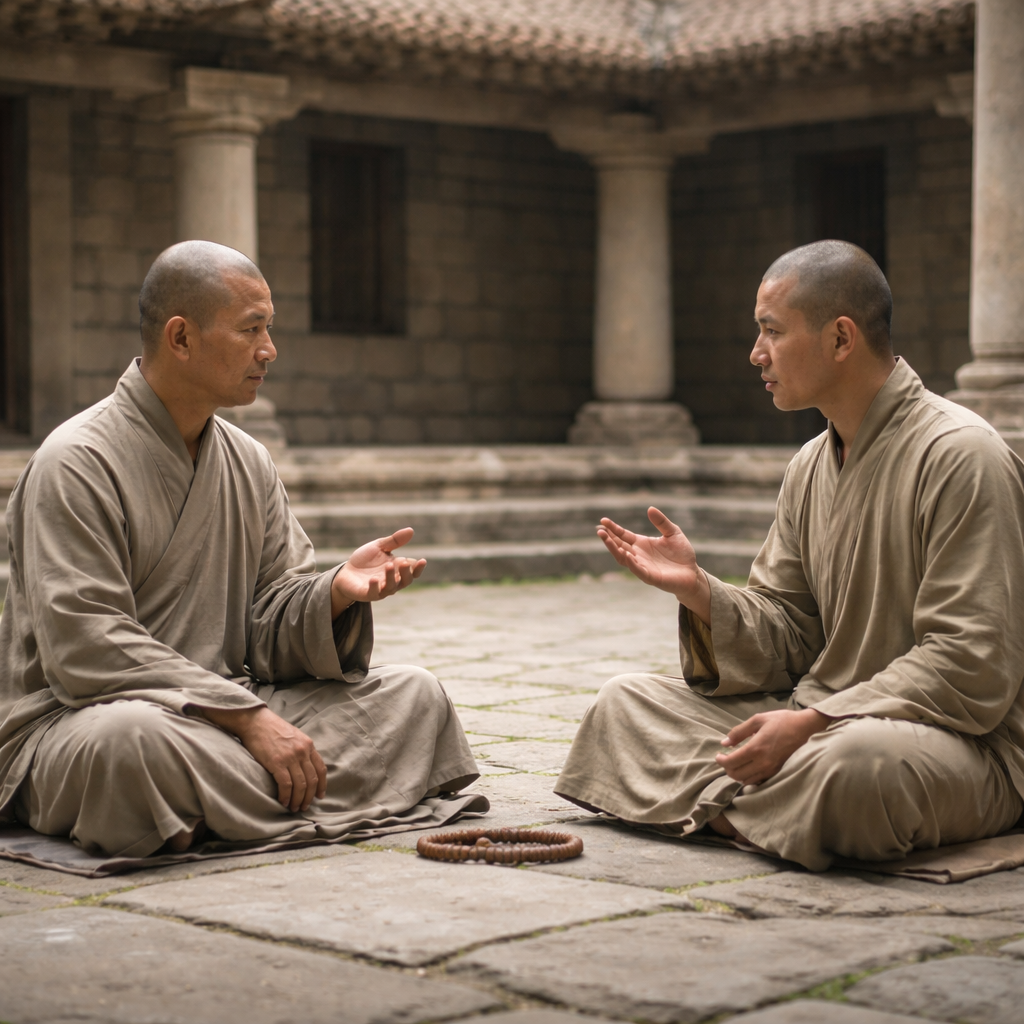

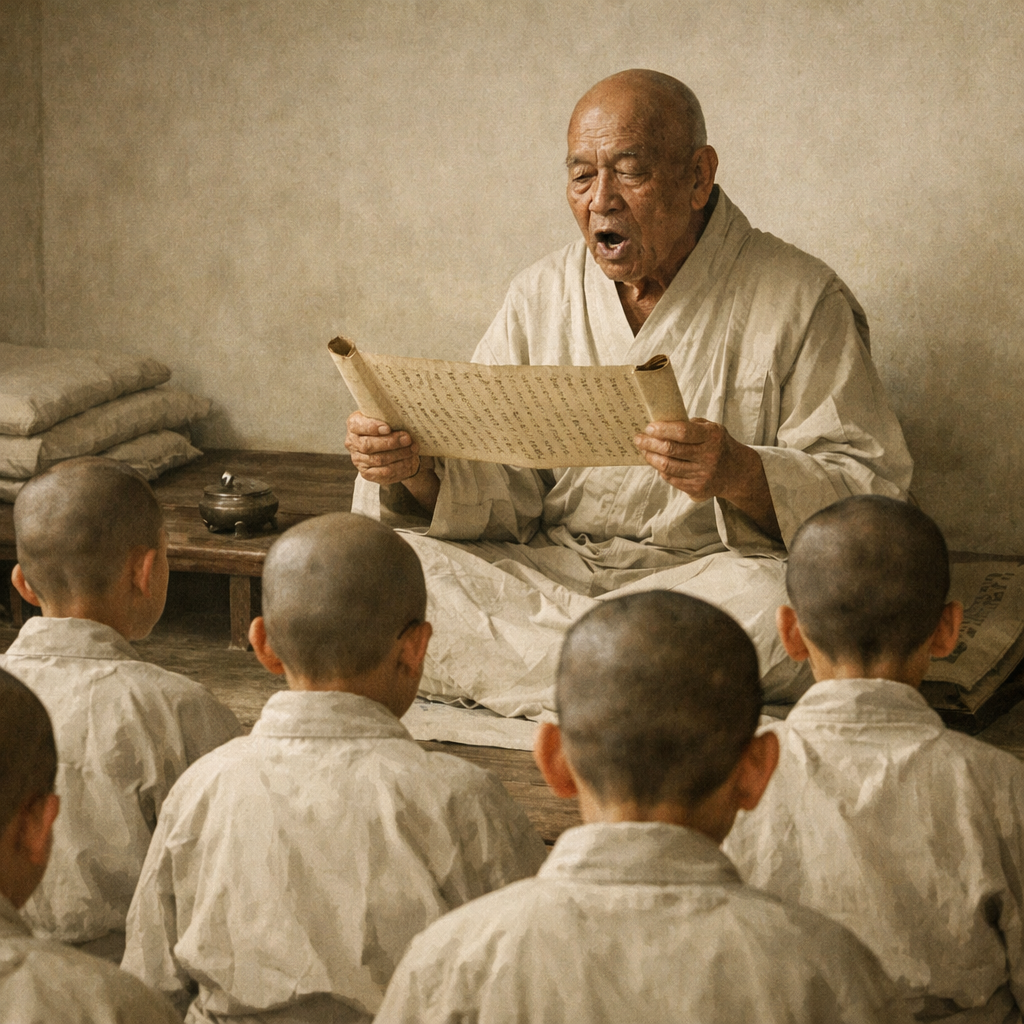
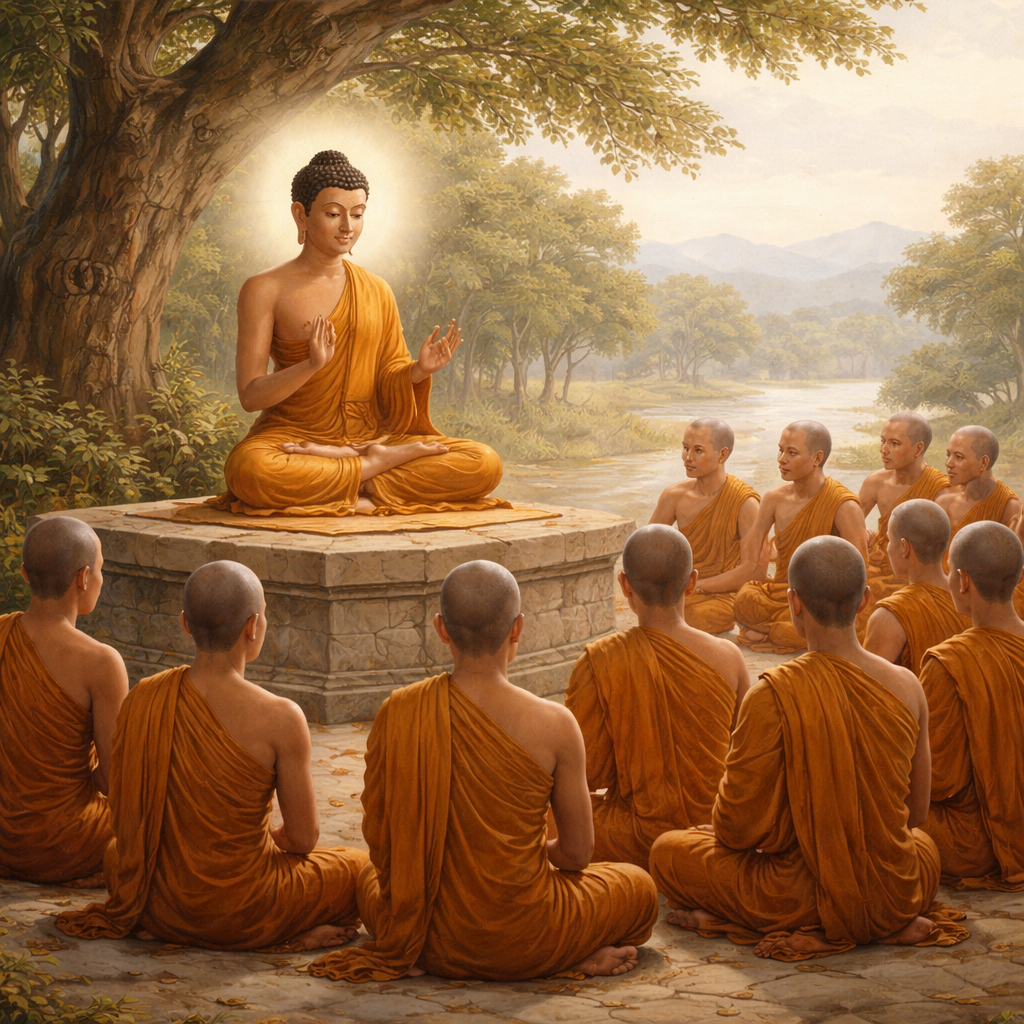

Buddhist approaches to sacred space reflect a broader commitment to practice over place and transmission over permanence. Architecture, landscape, objects, and art are valued insofar as they support recollection, discipline, teaching, and continuity along the path, not because they embody divine presence or confer automatic power. Relics, texts, and monastic communities provide portable anchors of continuity, allowing sacred space to be rebuilt, replicated, or relocated without doctrinal rupture. Visual culture operates pedagogically rather than devotionally, and pilgrimage functions as participation and inspiration rather than obligation. Taken together, Buddhist sacred space is best understood as a configurable environment for awakening, where material culture serves the path without becoming its source, endpoint, or guarantor.
8. Religious Specialists & Institutions


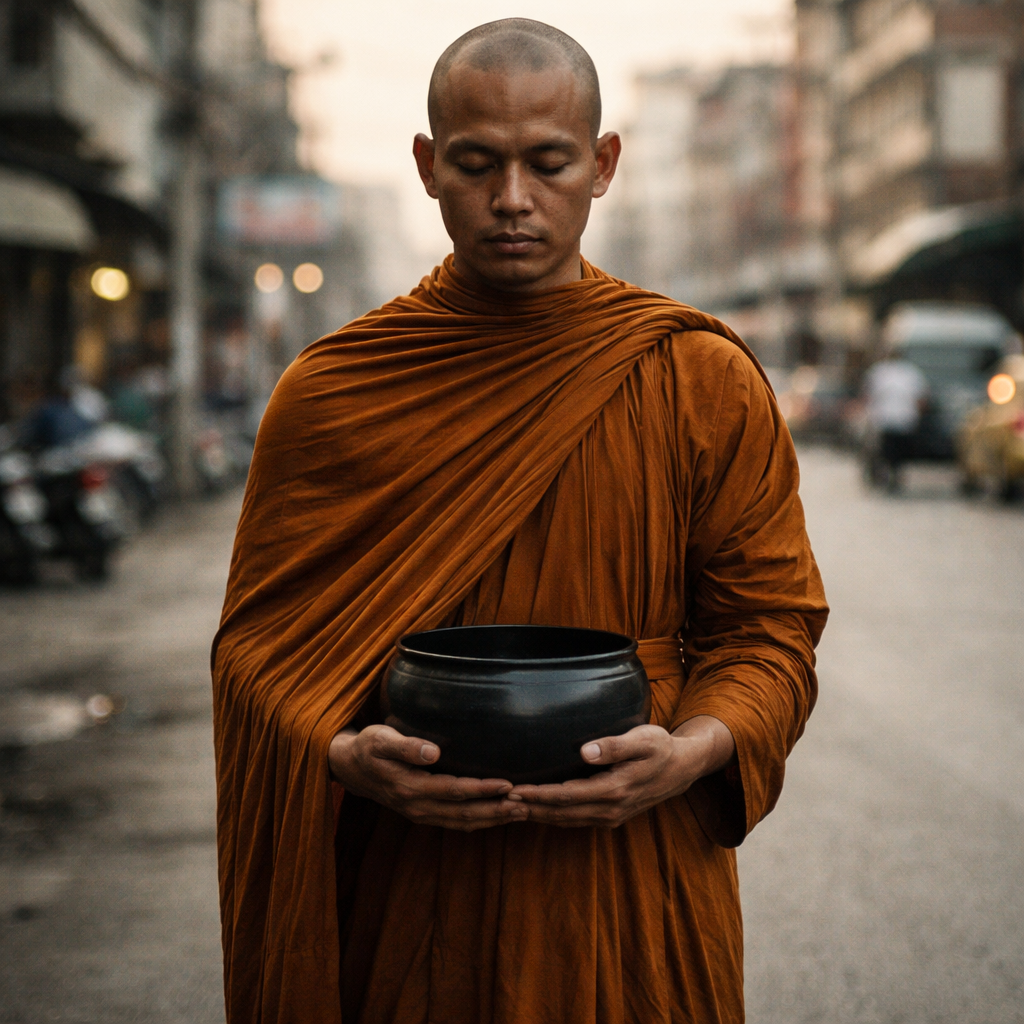

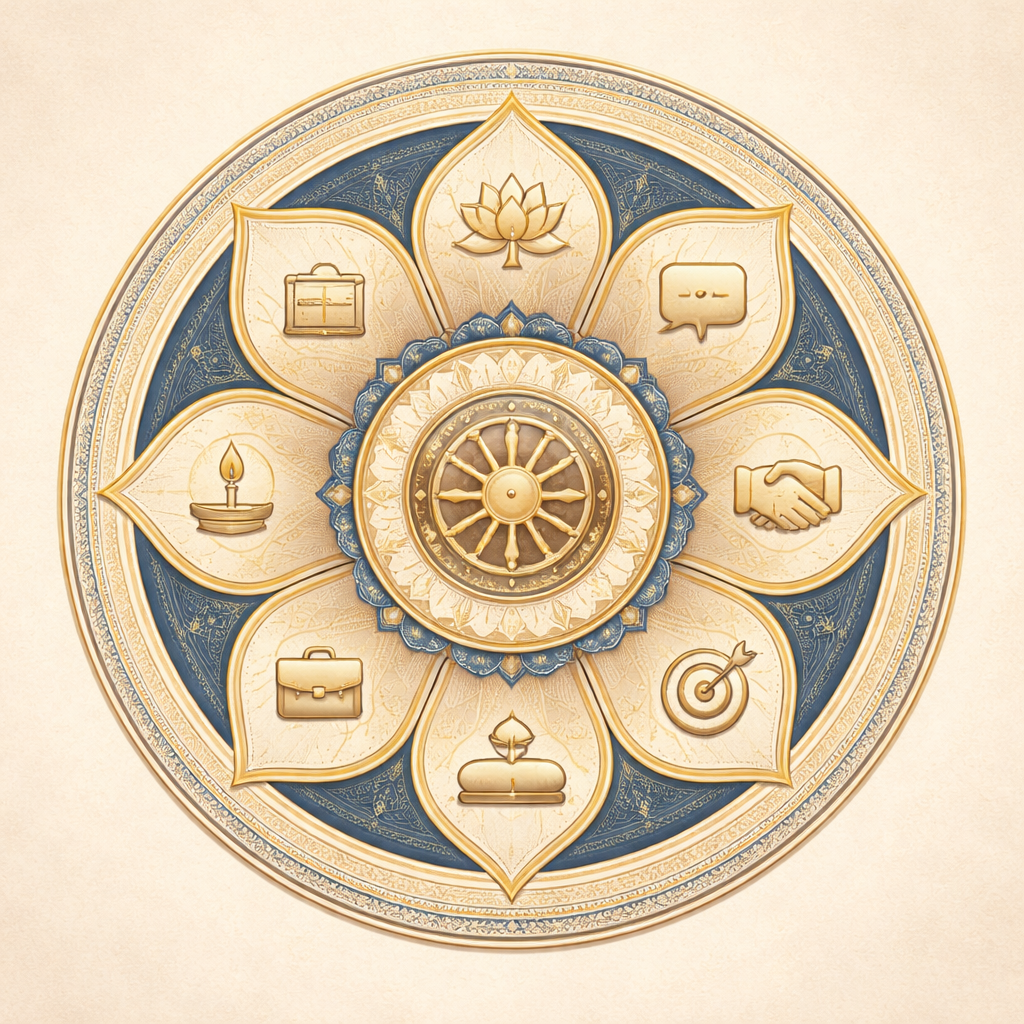
Buddhist religious life is maintained through a dynamic relationship between renunciant institutions and lay communities, coordinated by lineage-based authority rather than centralized governance. The Saṅgha anchors continuity through discipline, education, and transmission, while diverse schools develop distinct hierarchies shaped by history, state interaction, and pedagogical tradition. Authority flows through ordination, seniority, and recognized mastery rather than charisma alone, and visionary claims are constrained by institutional ratification. Education emphasizes preservation, interpretation, and method over creed, ensuring continuity across generations. Reform operates as an internal corrective, repeatedly reasserting discipline and practice whenever institutional or pedagogical integrity weakens.
9. Social Function & Law


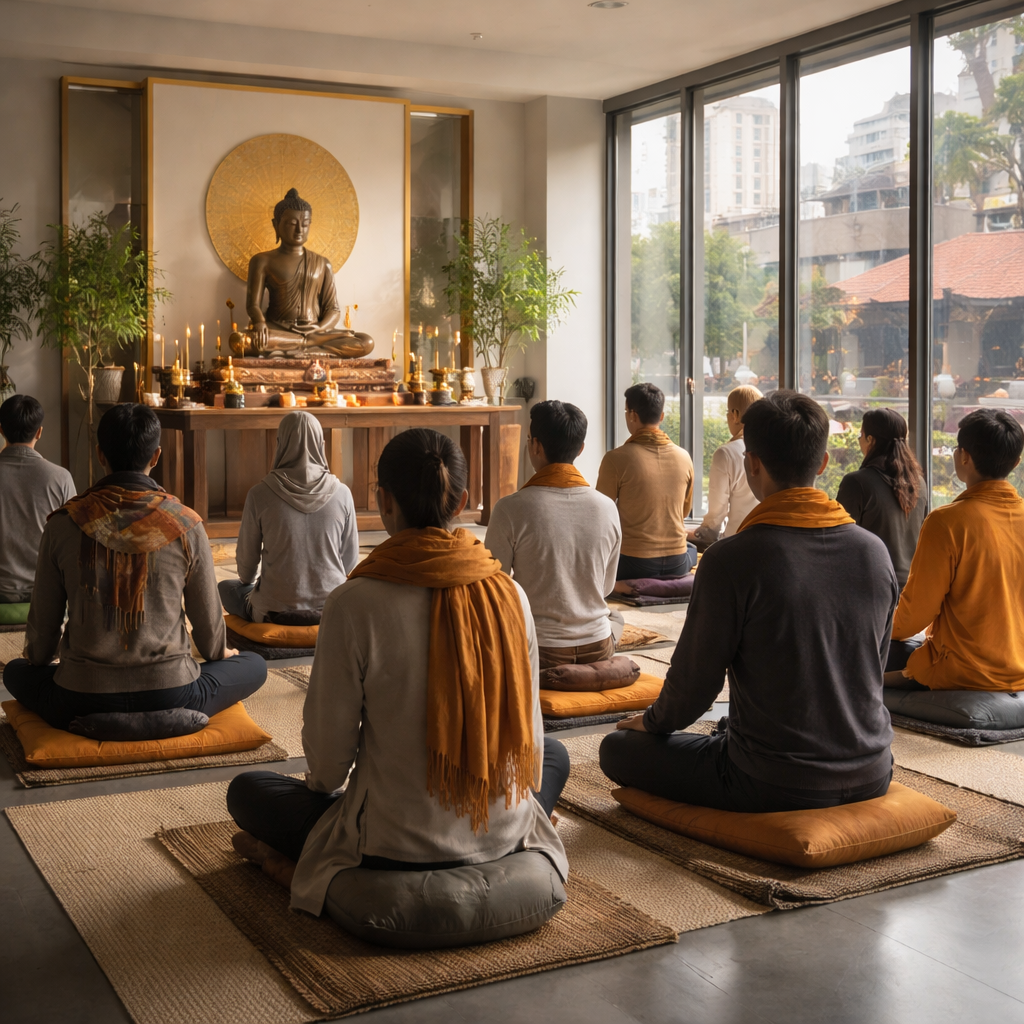
Buddhism regulates social life through internal discipline, ethical training, and voluntary support, not sacral authority or coercive law. Political power is evaluated morally but never authorized, while monastic and lay norms operate through training, example, and karmic causality rather than enforcement. Social cohesion, welfare, and continuity are sustained through shared practice and renunciation-centered institutions rather than juridical control or doctrinal conformity.
10. Death & Afterlife
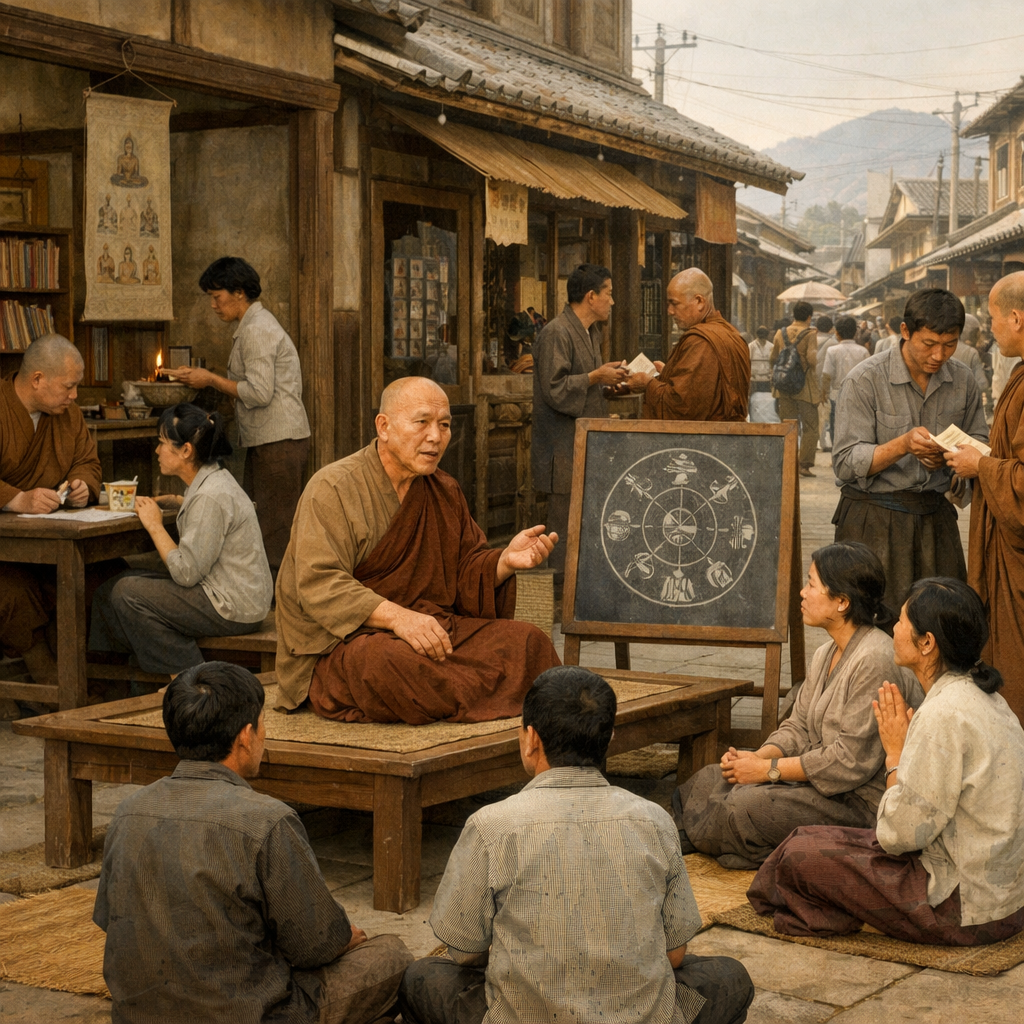
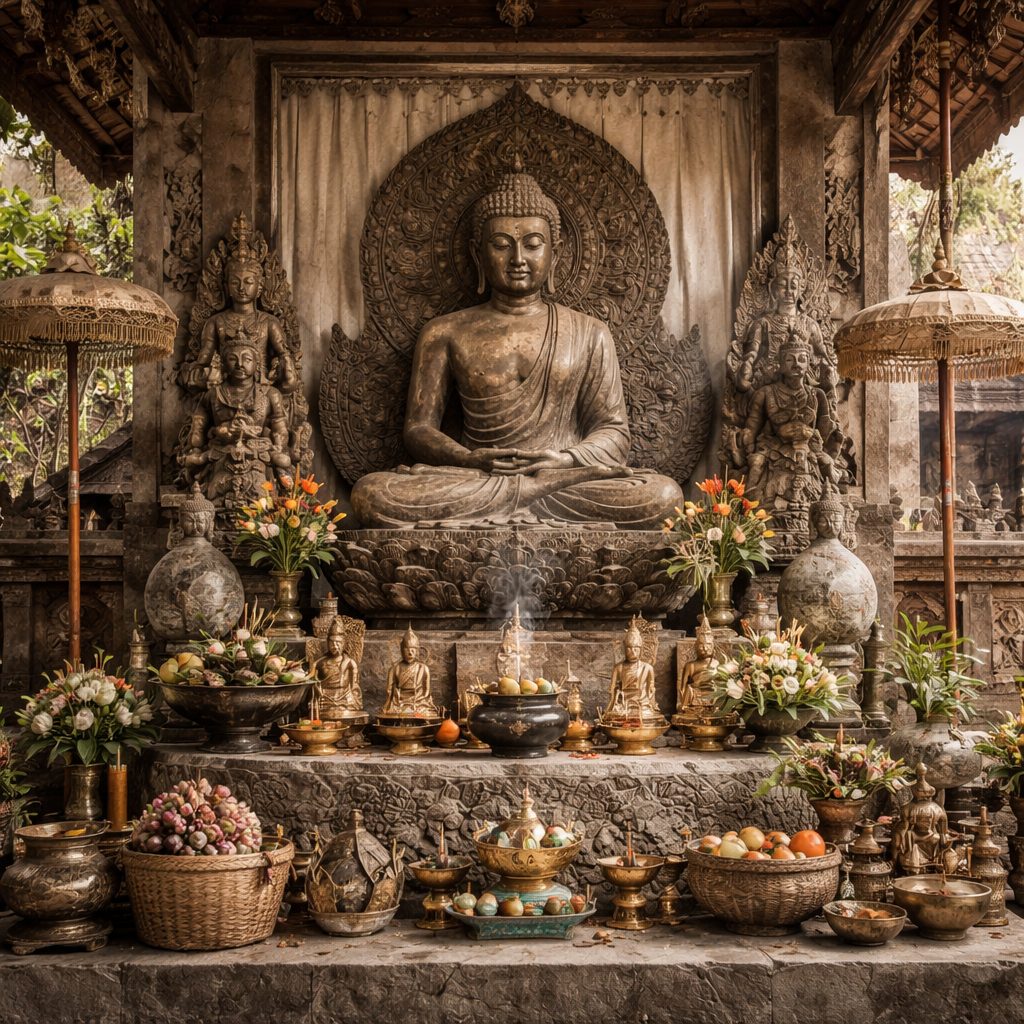

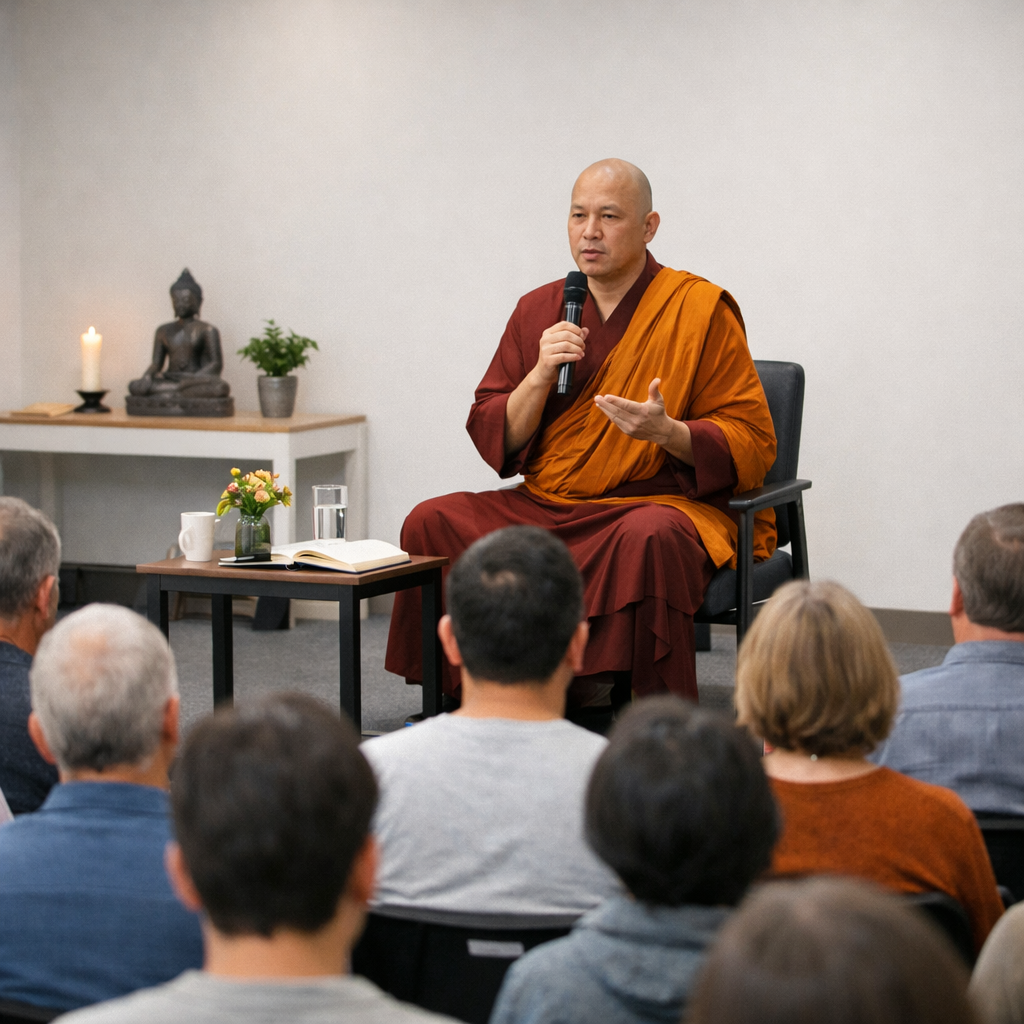
Within Buddhism, teachings on death reflect the tradition’s foundational emphasis on impermanence, causality, and the absence of a permanent self. Death is treated neither as a moral reckoning nor as a metaphysical endpoint, but as a transition within an ongoing cycle of conditioned existence. Postmortem outcomes arise through karma rather than judgment, and liberation is achieved not through ritual or belief but through insight, ethical discipline, and mental cultivation. While cosmological expressions vary across Buddhist traditions, they consistently reject eternal heavens, final judgment, and collective eschatology. Funerary practices and merit dedication serve compassionate and pedagogical functions rather than determining fate. By normalizing death and stripping it of divine enforcement, Buddhism integrates mortality into a disciplined path aimed at ending suffering rather than explaining the universe’s ultimate destiny.
11. Symbolism & Cultural Expression
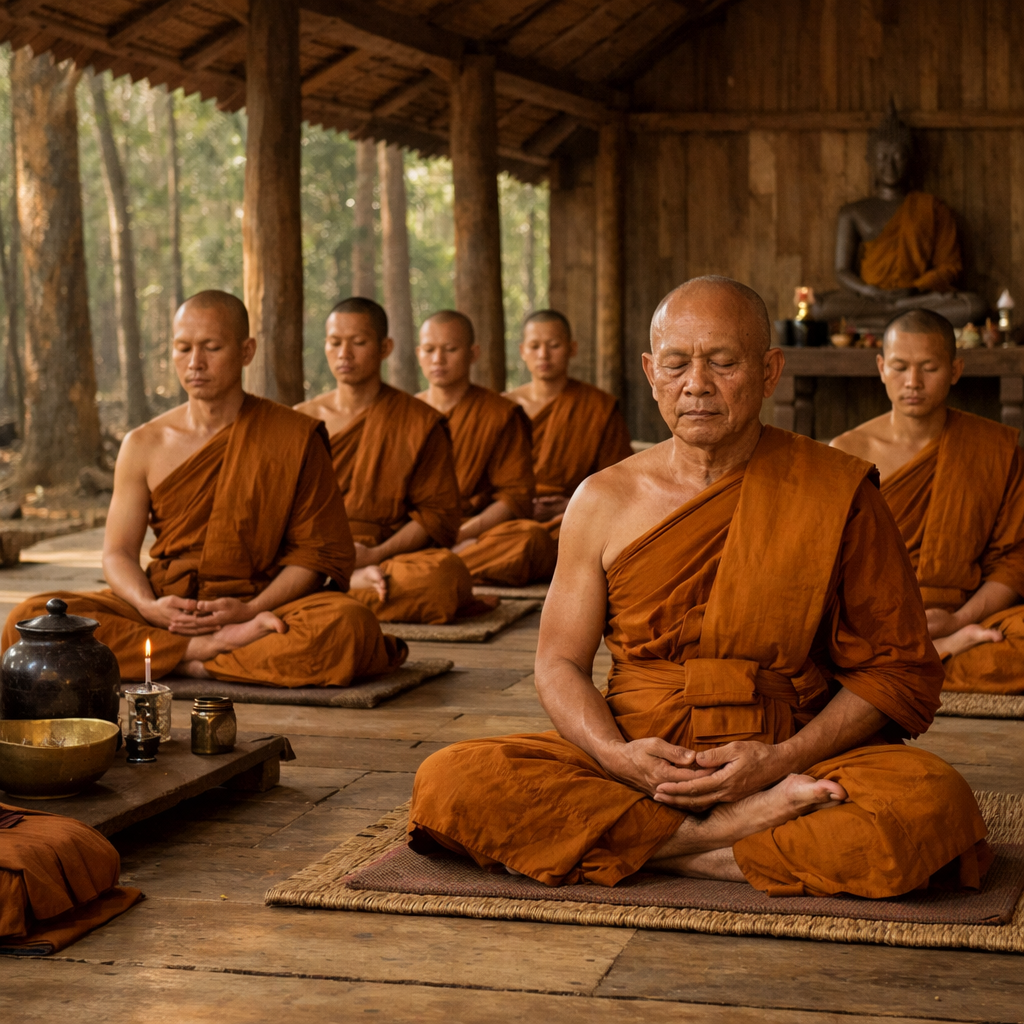

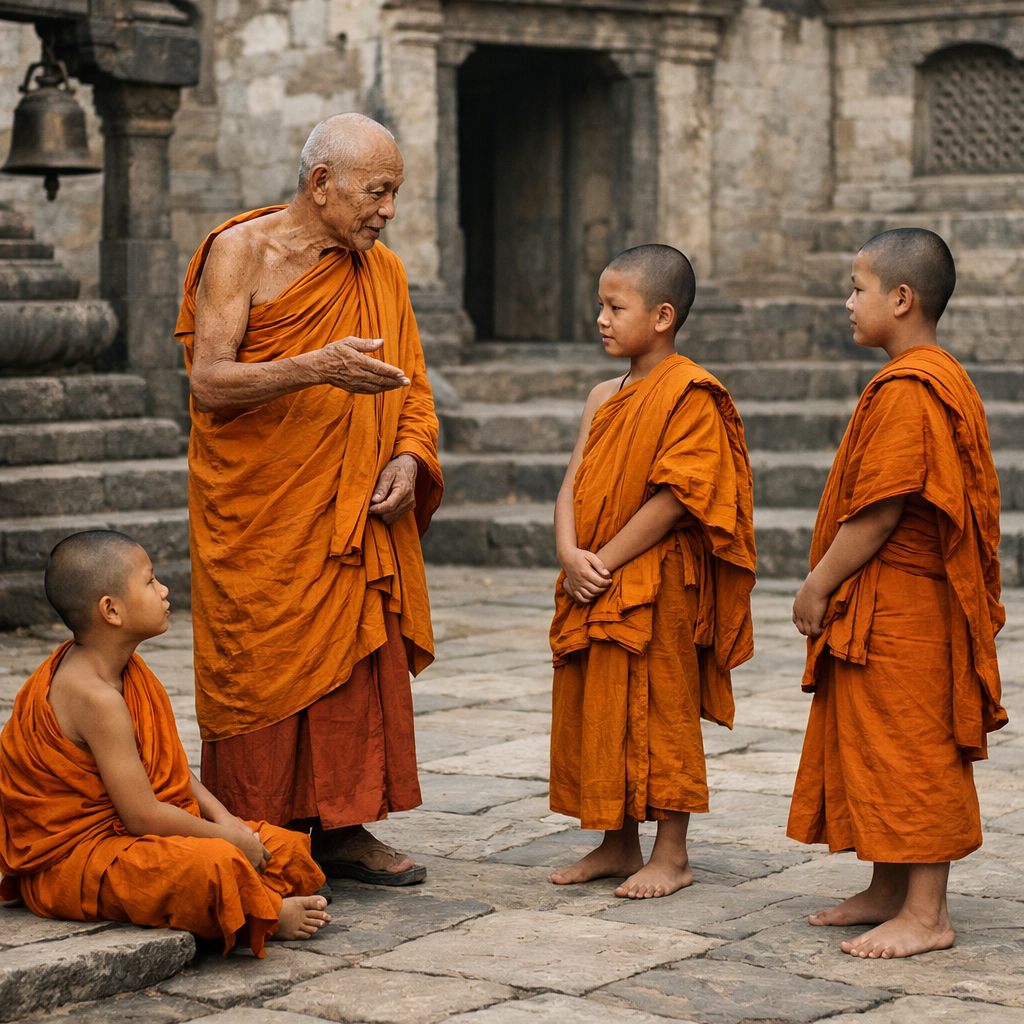
Within the symbolic landscape of Eastern religions, Buddhism exemplifies a mode in which symbols are explicitly treated as means rather than ends. Unlike traditions that use symbolism to stabilize social order, assert unity, or encode cosmic structure, Buddhist symbolism is oriented toward corrective function: identifying the causes of suffering and guiding practitioners toward non-attachment and insight. Meaning is never final; symbols are intentionally provisional, to be used and eventually relinquished.
This section shows how Buddhism deploys symbolism through diagnosis, training, and disciplined repetition. Sound, image, gesture, language, and daily habit all serve to recalibrate perception rather than represent ultimate reality. Even where visual richness or ritual elaboration develops, it remains framed as upāya—effective but non-binding. Buddhism thus occupies a distinctive position among Eastern traditions, demonstrating how symbolism can be systematically mobilized to undo reification itself, directing practice toward liberation rather than belief, identity, or authority.
12. Contact & Transformation
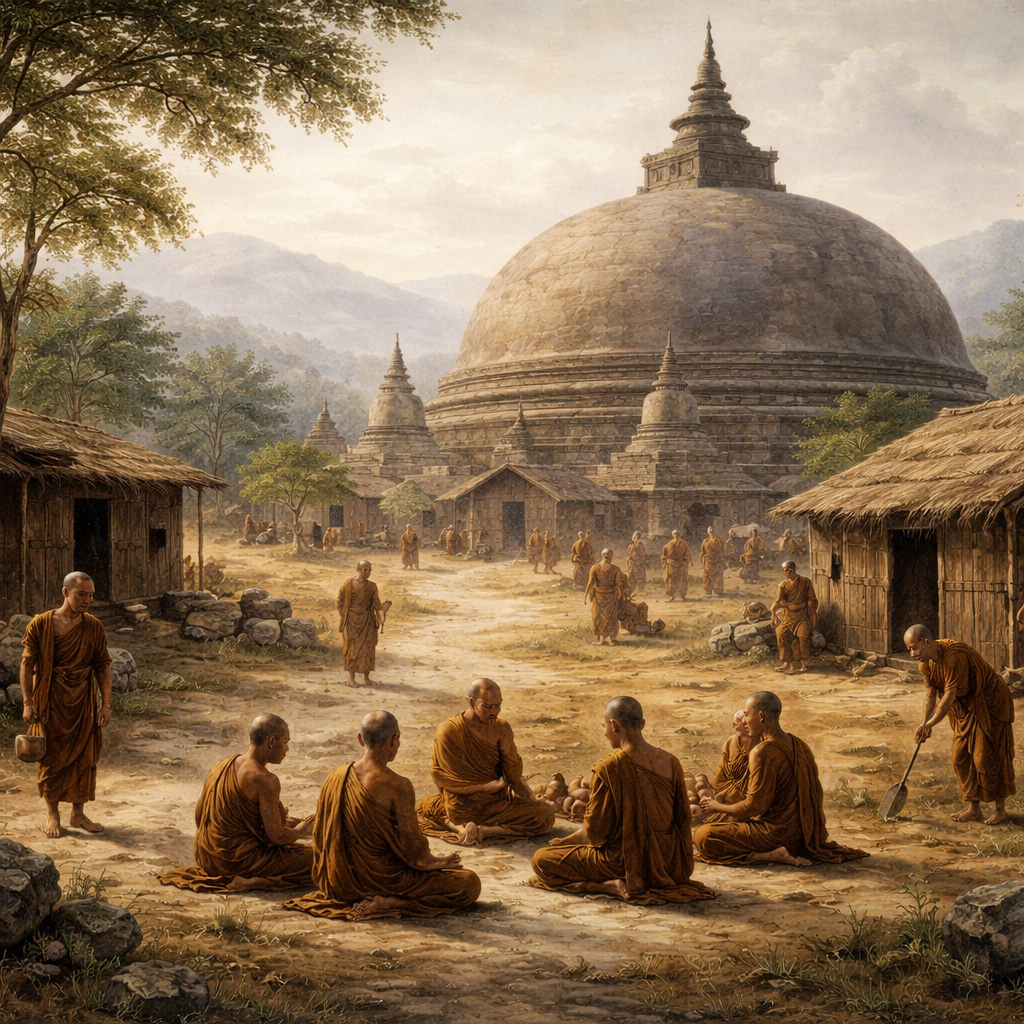

Buddhism’s historical persistence is inseparable from sustained cross-cultural contact. Rather than remaining tied to a single cultural or political environment, it expands through mechanisms that allow local adaptation without structural collapse. Syncretism functions as translation, not fusion, enabling Buddhism to integrate diverse cosmologies and ritual systems while preserving continuity through monastic discipline, replicable practices, and shared institutional reference points.
Across imperial, colonial, and modern contexts, Buddhism is repeatedly reshaped by state regulation, ideological suppression, diaspora migration, and global circulation. These pressures produce reform movements, new institutional configurations, and differentiated expressions ranging from heritage-based transmission to conversion-oriented modern forms. Even as ritual density, cosmological framing, and institutional prominence shift, Buddhism maintains coherence through lineage, discipline, and practice technologies. Its survival pattern is adaptive transmission: translating itself into new cultural idioms while sustaining a recognizable and continuous internal structure.