1. Identity & Scope

- Names: Confucianism, Rújiā (School of the Scholars), sometimes called Kǒngjiào (Teaching of Confucius).
- Scope: Originating in China (6th–5th c. BCE), shaping East Asian civilization (China, Korea, Japan, Vietnam).
- Nature: More an ethical–philosophical system than a theistic religion, but functioned as a civic and ritual tradition.
Confucianism exemplifies an East Asian tradition in which religious identity is grounded in ethical practice, ritual discipline, and social order rather than metaphysical belief or devotional institutions. Developed within Chinese civilization and extended across East Asia, it integrates moral philosophy, education, and governance into a unified way of life. Its historical role as a civil and ethical system allows it to coexist and interpenetrate with other traditions while maintaining clear boundaries defined by ritual and moral authority. Confucianism’s durability is best understood through its capacity to reproduce social order and moral norms across generations.
2. Historical Context
- Founded by Confucius (Kǒng Fūzǐ, 551–479 BCE) during the Spring and Autumn period.
- Developed by disciples like Mencius (Mengzi) and Xunzi.
- Adopted as state orthodoxy under the Han dynasty (206 BCE–220 CE).
- Declined under early Buddhism and Daoism, revived in Tang and Song (Neo-Confucianism).
- Survived until 20th century reforms; partially revived in modern China.
Confucianism develops from the teachings attributed to Confucius as a moral and ritual response to political fragmentation, forming a tradition centered on ethical cultivation, text mastery, and governance rather than religious institution or creed. It expands through state adoption, education, and examination systems, reforms through philosophical and institutional reconfiguration rather than schism, and continues today largely as a moral-ritual way of life embedded in East Asian social, educational, and political contexts.
3. Sources of Evidence
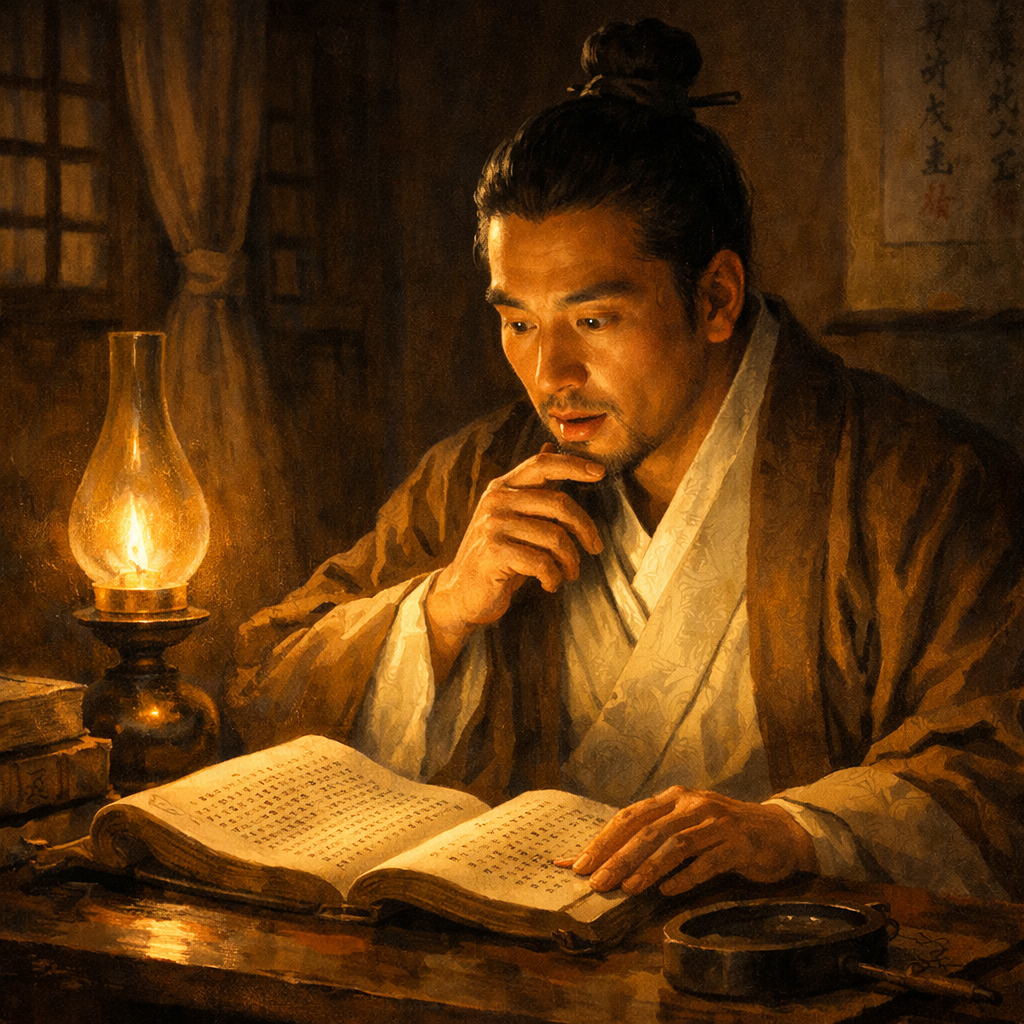
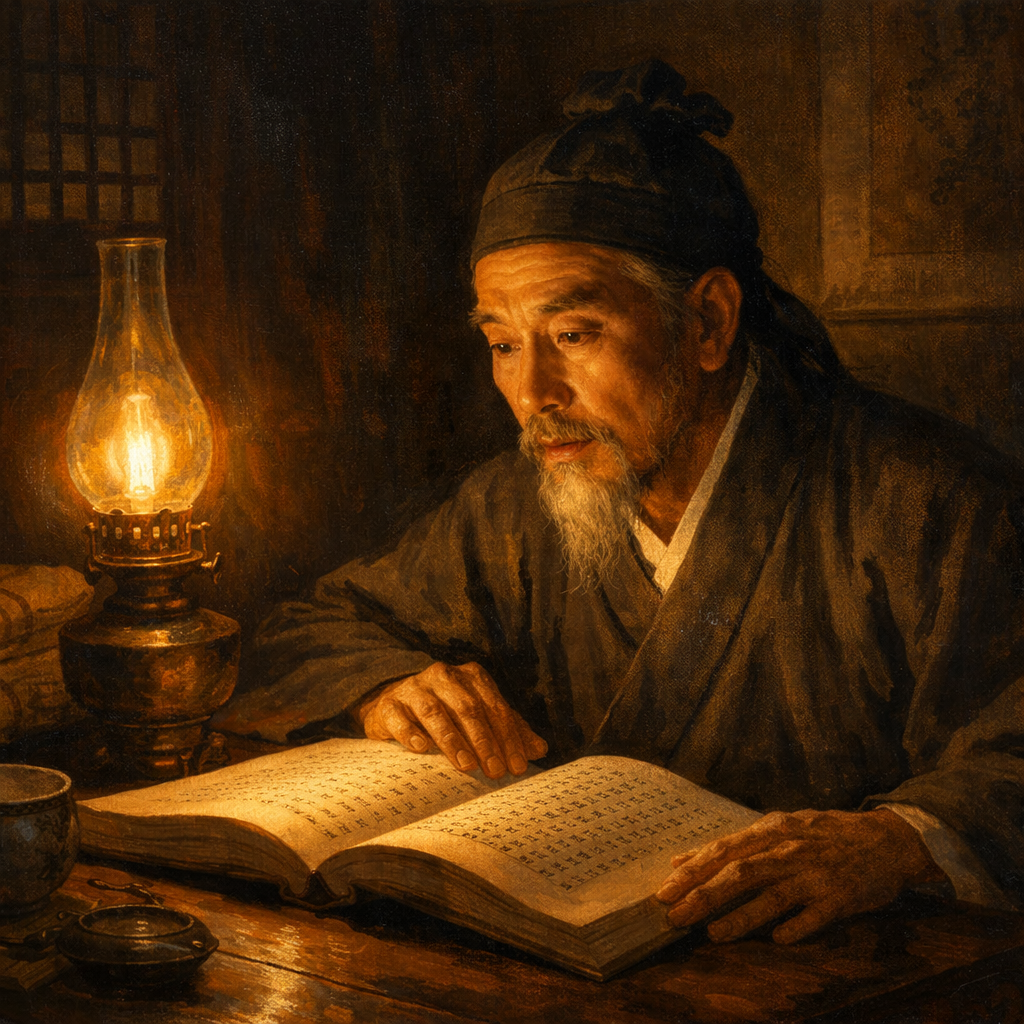
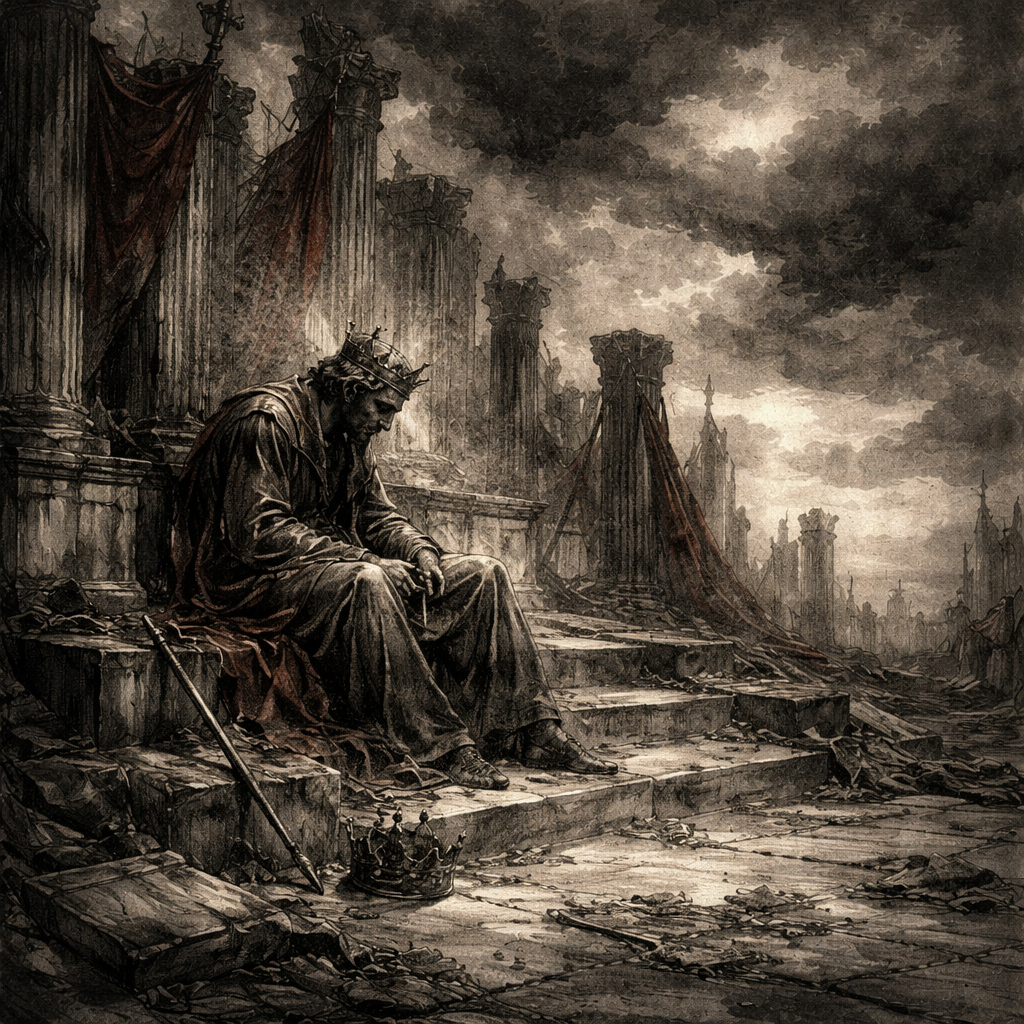
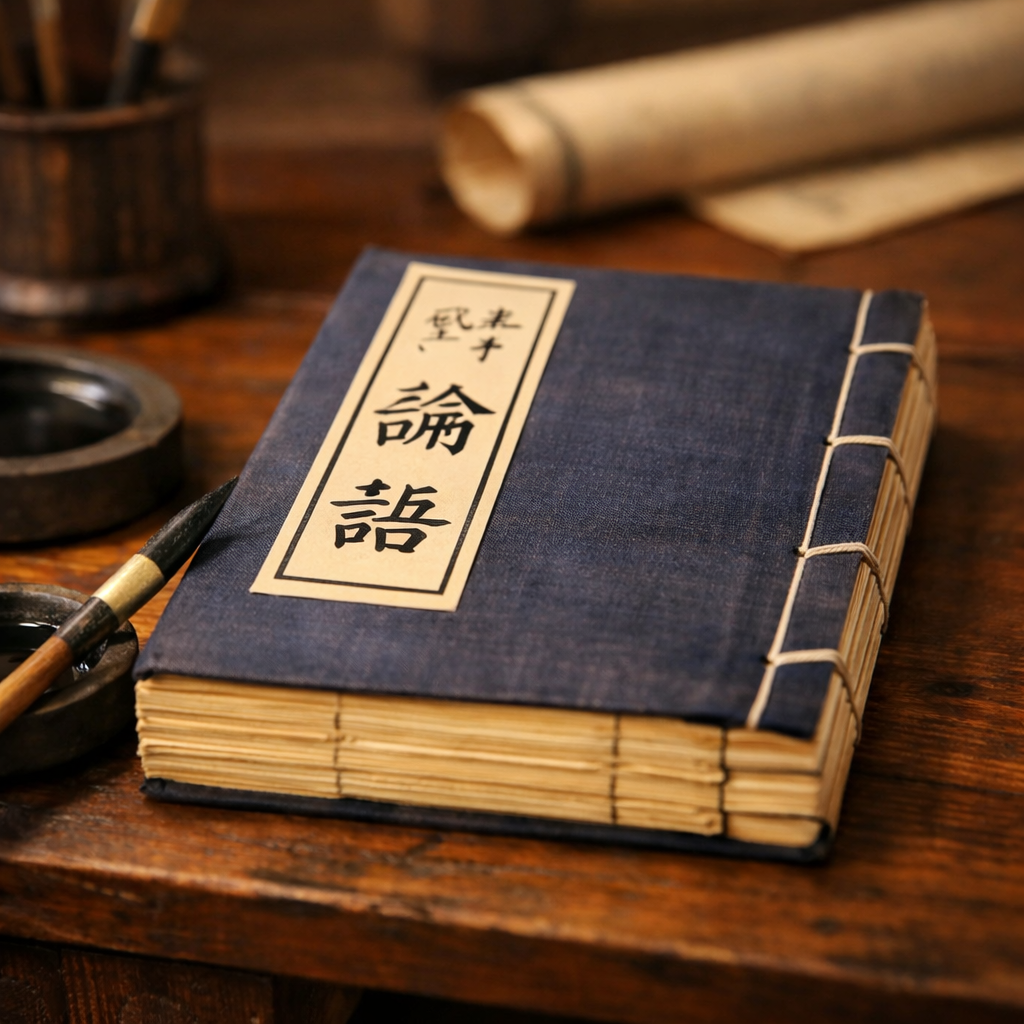
- Core texts: Analects (Lúnyǔ), Mencius, Xunzi.
- Five Classics: Odes, Documents, Rites, Changes (Yijing), Spring and Autumn Annals.
- Later canon: Four Books (Analects, Mencius, Great Learning, Doctrine of the Mean).
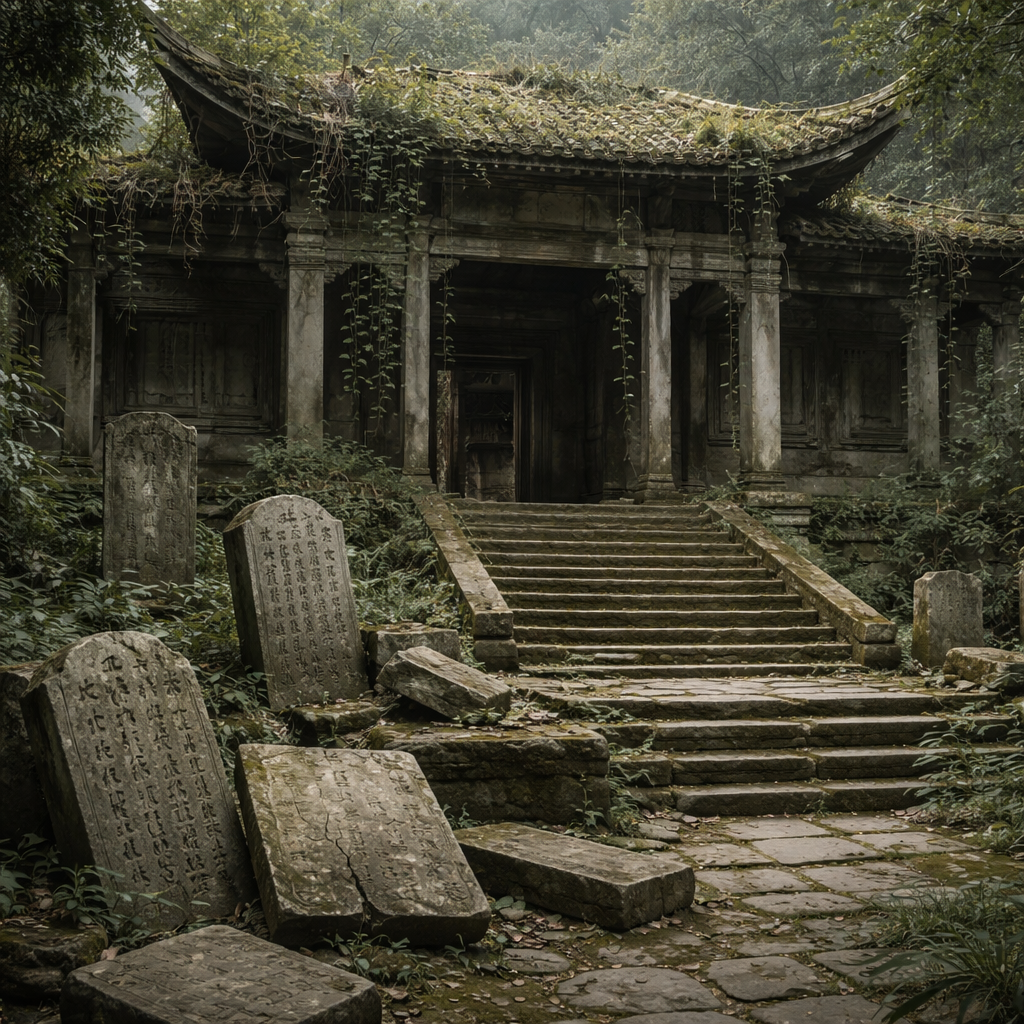
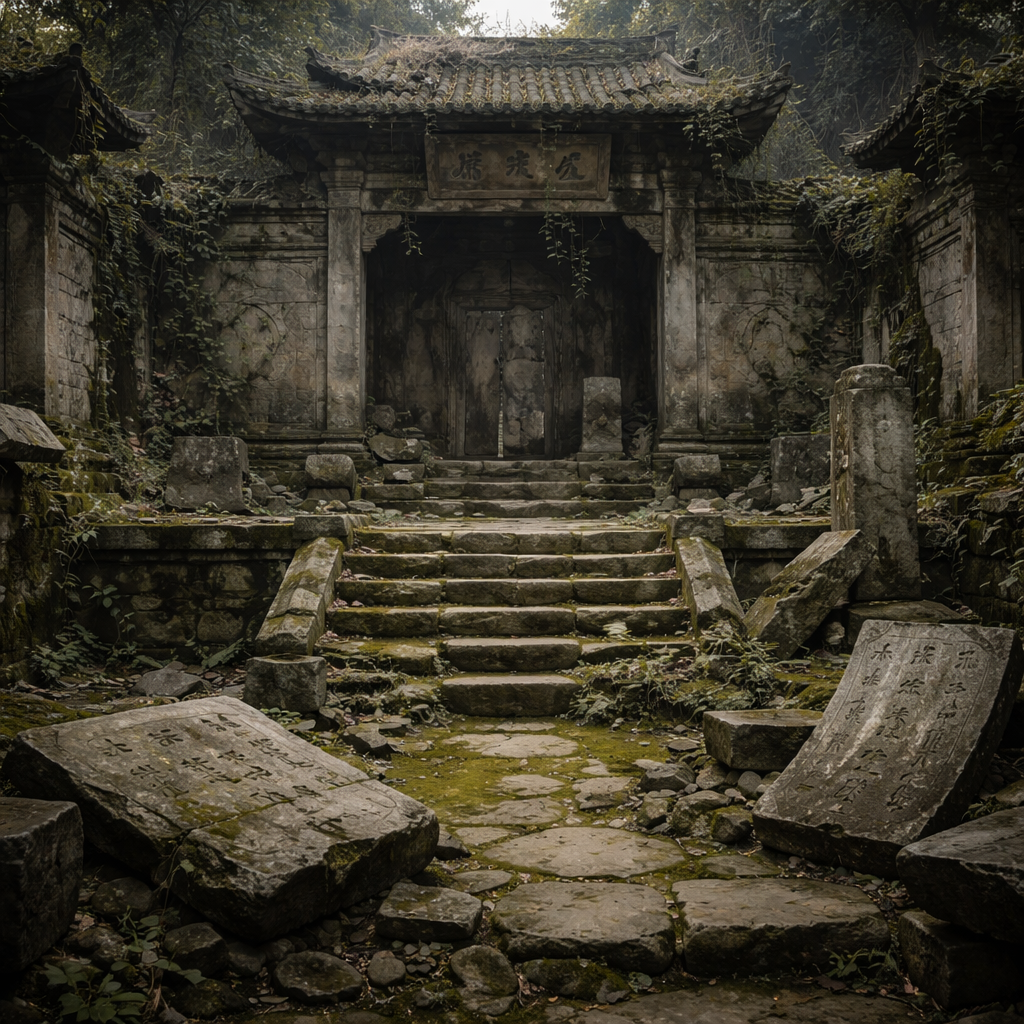
- Archaeology: Temple inscriptions, ritual bronzes, shrines to Confucius.
The evidentiary profile of Confucianism is defined by its deep integration with education, governance, and ritual order, producing a record that is extensive, centralized, and norm-setting rather than revelatory. Classical texts form a highly stabilized canon whose authority was historically enforced through schools, examinations, temples, and bureaucratic adoption, while commentaries and Neo-Confucian syntheses reshaped interpretation across periods. Archaeological and epigraphic sources—temples, academies, stelae, and state inscriptions—document the material and institutional presence of Confucianism with exceptional clarity, though they primarily record ideal social order rather than everyday behavior. Historical archives and local gazetteers allow detailed reconstruction of regional variation and state–elite alignment, while modern ethnography reveals how lineage ritual, ancestor practice, and moral education continue to operate in lived contexts. Because Confucian sources overwhelmingly encode how society ought to function, rather than how it always did, interpretation requires disciplined separation of normative discourse from observable practice, and careful triangulation between textual authority, institutional enforcement, and social life.
4. Pantheon & Supernatural Beings
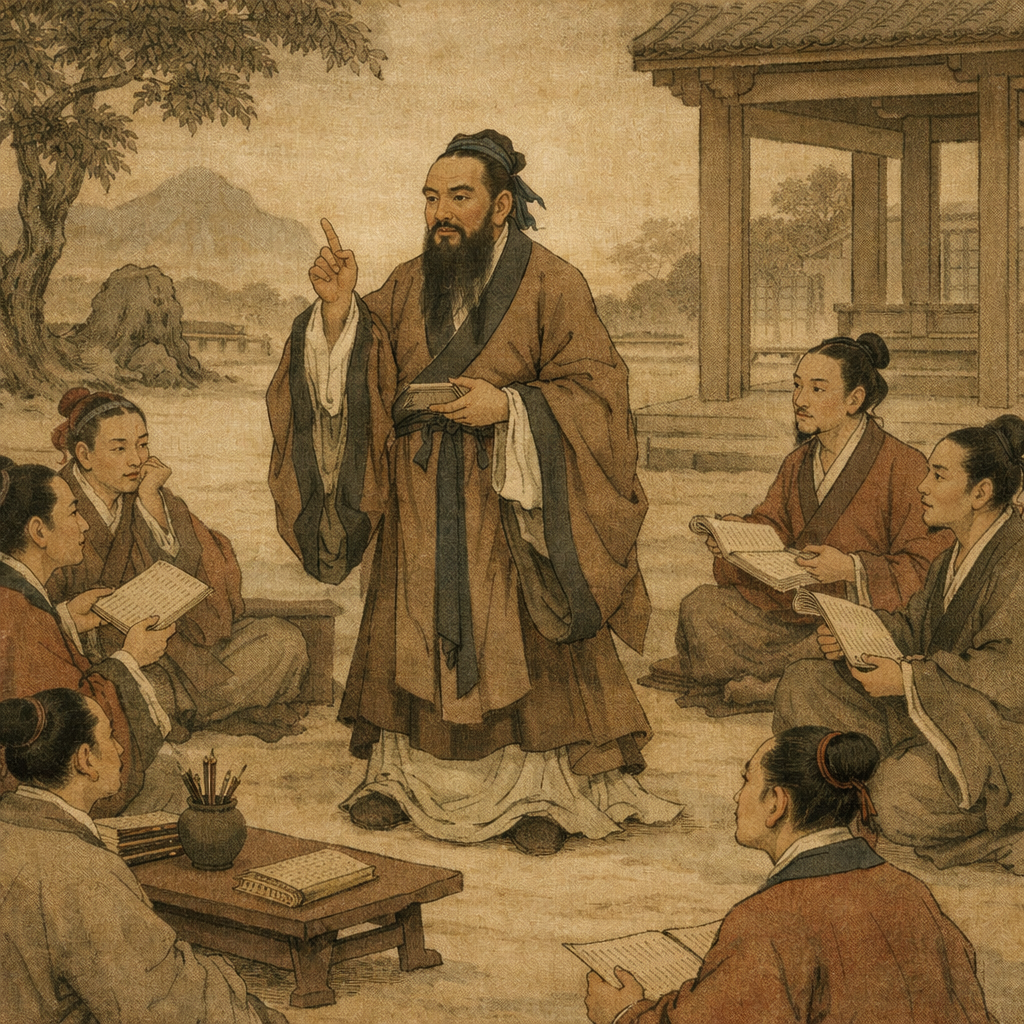
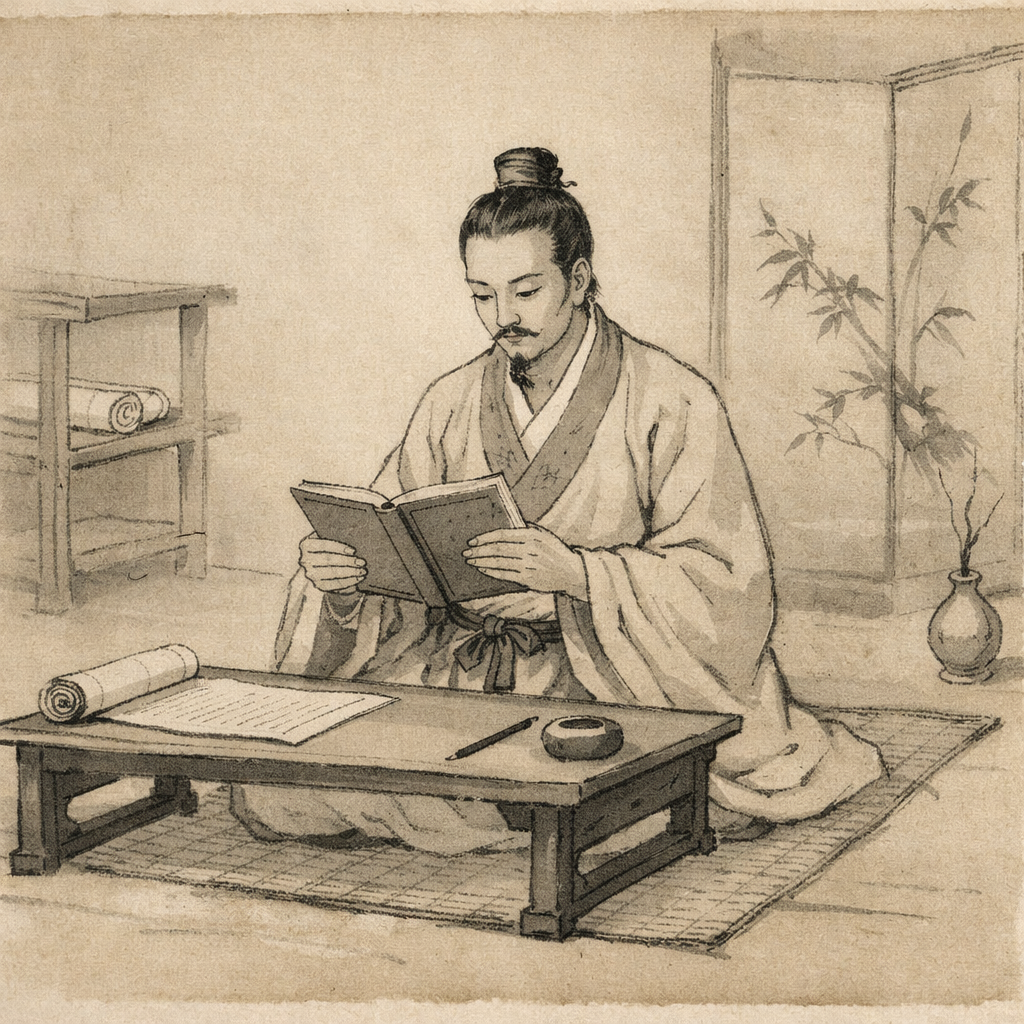
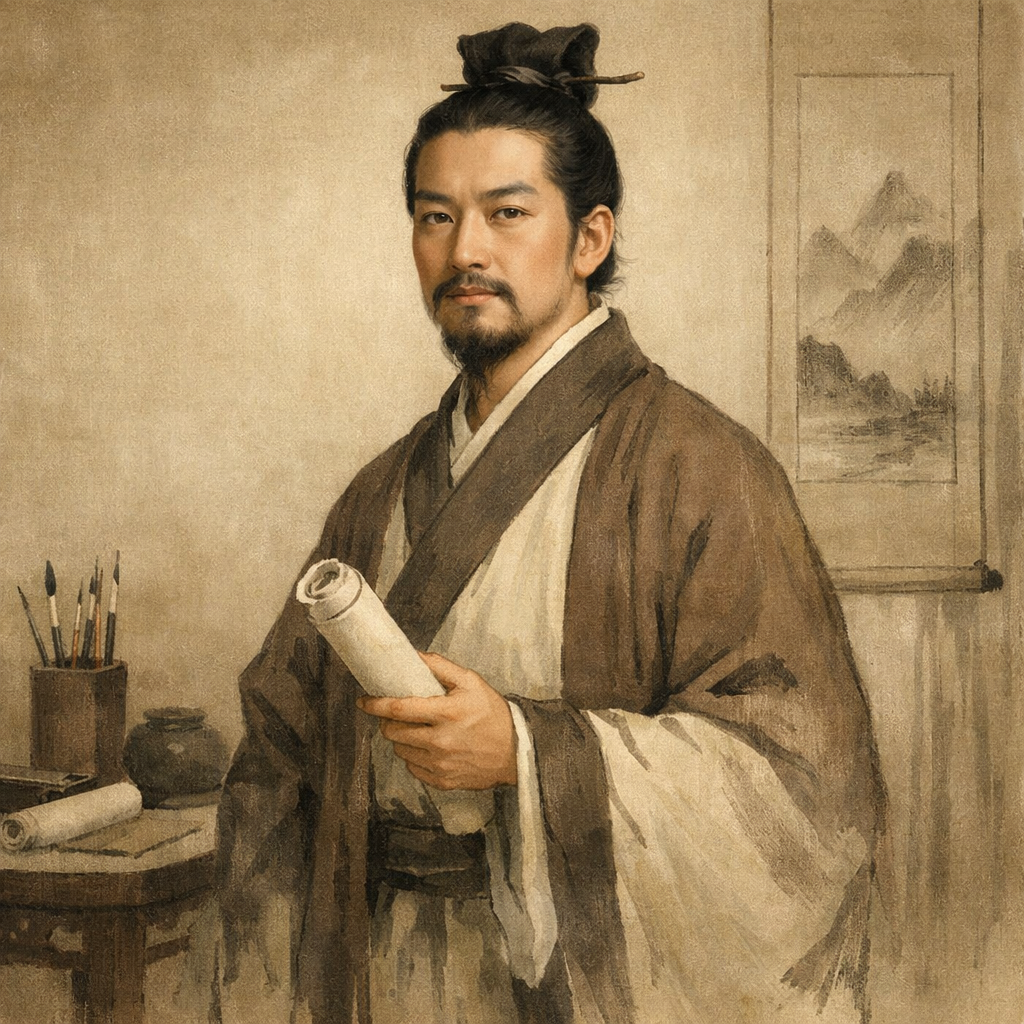
- Not centered on deities.
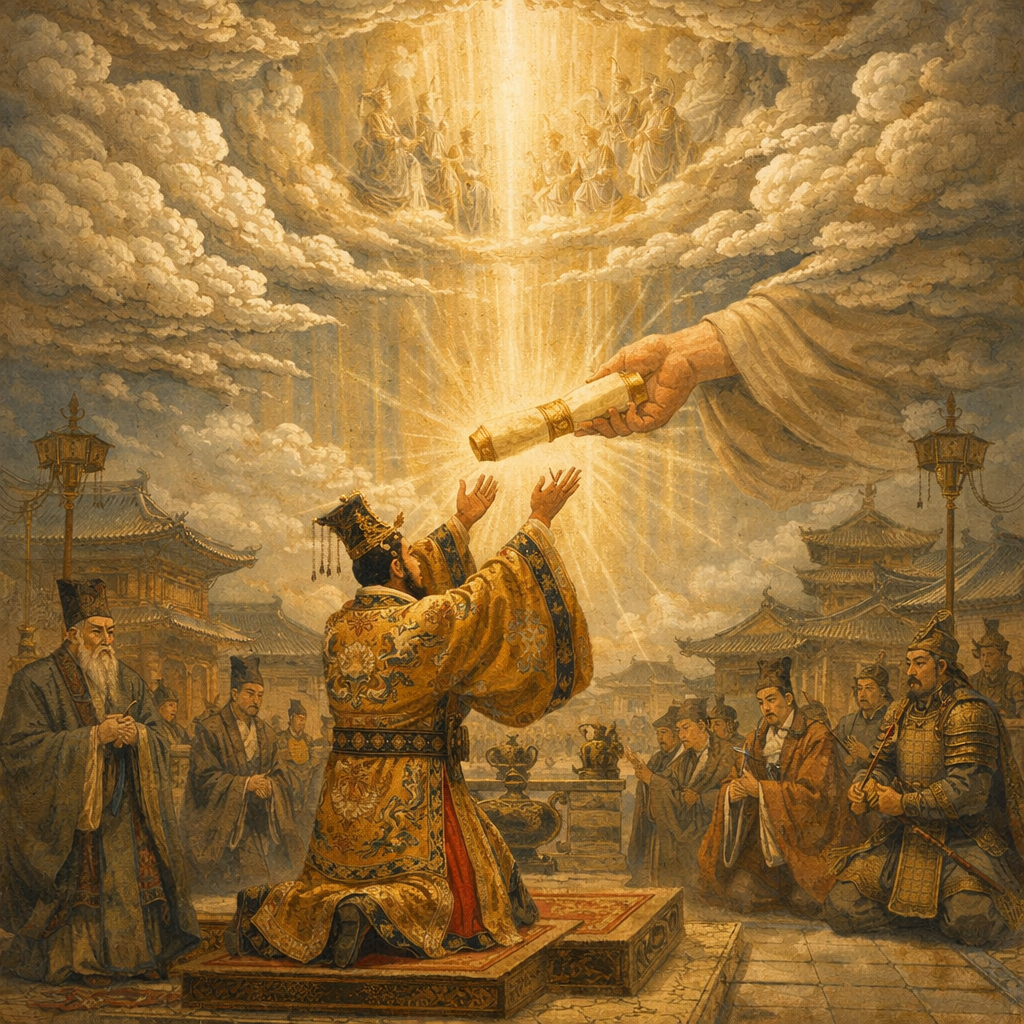
- Tian (Heaven): Moral cosmic order, not anthropomorphic.
- Spirits/ancestors: Honored but not gods; filial piety extended to the dead.
- Rites (li): Ensure harmony with Heaven and society.
Confucianism presents one of the most intentionally thinned supernatural structures among major religious traditions. Rather than organizing religious life around gods, spirits, or divine intervention, it centers authority in impersonal moral order and human responsibility. Heaven (Tian) functions as the ultimate normative reference without becoming a personal deity, while spirits, ancestors, and ritual powers are carefully contained within ethical and social boundaries. Supernatural hierarchy is minimal, underdeveloped, and explicitly subordinate to human virtue, ritual propriety, and political legitimacy. Ancestor veneration reinforces continuity and filial responsibility without deification, and ritual practice is performed regardless of supernatural response. Disorder is framed as moral and social failure rather than cosmic opposition. This page outlines a system in which supernatural beings exist but are deliberately prevented from eclipsing the Confucian commitment to ethical self-cultivation, social harmony, and ordered human relations.
5. Cosmology & Myth
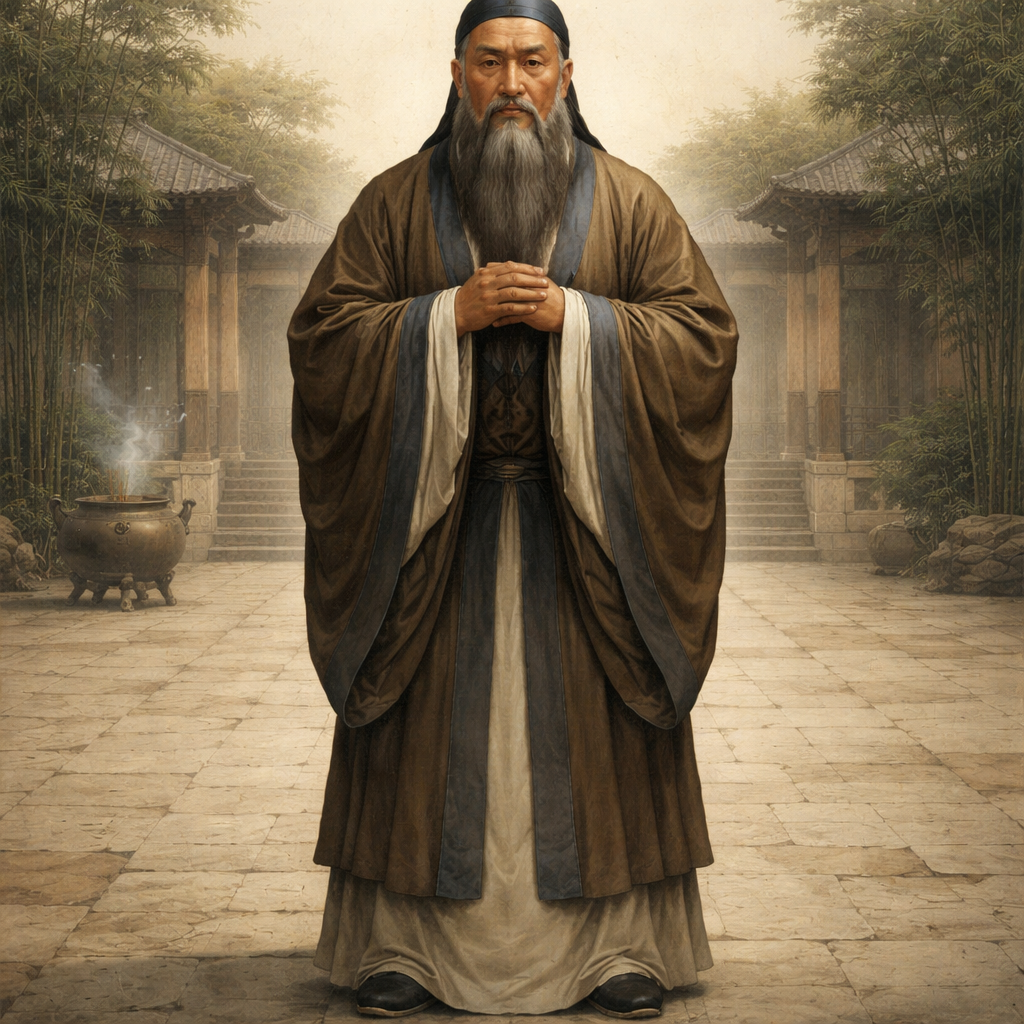
- Universe governed by Heaven (Tian) as a moral principle.
- Humans must cultivate virtue to align with cosmic order.
- Mythic dimension minimal; emphasis is rational and ethical, not mythological.
- Time: Cyclical dynastic cycles tied to Mandate of Heaven.
Confucianism approaches cosmology not as an account of origins or ultimate destinies, but as a framework for understanding how order is maintained within an already-existing world. The cosmos is conceived through relational alignment rather than divine construction, with Heaven functioning as an impersonal moral order expressed through human conduct, ritual practice, and political legitimacy. There is no sacred beginning, no mythic age to recover, and no final resolution toward which history moves; instead, time unfolds as continuous inheritance, correction, and renewal of proper forms. Disorder is diagnosed socially and ethically, not metaphysically, and authority is justified through virtue rather than supernatural power. Confucian narratives emphasize historical exemplars and cultivated tradition over heroes or salvation figures, reinforcing continuity rather than rupture. Across this framework, cosmology serves a practical and normative role: anchoring ethics, ritual, and governance within a stable moral universe oriented toward harmony, responsibility, and the preservation of order rather than transcendence or escape.
6. Ritual & Practice
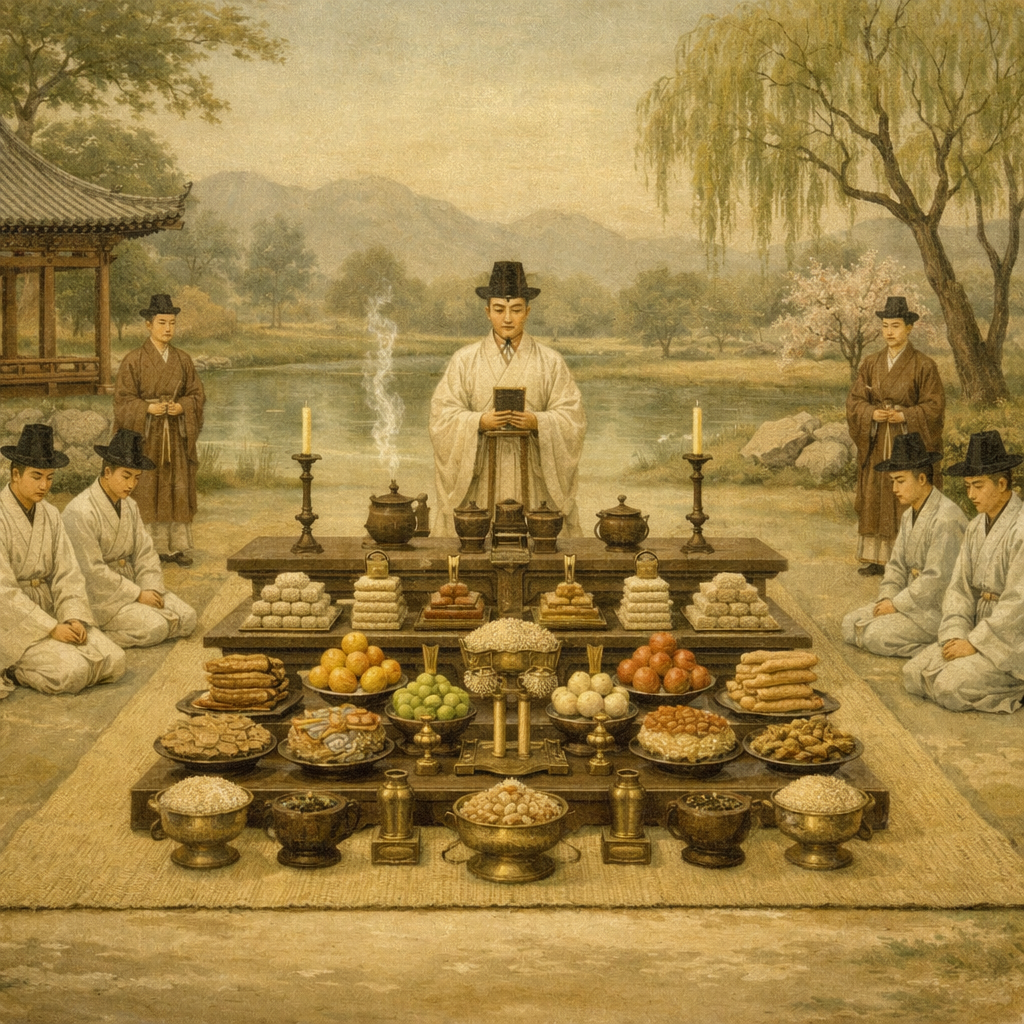
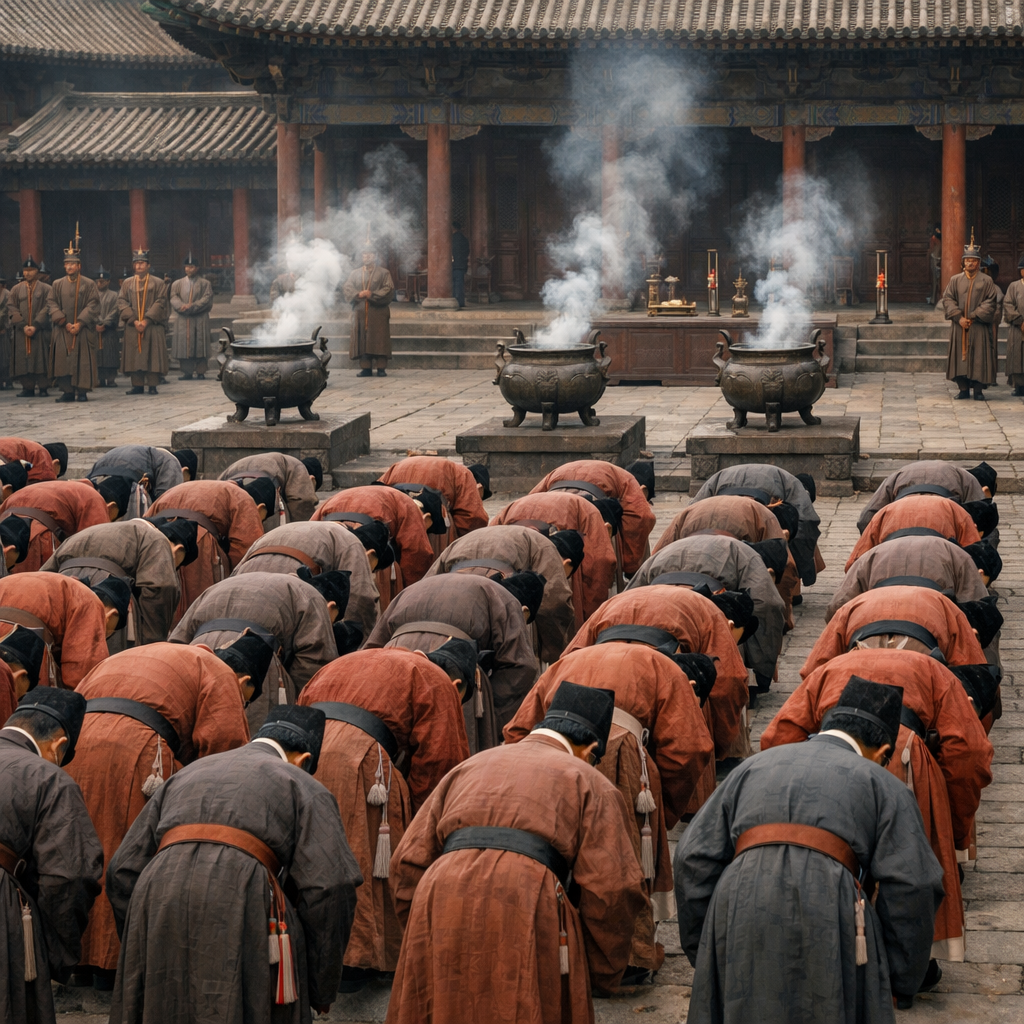
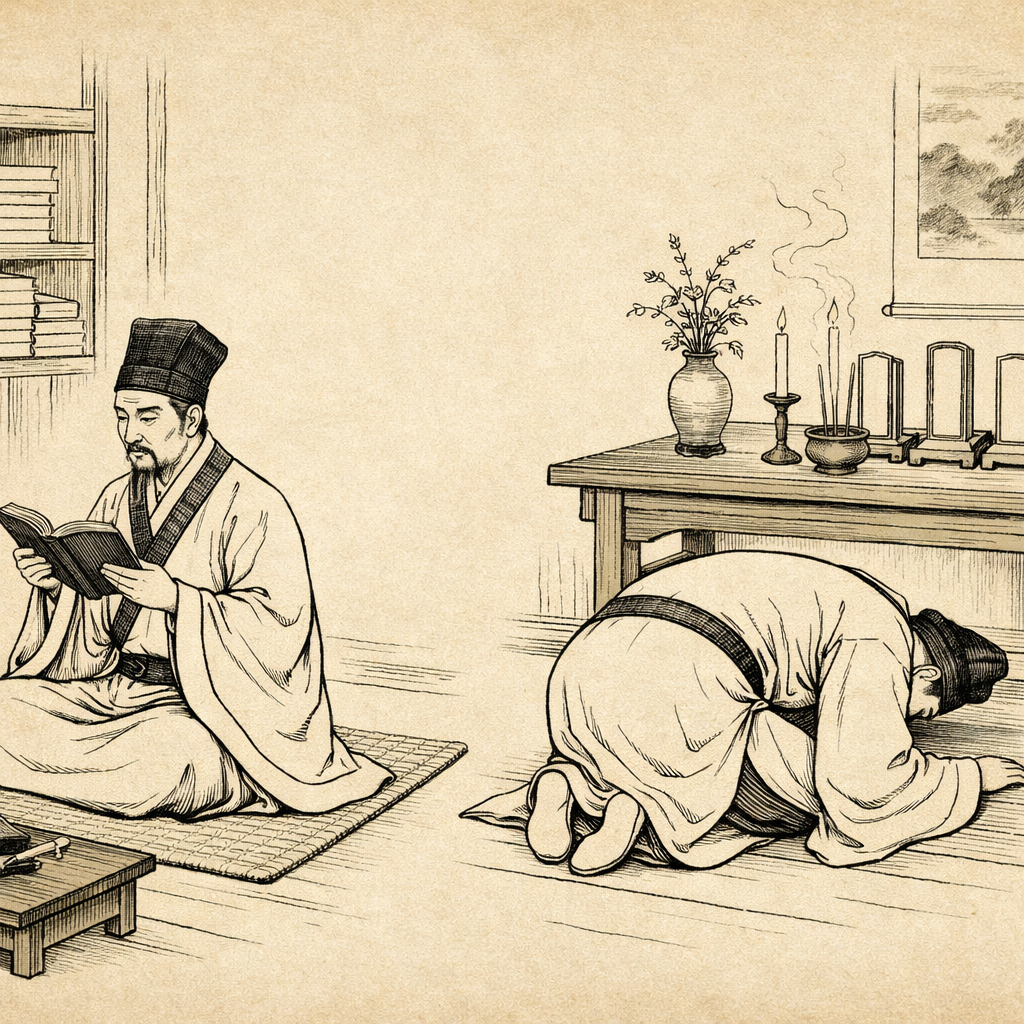
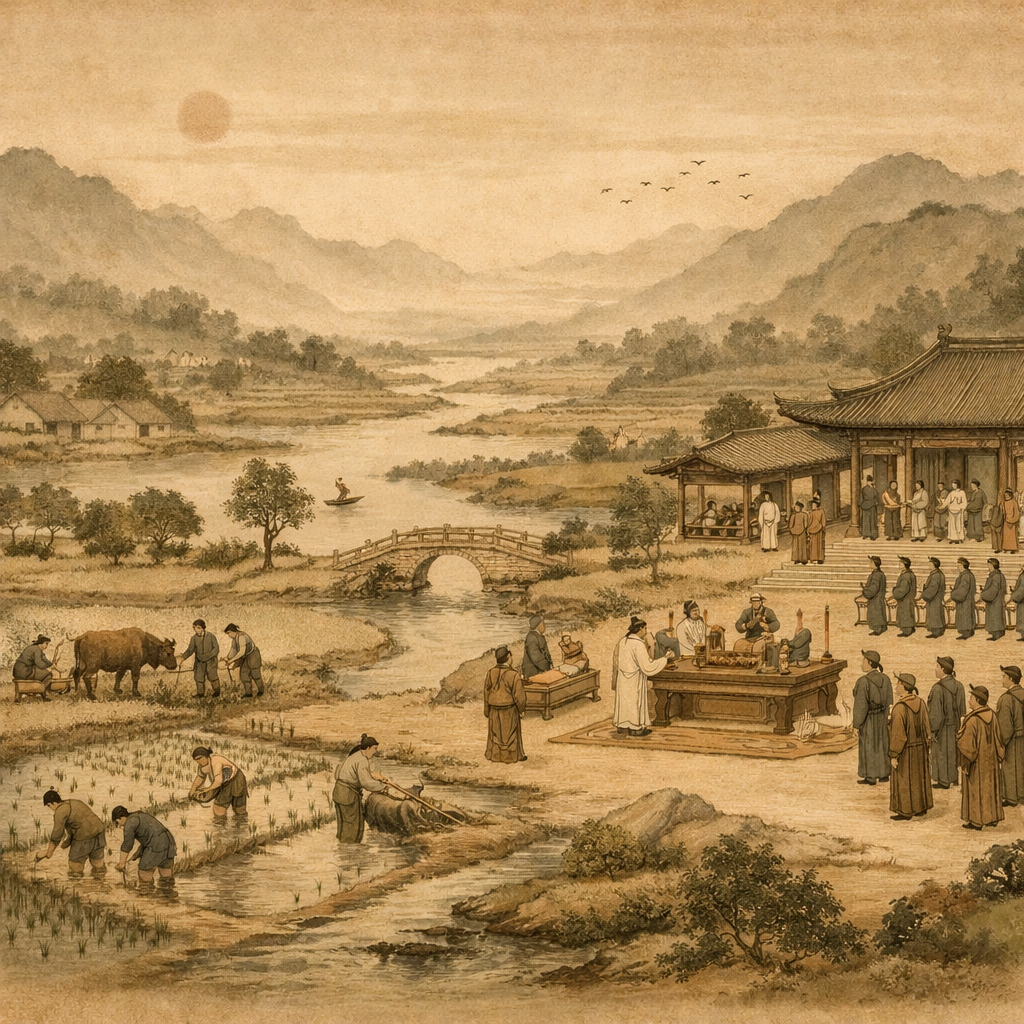
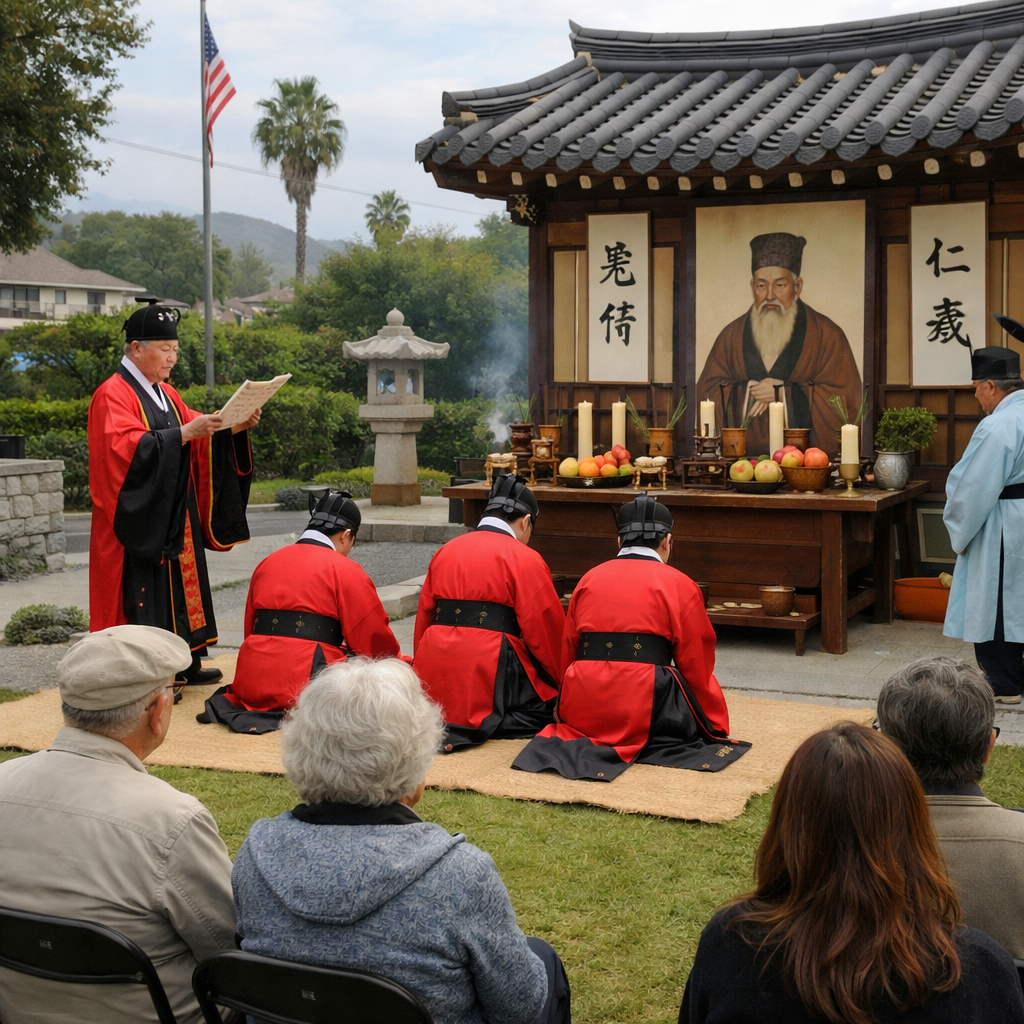
- Rites (li): Ceremonial propriety—ancestor worship, state rituals, daily etiquette.
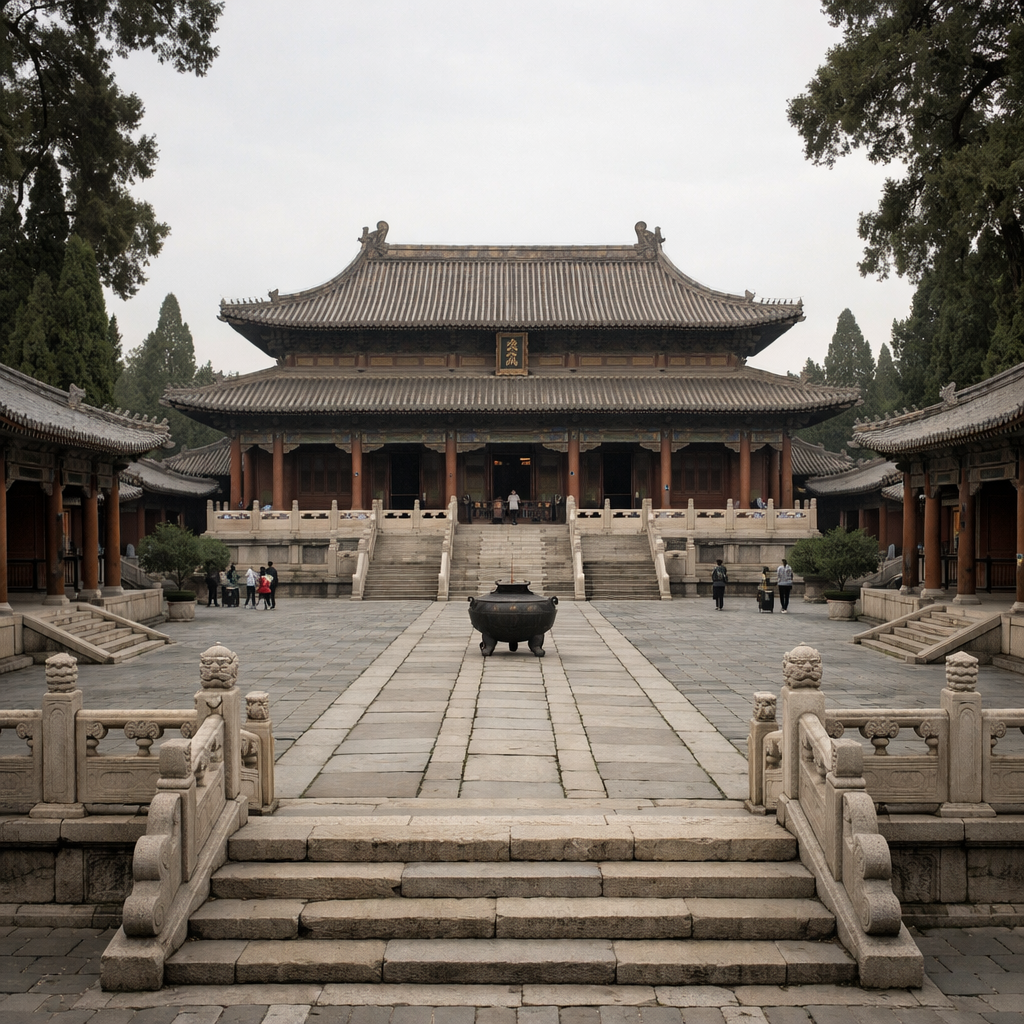
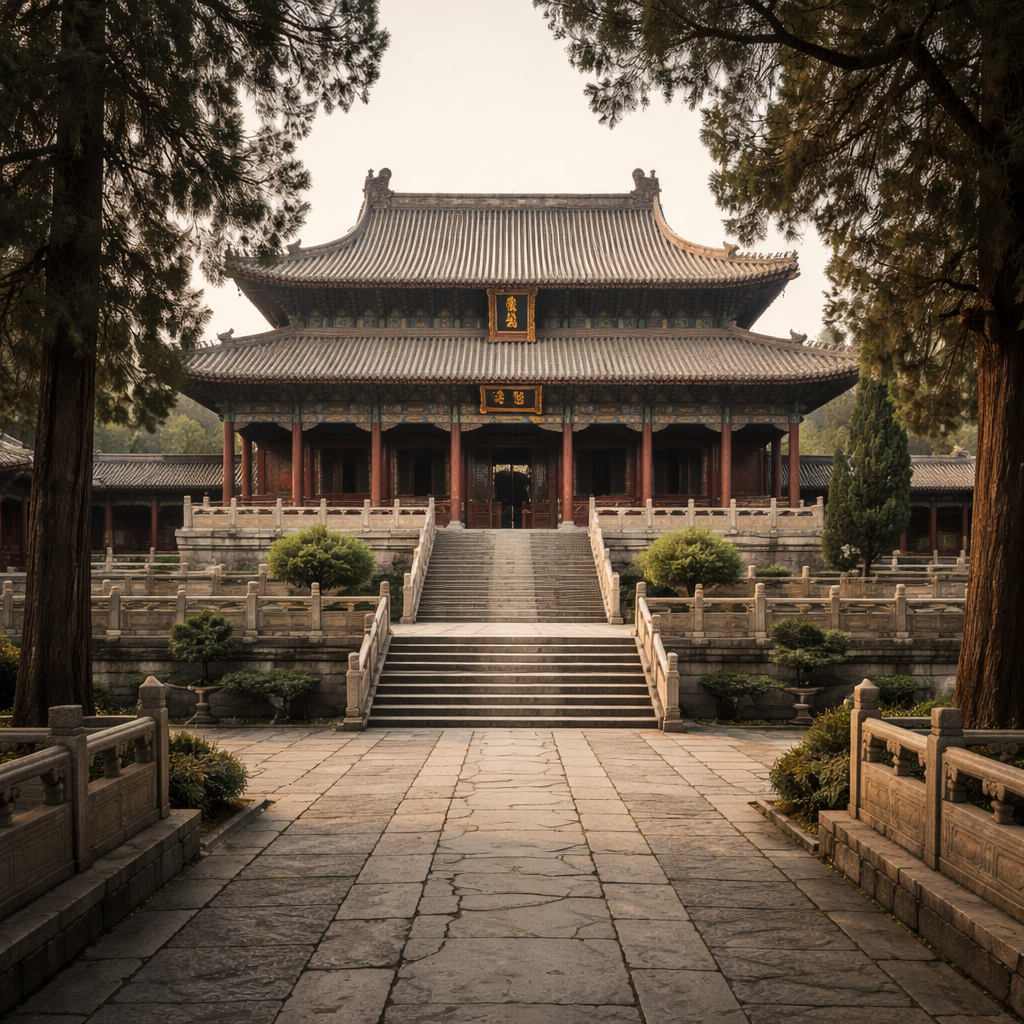
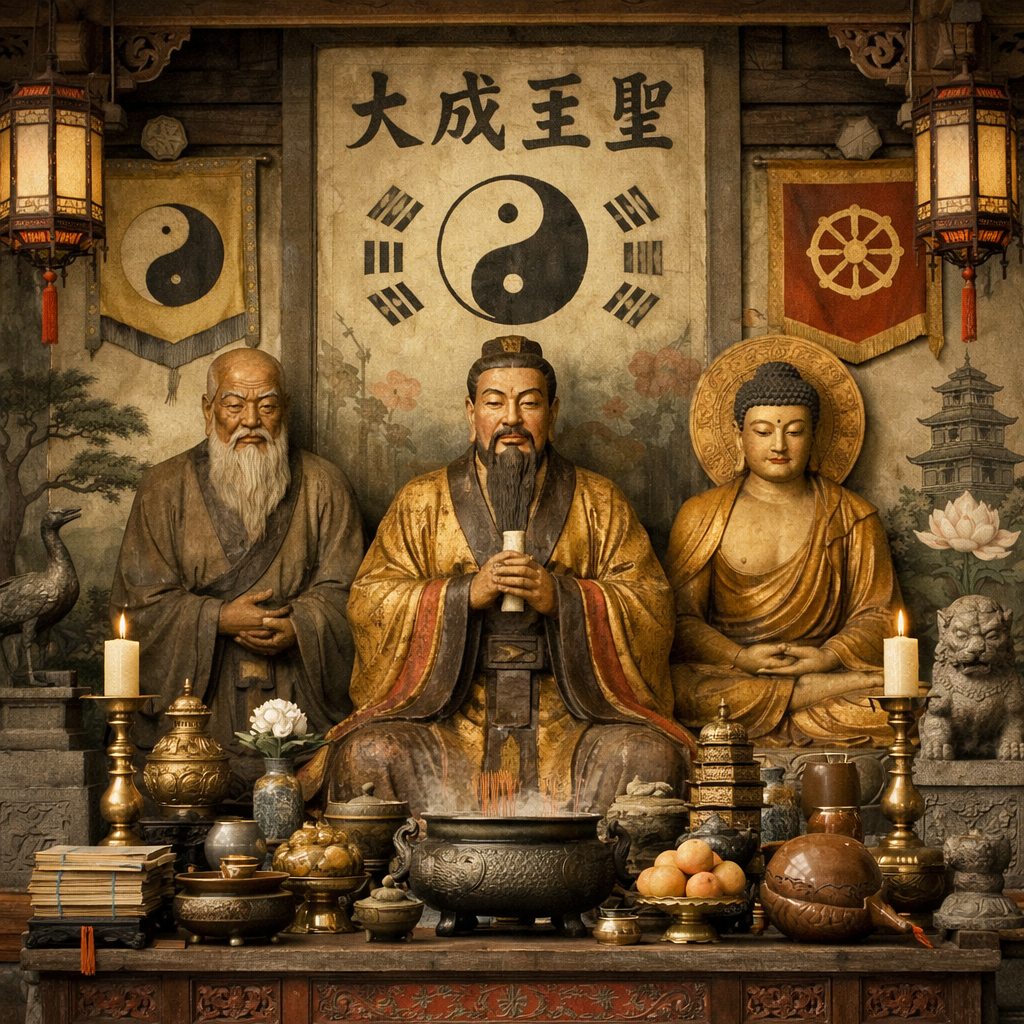
- Confucian temples: Offerings to Confucius and sages.
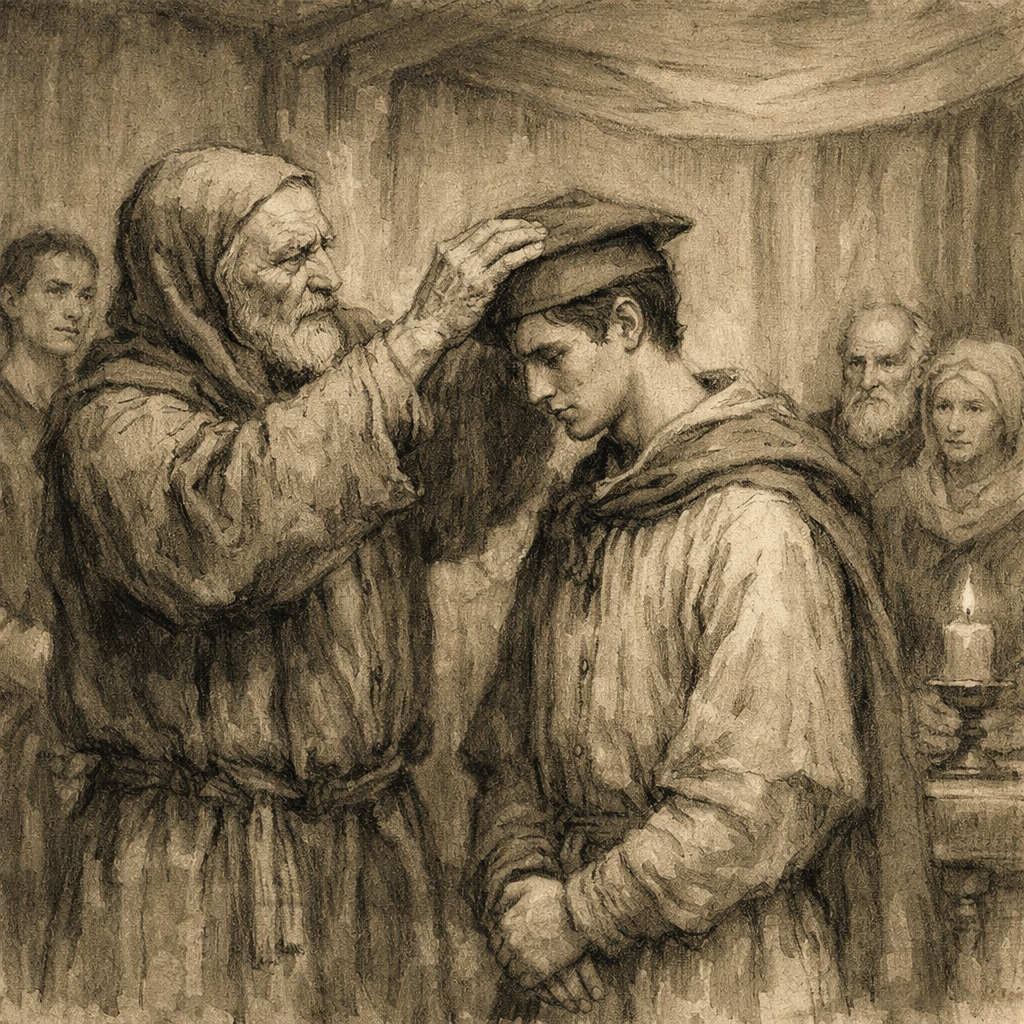
- Life-cycle rituals: Weddings, funerals, ancestral offerings.
- Education: Study and recitation as ritualized discipline.
Confucianism approaches ritual as the infrastructure of civilized life. Rather than separating religious activity from ethics, family, or governance, Confucian practice integrates ritual propriety directly into everyday conduct, education, and public order. Religion, in this context, is not a domain of worship but a system for producing stable persons and orderly relationships.
Confucian ritual practice emphasizes continuity over transformation. Ancestral offerings, commemorative calendars, mourning rites, and civic ceremonies bind individuals into lineages and states, preserving moral memory across generations. Discipline is achieved through study, restraint, and role fulfillment rather than ascetic withdrawal, while aesthetics—music, gesture, and dress—serve to regulate emotion and reinforce hierarchy rather than to mediate divine presence.
Viewed through ritual and practice, Confucianism functions as a civilizational operating system: a non-theistic, non-salvific framework in which social harmony is sustained through embodied norms, shared memory, and the perpetual enactment of order.
7. Sacred Space & Material Culture
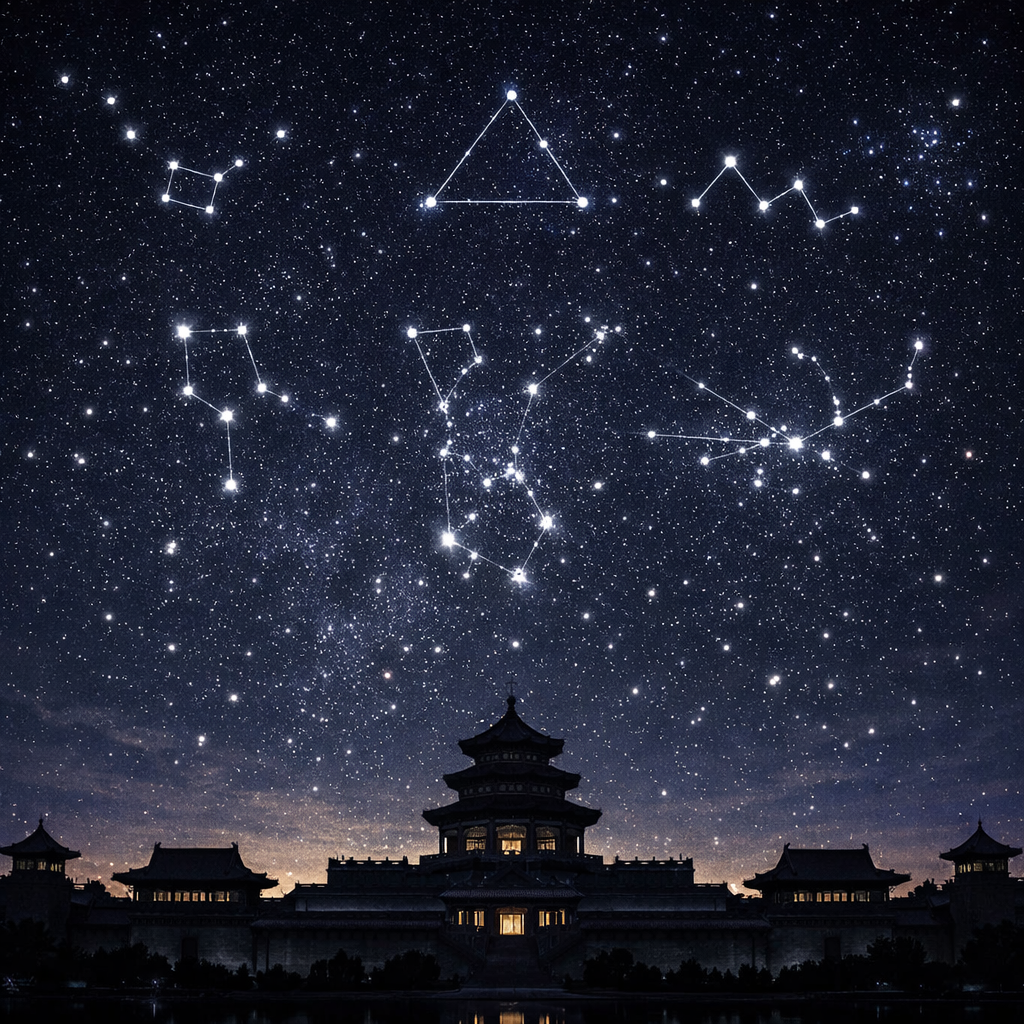
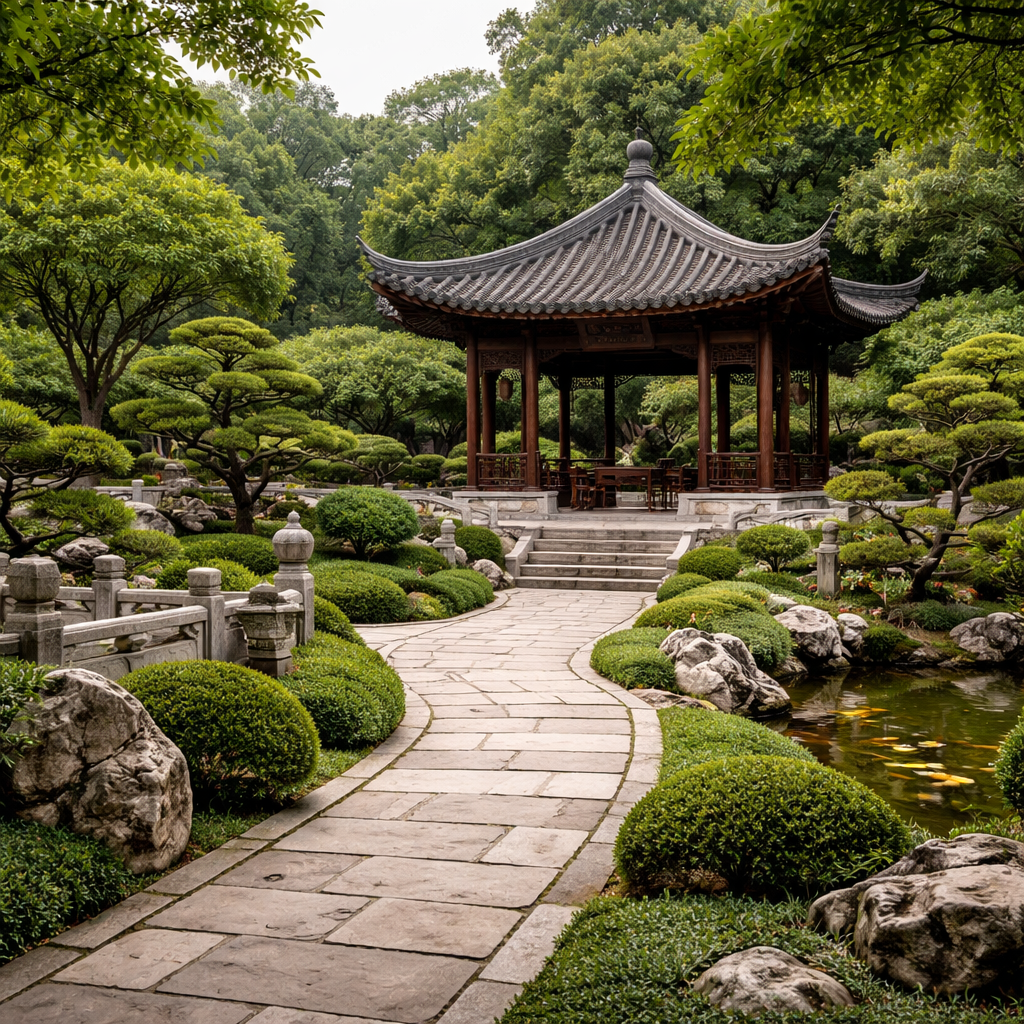

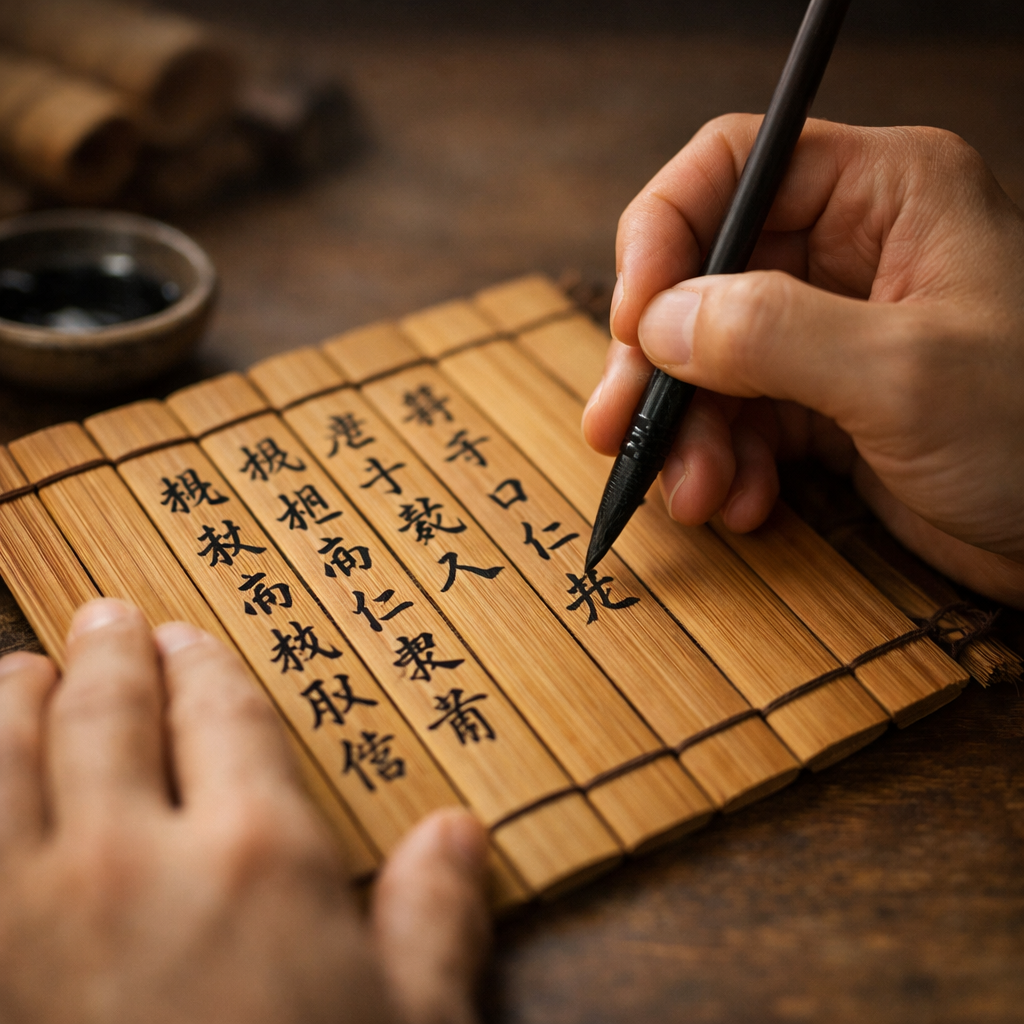
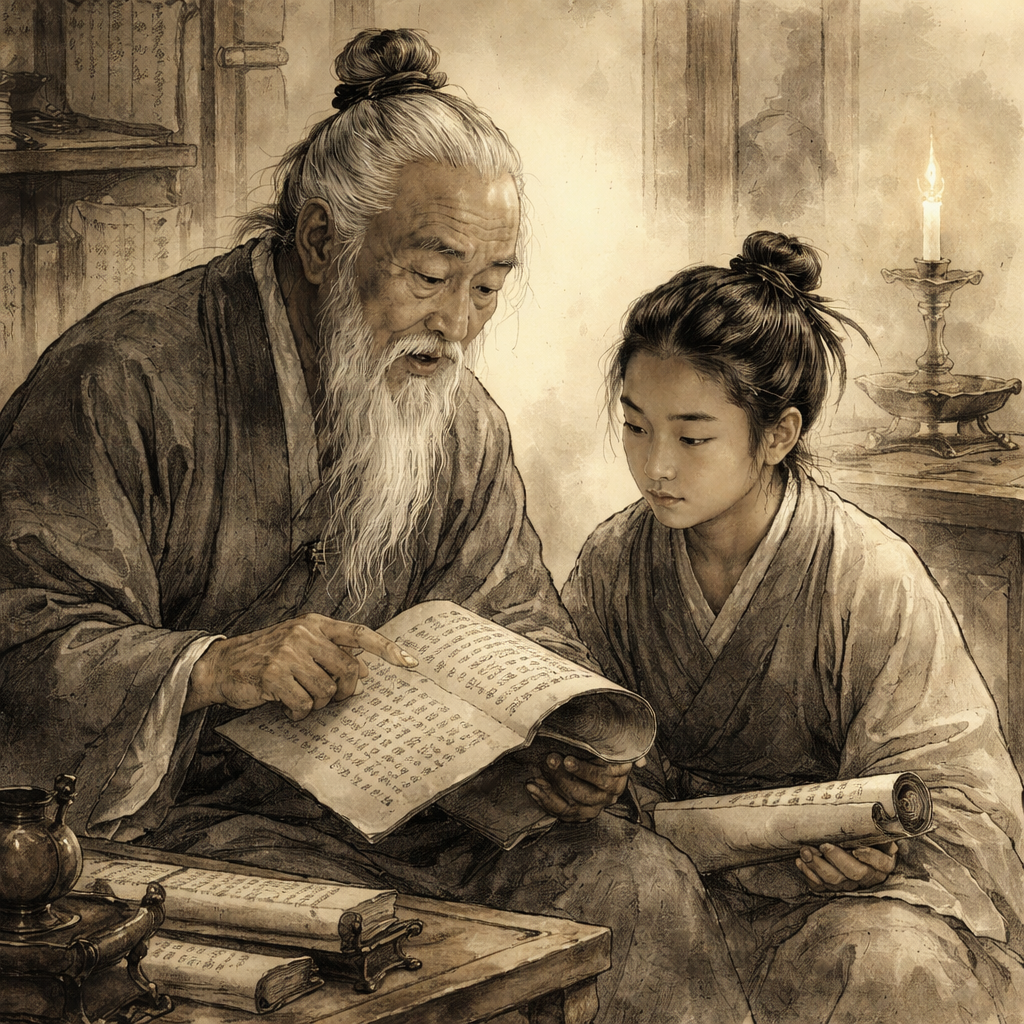
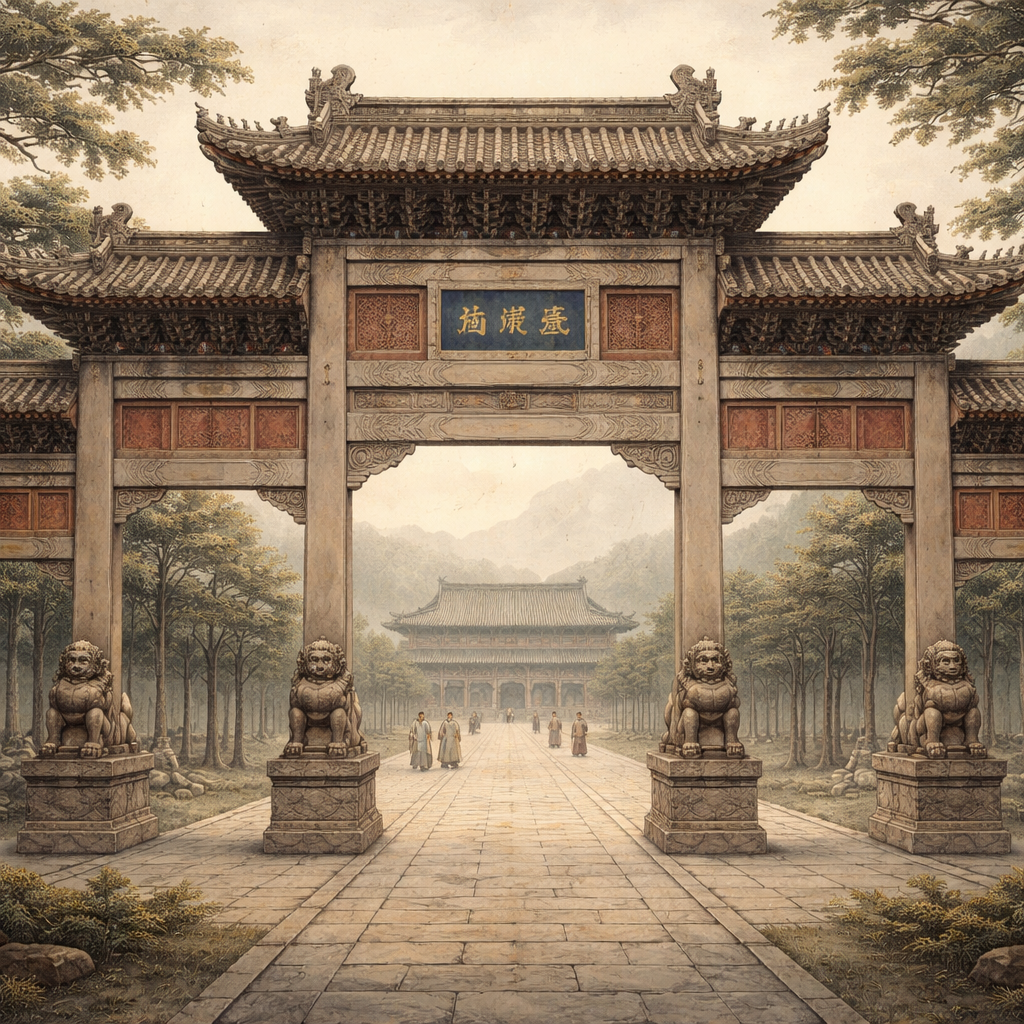
- Temples of Confucius: Built in cities across China and East Asia.
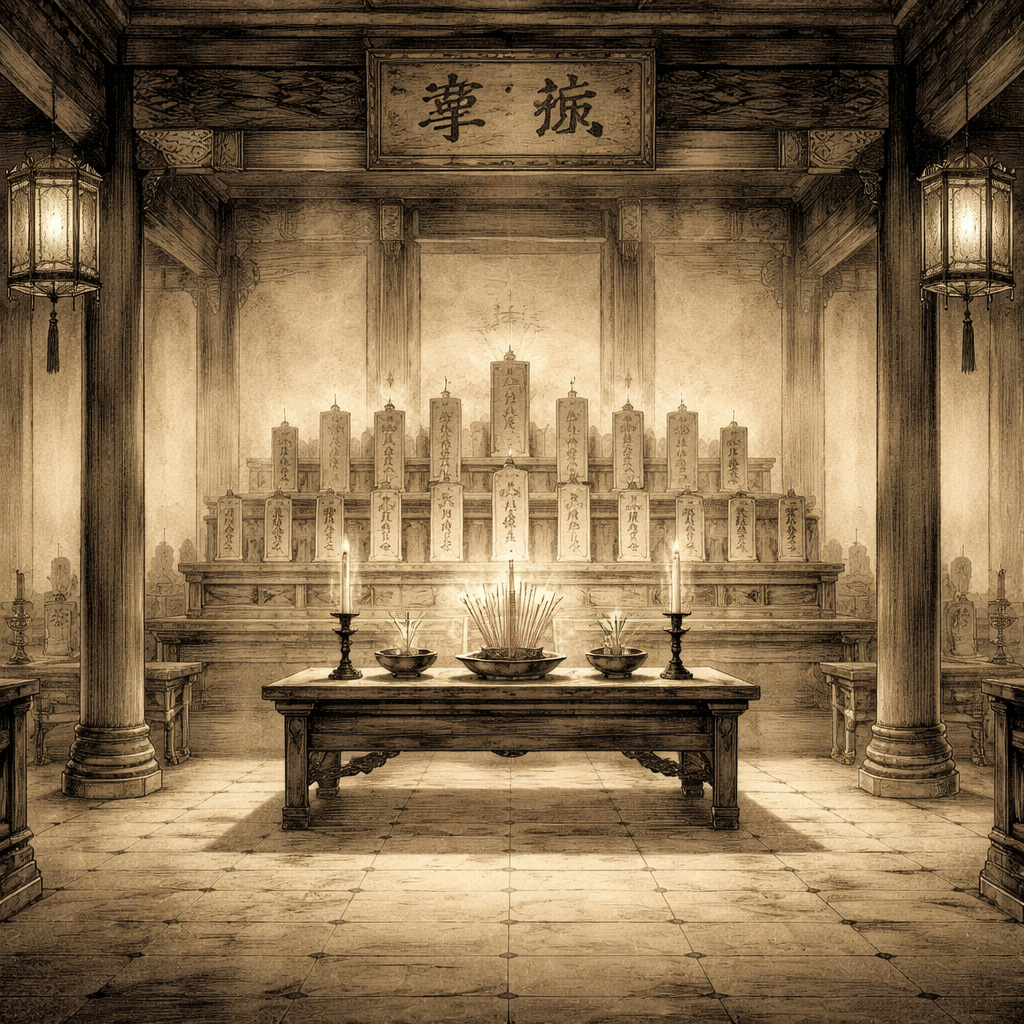
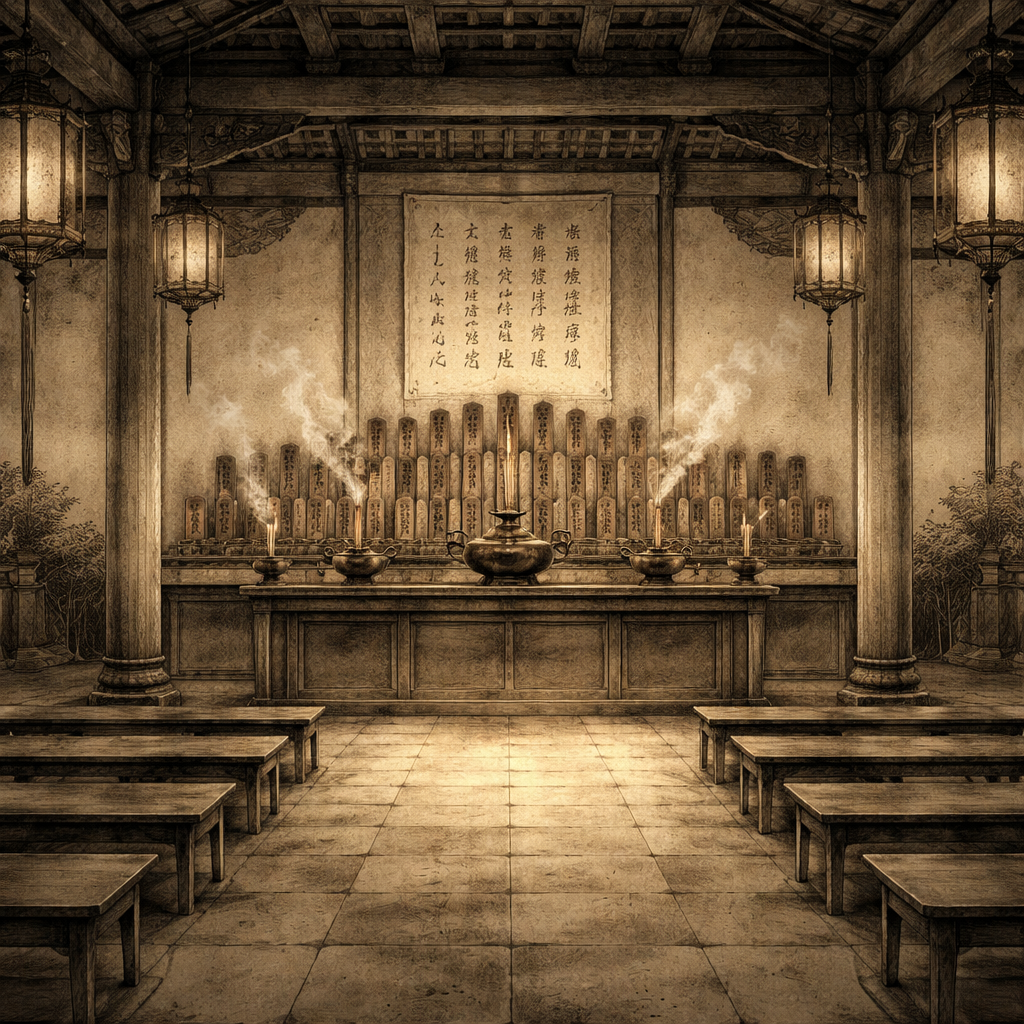
- Altars: For ancestors and state rituals.
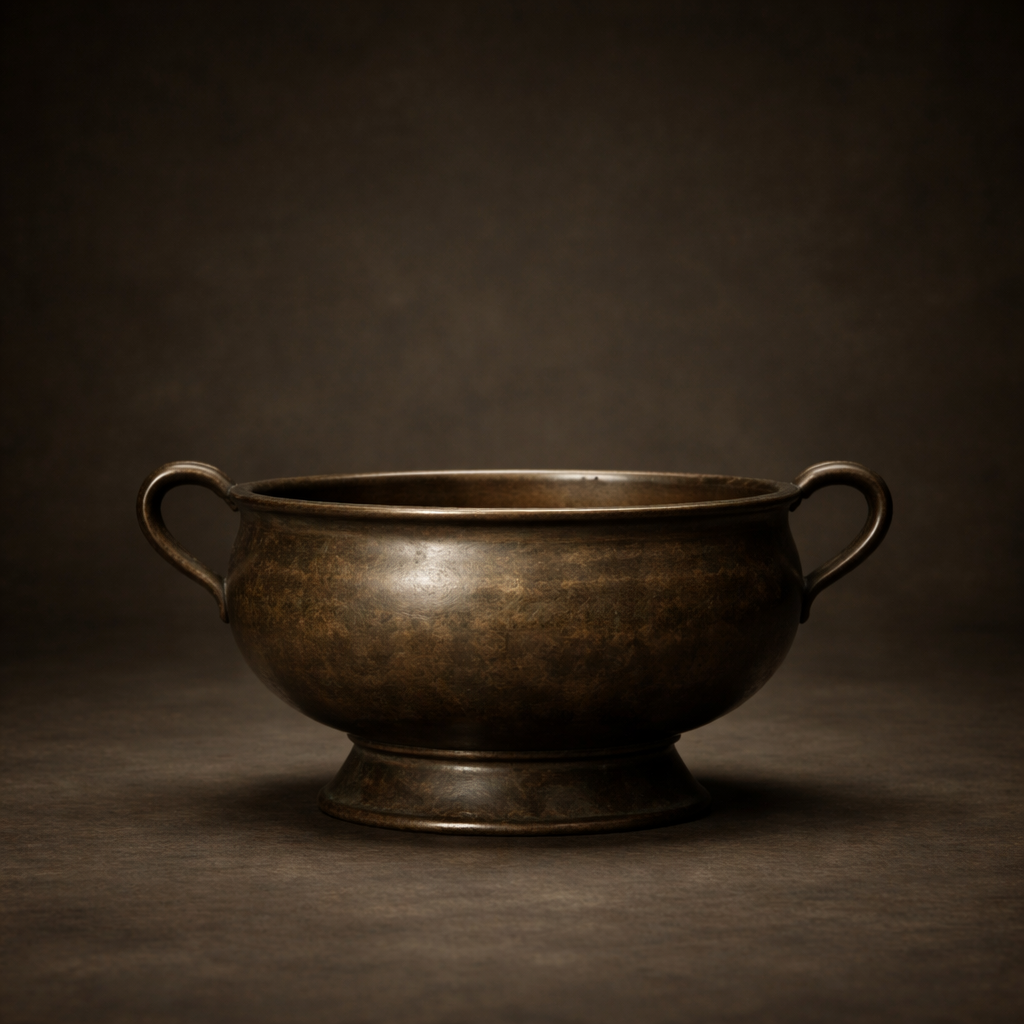
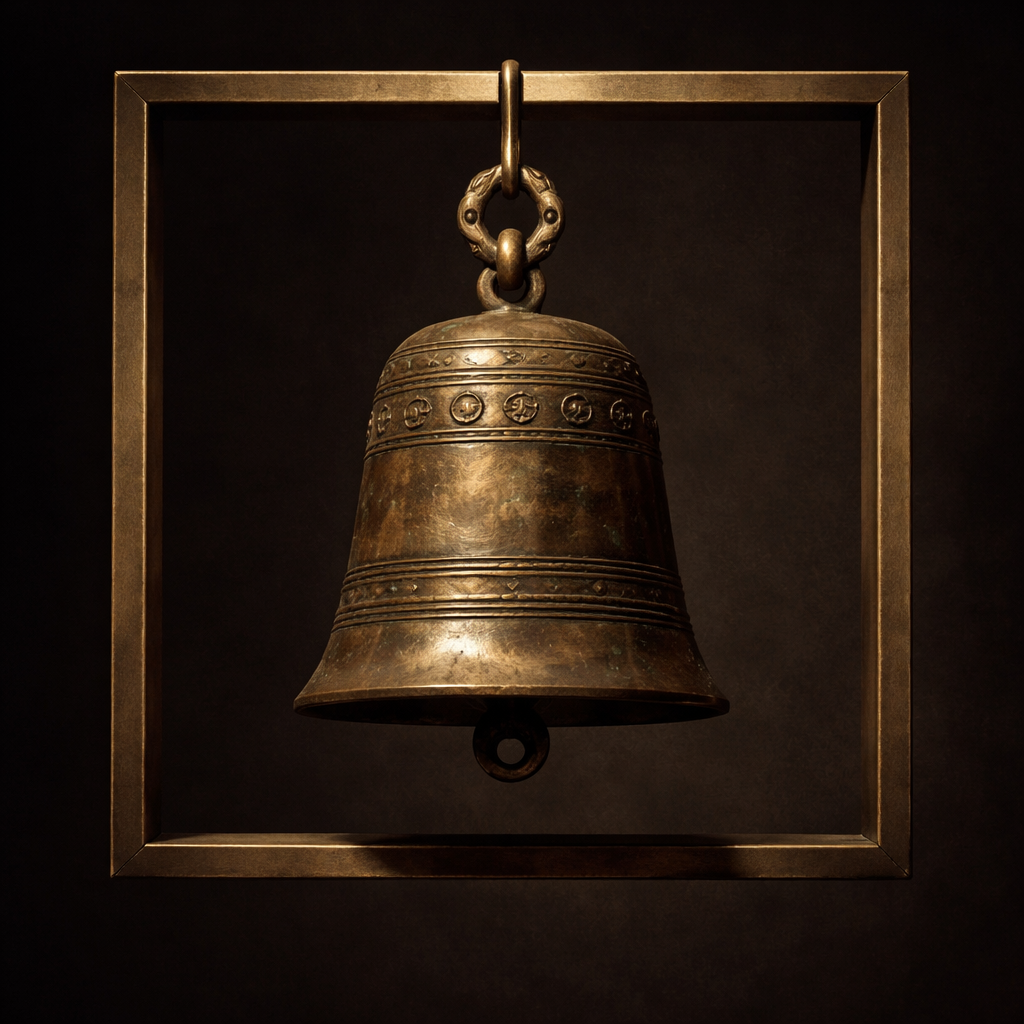
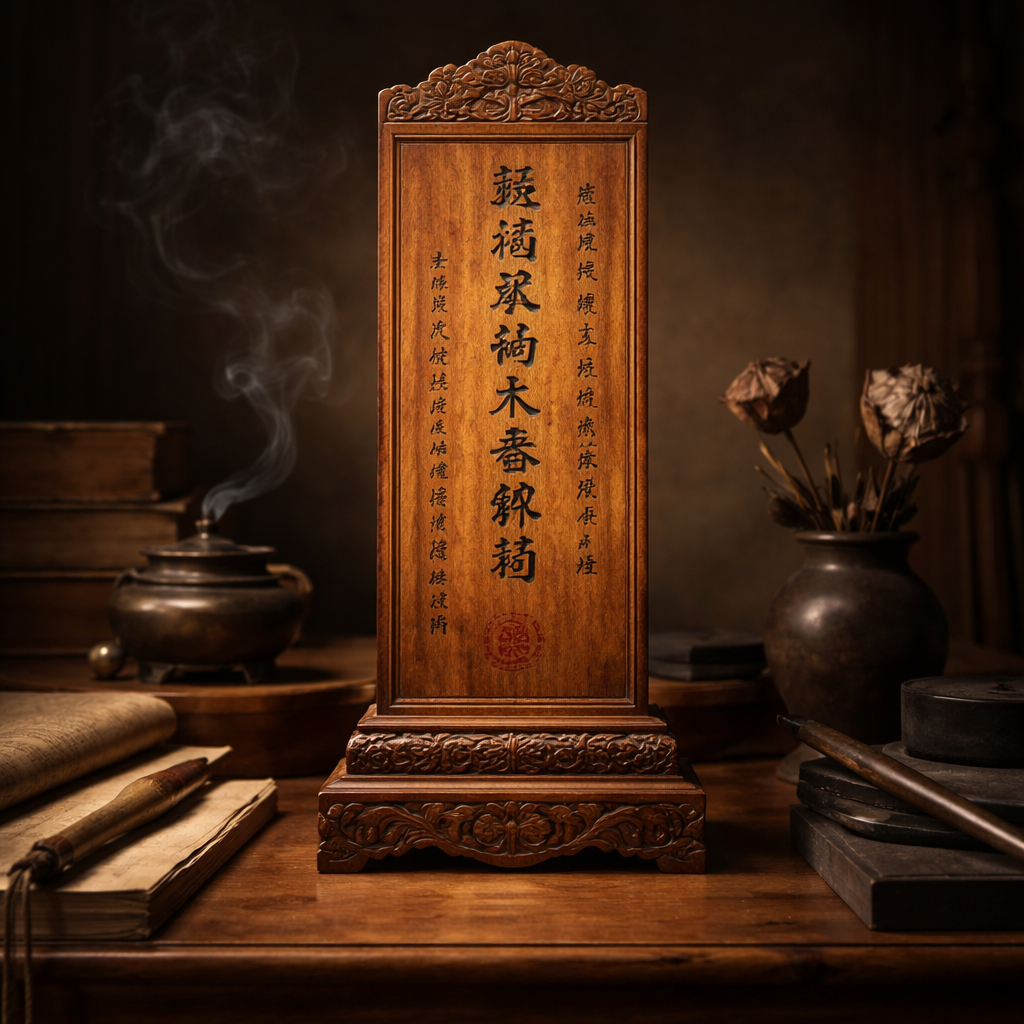
- Objects: Spirit tablets, ritual vessels, classical texts.
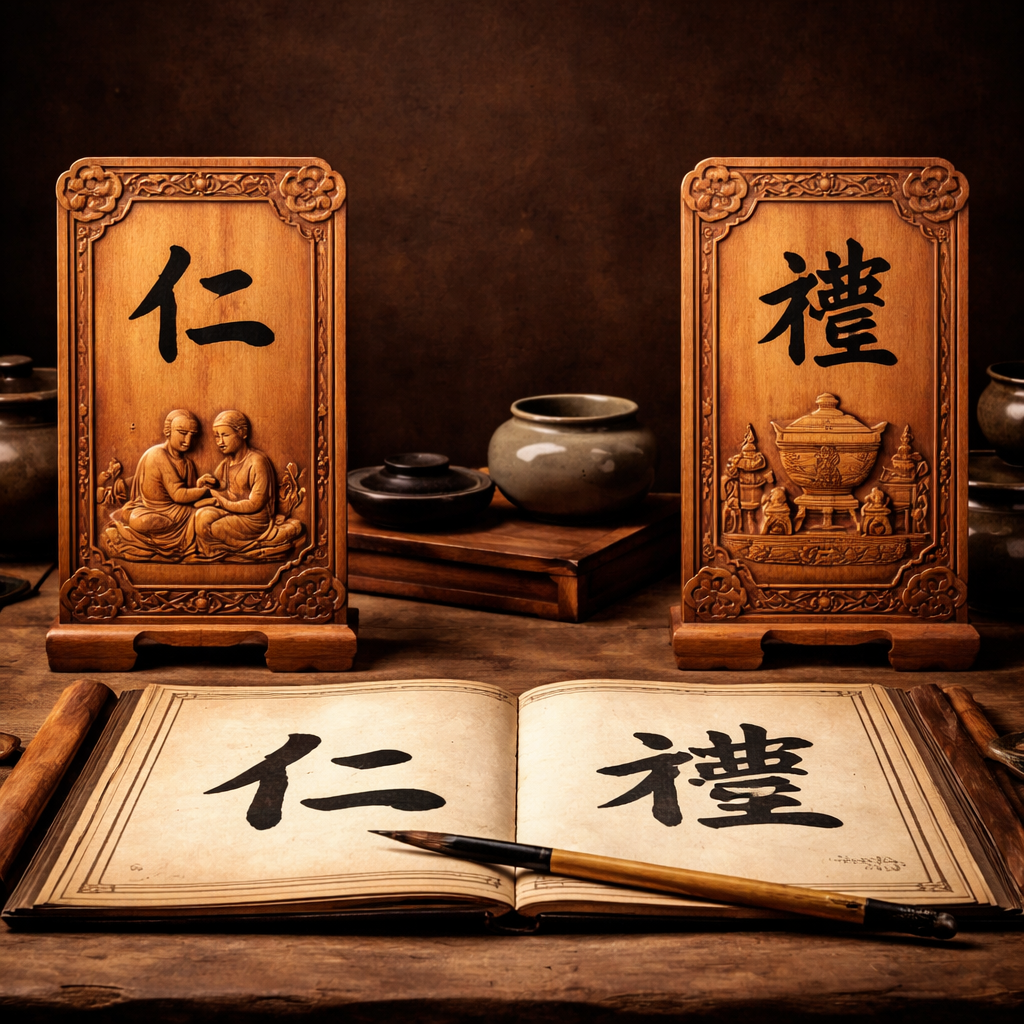
- Symbols: Calligraphy, tablets with Confucian maxims.
Confucianism approaches sacred space as a moral and civic technology, inseparable from governance, education, and family structure. Space, objects, and architecture derive significance from their role in sustaining ritual correctness (li), transmitting historical memory, and reinforcing ethical hierarchy, rather than from divine indwelling or metaphysical power. Sacred continuity is preserved through text, rite, lineage, and institutional practice, allowing buildings and material forms to change without doctrinal rupture. Art and symbolism privilege exemplarity and inscription over representation, while movement through space—whether domestic, civic, or commemorative—serves the cultivation of proper conduct rather than spiritual transformation. Taken together, Confucian sacred space functions as an ordering framework for society itself, where material culture supports moral formation and political legitimacy rather than mediating access to the transcendent.
8. Religious Specialists & Institutions
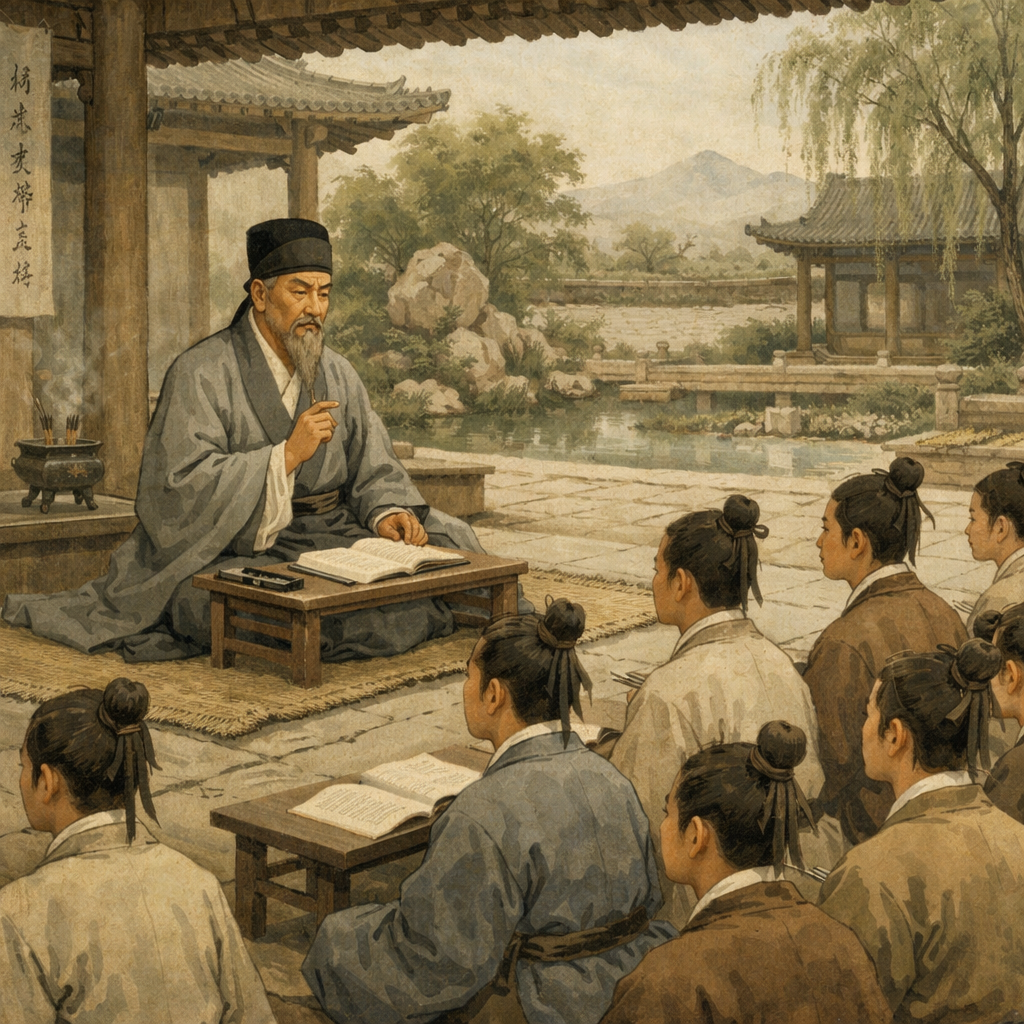


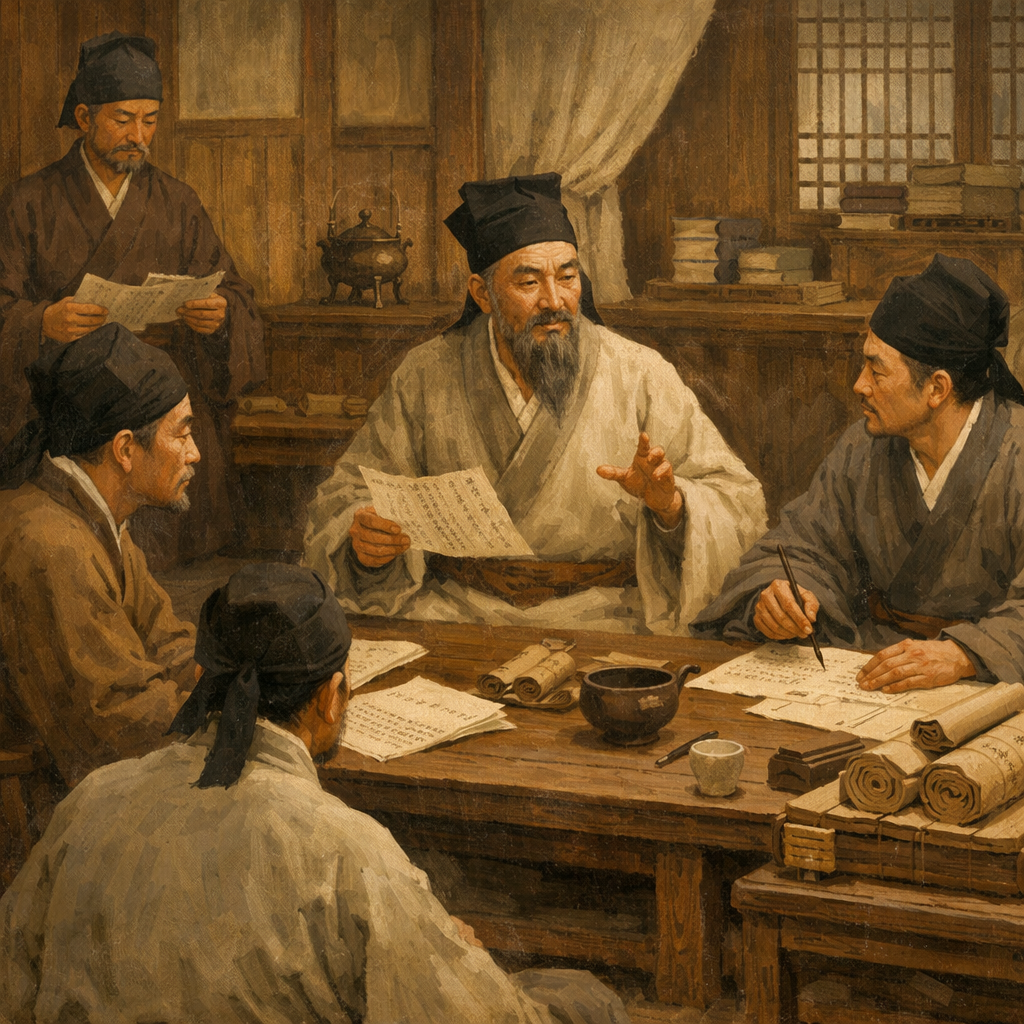
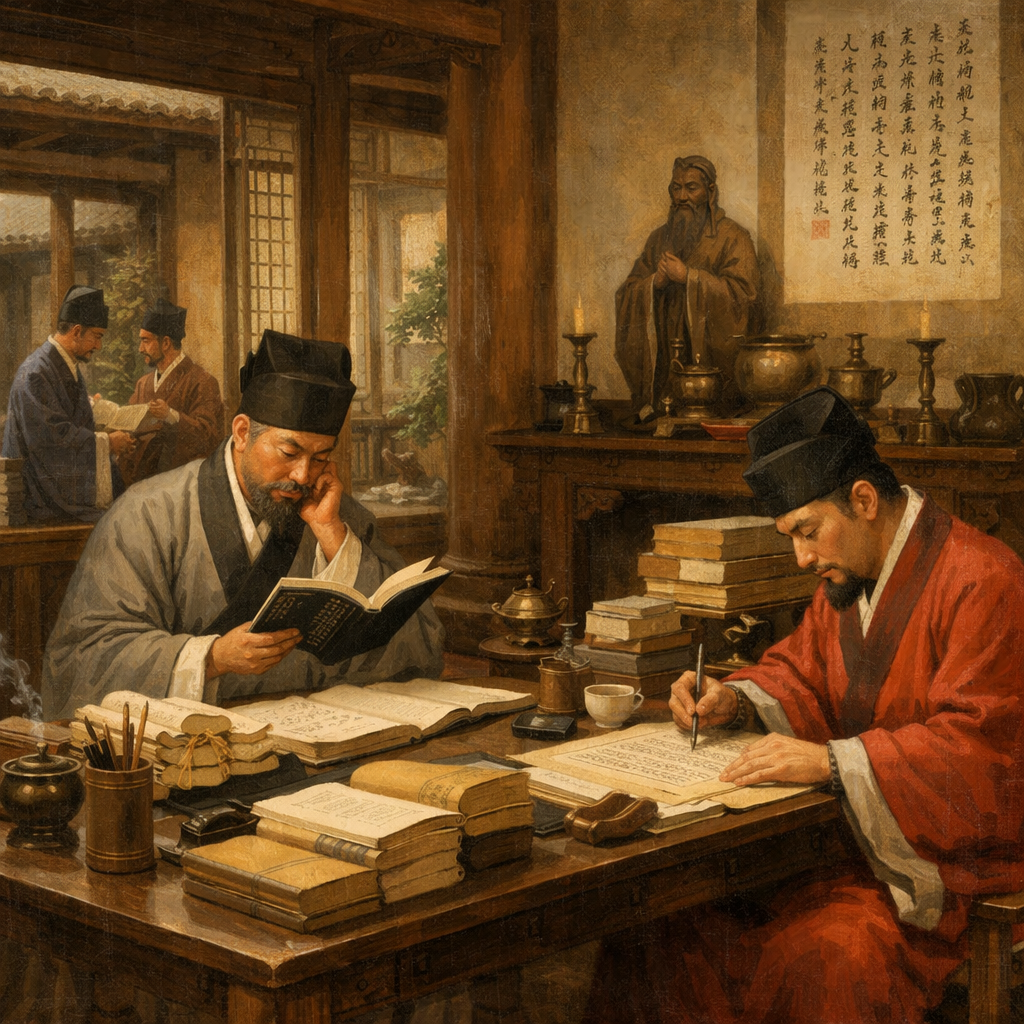
- Scholars (ru): Carriers of tradition; not priests but ritual teachers.
- Imperial officials: Performed rites as part of state function.
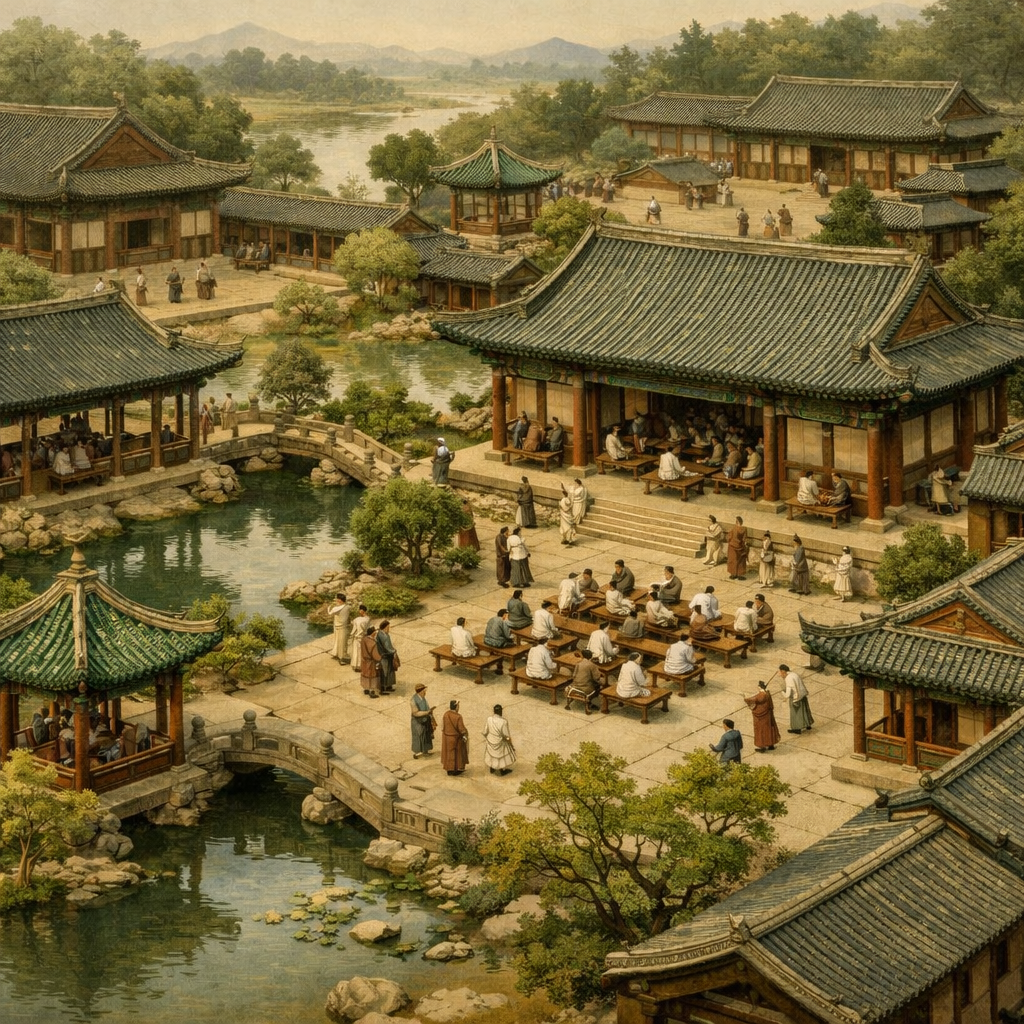
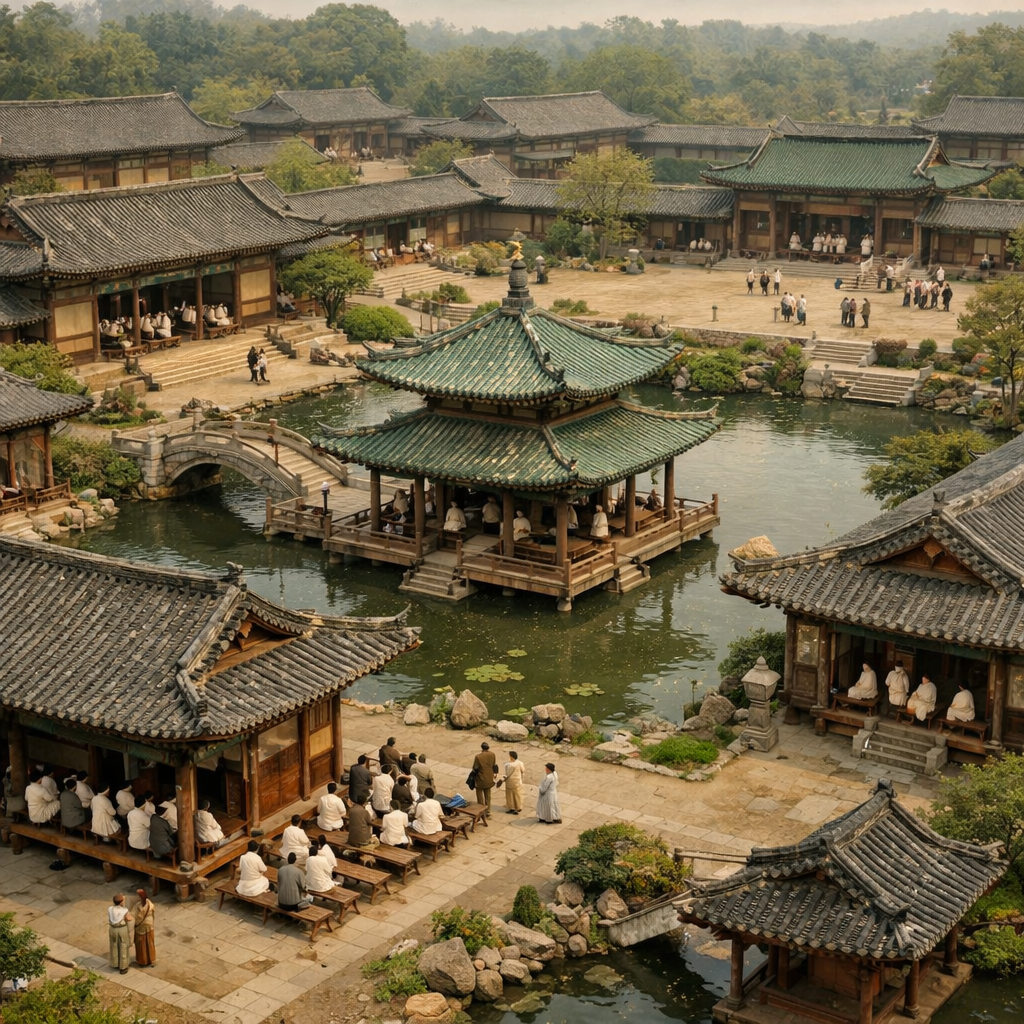
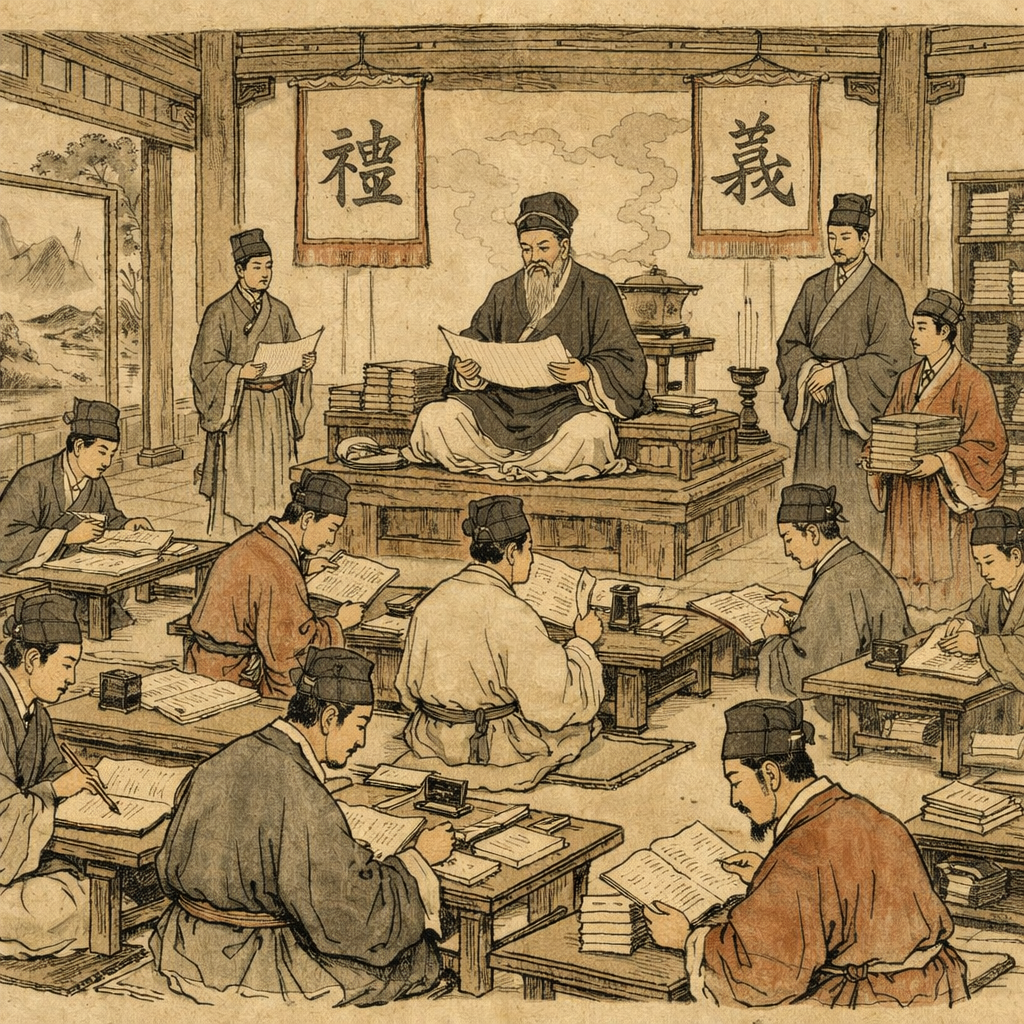
- Confucian academies: Educated candidates for civil service exams.
Confucianism sustains religious life through a civil-ethical framework in which ritual, education, and governance are inseparable. Authority is distributed across officials, scholars, and household heads, each acting within defined social roles rather than through clerical identity. Transmission occurs through classical education and state institutions that simultaneously cultivate moral character and political legitimacy. There is no clergy–laity divide, no monastic alternative, and no prophetic authority; instead, ethical cultivation within society is the sole path to excellence. Institutional continuity and reform operate through adjustments to education, administration, and moral standards, preserving order by reinforcing roles rather than redefining belief.
9. Social Function & Law
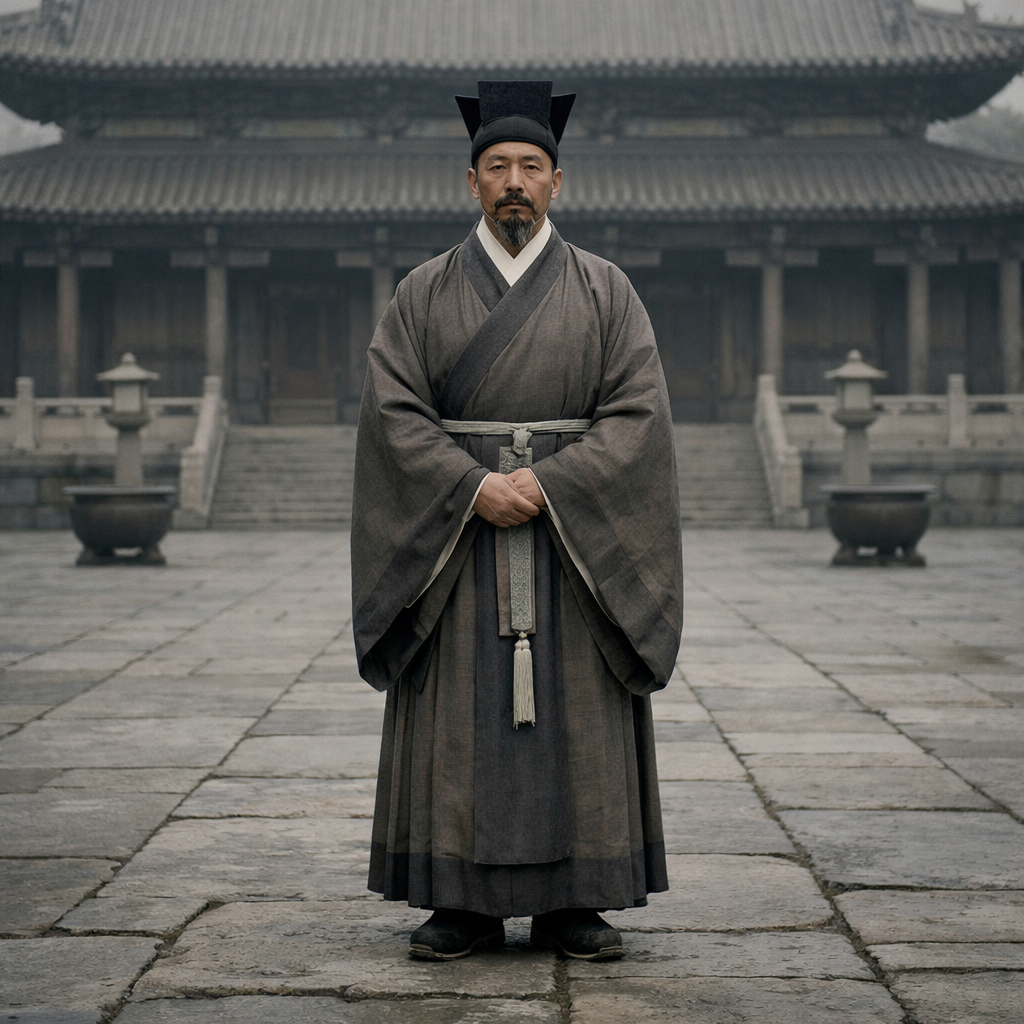
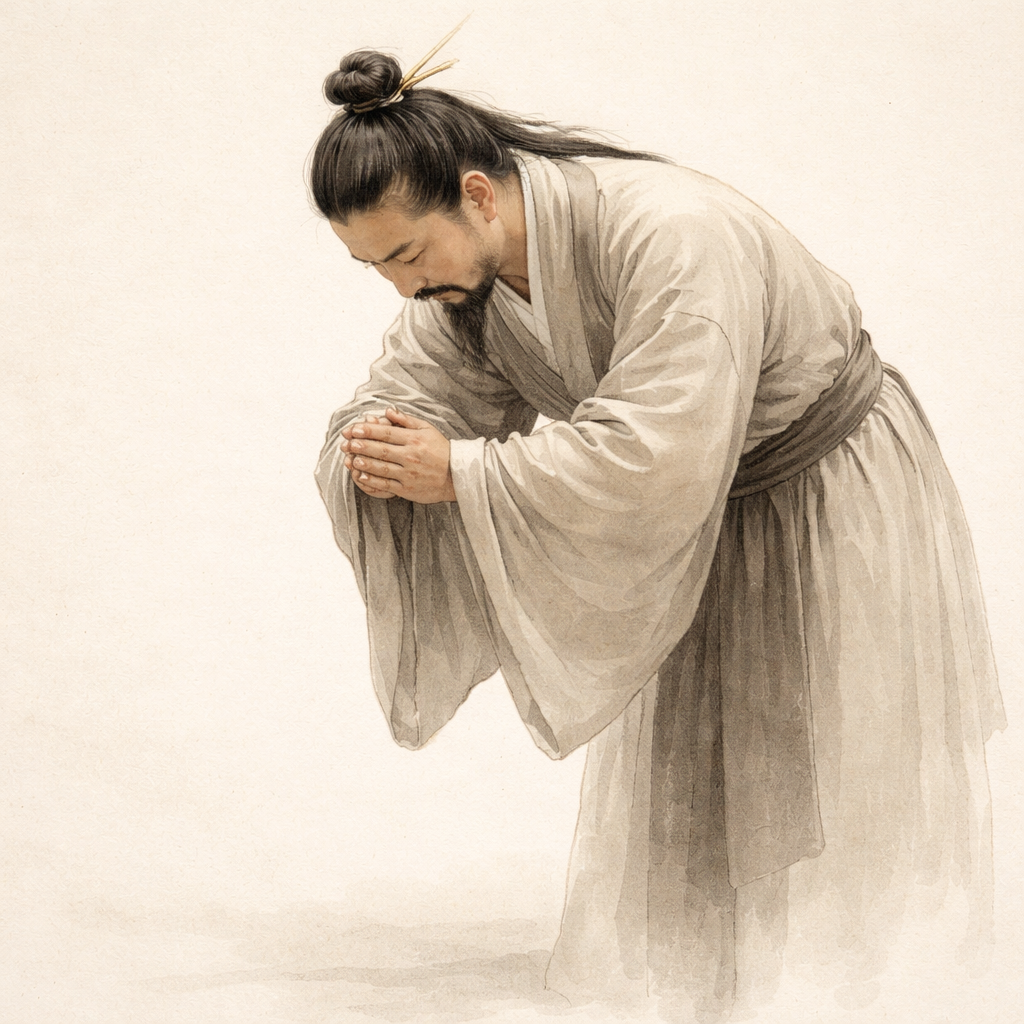
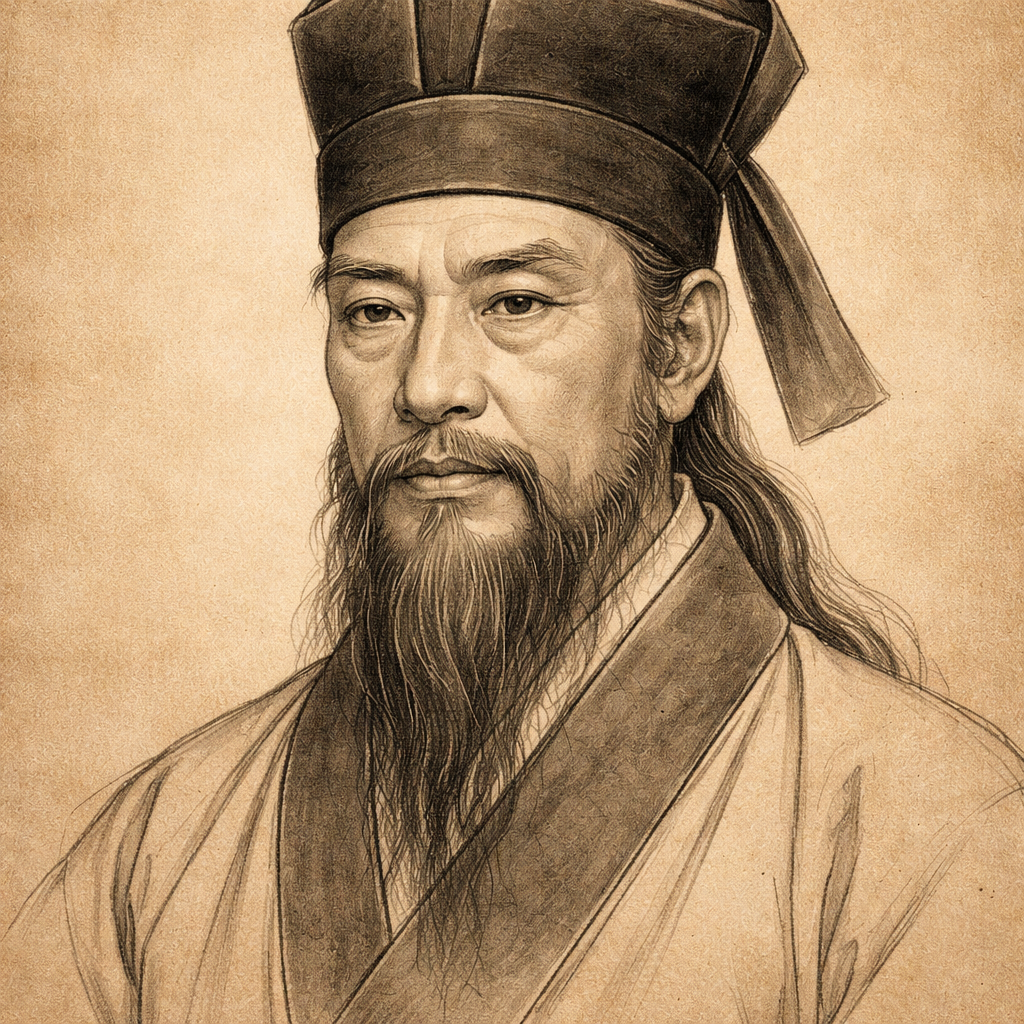
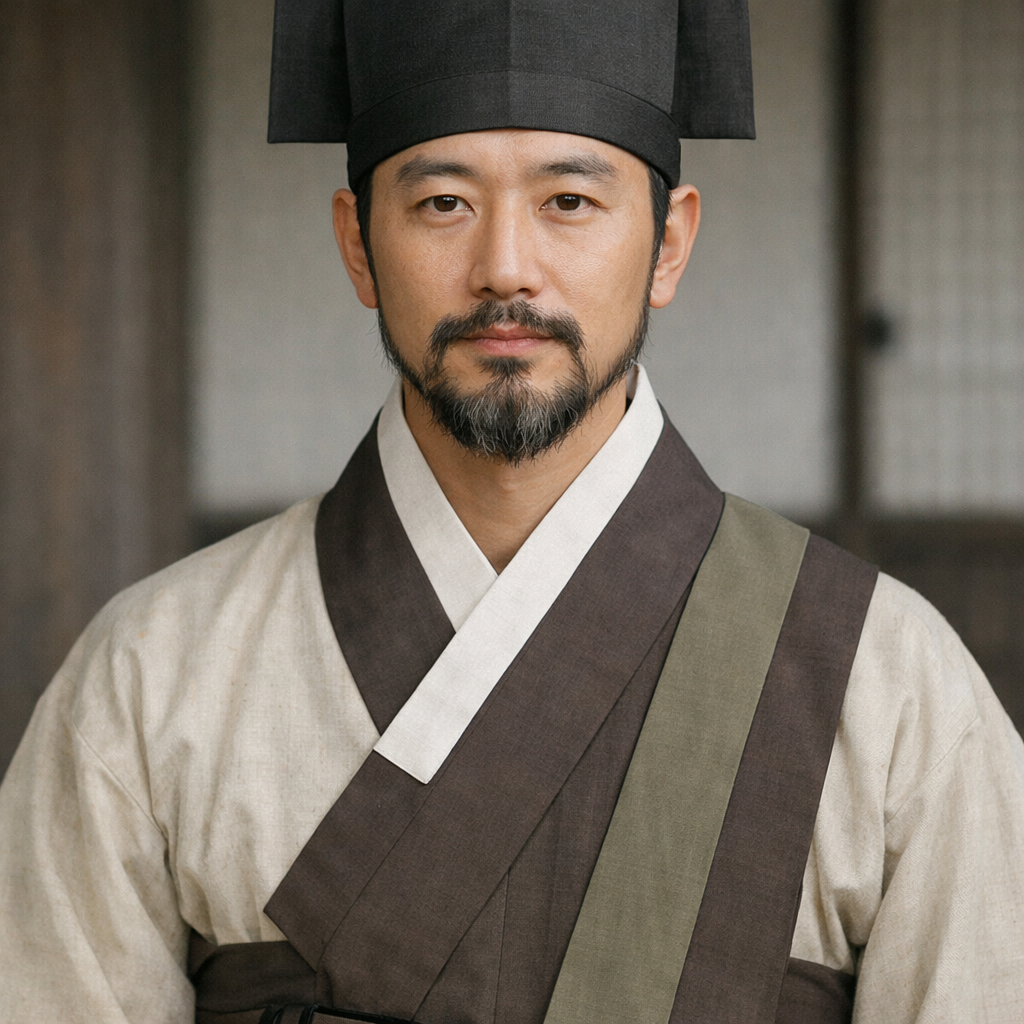
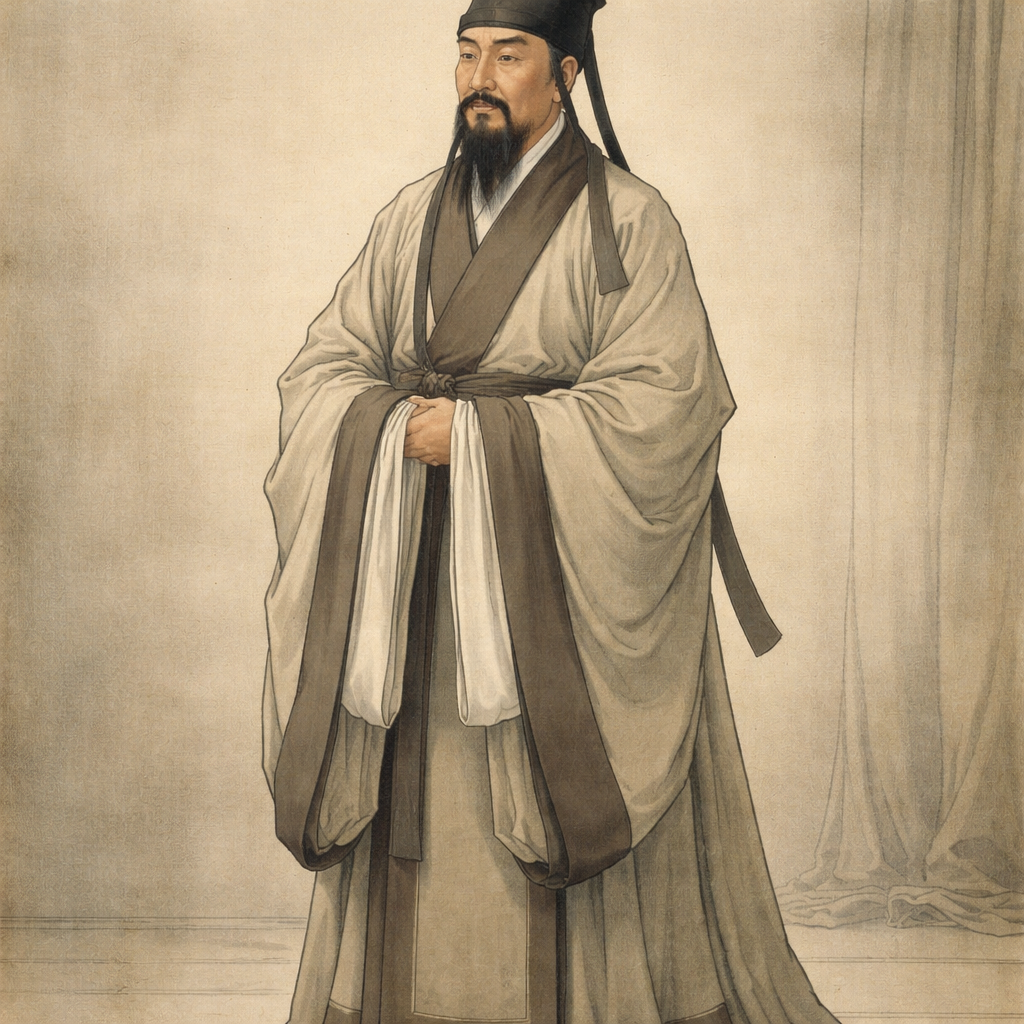
- Core of Chinese bureaucracy; legitimized emperors through Mandate of Heaven.
- Ethical code: filial piety (xiao), benevolence (ren), propriety (li), righteousness (yi), loyalty (zhong).
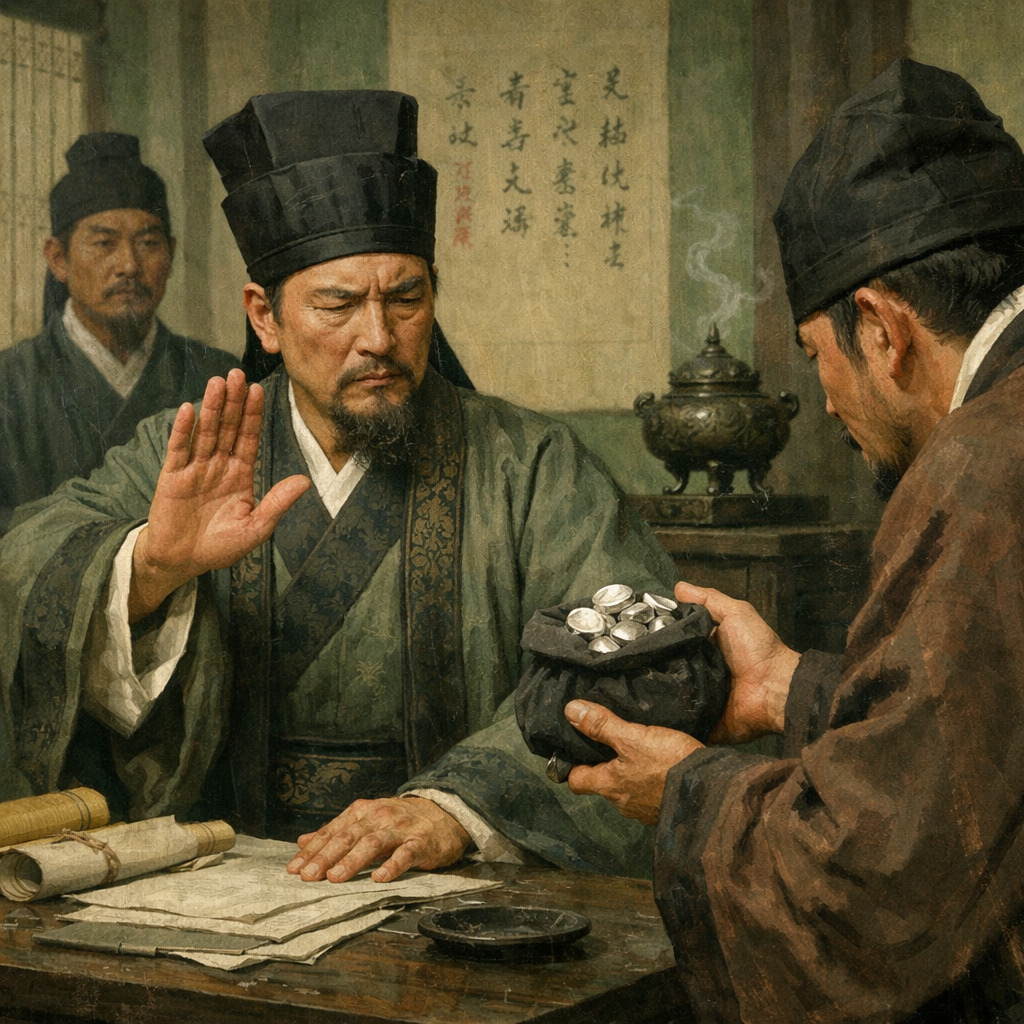
- Law infused with morality: governance through virtue rather than coercion.
Confucianism regulates society through ethical cultivation and ritual propriety, treating law as secondary to moral formation and political authority as conditional on virtue. Social order is structured through reciprocal roles, family-centered hierarchy, education, and shared ritual practice, with punishment viewed as a sign of moral failure rather than a governing ideal. Cohesion, welfare, and governance are sustained by internalized responsibility rather than coercion, allowing Confucianism to function as a civilizational moral system rather than a juridical or confessional religion.
10. Death & Afterlife
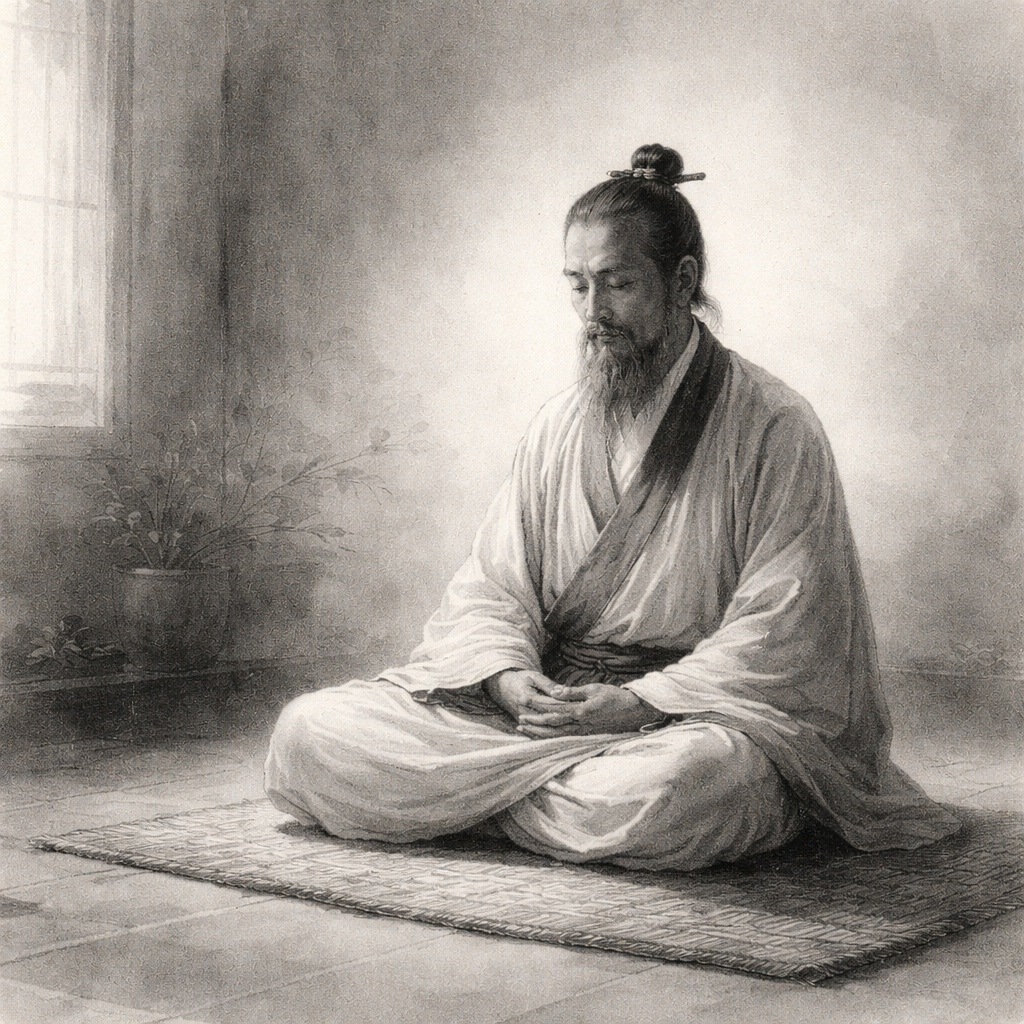
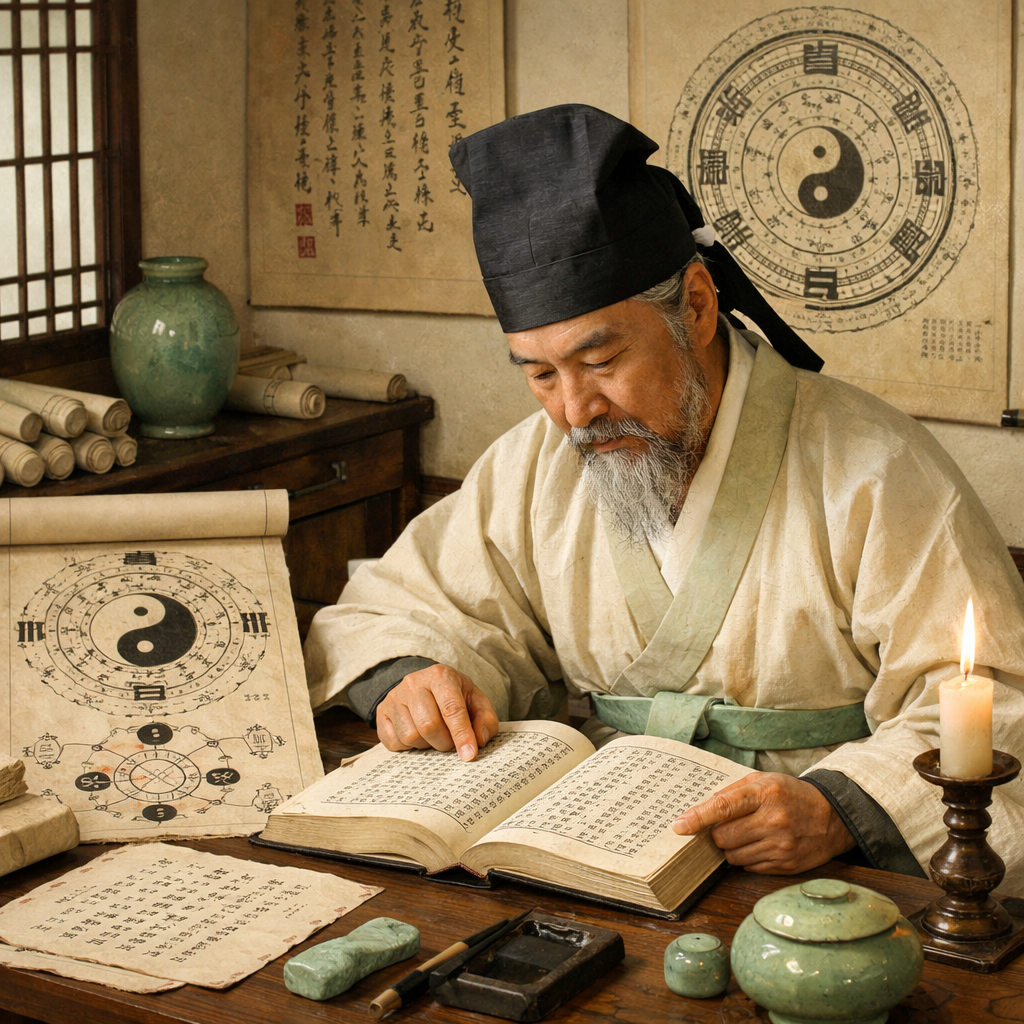
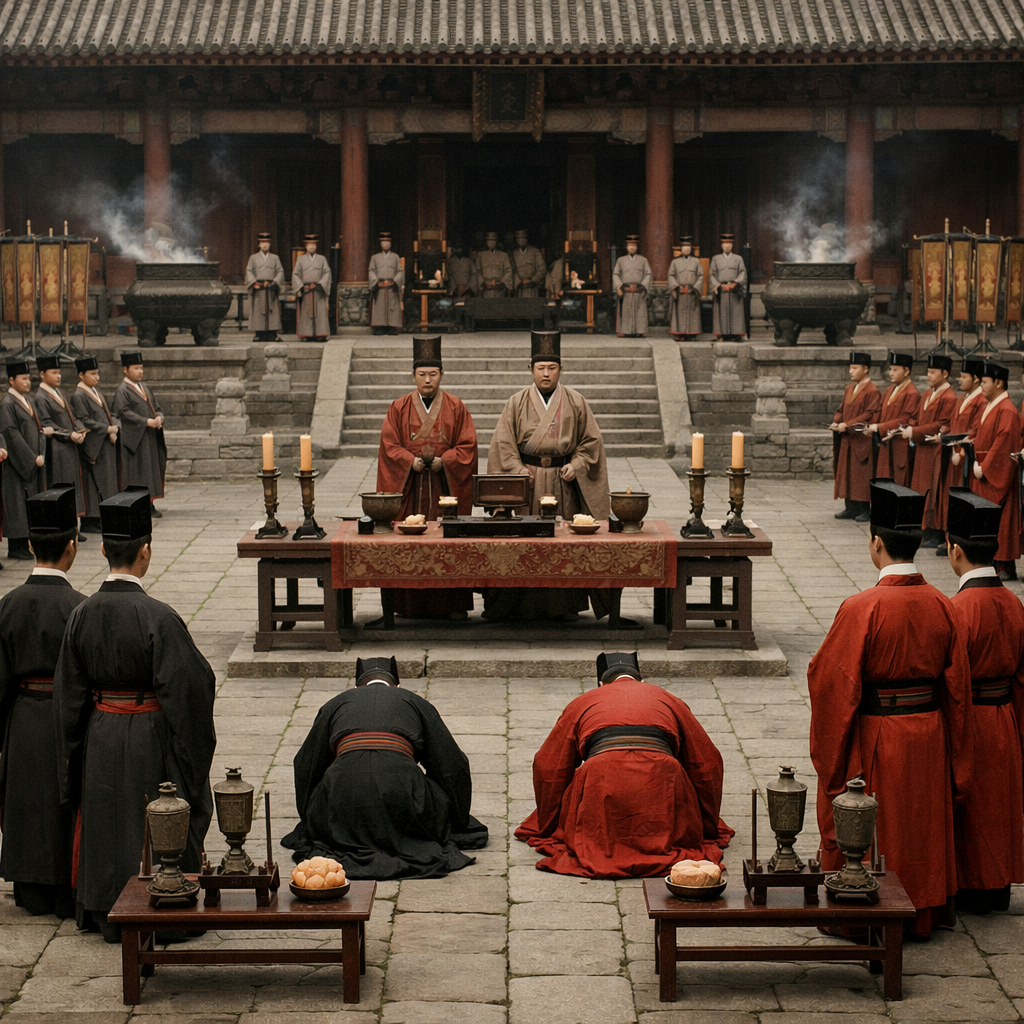
- No detailed metaphysics; focus on honoring ancestors rather than speculation.
- Afterlife conceived as continuation of familial duty and remembrance.
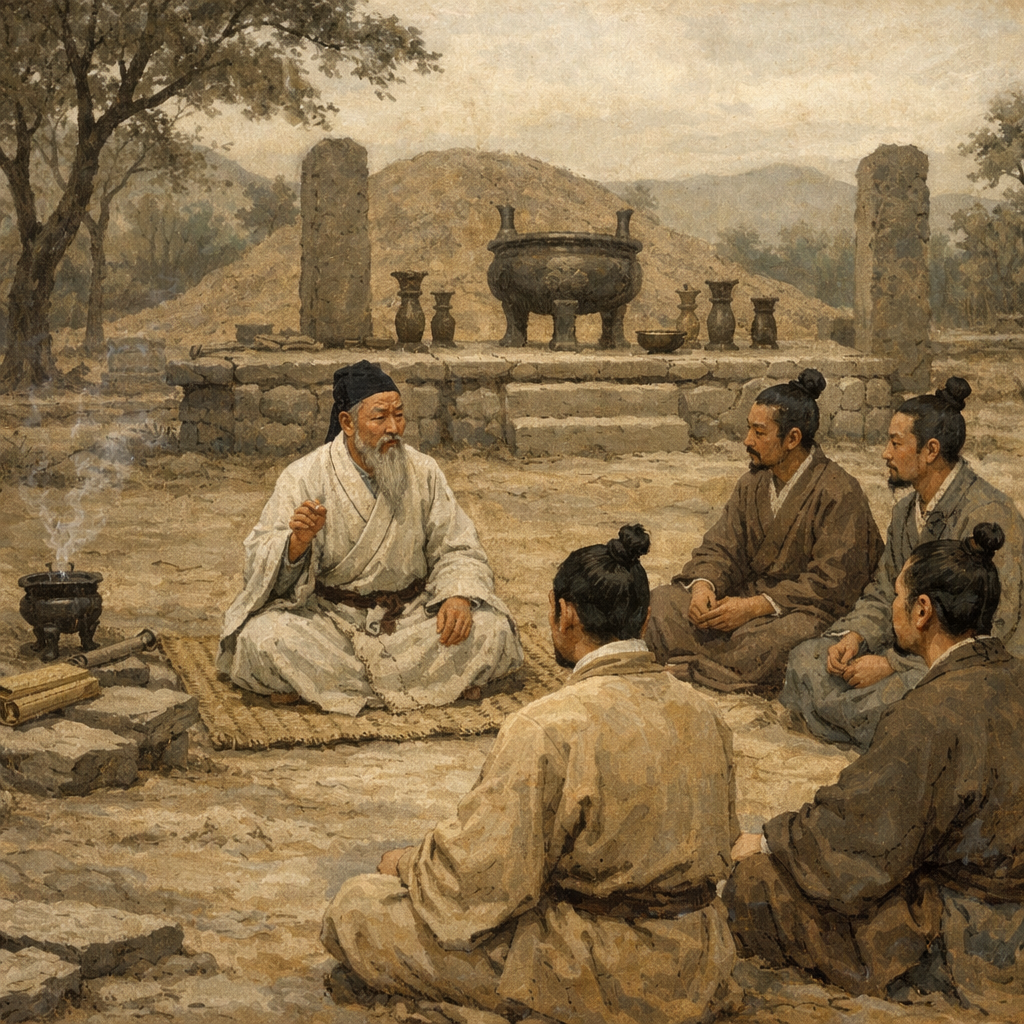
- Ancestor worship central; rituals maintain bonds across generations.
Within Confucianism, death is treated not as a theological problem to be solved but as a social and ethical fact to be properly managed. The tradition consistently minimizes metaphysical claims about the soul, afterlife destinations, or cosmic judgment, redirecting attention toward conduct within life and the maintenance of order across generations. Moral accountability operates through human institutions—family, ritual, education, and governance—rather than supernatural enforcement. Ancestor veneration and funerary rites are central, yet their function is ethical and relational, cultivating continuity, discipline, and communal stability rather than mediating salvation or fear of punishment. By suspending speculation about what lies beyond death, Confucianism anchors meaning firmly in lived relationships and historical continuity, using death rituals as instruments for reinforcing virtue, hierarchy, and social cohesion rather than articulating an afterlife cosmology.
11. Symbolism & Cultural Expression
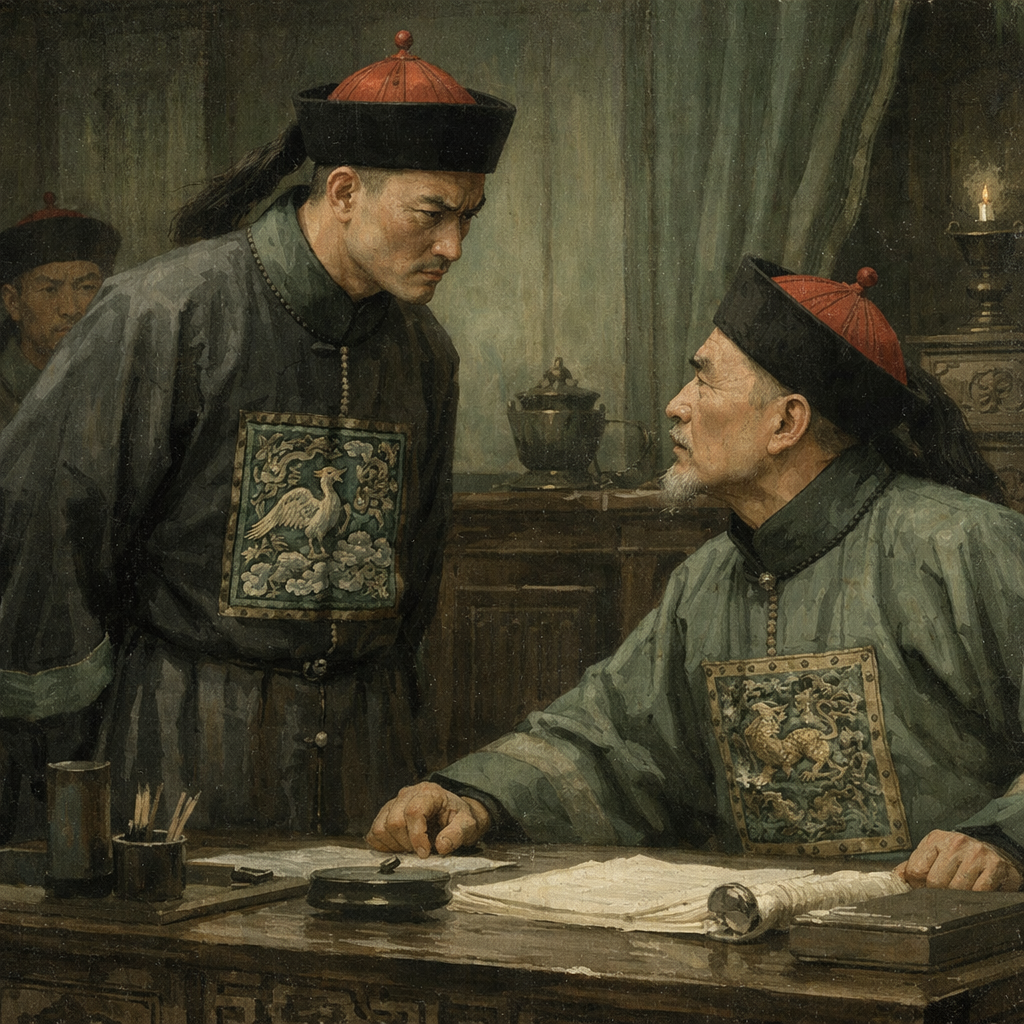
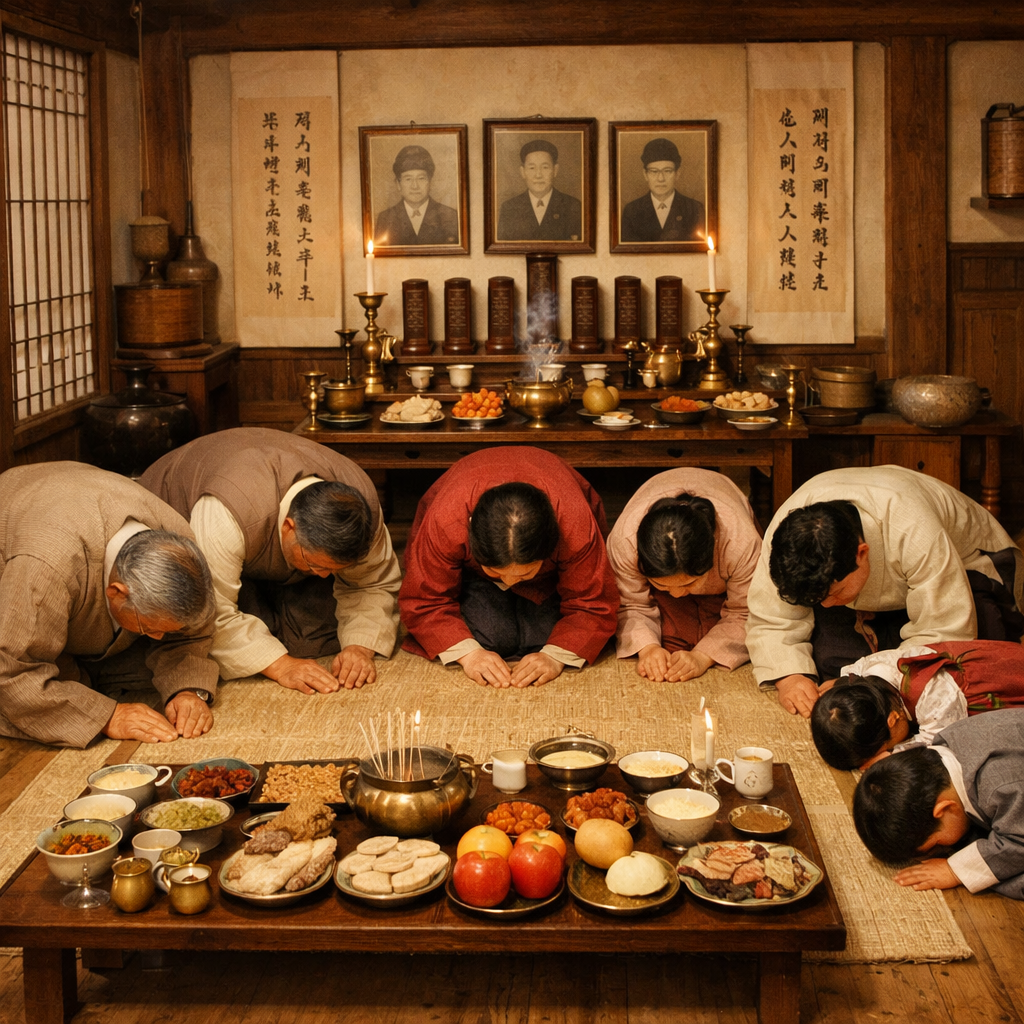
- Symbols: Calligraphy of Confucius’ sayings; tablets of ancestors; temple imagery.
- Numbers: Five constants (virtues), Five relationships.
- Cultural forms: Poetry, ritual music, ceremonial dance.
- Philosophy: Confucian values embedded in education, politics, family ethics.
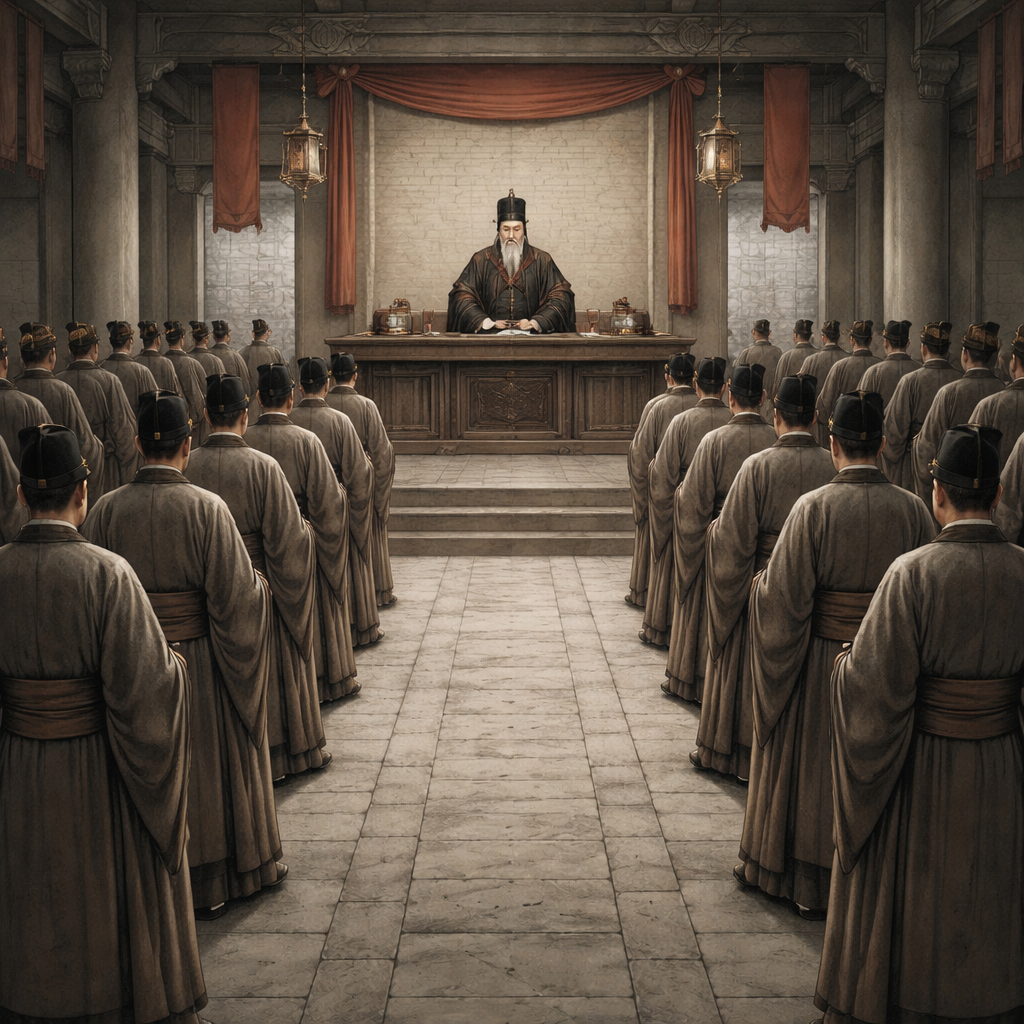
Within the symbolic landscape of Eastern religions, Confucianism represents a mode in which symbolism is directed almost entirely toward ethical formation and social regulation. Unlike traditions that use symbols to orient practitioners toward cosmic process, liberation, or metaphysical unity, Confucian symbolism is anchored in the cultivation of proper relationships, roles, and conduct within this world. Symbols here do not mediate divine presence or encode cosmology; they function as tools for moral instruction, political legitimacy, and intergenerational continuity.
This section shows how Confucianism deploys symbolism through ritualized behavior, disciplined language, regulated sound, ordered space, and visible hierarchy, creating a semiotic system where meaning is enacted rather than declared. Authority remains conditional, exemplars replace icons, and performance replaces narrative. Confucianism thus occupies a distinctive position among Eastern traditions: a symbolic system optimized not for transcendence or withdrawal, but for the maintenance and refinement of social order through moral action.
12. Contact & Transformation
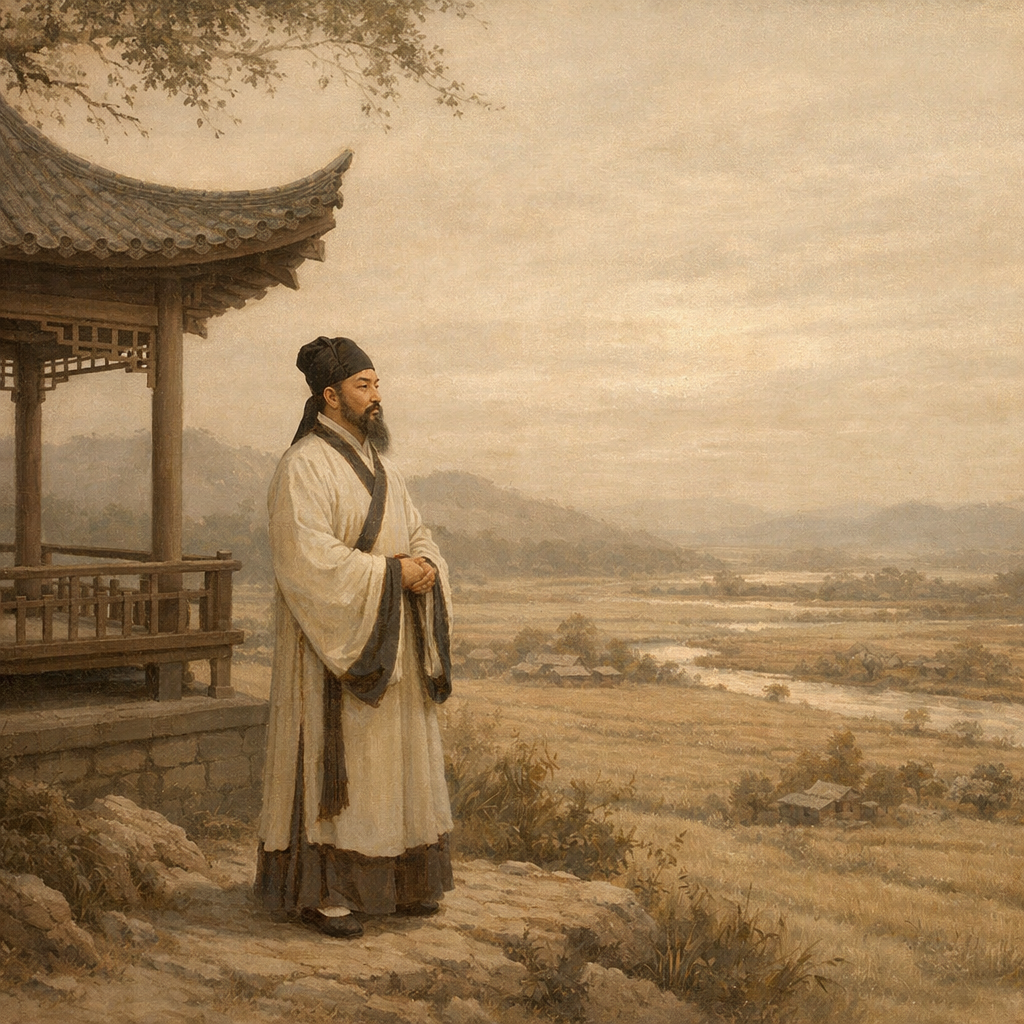
- Interaction with Daoism and Buddhism → syncretism in East Asia.
- Neo-Confucianism (Song dynasty): Integrated metaphysics from Daoism and Buddhism.
- Spread to Korea, Japan, Vietnam through state adoption.
- Suppressed during 20th-century revolutions in China, partially revived in recent decades as cultural heritage and moral framework.
Confucianism’s historical persistence is inseparable from sustained contact with other traditions and with state power. Rather than functioning as a bounded or missionary religion, it operates as the organizing grammar of social order, shaping ethics, governance, education, and ritual life within a shared civilizational field. Syncretism takes the form of complementarity, with Confucianism absorbing cosmological language and responding to external philosophical competition while preserving identity through canon, curriculum, and social role-definition rather than worship or belief enforcement.
Across imperial, modern, and global contexts, Confucianism is repeatedly reclassified—state orthodoxy, feudal relic, cultural heritage, moral philosophy—without disappearing. Suppression targets its institutional dominance, not its social functions, allowing it to endure through family practice, educational values, and informal ritual continuity. In diaspora and global discourse, Confucianism travels primarily as ethics and civic philosophy rather than ritual religion. Its survival pattern is not revival through return, but persistence through embeddedness: the ability to lose institutional form while remaining structurally present in social life.