1. Identity & Scope
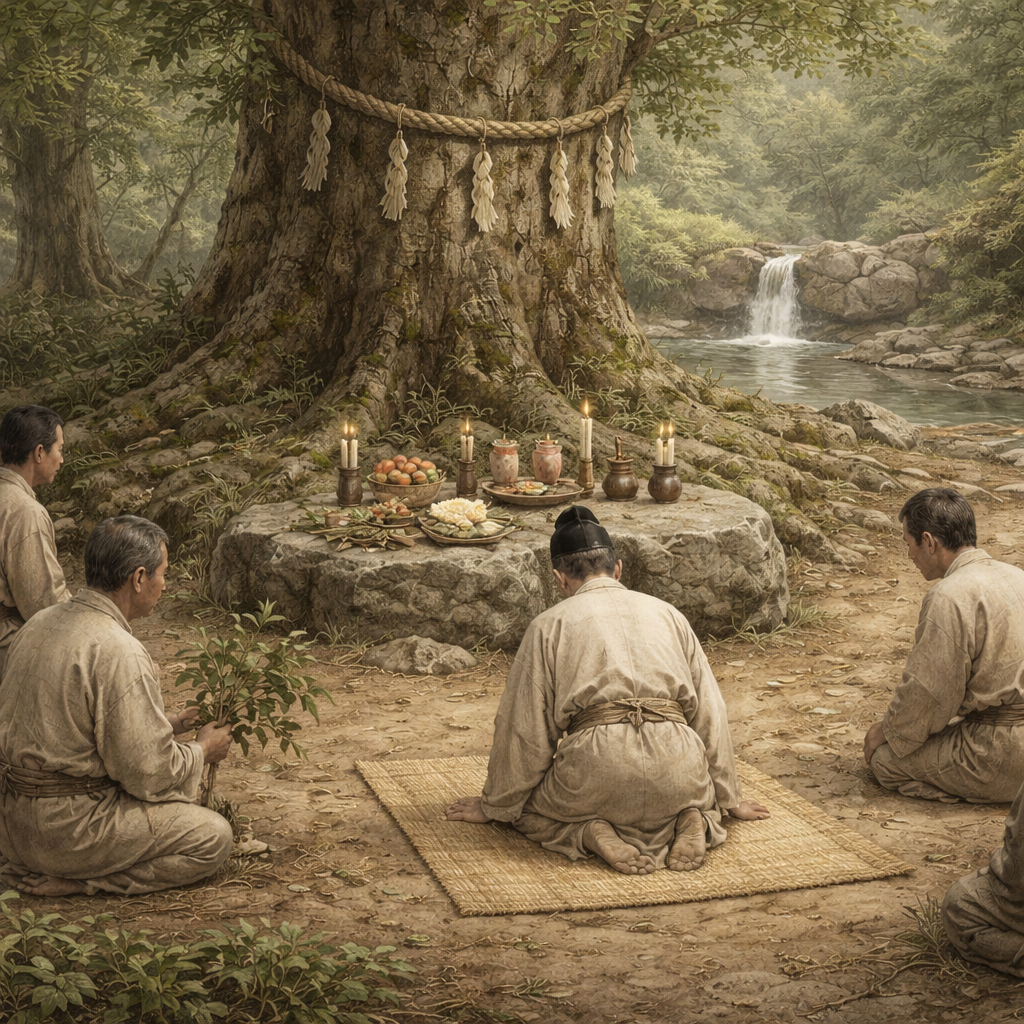
- Names: Shinto (神道, “Way of the Kami”).
- Scope: Indigenous spirituality of Japan; no single founder or scripture.
- Nature: Polytheistic and animistic, centered on kami (spirits/deities) tied to natural forces, ancestors, and cultural heroes.
This section applies a single, consistent analytical framework to the major Eastern religious traditions, treating each on its own terms while holding the structure of analysis constant. Rather than assuming belief-centered or creed-based models, the approach foregrounds how identity is actually maintained across civilizations: through ritual practice, ethical discipline, cosmology, institutional continuity, and lived participation. Each tradition is examined as a historically grounded system with its own boundaries, modes of transmission, and anchors of coherence—whether ritual, soteriology, ethical order, or cosmological orientation. The goal is not synthesis or comparison by analogy, but clear delineation: what each tradition is, how it persists, and where its identity is truly located.
2. Historical Context

- Origins: Prehistoric animistic practices in Japan, formalized in the Yayoi/Kofun periods.
- Early texts: Kojiki (712), Nihon Shoki (720) codify myths, imperial genealogy.
- Classical period: Integrated with state ideology (Yamato court, Emperor as descendant of Amaterasu).
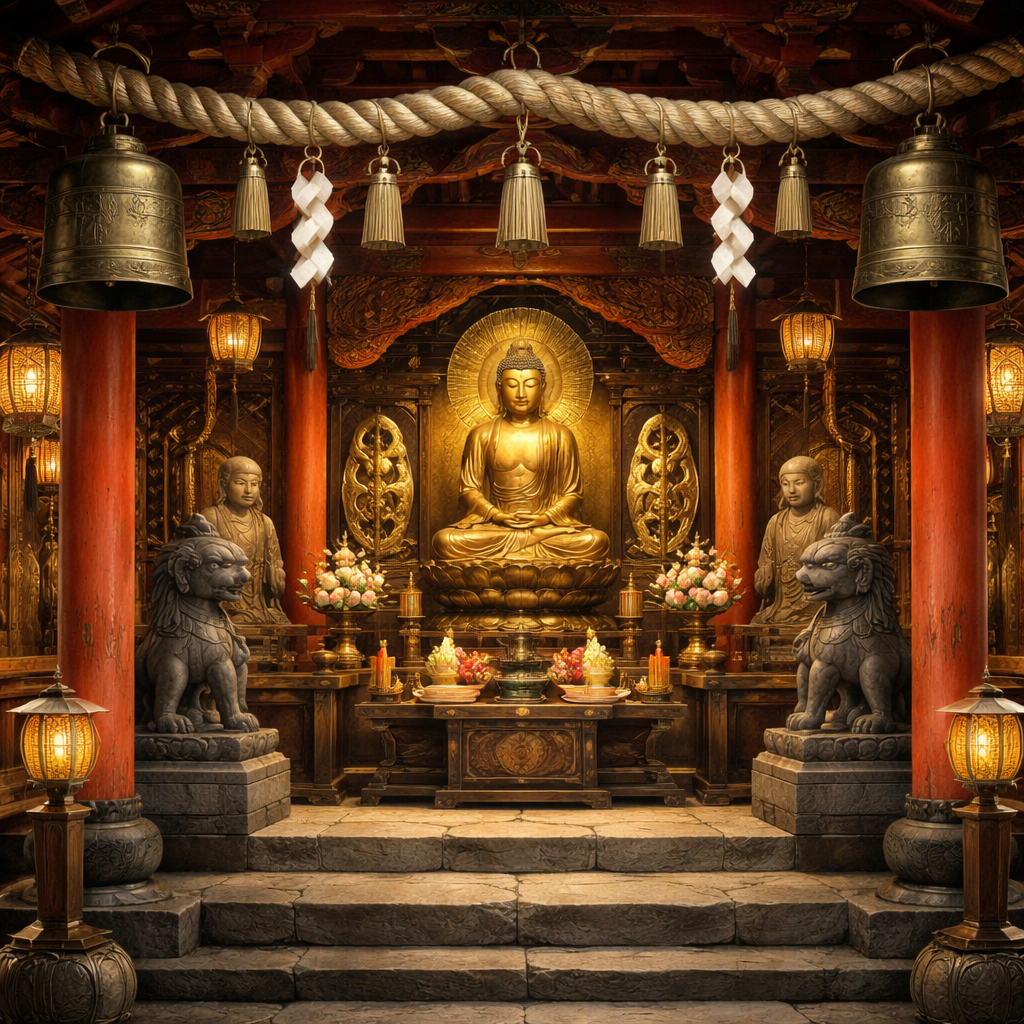
- Medieval: Syncretism with Buddhism (Shinbutsu-shūgō).
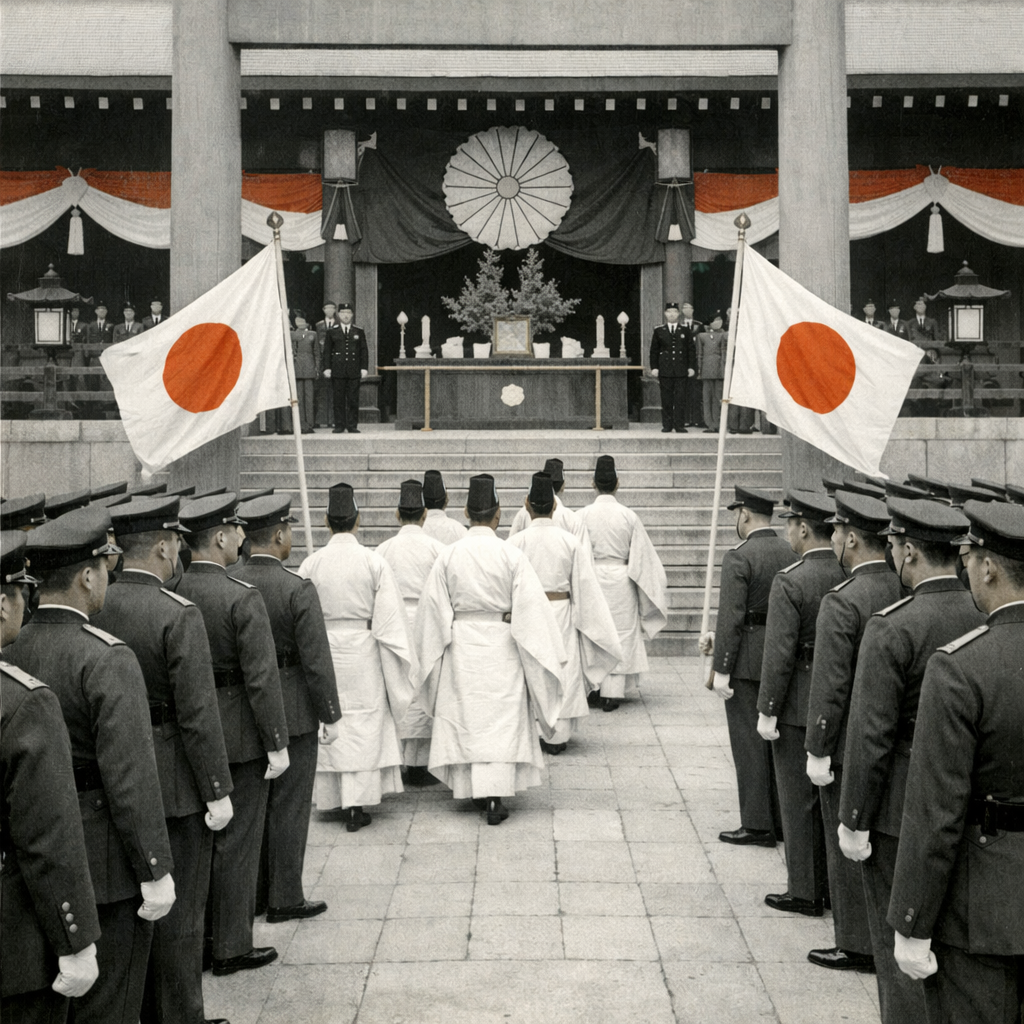
- Modern: State Shinto (Meiji 1868–1945) nationalized shrines, emperor worship.
- Post-1945: Disestablished as state religion; persists as cultural tradition.
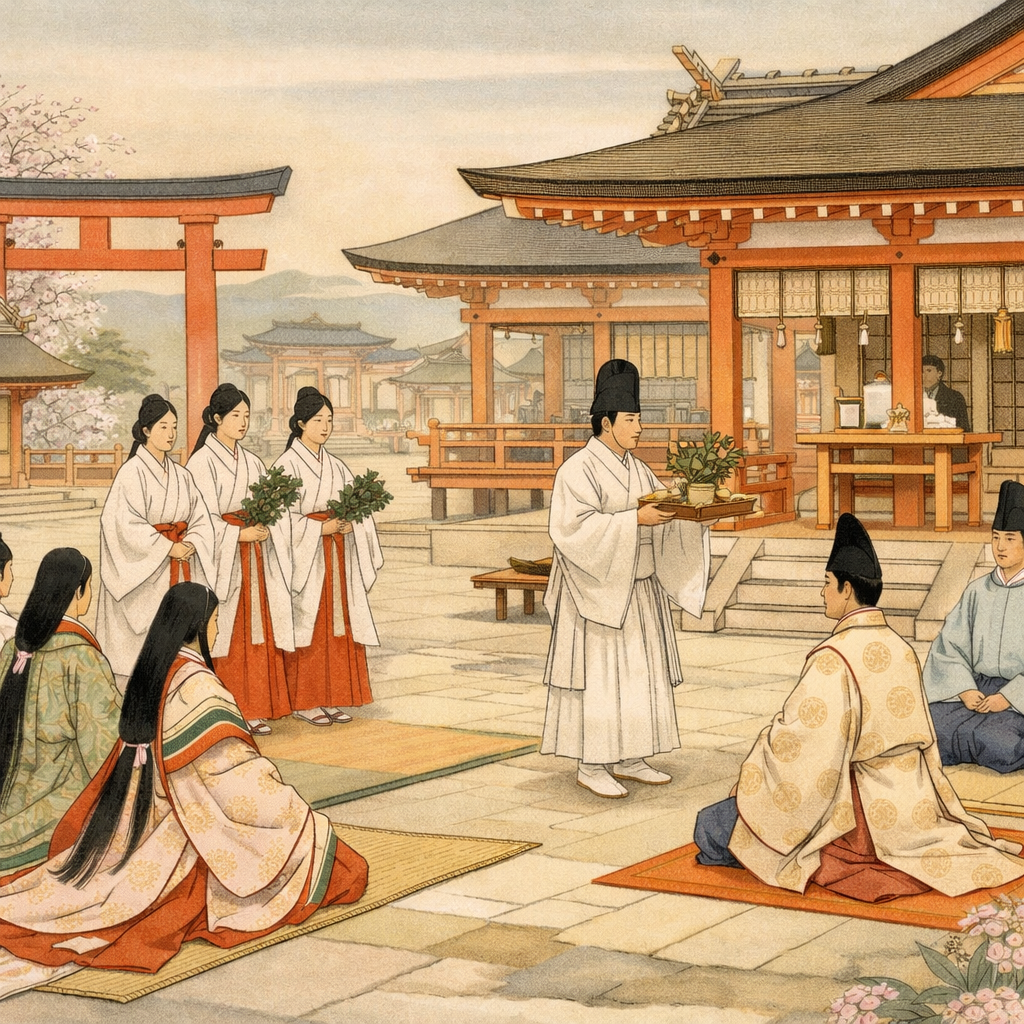
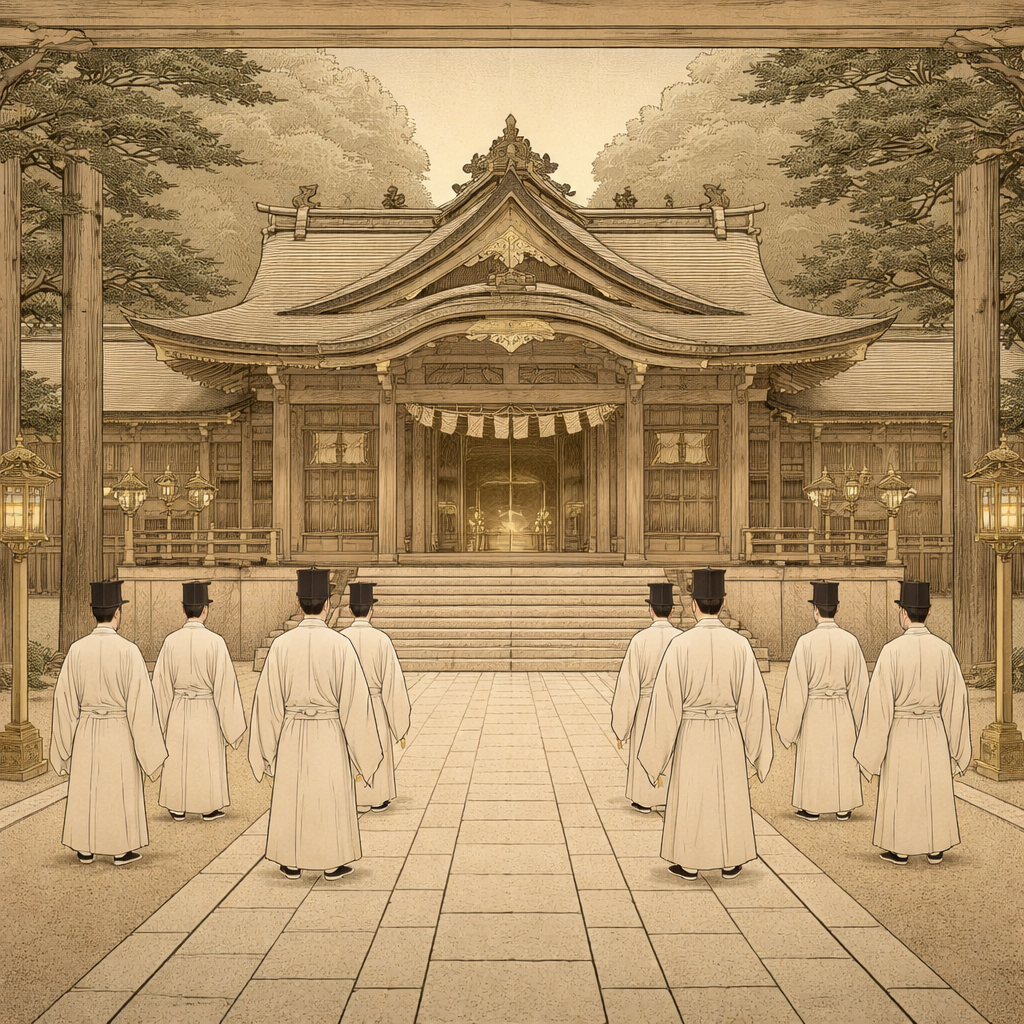
Shinto originates from prehistoric ritual practices tied to land, kinship, agriculture, and ancestral veneration in Japan, with no single founder or revelatory moment. Kami worship develops organically around natural phenomena, clan ancestors, and local powers. Although its roots extend back to the Jōmon and Yayoi periods, Shinto’s earliest textual consolidation occurs in the 8th century through the Kojiki and Nihon Shoki, compiled under imperial patronage to standardize myth and legitimate rulership.
During its formation, Shinto is shaped by court-sponsored ritual codification and remains closely intertwined with Buddhism and Confucian ethics through centuries of syncretic practice. It expands alongside Japanese political consolidation rather than through mission or conversion, functioning as a ritual infrastructure of the state without centralized priesthood or doctrine. Change occurs through reinterpretation and reconfiguration rather than schism, producing multiple strands such as Shrine Shinto, Imperial Shinto, and later Sect Shinto movements.
In the modern period, Shinto undergoes a decisive rupture with its transformation into State Shinto and its subsequent postwar disestablishment. Today it operates primarily as a decentralized civil ritual system, practiced largely in Japan, characterized by high ritual participation, place-based continuity, and ongoing tensions between cultural tradition, religious classification, and political symbolism.
3. Sources of Evidence
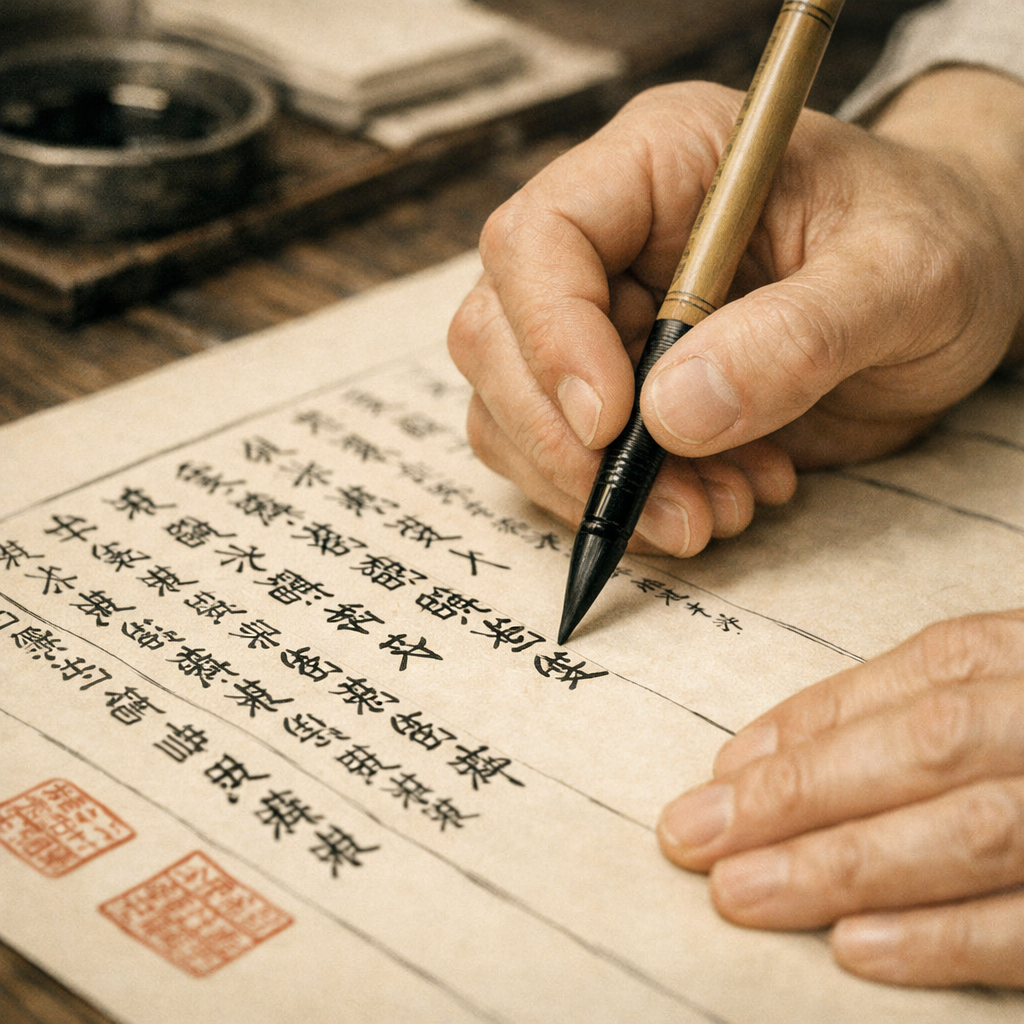
- Texts: Kojiki, Nihon Shoki, Engishiki (ritual code).
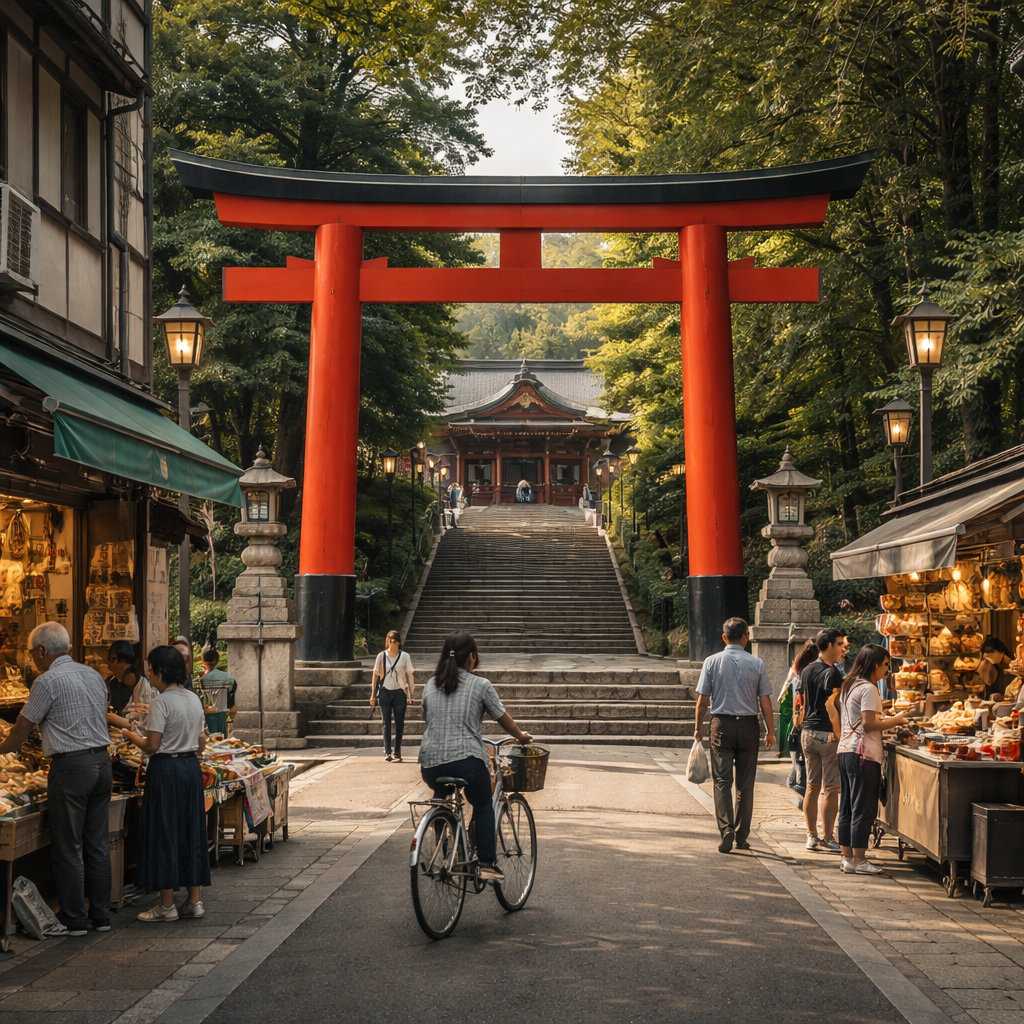
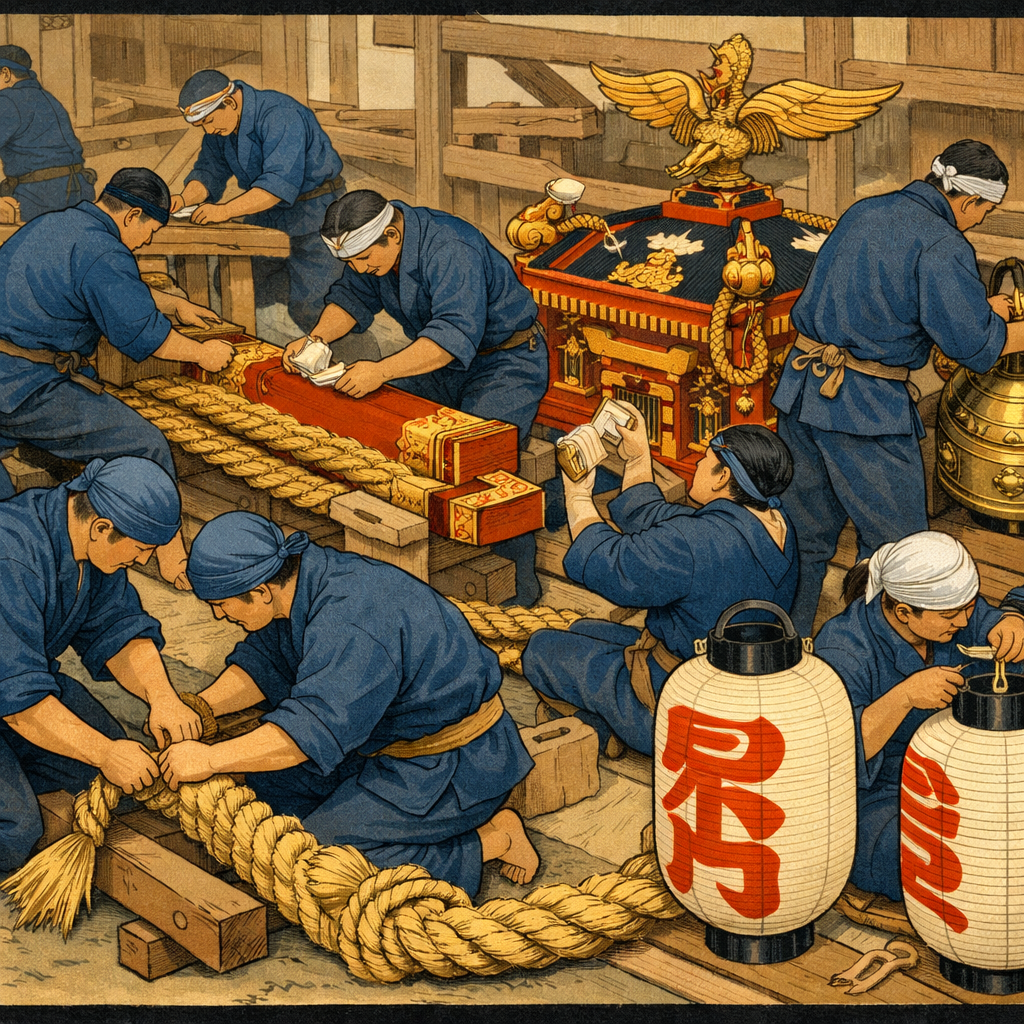
- Archaeology: Shrines, torii gates, sacred objects, ritual implements.
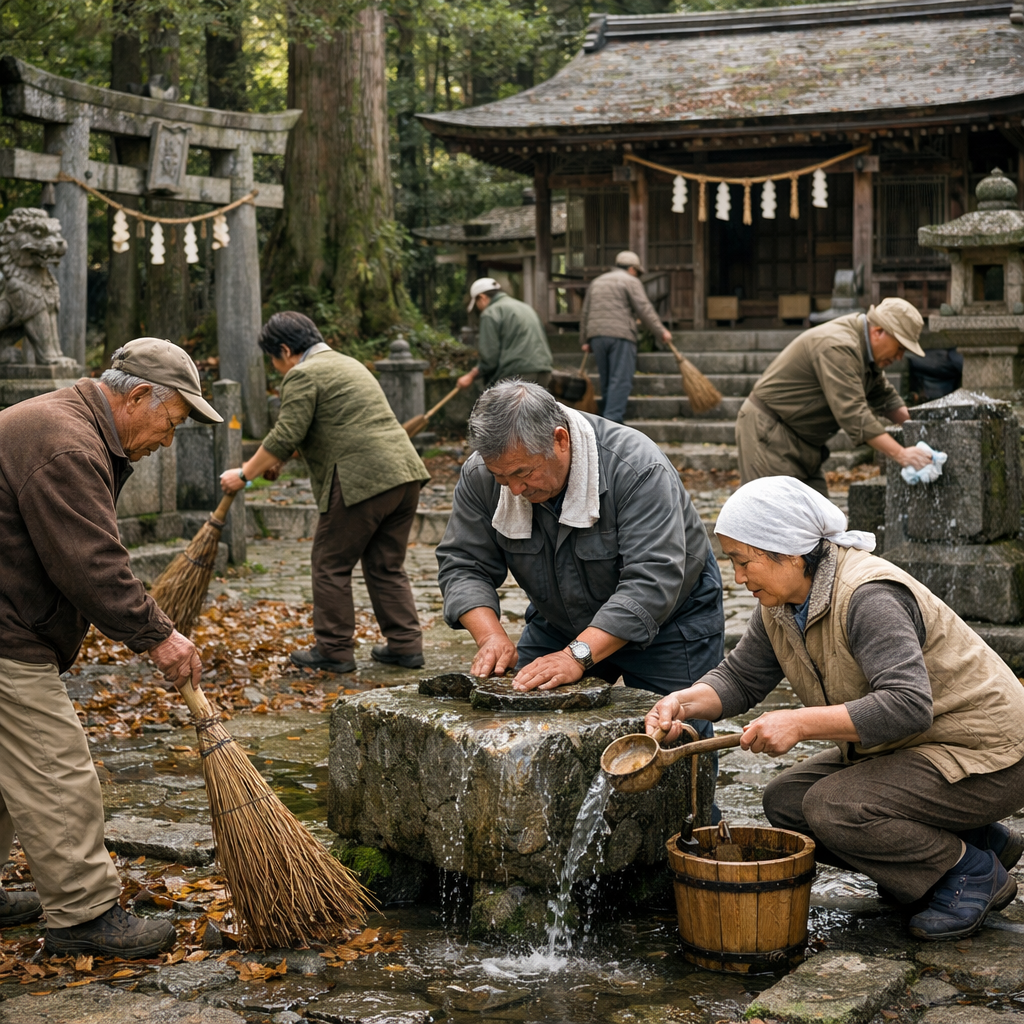
- Ritual continuity: Oral tradition, shrine practices, festivals.
Shinto is known through a fragmented, practice-anchored evidenti record rather than a single canonical or doctrinal archive. Its sources are distributed across court compilations, shrine liturgies, oral transmission, sacred landscapes, and state administration, with authority emerging from ritual continuity, institutional lineage, and political endorsement, not from universal scripture. The earliest textual strata (Kojiki, Nihon Shoki, Engishiki) are elite productions that intertwine myth, ritual procedure, and imperial legitimacy, while much of what constitutes Shinto in practice is preserved outside formal texts—through festivals, shrine routines, landscape sacralization, and locally transmitted narratives.
Material and archaeological evidence is substantial but uneven, privileging durable, court-connected shrines and patronage while underrepresenting everyday purity practices and ephemeral ritual life. Epigraphic and administrative records document shrine ranking, patronage, and state control more clearly than lived religion, especially in the modern period. Oral traditions and sacred geography carry significant evidenti weight but are highly vulnerable to local revision, syncretic overlay, and political restructuring, particularly during the Meiji separation of kami and buddhas. As a result, Shinto evidence must be dated, localized, and source-typed to avoid projecting a coherent, timeless system onto what is historically a shifting complex of ritual practices, institutions, and ideological frames.
4. Pantheon & Supernatural Beings
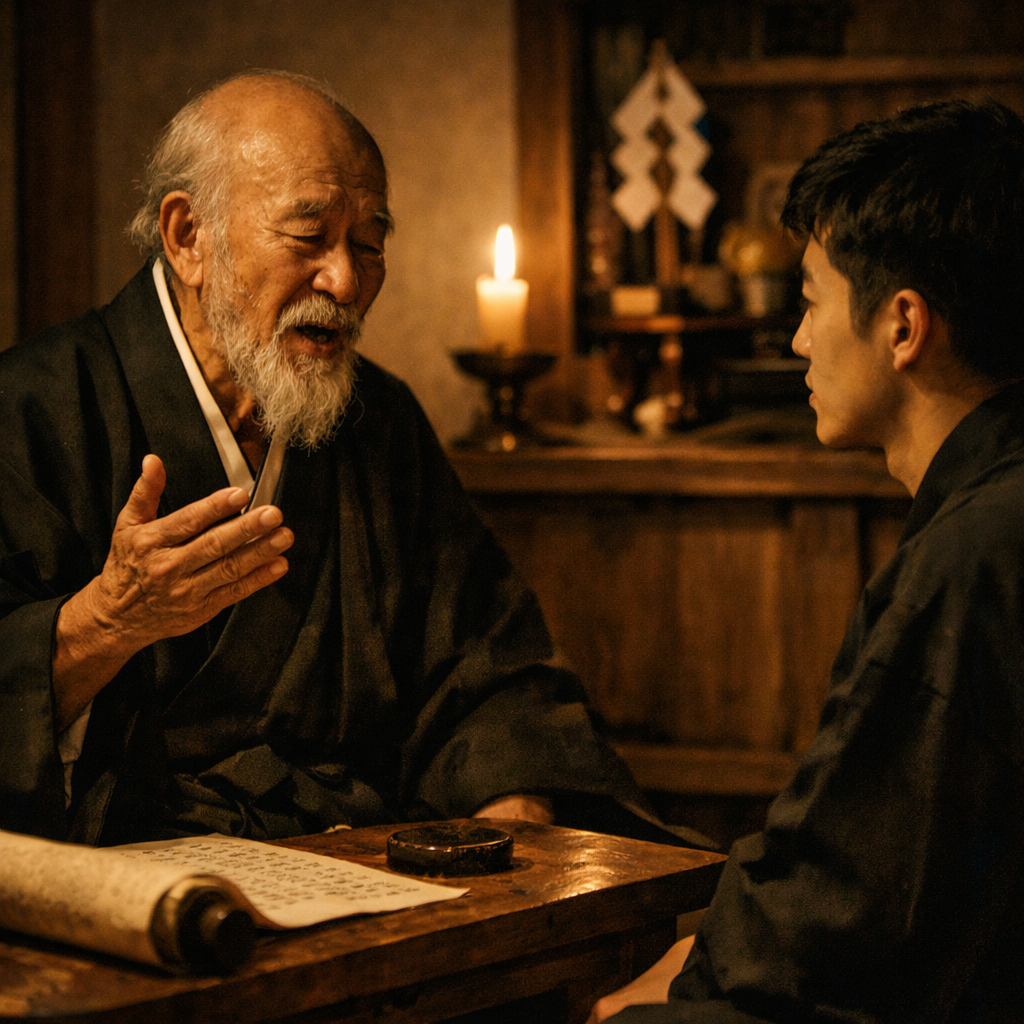
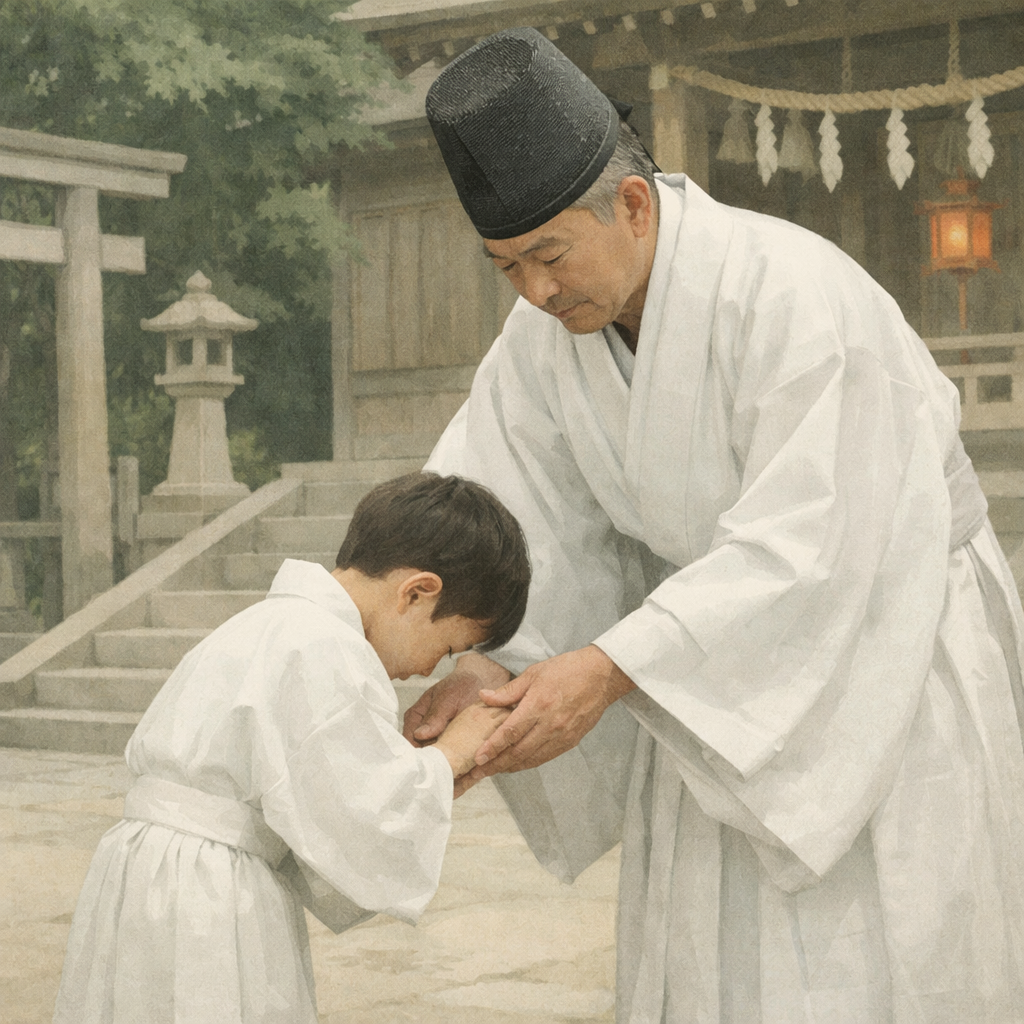
- Kami: Spirits inhabiting natural phenomena, ancestors, extraordinary humans.
- Major deities:
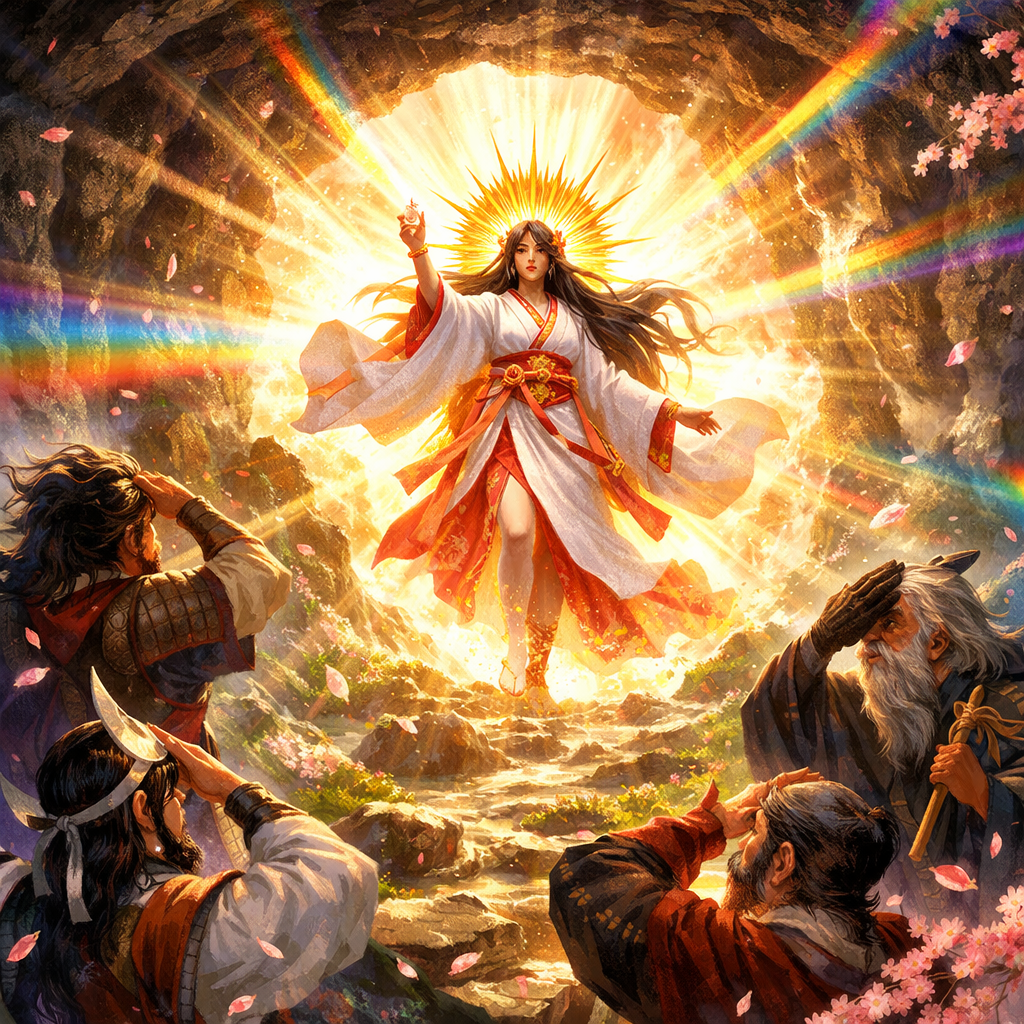
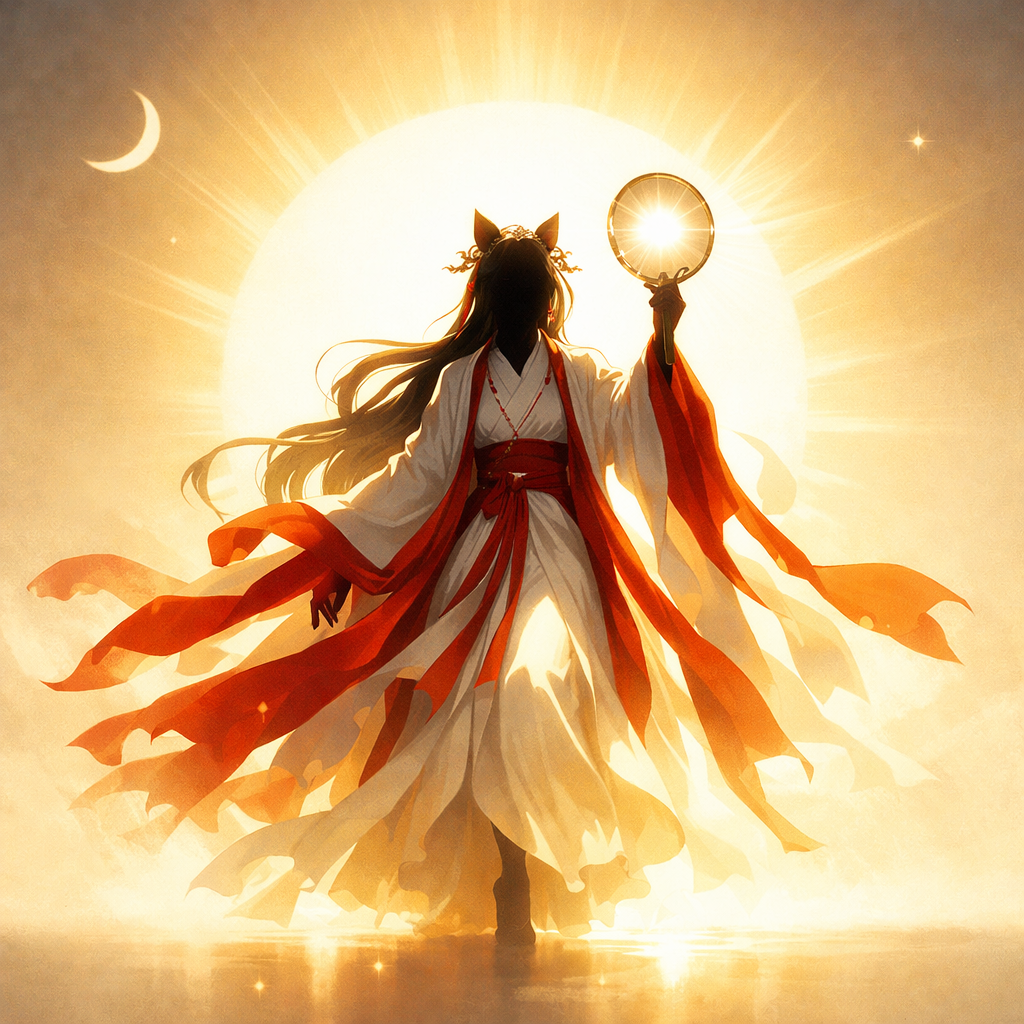
- Amaterasu Ōmikami (sun goddess, imperial ancestor).
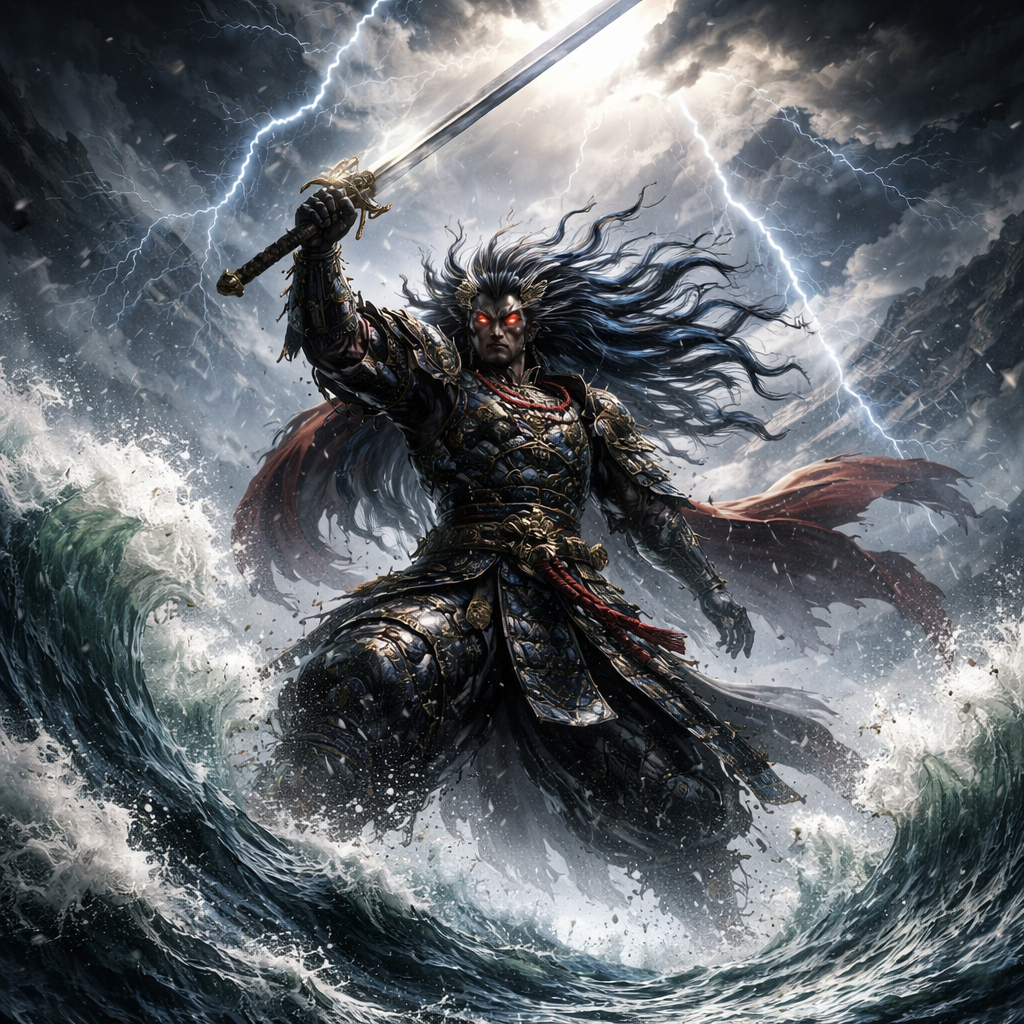
- Susanoo (storm/sea).
- Tsukuyomi (moon).
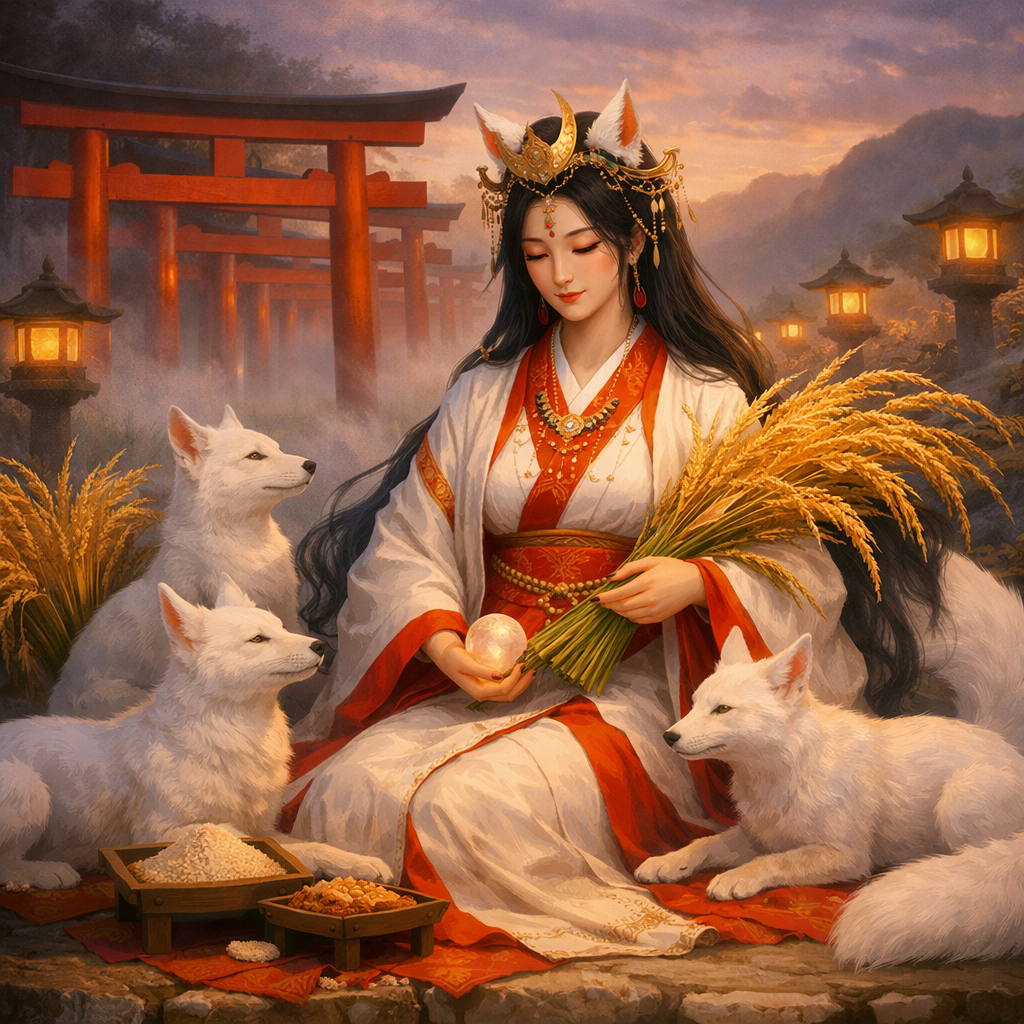
- Inari (rice, prosperity).
- Other kami: Countless local kami (mountains, rivers, shrines).
Shinto understands the supernatural not as a centralized hierarchy of gods, but as a plural, relational field of kami whose power is situational, local, and historically contingent. It explicitly lacks a single omnipotent creator or supreme moral sovereign, and it does not organize divine beings into a universal chain of command. While certain figures—most notably Amaterasu Ōmikami—hold exceptional mythic and political prominence, such elevation reflects genealogical, ritual, and imperial centrality rather than metaphysical supremacy. Kami themselves are finite, morally ambivalent, and context-dependent, with overlapping domains that vary by shrine, region, and historical period. Local guardians, clan kami, household kami, ancestors, natural forces, and even posthumously elevated humans all participate in this landscape without forming a ranked pantheon of “greater” and “lesser” gods. Disorder is not explained through cosmic evil or moral dualism but through imbalance, pollution, and disruptive aspects of kami, addressed through purification rather than moral combat. In practice, Shinto engages multiple kami simultaneously through offerings, festivals, and rites aimed at maintaining harmony, continuity, and balance, without exclusivity, salvation doctrine, or universal divine authority.
5. Cosmology & Myth


- Creation myths: Izanagi and Izanami give birth to islands of Japan and kami.
- Imperial lineage: Emperor as descendant of Amaterasu, legitimizing rule.
- Worldview: Harmony between humans, nature, and kami.
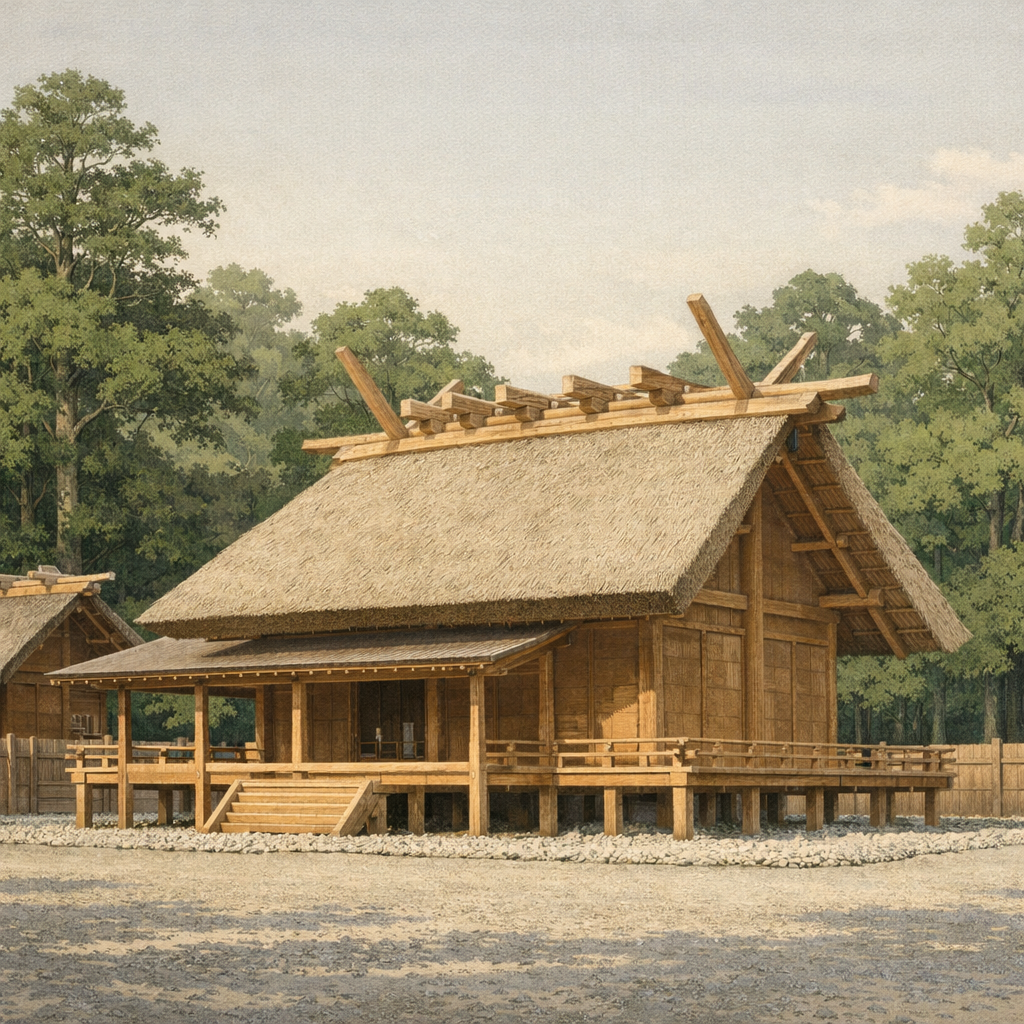
- Sacred cycles: Renewal rituals (e.g., Ise Shrine rebuilding every 20 years).
Shinto cosmology presents a world that emerges rather than is created, structured through differentiation, generative relations, and ongoing renewal rather than divine command or cosmic conflict. The universe is inhabited by kami who arise spontaneously from primordial conditions and remain embedded within land, lineage, and ritual space, producing a cosmos that is immanent, relational, and place-bound. Time is cyclical and ritually reactivated, with mythic origins continually made present through festivals, purification, and shrine observance rather than confined to a distant past or linear history. Order is maintained through harmony and purity, while disorder is understood as pollution and imbalance rather than moral evil or metaphysical opposition. Shinto myth functions to legitimate land, authority, and continuity—especially imperial descent and communal identity—without reference to salvation, apocalypse, or final judgment. In practice, cosmology exists to sustain balance between humans, kami, and the landscape through ritual maintenance, purification, and ongoing alignment, preserving continuity in a world without absolute beginnings or definitive ends.
6. Ritual & Practice
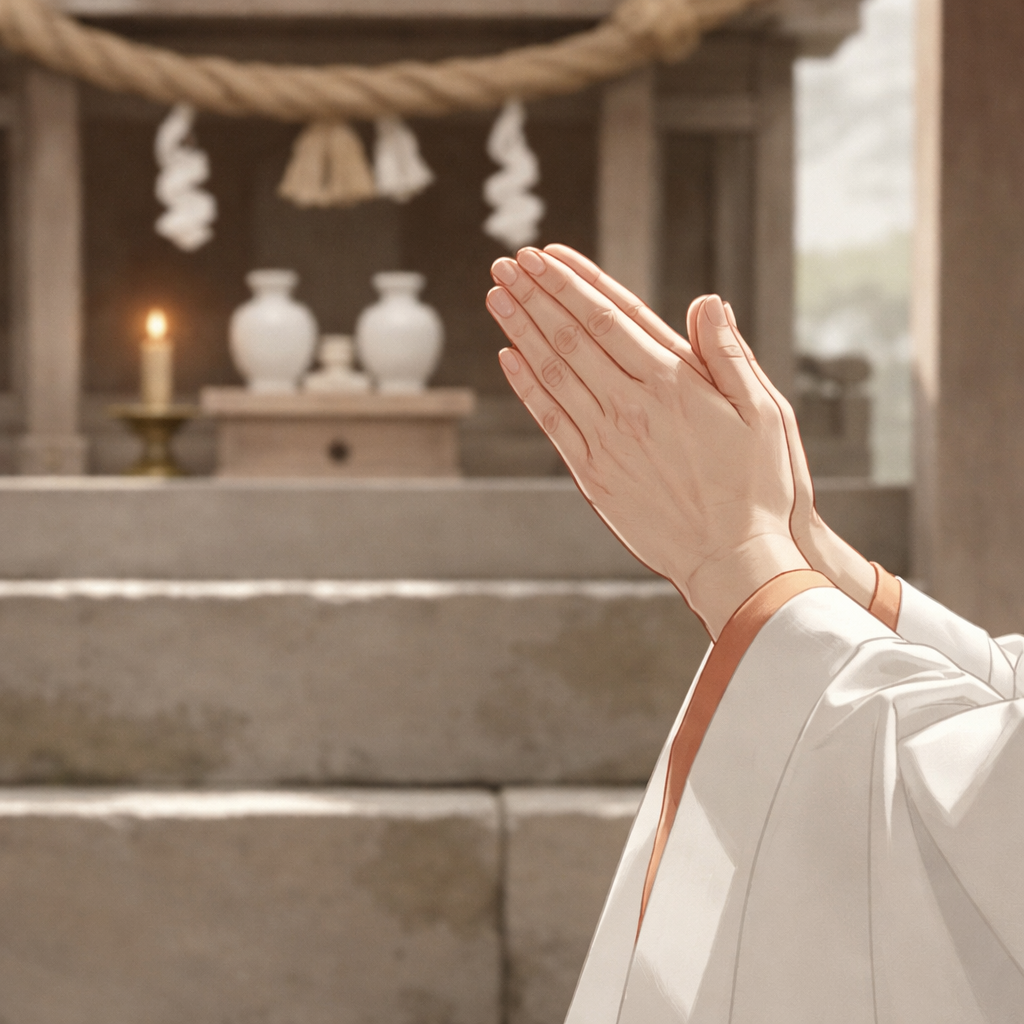
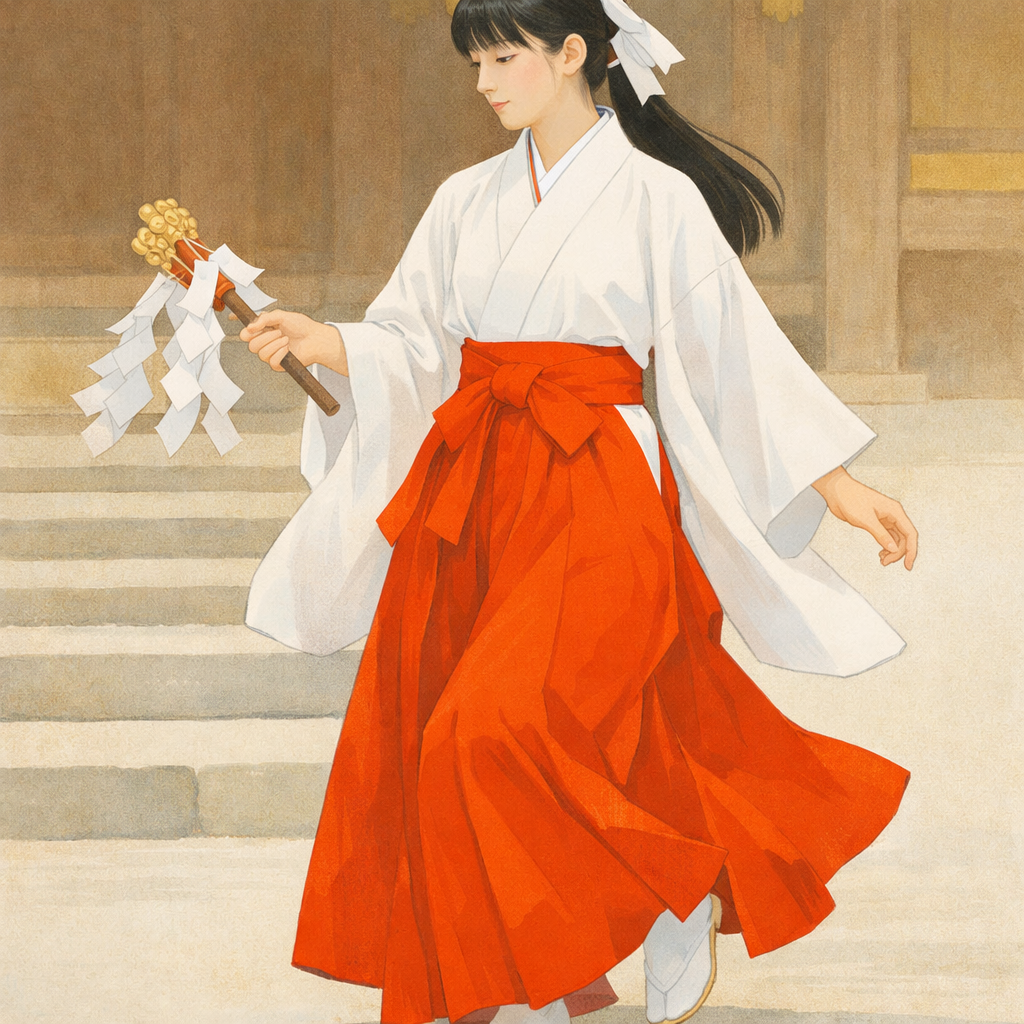
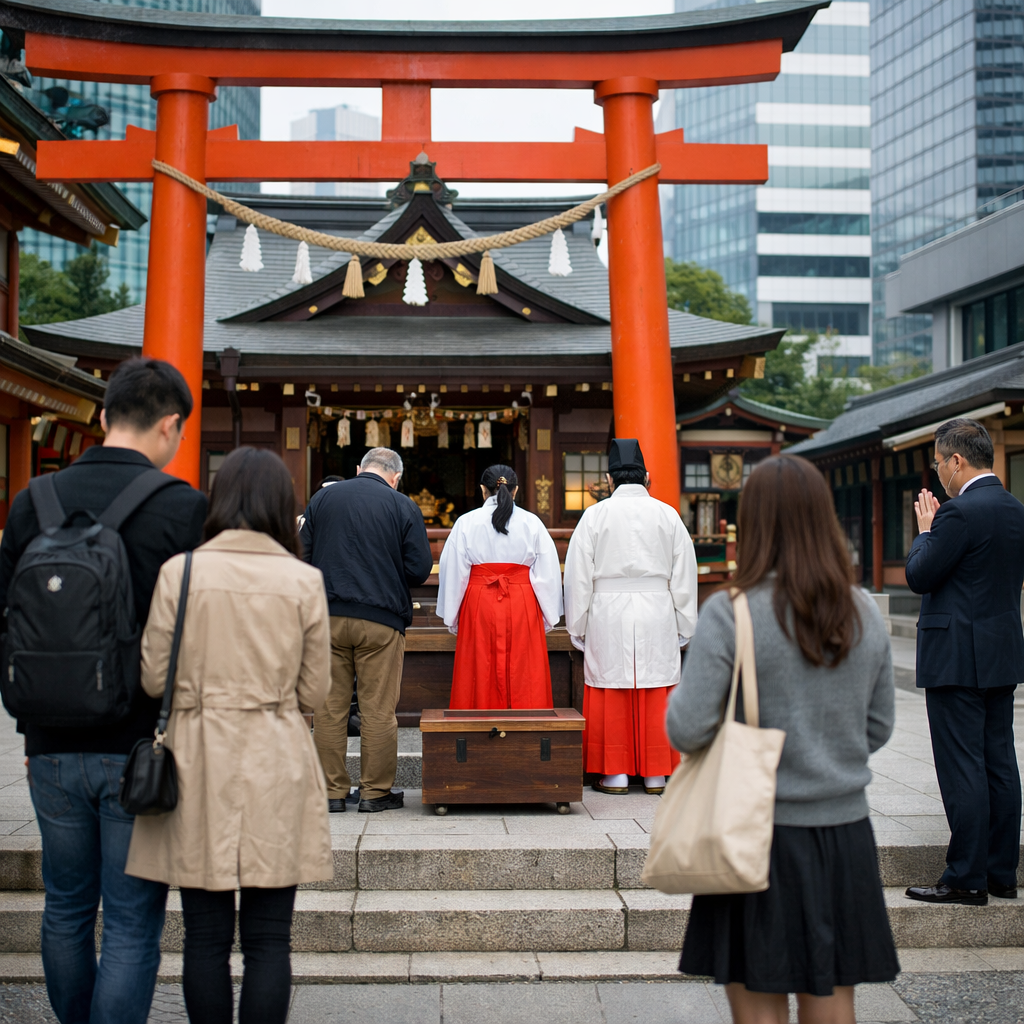
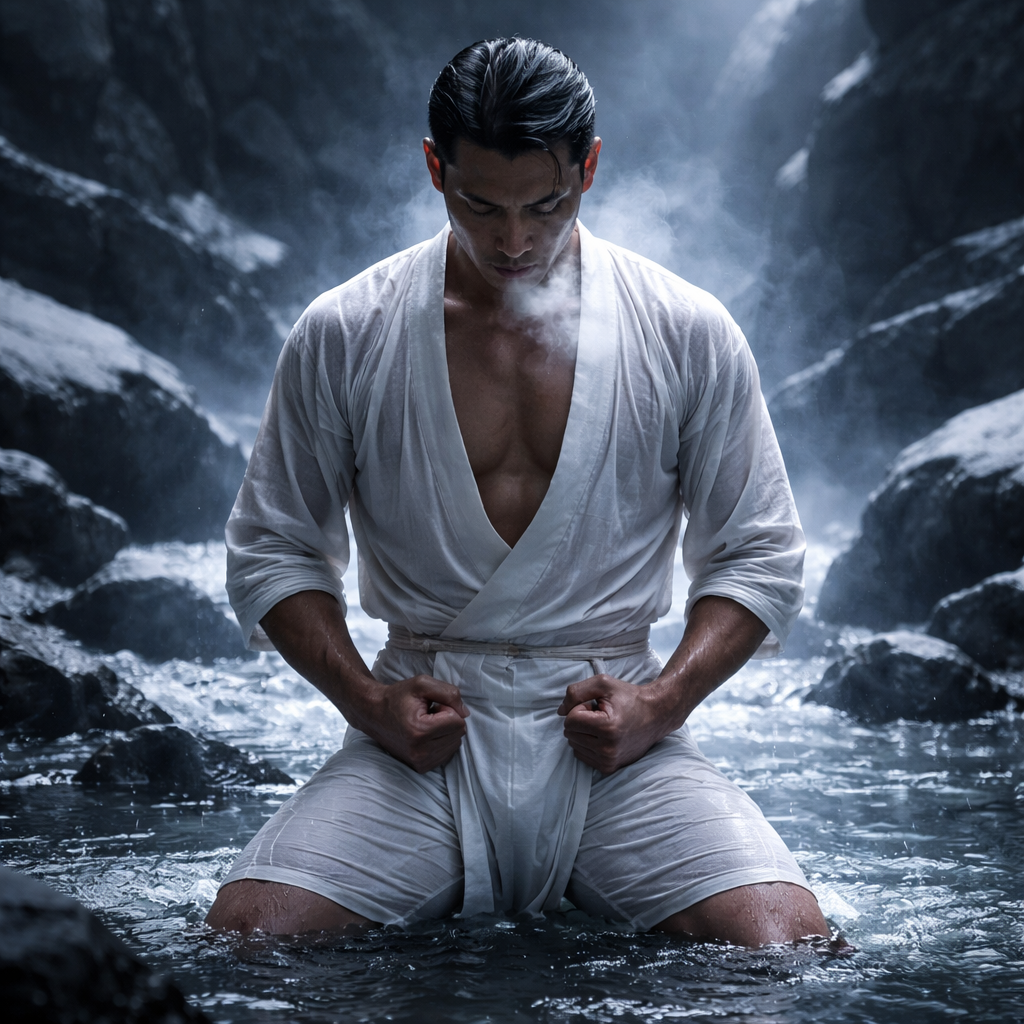
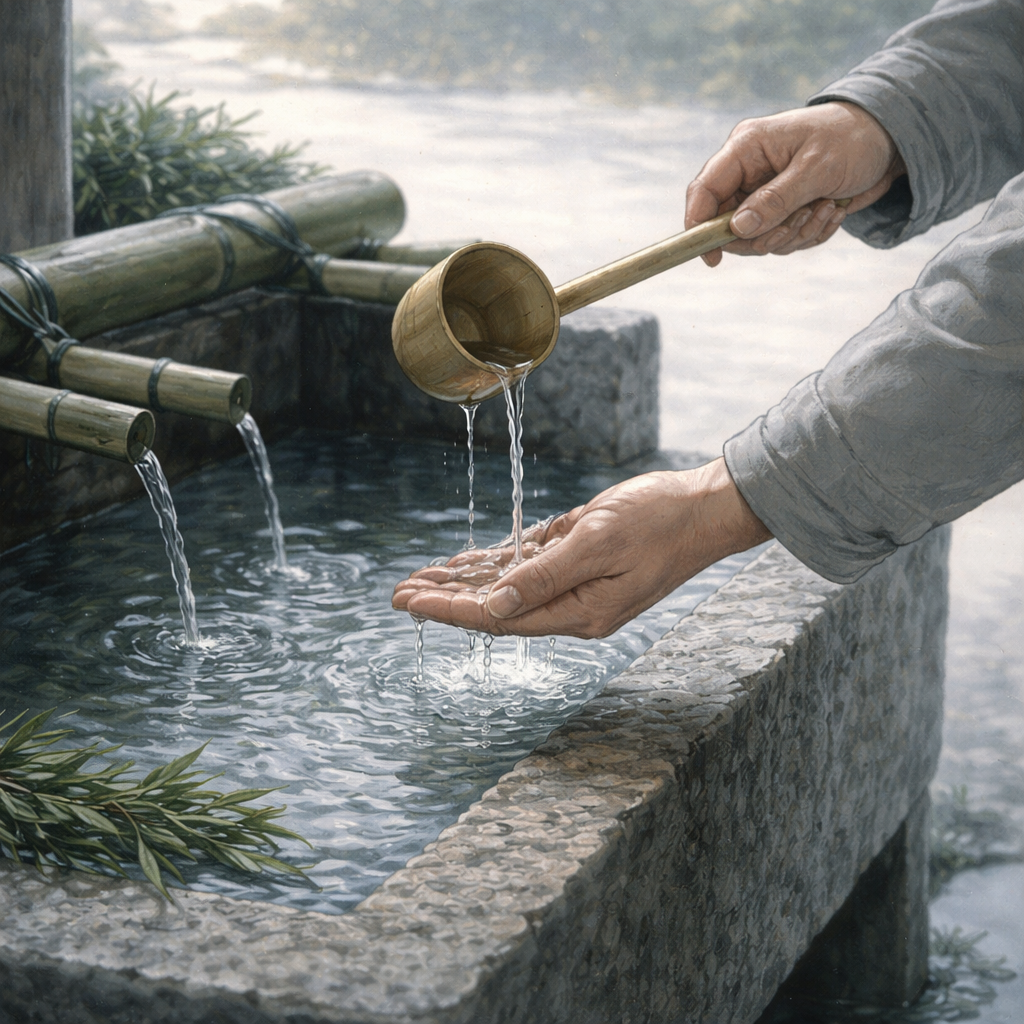
- Purification (harae): Water, salt, rituals to remove pollution.
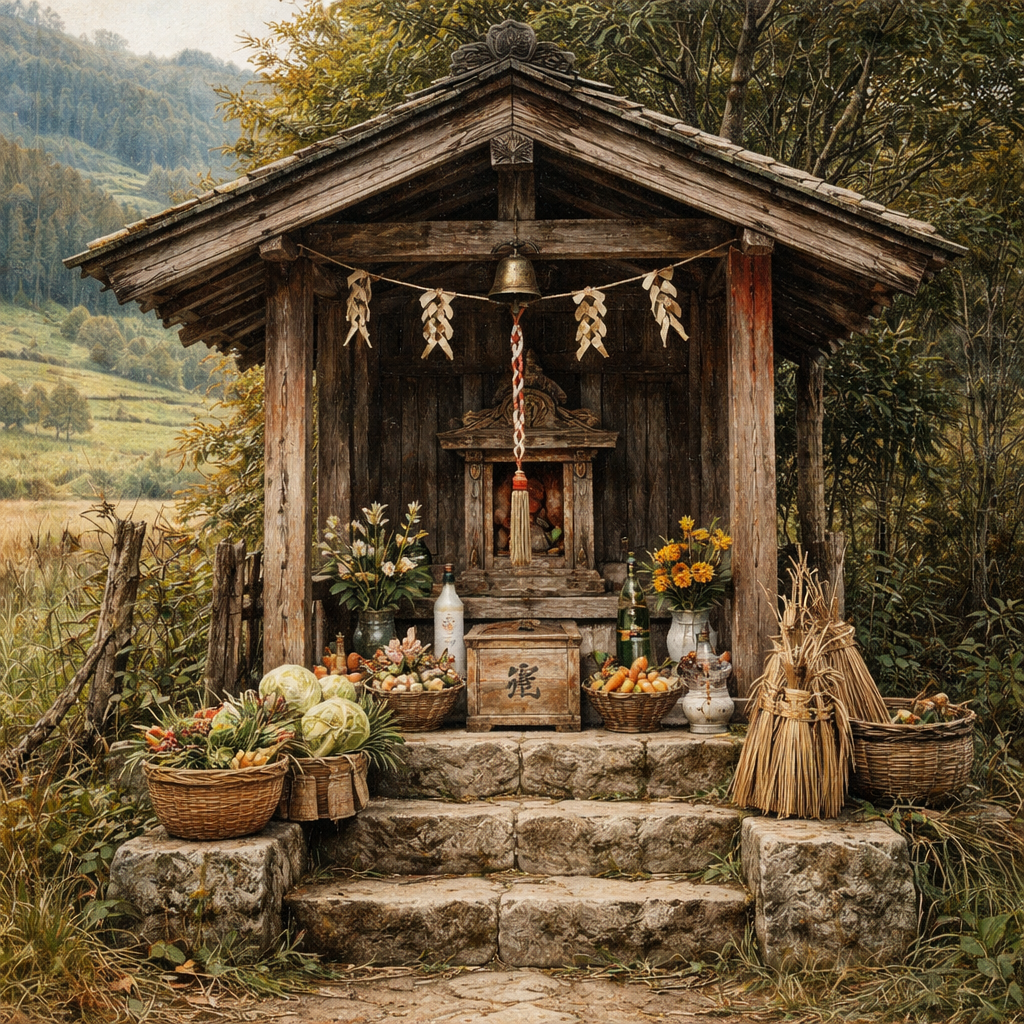
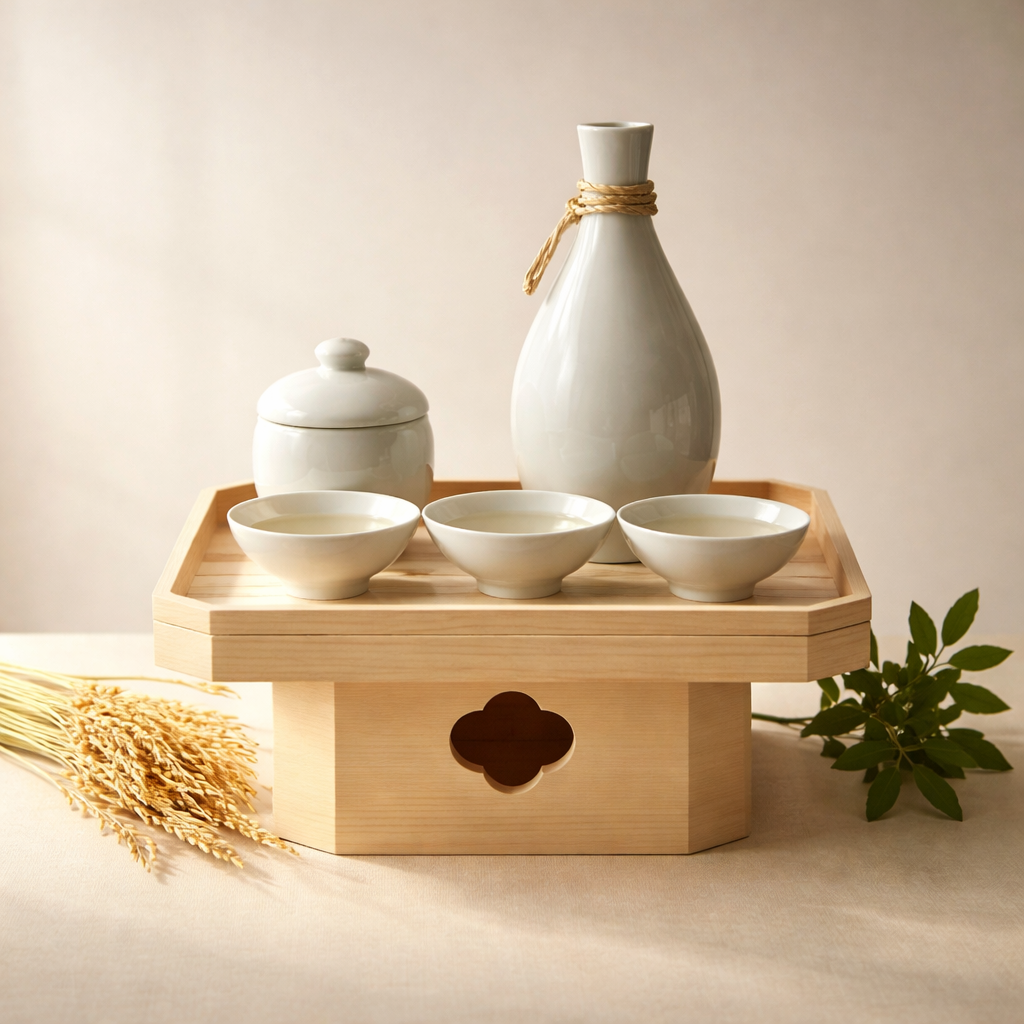
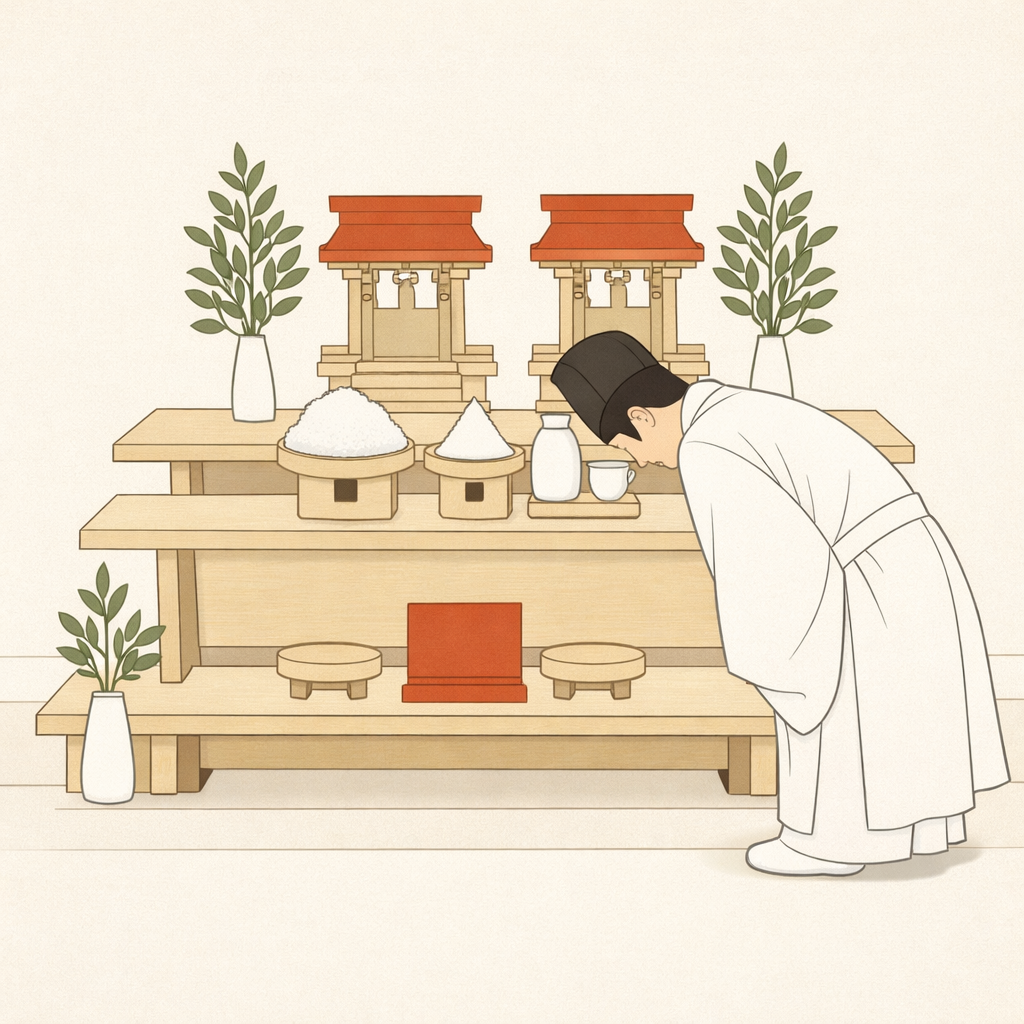
- Offerings (shinsen): Rice, sake, food given to kami.
- Prayer (norito): Formal invocations recited by priests.
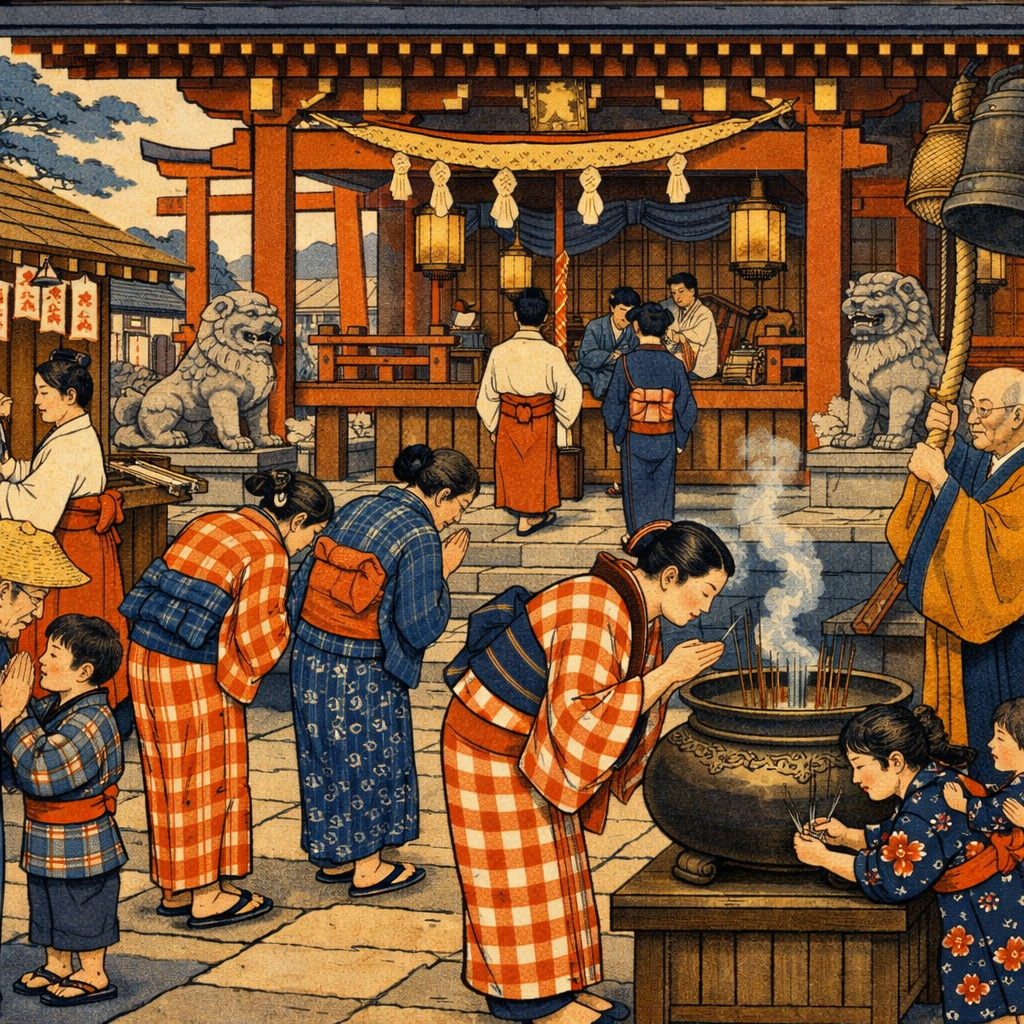
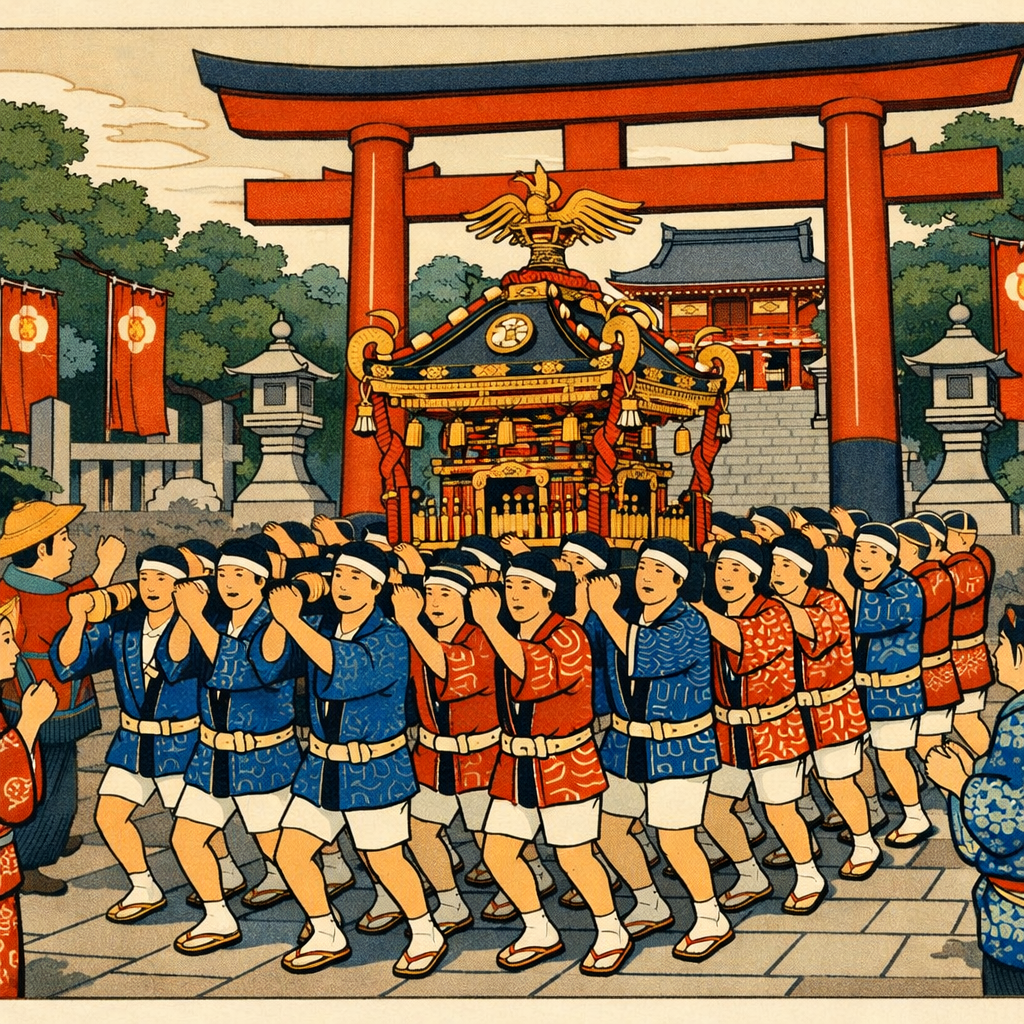
- Festivals (matsuri): Community celebrations with processions, music, dance.
- Life-cycle rituals: Birth, coming-of-age (Shichi-Go-San), marriage, seasonal blessings.
Shinto is defined less by belief or doctrine than by ritualized interaction with place, presence, and purity. Its practices are oriented toward maintaining proper relations between humans, kami, and community through gesture, offering, seasonal observance, and purification, rather than through moral confession, ascetic discipline, or doctrinal adherence.
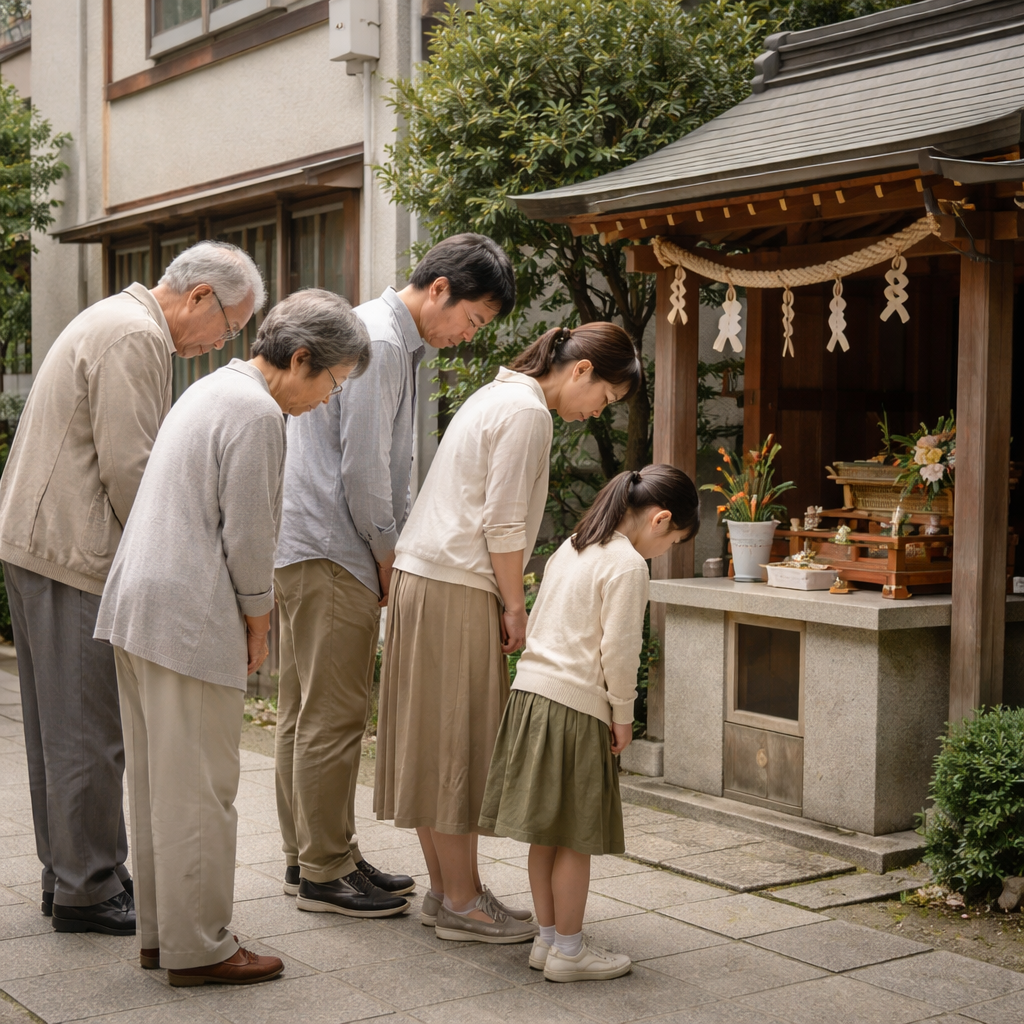
Across daily devotion, festivals, and life-cycle rites, Shinto practice operates through situational participation rather than fixed obligation. Household veneration and shrine visits manage ongoing relational balance; offerings function as reciprocal acknowledgments rather than sacrifice; purification addresses misfortune as ritual disorder rather than moral failure. Sacred time is structured by seasonal cycles and communal matsuri, not by weekly worship or salvific commemoration.
Shinto rites of passage emphasize belonging, protection, and continuity, while death is deliberately handled at the margins due to its association with kegare. Healing and divination remain bounded and institutional, reinforcing shrine authority and purification logic rather than private magical manipulation. Pilgrimage is voluntary and place-centered, discipline is primarily purity-oriented, and aesthetics function as operative boundary markers, not symbolic theology.
Taken together, Shinto ritual practice forms a distributed system of communal maintenance: a calendar-driven, place-anchored set of actions that sustains identity, cohesion, and auspicious order without requiring uniform belief or centralized doctrine.
7. Sacred Space & Material Culture
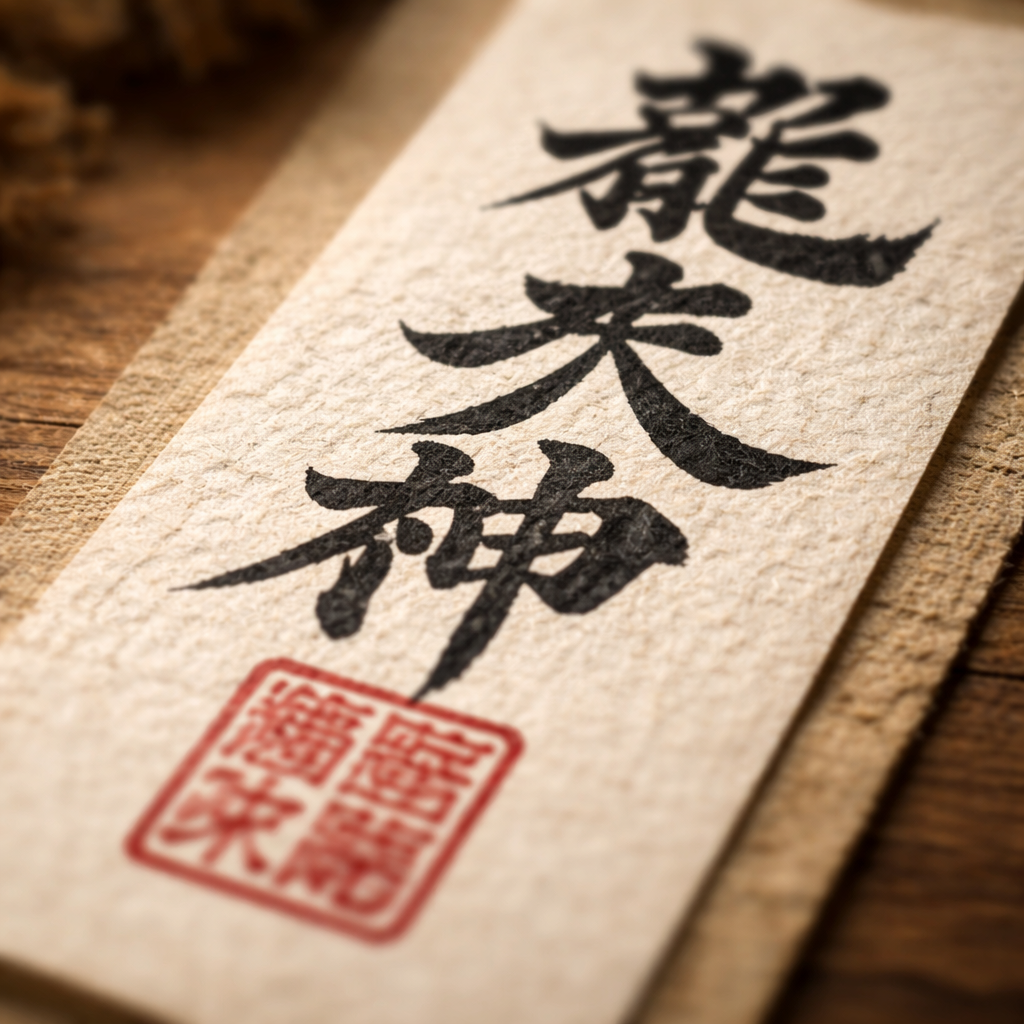
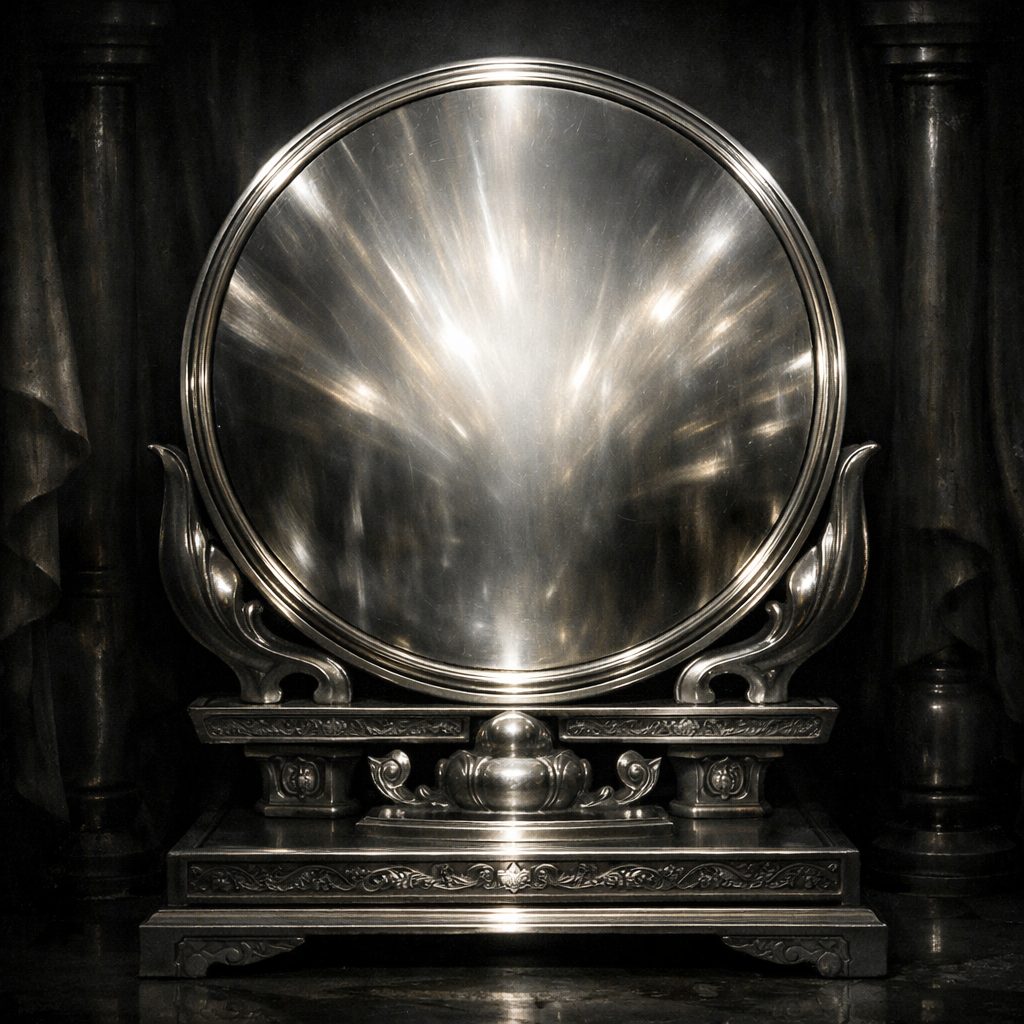
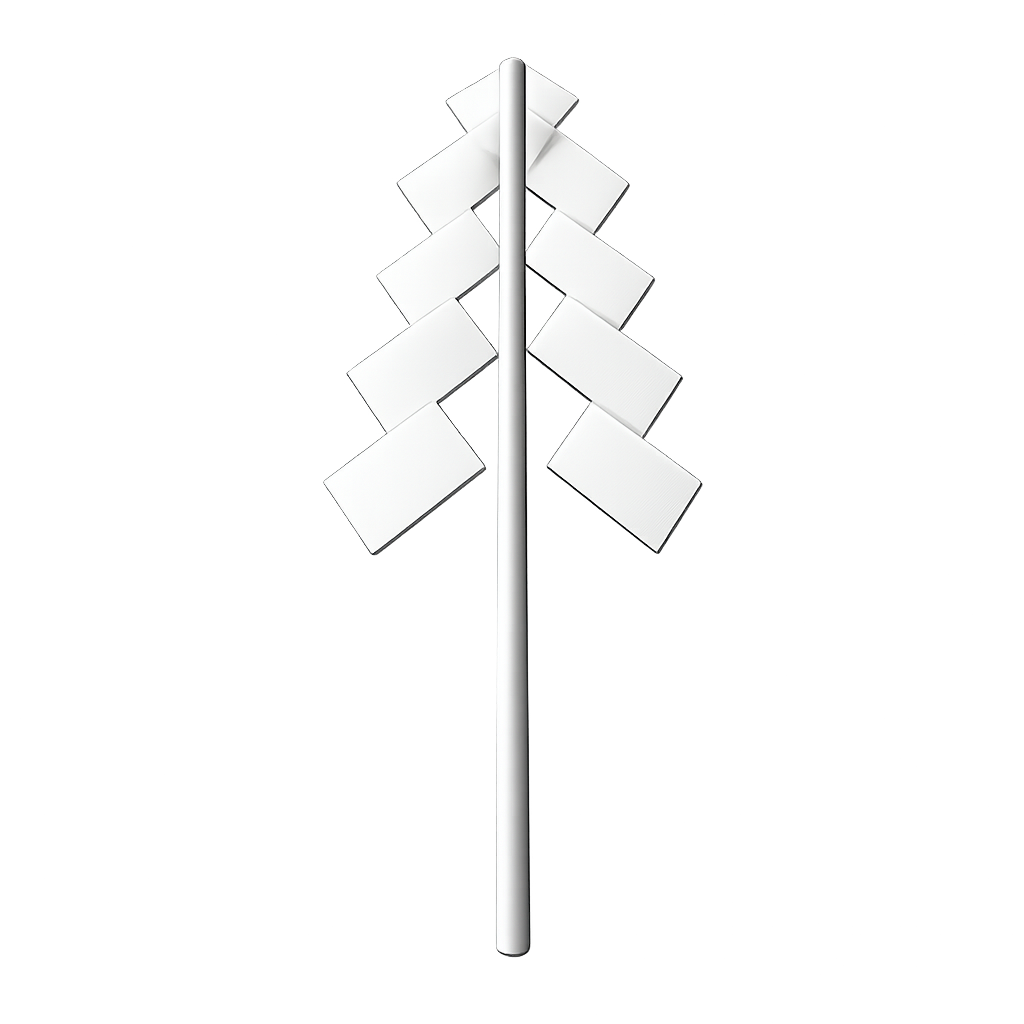

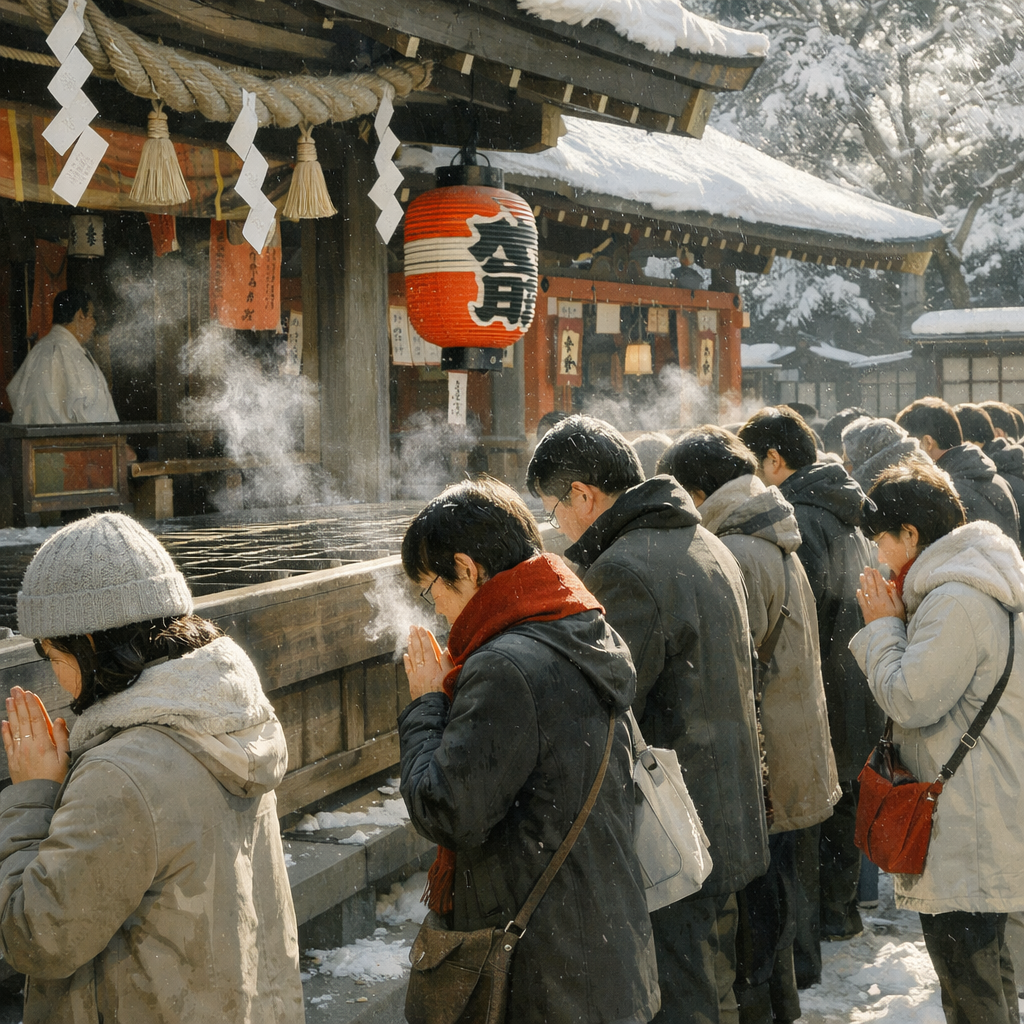
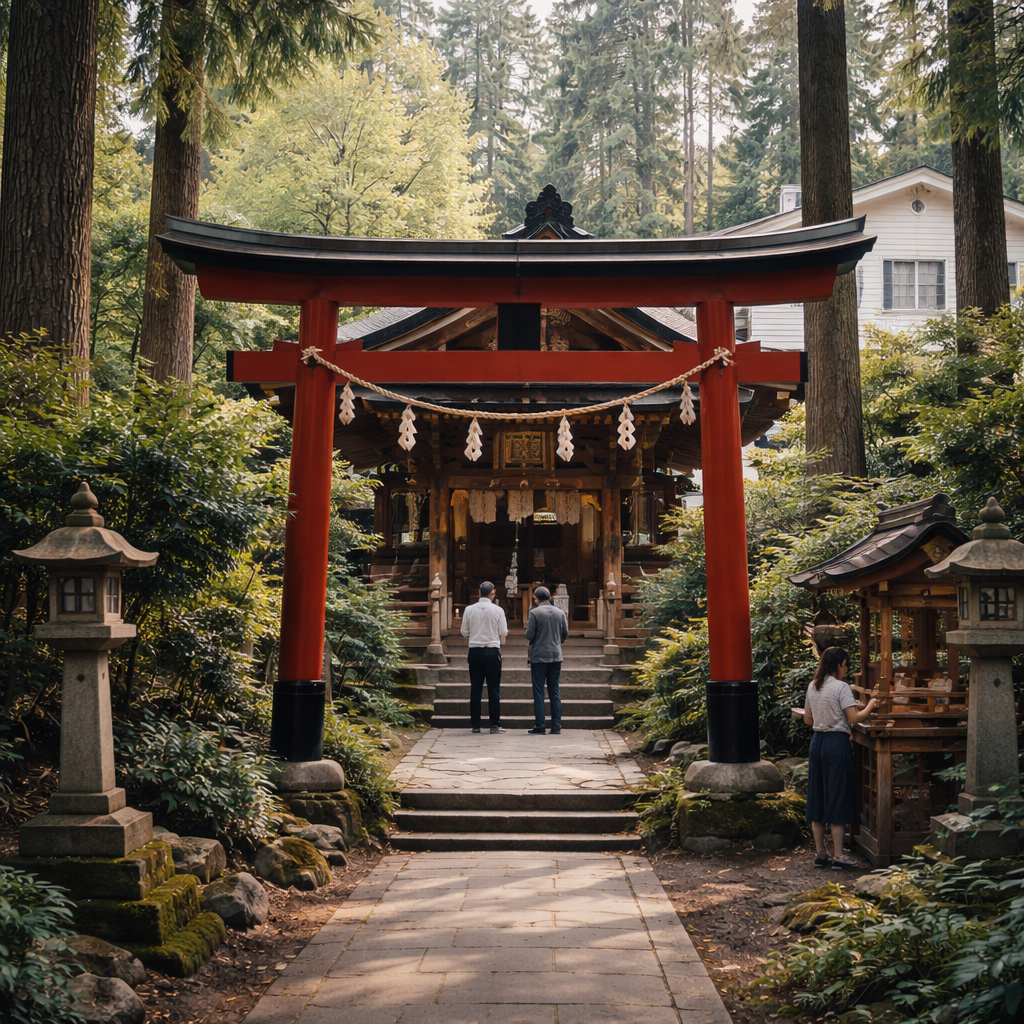
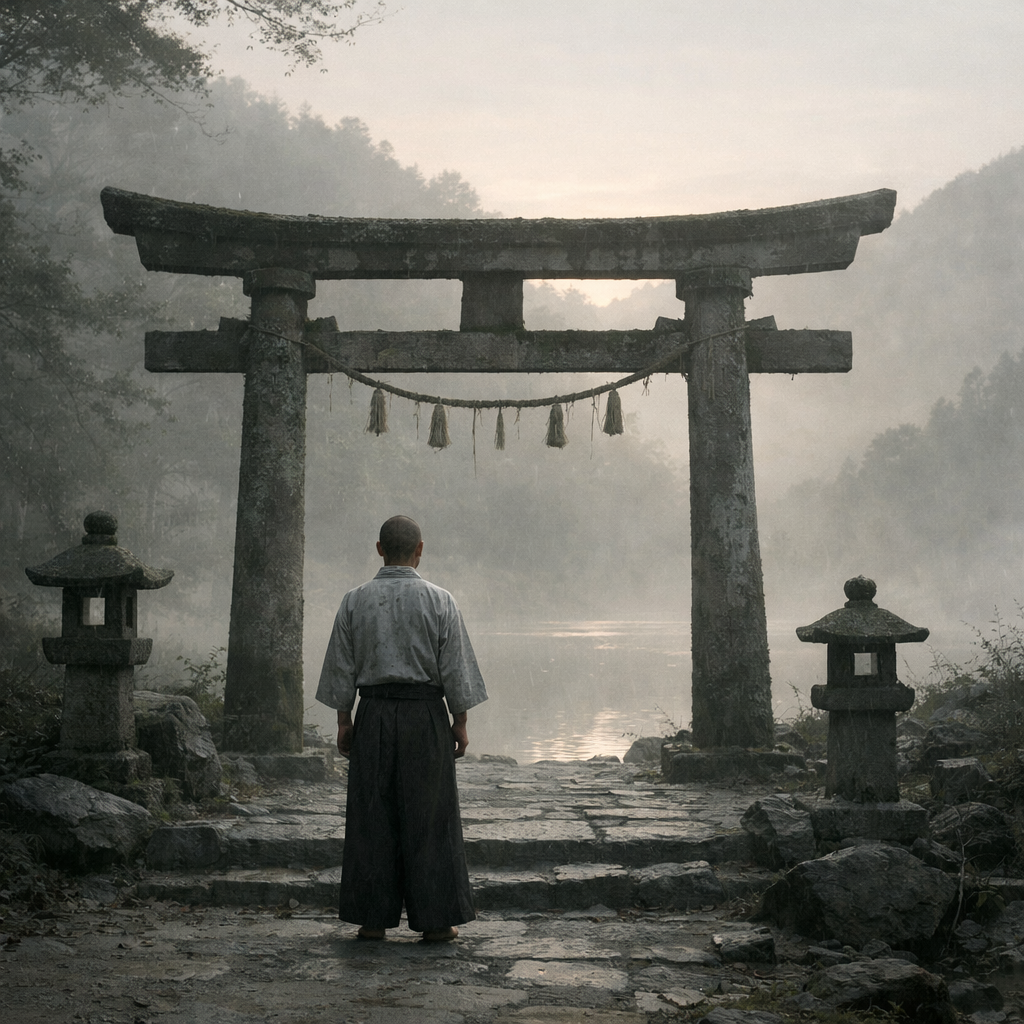
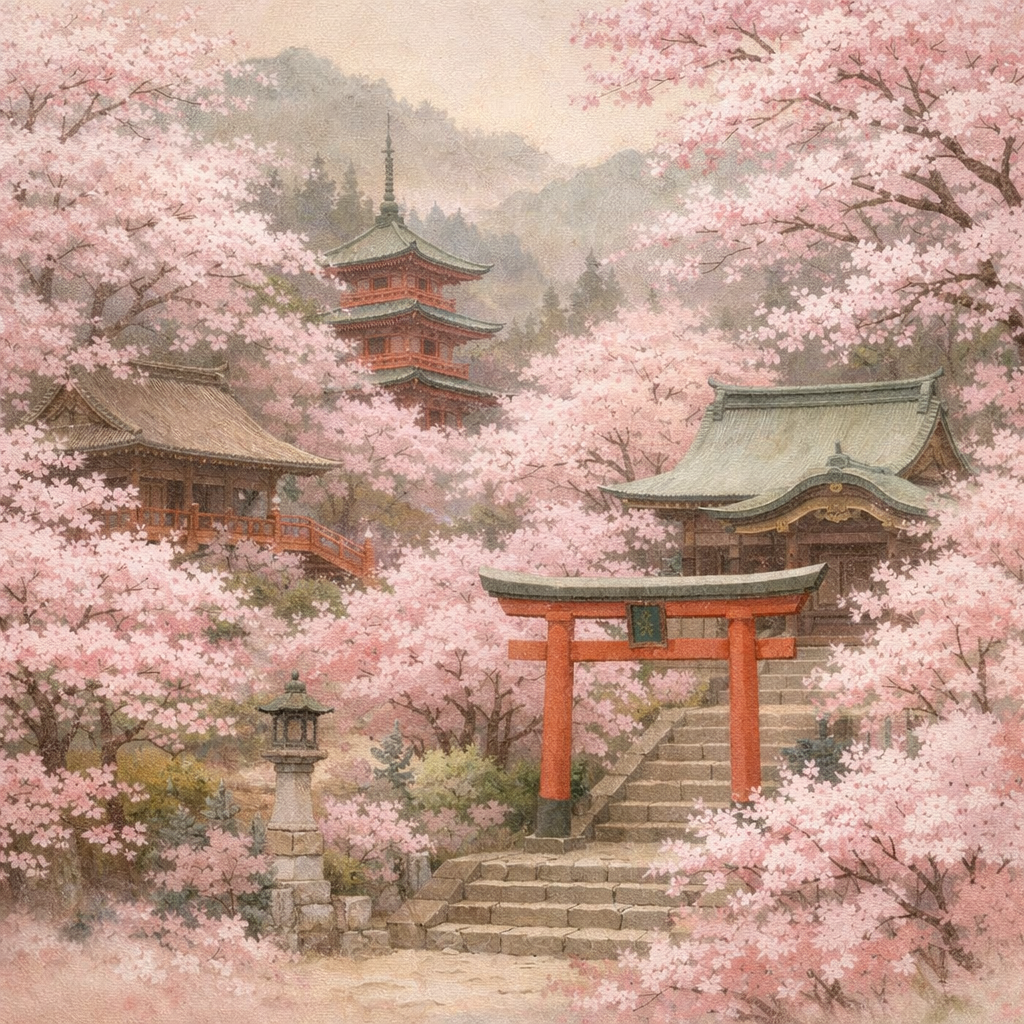
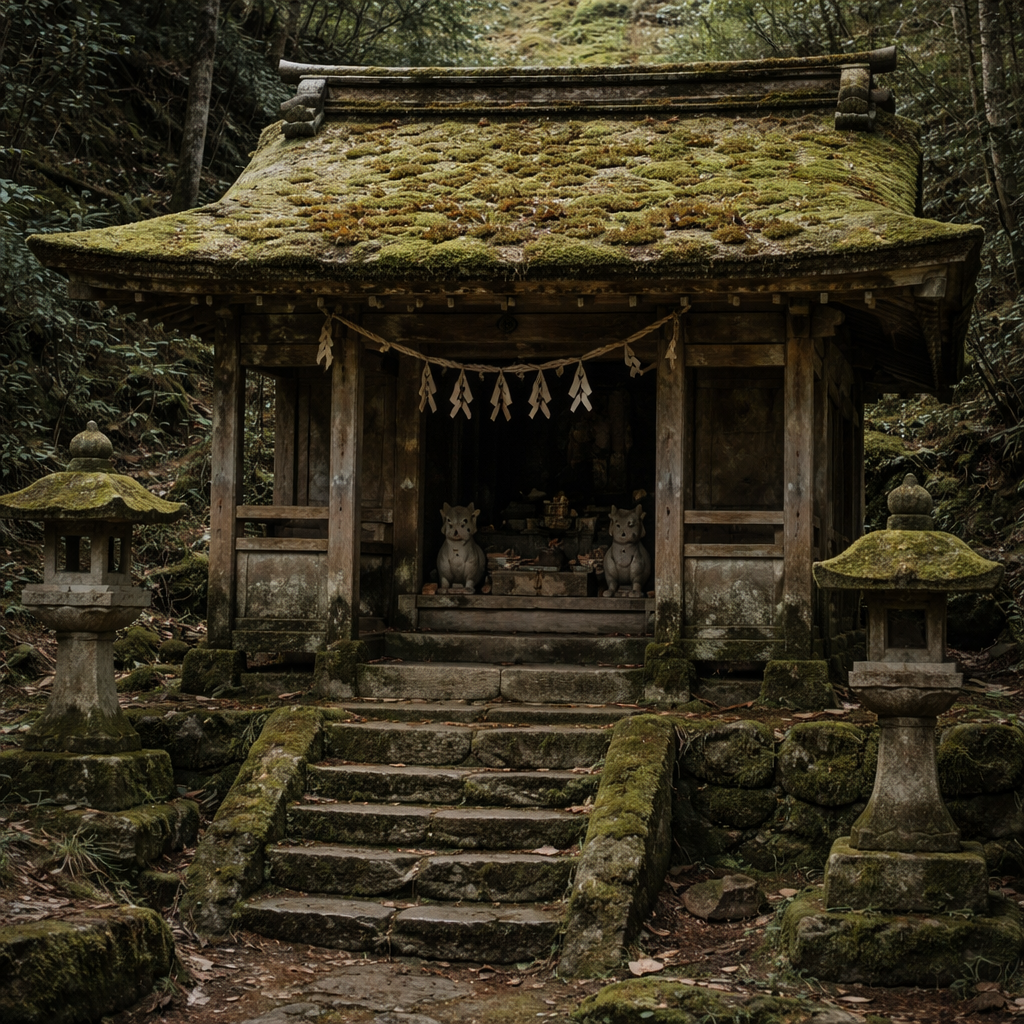
- Shrines (jinja): Housing kami; features include torii gates, honden (main hall).
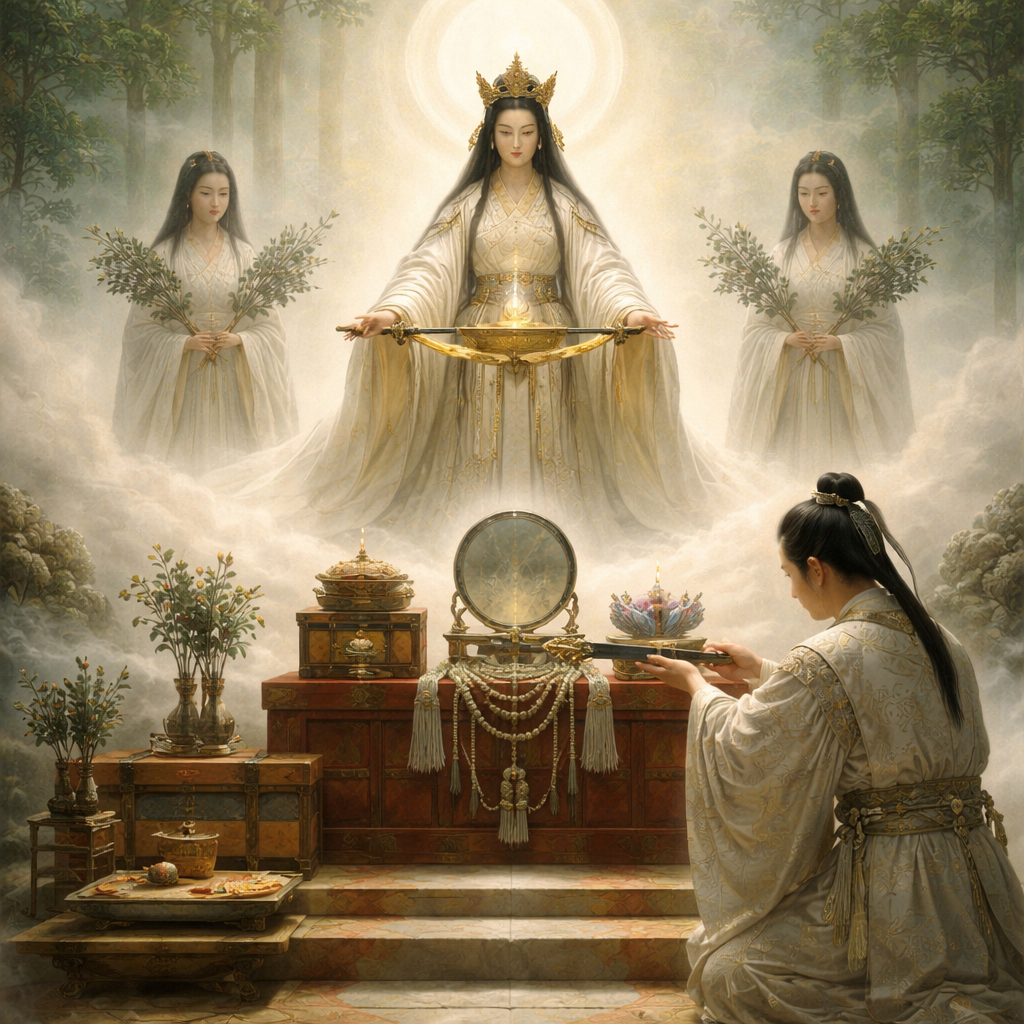
- Sacred objects: Mirrors, swords, jewels (imperial regalia).
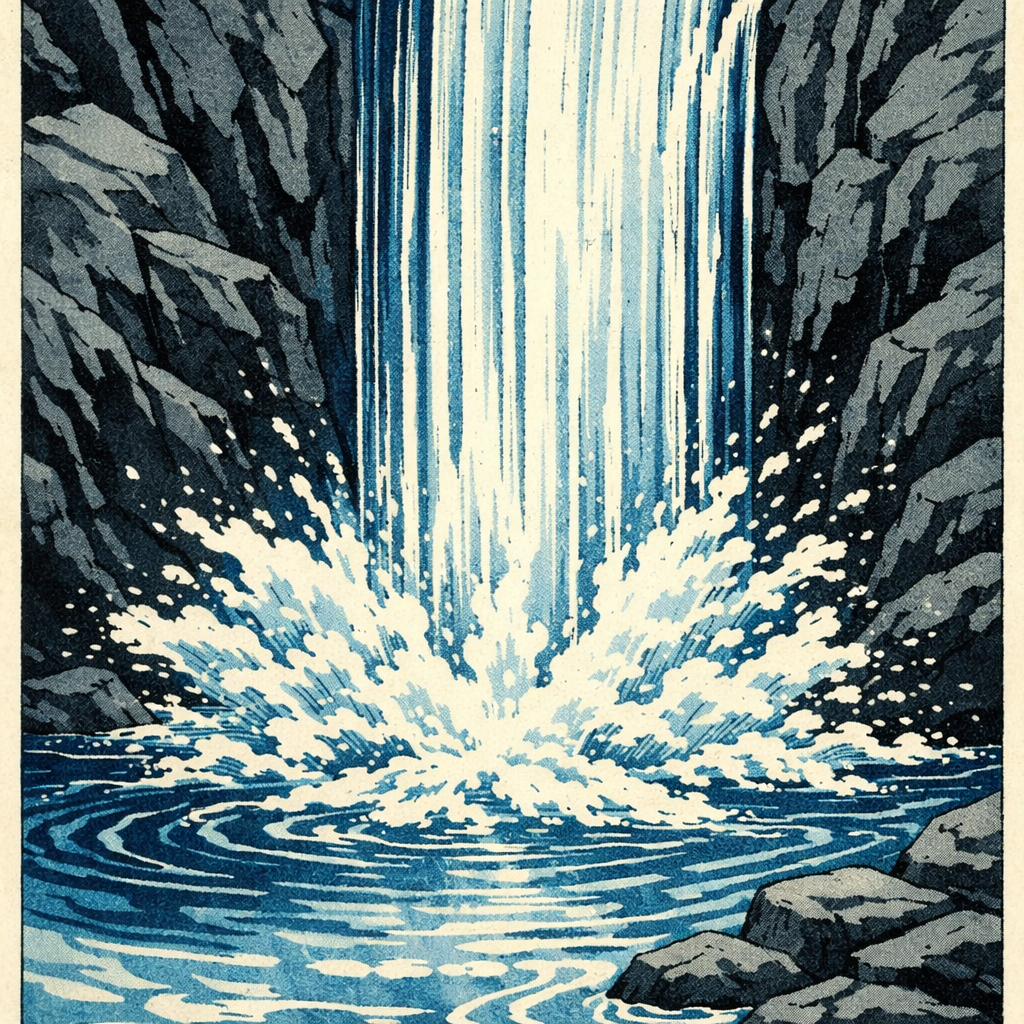
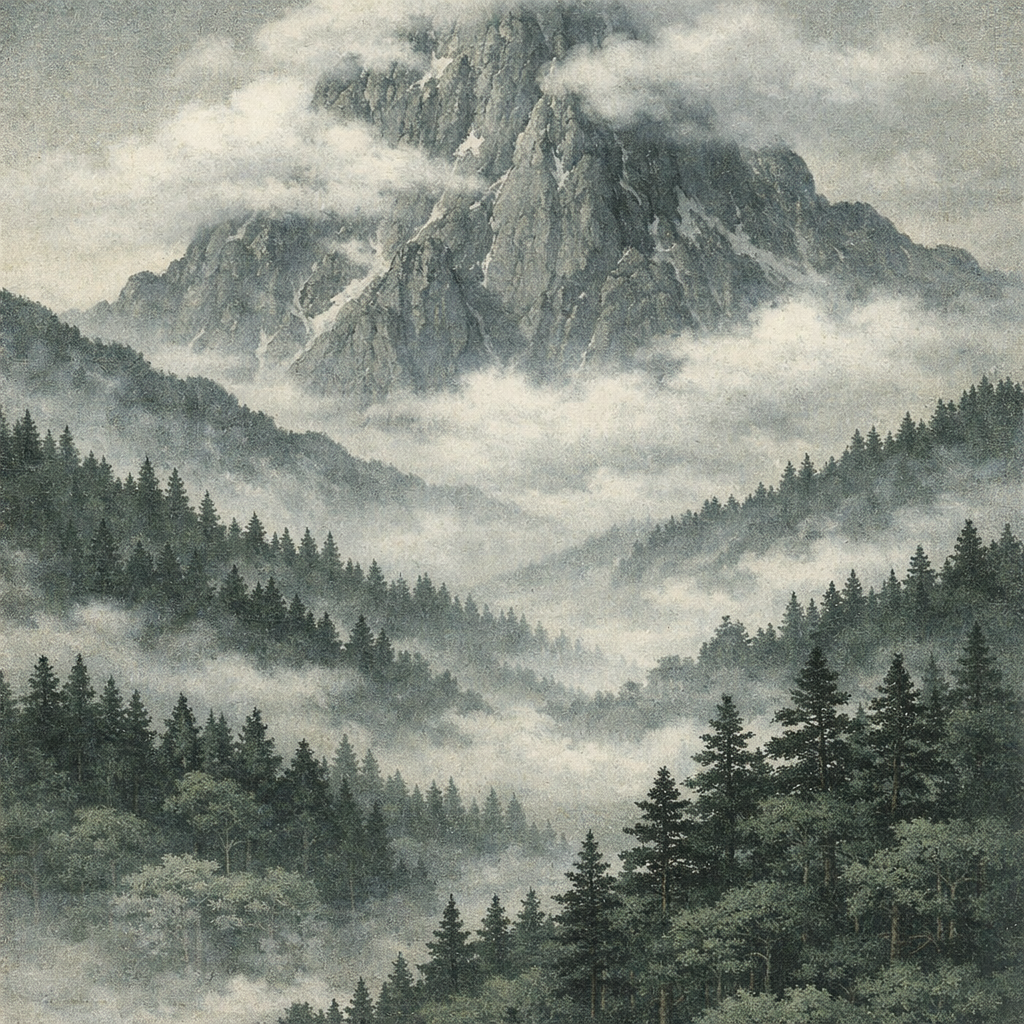
- Natural sites: Mountains, waterfalls, forests revered as kami abodes.
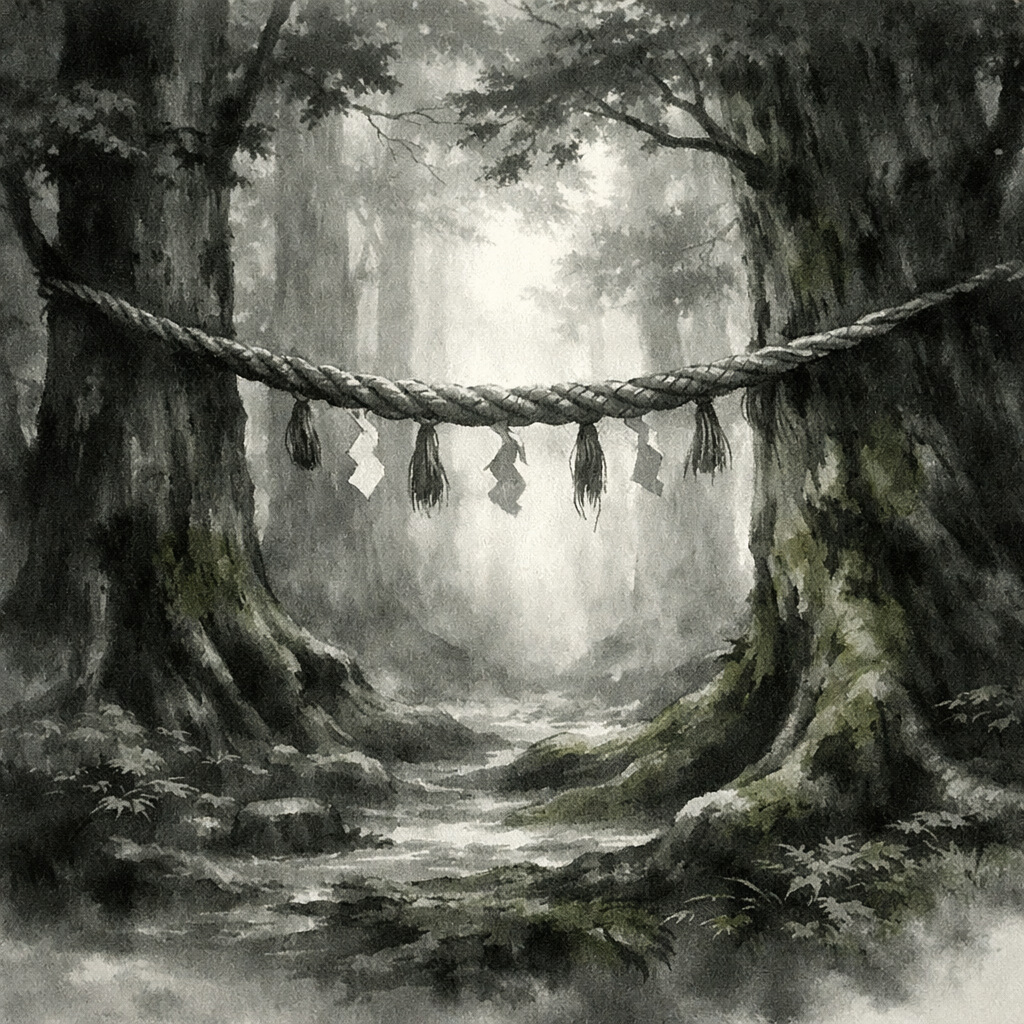
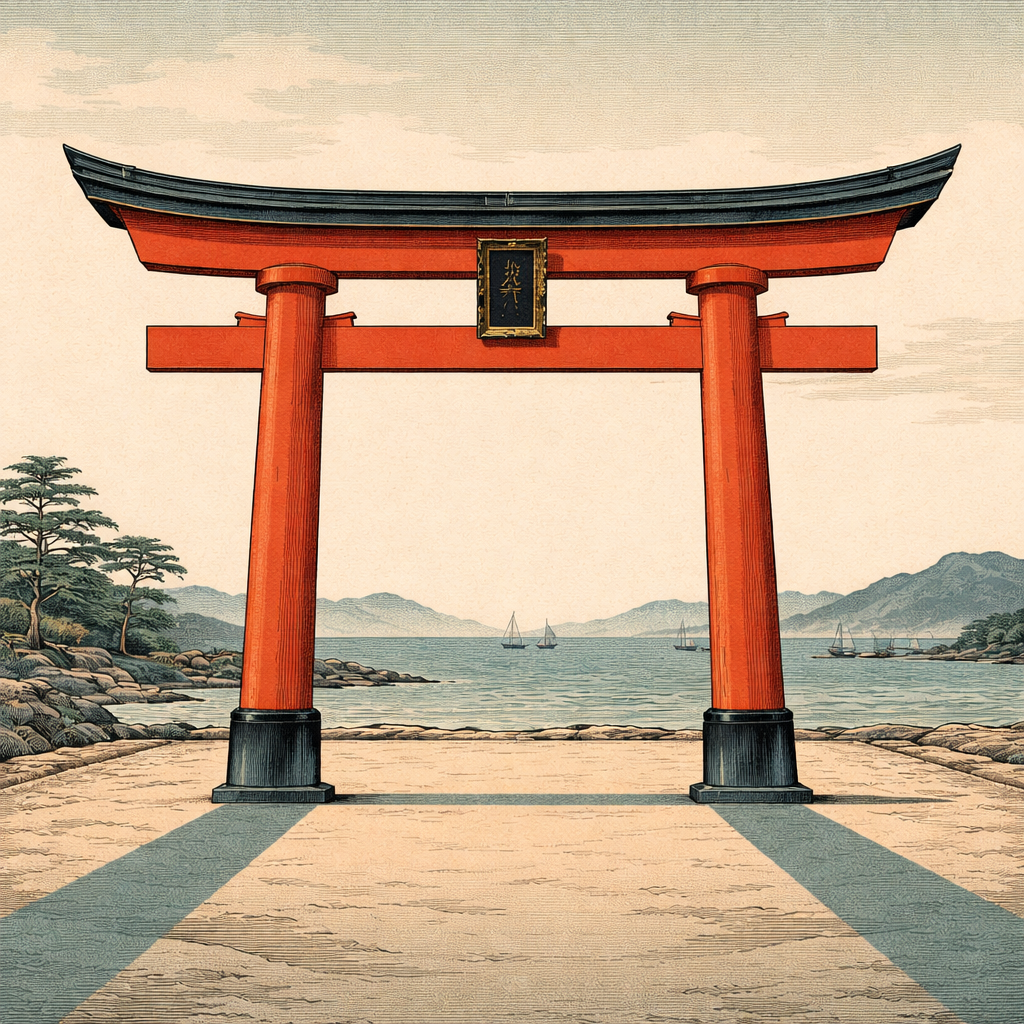
- Symbols: Torii gate, shimenawa (sacred rope), sakaki tree.
In Shinto, sacred space is grounded in immanent presence rather than representation. Natural features—mountains, forests, waterfalls, rocks, and ancient trees—are sacred in themselves as loci of kami, not as symbols or commemorations. Built architecture does not contain or explain the sacred but instead marks thresholds, establishing zones of purity and transition between human and kami realms. Domestic practice extends shrine-based ritual into everyday life without privatizing or relocating sacred authority, which remains anchored in communal shrine networks. Objects, vestments, and symbols function as conditional ritual instruments, effective only through proper purification, maintenance, and performance, rejecting permanent empowerment or coercive use. Pilgrimage reflects circulation within a living sacred geography rather than obligation or salvation, while desecration is understood as pollution or rupture addressed through purification, renewal, or rebuilding. Across all material forms, Shinto defines sacred continuity through ongoing ritual renewal, boundary maintenance, and presence, not permanence, doctrine, or monumentality.
8. Religious Specialists & Institutions
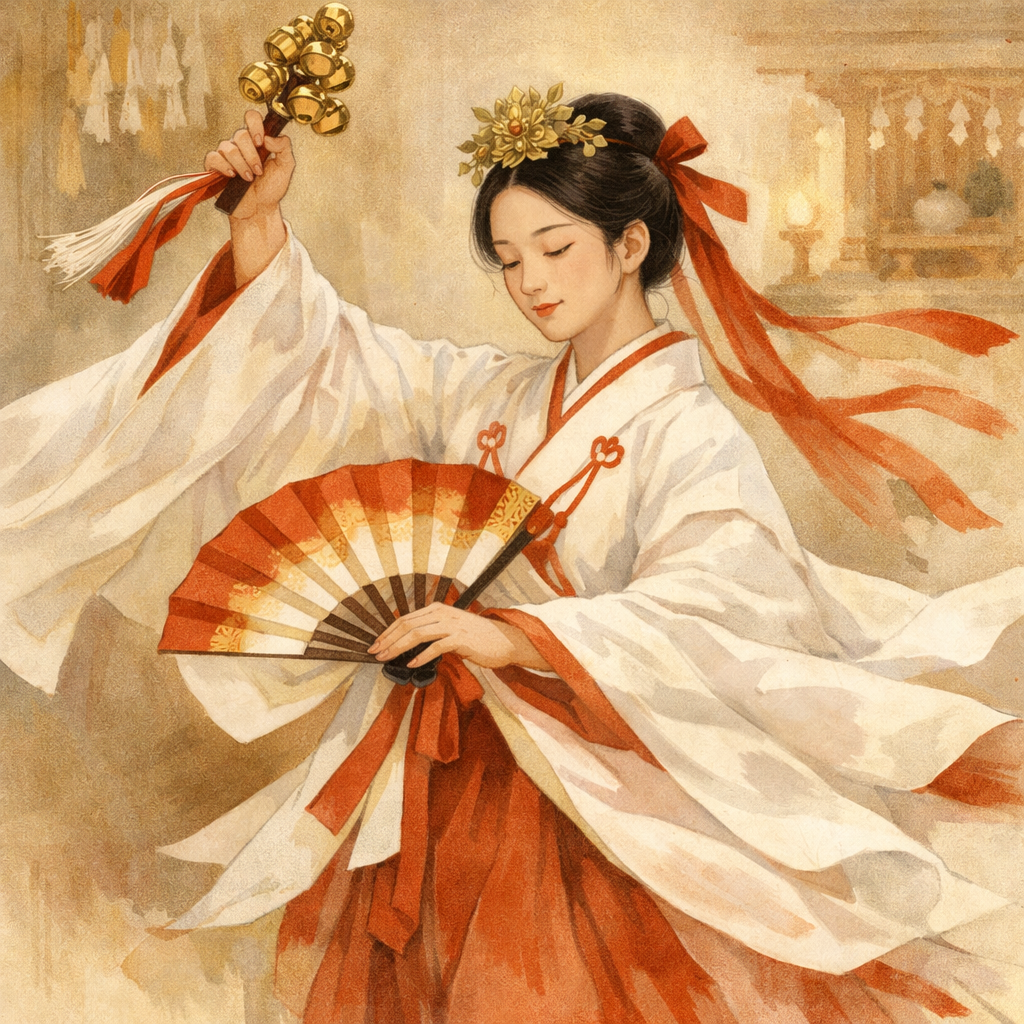

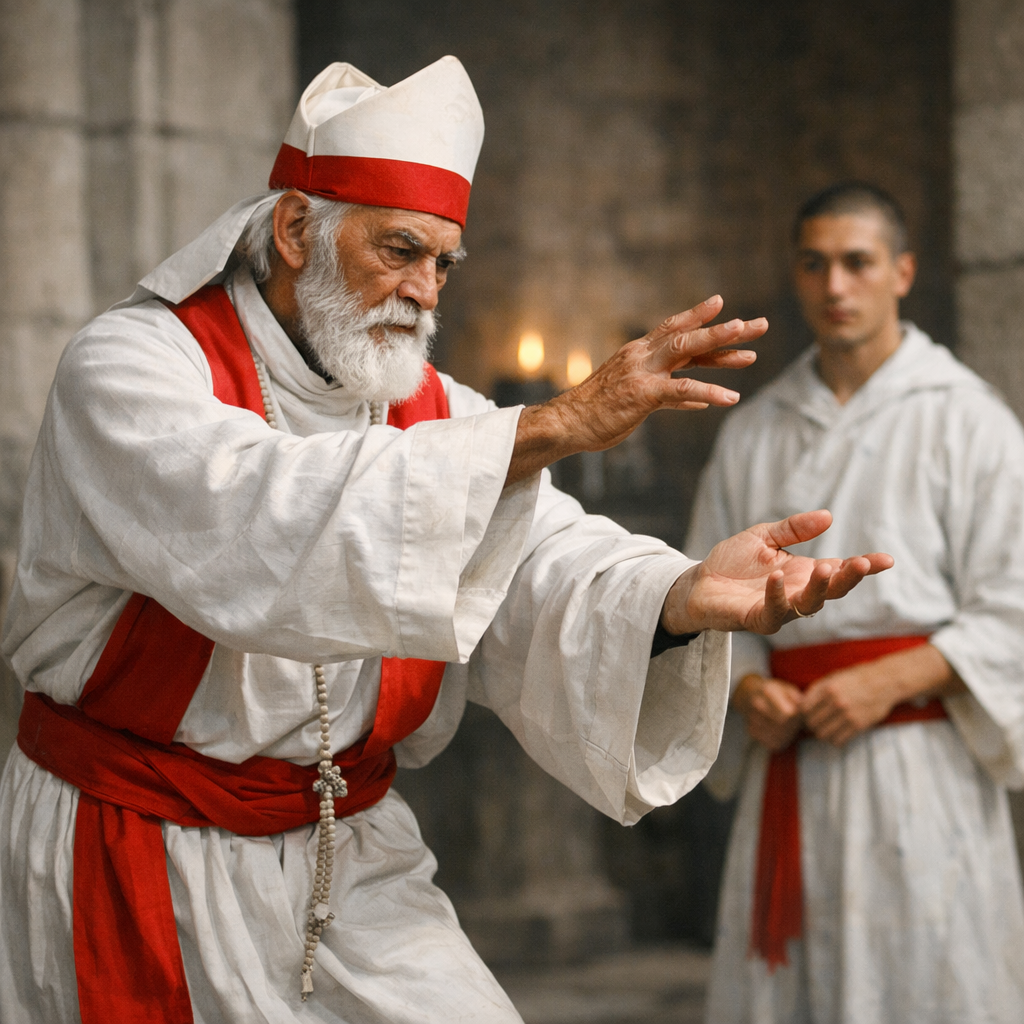
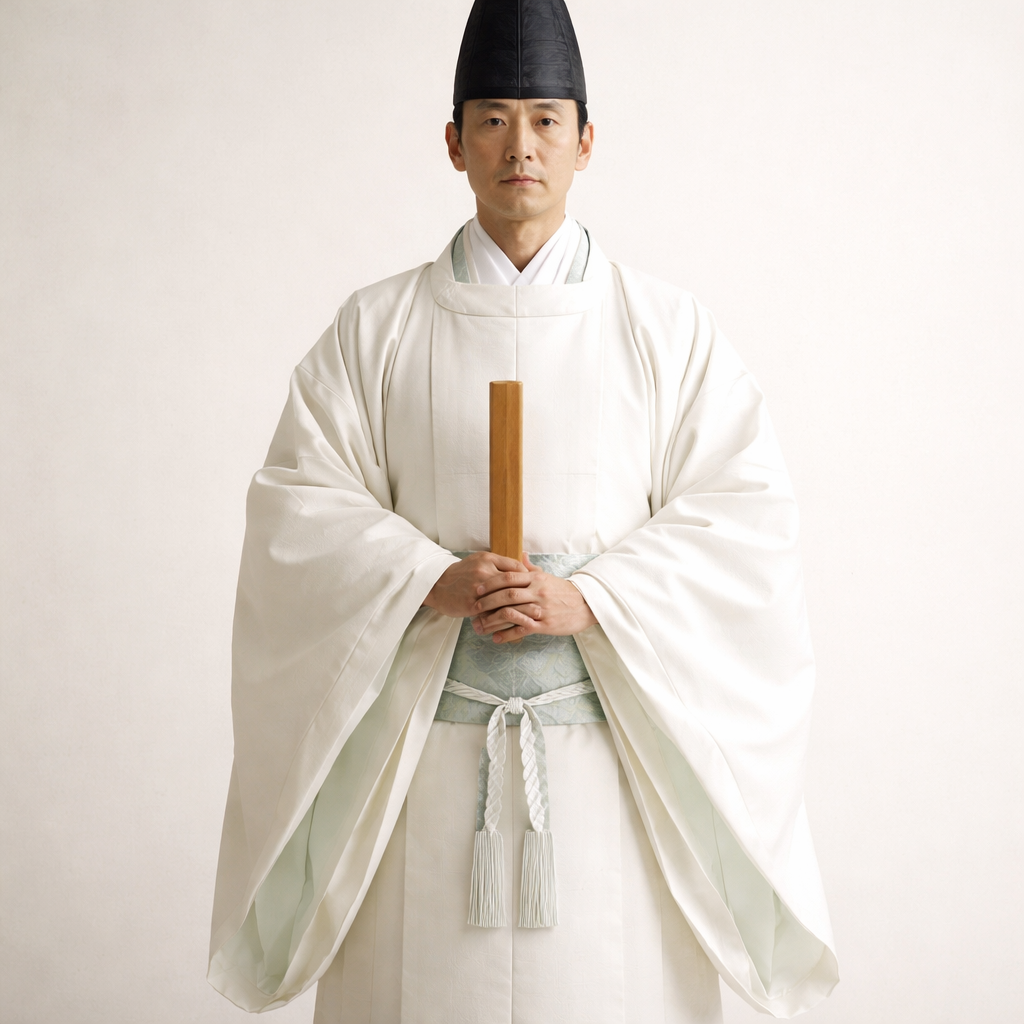
- Priests (kannushi, shinshoku): Shrine caretakers and ritual leaders.
- Miko (shrine maidens): Perform ritual dances, assist in ceremonies.
- Imperial household: Historically central to state Shinto.
- Shrine associations: Oversee local and national networks.
Shinto organizes religious authority around ritual performance rather than belief, doctrine, or salvation. Its specialists function as custodians of shrine rites, calendars, and communal continuity, not as theological authorities or mediators of divine truth. Priests operate through situational, inherited, or administrative legitimacy, while prophecy, revelation, and ascetic authority are structurally absent or tightly constrained. Institutional organization remains historically contingent, shaped by political arrangements rather than sacred mandate, and modern coordination bodies exercise administration without doctrinal control. Lay participation is foundational, sustaining practice through festivals, household observance, and local custom, while education emphasizes ritual competence over instruction. Reform in Shinto arises from shifts in political entanglement and administrative structure, not doctrinal crisis. Taken together, Shinto’s specialists and institutions form a distributed, non-dogmatic ritual system embedded in social life rather than a belief-governed religious hierarchy.
9. Social Function & Law
- Shinto tied to community identity and imperial legitimacy.
- Festivals structure communal life and agricultural rhythms.
- Purity/pollution taboos regulate social conduct.
- State Shinto (Meiji) used religiously to unify nation.
Shinto’s social function and legal logic operate through ritual status, communal custom, and symbolic authority rather than codified law or moral command. Social order is maintained not by doctrine, commandments, or juridical enforcement, but by practices of purity, seasonal ritual participation, household continuity, and local shrine life. Political legitimacy historically attached to sacral symbolism—most notably imperial descent and enthronement rites—yet Shinto itself never mandated a political system or claimed jurisdiction over civil law. Ethical regulation remains implicit and situational, expressed through concepts such as purity, sincerity, and harmony rather than universalized moral rules. Discipline is corrective and temporary, aimed at restoring ritual fitness rather than assigning guilt or punishment. Community cohesion emerges through shared festivals, local identity, and repeated ritual presence, not belief or confession. Where coercion, militarization, or national ideology entered Shinto’s history, these developments arose through state appropriation rather than intrinsic religious mandate. Across reform and rupture, Shinto persists as a practice-centered tradition whose continuity lies in ritual repetition and communal participation, not theological or legal authority.
10. Death & Afterlife
- Focus more on life and purity than on afterlife.
- Death associated with impurity; funerals often handled by Buddhism.
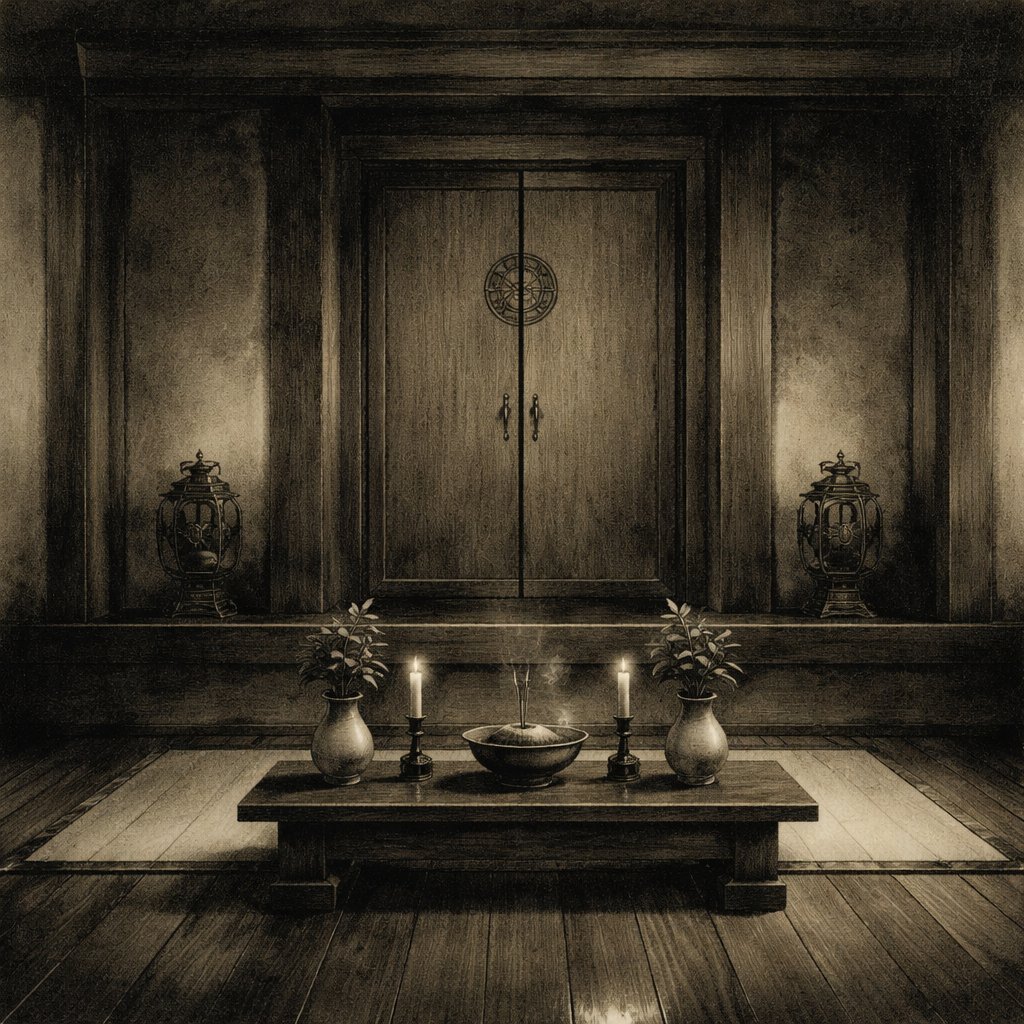
- Ancestor veneration important; spirits honored at household altars (kamidana).
- Belief in spirit continuity, kami-hood for ancestors.
In Shinto, death is not a gateway to salvation, judgment, or moral reckoning, but a disruptive condition that must be ritually contained. The tradition does not articulate a systematic doctrine of the soul, nor does it orient ethical life toward postmortem reward or punishment. Concepts such as tamashii and mitama describe forms of vitality and presence rather than an immortal, morally accountable self, and concern for afterlife destinations remains minimal. Mythic references to Yomi describe a shadowy realm of the dead without moral sorting or soteriological significance. Ancestors are honored as relational presences tied to family and place, not as judges or governors of fate. Funerary practices focus on managing pollution (kegare) and restoring communal balance, often through syncretic means, rather than securing the dead’s destiny. Overall, Shinto situates death firmly within a this-worldly framework, where social harmony, ritual purity, and continuity among the living take precedence over speculation about what follows life.
11. Symbolism & Cultural Expression

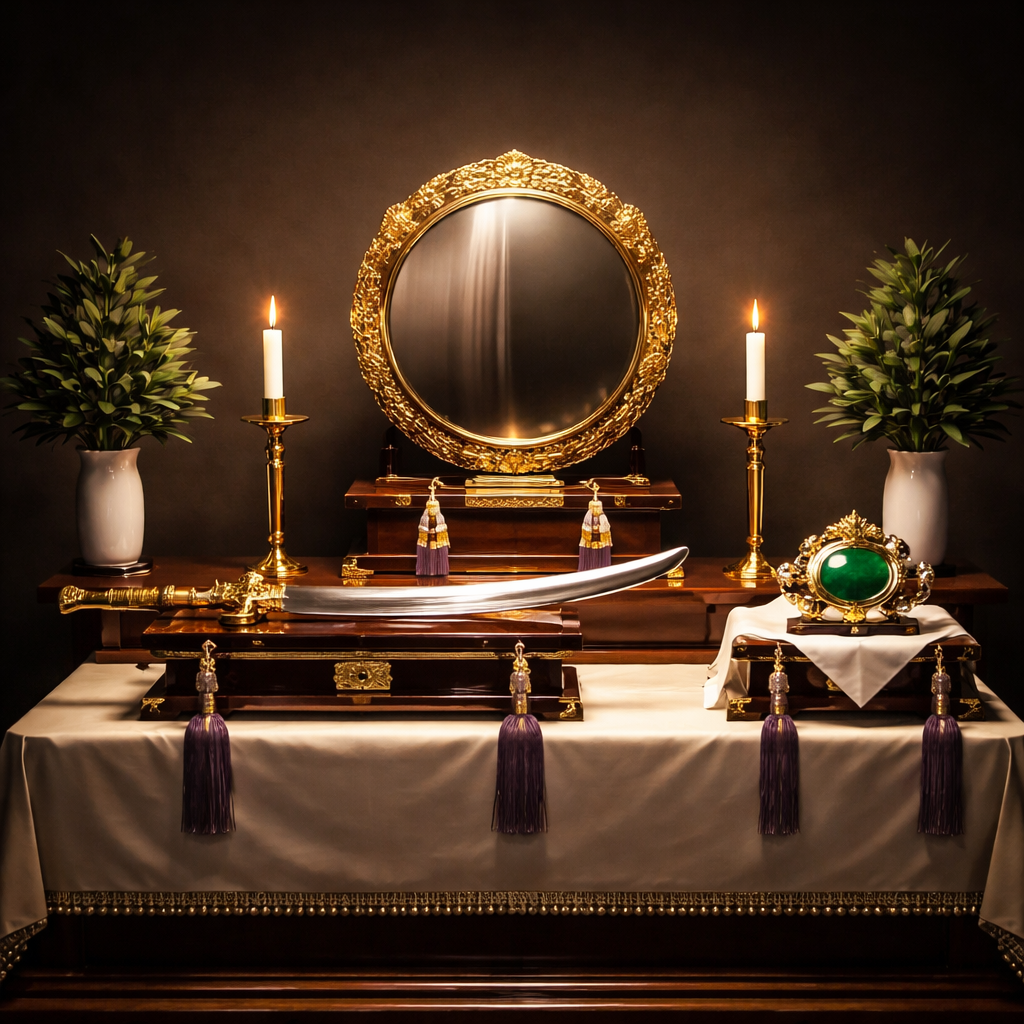
- Symbols: Torii, mirror (Amaterasu), white garments (purity).
- Numbers: 3 (imperial regalia), 8 (as symbolic of “many” in myth).
- Art forms: Kagura dance, shrine architecture, festival music.
- Literature: Myths in Kojiki and Nihon Shoki.
Shinto symbolism does not operate as a system of theological representation or doctrinal communication. Its symbols function primarily as boundary markers, orientation devices, and procedural cues that regulate relationships between humans, kami, place, and time. Meaning is produced through transition, purification, repetition, and correct performance, not through abstract metaphysical claims or narrative instruction. Objects such as torii gates, shimenawa, mirrors, and natural features do not depict or contain divinity; they signal presence, readiness, and separation, directing attention rather than conveying belief.
Language, music, architecture, dress, and daily custom in Shinto are similarly non-revelatory and non-symbolic in the Western sense. Norito prayers, kagura performance, shrine design, and ritual attire derive their efficacy from continuity, cadence, and contextual correctness rather than interpretation or emotional intensity. Visual restraint and aniconism reinforce a focus on place and action over image, while everyday practices embed symbolic order into habitual life without formal instruction or catechesis. Social and political symbolism—especially imperial associations—remains historically contingent, demonstrating that Shinto symbolism stabilizes memory, identity, and communal harmony without enforcing doctrine, belief, or allegiance.
12. Contact & Transformation

- Buddhism: Centuries of syncretism; kami identified as local manifestations of Buddhas (honji-suijaku).
- Confucianism: Influenced Shinto ethics in medieval/early modern Japan.
- Christianity/modernity: Reshaped under nationalism and later secularization.
- Today: Practiced in cultural, ritual, and folk forms; global interest through Japanese culture.
Shinto’s historical trajectory is defined by sustained contact rather than isolation. From its early development, Shinto operates as a non-dogmatic, ritual-centered tradition that absorbs, reinterprets, and sheds external influences without collapsing into doctrinal fusion. Its long entanglement with Buddhism produced layered cosmologies and shared sacred spaces, while Confucian and Daoist influences shaped ethical language, ritual order, and state ceremonial life. Because Shinto lacks fixed creedal boundaries, continuity is maintained through ritual compatibility, locality, and practice rather than belief enforcement.
Periods of reform and disruption are driven primarily by elite political and intellectual interventions rather than internal theological crisis, most notably during early modern nativist movements and the Meiji state’s redefinition of Shinto as an instrument of national identity. Schism remains limited and administrative, suppression largely instrumental rather than doctrinal, and diaspora transmission minimal and heritage-oriented. In modern contexts, Shinto adapts by decoupling ritual practice from metaphysical and ideological claims, allowing shrine life to persist as cultural custom amid secularization and globalization. Across these transformations, Shinto’s durability rests on structural plasticity: the capacity to accommodate change while preserving kami-centered ritual continuity tied to place, seasonality, and community.