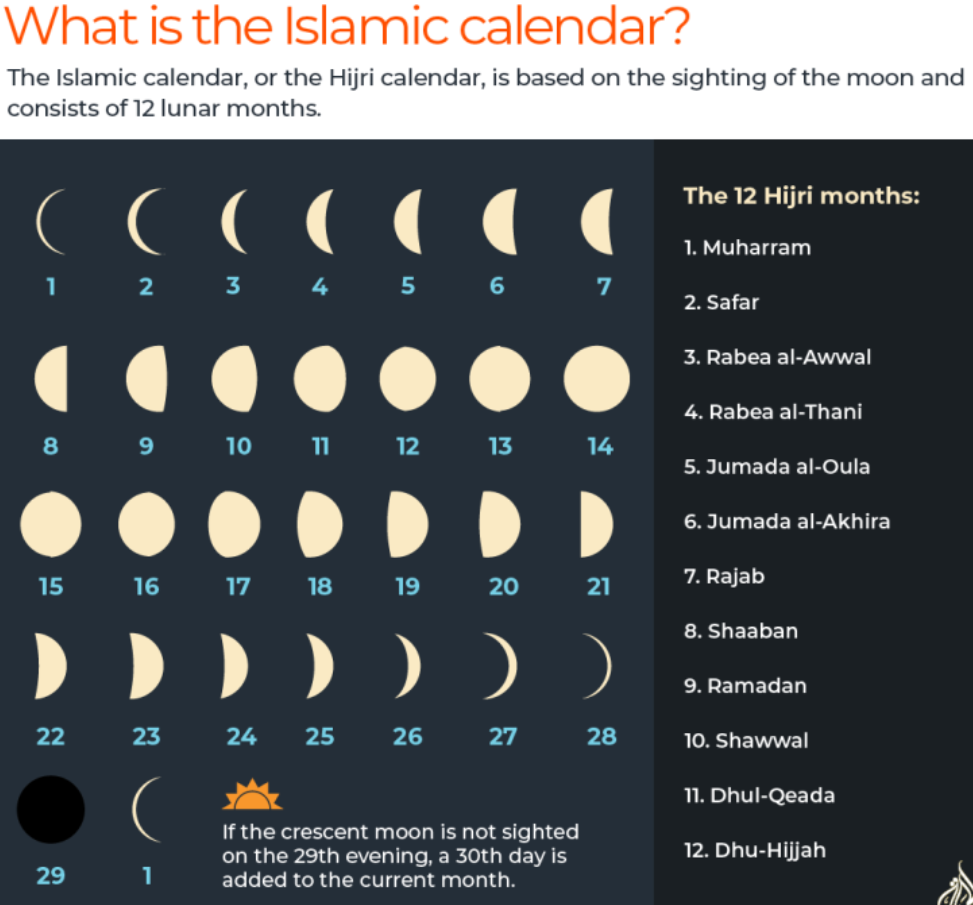

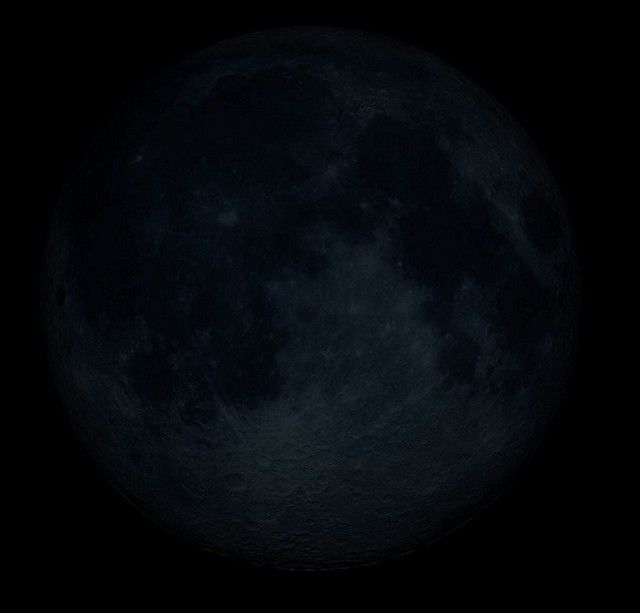
New Moon
This is the invisible phase of the Moon, with the illuminated side of the Moon facing the Sun and the night side facing Earth. In this phase, the Moon is in the same part of the sky as the Sun and rises and sets with the Sun. Not only is the illuminated side facing away from the Earth, it’s also up during the day! Remember, in this phase, the Moon doesn’t usually pass directly between Earth and the Sun, due to the inclination of the Moon’s orbit. It only passes near the Sun from our perspective on Earth.
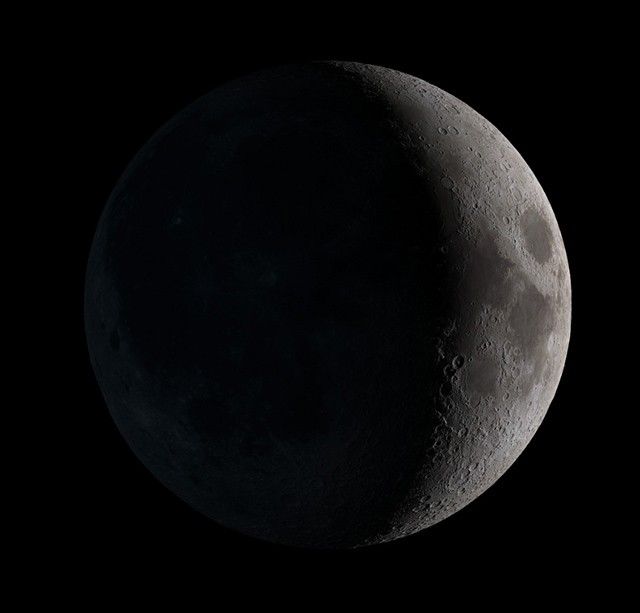
Waxing Crescent
This silver sliver of a Moon occurs when the illuminated half of the Moon faces mostly away from Earth, with only a tiny portion visible to us from our planet. It grows daily as the Moon’s orbit carries the Moon’s dayside farther into view. Every day, the Moon rises a little bit later.
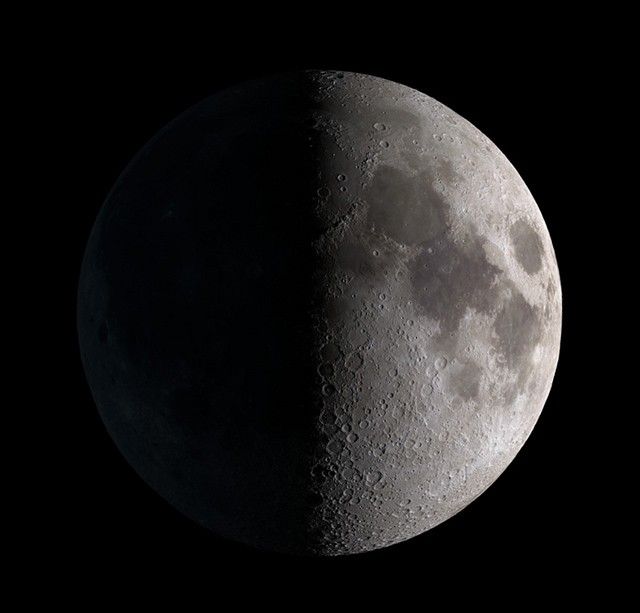
First Quarter
The Moon is now a quarter of the way through its monthly journey and you see half of its illuminated side. People may casually call this a half Moon, but remember, that’s not really what you’re witnessing in the sky. You’re seeing just a slice of the entire Moon ― half of the illuminated half. A first quarter Moon rises around noon and sets around midnight. It’s high in the sky in the evening and makes for excellent viewing.
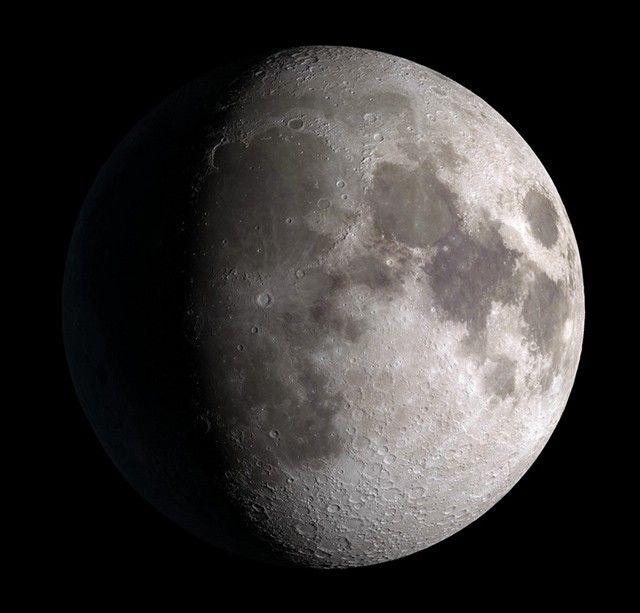
Waxing Gibbous
Now most of the Moon’s dayside has come into view, and the Moon appears brighter in the sky.
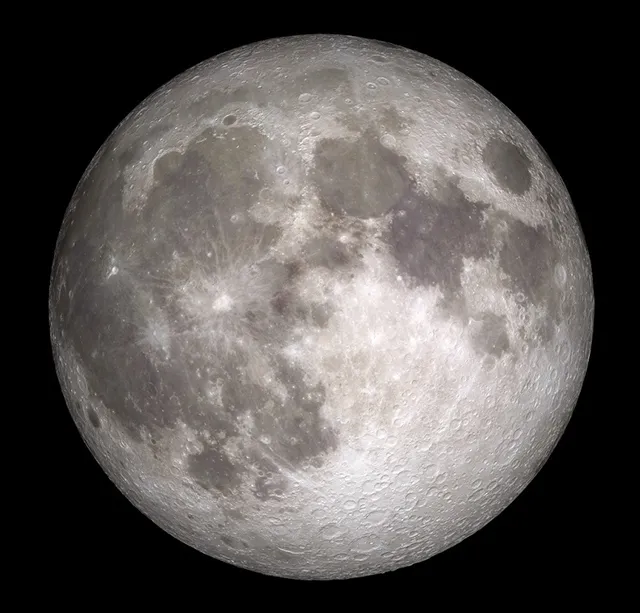
Full Moon
This is as close as we come to seeing the Sun’s illumination of the entire day side of the Moon (so, technically, this would be the real half moon). The Moon is opposite the Sun, as viewed from Earth, revealing the Moon’s dayside. A full Moon rises around sunset and sets around sunrise. The Moon will appear full for a couple of days before it moves into…
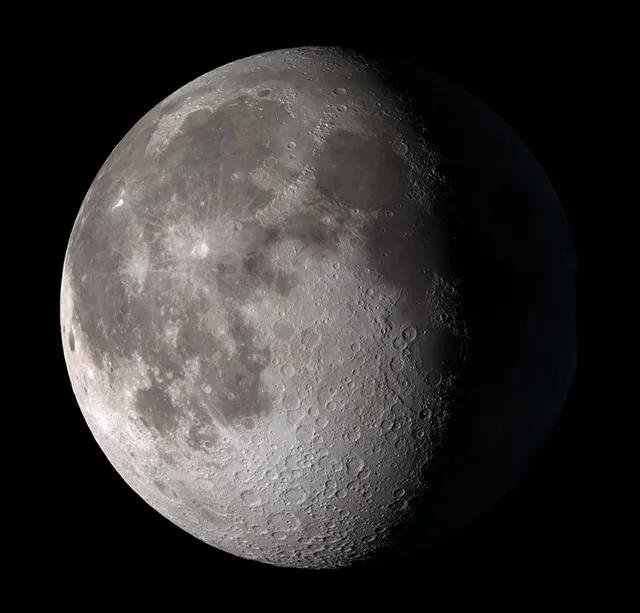
Waning Gibbous
As the Moon begins its journey back toward the Sun, the opposite side of the Moon now reflects the Moon’s light. The lighted side appears to shrink, but the Moon’s orbit is simply carrying it out of view from our perspective. The Moon rises later and later each night.
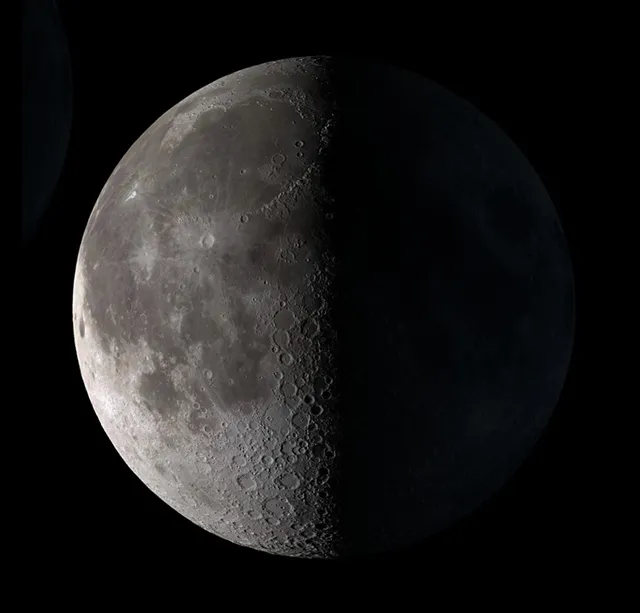
Last Quarter
The Moon looks like it’s half illuminated from the perspective of Earth, but really you’re seeing half of the half of the Moon that’s illuminated by the Sun ― or a quarter. A last quarter Moon, also known as a third quarter Moon, rises around midnight and sets around noon.
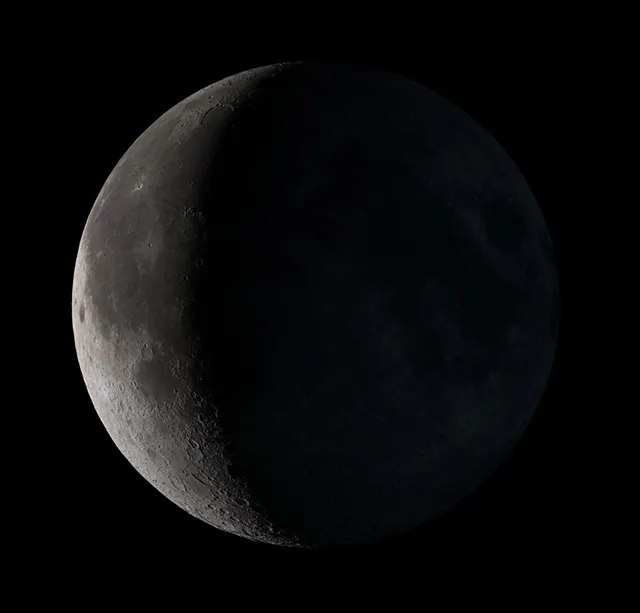
Waning Crescent
The Moon is nearly back to the point in its orbit where its dayside directly faces the Sun, and all that we see from our perspective is a thin curve.
Below is a structured table listing all known or major lunar calendars, with scholarly anchors where possible.
Lunar Calendars – Global Reference Table
| Calendar Name | Region/Civilization | Approx. Introduction | Structure | Intercalation | Notes / Legacy |
|---|---|---|---|---|---|
| Prehistoric Lunar Tallies (e.g. Ishango Bone, Scotland’s Warren Field) | Upper Paleolithic Africa, Europe | c. 30,000–8,000 BCE | Tally marks tracking 29–30 day cycles | None | Earliest evidence of humans marking lunar months. Precedes formal “calendars.” |
| Mesopotamian Lunar Count (pre-lunisolar) | Sumer, Akkad | 3rd millennium BCE | Months began with first crescent moon | None (initially) | Basis of later Babylonian lunisolar calendar. Pure lunar phase counting. |
| Pre-Islamic Arabian Calendar (Nasīʾ before ban) | Arabian Peninsula | 1st millennium BCE? | 12 lunar months, occasionally intercalated | Sometimes intercalated (lunisolar) until 632 CE | Muhammad banned intercalation, fixing it as purely lunar (→ Islamic calendar). |
| Islamic Hijri Calendar | Arabia → Muslim world | 622 CE | 12 months of 29/30 days (354/355 days total) | None | Still used for religious life. Months drift through solar seasons. |
| Medieval “Tabular Islamic” (arithmetical) | Islamic astronomers | c. 9th century CE | 30-year cycle (11 leap days in 30 years) | Extra day in leap years (30 vs 29 days) | Predictive scheme, still lunar-only. |
| West African Indigenous Lunar Calendars | Yoruba, Igbo, others | Ancient to present | 28–30 day months based on Moon | None | Still used for ritual timing. |
| Indonesian Traditional Lunar Calendars (e.g. Javanese Pawukon’s lunar elements) | Java, Indonesia | Pre-Islamic era | Months by lunar phases | None | Blended later with Islamic Hijri and Hindu lunisolar elements. |
| Other Pure Lunar Examples (e.g. some Oceanic island traditions) | Polynesia, Micronesia | Prehistoric | Lunar nights named (≈29–30 nights) | None | Still embedded in ritual/ritual navigation calendars. |
Key Takeaways:
- Earliest systems: notched bones & horizon markers tracking lunar months.
- Civilizational adoption: Sumerians, Egyptians, and others began with lunar-only months before adding solar correction (→ lunisolar).
- Lasting survivor: the Islamic Hijri calendar is the only major pure lunar calendar still in full use globally.
- Most other societies eventually switched to lunisolar or solar systems for agricultural needs.