Longshan Period (c. 3000–1900 BCE):
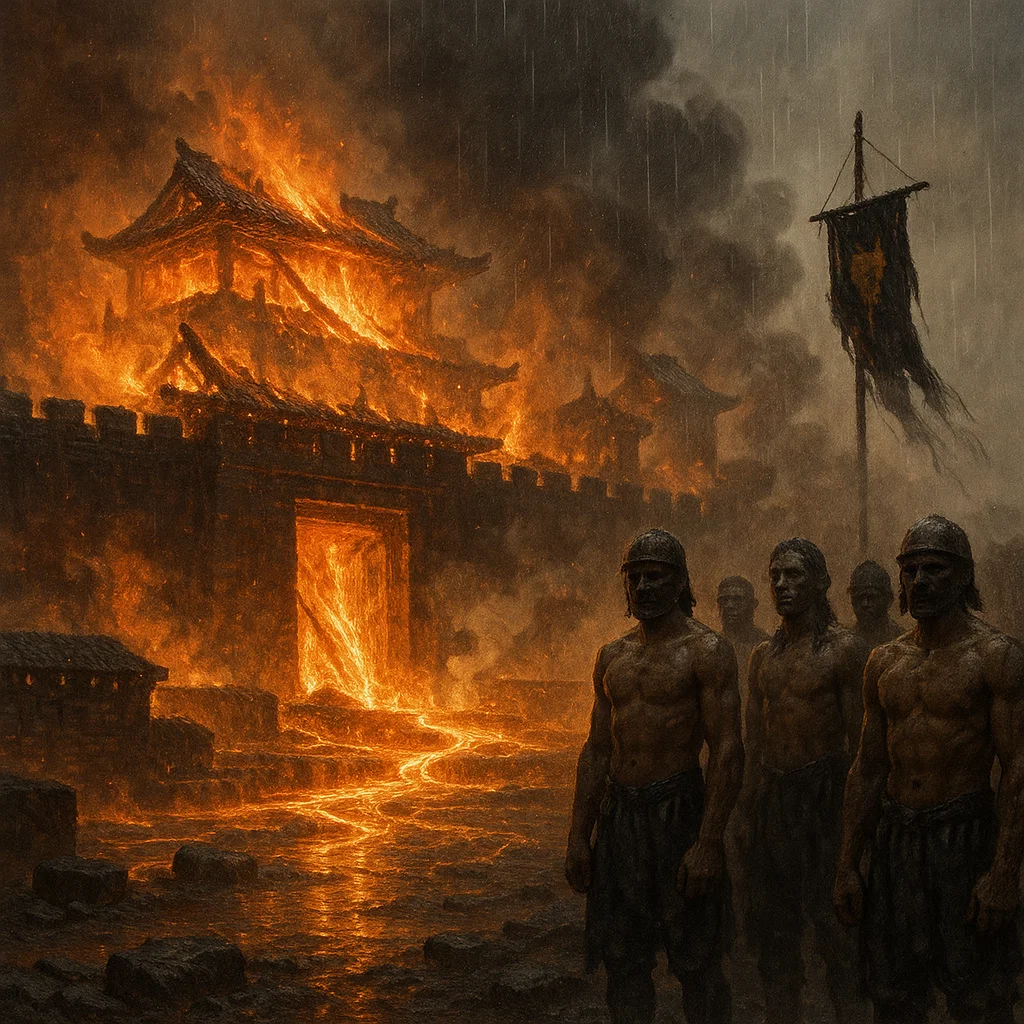
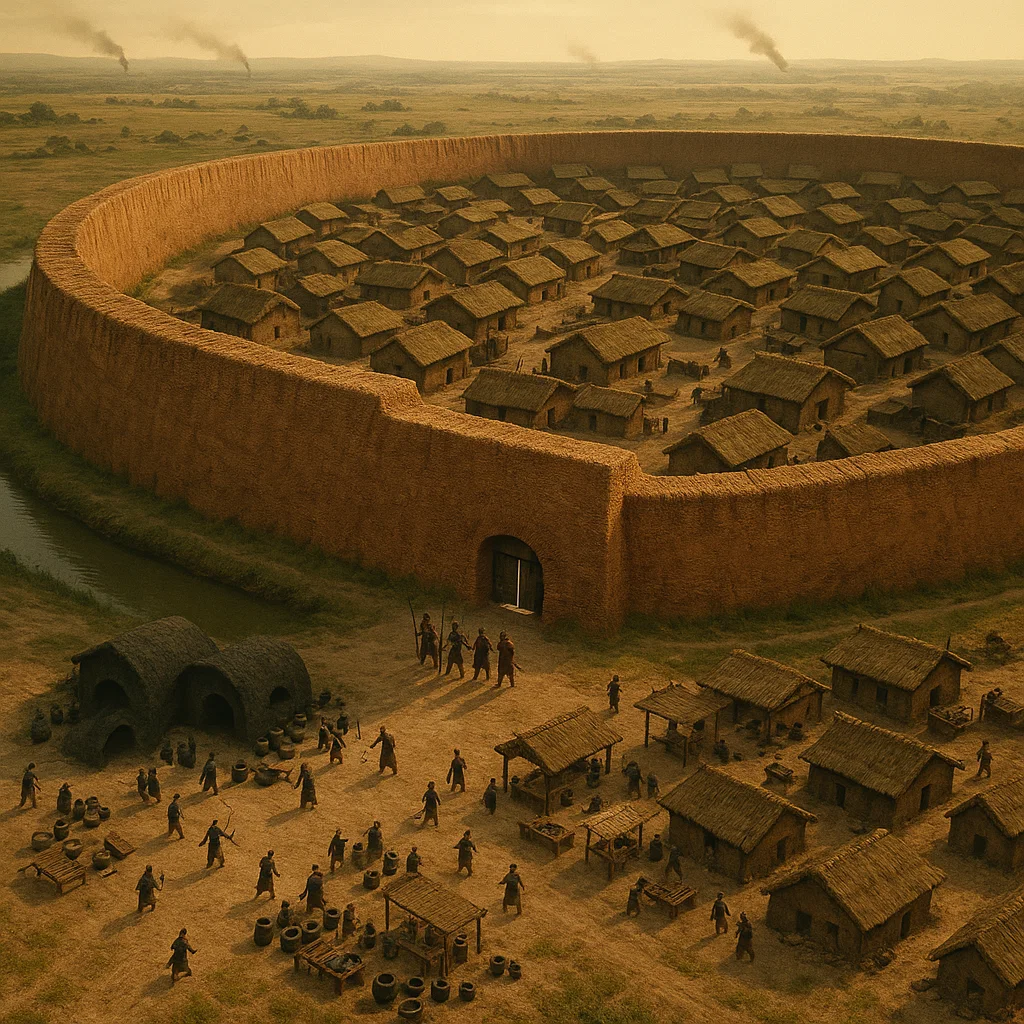
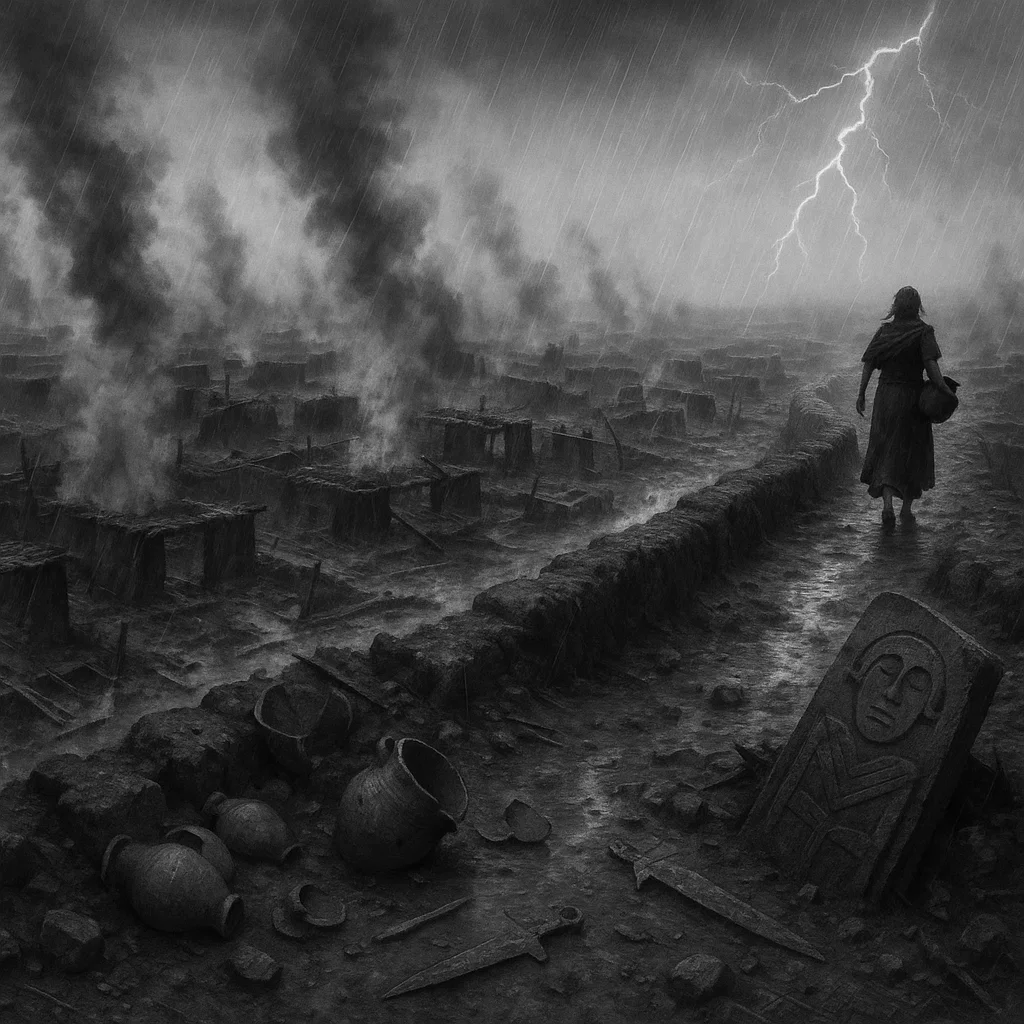
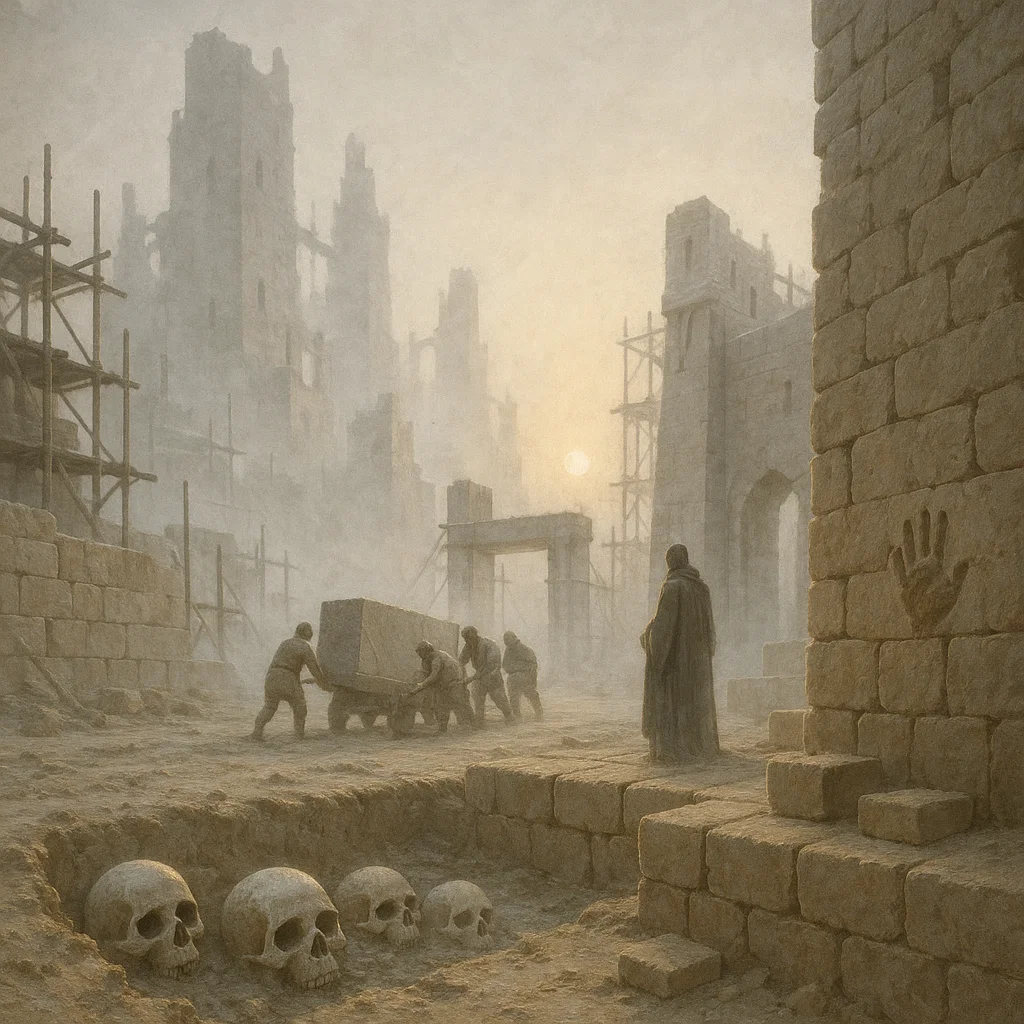
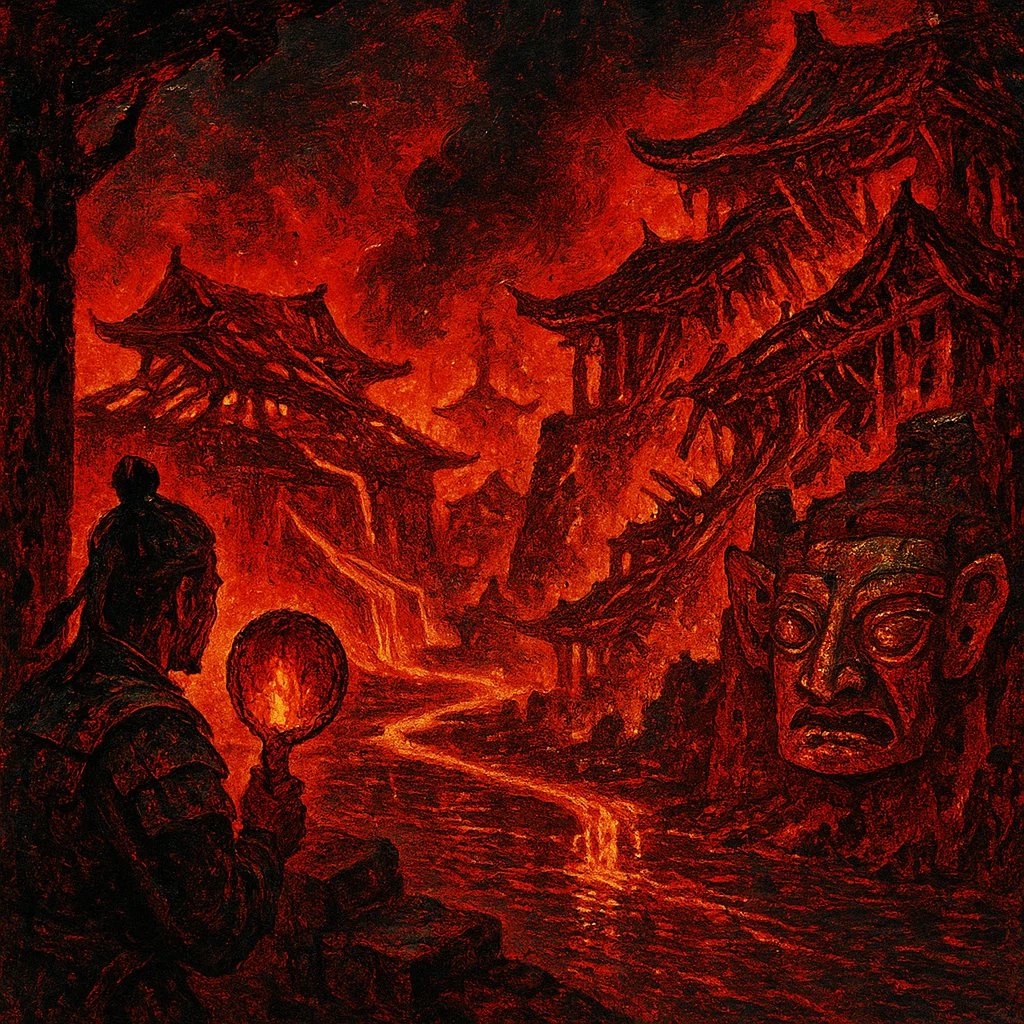
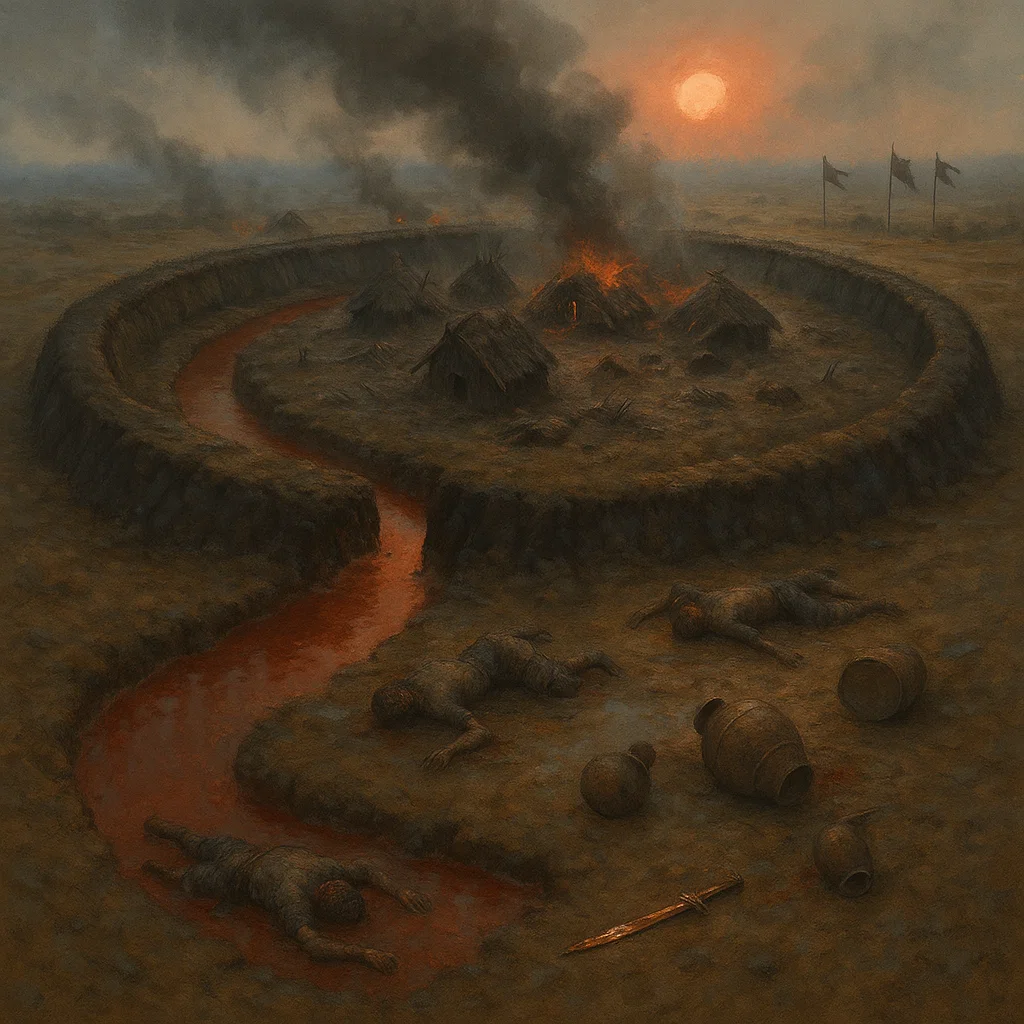
The Longshan culture was the first urbanized society in the Yellow River valley, marked by dozens of walled towns and emerging social stratification. Longshan settlements (e.g. Chengziya in Shandong) featured rammed-earth walls and moats, indicating concern for defense against floods and aggressors. Populations grew into the tens of thousands, and elites accumulated wealth (evidenced by rich burials) even though Longshan polities remained smaller and less centralized than later dynasties. Archaeological evidence (copper daggers, axes, and possible mass graves) suggests rising inter-chiefdom warfare during this late Neolithic phase. By around 2000 BCE, major centers like Taosi (in Shanxi) experienced violent collapse – the Taosi “regime” was destroyed, possibly by war, leading to the site’s abandonment.
Erlitou Culture & Xia (c. 1900–1600 BCE):
The Erlitou culture (likely corresponding to the semi-legendary Xia dynasty) emerged in the Luoyang basin as an early Bronze Age state. Erlitou (in Henan) had a planned capital with a palatial enclosure (protected by a 2 m thick rammed-earth wall) and specialized workshops. This suggests an organized proto-dynastic kingdom with around 20–30,000 population at its peak. The society produced the earliest Chinese bronze ritual vessels and weapons, indicating advances in metallurgy and elite ritual warfare. While no large outer city wall is known at Erlitou, around 1600 BCE a new fortified city was built at nearby Yanshi – a transition often identified with the rise of the Shang polity over the Xia. Traditional accounts describe the last Xia king’s defeat by Shang leader Tang at the Battle of Mingtiao (c. 1600 BCE), ending Xia rule, although direct archaeological confirmation of this battle is lacking.
Shang Dynasty (c. 1600–1046 BCE):
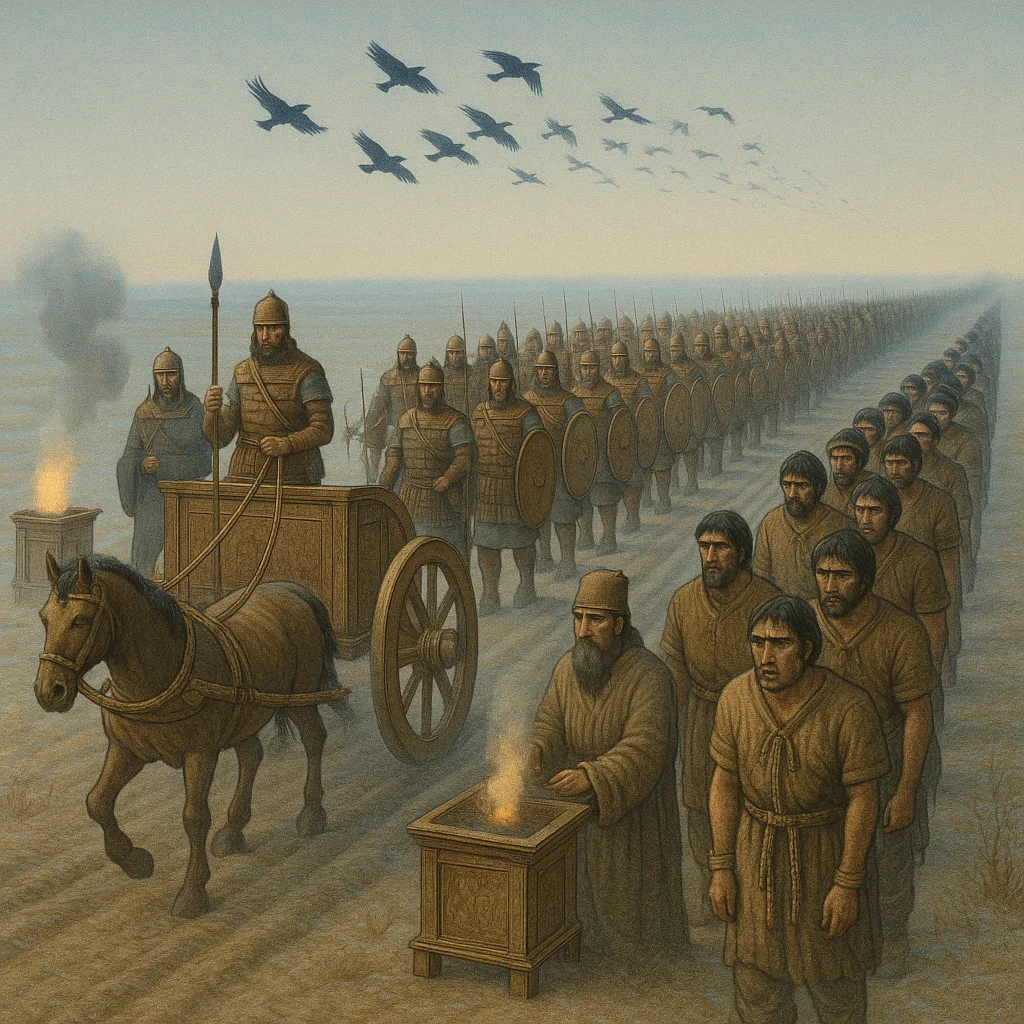
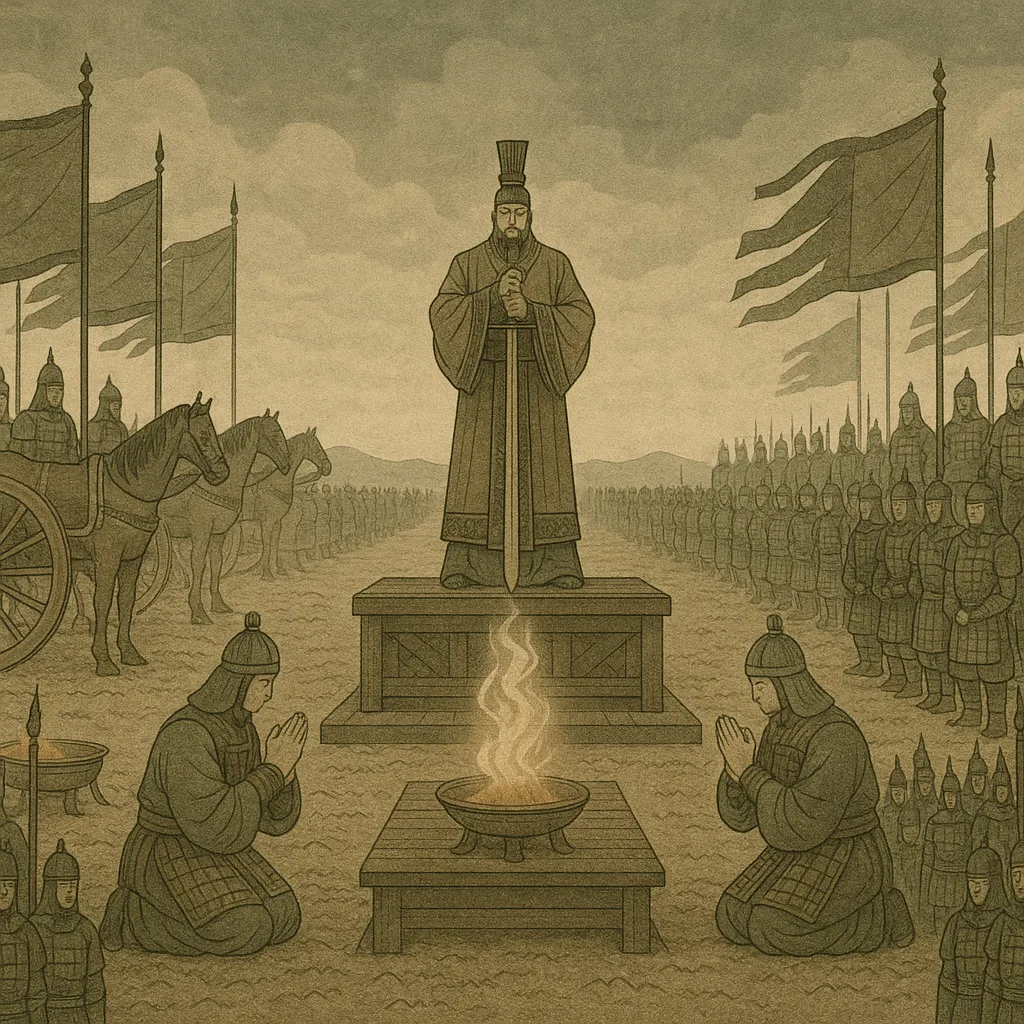
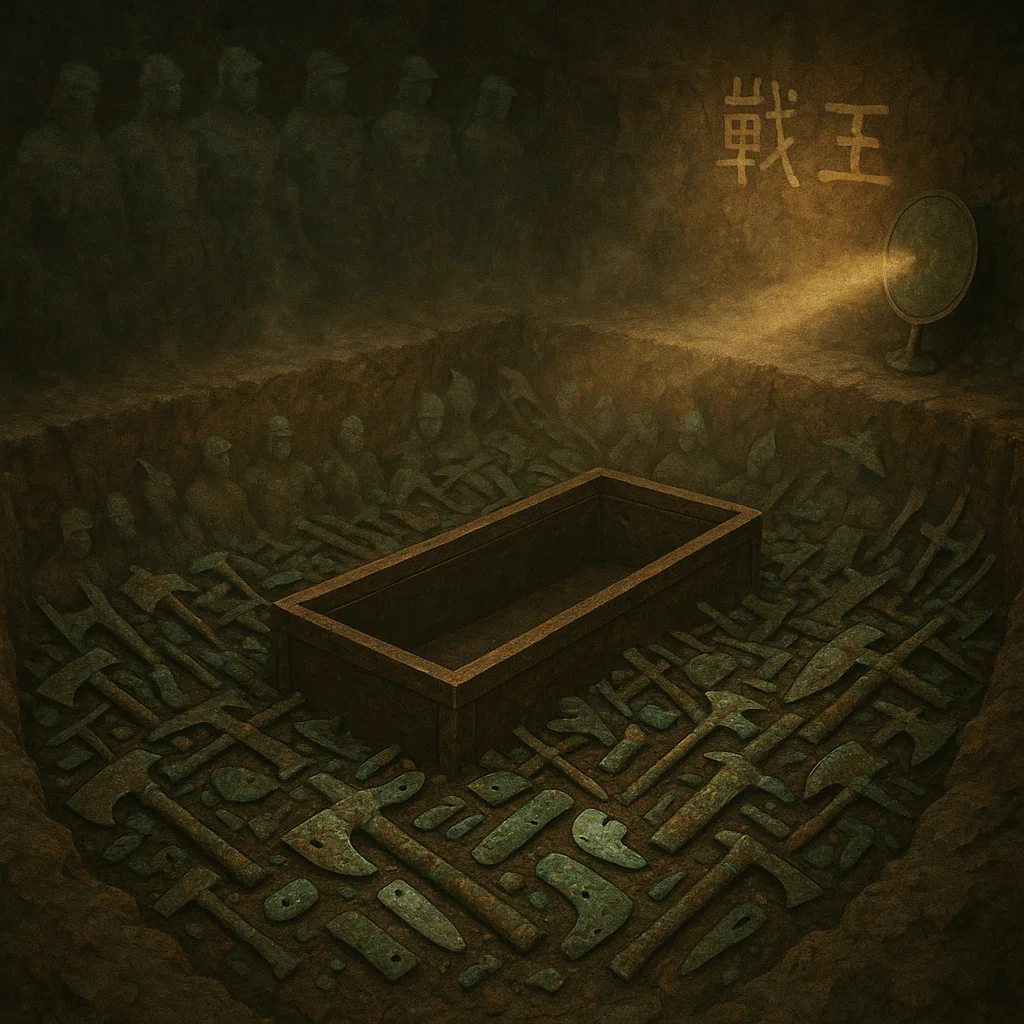
The Shang were the first archaeologically attested dynasty in China, ruling much of the middle and lower Yellow River basin. Over six centuries, Shang power expanded from early centers (like Erligang/Zhengzhou, with a massive walled city) to a mature state with a royal capital at Yin (Anyang) by c. 1300 BCE. Urbanization under the Shang was extensive – their cities had palaces, temples, royal tombs, and bronze foundries run by skilled artisans. Politically, the Shang king was both war-leader and high priest, heading a network of vassal lords. Society was highly stratified, with a warrior aristocracy and evidence of slave labor and war captives in servitude or sacrifice. The Shang developed oracle bone writing, recording royal divinations – many concerning warfare – thus providing the earliest written accounts of Chinese military activities. By the late Shang, their influence reached surrounding regions (as far as the Huai River and possibly into the northern steppe and middle Yangtze), though they coexisted with other cultures at the fringes.
Early Zhou (c. 1046 BCE and after):
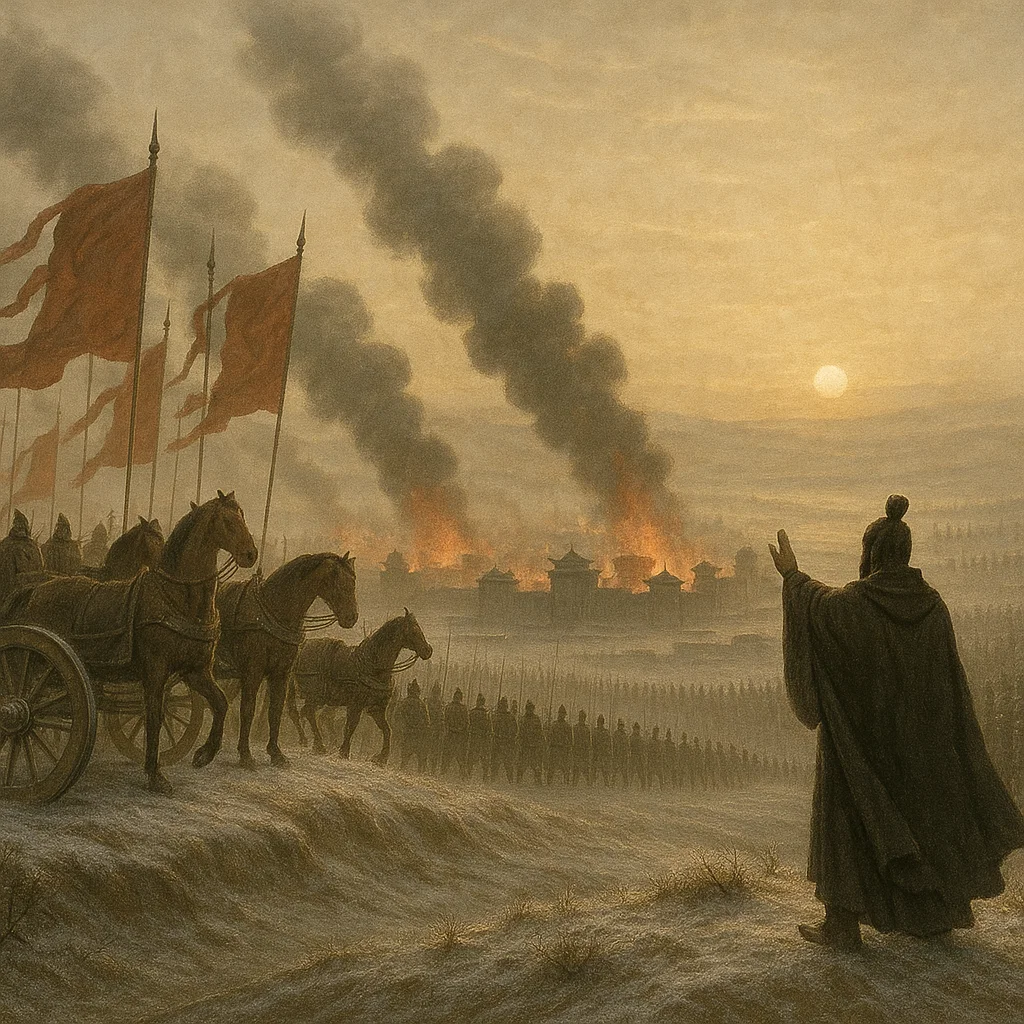
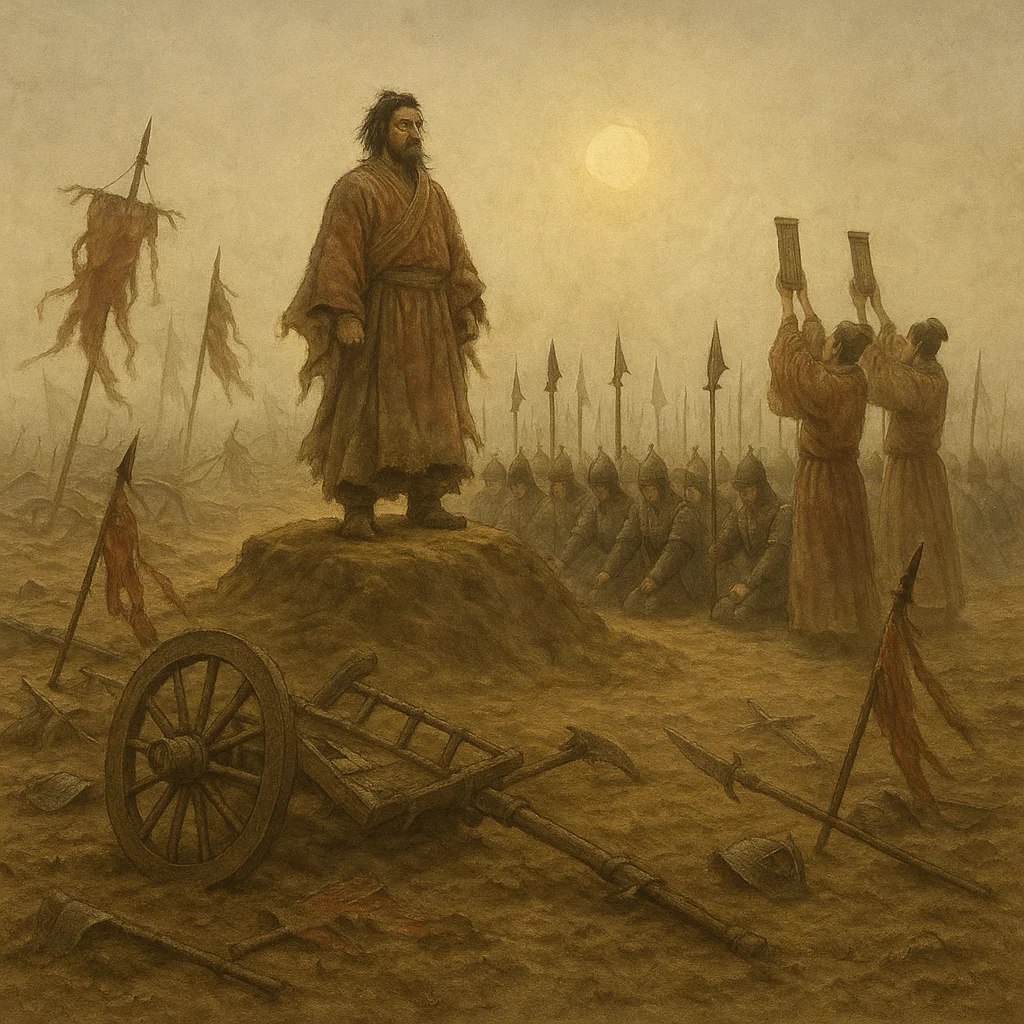
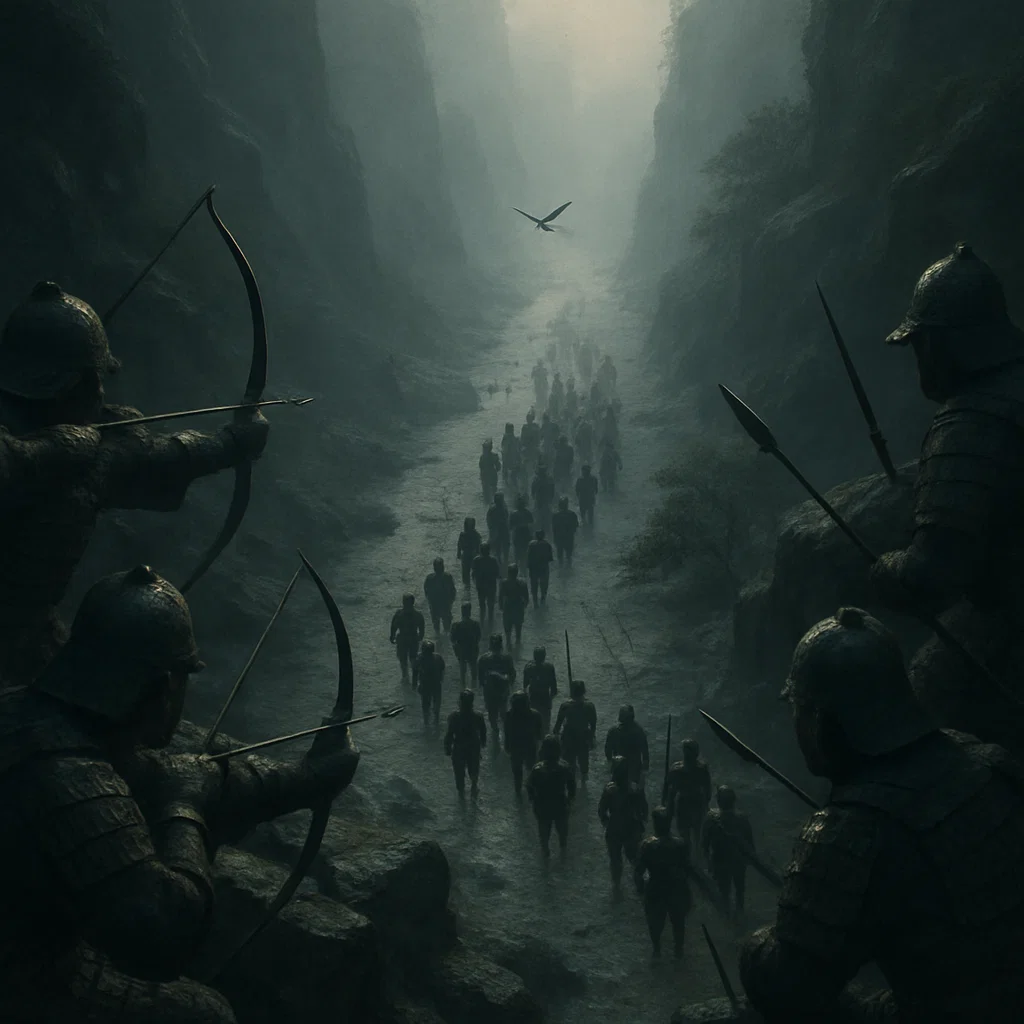
Originating in the Wei River valley to the west, the Zhou rose as a rival power and overthrew the Shang in 1046 BCE. King Wu of Zhou’s victory at Muye established the Zhou dynasty and introduced the concept of the “Mandate of Heaven” to legitimize the conquest. Early Western Zhou rulers controlled a vast territory in north China, but instead of a single centralized capital like Shang, they ruled through a feudal system – enfeoffing relatives and allies as lords over regional states while the Zhou king held a supreme “imperial” authority. The early Zhou period saw the founding of a secondary royal capital in the east (near Luoyang) to better administer former Shang lands. Culturally and technologically, the Zhou inherited Shang Bronze Age practices (bronze ritual vessels, chariot warfare, etc.) but gradually moved away from some Shang extremes (such as large-scale human sacrifice) by adopting a more bureaucratic and moralistic approach to rule. The Western Zhou era (1046–771 BCE) thus begins with a militarized, expansionist polity that soon stabilized and justified its authority via new ideological frameworks (Heaven’s mandate), while continuing many Bronze Age military traditions of the Shang.