North America
Terra Regions
Browse the narrower terra-region surfaces inside this terra avita.
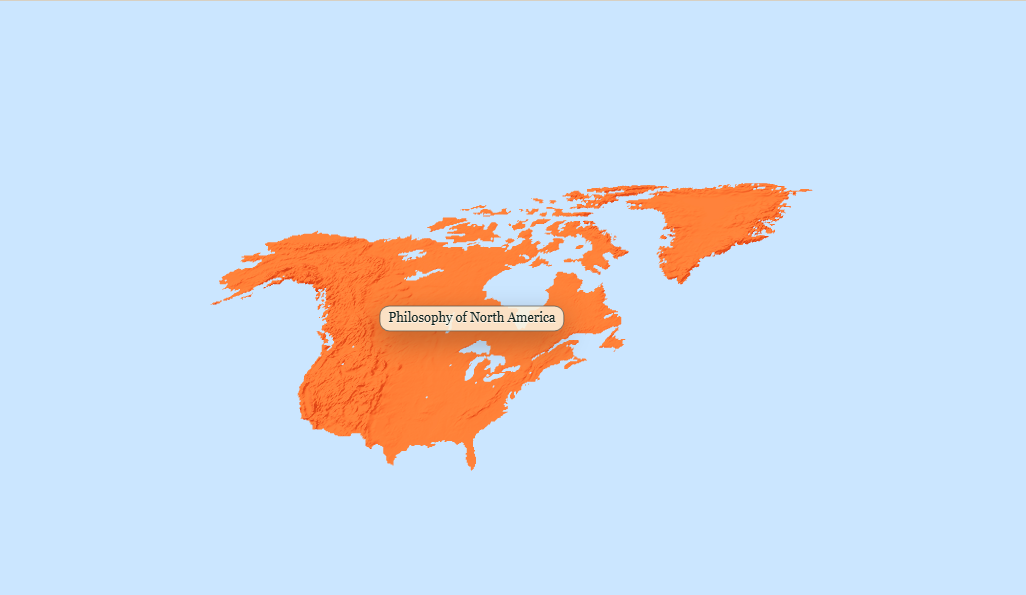
Philosophers of North America
Showing 8 of 8 philosophers.
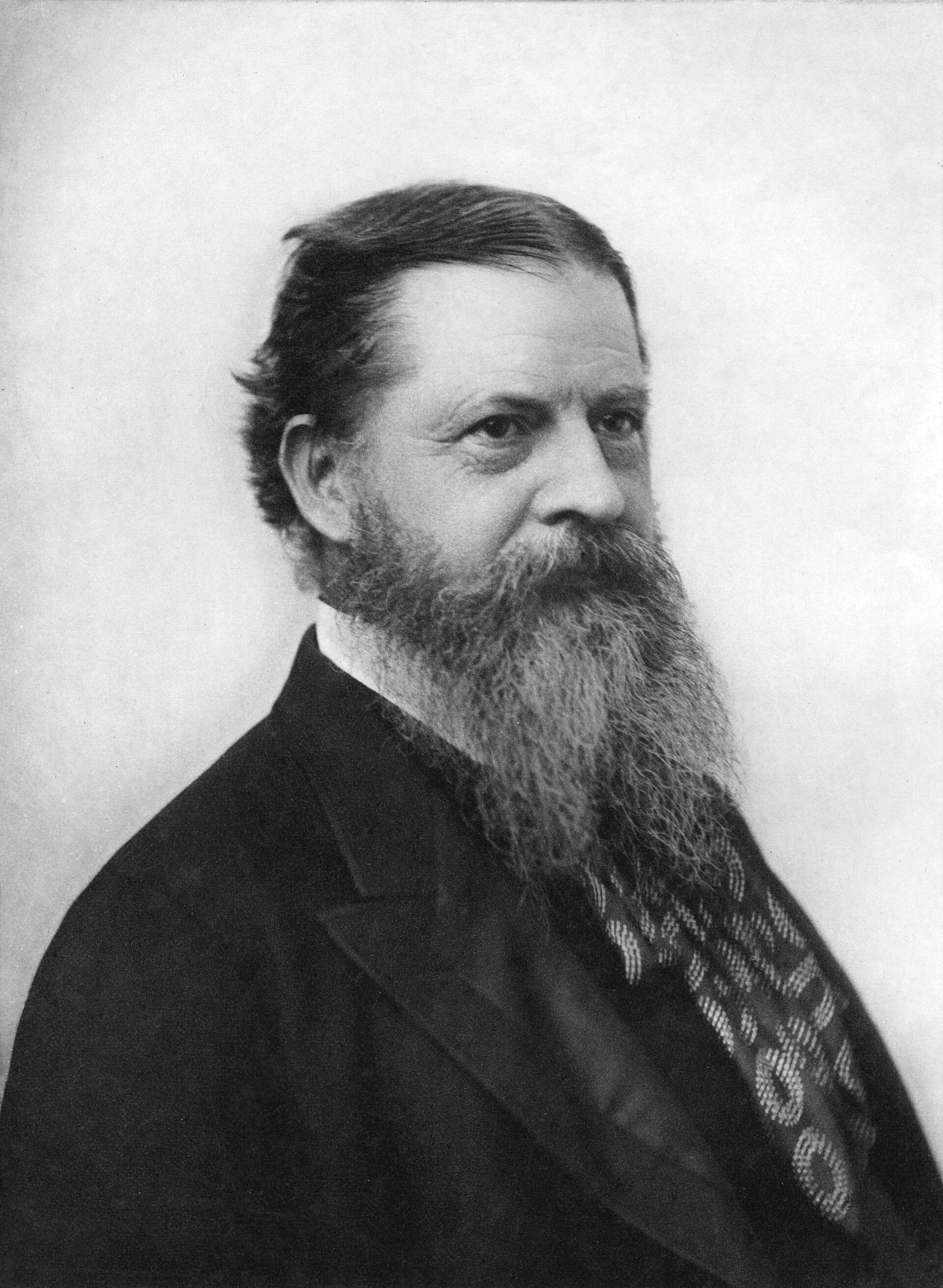
Charles Sanders Peirce
1839 CE – 1914 CE
Cambridge, Massachusetts
American logician, scientist, and founder of pragmaticism whose work joined the pragmatic maxim, semiotic theory, fallibilism, abduction, probability, categories, scientific method, and evolutionary metaphysics.
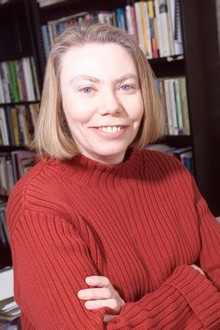
Iris Marion Young
1949 CE – 2006 CE
New York City, New York
American socialist-feminist political theorist whose work on justice, oppression, democracy, body experience, structural injustice, political responsibility, and global labor justice reshaped contemporary feminist and critical social theory.
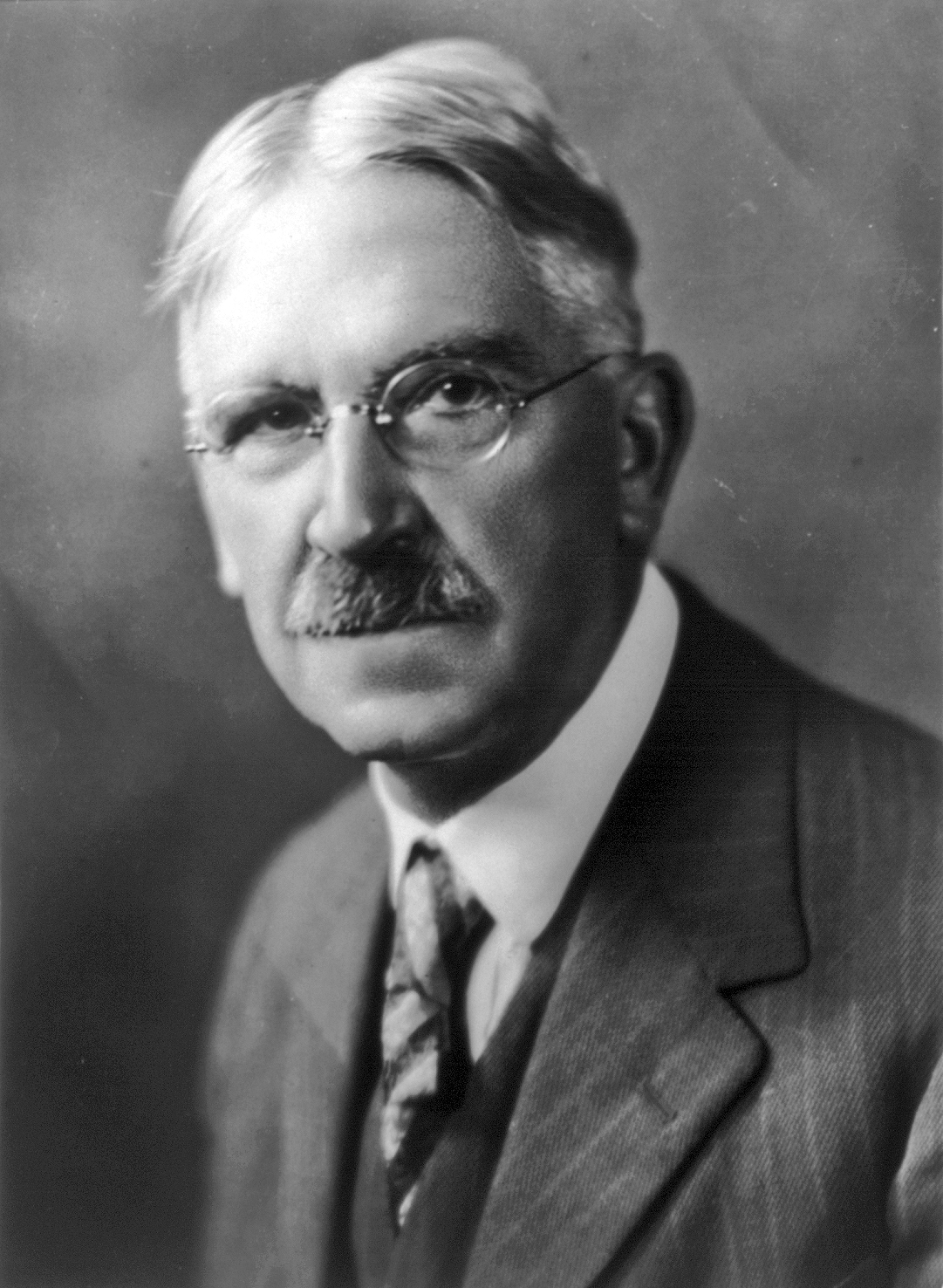
John Dewey
1859 CE – 1952 CE
Burlington, Vermont
American pragmatist philosopher of instrumentalism, democratic experimentalism, progressive education, inquiry, experience, logic, ethics, aesthetics, public life, science, and naturalistic religion.
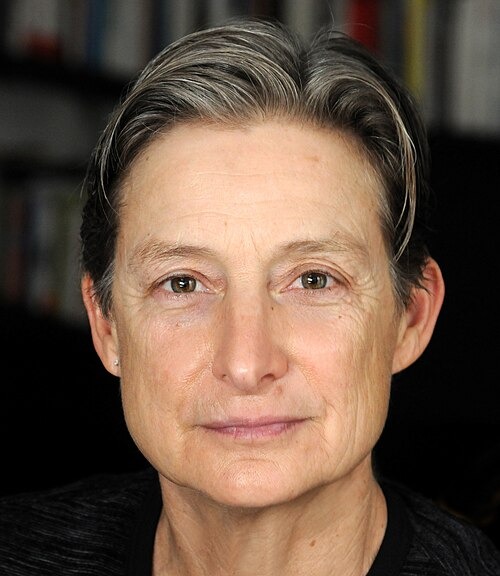
Judith Butler
1956 CE
Cleveland, Ohio
American poststructuralist feminist philosopher and queer theorist of gender performativity, subject formation, vulnerability, precarity, speech, ethics, assembly, nonviolence, and critical theory.
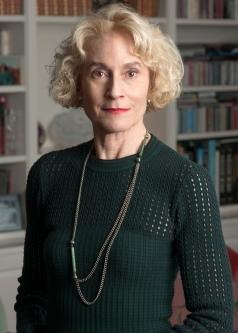
Martha Nussbaum
1947 CE
New York City
American philosopher of Aristotelian liberalism, capabilities justice, feminist ethics, political philosophy, moral psychology, animal justice, aesthetics, literature, law, religion, and public philosophy.
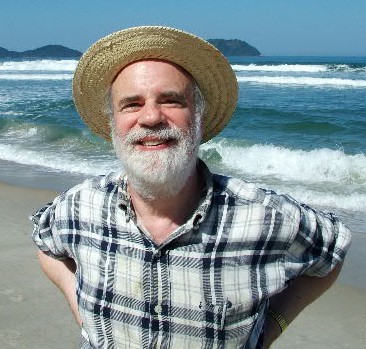
Saul Kripke
1940 CE – 2022 CE
Bay Shore, New York
American analytic philosopher and logician known for Kripke semantics, rigid designation, necessary a posteriori truth, truth theory, and rule-following skepticism.
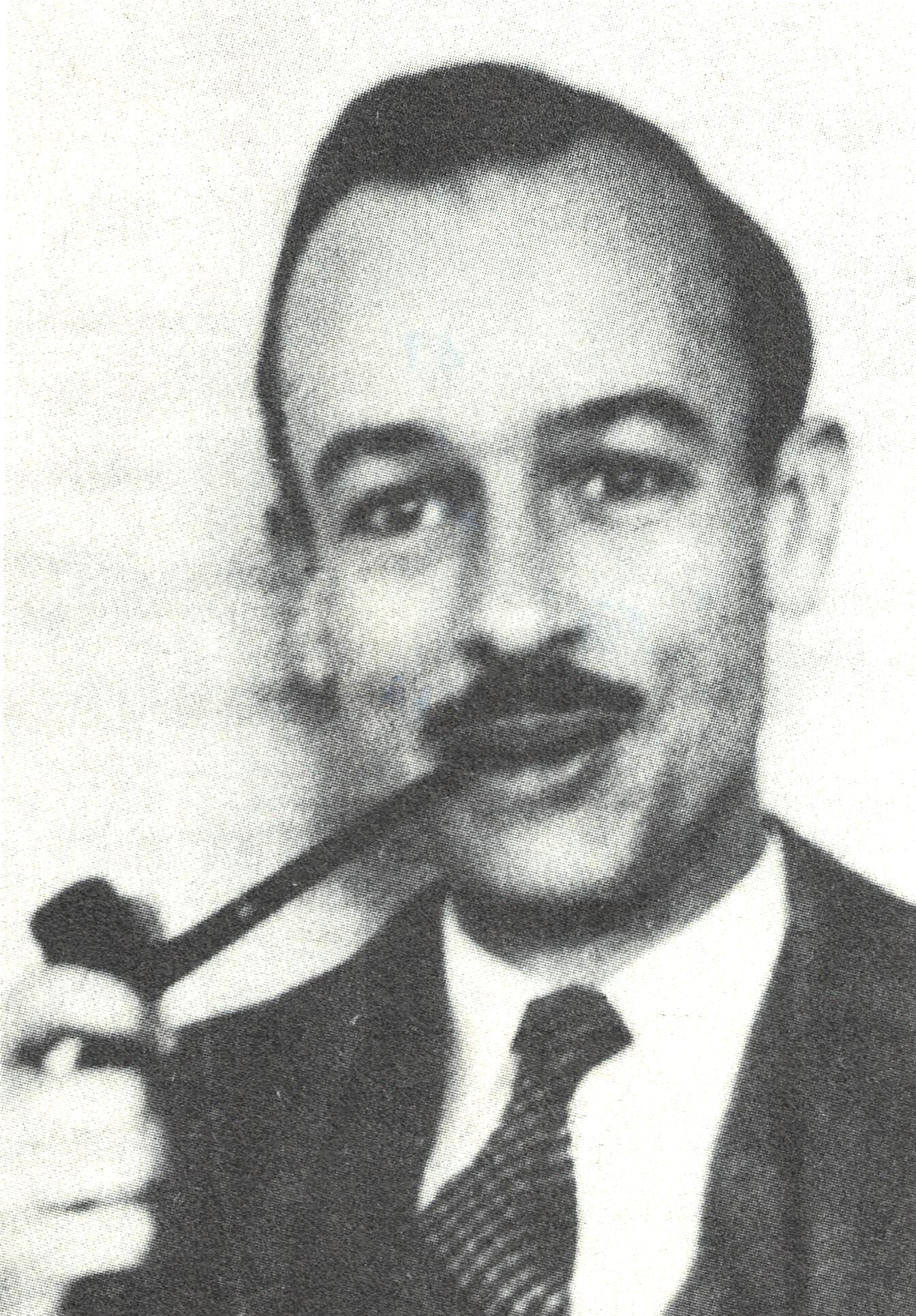
W. V. O. Quine
1908 CE – 2000 CE
Akron, Ohio
American analytic philosopher and logician whose naturalized epistemology, ontological relativity, indeterminacy of translation, extensionalism, and mathematical logic reshaped twentieth-century philosophy.
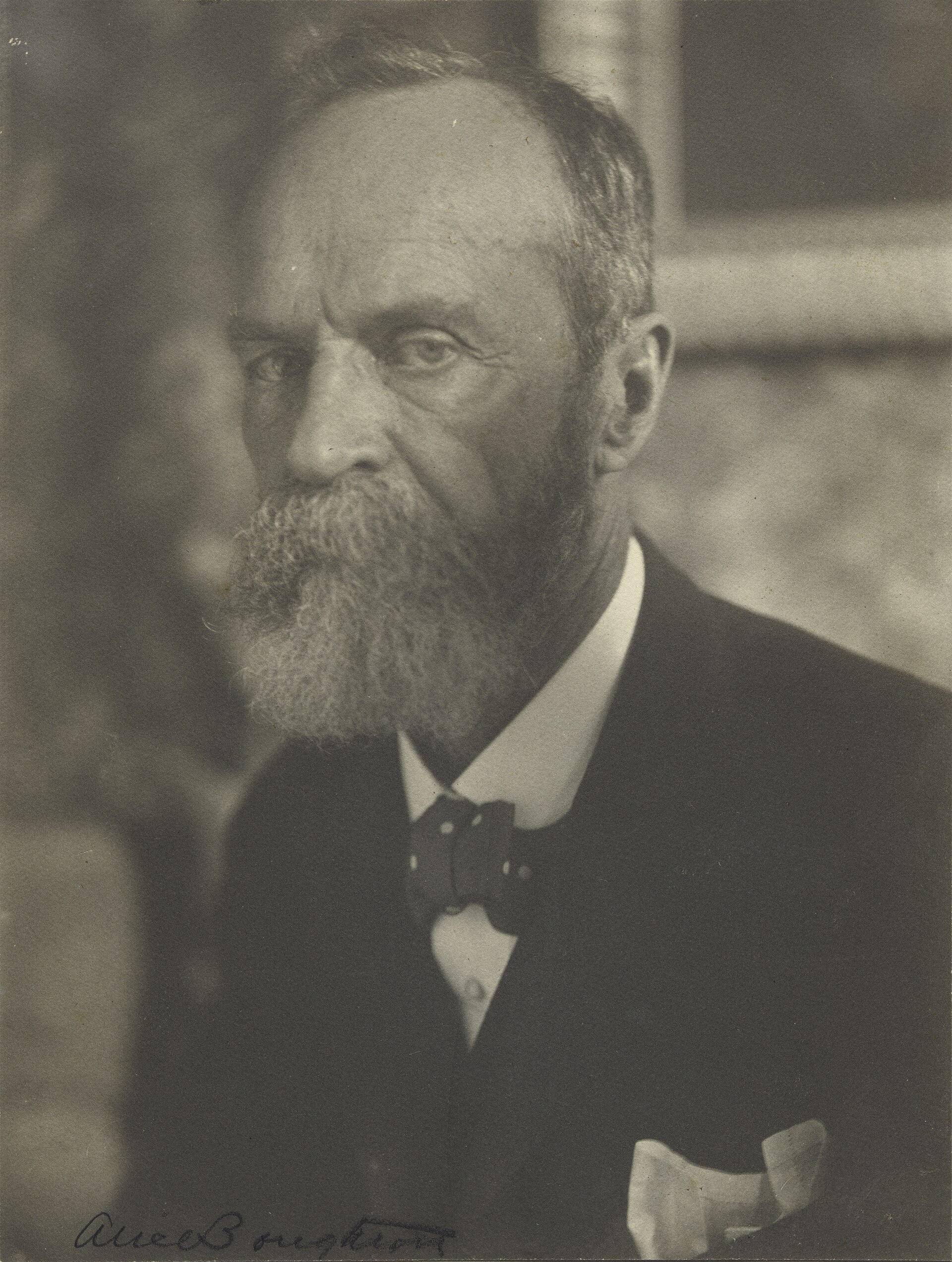
William James
1842 CE – 1910 CE
New York City, New York
American philosopher and psychologist whose pragmatism, radical empiricism, stream-of-consciousness psychology, pluralism, and philosophy of religion reshaped modern philosophy.