North Sea–Channel Rim
Philosophers of North Sea–Channel Rim
Showing 19 of 19 philosophers.
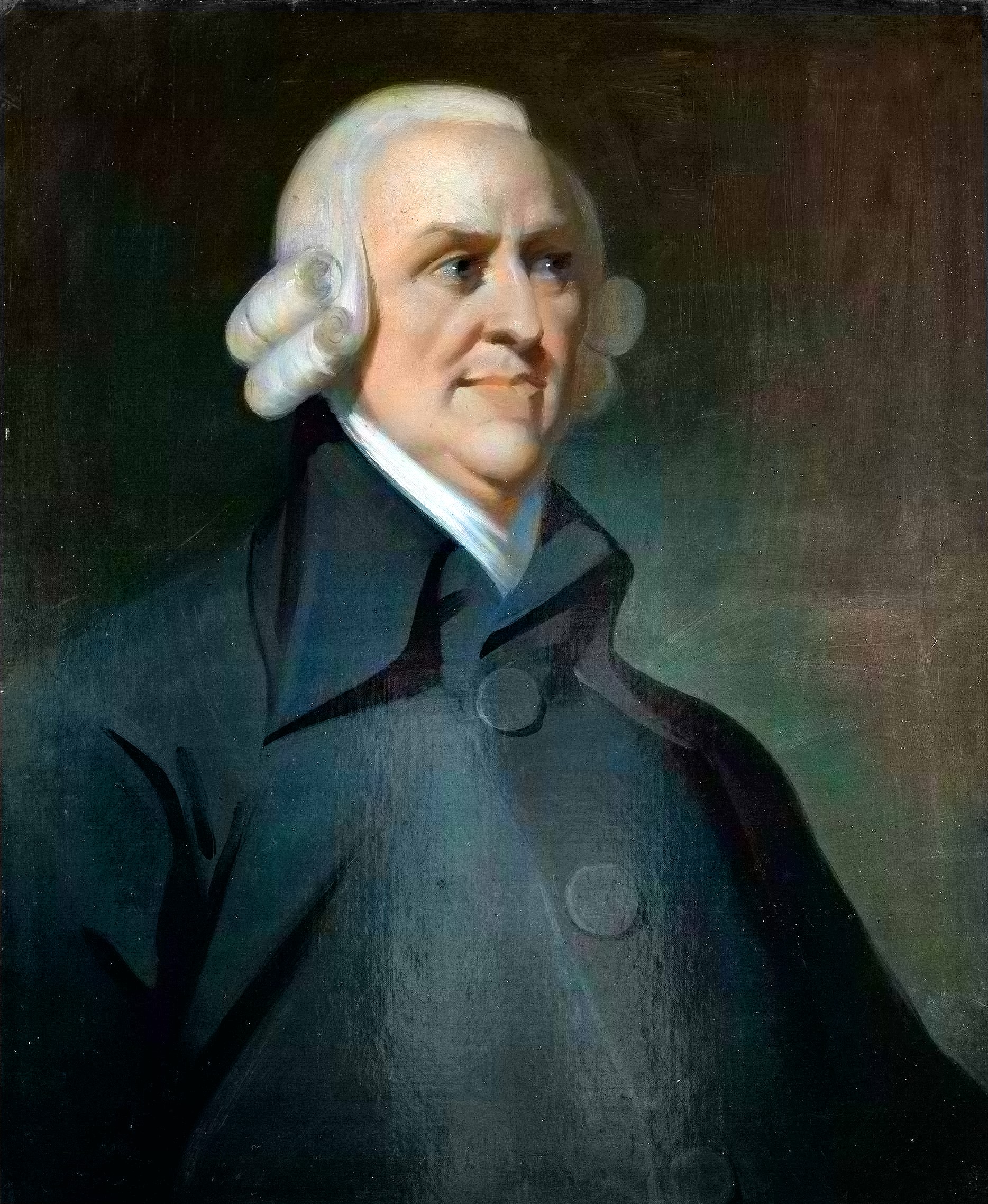
Adam Smith
1723 CE – 1790 CE
Kirkcaldy, Fife
Scottish philosopher from Kirkcaldy, Fife associated with epistemology, ethics, and political philosophy.
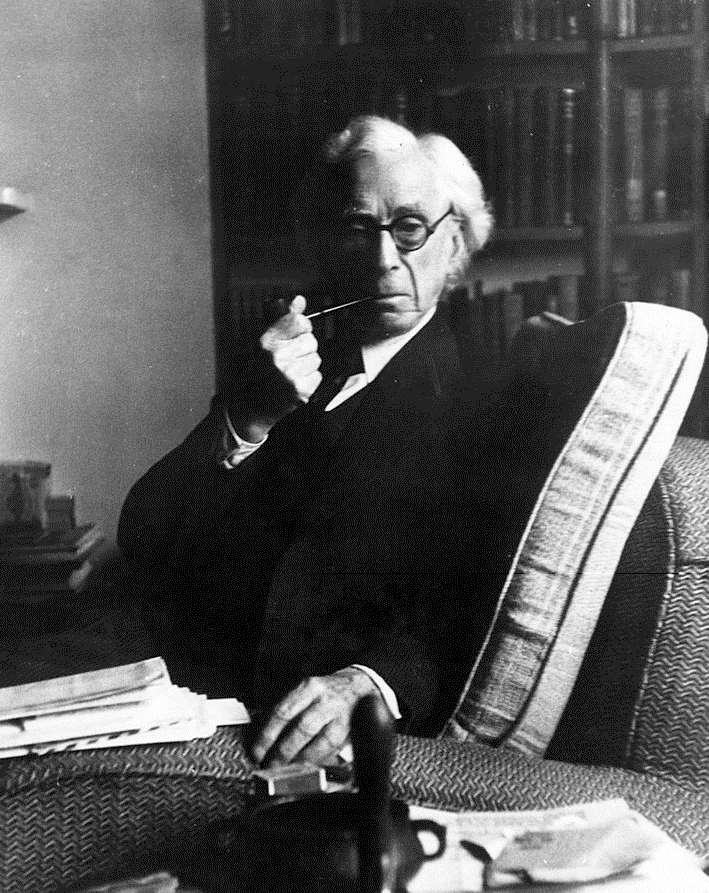
Bertrand Russell
1872 CE – 1970 CE
Trellech, Monmouthshire
British analytic philosopher, logician, mathematician, social critic, and Nobel laureate from Trellech whose logicism, theory of descriptions, logical atomism, epistemology, philosophy of language, ethics, pacifism, secular critique, and political writing shaped analytic philosophy and twentieth-century public reason.
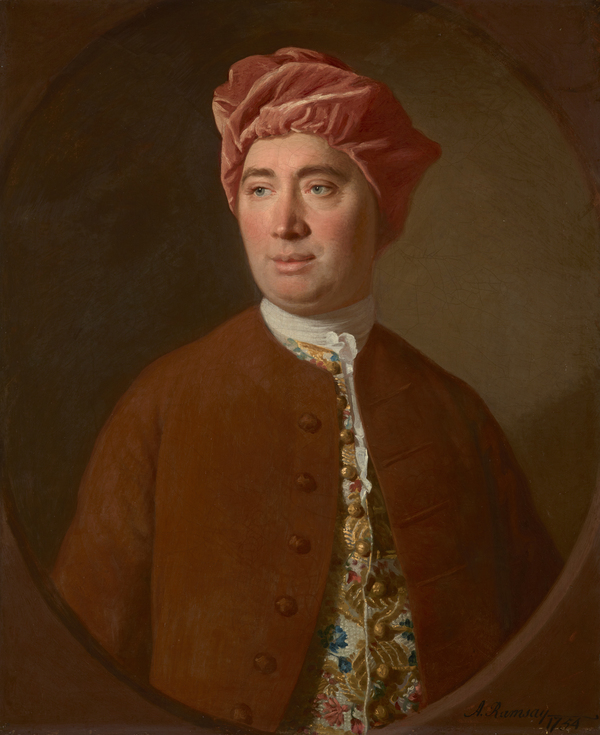
David Hume
1711 CE – 1776 CE
Edinburgh
Scottish Enlightenment philosopher who transformed empiricism, skepticism, moral psychology, aesthetics, political economy, natural religion, and the philosophy of science through a systematic science of human nature.
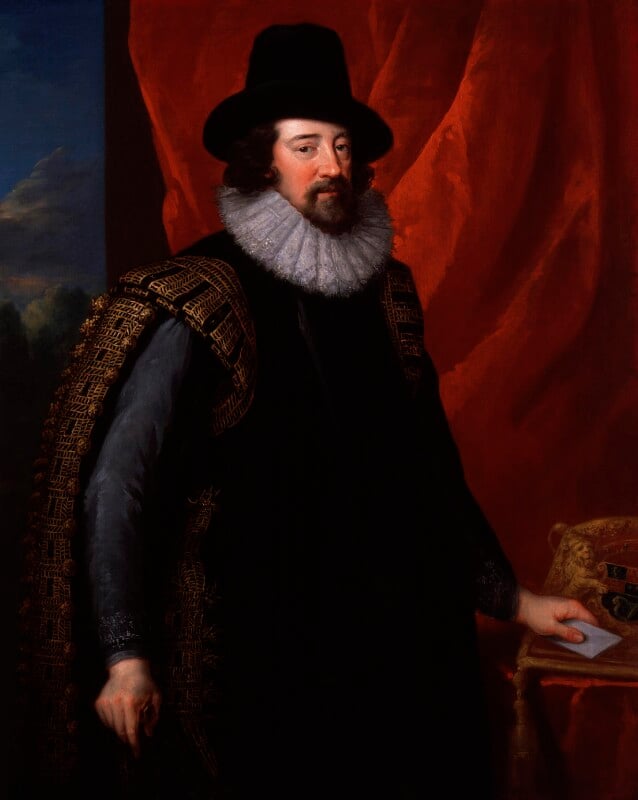
Francis Bacon
1561 CE – 1626 CE
York House, Strand, London
English philosopher-statesman whose reform of learning, critique of idols, and experimental natural history helped shape early modern empiricism and the philosophy of science.
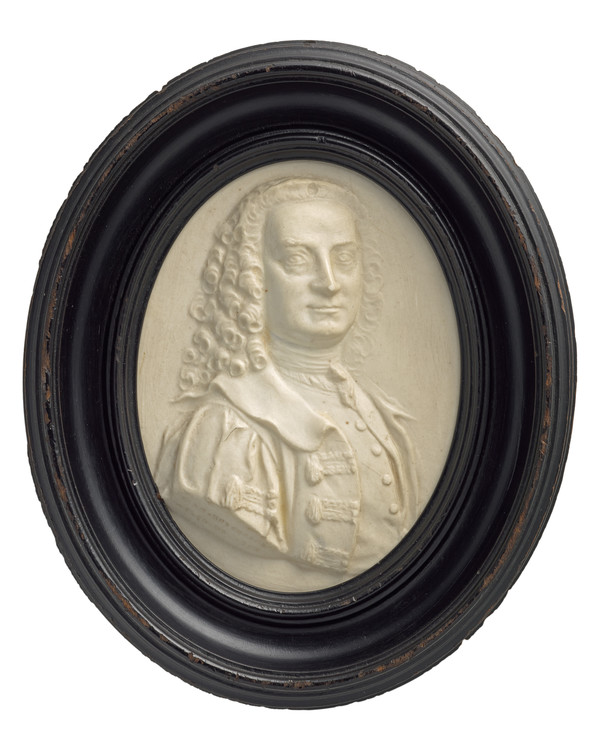
Francis Hutcheson
1694 CE – 1746 CE
Drumalig / near Saintfield, County Down, Ulster
Irish and Scots-Irish moral philosopher whose moral sense theory, aesthetics, benevolence ethics, and Glasgow teaching helped launch the Scottish Enlightenment.
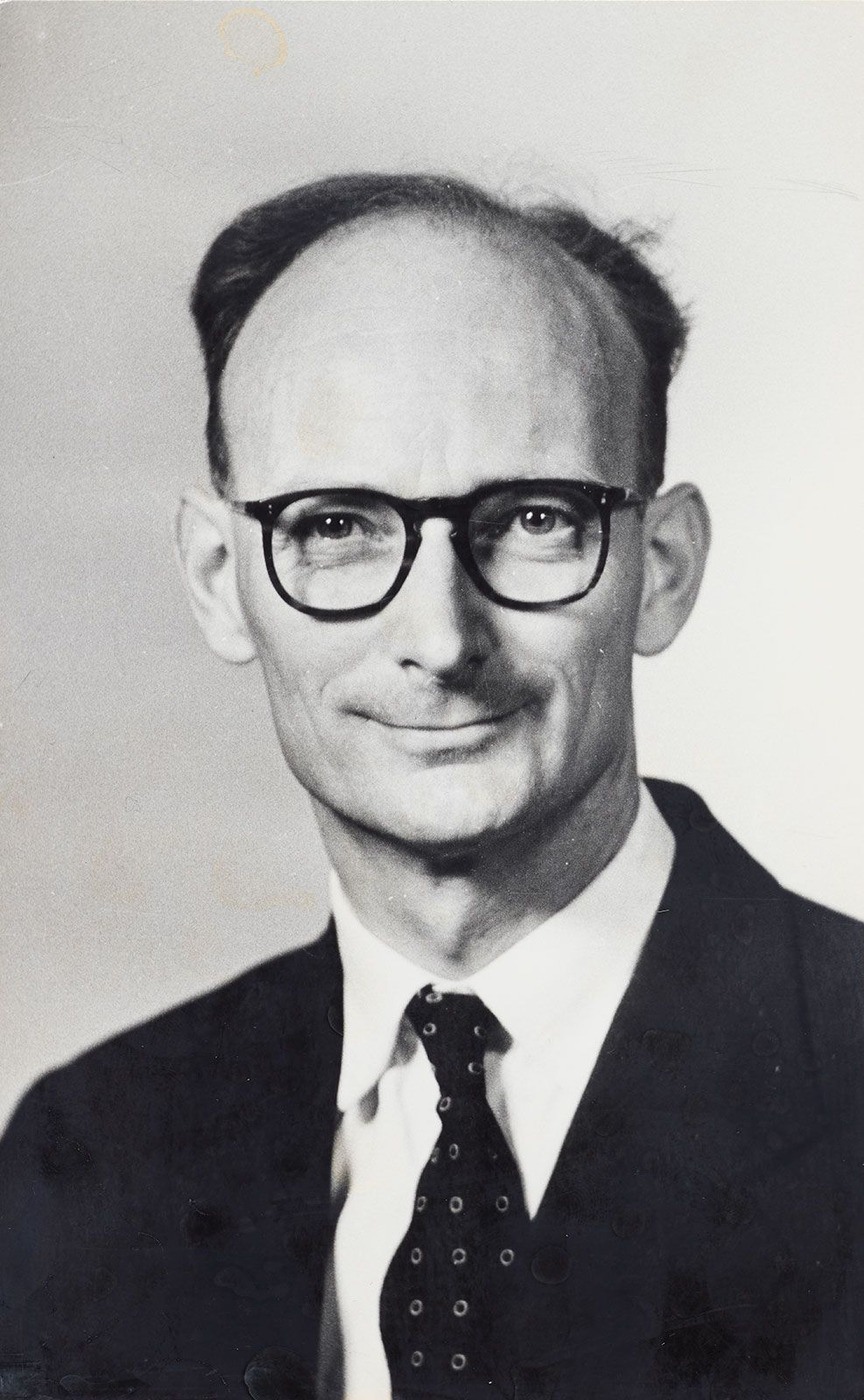
J. L. Austin
1911 CE – 1960 CE
Lancaster, Lancashire
British Oxford ordinary-language philosopher whose analyses of performatives, speech acts, excuses, other minds, truth, perception, and action reshaped twentieth-century analytic philosophy.
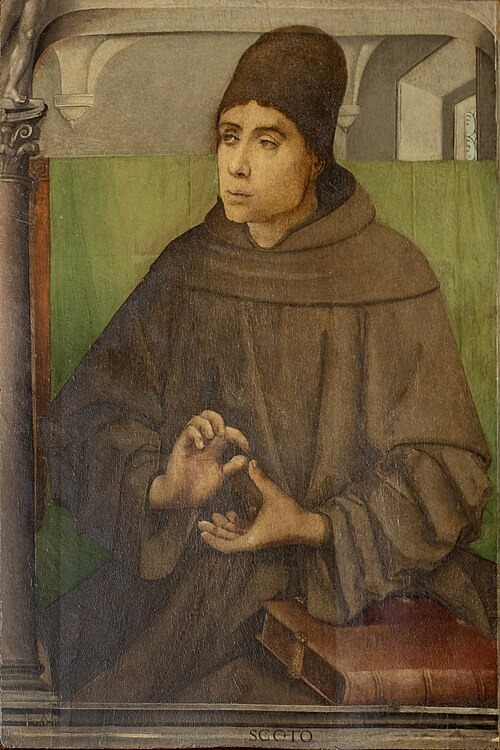
John Duns Scotus
1266 CE – 1308 CE
Duns, Berwickshire, now Scottish Borders
Scottish Franciscan scholastic philosopher of Scotism, univocity of being, haecceity, formal distinction, divine infinity, will, natural law, logic, and the Ordinatio.
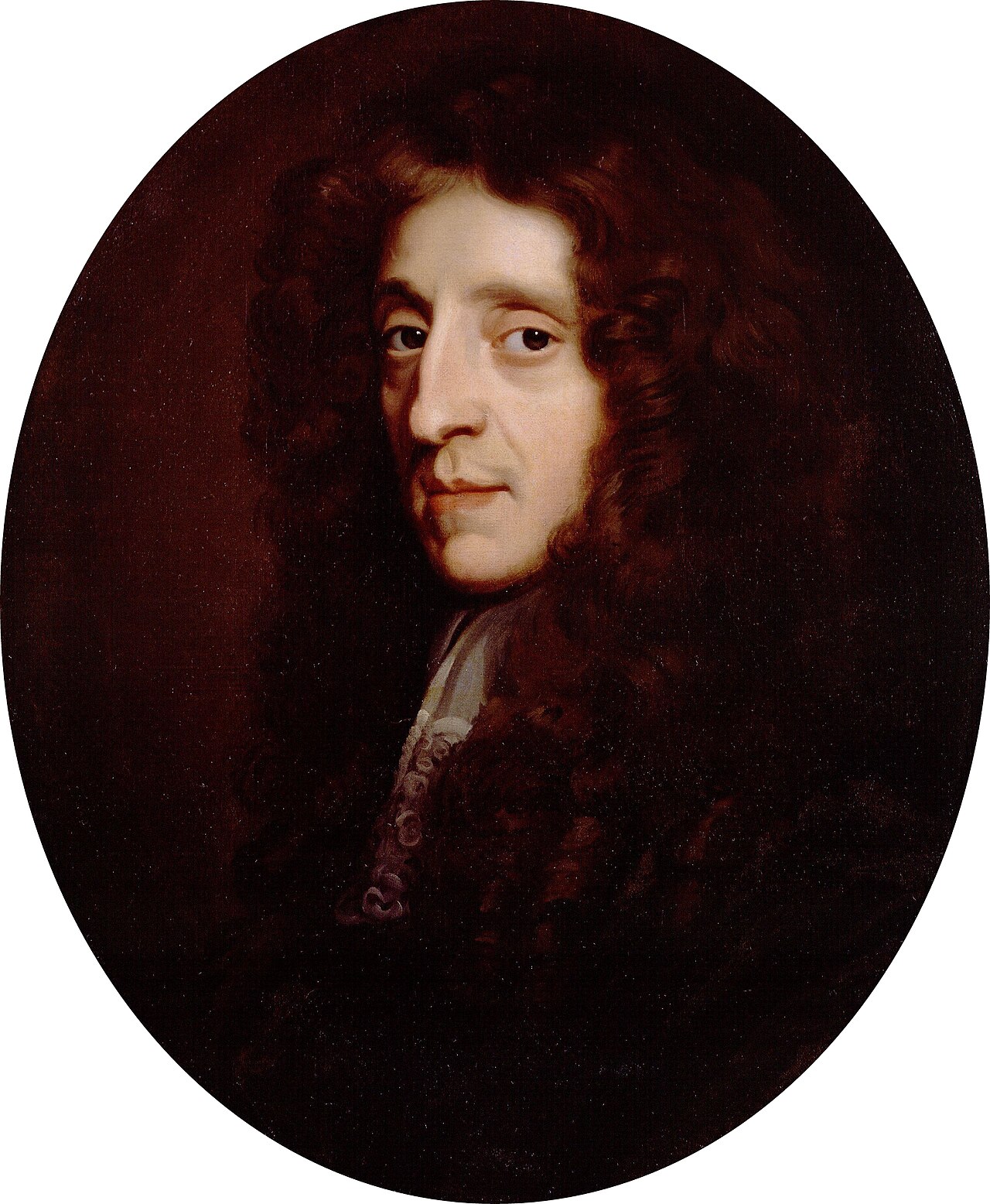
John Locke
1632 CE – 1704 CE
Wrington, Somerset
English early modern empiricist and liberal political philosopher of human understanding, toleration, natural law, personal identity, education, monetary thought, rational Christianity, and the limits of knowledge.
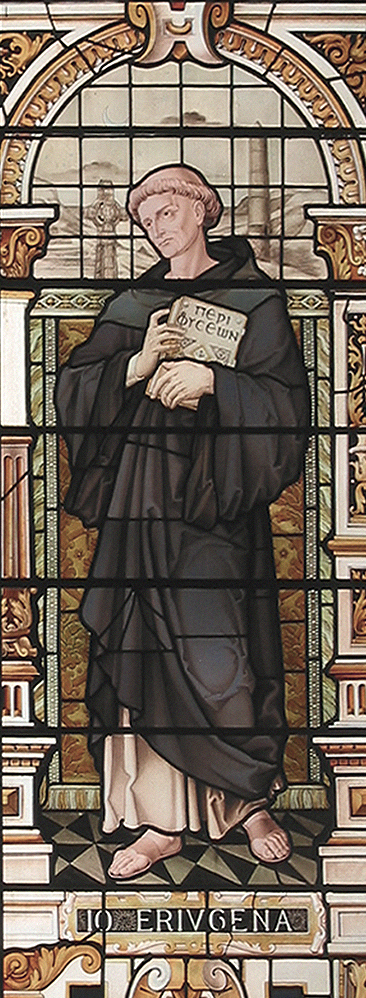
John Scotus Eriugena
815 CE – 877 CE
Ireland, probably Leinster
Irish Carolingian Neoplatonic philosopher and translator of apophatic theology, Periphyseon, Dionysian Greek patristic sources, predestination, dialectic, and Johannine exegesis.
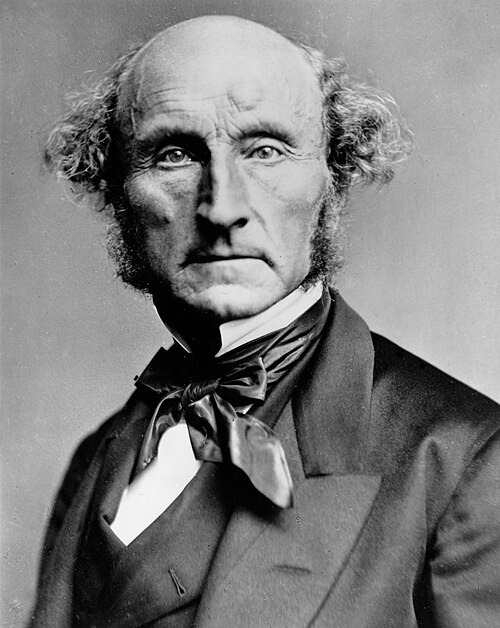
John Stuart Mill
1806 CE – 1873 CE
Pentonville, London
English liberal utilitarian philosopher of liberty, individuality, higher pleasures, inductive logic, political economy, representative government, women's equality, religious skepticism, and empiricist method.
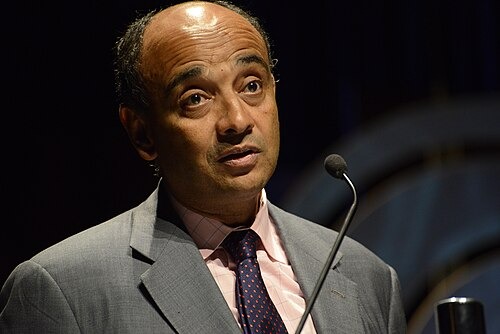
Kwame Anthony Appiah
1954 CE
London
Ghanaian-British-American analytic philosopher of cosmopolitanism, identity, race, culture, semantics, ethics, honor, religion, public philosophy, and global moral responsibility.
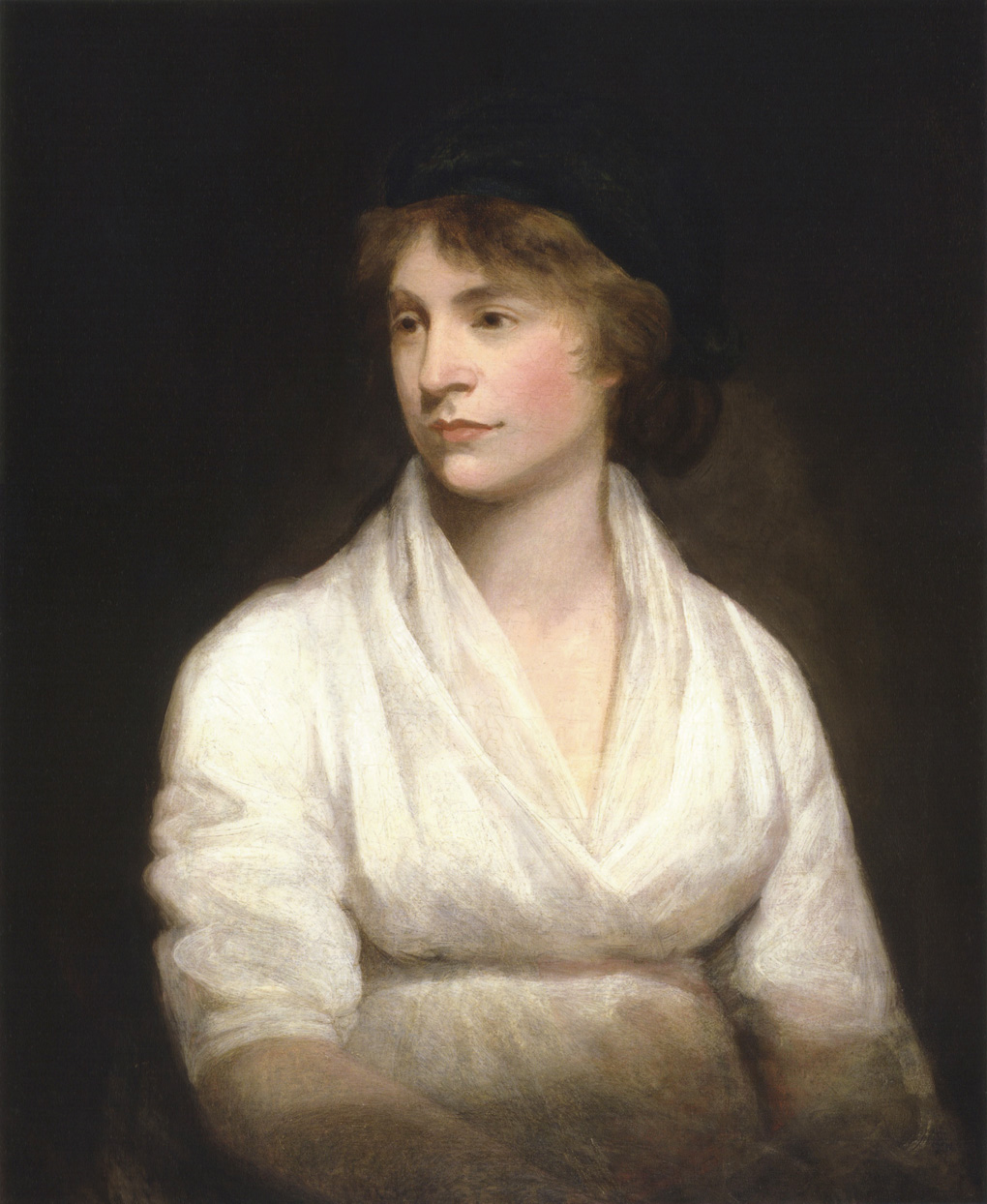
Mary Wollstonecraft
1759 CE – 1797 CE
Spitalfields, London
English Enlightenment feminist philosopher, republican political writer, educator, novelist, translator, historian, and advocate of women's rational education, civic dignity, and moral independence.
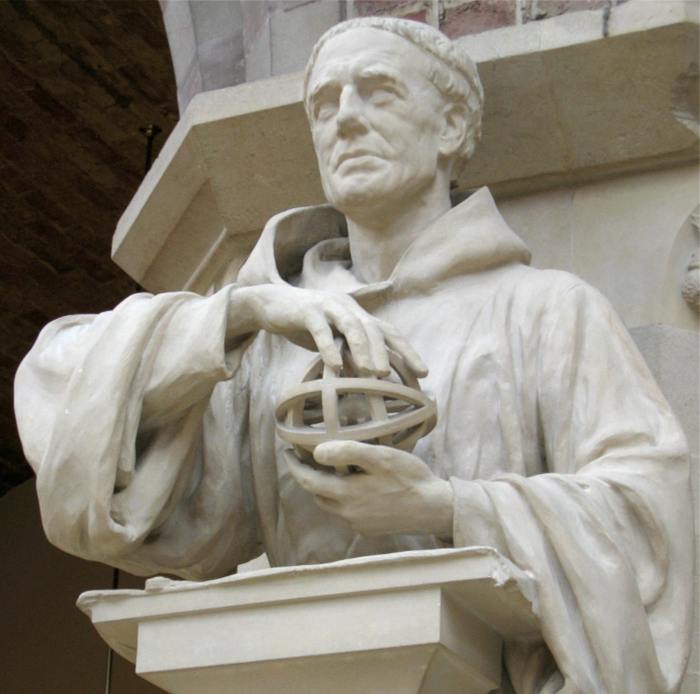
Roger Bacon
1219 CE – 1292 CE
Ilchester (Somerset)
Medieval Franciscan philosopher of languages, signs, mathematics, optics, experimental science, natural philosophy, moral philosophy, theology, and the reform of learning.
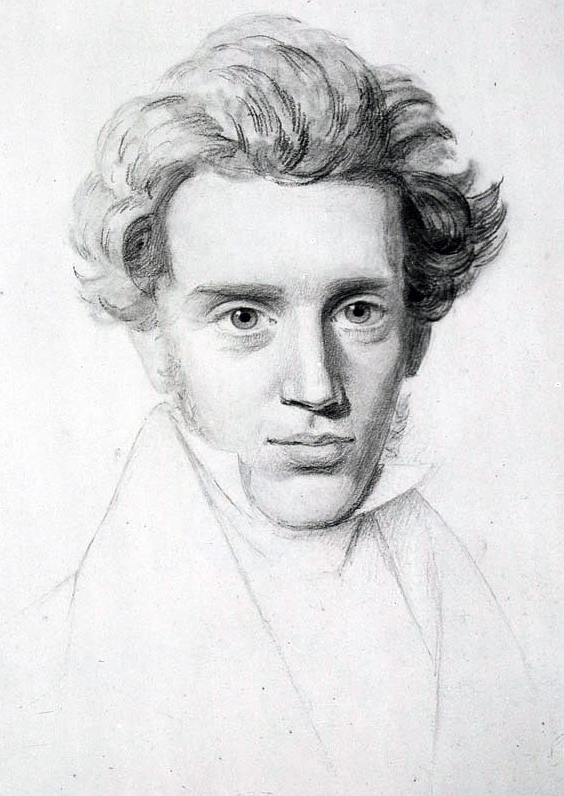
Søren Kierkegaard
1813 CE – 1855 CE
Copenhagen
Danish philosopher of subjectivity, indirect communication, pseudonymous authorship, anxiety, despair, faith, love, the single individual, and critique of Christendom.
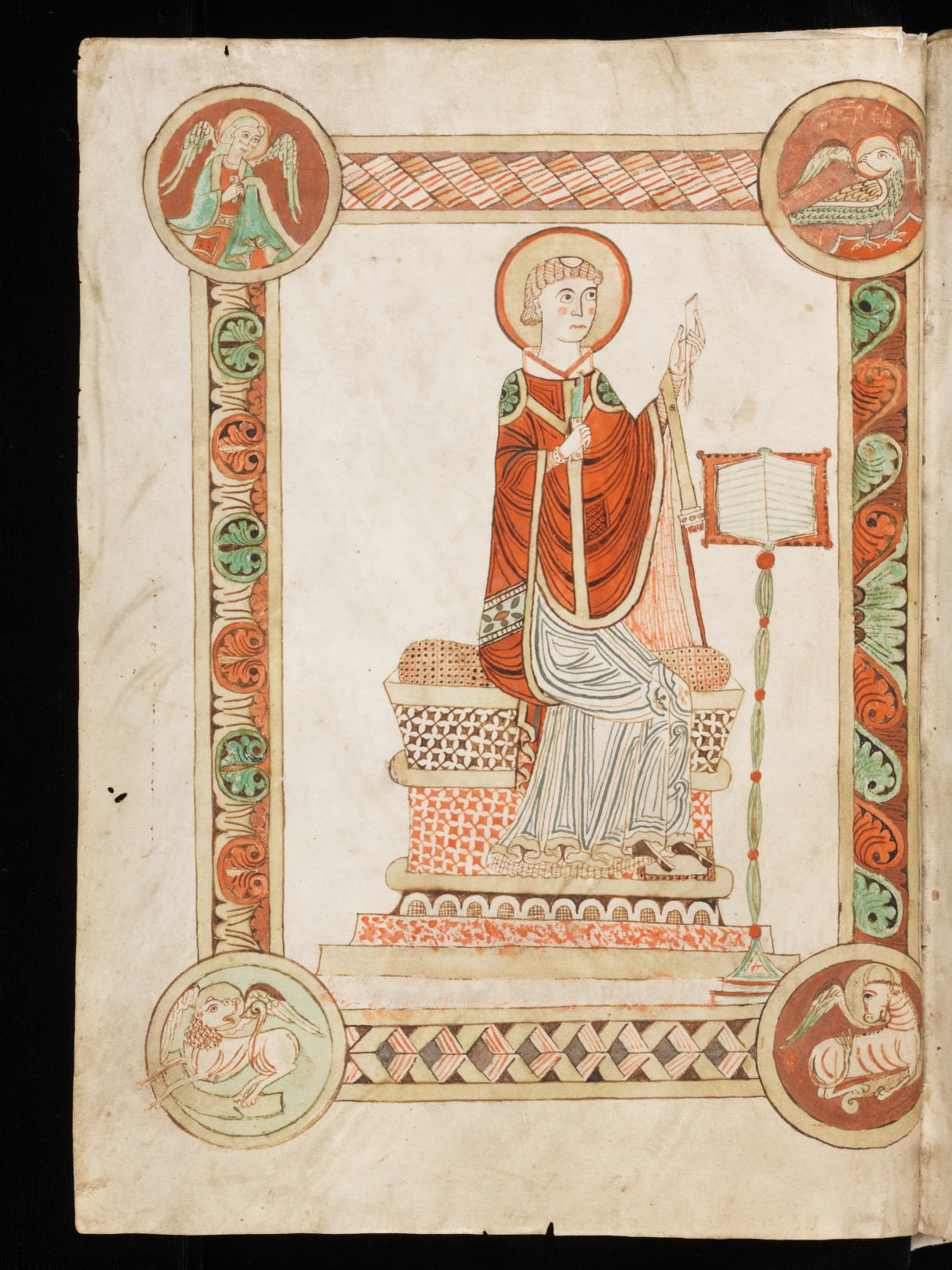
The Venerable Bede
672 CE – 735 CE
Wearmouth-Jarrow region, Northumbria
Northumbrian monk and scholar of Wearmouth-Jarrow, computus, chronology, AD dating, natural philosophy, grammar, rhetoric, biblical exegesis, ecclesiastical history, hagiography, and pastoral reform.
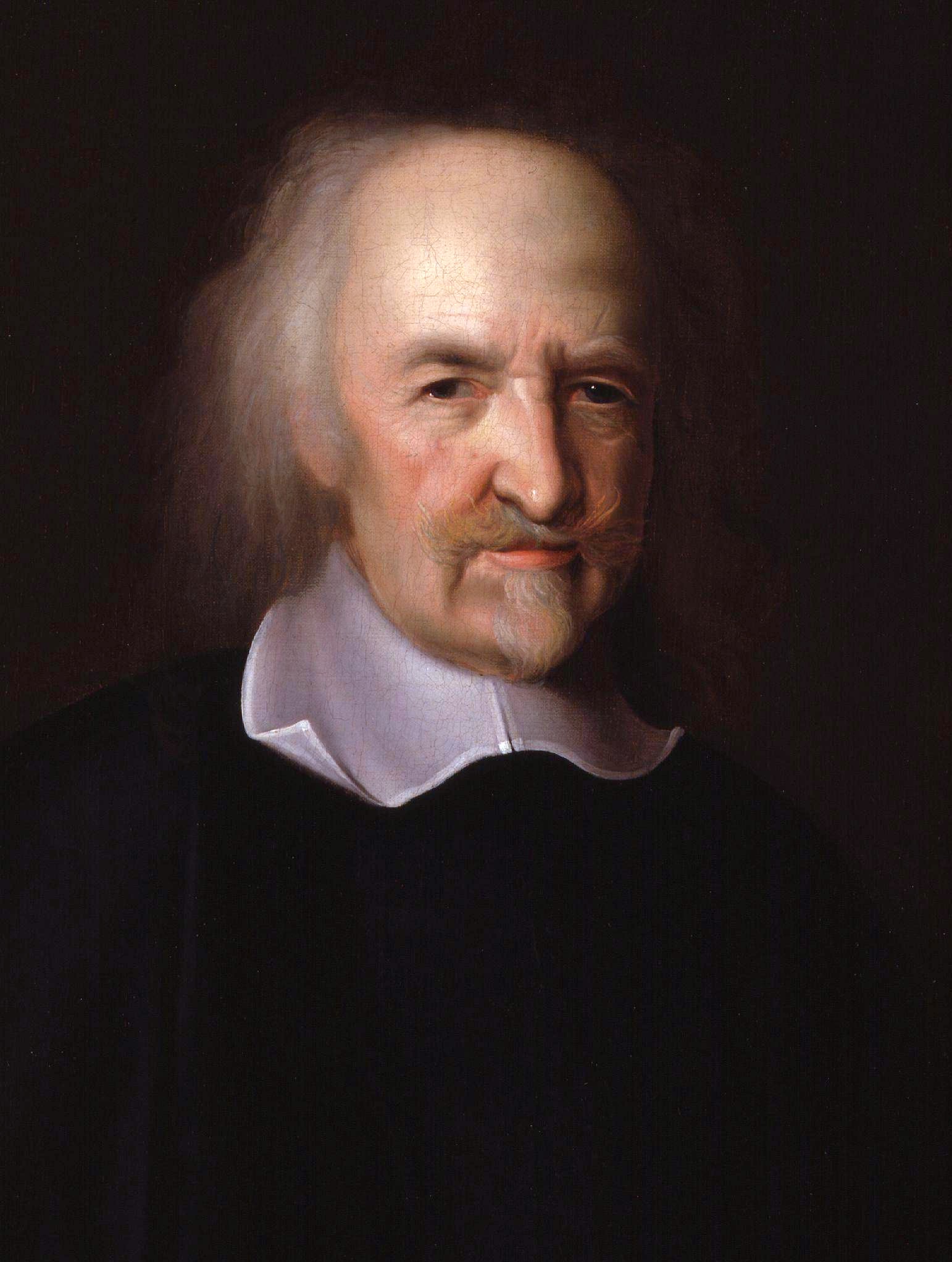
Thomas Hobbes
1588 CE – 1679 CE
Westport, near Malmesbury, Wiltshire
Early modern English philosopher of civil science, mechanistic materialism, state of nature, laws of nature, covenant, authorization, sovereignty, civil law as command, church authority, liberty and necessity, rhetoric, history, and translation.
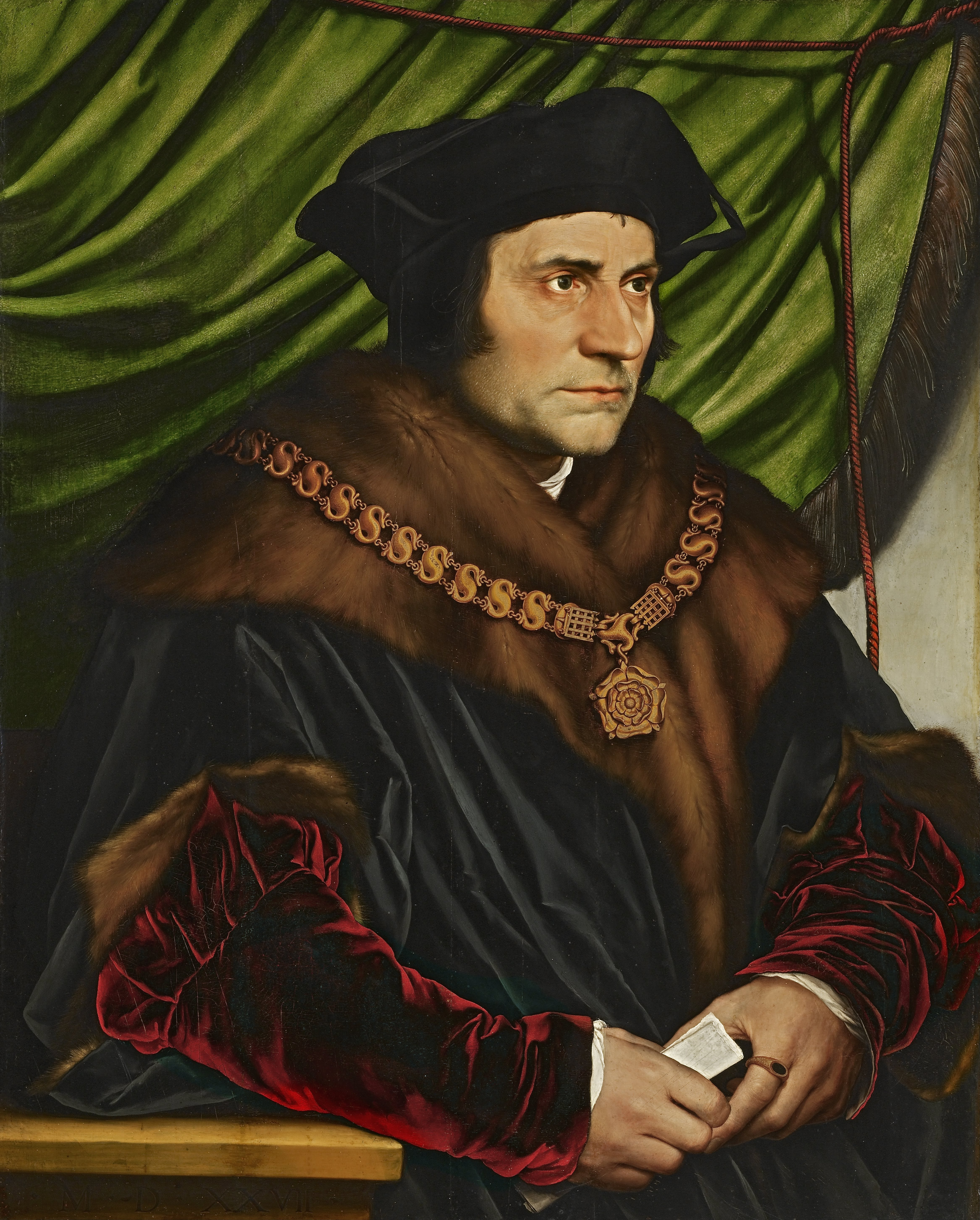
Thomas More
1478 CE – 1535 CE
London
English Renaissance humanist, lawyer, royal councillor, author of Utopia, and Catholic moral thinker whose works join civic counsel, conscience, political imagination, religious controversy, and prison consolation.
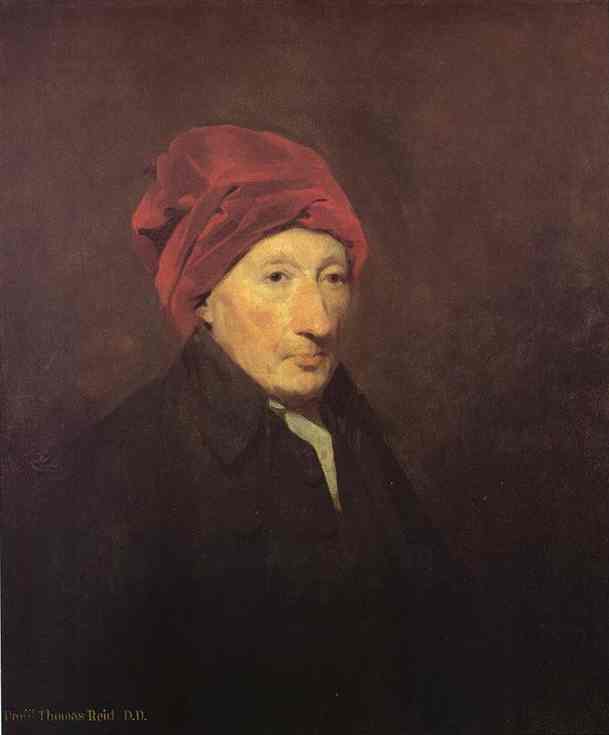
Thomas Reid
1710 CE – 1796 CE
Strachan, Kincardineshire
Scottish Enlightenment philosopher of common sense, direct realism, perception, first principles, active powers, moral liberty, natural signs, and criticism of the theory of ideas.
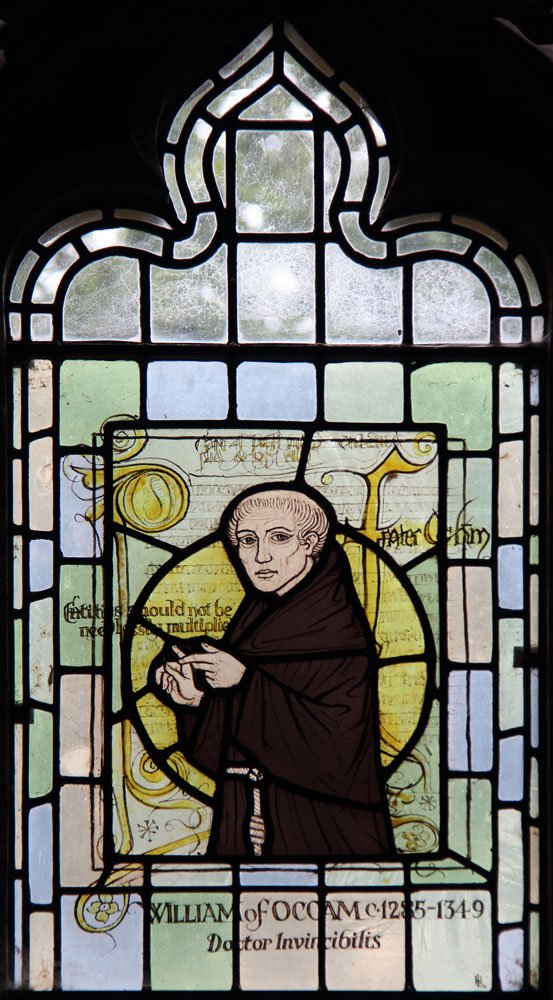
William of Ockham
1287 CE – 1347 CE
Ockham, Surrey
English Franciscan scholastic whose nominalism, terminist logic, mental-language theory, political theology, and parsimony arguments reshaped late medieval philosophy.