Philosophy School
Ājīvika
Ancient Indian śramaṇa and nāstika ascetic school associated with Makkhali Gośāla, niyati, determinism or fatalism, transmigration, austerity, and a severe critique of moral agency.
Structural Factors
- Shared Core Claims
- The course of beings is governed by niyati, a fixed cosmic order or destiny; liberation unfolds through the predetermined cycle of transmigration rather than through freely chosen moral effort, ritual merit, or doctrinal assent.
- Shared Methods
- Ascetic discipline, mendicant community practice, cosmological enumeration, doctrinal debate with Buddhists and Jains, and transmitted teaching reconstructed mostly from hostile or external reports.
- Shared Lineage
- Associated above all with Makkhali Gośāla and early śramaṇa movements contemporary with Buddhism and Jainism; later evidence links the school with Mauryan and post-Mauryan patronage, Barabar cave inscriptions, and South Indian survival traditions.
- Shared Problems
- Whether action has moral efficacy, whether effort can alter destiny, how transmigration ends, how ascetic practice fits a deterministic cosmos, and how to interpret hostile Buddhist and Jain testimony about an extinct school.
- Shared Vocabulary
- niyati, saṃsāra, śramaṇa, ājīvika, gosala, destiny, transmigration, purification, austerity, fatalism, determinism, no-cause doctrine, and fixed cosmic process.
- Shared Historical Context
- Ājīvika arose in the same early Indian renunciant environment as Buddhism and Jainism, became visible in Buddhist and Jain polemic, received early imperial attention, and survived only through external texts, inscriptions, later references, and modern reconstruction.
Defining Axes
- Doctrine
- Deterministic or fatalistic cosmology centered on niyati, denial or severe reduction of free moral agency, and a fixed process of transmigratory purification.
- Method
- Ascetic renunciation, oral instruction, cosmological classification, public debate, and disciplined survival within a wider śramaṇa field rather than textual scholastic preservation.
- Lineage
- Makkhali Gośāla, early Ājīvika ascetics, possible Mauryan-era communities, cave-associated ascetics, and later southern references reconstructed through non-Ājīvika witnesses.
- Subject Focus
- Metaphysics of fate, epistemic problems of hostile testimony, ethics under determinism, religious asceticism, transmigration, cosmology, and early Indian inter-school debate.
- Geography / Culture
- Early north Indian Gangetic śramaṇa culture, Magadha and neighboring regions, Mauryan cave patronage, and later traces in South Asian religious history.
- Historical Reaction
- A radical renunciant alternative to Vedic ritualism, Jain karmic voluntarism, Buddhist causal-practical discipline, and other early Indian attempts to connect action, knowledge, and liberation.
Internal Structure
- Foundational Texts
- No extant Ājīvika scripture survives. Evidence comes from Buddhist Nikāyas, Jain texts such as the Sūtrakṛtāṅga and Bhagavatī traditions, later commentaries, inscriptions and cave patronage, scattered doxography, and modern reconstruction.
- Core Vocabulary
- Niyati or destiny, saṃsāra, śramaṇa, Ājīvika, Gośāla, Makkhali, purification through wandering-on, no-cause doctrine, austerity, determinism, fatalism, cosmic order, and transmigratory cycle.
- Metaphysics
- Ājīvika is reconstructed as teaching a fixed cosmic order in which beings move through predetermined states; this makes fate, transmigration, time, and cosmic necessity central to the school's metaphysical profile.
- Epistemology
- Because the school survives through opponents, its epistemology is partly a modern source-critical problem: Buddhist and Jain reports preserve claims about doctrine while also framing them polemically.
- Ethics
- The school is famous for challenging moral efficacy: if destiny governs all, then karma, effort, praise, blame, and deliberate self-cultivation are transformed or displaced by ascetic endurance within a fixed order.
- Method
- The method visible in surviving evidence combines ascetic practice, oral teaching, debate with rival renunciants, cosmological schematization, and communal discipline rather than preserved Ājīvika textual commentary.
- Internal Debates
- Internal disagreements are hard to recover because no native archive survives; modern debate centers on whether hostile sources exaggerate fatalism, how to interpret niyati, and how ascetic practice coheres with determinism.
- Successors
- No continuous modern Ājīvika institution survives, but the school shaped Buddhist, Jain, and Hindu polemics about fate, causation, karma, effort, and asceticism, and remains central to scholarship on early Indian pluralism.
External Classification Context
- History of Philosophy
- Ājīvika is a major lost school of ancient Indian philosophy, known through Buddhist, Jain, inscriptional, and later witnesses rather than through its own preserved philosophical corpus.
- Philosophy of Philosophy
- It tests how a school can be reconstructed from adversarial sources, sparse material traces, and doctrinal labels when internal texts are absent.
- Intellectual History
- The school belongs to the competitive śramaṇa world of early north India, where renunciant groups debated causation, karma, rebirth, liberation, austerity, and social authority.
- University Classification
- Usually classified under ancient Indian philosophy, śramaṇa traditions, heterodox or nāstika schools, Jain and Buddhist context, and the history of determinism or fatalism.
- Classical Sources
- Core classical evidence includes the Dīgha Nikāya, Aṅguttara and Saṃyutta materials, Jain Sūtrakṛtāṅga and Bhagavatī traditions, commentarial reports, and inscriptions associated with Ājīvika ascetics.
- Sociology of Knowledge
- Ājīvika persisted through mendicant organization, ascetic prestige, patronage, polemical memory, cave and inscriptional traces, and later cataloguing by rival traditions rather than through surviving self-authored canon.
Linked Philosophers
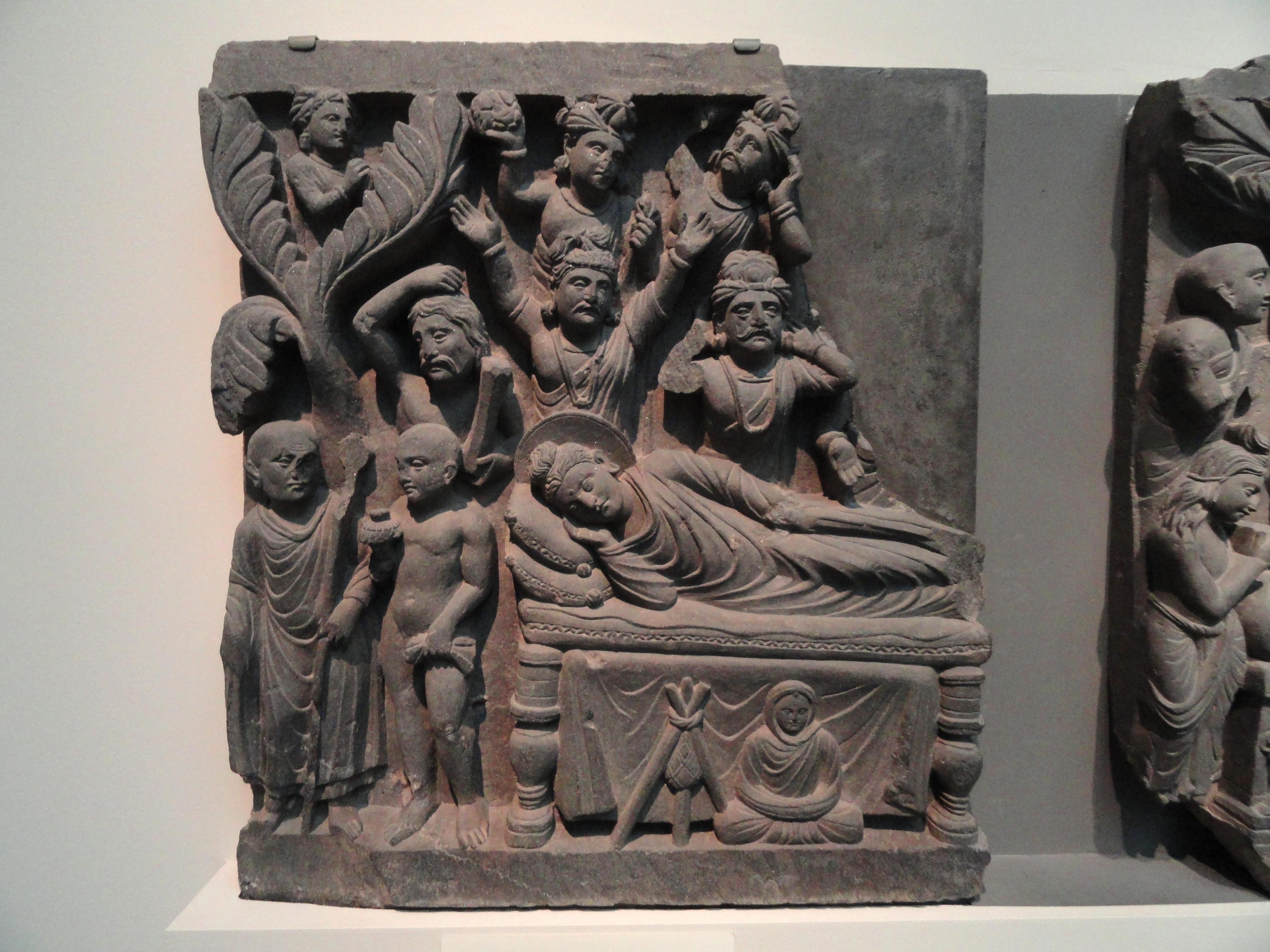
Makkhali Gośāla
520 BCE – 460 BCE
Śrāvastī region; traditional setting and exact birthplace uncertain
Ancient Indian Ājīvika teacher remembered for niyati, a radical doctrine of fate and fixed transmigration reconstructed from Buddhist and Jain hostile-source evidence.