Philosophy School
Akbarism
Akbarian Sufi metaphysical school centered on Ibn ʿArabī, al-Shaykh al-Akbar, waḥdat al-wujūd, divine names, imaginal worlds, the perfect human, unveiling, and later commentary traditions.
Period
Medieval History500 CE – 1499 CE
Era
High Medieval1000 CE – 1299 CE
Begin
1165 CE
End
1240 CE

Structural Factors
- Shared Core Claims
- Reality is disclosed through divine self-manifestation, the names and attributes of God, imaginal mediation, and the perfected human microcosm; being is intelligible through the relation between the Real and created forms.
- Shared Methods
- Scriptural hermeneutics, Sufi unveiling, metaphysical exposition, symbolic interpretation, commentary on Ibn ʿArabī's works, technical vocabulary, spiritual genealogy, and integration of philosophy, theology, and mystical practice.
- Shared Lineage
- Ibn ʿArabī, Ṣadr al-Dīn al-Qūnawī, Muʾayyad al-Dīn al-Jandī, Saʿīd al-Dīn Farghānī, ʿAbd al-Razzāq Kāshānī, Dāwūd al-Qayṣarī, Jāmī, Ottoman, Persianate, Arab, and South Asian Akbarian transmissions.
- Shared Problems
- Unity and multiplicity, divine transcendence and immanence, imagination, prophecy, sainthood, perfect humanity, scriptural symbol, cosmology, ontology, and controversies over waḥdat al-wujūd.
- Shared Vocabulary
- al-Ḥaqq, wujūd, waḥdat al-wujūd, tajallī, aʿyān thābita, barzakh, khayāl, insān kāmil, divine names, walāya, nubuwwa, ḥaqīqa, maʿrifa, kashf, and the Muhammadan reality.
- Shared Historical Context
- Formed from Ibn ʿArabī's Andalusian and eastern Islamic career and expanded through post-Ibn ʿArabī Sufi-philosophical commentary in Persianate, Ottoman, Arab, and South Asian worlds.
Defining Axes
- Doctrine
- Metaphysics of being, divine self-disclosure, imaginal mediation, unity in multiplicity, perfect human anthropology, and the relation between revelation, sainthood, and cosmology.
- Method
- Close reading of Qurʾān and ḥadīth, esoteric hermeneutics, Sufi unveiling, philosophical vocabulary, systematic commentary, symbolic exegesis, and teacher-disciple transmission.
- Lineage
- Ibn ʿArabī to Qūnawī and the early commentators, then through Persianate, Ottoman, Arab, and South Asian Sufi-philosophical lineages.
- Subject Focus
- Metaphysics, epistemology of unveiling, philosophy of religion, cosmology, language and symbolism, spiritual anthropology, ethics of realization, and commentary traditions.
- Geography / Culture
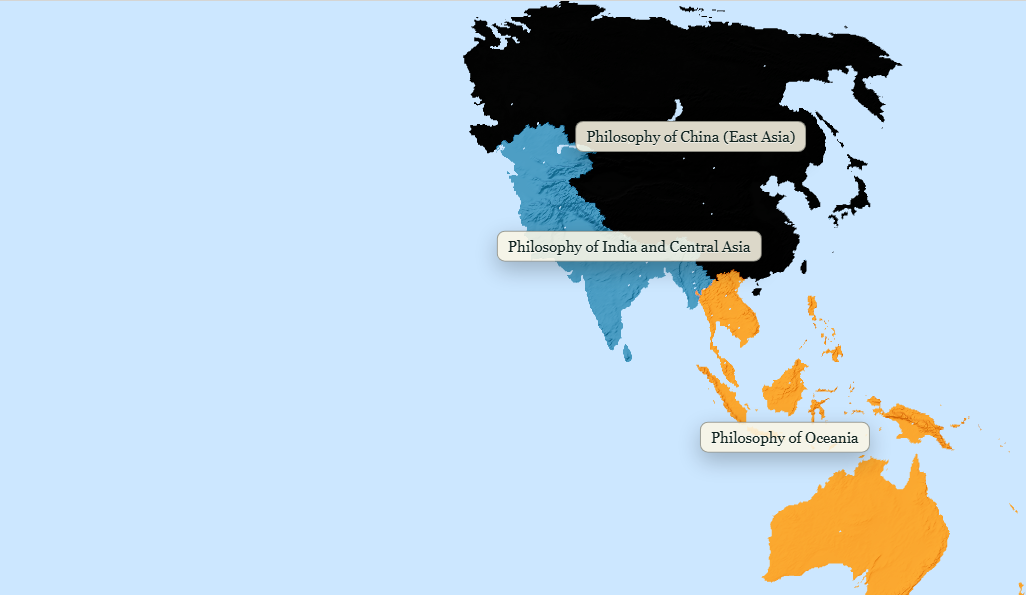
- Andalusian and Maghrebi origins, Meccan and Anatolian phases, and wider Arabic, Persian, Ottoman, and South Asian Islamic intellectual transmission.
- Historical Reaction
- A response to kalām, falsafa, earlier Sufism, Qurʾānic and prophetic interpretation, and debates over divine transcendence, immanence, and the limits of rational theology.
Internal Structure
- Foundational Texts
- Ibn ʿArabī's al-Futūḥāt al-Makkiyya and Fuṣūṣ al-Ḥikam, Qūnawī's metaphysical writings, Farghānī, Kāshānī, Dāwūd al-Qayṣarī, Jāmī, Ottoman and Persian commentaries, and modern Akbarian scholarship.
- Core Vocabulary
- Wujūd, waḥdat al-wujūd, tajallī, aʿyān thābita, barzakh, khayāl, insān kāmil, al-Ḥaqq, divine names, walāya, nubuwwa, maʿrifa, kashf, ḥaqīqa, nafas al-raḥmān, and the Muhammadan reality.
- Metaphysics
- Akbarian metaphysics centers on the Real as the source of all being, self-disclosure through divine names, fixed entities as intelligible relations, imagination as ontological mediation, and the perfect human as comprehensive mirror.
- Epistemology
- Knowledge includes rational articulation but is completed by unveiling, tasting, spiritual verification, scriptural disclosure, and disciplined interpretation of symbols and divine names.
- Ethics
- Ethics is framed as adab, spiritual realization, conformity to divine names, mercy, self-knowledge, and the transformation of the seeker into a locus of balanced divine manifestation.
- Method
- Akbarian method combines Qurʾānic exegesis, Sufi practice, metaphysical systematization, commentary, technical lexicons, teaching lineages, and cross-regional manuscript and madrasa/Sufi transmission.
- Internal Debates
- Debates concern waḥdat al-wujūd, pantheism accusations, relation to Avicennian philosophy and kalām, interpretation of Fuṣūṣ, Qūnawī's systematization, and later critiques or defenses by jurists and theologians.
- Successors
- Later Akbarian Sufism, Ottoman and Persian commentary traditions, Jāmī and Qayṣarī reception, South Asian metaphysical Sufism, comparative mysticism, and modern study of Islamic metaphysics.
External Classification Context
- History of Philosophy
- Akbarism marks one of the most influential post-classical Islamic metaphysical lineages, connecting Sufi practice, philosophical ontology, scriptural hermeneutics, and scholastic commentary.
- Philosophy of Philosophy
- The school shows how philosophy can operate through revelation, symbolic interpretation, spiritual realization, and commentary rather than through only discursive proof.
- Intellectual History
- Its development depends on Sufi orders, manuscript commentary, Persianate and Ottoman scholarly networks, translation, polemics, and modern academic reconstruction.
- University Classification
- Usually taught under Islamic philosophy, Sufism, philosophy of religion, metaphysics, Islamic intellectual history, religious studies, and comparative mysticism.
- Classical Sources
- Core evidence comes from Ibn ʿArabī's Arabic corpus, early Akbarian commentators, Sufi biographical sources, Ottoman and Persian commentaries, and polemical literature about waḥdat al-wujūd.
- Sociology of Knowledge
- The school persisted through Sufi lineages, manuscript copying, commentarial pedagogy, shrine and order networks, scholastic debate, Persian and Ottoman cultural prestige, and modern specialist societies.
Linked Philosophers
Muhyi al-Din Ibn Arabi
1165 CE – 1240 CE
Murcia, al-Andalus
Sufi philosopher of Akbarian metaphysics, imagination, prophecy, sainthood, divine names, unveiling, cosmology, the Perfect Human, and Islamic mystical reception.