Philosophy School
Amoralism
Ancient Indian śramaṇa doctrine associated with Pūraṇa Kassapa, centered on akriyāvāda: denial that action, merit, demerit, restraint, killing, giving, or ascetic effort has intrinsic moral efficacy.
Structural Factors
- Shared Core Claims
- Actions do not produce moral merit or demerit in the way assumed by karmic moral traditions; standard categories of good, evil, purification, and blame are denied or radically emptied of causal force.
- Shared Methods
- Doctrinal debate with rival śramaṇa teachers, denial of karmic efficacy, polemical inversion of ordinary moral categories, and an orally transmitted position reconstructed through Buddhist, Jain, and later doxographic testimony.
- Shared Lineage
- Associated primarily with Pūraṇa Kassapa among the six rival teachers reported in early Buddhist sources, situated within the same north Indian renunciant world as Buddhism, Jainism, Ājīvika, materialist, and skeptical teachers.
- Shared Problems
- Whether action has moral consequence, whether karma governs rebirth, whether restraint or violence can be morally charged, whether liberation depends on effort, and how to reconstruct a lost doctrine from hostile reports.
- Shared Vocabulary
- akriyāvāda, akiriyavāda, non-action doctrine, Pūraṇa Kassapa, karma, merit, demerit, pāpa, puṇya, śramaṇa, moral efficacy, restraint, giving, killing, and early Indian amoralism.
- Shared Historical Context
- The school belongs to early north Indian śramaṇa debates over karma, rebirth, agency, causation, ascetic effort, and liberation, preserved mainly through Buddhist reports and comparative reconstruction.
Defining Axes
- Doctrine
- Denial of moral efficacy and karmic consequence, especially the claim that action does not generate merit or demerit in the standard moral-causal sense.
- Method
- Negative doctrinal assertion, debate, rejection of prevailing karmic assumptions, and source-critical reconstruction from reports embedded in rival traditions.
- Lineage
- Pūraṇa Kassapa as the named teacher, with the broader śramaṇa debate field as its social and intellectual lineage.
- Subject Focus
- Ethics, moral psychology, metaphysics of action, philosophy of religion, karma theory, responsibility, and early Indian theories of causation and liberation.
- Geography / Culture
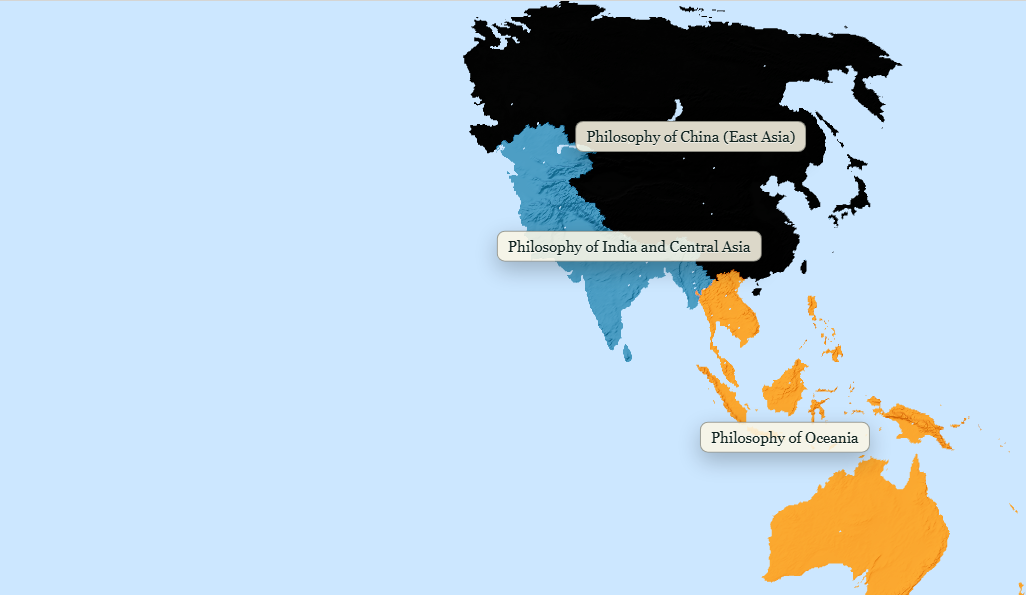
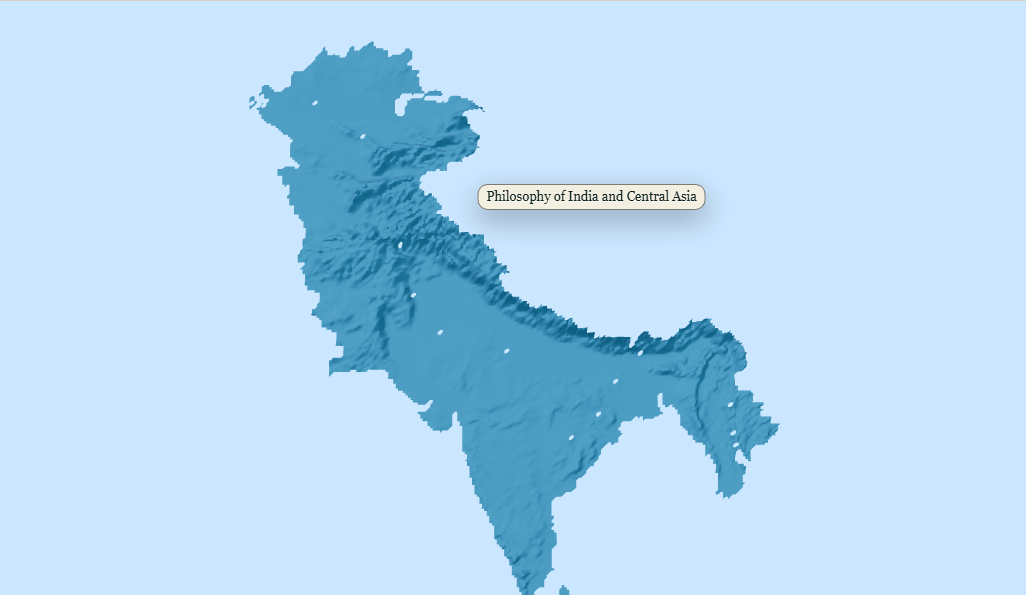
- North Indian Gangetic śramaṇa culture, especially the world represented by early Buddhist and Jain textual traditions.
- Historical Reaction
- A radical reaction against Vedic ritual merit, Buddhist and Jain karmic discipline, and other religious-moral systems linking intentional conduct to future consequence.
Internal Structure
- Foundational Texts
- No Pūraṇa-authored school text survives. Evidence comes mainly from Buddhist Nikāya reports such as DN 2, Jain and doxographic context, later Pāli commentary, and modern reconstruction of early Indian heterodox schools.
- Core Vocabulary
- Akriyāvāda or akiriyavāda, non-action, Pūraṇa Kassapa, karma, merit, demerit, good and evil, restraint, killing, giving, purification, moral efficacy, pāpa, puṇya, and śramaṇa debate.
- Metaphysics
- The school is reconstructed as denying a moral-causal structure in which actions produce karmic fruits; its metaphysical interest lies in severing conduct from the cosmic moral order assumed by rival systems.
- Epistemology
- Because evidence is external and polemical, knowledge of the school requires careful comparison of Buddhist, Jain, commentarial, and modern scholarly testimony rather than reliance on an internal canon.
- Ethics
- Amoralism here is not casual immorality but a philosophical denial that action is morally efficacious; it challenges the bases of praise, blame, merit, demerit, and ascetic moral discipline.
- Method
- The visible method is doctrinal negation in public debate: denying karmic moral force, refusing standard action-consequence claims, and forcing rivals to defend the causal basis of ethical life.
- Internal Debates
- No internal debates are recoverable with confidence. Modern debate concerns whether the doctrine was genuinely amoral, misunderstood, exaggerated by opponents, or part of a wider theory of causation and liberation.
- Successors
- No continuous institution survives, but the position remains important in Buddhist and Jain polemic, histories of Indian ethics, debates on karma, and comparative discussions of amoralism and moral nihilism.
External Classification Context
- History of Philosophy
- Amoralism/akriyāvāda is one of the lost heterodox positions in early Indian philosophy, known mainly through its role as a foil for Buddhist, Jain, and karmic moral theories.
- Philosophy of Philosophy
- It tests how a philosophical school can be identified from a single named teacher, hostile reports, and a distinctive denial rather than from preserved texts or a positive system.
- Intellectual History
- The doctrine emerged in a competitive renunciant marketplace where teachers disputed karma, rebirth, liberation, ritual, ascetic discipline, and moral responsibility.
- University Classification
- Usually classified under ancient Indian philosophy, śramaṇa traditions, nāstika or heterodox schools, Buddhist/Jain context, ethics, and the history of karma theory.
- Classical Sources
- Core evidence comes from the Dīgha Nikāya and related Pāli materials, Jain and doxographic references, later commentaries, and modern historical reconstruction of the six rival teachers.
- Sociology of Knowledge
- The school survived as a remembered polemical position through rival textual communities, lists of teachers, oral and commentarial transmission, and later scholarly classification.
Linked Philosophers
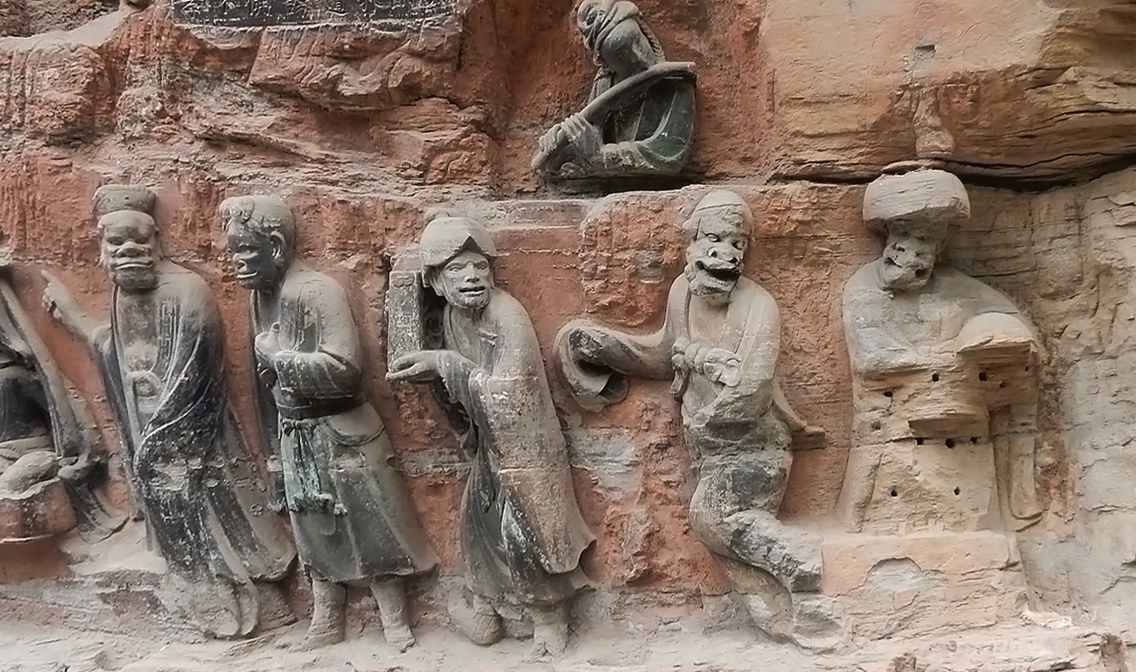
Purana Kassapa
560 BCE – 480 BCE
Magadha region
Early Indian sramana teacher remembered for akiriyavada, denial of the moral efficacy of action, Magadhan debate culture, the six teachers, and the Samannaphala Sutta report.