Philosophy School
Baghdad Peripatetic School
Tenth-century Baghdad Aristotelian and logical-philosophical circle centered on Syriac-Arabic translation, Aristotelian logic, philosophical commentary, interreligious debate, and the circle of Abū Bishr Mattā, Yaḥyā ibn ʿAdī, Abū Sulaymān al-Sijistānī, and Abū Ḥayyān al-Tawḥīdī.


Structural Factors
- Shared Core Claims
- Greek philosophy, especially Aristotle and the Organon, provides a shared rational discipline for truth, demonstration, ethical refinement, metaphysics, and interreligious philosophical conversation in Arabic.
- Shared Methods
- Aristotelian logic, commentary, Syriac-Arabic translation philology, dialectical conversation, grammar and logic debate, philosophical classification, ethical-humanist inquiry, and cross-confessional teaching.
- Shared Lineage
- Abū Bishr Mattā ibn Yūnus, Yaḥyā ibn ʿAdī, Abū Sulaymān al-Sijistānī, Abū Ḥayyān al-Tawḥīdī, Baghdad translators and commentators, al-Fārābī as nearby predecessor and interlocutor, and later Arabic Aristotelian reception.
- Shared Problems
- The authority of logic, the relation of Greek philosophy to Arabic grammar and Islamic culture, translation accuracy, metaphysical classification, demonstrative method, philosophical theology, ethics, and communal debate across religious lines.
- Shared Vocabulary
- manṭiq, falsafa, Organon, burhān, qiyās, naḥw, maʿnā, lafẓ, taʿlīqāt, majlis, adab, hikma, Aristotle, Syriac, Arabic, translation, demonstration, grammar, and Peripatetic.
- Shared Historical Context
- The school formed in Abbasid and Buyid Baghdad, where Syriac Christian, Muslim, and other scholars collaborated on Greek-Arabic learning, Aristotelian logic, commentary, and philosophical salon culture.
Defining Axes
- Doctrine
- Arabic Aristotelianism that treats logic as a universal instrument of inquiry and philosophy as a shared rational discipline across religious communities.
- Method
- Close commentary on Aristotle, translation from Greek and Syriac into Arabic, logical analysis, disputation, philosophical conversation, and disciplined classification of sciences.
- Lineage
- From late antique Greek commentary and Syriac Christian scholastic transmission to Abū Bishr Mattā, Yaḥyā ibn ʿAdī, Abū Sulaymān al-Sijistānī, al-Tawḥīdī, and later historians of Arabic philosophy.
- Subject Focus
- Logic, philosophy of language, metaphysics, ethics, epistemology, philosophy of religion, translation theory, grammar, commentary, and the social practice of philosophy.
- Geography / Culture
- Abbasid and Buyid Baghdad, Syriac Christian scholarly institutions, Arabic philosophical salons, Muslim-Christian-Jewish intellectual exchange, and the wider Islamicate translation movement.
- Historical Reaction
- The school responds to late antique Aristotelian commentary, Syriac scholastic learning, Arabic grammar, kalām, adab culture, and the need to integrate Greek sciences into Arabic intellectual life.
Internal Structure
- Foundational Texts
- Foundational materials include the Aristotelian Organon and Arabic Aristotle, Greek and Syriac commentaries, Abū Bishr Mattā's translations, Yaḥyā ibn ʿAdī's logical and theological works, al-Tawḥīdī's reports of the circle, Ṣiwān al-ḥikma materials, Abū Sulaymān fragments and reports, and modern reconstruction by Kraemer and later scholars.
- Core Vocabulary
- Manṭiq, naḥw, falsafa, hikma, qiyās, burhān, jadal, maʿnā, lafẓ, Organon, Aristotle, commentator, translator, Syriac, Arabic, majlis, adab, taʿlīqāt, and Baghdad Aristotelian.
- Metaphysics
- Baghdad Peripatetic metaphysics inherited Aristotelian substance, causation, form, matter, intellect, and hierarchy of being through Arabic translations and commentary, while adapting them within Islamic and Christian theological debate.
- Epistemology
- The school treats logic as the instrument for distinguishing true from false, demonstration from dialectic, and philosophical knowledge from rhetorical or merely grammatical persuasion.
- Ethics
- Its ethics joins Aristotelian virtue, adab, rational self-cultivation, friendship, conversation, and the formation of a humane philosophical community across confessional difference.
- Method
- The school studies Aristotle through translation, commentary, public and private disputation, logical exercises, philosophical salons, grammar-logic comparison, and teacher-student transmission.
- Internal Debates
- Debates concern the superiority or limits of logic against grammar, the fidelity of translation, the status of Greek philosophy in Arabic culture, Christian and Muslim philosophical theology, al-Fārābī's relation to the Baghdad circle, and the school's independence before Avicennian synthesis.
- Successors
- Successor formations include later Arabic Aristotelianism, Christian Arabic philosophy, Avicennian and post-Avicennian debate, medieval Jewish and Islamic philosophical reception, and modern scholarship on the Baghdad school.
External Classification Context
- History of Philosophy
- The Baghdad Peripatetic School is central to the movement of Aristotle from Greek and Syriac into Arabic and to the institutionalization of logic as a discipline in medieval Islamic philosophy.
- Philosophy of Philosophy
- The school models philosophy as a cross-confessional rational practice grounded in logical discipline, commentary, translation, and argument rather than in membership in a single religious community.
- Intellectual History
- Its history depends on Abbasid translation culture, Syriac Christian scholarly networks, Buyid patronage, Arabic adab salons, Greek scientific texts, and later biographical and bibliographical preservation.
- University Classification
- Usually classified under medieval Islamic philosophy, Arabic philosophy, Aristotelianism, logic, translation studies, philosophy of language, Christian Arabic philosophy, and intellectual history.
- Classical Sources
- Evidence comes from Aristotle in Arabic, late antique Greek and Syriac commentary traditions, al-Tawḥīdī, Ṣiwān al-ḥikma and related doxographies, bibliographical reports, and fragments attributed to Abū Sulaymān and his circle.
- Sociology of Knowledge
- The school persisted through translators, Nestorian Christian teachers, Muslim and Christian patrons, salons, manuscript transmission, logical pedagogy, doxographers, catalogers, and modern historians of Arabic philosophy.
Linked Philosophers
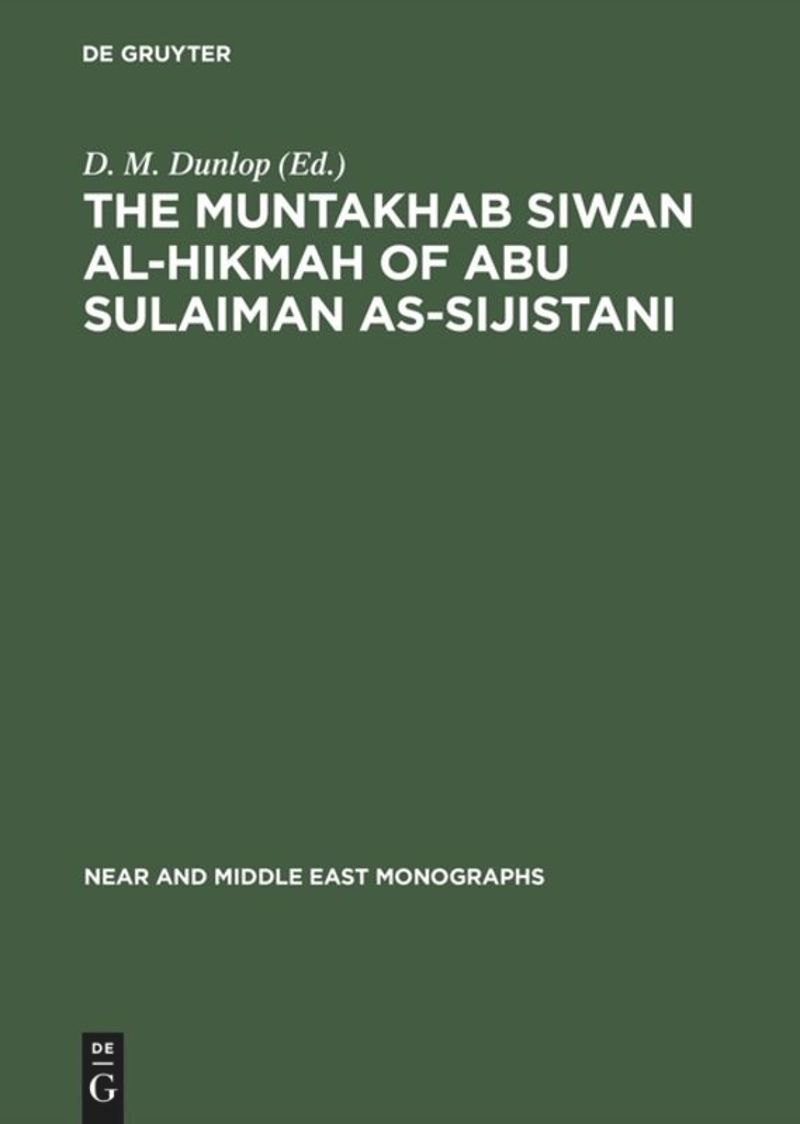
Abu Sulayman al-Sijistani
932 CE – 1000 CE
Sijistan (Sistan)
Persian Islamic humanist and logician from Sijistan whose Baghdad circle distinguished philosophy from revealed religion and worked on logic, metaphysics, soul, celestial nature, and human perfection.