Philosophy School
Capability Approach
Contemporary normative framework developed by Amartya Sen and Martha Nussbaum that evaluates justice, development, equality, freedom, poverty, disability, gender, public policy, and human flourishing by what people are substantively able to be and do.
Period
Contemporary History1945 CE – 2065 CE
Era
Cold War Era1945 CE – 1984 CE
Begin
1933 CE
End
2065 CE

Structural Factors
- Shared Core Claims
- Justice and development should be assessed by substantive freedoms, capabilities, functionings, agency, human diversity, and real opportunities rather than only resources, utility, income, or formal rights.
- Shared Methods
- Comparative justice, public reasoning, welfare economics, social choice, evaluative spaces, functionings and capabilities analysis, agency assessment, conversion-factor analysis, plural metrics, and policy evaluation.
- Shared Lineage
- Amartya Sen, Martha Nussbaum, welfare economics, social choice theory, Aristotle and Marx reception, Rawlsian liberal egalitarian debate, development ethics, feminist philosophy, HDCA, UNDP human development, and multidimensional poverty research.
- Shared Problems
- Poverty, inequality, disability, gender injustice, development measurement, adaptive preferences, public policy, agency, human rights, health, education, democracy, social exclusion, and the relation between welfare, resources, and freedom.
- Shared Vocabulary
- capability, functioning, agency, well-being, substantive freedom, conversion factors, resources, utility, primary goods, adaptive preferences, human development, public reasoning, capabilities list, and multidimensional poverty.
- Shared Historical Context
- The approach emerged in late twentieth-century welfare economics and political philosophy, entered development ethics and UNDP human development reports, and expanded through feminist, disability, global justice, and applied policy research.
Defining Axes
- Doctrine
- A freedom-centered account of justice and development that treats capabilities as the relevant evaluative space for comparing lives, institutions, and public policies.
- Method
- The school evaluates real opportunities through comparative reasoning, public deliberation, social choice, empirical indicators, plural value assessment, and attention to personal, social, and environmental conversion factors.
- Lineage
- Sen, Nussbaum, human development theorists, HDCA researchers, UNDP human development reports, development ethics, feminist philosophy, welfare economics, and later multidimensional poverty measurement.
- Subject Focus
- Ethics, political philosophy, development economics, social choice, public policy, global justice, gender, disability, poverty, human rights, health, education, and measurement.
- Geography / Culture
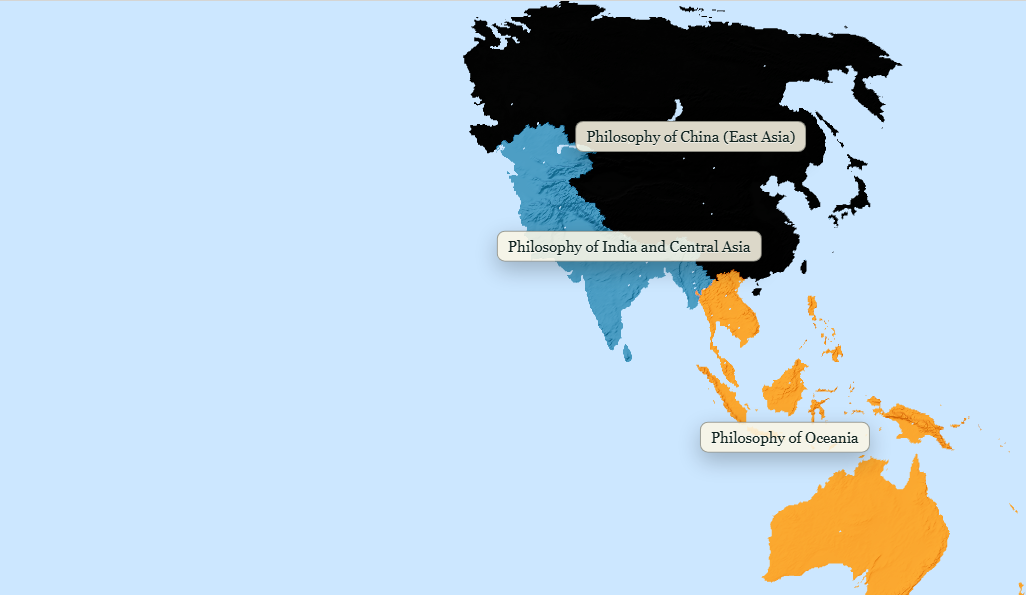
- Global development-policy and academic networks, with major roots in Indian economics and philosophy, Anglo-American political philosophy, United Nations development discourse, and international human-development research.
- Historical Reaction
- The approach reacts against utility-only welfare economics, income-centered development, Rawlsian primary-goods metrics, resource egalitarianism, narrow GDP indicators, and policy models that ignore human diversity and agency.
Internal Structure
- Foundational Texts
- Foundational texts include Sen's Commodities and Capabilities, Development as Freedom, Inequality Reexamined, The Idea of Justice, Nussbaum's Women and Human Development, Frontiers of Justice, Creating Capabilities, HDCA literature, and UNDP human development reports.
- Core Vocabulary
- Capability, functioning, agency, well-being, freedom, opportunity, conversion factors, adaptive preferences, public reasoning, human development, capability list, multidimensional poverty, primary goods, utility, and dignity.
- Metaphysics
- The approach has little speculative metaphysics, but it assumes persons are diverse agents whose lives are constituted by real doings and beings, bodily vulnerability, social embedding, and practical freedom.
- Epistemology
- Its epistemology emphasizes public reasoning, democratic scrutiny, comparative judgment, empirical measurement, plural information bases, and the need to connect normative evaluation with social facts.
- Ethics
- Capability ethics assesses what people are actually able to do and be, foregrounding dignity, agency, freedom, equality, gender justice, disability, poverty reduction, and the conditions of flourishing.
- Method
- The school distinguishes capabilities from functionings, studies conversion factors, compares evaluative spaces, uses social choice and public reasoning, and translates normative ideas into development indicators and policy analysis.
- Internal Debates
- Debates concern Sen versus Nussbaum, fixed capability lists versus democratic specification, measurement, paternalism, adaptive preferences, human rights, Rawlsian primary goods, agency versus well-being, and the boundary between theory and policy.
- Successors
- Successor formations include human development theory, multidimensional poverty measurement, feminist capability theory, disability justice, global justice, education and health capability research, and HDCA policy networks.
External Classification Context
- History of Philosophy
- The Capability Approach links welfare economics, Aristotelian and Marxian themes, liberal egalitarianism, feminist philosophy, development ethics, and global justice into a major contemporary normative framework.
- Philosophy of Philosophy
- The school treats philosophy as practically evaluative: conceptual analysis and normative argument must support public reasoning, institutional comparison, and policy choices that expand real freedoms.
- Intellectual History
- Its influence depends on Sen's economics and philosophy, Nussbaum's Aristotelian and feminist work, UNDP reports, HDCA networks, development agencies, multidimensional poverty tools, and interdisciplinary scholarship.
- University Classification
- Usually classified under political philosophy, ethics, development ethics, welfare economics, social choice, feminist philosophy, global justice, public policy, disability studies, and human rights.
- Classical Sources
- Core evidence comes from Sen and Nussbaum's major works, HDCA publications, UNDP human development reports, OPHI measurement research, philosophical debates with Rawlsian and utilitarian frameworks, and applied policy literature.
- Sociology of Knowledge
- The approach persisted through universities, development organizations, UNDP, HDCA, OPHI, interdisciplinary journals, NGOs, public-policy metrics, and global debates over poverty, gender, health, and education.
Linked Philosophers

Amartya Sen
1933 CE
Santiniketan (West Bengal)
Indian philosopher-economist from Santiniketan whose social-choice theory, capability approach, famine analysis, public reasoning, and theory of justice reshaped ethics, welfare economics, development, democracy, and global political philosophy.