Philosophy School
Chan Buddhism
Chinese Mahāyāna Buddhist meditation school, later transmitted as Zen, Sŏn, and Thiền, centered on direct insight into mind or nature, sudden awakening, lineage transmission, the Platform Sutra, encounter dialogue, gongan/kōan practice, monastic discipline, and Huineng's Southern school.

Structural Factors
- Shared Core Claims
- Awakening is realized through direct insight into one's nature, nondual mind, and the immediacy of Buddha-nature; scriptures and words are useful but secondary to embodied realization, practice, and authenticated transmission.
- Shared Methods
- Meditation, direct pointing, master-disciple encounter, lineage legitimation, everyday-practice discipline, sudden-awakening rhetoric, monastic training, gongan and kōan pedagogy, commentarial reading, and public-case performance.
- Shared Lineage
- Chan lineages trace themselves through Indian Buddhism, Bodhidharma, early Chinese patriarchal legends, Huineng and the Southern school, Tang and Song houses such as Linji and Caodong, and later Zen, Sŏn, and Thiền transmissions.
- Shared Problems
- Sudden versus gradual awakening, scripture and anti-scripture rhetoric, meditation and everyday activity, mind and Buddha-nature, teacher authority, lineage construction, encounter dialogue, monastic institutionality, and the translation of Indian Buddhism into Chinese forms.
- Shared Vocabulary
- chan, dhyāna, zen, sŏn, thiền, wu, satori, kenshō, Buddha-nature, no-mind, direct pointing, mind-seal, patriarch, transmission, platform, gongan, kōan, huatou, zazen, Linji, Caodong, sudden awakening, and ordinary mind.
- Shared Historical Context
- Chan developed in Tang and Song Chinese Buddhism through meditation lineages, Dunhuang manuscripts, patronage, monastic institutions, lamp histories, encounter records, public-case literature, and later transmission to Korea, Japan, Vietnam, and global modern Buddhism.
Defining Axes
- Doctrine
- Chan doctrine emphasizes direct realization of mind or nature, Buddha-nature, nondual awakening, emptiness, sudden enlightenment, and the use of words, scriptures, and cases as catalysts rather than final doctrinal objects.
- Method
- Its method joins meditation, disciplined monastic practice, teacher-student testing, paradoxical or compressed speech, public cases, commentarial performance, and claims of direct transmission beyond ordinary textual learning.
- Lineage
- The lineage axis runs from Bodhidharma and early patriarchal traditions to Huineng's Southern school, Tang masters, Linji and Caodong houses, Song compilation culture, and Zen, Sŏn, and Thiền descendants.
- Subject Focus
- Chan focuses on mind, awakening, meditation, language, embodiment, authority, practice, lineage, ritual, hermeneutics, Buddha-nature, emptiness, and the relation between everyday conduct and liberation.
- Geography / Culture
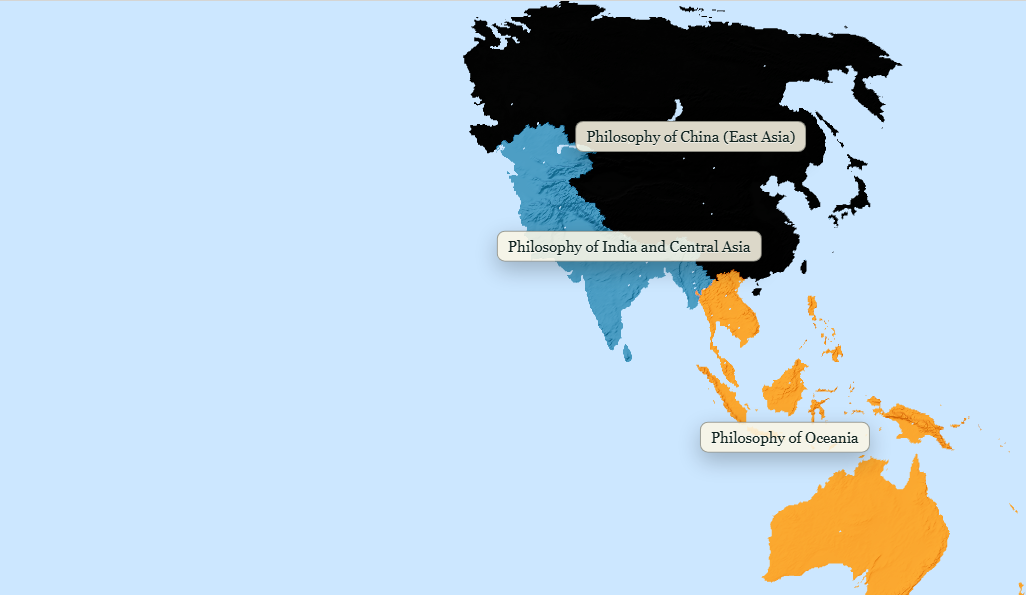
- The school is rooted in Chinese Buddhist settings, especially Tang and Song monastic culture, and later spreads through East Asian cultural formations in Korea, Japan, Vietnam, and modern global Zen communities.
- Historical Reaction
- Chan reacts to scholastic textualism, meditation specialization, Indian Buddhist inheritance, Chinese Daoist and literary idioms, Pure Land, Huayan, Tiantai, court and monastery patronage, and later institutional Zen systems.
Internal Structure
- Foundational Texts
- Foundational materials include the Platform Sutra, Bodhidharma legends and Two Entrances and Four Practices materials, Transmission of the Lamp literature, Linji and Caodong records, gongan and kōan collections, Diamond Sutra reception, and East Asian Chan, Zen, Sŏn, and Thiền transmission texts.
- Core Vocabulary
- Core terms include chan, dhyāna, zazen, zuochan, wu, satori, kenshō, Buddha-nature, tathāgatagarbha, no-mind, ordinary mind, direct pointing, mind-seal, patriarch, transmission, gongan, kōan, huatou, sudden awakening, Linji, Caodong, and platform.
- Metaphysics
- Chan metaphysics draws on Mahāyāna emptiness, Buddha-nature, nonduality, mind, ordinary reality, and the refusal to treat awakening as a separate object grasped through conceptual mediation.
- Epistemology
- Chan epistemology privileges direct realization, embodied testing, teacher recognition, meditative insight, and performative understanding while still using scripture, cases, and commentary as training devices.
- Ethics
- Chan ethics is carried through monastic discipline, teacher-student responsibility, compassion, ordinary conduct, ritual training, and the claim that awakening must be expressed in practice, relation, and responsiveness.
- Method
- Chan method uses seated meditation, encounter dialogue, public cases, lineage recitation, ritual discipline, sudden-awakening teaching, and controlled anti-textual rhetoric to loosen attachment to conceptual fixation.
- Internal Debates
- Internal debates concern sudden and gradual awakening, Northern and Southern school polemic, silent illumination and kōan introspection, scripture and anti-scripture claims, institutional authority, lay practice, and later Zen reforms.
- Successors
- Successors and related formations include Linji/Rinzai, Caodong/Sōtō, Korean Sŏn, Vietnamese Thiền, Japanese Zen institutions, kōan traditions, Buddhist modernist Zen, and contemporary global Chan and Zen philosophy.
External Classification Context
- History of Philosophy
- Chan is central to East Asian Buddhist philosophy because it reframes Indian Mahāyāna concepts of emptiness, mind, and awakening through Chinese lineage, literature, practice, and institutional forms.
- Philosophy of Philosophy
- Chan treats philosophy less as system-building than as transformative practice: concepts, arguments, cases, and scriptures are judged by their power to disclose awakened understanding and undo attachment.
- Intellectual History
- Its intellectual history depends on Dunhuang manuscripts, lamp histories, monastic codes, encounter records, Song printing, sectarian genealogies, cross-school debate, and later Korean, Japanese, Vietnamese, and global reception.
- University Classification
- Usually classified under Buddhist philosophy, Chinese philosophy, East Asian religions, philosophy of mind, philosophy of language, philosophy of religion, comparative philosophy, religious studies, and Zen studies.
- Classical Sources
- Classical evidence comes from Chinese Buddhist canon materials, Platform Sutra recensions, Dunhuang manuscripts, patriarchal biographies, transmission records, yulu encounter texts, gongan collections, monastic regulations, and later commentaries.
- Sociology of Knowledge
- Chan persisted through monastic institutions, lineage authorization, patronage, textual compilation, ritual performance, master-disciple training, public-case pedagogy, print culture, sectarian identity, and modern global Zen networks.
Linked Philosophers
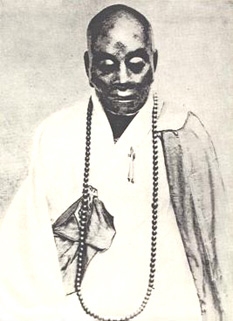
Huineng
638 CE – 713 CE
Xinzhou, Lingnan, probably modern Xinxing County, Guangdong
Tang Chinese Chan Buddhist patriarch associated with the Platform Sutra, sudden enlightenment, Buddha-nature, no-thought, nondual meditation and wisdom, and the Southern school narrative that shaped later Chan, Seon, and Zen traditions.