Critical Theory
Interdisciplinary Marxist and post-Marxist social philosophy centered on ideology critique, domination, emancipation, capitalism, culture industry, authoritarianism, reason, democracy, communication, and the relation between philosophy and social research.
Structural Factors
- Shared Core Claims
- Modern society must be criticized through its own contradictions, because capitalism, instrumental reason, mass culture, authoritarianism, and distorted communication block emancipation while also generating possibilities for critique.
- Shared Methods
- Ideology critique, immanent critique, interdisciplinary social research, Marx/Freud/Weber reception, negative dialectics, critique of instrumental reason, social theory, discourse ethics, communicative rationality, and historically situated normative analysis.
- Shared Lineage
- Critical Theory develops through Marx, Hegel, Kant, Freud, Weber, Lukacs, the Institute for Social Research, Horkheimer, Adorno, Marcuse, Benjamin, Fromm, Neumann, Habermas, Honneth, Fraser, and later critical social theory.
- Shared Problems
- Capitalism, domination, fascism, authoritarian personality, enlightenment and myth, positivism, mass culture, reification, instrumental reason, aesthetic autonomy, revolutionary agency, communicative action, democracy, recognition, and emancipation.
- Shared Vocabulary
- critical theory, traditional theory, ideology, domination, emancipation, reification, instrumental reason, dialectic, culture industry, administered world, negative dialectics, one-dimensional society, public sphere, communicative rationality, discourse ethics, recognition, and lifeworld.
- Shared Historical Context
- The school belongs to Weimar, exile, postwar Frankfurt, Cold War, New Left, postwar democracy, late capitalism, mass media, authoritarianism research, and later debates over democracy, recognition, gender, race, and global capitalism.
Defining Axes
- Doctrine
- Its doctrine joins social critique, emancipation, anti-positivism, critique of capitalism, analysis of culture and authority, and the demand that reason become reflective about its own domination-producing forms.
- Method
- Its method works through immanent critique, dialectical social theory, empirical research, psychoanalysis, ideology critique, aesthetic interpretation, historical reconstruction, discourse theory, and public-democratic critique.
- Lineage
- The lineage runs from Hegel, Marx, Weber, Freud, and Lukacs through the Frankfurt Institute, Horkheimer, Adorno, Marcuse, and Habermas to Honneth, Fraser, feminist critical theory, race-critical theory, and contemporary social philosophy.
- Subject Focus
- Critical Theory focuses on political philosophy, social philosophy, ethics, epistemology, aesthetics, philosophy of science, language, democracy, capitalism, media, authoritarianism, recognition, and communication.
- Geography / Culture
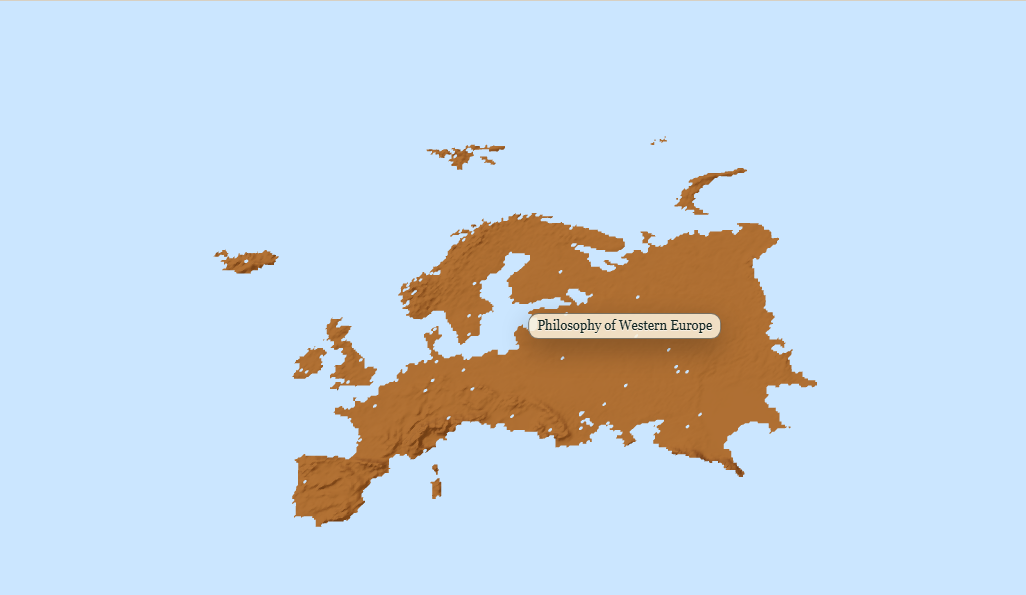
- Its center is German and German-Jewish intellectual culture in Frankfurt and exile, with American, British, French, global New Left, and contemporary international academic reception.
- Historical Reaction
- It reacts against orthodox Marxism, positivism, fascism, bourgeois liberal complacency, administered capitalism, mass deception, Stalinism, technocracy, depoliticized science, and theories that separate knowledge from emancipation.
Internal Structure
- Foundational Texts
- Foundational texts include Horkheimer's Traditional and Critical Theory, Horkheimer and Adorno's Dialectic of Enlightenment, Adorno's Minima Moralia and Negative Dialectics, Marcuse's Eros and Civilization and One-Dimensional Man, Habermas's Knowledge and Human Interests, Theory of Communicative Action, Structural Transformation of the Public Sphere, and later recognition and democratic critical theory.
- Core Vocabulary
- Core vocabulary includes ideology, critique, domination, emancipation, praxis, reification, instrumental reason, dialectic, culture industry, authoritarian personality, administered world, negative dialectics, one-dimensionality, communicative action, public sphere, lifeworld, system, validity, discourse, and recognition.
- Metaphysics
- Critical Theory is suspicious of closed metaphysical systems, but it examines social totality, nature and domination, historical mediation, nonidentity, material suffering, rationalization, and the social conditions under which reality appears natural or inevitable.
- Epistemology
- Its epistemology rejects value-neutral positivism, treating knowledge as historically and socially situated; critical knowledge is reflexive, interest-aware, interdisciplinary, and oriented toward emancipation rather than mere prediction.
- Ethics
- Its ethics centers on suffering, emancipation, autonomy, non-domination, solidarity, democratic participation, recognition, responsibility for damaged life, and the conditions under which rational communication and social freedom become possible.
- Method
- Critical Theory uses immanent critique, dialectical interpretation, social research, psychoanalysis, cultural criticism, historical reconstruction, public-sphere analysis, discourse ethics, and critique of institutions that block emancipation.
- Internal Debates
- Internal debates concern pessimism and emancipation, Marxism and psychoanalysis, art and politics, positivism, mass culture, revolutionary subject, Habermas's linguistic turn, recognition theory, feminism, race, coloniality, and the relation between critique and normative foundations.
- Successors
- Successors include second- and third-generation Frankfurt School theory, deliberative democracy, discourse ethics, recognition theory, critical race and feminist theory, cultural studies, media theory, ideology critique, and contemporary social philosophy.
External Classification Context
- History of Philosophy
- Critical Theory is a major twentieth-century transformation of German idealism, Marxism, psychoanalysis, sociology, aesthetics, and democratic theory into an interdisciplinary project of social critique.
- Philosophy of Philosophy
- It treats philosophy as inseparable from social diagnosis: theory is critical when it reveals domination, reflects on its own conditions, and helps identify possibilities for emancipation.
- Intellectual History
- Its intellectual history depends on Weimar Marxism, the Frankfurt Institute, exile in the United States, fascism studies, postwar German reconstruction, the New Left, university expansion, and global critical-theory reception.
- University Classification
- Usually classified under social and political philosophy, continental philosophy, Marxism, Frankfurt School, sociology, cultural theory, aesthetics, media theory, democratic theory, critical social theory, and intellectual history.
- Classical Sources
- Classical evidence comes from Institute publications, Zeitschrift fur Sozialforschung, Horkheimer, Adorno, Marcuse, Habermas, exile-era studies, public lectures, translated collected works, correspondence, and later critical-theory scholarship.
- Sociology of Knowledge
- Critical Theory spread through the Institute for Social Research, exile networks, German and American universities, journals, publishers, New Left movements, cultural studies, social theory departments, translations, and graduate curricula.
Linked Philosophers
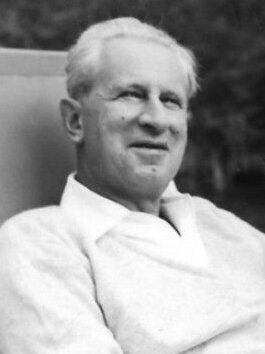
Herbert Marcuse
1898 CE – 1979 CE
Berlin
German-American Frankfurt School philosopher and critical theorist whose work on Hegel, Marx, Freud, advanced industrial society, technological rationality, liberation, art, tolerance, repression, ecology, and the New Left shaped twentieth-century social philosophy.
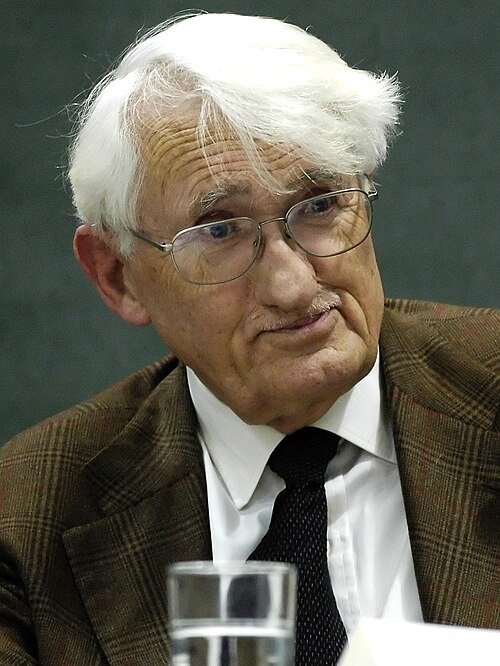
Jürgen Habermas
1929 CE – 2026 CE
Düsseldorf
German Frankfurt School philosopher of communicative rationality, discourse ethics, public sphere theory, deliberative democracy, law, postmetaphysical philosophy, religion in public reason, and European constitutional politics.
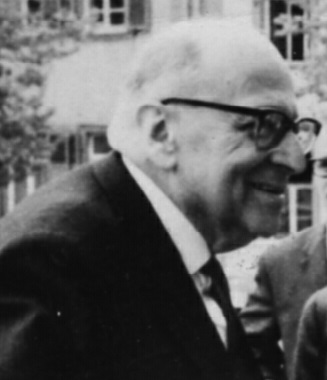
Max Horkheimer
1895 CE – 1973 CE
Stuttgart
German philosopher of Frankfurt School critical theory, Western Marxism, interdisciplinary social philosophy, instrumental reason, authoritarianism, culture industry, and late negative-theological reflection.
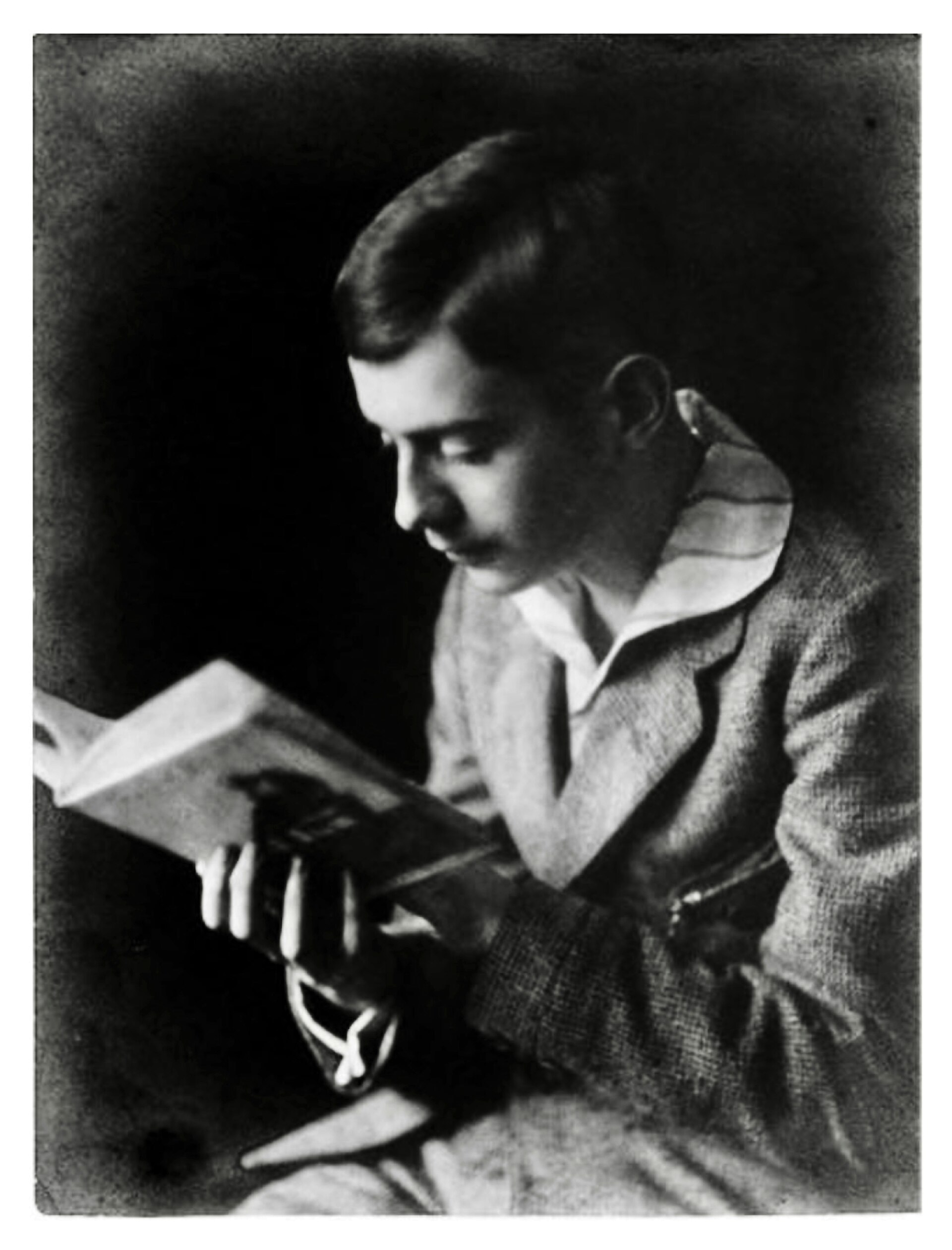
Theodor W. Adorno
1903 CE – 1969 CE
Frankfurt am Main
German critical theorist, philosopher, sociologist, and music theorist of the Frankfurt School whose negative dialectics, nonidentity, culture industry critique, aesthetics, music sociology, authoritarianism analysis, and postwar social philosophy shaped contemporary critical theory.