Philosophy School
Engaged Buddhism
Modern Buddhist tradition applying mindfulness, compassion, nonviolence, interbeing, sangha practice, and bodhisattva ethics to war, suffering, social injustice, ecology, peace work, and institutional transformation.
Period
Contemporary History1945 CE – 2065 CE
Era
World War Era1914 CE – 1944 CE
Begin
1926 CE
End
2022 CE
Structural Factors
- Shared Core Claims
- Buddhist practice is inseparable from relieving suffering in society; mindfulness, compassion, interdependence, nonviolence, and community practice should shape responses to war, injustice, poverty, ecological crisis, trauma, and institutional harm.
- Shared Methods
- Mindfulness in action, nonviolent resistance, compassionate speech, deep listening, sangha building, precept reinterpretation, peace activism, social service, meditation, and institution-building for ethical transformation.
- Shared Lineage
- Engaged Buddhism is rooted in the bodhisattva ideal, modern Asian Buddhist reform, Vietnamese war and peace activism, Thich Nhat Hanh, the Order of Interbeing, Plum Village, Buddhist Peace Fellowship, Ambedkarite Buddhism, and global socially engaged Buddhist movements.
- Shared Problems
- War, violence, colonialism, racism, poverty, social injustice, ecological crisis, trauma, exile, institutional suffering, monastic and lay responsibility, mindfulness commercialization, human rights, and the relation of Buddhist liberation to public action.
- Shared Vocabulary
- engaged Buddhism, socially engaged Buddhism, mindfulness, interbeing, sangha, bodhisattva, compassion, nonviolence, peace, deep listening, loving speech, Order of Interbeing, Fourteen Mindfulness Trainings, right action, and applied Buddhism.
- Shared Historical Context
- Engaged Buddhism took shape in twentieth-century Buddhist modernism, Vietnamese antiwar and humanitarian practice, civil rights and peace movements, decolonization, global Buddhist networks, and later environmental and social-justice activism.
Defining Axes
- Doctrine
- Its doctrine extends Buddhist interdependence, compassion, non-harming, and bodhisattva practice into public life, treating social and ecological suffering as legitimate objects of Buddhist practice.
- Method
- Its method combines meditation with public action: mindfulness, precepts, nonviolent resistance, compassionate communication, community organizing, service, education, and institutional practice.
- Lineage
- The lineage centers on Thich Nhat Hanh and the Order of Interbeing while including wider engaged Buddhist streams such as Sulak Sivaraksa, Maha Ghosananda, Ambedkarite Buddhism, Buddhist Peace Fellowship, Joanna Macy, and global Buddhist activism.
- Subject Focus
- Engaged Buddhism focuses on ethics, political philosophy, philosophy of religion, environmental ethics, social suffering, war and peace, trauma, race, caste, poverty, community, and applied contemplative practice.
- Geography / Culture
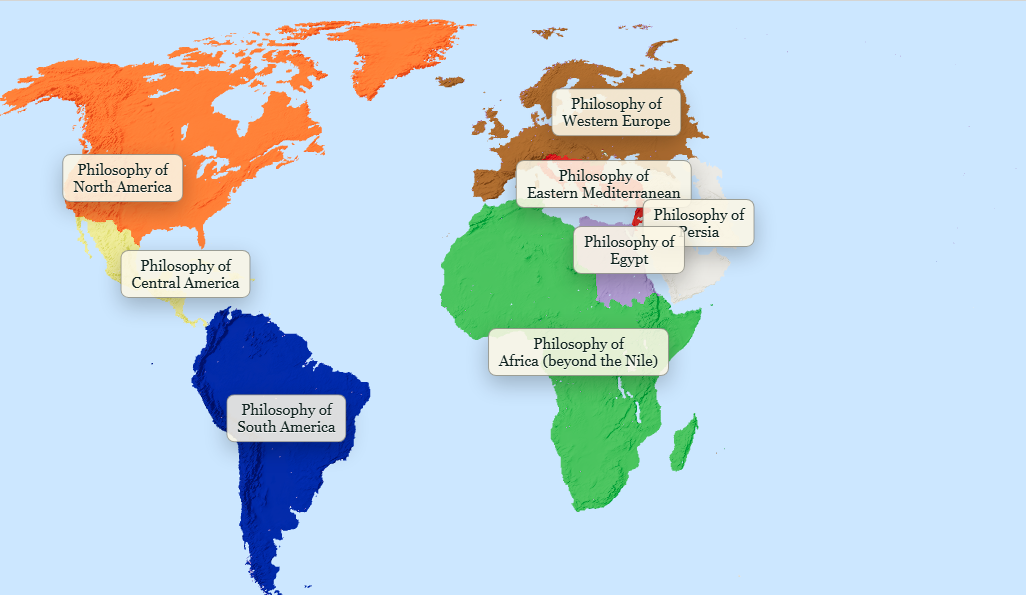
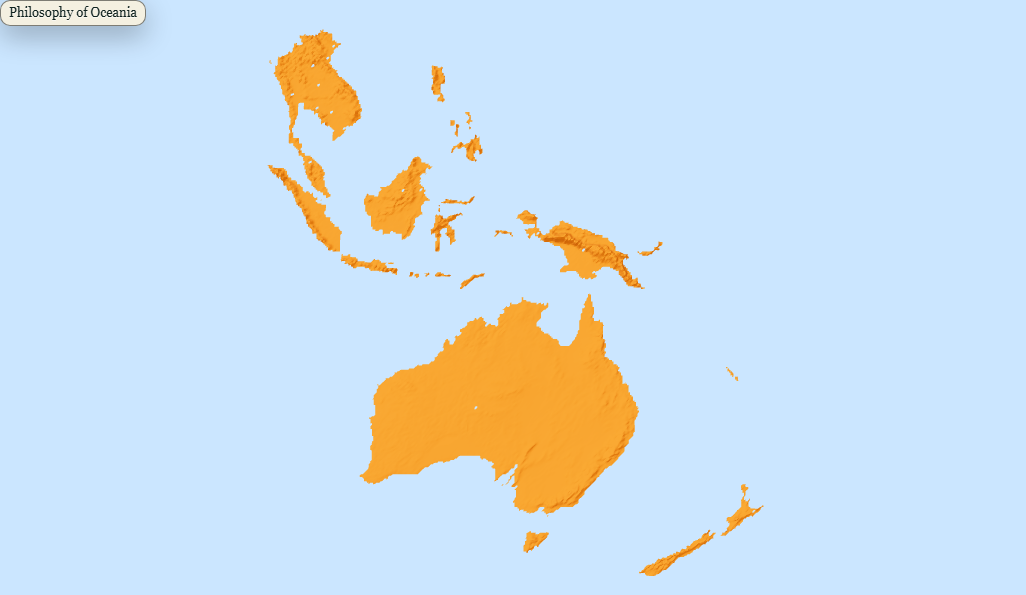
- Its key settings include Vietnam, France and Plum Village, North America, South and Southeast Asia, global Buddhist networks, antiwar movements, Buddhist modernist institutions, and transnational lay-monastic communities.
- Historical Reaction
- It reacts against quietist interpretations of Buddhism, war, colonial violence, nationalism, consumerism, ecological destruction, social inequality, and the privatization or commercialization of mindfulness detached from ethical action.
Internal Structure
- Foundational Texts
- Foundational materials include Thich Nhat Hanh's Vietnam: Lotus in a Sea of Fire, Interbeing, Being Peace, The Miracle of Mindfulness, the Fourteen Mindfulness Trainings, Order of Interbeing and Plum Village teachings, plus writings by Sulak Sivaraksa, Maha Ghosananda, B. R. Ambedkar, the Dalai Lama, Joanna Macy, Buddhist Peace Fellowship, and engaged Buddhist scholarship.
- Core Vocabulary
- Core vocabulary includes mindfulness, interbeing, engaged Buddhism, socially engaged Buddhism, sangha, bodhisattva, compassion, karuna, nonviolence, peace, deep listening, loving speech, right action, precepts, Fourteen Mindfulness Trainings, and applied Buddhism.
- Metaphysics
- Engaged Buddhism draws on interdependence, dependent origination, emptiness, non-self, and interbeing to reject isolated individualism and to frame persons, institutions, ecosystems, and suffering as mutually conditioned.
- Epistemology
- Its epistemology joins contemplative awareness, direct observation of suffering, communal discernment, ethical listening, testimony, and practical wisdom, treating knowledge as embodied, relational, and action-guiding.
- Ethics
- Its ethics extends non-harming, compassion, mindfulness, and bodhisattva responsibility into social practice, insisting that peace, justice, ecological care, and institutional repair are part of Buddhist moral life.
- Method
- The school practices sitting and walking meditation, mindful breathing, deep listening, loving speech, precept reflection, sangha decision-making, nonviolent action, relief work, public teaching, and practical training in reconciliation.
- Internal Debates
- Internal debates concern quietism versus activism, monastic versus lay responsibility, Buddhism and politics, nationalism, human rights, environmentalism, trauma, mindfulness commercialization, decolonial critique, and whether engaged Buddhism is modern innovation or recovery of older bodhisattva practice.
- Successors
- Successors and receptions include Plum Village communities, Order of Interbeing groups, Buddhist Peace Fellowship, mindfulness and peace movements, Buddhist environmental activism, prison and hospice work, socially engaged Buddhist studies, and global applied Buddhist ethics.
External Classification Context
- History of Philosophy
- Engaged Buddhism is a major modern Buddhist philosophical and ethical movement, showing how Buddhist concepts of suffering, interdependence, compassion, and liberation can be applied to public life.
- Philosophy of Philosophy
- It treats philosophy as embodied practice and social responsibility: reflection must be tested by whether it transforms suffering in persons, communities, institutions, and ecosystems.
- Intellectual History
- Its intellectual history joins Buddhist modernism, Vietnamese antiwar activism, transnational sangha formation, civil rights and peace networks, publishing by Plum Village and Parallax Press, and academic Buddhist studies.
- University Classification
- Usually classified under Buddhist philosophy, applied ethics, philosophy of religion, political philosophy, peace studies, environmental ethics, Buddhist modernism, contemplative studies, and religious studies.
- Classical Sources
- Classical sources include Buddhist precepts, bodhisattva ethics, dependent origination, compassion teachings, and Mahayana practice, while modern school evidence comes from Thich Nhat Hanh, Order of Interbeing, Plum Village, engaged Buddhist organizations, and scholarship.
- Sociology of Knowledge
- The school spread through sanghas, monastic and lay communities, antiwar networks, retreats, books, translations, Parallax Press, Plum Village centers, Buddhist Peace Fellowship, interfaith peace work, universities, and global mindfulness networks.
Linked Philosophers
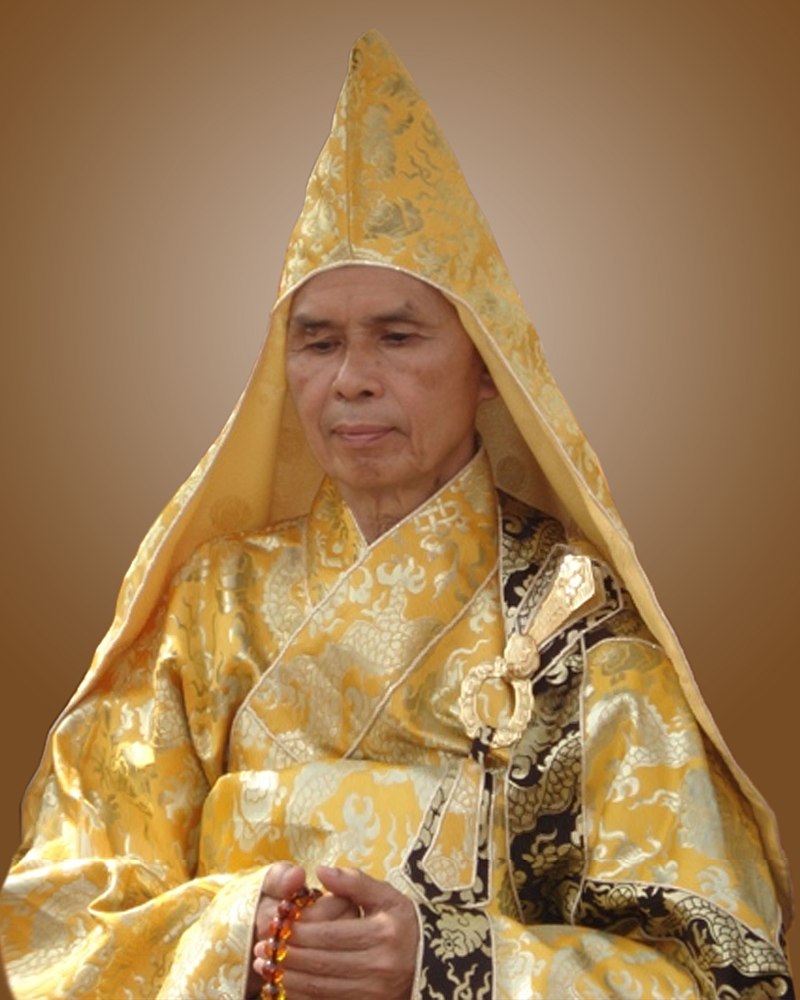
Thich Nhat Hanh
1926 CE – 2022 CE
Hue, central Vietnam
Vietnamese Zen and engaged Buddhist philosopher of mindfulness, interbeing, deep listening, loving speech, nonviolence, Plum Village practice, antiwar witness, and global lay-monastic transmission.