Philosophy School
Faxiang
Tang Chinese Consciousness-Only school founded through Xuanzang's translation project and systematized by Kuiji, centered on Yogacara doctrine, vijnaptimatra, eight consciousnesses, alaya-vijnana, seeds, three natures, cognition, karmic construction, Buddhist logic, and scholastic commentary.
Region
Eastern Thought
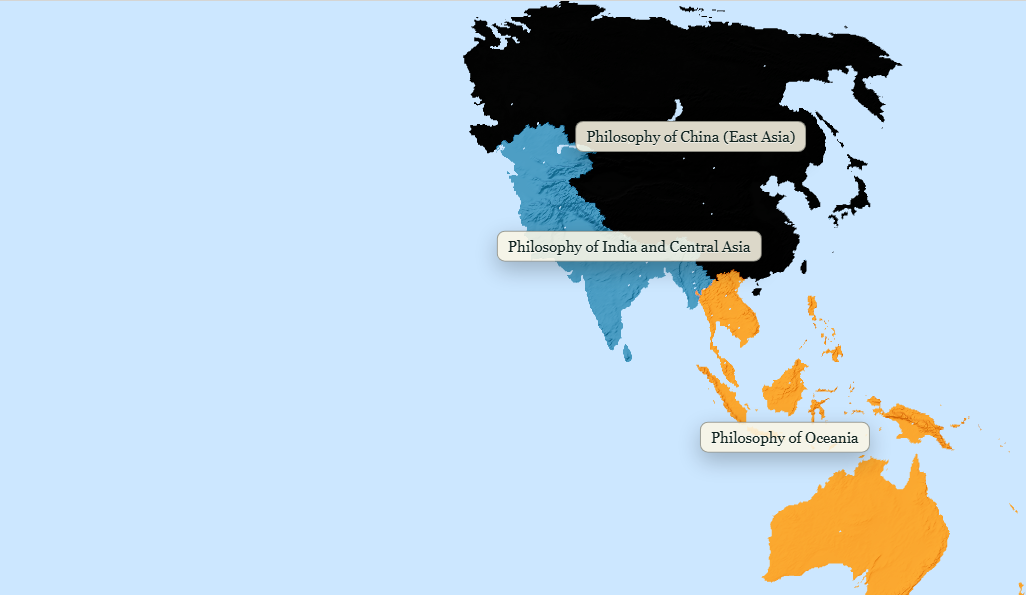
Terra Avita
China (East Asia)
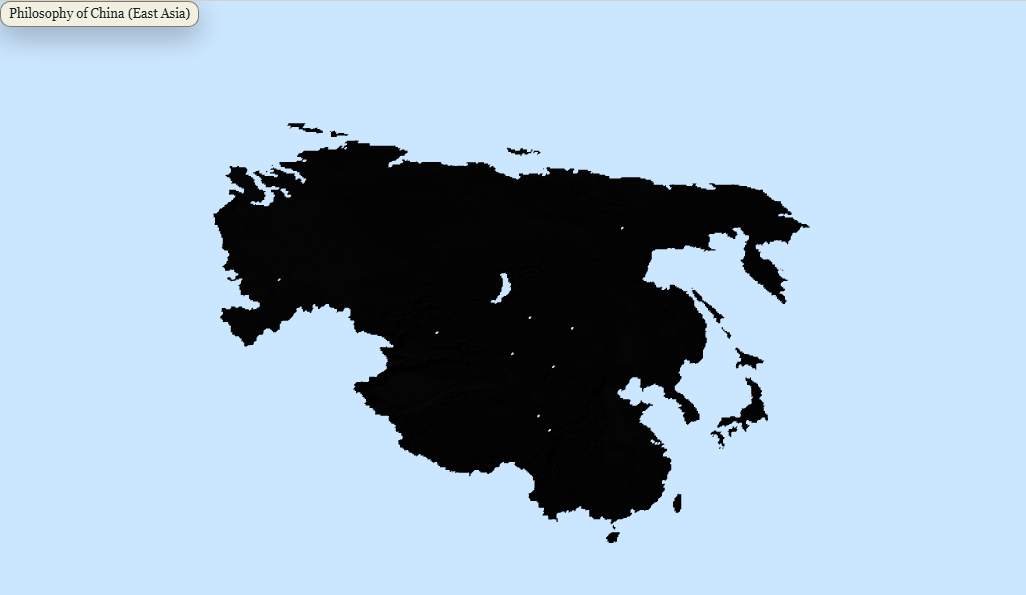
Terra Avita Region
North China Plain & Loess Belt
Structural Factors
- Shared Core Claims
- Faxiang teaches that ordinary experience is structured by consciousness-only processes, karmic seeds, storehouse consciousness, three natures, and cognitive construction; liberation requires transforming deluded cognition through Yogacara analysis and practice.
- Shared Methods
- Translation, commentary, doctrinal classification, scholastic analysis, Buddhist logic, debate, consciousness analysis, text-critical reconciliation of Indian Yogacara sources, and monastic lecture tradition.
- Shared Lineage
- The lineage runs from Indian Yogacara sources associated with Asanga, Vasubandhu, Sthiramati, and Dharmapala through Xuanzang's translations and Kuiji's systematizing commentaries to Chinese Faxiang, Japanese Hosso, Korean Beopsang, and later East Asian Yogacara reception.
- Shared Problems
- Consciousness-only, cognition, appearance and reality, storehouse consciousness, seeds, three natures, the status of external objects, Buddhist logic, doctrinal ranking, the relation to Madhyamaka, and the authority of translated Indian Yogacara texts.
- Shared Vocabulary
- Faxiang, Weishi, Yogacara, vijnaptimatra, alaya-vijnana, manas, eight consciousnesses, seeds, perfuming, three natures, three non-natures, transformation of the basis, dharmas, consciousness-only contemplation, yinming, and Cheng Weishi Lun.
- Shared Historical Context
- Faxiang formed in Tang Chang'an through Xuanzang's pilgrimage and translation bureau, Kuiji's commentaries at Ci'en monastery, court-supported Buddhist scholasticism, rival Chinese Buddhist schools, and later Korean and Japanese transmission.
Defining Axes
- Doctrine
- Its doctrine organizes Buddhist philosophy around consciousness-only analysis, the eight consciousnesses, karmic seeds, three natures, transformed cognition, and the distinction between imagined, dependent, and perfected modes of experience.
- Method
- Its method is scholastic and exegetical: translate Indian sources, compare commentaries, classify doctrine, analyze cognition, debate rival interpretations, and explain liberation through precise Yogacara categories.
- Lineage
- The lineage axis runs from Indian Yogacara and Abhidharma through Xuanzang and Kuiji to Faxiang, Hosso, Beopsang, and later East Asian debates over Consciousness-Only doctrine.
- Subject Focus
- Faxiang focuses on metaphysics, philosophy of mind, epistemology, logic, philosophy of language, Buddhist psychology, scriptural interpretation, karma, perception, and liberation.
- Geography / Culture
- The school is rooted in Tang China, especially Chang'an and Ci'en monastery, with Indian Buddhist sources, Central Asian transmission routes, Korean Beopsang reception, and Japanese Hosso institutions.
- Historical Reaction
- Faxiang responds to earlier Chinese Yogacara, Madhyamaka and emptiness debates, Chinese doctrinal classification, rival Tiantai and Huayan syntheses, Chan anti-scholastic rhetoric, and the need to stabilize newly translated Indian scholastic materials.
Internal Structure
- Foundational Texts
- Foundational texts include Cheng Weishi Lun, Kuiji's Cheng Weishi Lun Shuji, Dasheng Fayuan Yilin Zhang, Yogacara sutras and treatises, Xuanzang's translations, Vasubandhu and Asanga materials, Dharmapala commentary traditions, and later Chinese, Korean, and Japanese Faxiang-Hosso works.
- Core Vocabulary
- Core vocabulary includes Faxiang, Weishi, Yogacara, vijnaptimatra, alaya-vijnana, manas, mano-vijnana, seeds, perfuming, three natures, three non-natures, dependent nature, imagined nature, perfected nature, transformation of the basis, dharma classification, and yinming logic.
- Metaphysics
- Faxiang metaphysics explains phenomena through consciousness-only structures, karmic seeds, storehouse consciousness, dependent arising, three natures, and the transformation from deluded construction to perfected cognition.
- Epistemology
- Faxiang epistemology analyzes perception, cognition, inference, valid knowledge, mental construction, the limits of ordinary object realism, and the way correct understanding transforms consciousness and practice.
- Ethics
- Faxiang ethics is Buddhist and soteriological: ethical discipline, compassion, karmic responsibility, purification of seeds, monastic learning, and bodhisattva practice are tied to transforming cognition and overcoming delusion.
- Method
- The school works through translation bureaus, oral lectures, layered commentary, doctrinal tables, Buddhist logic, close reading of Indian Yogacara texts, comparison of rival interpretations, and formal scholastic teaching.
- Internal Debates
- Internal debates include Faxiang versus earlier Chinese Yogacara, Kuiji and Woncheuk rivalry, status of external objects, three natures, alaya-vijnana, seeds, Buddhist realism and idealism language, Madhyamaka relations, Huayan and Tiantai critiques, and later decline and revival.
- Successors
- Successors and related formations include Japanese Hosso, Korean Beopsang, later East Asian Yogacara scholarship, Buddhist logic studies, Huayan and Tiantai responses, Chan engagements, and modern comparative philosophy of mind and cognition.
External Classification Context
- History of Philosophy
- In history of philosophy, Faxiang is the major Tang Chinese systematization of Yogacara and a central East Asian Buddhist philosophy of mind, cognition, language, and reality.
- Philosophy of Philosophy
- As philosophy of philosophy, Faxiang treats rigorous translation, commentary, debate, logic, and doctrinal classification as disciplined paths for clarifying delusion and supporting liberation.
- Intellectual History
- Its intellectual history depends on Xuanzang's India pilgrimage, Tang translation institutions, Ci'en monastery, Kuiji's commentarial school, court patronage, rival Buddhist scholastic systems, and East Asian transmission.
- University Classification
- Usually classified under Chinese Buddhism, East Asian Yogacara, Buddhist philosophy, philosophy of mind, epistemology, logic, philosophy of religion, Chinese philosophy, and East Asian intellectual history.
- Classical Sources
- Classical evidence comes from the Chinese Buddhist canon, Cheng Weishi Lun, Kuiji commentaries, Xuanzang translations, Buddhist catalogs, monastic biographies, Korean and Japanese transmission records, and later Hosso materials.
- Sociology of Knowledge
- Faxiang persisted through translation teams, lecture traditions, manuscript and canon transmission, monastic institutions, scholastic lineages, Japanese Hosso temples, Korean reception, printed canons, and modern Buddhist studies networks.
Linked Philosophers
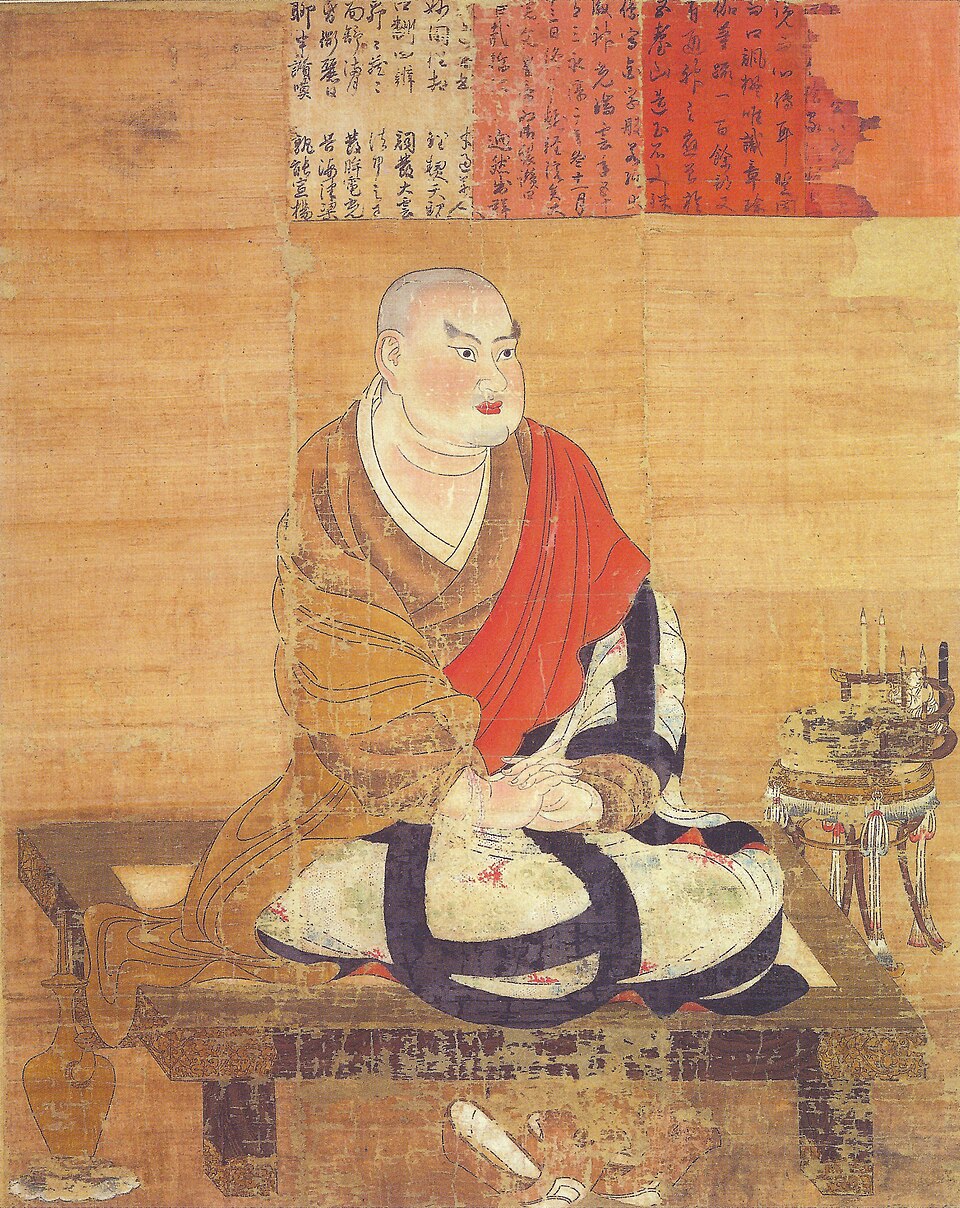
Kuiji
632 CE – 682 CE
Chang'an, Tang China
Tang Faxiang Yogācāra scholastic whose Consciousness-Only commentaries, Buddhist logic, scripture exegesis, and Cheng Weishi Lun Shuji shaped East Asian philosophy of mind, epistemology, language, and religion.