Islamic Rationalism
Islamic Rationalism centers Abu Rayhan al-Biruni here and frames rational inquiry through demonstration, mathematics, astronomy, chronology, comparative religion, falsafa, kalām, Muʿtazilah context, Greek-Arabic transmission, language, logic, and natural philosophy.
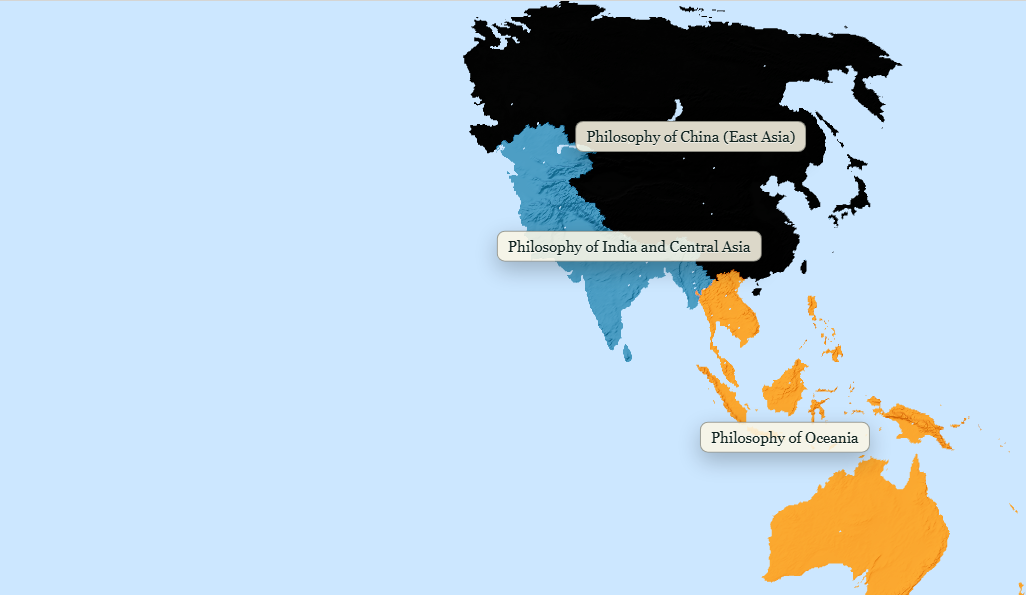
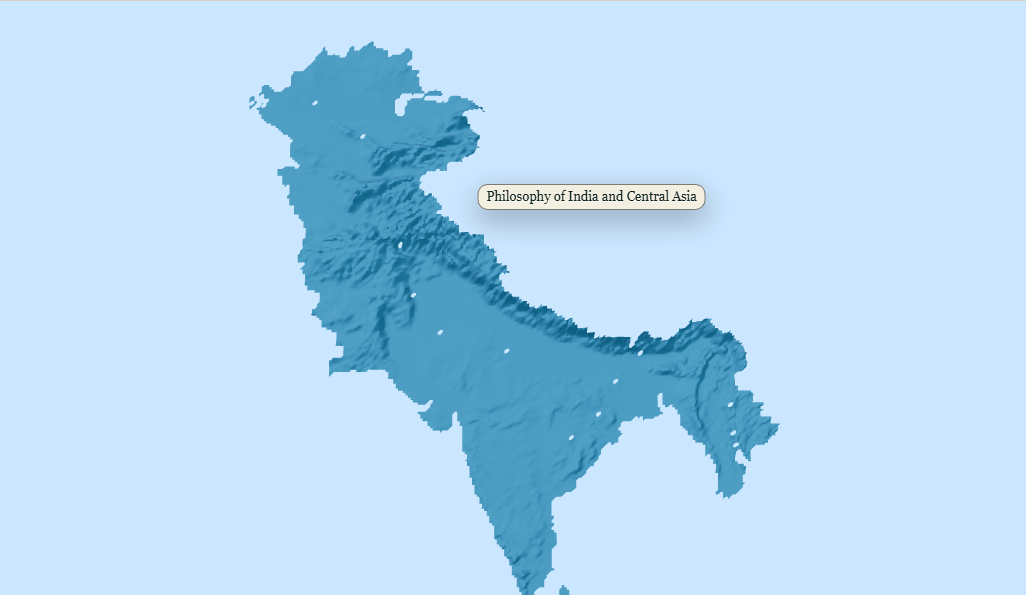
Structural Factors
- Shared Core Claims
- Islamic Rationalism gives reasoned inquiry, demonstration, mathematical and scientific investigation, comparative religion, astronomy, chronology, language, logic, kalām, Muʿtazilah context, falsafa, and Greek-Arabic transmission a central role in philosophical understanding. This page centers al-Biruni as the linked philosopher while using broader Islamic rationalist traditions as source context.
- Shared Methods
- Demonstration, philological comparison, astronomical and mathematical analysis, historical chronology, cross-cultural inquiry, kalām argument, language and logic analysis, natural-philosophy comparison, text/source comparison, catalog review, and scholarship review.
- Shared Lineage
- This page preserves Abu Rayhan al-Biruni as the only linked philosopher. The school context includes Arabic and Islamic philosophy, Greek sources in Arabic translation, kalām, Muʿtazilah, occasionalism and causation debates, Baghdad Aristotelianism, al-Farabi, falsafa, and broader Islamic rational inquiry without adding Avicenna, Averroes, al-Farabi, al-Ghazali, Ashʿarī, or Twelver Shiʿi figures as linked philosophers.
- Shared Problems
- Reason and revelation, demonstration, falsafa, kalām, Muʿtazilah, causation, occasionalism, language, logic, natural philosophy, scientific inquiry, astronomy, mathematics, chronology, translation, Greek sources, comparative religion, and cross-cultural knowledge.
- Shared Vocabulary
- Islamic Rationalism, Abu Rayhan al-Biruni, al-Biruni, ʿaql, reason, demonstration, falsafa, kalām, Muʿtazilah, astronomy, mathematics, chronology, comparison, translation, Greek sources, language, logic, natural philosophy, scientific inquiry, Baghdad school, and Greek-Arabic transmission.
- Shared Historical Context
- Islamic Rationalism belongs to Arabic and Islamic philosophy and to medieval scientific, mathematical, religious, linguistic, and logical inquiry. The source set documents al-Biruni, Arabic and Islamic philosophy, Greek sources, kalām, Muʿtazilah, causation and occasionalism, philosophy of religion, natural philosophy, language and logic, mathematics, Baghdad Aristotelianism, and catalog/scholarship rows.
Defining Axes
- Doctrine
- Reasoned inquiry, demonstration, falsafa, kalām, Muʿtazilah context, Greek-Arabic transmission, natural philosophy, language, logic, mathematics, astronomy, chronology, comparison, and scientific inquiry.
- Method
- Demonstration, philological comparison, astronomical and mathematical analysis, chronology, cross-cultural inquiry, kalām argument, language/logic analysis, source comparison, catalog review, and scholarship review.
- Lineage
- Abu Rayhan al-Biruni as linked philosopher, Arabic and Islamic philosophy as tradition context, Greek-Arabic transmission and Baghdad Aristotelianism as source context, and al-Farabi/falsafa/kalām/Muʿtazilah rows as evidence only.
- Subject Focus
- Epistemology, philosophy of science, mathematics, astronomy, chronology, comparative religion, language, logic, natural philosophy, philosophy of religion, metaphysics, and intellectual history.
- Geography / Culture
- Medieval Islamic intellectual cultures across Arabic, Persianate, and Central Asian contexts, with Baghdad-school and Greek-Arabic transmission rows used as source context.
- Historical Reaction
- A rational and scientific response to inherited authorities, competing religious traditions, translation movements, theological dispute, and questions about how demonstration, language, logic, and natural inquiry fit within Islamic philosophy.
Internal Structure
- Foundational Texts
- Source evidence includes al-Biruni reference, bibliography, mathematics and astronomy rows, A Treatise on Drawing Chords in a Circle, Alberuni's India, The Chronology of Ancient Nations, SEP and IEP Arabic and Islamic philosophy rows, Greek sources, Islamic philosophy of religion, natural philosophy and natural science, language and logic, essence and existence, kalām, Muʿtazilah, occasionalism and causation context, Baghdad school rows, Abu Sulayman al-Sijistani, Abu Bishr Matta, Yahya ibn Adi, Abu Hayyan al-Tawhidi, al-Farabi context, Open Library, WorldCat, PhilPapers, PhilArchive, Cambridge, Oxford, Brill, De Gruyter, Google Books, and related catalog/search rows.
- Core Vocabulary
- Islamic Rationalism, Abu Rayhan al-Biruni, al-Biruni, ʿaql, reason, demonstration, falsafa, kalām, Muʿtazilah, astronomy, mathematics, chronology, comparison, translation, Greek sources, language, logic, natural philosophy, scientific inquiry, Baghdad school, and Greek-Arabic transmission.
- Metaphysics
- Metaphysical context appears through Arabic and Islamic philosophy, essence and existence, Greek sources, falsafa, causation, occasionalism, natural philosophy, philosophy of religion, and the relation between demonstration and theological claims.
- Epistemology
- Epistemology centers reasoned inquiry, demonstration, language, logic, mathematics, astronomy, chronology, comparative method, Greek-Arabic transmission, and al-Biruni's cross-cultural investigation.
- Ethics
- Ethical and religious context appears through philosophy of religion, comparative religion, rational inquiry into traditions, and disputes over reason, revelation, causation, and intellectual discipline.
- School Method
- The method combines al-Biruni-centered evidence with Arabic and Islamic philosophy, Greek-Arabic transmission, kalām and Muʿtazilah context, Baghdad school rows, public text surfaces, catalog rows, reference rows, and scholarship while excluding image rows, direct Avicenna rows, direct Averroes/Latin Averroism rows, al-Farabi profile/audio spillover, Asharism/al-Ghazali takeover rows, Twelver Shiʿi rows, and unrelated Buddhist, Indian, Mysticism-only, or broad medieval-philosophy rows.
- Internal Debates
- Internal issues include the scope of rational demonstration, the relation between reason and revelation, the status of kalām and falsafa, the role of Greek sources, the interpretation of causation and occasionalism, and the use of mathematics, astronomy, language, and logic as philosophical methods.
- Successors
- Islamic Rationalism shaped later Arabic and Islamic philosophy, philosophy of science, astronomy, mathematics, kalām, falsafa, language and logic, comparative religion, intellectual history, and modern scholarship on Greek-Arabic transmission and medieval rational inquiry.
External Classification Context
- History of Philosophy
- Belongs to Arabic and Islamic philosophy, medieval philosophy, philosophy of science, philosophy of religion, logic, philosophy of language, natural philosophy, history of science, and intellectual history.
- Philosophy of Philosophy
- Defines philosophy as disciplined rational inquiry using demonstration, comparison, translation, mathematics, astronomy, language, logic, and historical investigation to test and organize claims.
- Intellectual History
- Connects Abu Rayhan al-Biruni, Arabic and Islamic philosophy, Greek sources, kalām, Muʿtazilah, falsafa, Baghdad Aristotelianism, philosophy of religion, natural philosophy, language and logic, mathematics, chronology, public text rows, catalog rows, and scholarship.
- University Classification
- Classify under Islamic Rationalism, Arabic and Islamic philosophy, medieval philosophy, philosophy of science, philosophy of religion, logic, philosophy of language, natural philosophy, history of astronomy, history of mathematics, and intellectual history.
- Classical Sources
- Evidence includes al-Biruni rows, SEP, IEP, Britannica, Treccani, Internet Archive, Open Library, WorldCat, PhilPapers, PhilArchive, Cambridge Core, Oxford Academic, Oxford Reference, Brill, De Gruyter, Google Books, DFG GEPRIS, Tel Aviv University, and Baghdad-school context rows.
- Sociology of Knowledge
- The source set documents Islamic Rationalism through reference rows, public text rows, catalog rows, scholarship rows, authority/context rows, and tradition rows, while image rows, Avicenna takeover, Averroes/Latin Averroism takeover, al-Farabi profile takeover, Asharism/al-Ghazali takeover, Twelver Shiʿi takeover, and broad unrelated context stay held out.
Linked Philosophers
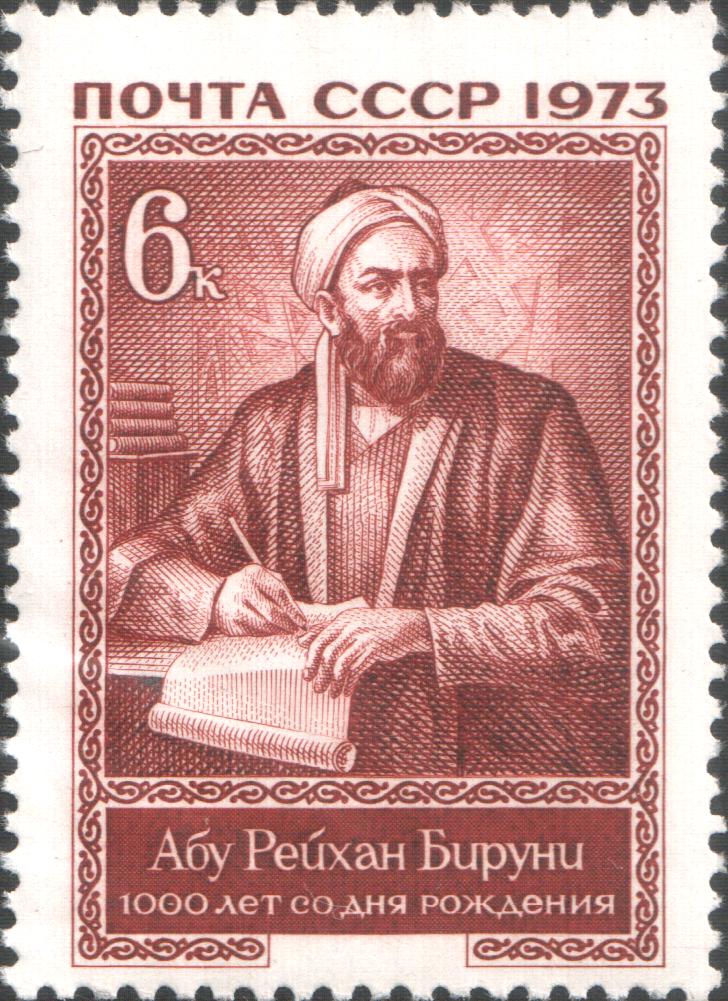
Abu Rayhan al-Biruni
973 CE – 1048 CE
Kath (Khwarezm)
Khwarezmian Persian polymath whose mathematical astronomy, geodesy, chronology, comparative study of India, mineralogy, pharmacology, and scientific method shaped medieval Islamic and cross-cultural philosophy of science.
Other Voices
Reference entries, public text surfaces, catalog rows, and scholarship connected to Islamic Rationalism, Abu Rayhan al-Biruni, reasoned inquiry, falsafa, kalām, Muʿtazilah, Greek-Arabic transmission, astronomy, mathematics, chronology, language, logic, natural philosophy, and scientific inquiry.