Philosophy School
Jainism
Jainism centers Mahāvīra (Vardhamāna) here and frames Jain philosophy through jīva, ajīva, karma, ahiṃsā, anekāntavāda, syādvāda, aparigraha, vows, kevala jñāna, tīrthaṅkaras, and liberation.
Structural Factors
- Shared Core Claims
- Jainism argues that living souls, or jīvas, are bound by karma and can move toward liberation through right vision, knowledge, conduct, nonviolence, restraint, and disciplined practice. The school emphasizes jīva and ajīva, karma as subtle matter, bondage, liberation, ahiṃsā, anekāntavāda, syādvāda, aparigraha, vows, kevala jñāna, mokṣa, tīrthaṅkaras, and Mahāvīra.
- Shared Methods
- Scriptural testimony comparison, śramaṇa context, many-sided analysis, non-absolutist predication, ethical discipline, ascetic practice context, close comparison of Jain āgamas and Jaina Sutras, public text comparison, catalog review, and scholarship/source comparison.
- Shared Lineage
- This page preserves Mahāvīra (Vardhamāna) as the only linked philosopher. The school context includes the Jina and tīrthaṅkara tradition, Jain āgamas, Ācārāṅga Sūtra, Sūtrakṛtāṅga, Kalpa Sūtra, Jaina Sutras, śramaṇa movements, and Indian philosophy context without adding Ajita, Makkhali, Kumārajīva, Buddhist, Hindu, or broader Indian figures as linked philosophers.
- Shared Problems
- Soul and non-soul, karma, bondage, liberation, nonviolence, vows, ascetic discipline, many-sided truth, conditional predication, possession and non-possession, omniscience, tīrthaṅkara authority, Jain scripture, śramaṇa context, and the relation of Jainism to broader Indian philosophical debate.
- Shared Vocabulary
- Jainism, Jaina philosophy, Mahāvīra, Vardhamāna, jīva, ajīva, karma, ahiṃsā, anekāntavāda, syādvāda, aparigraha, mahāvrata, kevala jñāna, mokṣa, tīrthaṅkara, Jina, śramaṇa, Jain āgamas, Ācārāṅga Sūtra, Sūtrakṛtāṅga, Kalpa Sūtra, and Jaina Sutras.
- Shared Historical Context
- Jainism belongs to ancient Indian and śramaṇa philosophy. The source set documents Mahāvīra, Jain doctrine, Jaina philosophy, Jain āgamas, Ācārāṅga Sūtra, Sūtrakṛtāṅga, Kalpa Sūtra, Jaina Sutras, Indian epistemology and language context, public text surfaces, catalog rows, and modern scholarship.
Defining Axes
- Doctrine
- Jīva and ajīva, karma, bondage and liberation, ahiṃsā, anekāntavāda, syādvāda, aparigraha, vows, kevala jñāna, tīrthaṅkaras, and mokṣa.
- Method
- Many-sided analysis, conditional predication, scriptural comparison, ethical discipline, ascetic practice context, testimony comparison, catalog review, and scholarship review.
- Lineage
- Mahāvīra (Vardhamāna) as linked philosopher, Jina and tīrthaṅkara tradition as formation context, Jain āgamas and Jaina Sutras as textual context, and Indian/śramaṇa philosophy as source context only.
- Subject Focus
- Metaphysics, epistemology, ethics, religious philosophy, philosophy of action, language, liberation, vows, nonviolence, ascetic discipline, and scriptural interpretation.
- Geography / Culture
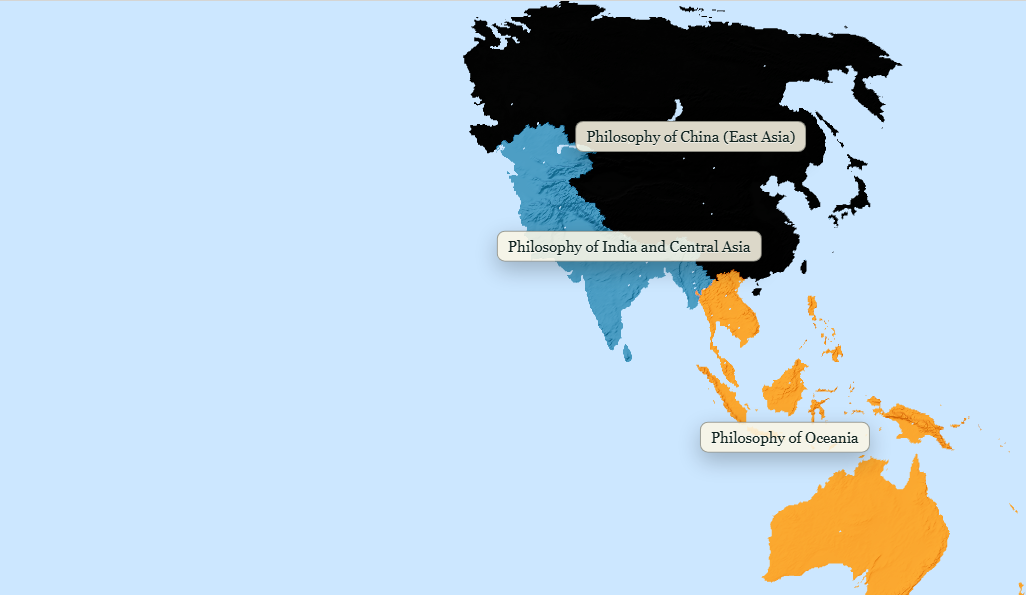
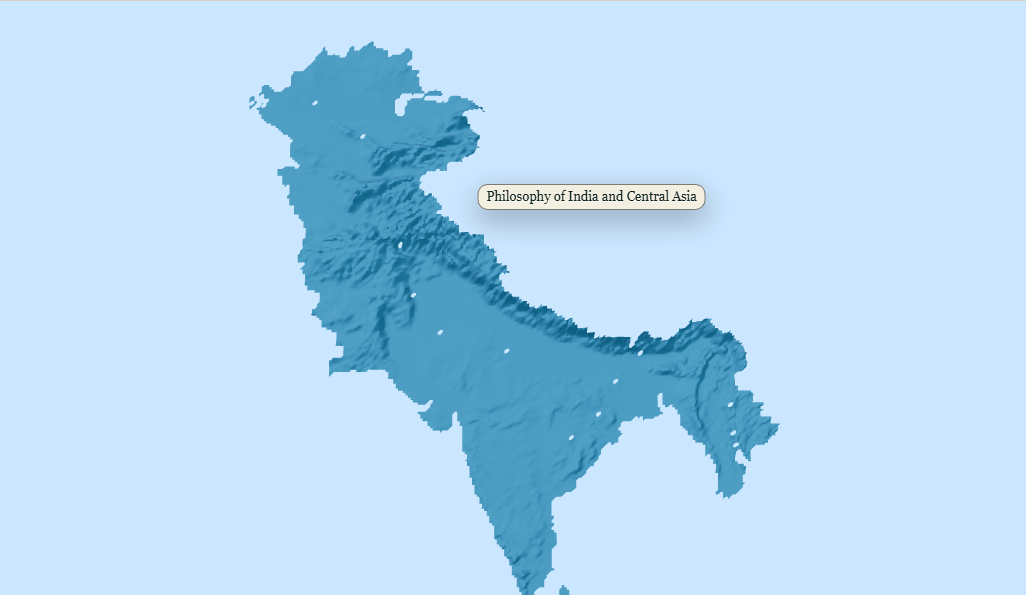
- Ancient Indian śramaṇa culture, Jain communities, South Asian religious-philosophical debate, and later global Jain studies through reference, text, catalog, and scholarship rows.
- Historical Reaction
- A śramaṇa alternative to Vedic ritual authority and a distinctive Indian philosophical account of soul, karma, nonviolence, non-possession, many-sided truth, and liberation.
Internal Structure
- Foundational Texts
- Source evidence includes SEP Jaina Philosophy and Indian philosophy context rows, IEP Jain Philosophy and Hindu Philosophy context, Britannica Mahavira, Jainism, Jain philosophy, and mahāvrata rows, Jainpedia, WisdomLib, World History Encyclopedia, Encyclopedia.com, Sacred Texts Jaina Sutras, Internet Archive, Project Gutenberg, Open Library, WorldCat, PhilPapers, PhilArchive, Cambridge, Oxford, JSTOR, Taylor and Francis, Routledge, Brill, De Gruyter, Springer, Google Books, HathiTrust, LOC, BnF, DNB, VIAF, Wikipedia concept/text rows, Śramaṇa context, and Sūtrakṛtāṅga rows.
- Core Vocabulary
- Jainism, Jaina philosophy, Mahāvīra, Vardhamāna, jīva, ajīva, karma, ahiṃsā, anekāntavāda, syādvāda, aparigraha, mahāvrata, kevala jñāna, mokṣa, tīrthaṅkara, Jina, śramaṇa, Jain āgamas, Ācārāṅga Sūtra, Sūtrakṛtāṅga, Kalpa Sūtra, and Jaina Sutras.
- Metaphysics
- Jain metaphysics distinguishes jīva and ajīva and treats karma as a binding condition that obstructs the soul until disciplined practice and insight clear the path toward kevala jñāna and mokṣa.
- Epistemology
- Jain epistemology is represented through many-sided truth, anekāntavāda, syādvāda, classical Indian epistemology context, personhood context, meaning/language context, and source rows on Jain doctrine and textual traditions.
- Ethics
- Ethics centers ahiṃsā, vows, mahāvrata, aparigraha, restraint, ascetic discipline, right conduct, and the practical effort to reduce harm and loosen karmic bondage.
- School Method
- The method combines Mahāvīra-centered school evidence with Jain philosophy, Jain scripture rows, public text surfaces, catalog rows, reference rows, and scholarship while excluding image/media rows, duplicate/spillover rows, broad Buddhist rows, Maitreyi/Upanishad rows, Ajita/Materialism rows, Makkhali/Ajivika rows, Madhyamaka/Kumārajīva rows, Jivaka rows, and broad Hindu or Buddhist takeover rows.
- Internal Debates
- Internal issues include the interpretation of jīva and ajīva, the mechanics of karmic bondage, the scope of ahiṃsā, the relation between anekāntavāda and syādvāda, the role of vows and ascetic discipline, and the status of scriptural testimony, omniscience, and liberation.
- Successors
- Jainism shaped South Asian ethics, metaphysics, epistemology, logic, religious practice, nonviolence traditions, textual commentary, and modern scholarship on pluralism, many-sided truth, and Jain philosophical methods.
External Classification Context
- History of Philosophy
- Belongs to Indian philosophy, Jain philosophy, śramaṇa traditions, metaphysics, epistemology, ethics, philosophy of religion, philosophy of language, and liberation-oriented philosophy.
- Philosophy of Philosophy
- Defines philosophy as disciplined inquiry and practice oriented toward right knowledge, right conduct, nonviolence, many-sided understanding, and liberation from karmic bondage.
- Intellectual History
- Connects Mahāvīra, Vardhamāna, Jainism, Jaina philosophy, Jain āgamas, Ācārāṅga Sūtra, Sūtrakṛtāṅga, Kalpa Sūtra, Jaina Sutras, śramaṇa traditions, Indian philosophy context, public text surfaces, catalog rows, and modern scholarship.
- University Classification
- Classify under Jainism, Jain philosophy, Indian philosophy, śramaṇa philosophy, South Asian philosophy, metaphysics, epistemology, ethics, philosophy of religion, and philosophy of language.
- Classical Sources
- Evidence includes SEP, IEP, Britannica, Jainpedia, WisdomLib, World History Encyclopedia, Encyclopedia.com, Sacred Texts, Internet Archive, Project Gutenberg, Open Library, WorldCat, PhilPapers, PhilArchive, Cambridge, Oxford, JSTOR, Taylor and Francis, Routledge, Brill, De Gruyter, Springer, Google Books, HathiTrust, LOC, BnF, DNB, VIAF, Wikipedia concept/text rows, Śramaṇa context, and Sūtrakṛtāṅga rows.
- Sociology of Knowledge
- The source set documents Jainism through reference rows, public text rows, catalog rows, scholarship rows, authority rows, and concept rows, while image/media rows, duplicate rows, Buddhist spillover, Ajivika spillover, Materialism spillover, Madhyamaka spillover, and broad Hindu or Buddhist rows stay held out.
Linked Philosophers
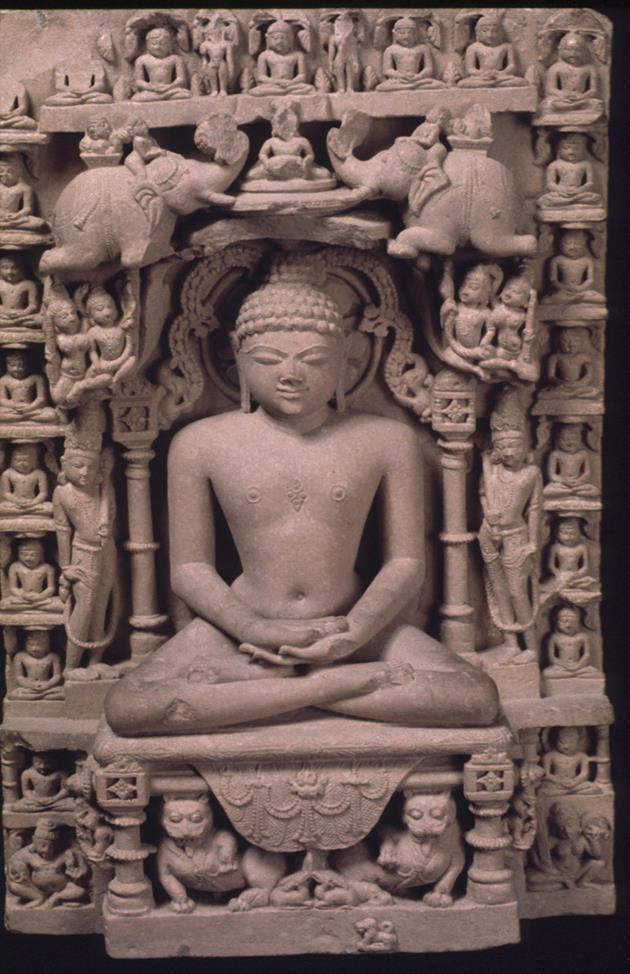
Mahāvīra (Vardhamāna)
599 BCE – 527 BCE
Kuṇḍagrāma near Vaiśālī, Vajji; traditional birthplace
Jain śramaṇa teacher and final tīrthaṅkara associated with ahiṃsā, anekāntavāda, aparigraha, ascetic liberation, kevala-jñāna, and the Jain Āgama teaching tradition.
Other Voices
Reference entries, public text surfaces, catalog rows, and scholarship connected to Jainism, Mahāvīra, Vardhamāna, ahiṃsā, anekāntavāda, syādvāda, aparigraha, jīva, karma, kevala jñāna, tīrthaṅkara, mokṣa, Jain āgamas, and śramaṇa context.